Touch of the Master’s Hand

I laid down on the sofa with my legs pulled up, covered myself with a thin blanket, tucked the pillow under my head and took an afternoon nap – just like my grandmother had done for years. All snuggled down, I felt a sense of complete satisfaction. The old sofa that was covered in cloth that rotted over the years was made good as new – maybe even better.

There is more to this story than a sofa in disrepair that needed to be fixed. This is the story of a master artisan.

One day I received a call, “Hey. Do you want Gommie’s sofa? It needs to be recovered.” What kind of question was that? “Yep. I sure do.”
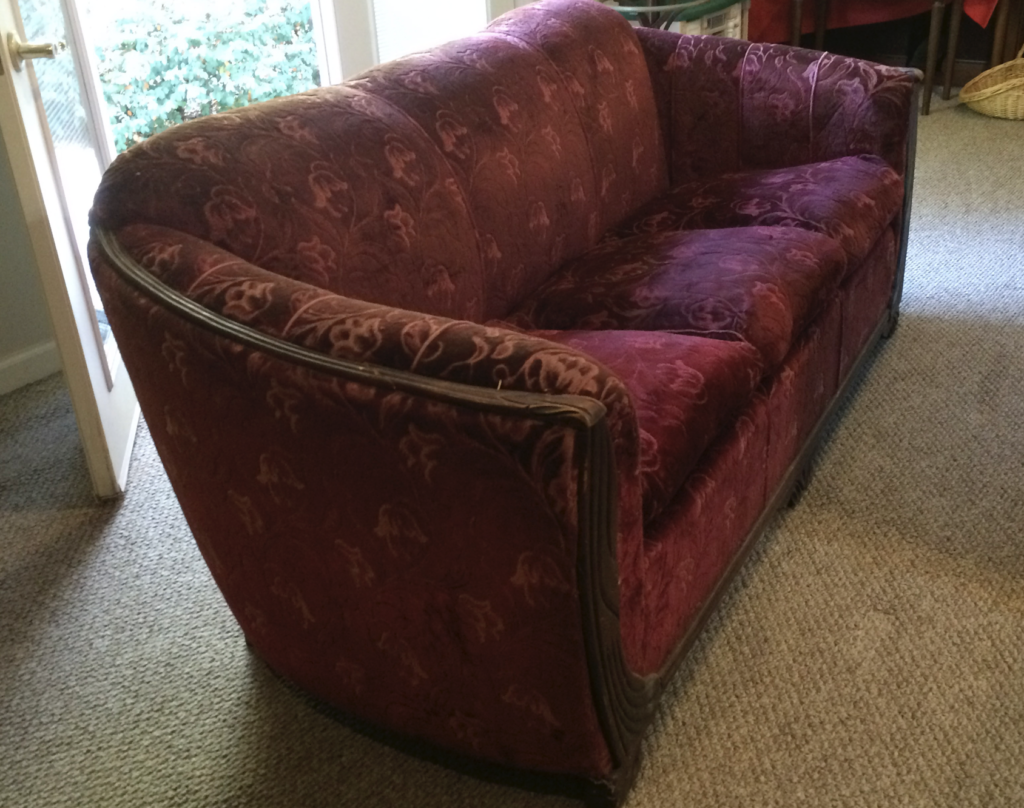
I had not seen the sofa in years – not since my Grandmother last sat on it or had taken her last afternoon nap on it. I knew it would cost something to get it repaired, but to me, it was worth it. Immediately I called a dear friend whose husband did upholstery. They were very special friends to me. Mr. Charles was one of the most gifted craftsmen I have ever known. My mother would certainly have approved of his precise skills. My friend is an expert artist herself and a mentor. Fabric is her gift, quilts in particular. [How I have wished she would have come along earlier so she could have met my mother. They would have been close friends.] When I told them of the sofa that needed to be reupholstered, Mr. Charles said, “I’ll do it for you as long as you don’t give me a deadline. Just go pick out the fabric.” After speaking with him, I was elated!
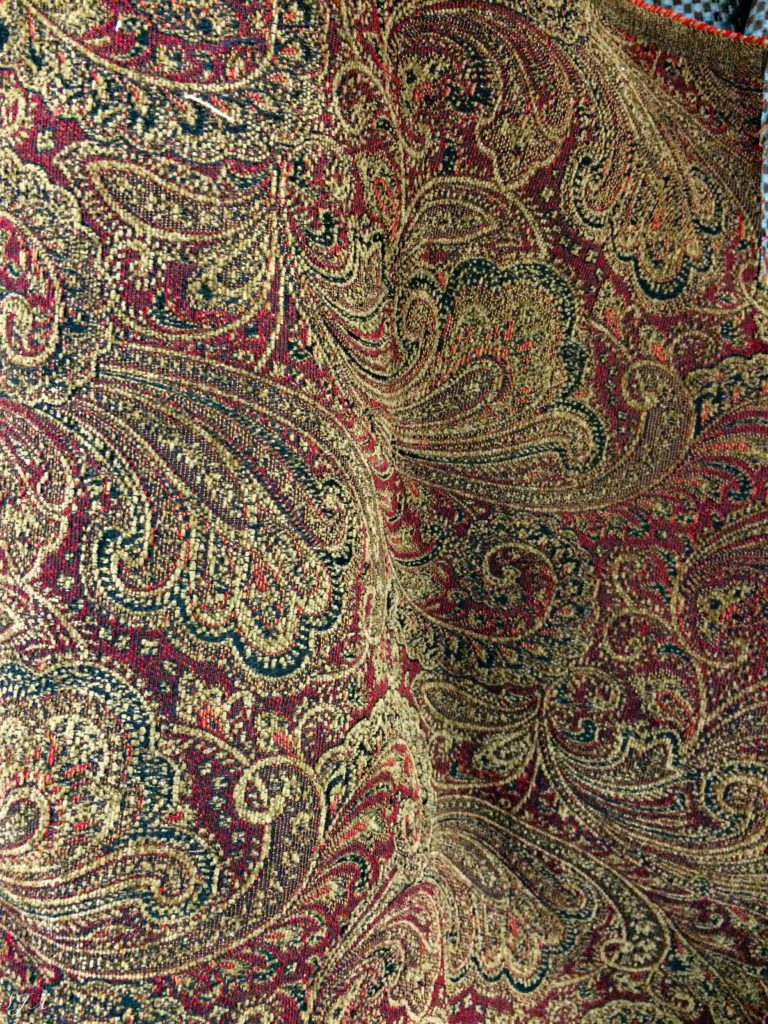
When I found just the perfect fabric, I sent them a picture. Mr. Charles said the paisley designed fabric in deep red tones with a bit of gold was perfect for the “contemporary” style sofa made in the 20’s – 30’s era. Even the texture and weave of fabric was fitting.  I left the sofa and fabric in their care and waited very patiently.

It wasn’t long before they called me to come check on the progress. The sofa was sitting on sawhorses and was stripped down to its skeleton. Springs in the back and seat of the sofa were laid bare. Only four of the myriads of springs were tied together. All the other strings that had once held the network of springs had rotted and fallen off causing some of the springs to lie cockeyed. The batting that had been in the sofa was so rotten, a sawdust-like residue seeped through the seams and cushions. One section of the back of the frame was busted. Woodwork on one of the arms was split. The cushions were no good and were so hard, it was not comfortable in the slightest. The sofa needed a complete makeover.

I can tell you, this was a labor of love. Mr. Charles was on oxygen most of the time. He had a long tube that was his lifeline, but he didn’t let that get in his way of doing what he loved. In fact, he thanked me.

When I got the call that he was done, I couldn’t get there quick enough. It was gorgeous. It was perfect. My friend had stripped and refinished all the woodwork. The rich tones of the wood just gleamed next to the posh fabric. The cushions were comfy yet firm. The piping was even and neat. He did leave one thing though; he left the memories intact. I could not have asked for anything greater. Maybe the sofa will last for another hundred years. Mr. Charles was a truly gifted artisan. He was a master!
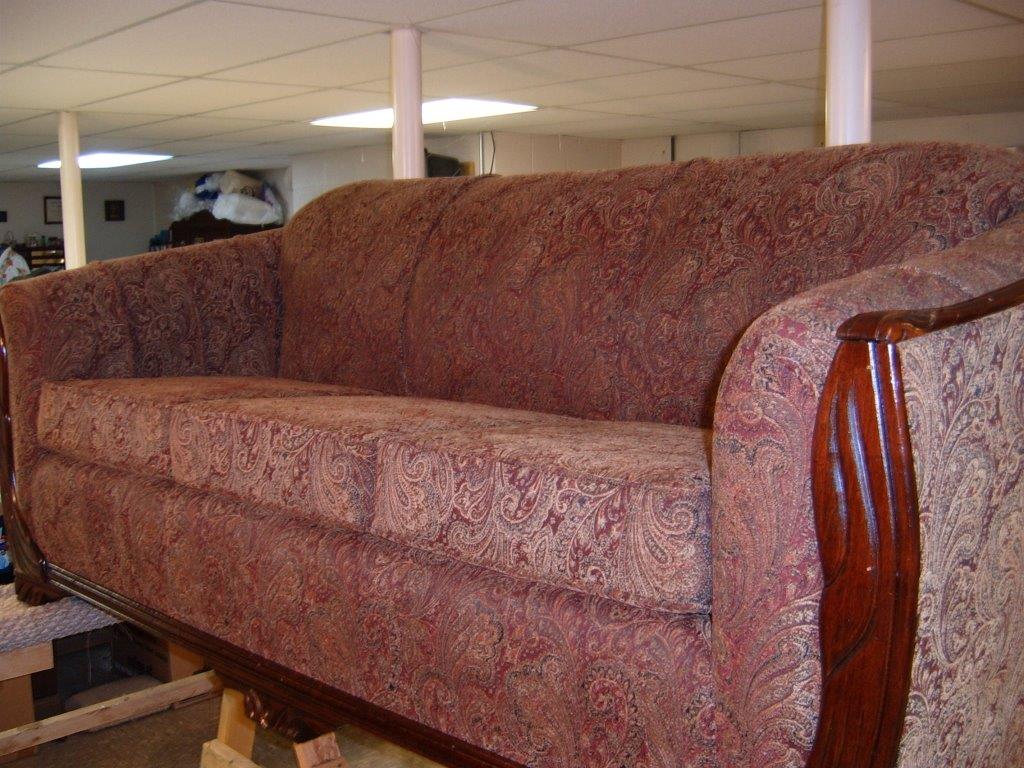
When I look at the sofa that is just my size, I see the work of the master’s hands. There is expertise in every stitch. The colors, the craftsmanship, and the refinished wood all compliment one another. More than seeing the work of the master artisan’s hands, I see a work of the master’s heart, an act of love.

I often sit on the cushions and rest a bit while having a cup of hot tea or while telling stories to the kids. Sometimes I even lie down for a few minutes and might even steal a quick nap. Memories ooze from the seams and every stitch whispers memories of time spent with Gommie, warm fuzzy memories of cuddling up beside her and listening to her stories. I can see her look at me, smile, squint her eyes, and click her teeth.

Among the memories that fill the room, I am also reminded that I have witnessed the touch of the master’s hand and heart. The gift of a master artisan is a special treasure, but the gift given from the heart is priceless.
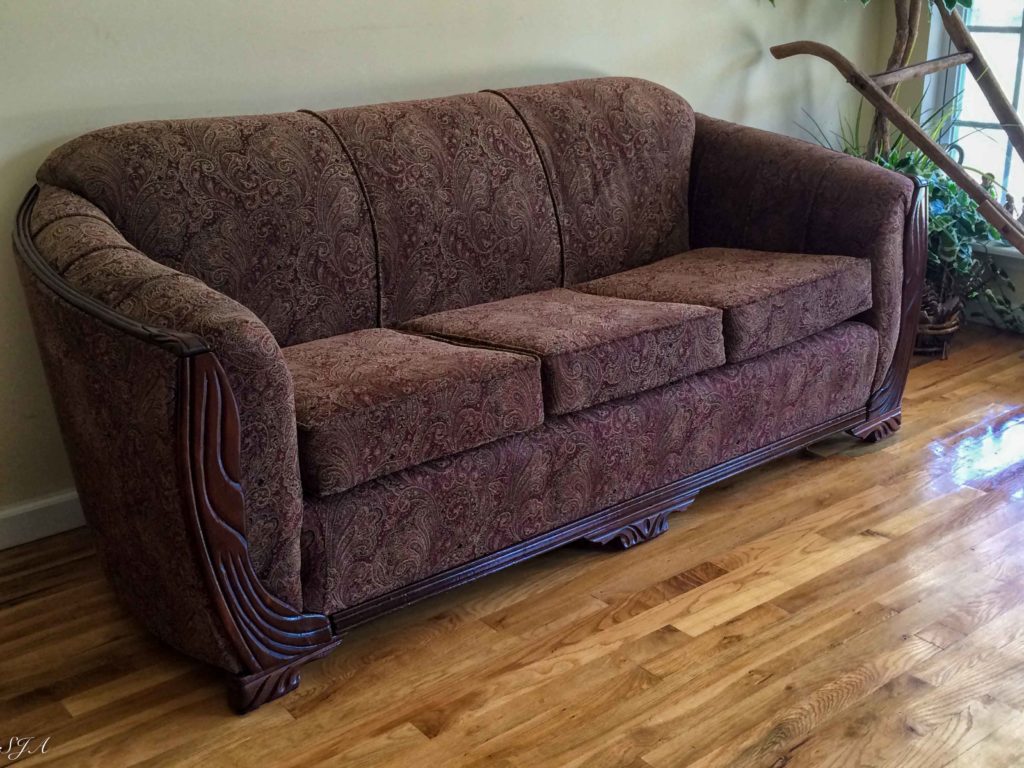
A couple of years ago, I took a couple of friends with me to Montana. One day we walked into the Grand Hotel in Big Timber to grab a bite of lunch. Had they seen my face they would have known I was surprised. I asked them, “Do you notice anything particular about the booth seats?” The fabric was exactly like the fabric I selected for Gommie’s sofa. Good choice!

Canyon TV

I remember when we got our first TV in the early ‘60’s from Guy & Cousin Carol when they moved to California and beyond. I thought we were rich! We got to watch westerns and Mama watched Lawrence Welk.

My Guest Author, my Daddy, remembers his first TV too.

In 1935 I became addicted to outdoor TV shows that we had in the mountains. The Sweet Grass Canyon TV was especially great to watch in July afternoons when the wind whispering in the big fir trees and bees buzzing in the flower garden made a better song than the radio. 

That radio was an indoor feature which spoke from a two-foot horn mounted on the log wall to the left of the kitchen cupboard. The Sweet Grass Canyon TV was outdoors, and it was free. It had top rated programs both day and night. The best place to watch it was from the grassy hillside back of the chicken house. There the hill flattened out to make a bed for deer, or cattle, or boys or girls. In the warm afternoon it became a green sofa where a child could lay down and view the Sweet Grass Canyon TV.

The adults in the log house near the foot of the hill had to be content with a static challenged radio while the children were watching the white puffy clouds become horses, or bears, or elephants, or houses and cathedrals. You never knew what you would see next. The programs changed continuously. 

If you thought that watching TV didn’t happen until the 1940’s, you could think again.  It had been set up ages before. It even had sound. Some days you could hear the echoes of a whisper saying, “This is very good.”

School Daze

I was so excited!  I was ready to start first grade and wanted to learn new things and do fun projects. School was where I wanted to be. The first day I headed out with my brothers and sisters.  

Mama packed my lunch. I don’t remember what was in it, but I just bet it included homemade bread (the best in the world, by the way) and maybe even a coveted Maple Stick.  Surely, she included a special treat for such a monumental occasion. 

I have no doubt my mother shed no tears as she watched all of us kids, even her youngest daughter, get on the bus. In fact, I am confident a sigh of relief escaped her lips at the thought of peace and quiet.  When the boys were out of the house, you know it was quiet!  We increased the population on the bus and headed off.  Mr. Brown, the bus driver, would have resigned that morning had he known the torment that would come from those preacher’s kids (pk’s), especially one of my infamous brothers!  But that’s another tale or two or more!

I can still remember the classroom. Desks were lined up neatly in rows and we sat alphabetically.  That meant that I sat in the back. Behind the last row of desks were our mats laid out for an after-lunch nap. 

The first day was a bit disappointing, but I was sure it would get better. The next day was a repeat of the first. I didn’t learn anything! Everything was just a review for me. Many of the kids were not even potty trained, much less already reading. 

Excitement turned to dread. Dread turned to upset stomach. Some folks can fake an upset stomach.  But I assure you – I was sick!  Mama came in to get me up the next morning and I told her I had a stomachache.  After the bus pulled off with my siblings, my pains subsided.  The next morning was the same. By the third morning, my mother made me get up and get on the bus anyway. Oh – that was a mistake. I was warped for life.  

I had so desired to learn but they were teaching things I already knew. There was no challenge – nothing to light that spark of curiosity inside of me. It wasn’t until one of my high school years when I was invited to join an unconventional classroom with only a few select students throughout the county that I finally felt fulfillment in school.

I am thankful for teachers who challenge and motivate their students to cultivate those seeds of interest, creativity and potential and dare to step out of “the box.” My kids and grandkids have had some teachers like that, and I appreciate them. 

Every year when it’s time for the grandkids to start school again, it sparks a memory of my first day of school and for some reason, my stomach mysteriously starts hurting.

Cheap Dime Novels

The young boy turned the page. He gave rapt attention to each word. The exploits of Buffalo Bill and other Western legends seemed to leap right off the pages from the dime novels he read. “One day,” he thought, “I will go west.” The lure of the Western Cowboy culture drew him from the city streets of Washington, DC, where he had grown up. Maybe one day he would be famous.

Harvey Whitton was an intelligent young man, having been educated in the schools of the nation’s capital. He was of mixed race, described as being hot tempered, 5’10”, had a flat nose, dark eyes, thick lips, round face, heavy jaws, a frowning expression and walked slightly bow-legged. In 1893, seventeen-year-old Whitton embarked on his journey, finding work in St. Joseph, Missouri and Greenleaf, Kansas, before arriving in Bozeman Montana in 1894. The summer of 1895, he became acquainted with Frank Morgan, an alias of Frank Straiter (or variant spelling). In the fall of 1896, the two went to work for a ranch outside of Bozeman. After a petty quarrel, Morgan pistol whipped the rancher. A warrant was issued for his arrest. Afraid he would be charged with something worse, he escaped to Madison County. When Whitton got word that Sheriff Fransham and his deputy, Jack Allen knew of their whereabouts, he warned Morgan. Here is the account as noted in the Gallatin History Museum:

“For a number of months, two young toughs had terrorized the Belgrade and Manhattan areas with vicious beatings, saloon robberies, and roadside holdups. Sheriff Fransham learned that the two men might be hiding at Carpenter’s Ranch, twenty-five miles west of Bozeman. When they arrived at the horse ranch, gunfire ensued; Deputy Allen’s gun misfired and, unprotected, he was shot in the head. After further exchanges of gunfire with the sheriff, the gunmen rode off. Dr. Chambliss rode out from Bozeman to attend Allen, bringing him back by horse-drawn ambulance. After many days of agonizing pain and convulsions, Jack Allen died on February 2, 1897.”

Whitton, under the alias of James Hall, made his way to Elko, Nevada where he was apprehended and returned to Montana to serve a sentence of 89 years for the murder of Deputy Sheriff Allen of Bozeman, Montana. While in Montana State Prison at Deer Lodge, he was not idle. He was the mastermind behind heinous schemes he directed from his prison cell. He was instrumental in the orchestration of the Dodson murder, and took part in the Gravelle dynamiting outrages that was part of an extortion attempt to line their pockets with $50,000 from the Northern Pacific Railroad. Whitton claimed that Gravelle had created the plot in 1903 while his cellmate though Whitton himself was actually one of the composers of the extortion letters. 

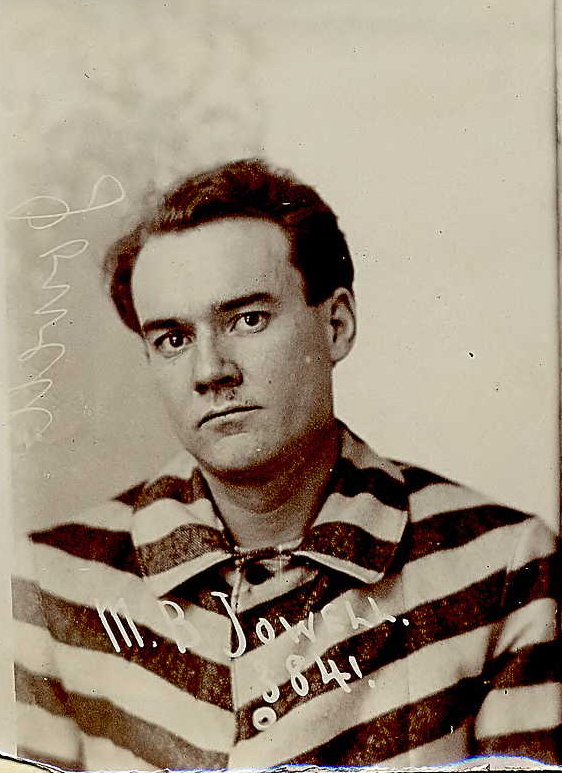
In 1906, Mel Jowell was sentenced to Montana State Prison. He was a horse thief, cattle rustler, altered brands, and was believed to have murdered a sheriff in Arizona. Paroled in the spring of 1909, he was back in prison by fall. His discharge for that stint came in May of 1911. While in prison, Whitton and Jowell formed a dangerous alliance. Upon Jowell’s release, he stole the life of young Deputy Sheriff Joseph Brannin, his life snuffed out at the age of twenty-eight. Jowell escaped to Phoenix, Arizona under the name of Dalton Sparks, and was arrested on Christmas Eve and returned to Deer Lodge to finish out his prison term.

In the meantime, in 1910, a letter was penned to beg the release of Harvey Whitton. The letter was written and sent on behalf of Dolly, a blind sister of Whitton, who was living at the Young Woman’s Christian Home on C street in Washington, DC. Dolly had only learned of her brother’s whereabouts on her mother’s deathbed when Nellie Whitton revealed to her daughters the events concerning their brother Harvey. Mrs. Whitton was informed about her son after reading an article in the paper in January of 1897 and began the inquiry of her son’s well-being by correspondence with W. C. Latta in Bozeman, Montana. Dolly called upon Grace Thomas, a young business woman, who penned her appeal for the release of her brother. The letter pricked the heart of Montana’s Governor Norris who was in Washington DC for a Governor’s conference. He promised to speak on her behalf. Dotty believed her beloved brother would be released, magically transformed and come to her aid to care for her in her time of need. The Governor’s attempt failed for Whitton’s premature release. However, not long after, he was released for “good behavior.” There was little or no regard given to the fact that during those years he directed brutal crimes from his prison cell. 

Whitton’s release came September 9, 1911, just two months before his former prison mate, Mel Jowell, shot down Joseph Brannin on the streets of Melville, Montana. It is recorded that Whitton went to Butte and lived an “honest life”, at least until the summer of 1912 when once again, he found himself on the wrong side of the law. He did not travel to Washington DC to care for his sister, though the authorities had promised to fund his mission until he could find employment. I would say those ten months were a short-lived “honest life.”

The summer of 1912, Mel Jowell along with another prisoner, John McAdams, were transported to Livingston to testify in the trial of George Ricketts, another prison mate of Jowell’s and Whitton’s charged as a co-defendant in the murder of Deputy Sheriff Joseph Brannin. On the return trip to Montana State Prison aboard the Northern Pacific #41 train, the two, chained together, escaped from a bathroom window on the moving train as it slowed along Pipestone Pass. After the two were separated from their shared bonds, Jowell headed south. Somewhere along the way, he was aided and abetted by one Jim Ross. The two made their way to Elko, Nevada. A series of events led to their arrest. Jowell was arrested under the alias of Rex Roberts. His partner Jim Ross was none other the Harvey Whitton. Whitton had returned to the same place he was captured in 1897 after the murder of Deputy Sheriff Allen. Seems a bit ironic, doesn’t it?

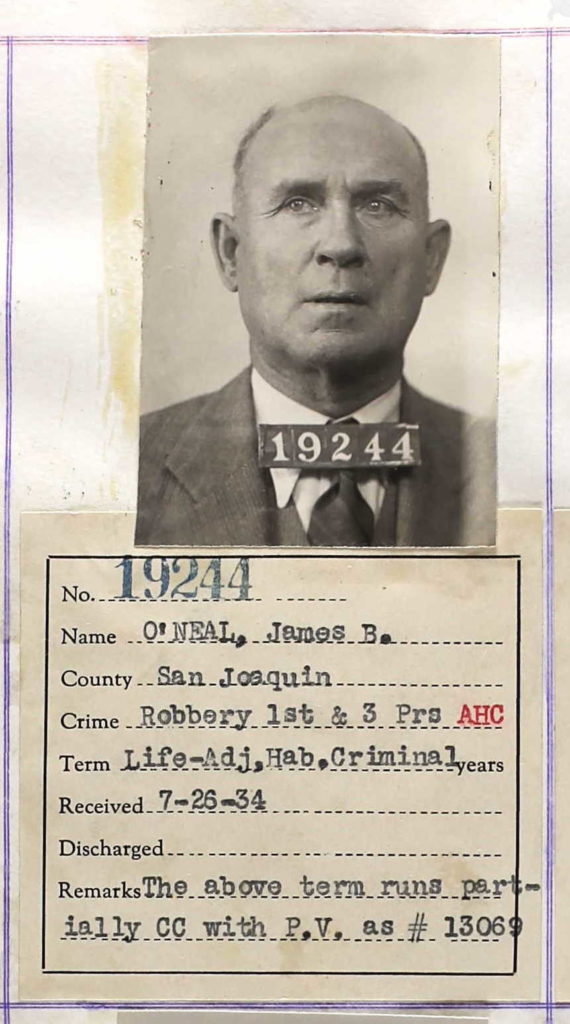
The two were sent back to Deer Lodge, Montana State Prison. Jowell, also gifted with words, charmed his listeners and readers and influenced the authorities by his letters of appeal, and eventually bought his freedom with words and “good behavior.” Whitton continued his life of crime under yet another alias, James B. O’Neal.

The mother of Harvey Whitton never saw her son again, nor did his sister, Dolly, rest in the arms of her beloved brother she so longed to see. Whitton did find fame – not the kind that would make a mother proud, and not the fame of the renown heroes of the West he read about as a boy. He traveled the hidden trails of notoriety with outlaws who left behind women and orphans to grieve in the wake of gunsmoke… and to think it began with a cheap dime novel…

Mal (Mel, Mallie) Jowell (Jewel, Jouel, Joel), alias Dalton I. Sparks, alias Rex Roberts
Harvey Whitton (Whitten), alias James Hall, alias Jim Ross, alias James B. O’Neal

Lessons from the Playground

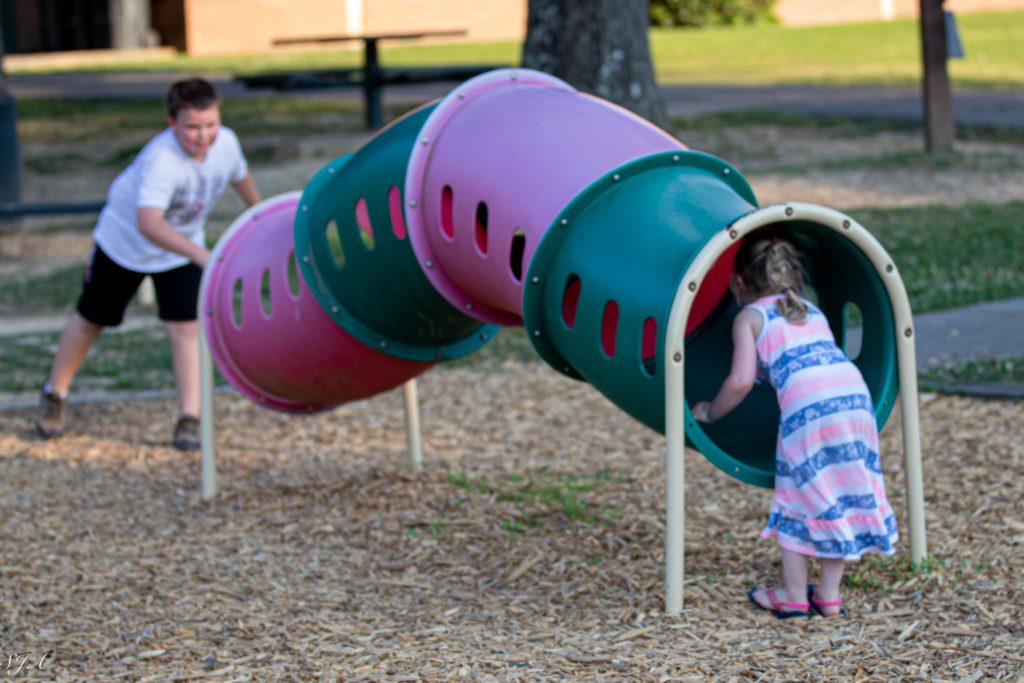
One of the greatest institutions of education is the playground. Many things learned on the playground, some not go good, can linger for years. Scars often run deep, and hurts can resurface at just a sight or sound. Great friendships are formed on the playground as well, and in later years memories are brought to light that bring a smile and smug satisfaction.

When the recess bell rang, kids scattered, gathering into groups. I learned early on in years that I didn’t quite fit in. When teams were chosen to vie against one another, I was not selected first or even second. No, the end of the list was my territory.  I was usually the smallest, or at least one of them. It irritated me because I knew I had something to offer but wasn’t often even given the chance, well, except by the principal’s son. He lived for the chance that he might catch me and get a kiss, but I managed to escape when I climbed on top of the monkey bars which he couldn’t maneuver too well. 

I have always been one who observes others, and even as a youngster, I found myself delving into the depths to determine what was in the hidden recesses of those with an apparent innate desire to draw attention to themselves. When I remember those who flaunted their strength, I recognize it was just a front for weakness and insecurities. Overbearing boys and girls alike bragged of their popularity and boasted of what they could do for the others who came to their “side.” Some of their peers’ loyalties were rewarded with bubble gum or undeliverable promises. That resulted in short-lived relationships.

The greatest achievers on the playground stage were those who led by example. They were the ones who encouraged the seemingly weaker kids, those who wanted no recognition for themselves but came to the aid of one who was mocked, dirty, or “different.” Yes, those were the heroes in my eyes. They were few.

When my daughter was young, during a parent/teacher conference, her teacher sang her praises. Other students made fun of a girl in their class, but not my daughter! When she finished her work, she asked permission to help the girl who had trouble with her work. The teacher said my daughter made all the difference in the world when she befriended the girl. Not only did the student begin to excel in her studies, but her demeanor changed as she finally felt accepted by someone. Years later, one of the other students told me how all of those in the class admired my daughter. She was not loud, opinionated, mean or intimidated. They remembered her act of bold kindness that spoke louder volumes than all the mockery voiced by many.

Strength is not in a fist that can crush a fragile flower or a tongue that can slash one’s hopes. Rather, it is found in a fragile flower that can soften a hard heart or a kind word that can change one’s world.

Bubbles

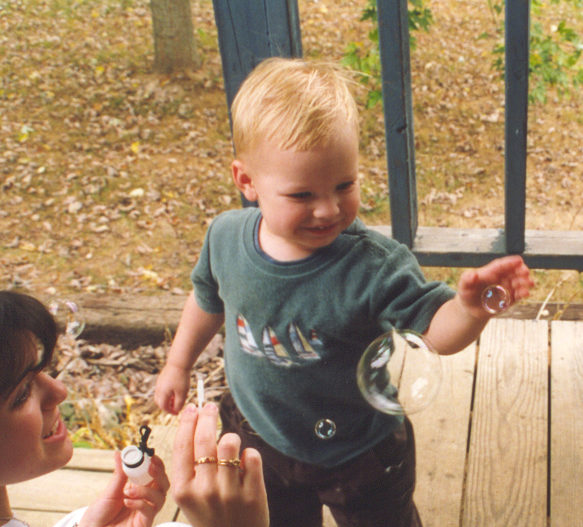
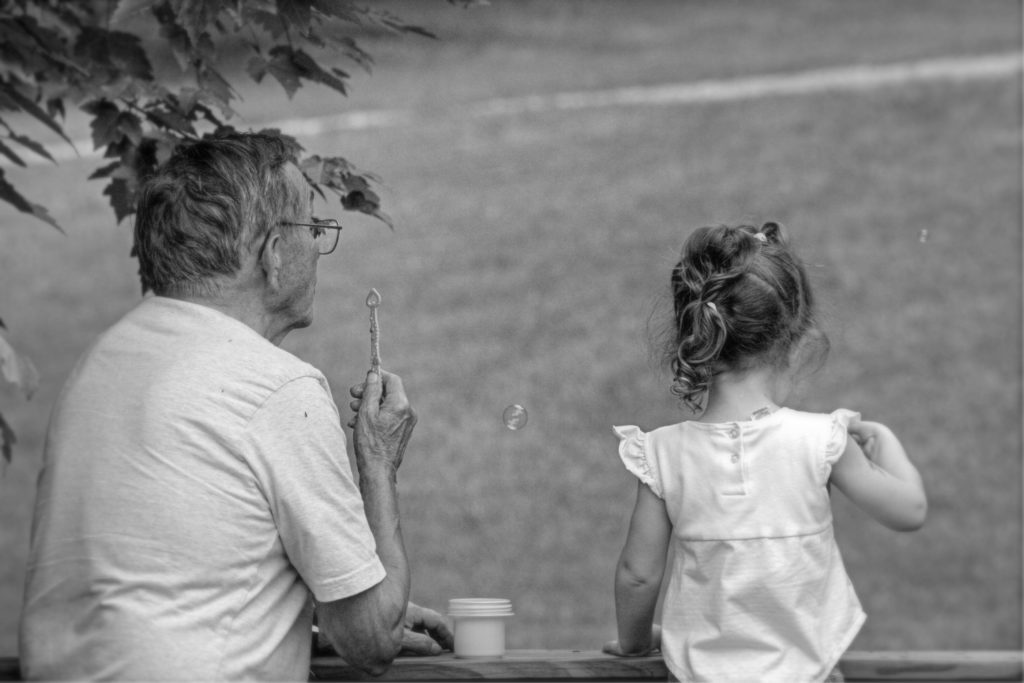
One afternoon when our littlest bundle of personality was small, I handed her a bottle of bubbles. She pulled the wand from the bottle, and soapy water dripped down her hands and slid off the tips of her elbows. Then she blew the best she could. You should have seen her face as bubbles floated in the air! Her hands went up in the air as fragile orbs flew around her and were soon out of sight. She didn’t know which way to turn as she chased one and then another, watching them touch the floor and disappear. That little girl oozed with drippy bubbly excitement. She clapped her hands and danced around. “Bubbles.”

You know, that is what happens to time. The years float on the breeze like bubbles. We reach out, not sure which way to turn or what to do as they fly by. When we try to capture one it is quickly gone. We can’t stop time. We can’t catch it. If we could hold it in our hand, it would soon be gone.

I used to think of each stage of life as another chapter. I guess to some extent it is. But it’s more than that. Each chapter is the beginning of a new book – one that someone else has to write. After I make my last entry, the book will continue as someone else takes up the pen and writes their story on the pages of life.  Until that time, I will try to grasp each bubble that comes my way. Each contains a new adventure, or a new opportunity and I don’t want to miss a one.  

Big Rock Candy Mountain

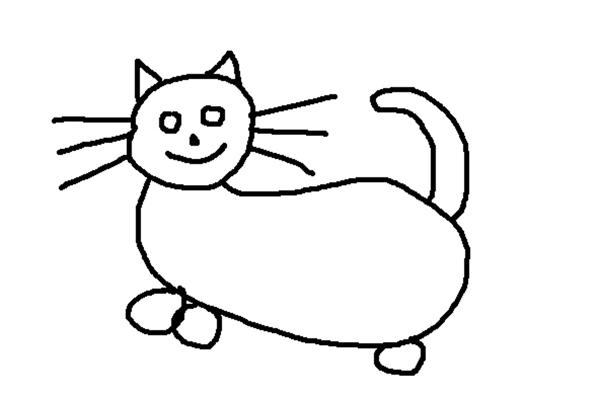
The hobos that frequented box cars and rode the open rails had their own language and culture. Jumping trains, riding the rails from place to place, gathering in hobo jungles while waiting for the next outgoing train, was a different way of life. One way for them to communicate within their “family” was by a series of signs and markings. A drawing of two shovels indicated a place to find work. There were signs given for doctors who wouldn’t charge them a fee, places to get food, caution about thieves, free phones, and warnings of danger. If they saw the symbol of a smiling cat drawn on a fence post or side of a house, they knew they were at the home of a kindhearted woman who would offer them a meal. Such was the home of my Great Grandmother whose house was along the tracks in Big Timber, Montana.

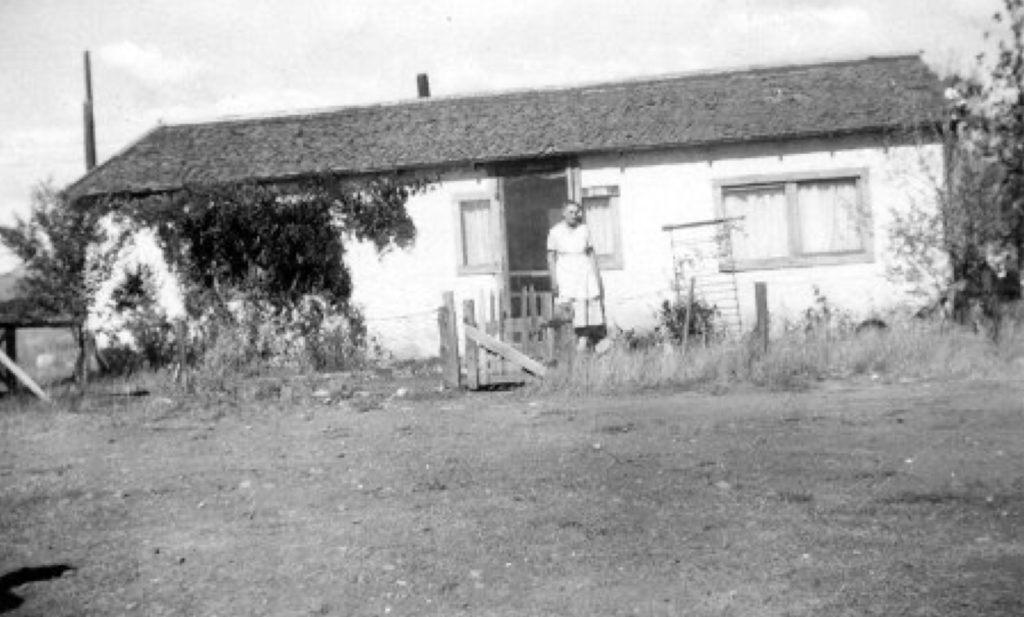
My Mother told stories of the hobos that came into her Grandmother’s yard behind the house by the railroad tracks. The hobos who jumped off the train in Big Timber, Montana, certainly knew where to find a pot of stew or tin barrel of “torpedoes” (beans) with a fire still burning beneath. They surely sent word down the tracks of finding “The Big Rock Candy Mountains.” 

Maybe some of the hobos reminded Great Grandma of youngsters she had known who had to make their way at an early age. Maybe she saw a reflection of her own boys, one at least who was known to hop a train on occasion. Regardless, she saw those who were hungry and needed a warm meal and a kind hand.

I wonder if there was a symbol of a fat, happy, smiling cat etched on a post facing the tracks. Here was the place of a kindhearted woman who gave of her meager bounty to feed hungry hobos down on their luck, exploring the country, or seeking a place to call home. Let me tell you, even her scraps were heavenly!

There was a song written about the hobo culture. This is a portion of the cleaned-up variation of the original lyrics:

One evening as the sun went down
And the jungle fire was burning,
Down the track came a hobo hiking,
And he said, “Boys, I’m not turning
I’m headed for a land that’s far away
Besides the crystal fountains
So come with me, we’ll go and see
The Big Rock Candy Mountains

In the Big Rock Candy Mountains,
There’s a land that’s fair and bright,
Where the handouts grow on bushes
And you sleep out every night
Where the boxcars all are empty
And the sun shines every day
On the birds and the bees
And the cigarette trees
The lemonade springs
Where the bluebird sings
In the Big Rock Candy Mountains

“The song is about a hobo’s dreams of a supposedly perfect life. Based on the song and some outside information and context, the theme is simply dreams and wishes for a better life. For example, “The Big Rock Candy Mountains” are mentioned often and they could be a symbol of euphoria: “Oh I’m bound to go where there ain’t no snow, where the rains don’t fall; the winds don’t blow, in the Big Rock Candy Mountains.” “This quotation describes a place where everything is perfect, at least in the author’s eyes.”

“A kindhearted woman lives here”

Prairie Fiddler

Stars twinkled across the sky from one side of the prairie to the other. It looked as if they had been cast into the black of night to hang by a thread. They swayed and lit up the world below as they illuminated the path of stardust across the Milky Way. 

Fiery red and yellow flames danced against the night sky in rhythm with the twinkling lights and the music that glided on the breeze. The crackle and pop of the fire added percussion to the tunes that rose and fell from the stringed instruments.

After days on the trail, the evening fire under a clear sky was a reprieve. Not only had there been some days and nights of rain when everything got soaked, but they were travel weary. Oh, there were times when they stayed in camp a couple of days when they camped beside a river. That’s when they repaired harnesses, wagons, and equipment, did laundry, cooked a big pot of beans, and swam in the river. But a cool crisp evening around the fire was a special treat.

Sitting around the fire was a diversity of participants and onlookers. Dad Knapp with his fiddle, and his son, Bee, who played the fiddle he bought from Old Man Bradley for $12.00 a few years earlier, drew their bows across the strings to release the rich mellow tones. Someone else grabbed the banjo, while another tried to add to the tune with a mouth harp. 

Those who sat in the warmth of the flames were diverse as well. A toddler was in the arms of Mother Knapp. Little Evelyn sat wide eyed, not wanting to miss a thing. Bee, at seventeen, was the oldest of the children on the trail, brother Fred having stayed behind. He and Buster drove one of the teams. Leone usually rode with the brothers though her eyes were set on the shy handsome young man who helped Uncle Press with his wagons. The McNeil cousins, one Evelyn’s age, added to their companionship. More than just family shared their fire as well. Travelers they met heading east pulled out their instruments to join in the revelry. It is said when Dad Knapp played the fiddle, even “a wooden Indian couldn’t have kept his feet still.” No less could the Indian braves who joined their fire on the open prairie as they neared the Crow Reservation. The braves found great entertainment with the pioneers but also wanted to try to work a trade for Bee’s big bay, Bill, that had outright beat their Indian ponies in a race. They offered five ponies for the bay whose veins ran with race blood. Bee would not strike a trade.

As I peer through the curtains of time, I see Indian braves and children dancing around the fire, the braves trying to coax Leone to join in the dance, smiles and joy reflected on faces in the firelight. I hear the music of the instruments playing old dance tunes with laughter and singing rolling across the prairie like tumbleweeds. Somehow, I sense that Dad Knapp especially was completely content.

He thrived in the wide-open countryside. When neighbors moved too close, he felt penned in. He was among the rushers into Indian Territory in Oklahoma 25 years earlier. But things were getting too crowded for him. By 1914, word came of new territory. Montana was open country. There was land a plenty. A couple of the McNeil brothers had already staked a claim with glowing reports of good grass and plenty of land, 320 acres per homestead. That was enough for Dad Knapp to pull up stakes. Their success depended on the Oklahoma harvest. One hundred acres were planted in wheat. They could easily lose a crop to locusts, drought, hailstorm, or prairie fires. So much hinged on the weather, they were nervous and anxious until the time of harvest came. Dad Knapp didn’t care for the storms that rose up without warning on those western prairies. With an eye on the weather and a prayer on their lips, they waited. The time of harvest came and brought a bumper crop. It was enough for them to make the move.

They arrived at their final destination sixty days and over 1300 miles after they began. The following spring, the families all moved to their prospective homesteads. That was wide open country that seemed as vast as the endless sky – enough to satisfy the wandering soul and itchy feet of a prairie fiddler. 

Years later, Charles Knapp retired in Big Timber, Montana
where he lived out the rest of his days.

From Our House

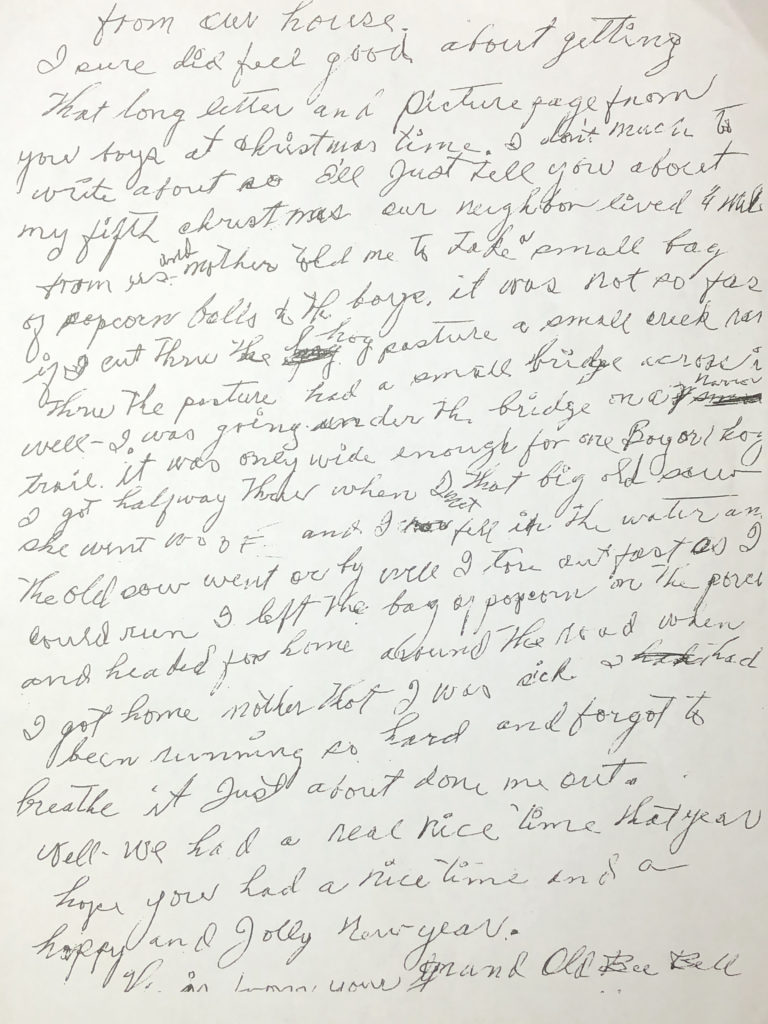
Memories of Grand Old Bee Bell’s fifth Christmas, 1901

I sure did feel good about getting that long letter and picture page from you boys at Christmas time. I don’t much to write about so I’ll just tell you about my fifth Christmas.

Our neighbor lived 4 miles from us and mother told me to take a small bag of popcorn balls to the boys. It was not so far if I cut thru the hog pasture. A small creek ran thru the pasture, had a small bridge across it.

Well – I was going under the bridge on a narrow trail. It was only wide enough for one boy or 1 hog. I got halfway thru when that big old sow – she went WOOF and I fell in the water and the old sow went on by. Well I tore out fast as I could run. I left the bag of popcorn on the porch and headed for home around the road.

When I got home mother thot I was sick. I had been running so hard and forgot to breathe, it just about done me out.

Well – we had a real nice time that year. 

Hope you had a nice time and a happy and Jolly New Year.

This is from your Grand Old Bee Bell

Is It Stuffed?

There was one last stop I wanted to make before getting to our cabin. It was a trivial thing, but I thought the girls would enjoy it. As we got off the interstate ramp, I tried to explain to the girls what we were going to see.

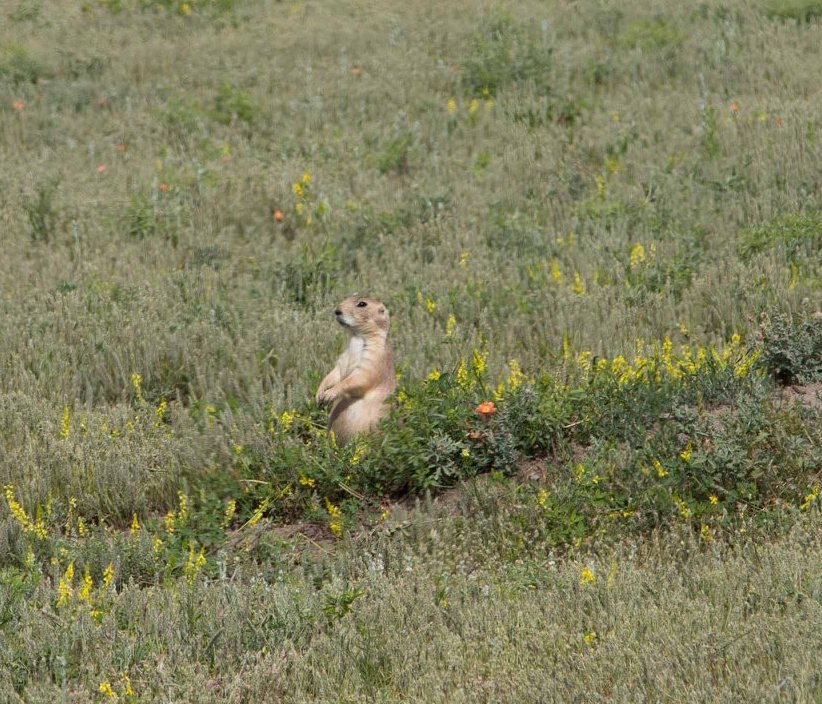
Sure enough, even before we passed into the Greycliff Prairie Dog Town State Park, there was a fuzzy little critter standing tall like the sentry that it was. I rolled the windows down and told the girls to listen. All they heard was a few clicks, chips and chirps. The Judge said, “What is it?” “It’s a prairie dog.” She was surprised, and I was even more surprised when she said she was looking for a dog of some kind. Others joined the chorus as they signaled warnings to the town of prairie dogs that strangers were in their territory.

Just when I thought they understood, we saw an especially chubby guy standing atop a mound. It didn’t even twitch. The Judge said, “Is it stuffed?”

“Yep. It’s a statue. They put it there so people will know what a prairie dog looks like.” Right on cue, the fuzzy guy looked at us then disappeared in his hole.

We shared a great time of laughter more than once on her account.

If you’re ever in Greycliff, Montana, it’s worth a stop at the 98-acre Greycliff Prairie Dog Town State Park. The preserve for the black-tailed prairie dogs is full of holes, mounds and a tribe of prairie dogs. You might be a bit intrigued but some of the locals who find them a nuisance may not share your opinion.