‘If my people, who are called by my name, will humble themselves and pray and seek my face and turn from their wicked ways, then I will hear from heaven, and I will forgive their sin and will heal their land.”
Do you think just because you can’t see something, it doesn’t exist? We’ll let me just say that I sure can’t see that little bitty killer virus, but it’s there, it’s real, and it is wreaking havoc on our world. The evidence is undeniable.
Some people don’t believe in God because they can’t see Him though there has been evidence of God’s invisible attributes since the creation of the world. Hope looks beyond the visible and grasps that which it cannot see or explain. It shines light into our dark tunnel and gives us a path to follow. He is our light and hope.
“Do you not know? Have you not heard? The Lord is the everlasting God, the Creator of the ends of the earth. He will not grow tired or weary, and his understanding no one can fathom. He gives strength to the weary and increases the power of the weak. Even youths grow tired and weary, and young men stumble and fall; but those who hope in the Lord will renew their strength. They will soar on wings like eagles; they will run and not grow weary; they will walk and not be faint.”
‘The world is indeed full of peril, and in it there are many dark places; but still there is much that is fair, and though in all lands love is now mingled with grief, it grows perhaps the greater.’Haldir, Lord of the Rings
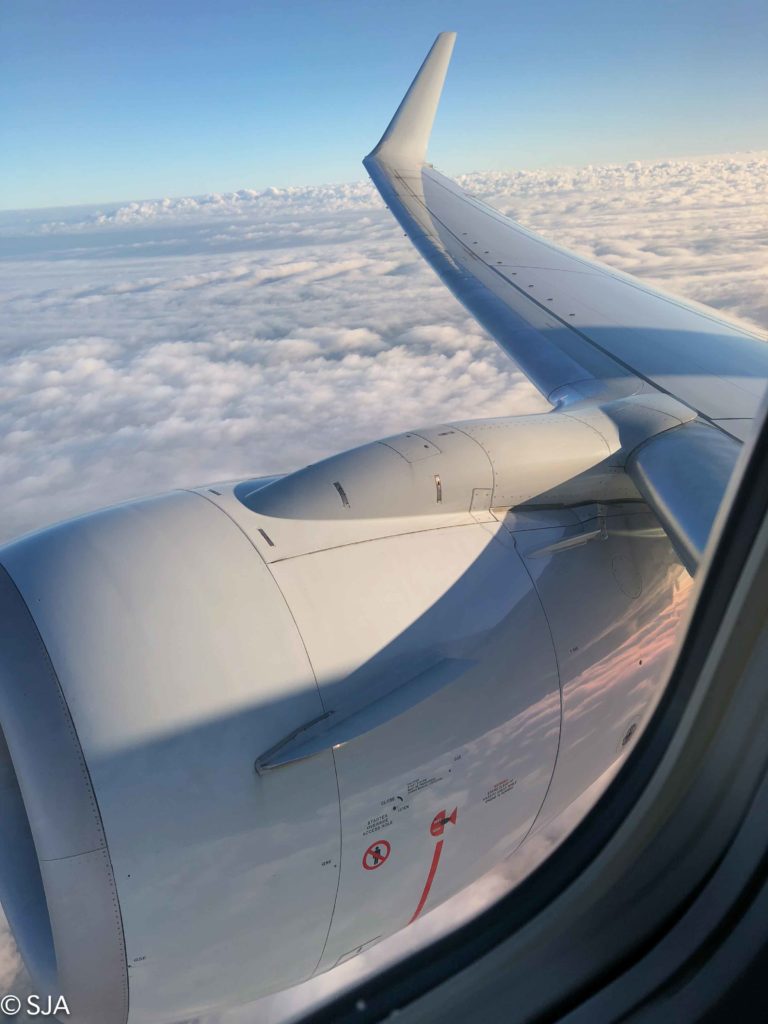
I thought I was alone in my quirk of ordering tomato juice at least once per flight. When I mentioned it to my daughter, she got a funny look and said my son-in-law does the same thing. That piqued my curiosity. There had to be an explanation. Why else would someone order tomato juice in the sky but not on the ground? Howbeit, when I travel on the ground for long distances, I sometimes will get a small can or glass of tomato juice at least once. If I buy juice at home, I never drink it all because it just doesn’t taste the same.
After asking Google about this strange compelling urge, I discovered a few things. It turns out that science is involved. Scientists say that the altitude and the high noise level both have an effect on our taste buds. At 30,000 feet, the juice appears more acidic and has a mineralic taste. It’s refreshing.
So what will you order when the flight attendant rolls the drink cart down the aisle scraping your elbow? I’ll have tomato juice please with two ice cubes – just enough to cool it.
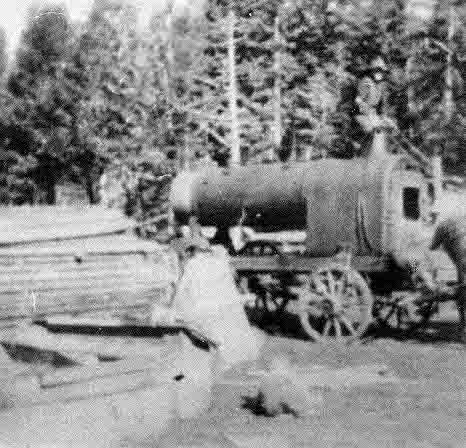
It was the early thirties and the log business was booming. Fire started in the canyon and swept down the mountainside. The livelihood of the sawmiller’s family was at stake. Could he salvage enough from the burned timber to provide for his family? The Forest Service land that adjoined the family’s property suffered damage, too. The fire kill trees needed to be cleaned up. The Forest Service made an offer to Ward & Parker Sawmill to harvest the dead trees on Forest Service soil. They sawed the trees on three sides and sold them as house logs. The thing is, the fire did not compromise the worth of the timber. In fact, the fire cured timber wouldn’t twist or bow. The heat caused the sap to harden and actually strengthened the trees and made them more valuable. Logs were sold for ranch houses, bunk houses, and other ranch buildings. Hope grew from the ashes of devastation.
Sawmill
Fires of adversity, sickness and uncertainty consume us and yet, they make us stronger. Hope rises from the ashes of fear. God’s light shines through the firestorm as neighbor reaches out to neighbor and strangers work together to help one another. It may be someone simply taking food to a widow or a health care provider placing themselves in harm’s way to care for another. Hope often comes in the most unlikely of places and in the hardest of times. Bloom where you are planted.
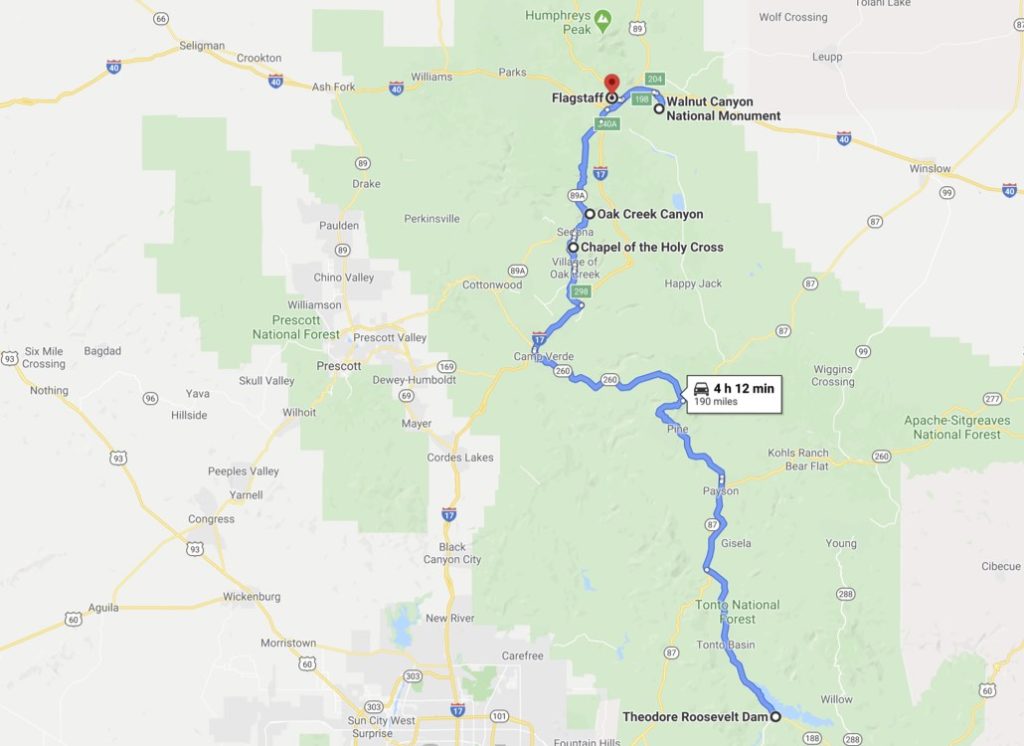
We caught a last glimpse of the blue waters of Theodore Roosevelt Lake in our rear-view mirror as we continued our drive through the desert. Our road took us north to the KOA campground in Camp Verde, Arizona. That was one barren place, no trees, just scrubby vegetation at the edge of the campground. We found our tent site, which was just like all of them, unloaded the camp gear and attempted to set up our tent. That was useless! The ground was as hard as cement. We pounded a tent peg partway into the ground but not deep enough to hold. More than one tent peg was bent at the attempt. The ground was just too stubborn. We folded the tent and packed it away. As had become our camp routine, after we set up the tent (or in this case didn’t), we cooked our supper on the Coleman stove on the picnic table. One good thing about the KOA campgrounds – they had showers and most had laundry facilities. After a shower to wash off the day, we crawled into the car to sleep for the night.
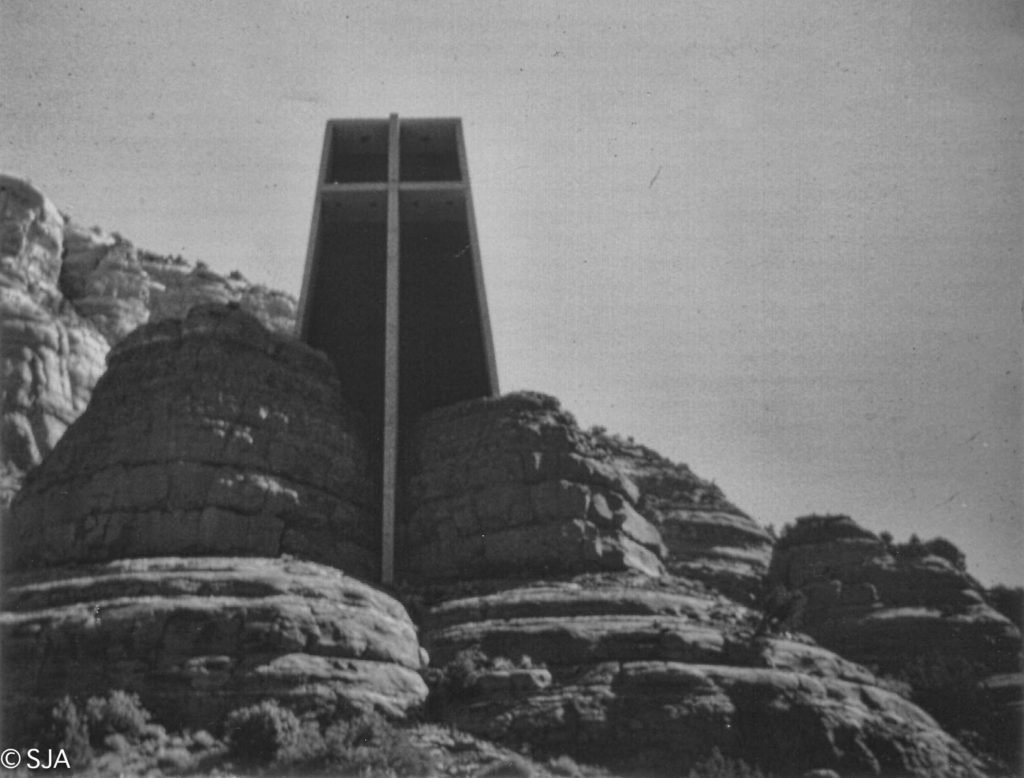
I was glad for morning to come. Sleeping stretched out on the ground would have been more comfortable than being folded up like an accordion in the cramped back seat. After fixing some breakfast we were off to spend the day exploring parts of Arizona. Driving past cacti and desert grasses, we saw red cliffs rise out of the wilderness. The desert town of Sedona, Arizona is surrounded by red rock buttes and pine forests. There in the middle of the red buttes and cliffs above Sedona stood a cross framed by walls around a window of glass. Chapel of the Holy Cross served as a beacon and beckoned travelers to enter the refuge for a moment of spiritual reflection. It offered a cool, quiet, peaceful resting place.
Chapel of the Holy Cross
Just beyond Sedona is Oak Creek Canyon, a smaller cousin of the Grand Canyon. The twelve-mile-long canyon is a river gorge cut into the Colorado Plateau in the Coconino National Forest. It is a popular tourist destination that offers hiking trails, a swimming hole and fishing. We hiked into the canyon to enjoy the scenery and a bit of the rich history of the area.
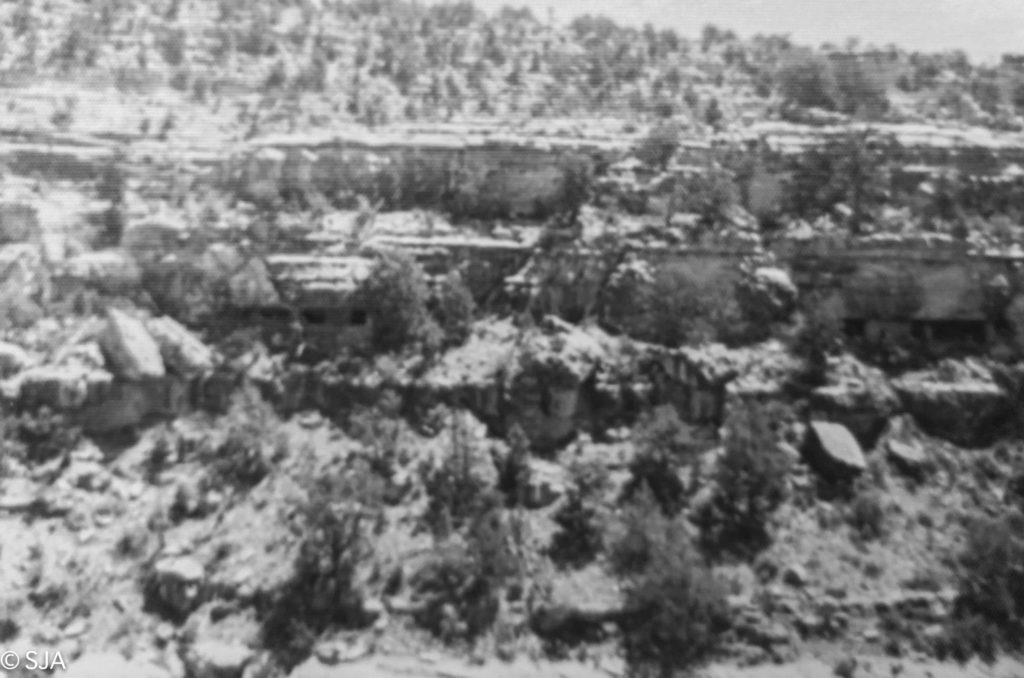
Further up the road near Flagstaff is Walnut Canyon National Monument. This canyon was once home to the Sinagua, an ancient people who possibly came from the Mogollon culture. Sinagua means “without water” in Spanish, acknowledging that they were able to live in this arid region. When the Sinagua left the area, over 80 cliff dwellings were abandoned. Being able to walk down the trail and see into their dwellings gave us a glimpse into their lives. We also received a greater appreciation for the people who survived this rugged place and harsh conditions to live in the canyon. The Sinagua Indians were able to grow maize, beans and squash as well as harvest plants and animals from the land and streams.
I know the picture’s blurry – it’s old – but you can see some of the dwellings in the cliffs of Walnut Canyon
Leaving behind remnants of the past, we drove on to Flagstaff, ready for a good night’s sleep. We set up camp, had our supper, and crawled into our sleeping bags. As sleep came, there was a deep satisfaction of the history we had shared and the unique beauty we had seen. What would tomorrow bring? Each day had been an adventure and there was more to come.
1918. My grandfather was overseas engaged in World War I. There was another world war raging – H1N1 virus – influenza – Spanish Flu. *“With no vaccine to protect against influenza infection and no antibiotics to treat secondary bacterial infections that can be associated with influenza infections, control efforts worldwide were limited to non-pharmaceutical interventions such as isolation, quarantine, good personal hygiene, use of disinfectants, and limitations of public gatherings, which were applied unevenly.” An estimated 500 million people were infected with the virus, about 50 million succumbed to death, 675,000 of those in the US.
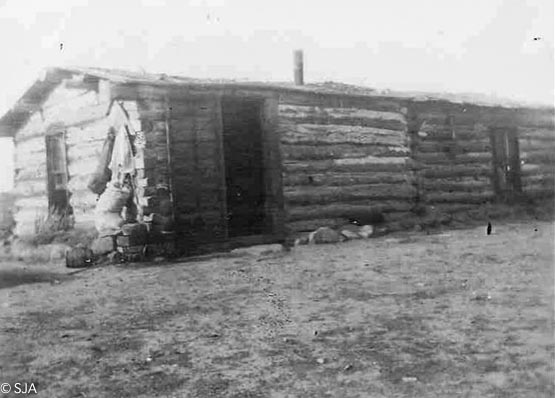
one of the family homesteads
My grandfather lived near the McNeil uncles’ homesteads in Phillips County, Montana. There was another homesteader that lived nearby – Bertha Meyer. There was something to be said for a single lady proving a homestead in that rough country. My grandfather had great admiration for Bertha, called the “Black Dutch,” a title given because of her dark complexion and German descent . To hear my grandfather tell the tale, some of the people looked down on her because she was different. He saw her as a perfect wife for Uncle Al. The matchmaking scheme worked. Al and Bertha had only been married a short time when the country was invaded by Spanish Flu. Even in those rural areas of the plains, there was no place to escape the virus that reached into the darkest recesses of the world.
This is my grandfather’s account, “I was away in the army when the 1918 flu epidemic struck. Al and Bertha hadn’t been married long. Lee was staying with them. Both Al and Lee came down with the flu. A few miles away their brother, Uncle Claude, was coming down with pneumonia. All three died and were buried in Sun Prairie when the ground thawed enough to dig the graves. In the meantime, Bertha moved down to the folk’s place to nurse Ma and Leone, through the epidemic. Later Bertha had Al’s body brought to the church cemetery in Malta.” When my grandfather recounted the story, he also added that some of the family didn’t quite approve of Bertha. She rose to the challenge and became priceless to the family and community. Their opinion of Bertha changed drastically after the flu passed. Three of the McNeil boys died, including Bertha’s husband. They all lost much and their lives were never the same.
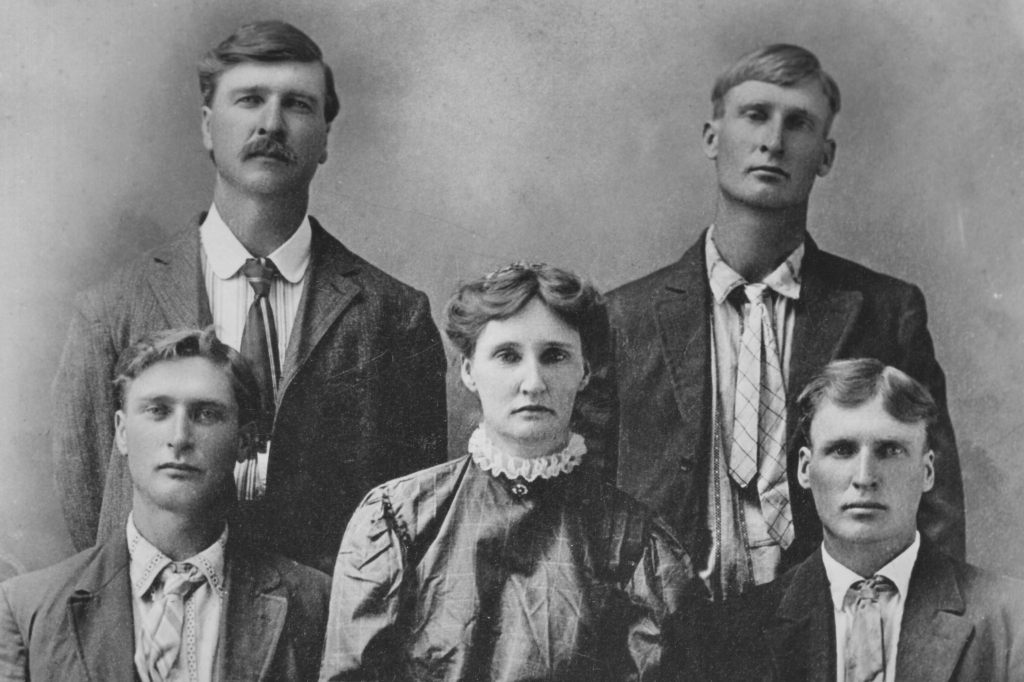
My Great Grandmother with her brothers, three of which died in the epidemic
We now find ourselves being attacked by another enemy – Coronavirus. The past few weeks, mankind has become one people – not in the manner that they are all in agreement – but in the manner that disease is no respecter of persons. The playing field has become level. Old, young, rich, poor, white, black, social standing or not, clean, dirty, famous, unknown – all stand on level ground beside the other, though the older seem the most fragile.
I personally know some people who are sick with high fever, cough, and other symptoms that are shared by thousands of people across the world. I know of a young couple in our corner of the world who have been hospitalized with the same symptoms. None of these have come in known contact with anyone who has recently traveled to a foreign country.
And I think, as mankind, do we learn anything from this? We usually don’t understand the gravity of a situation until we are directly affected. Be diligent. Be wise. Check on your neighbor. Be proactive. Learn from history. Handle with prayer. Handle with care. Don’t think it can’t happen to you or yours.
You might just be that “Bertha” to someone! Priceless.
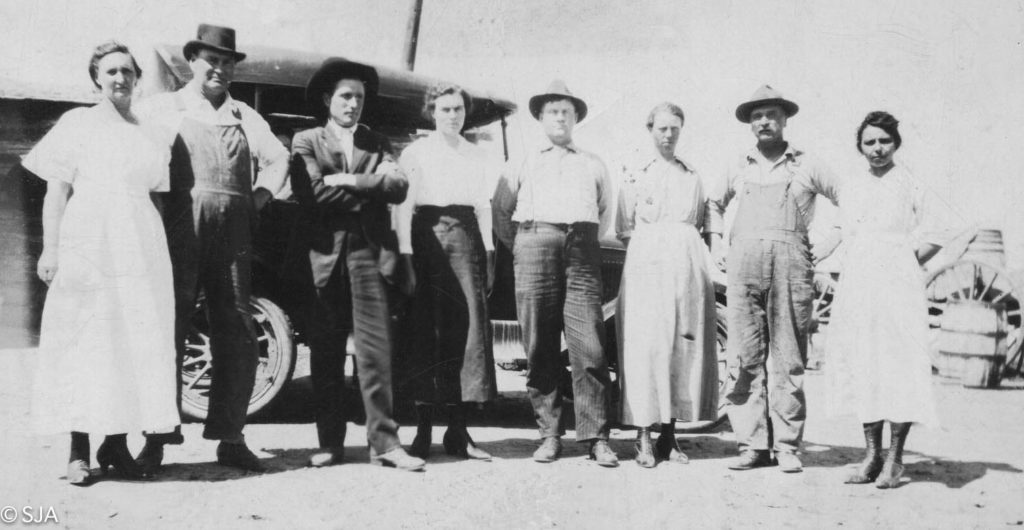
Bertha, the “Black Dutch”, to the far right
Can you imaginehow devastating it would have been had they had the mode of transportation we have today? My ancestors traveled mostly by horseback or wagon.
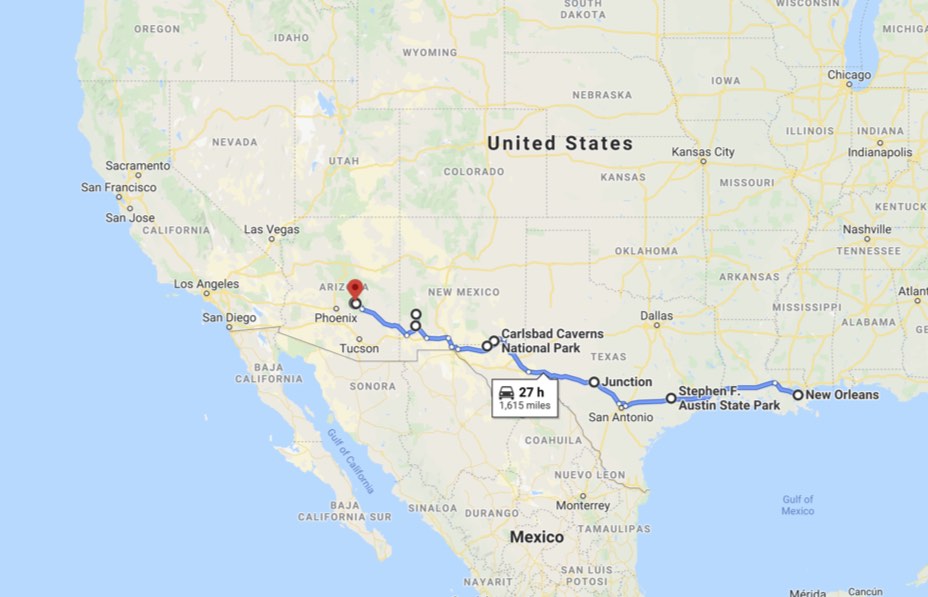
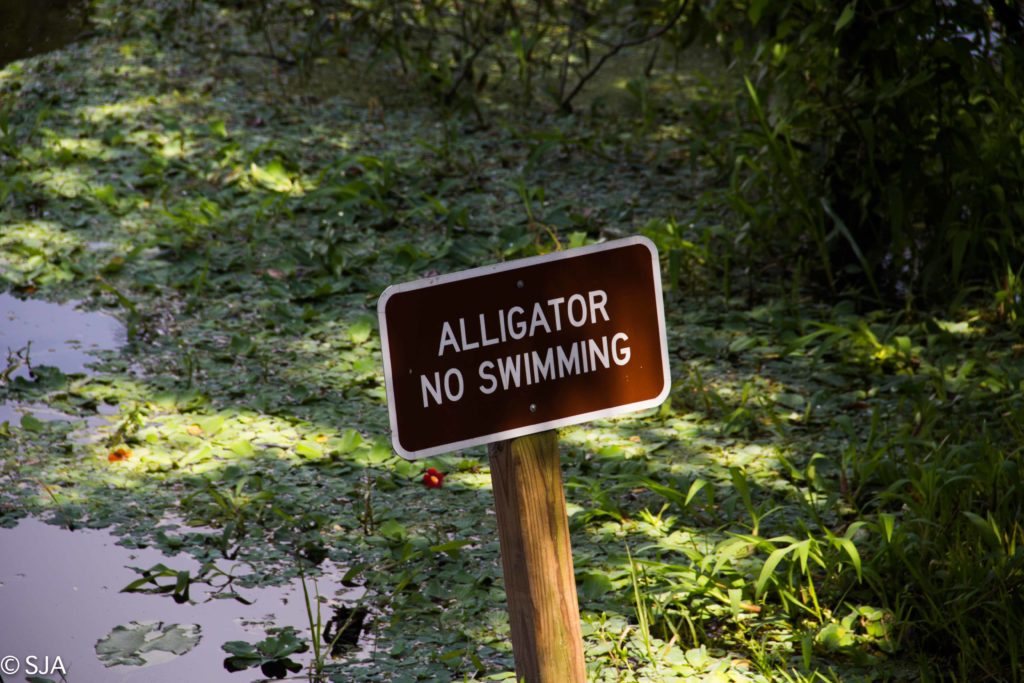
Our first campsite in Texas was in Stephen Austin State Park. Some Hispanic families camped nearby. We gathered up enough players for a ball game. It’s a good thing we took our ball and gloves, huh? Later, we pulled out the guitar and sang around the fire. In the night, we were awakened to a rustling and scraping noise. We flashed our lights through the tent flap. There on the picnic table was a raccoon. We caught him in the act. Spaghetti sauce was on his mouth and his long-nailed claws held a handful of stringy spaghetti. He had popped the lid to the Tupperware bowl and helped himself. No leftovers tomorrow night! We also saw an armadillo, the first I’d ever seen, waddling by the edge of our campsite.
Junction, Texas campsite
The drive through the Texas’ arid, virtually treeless landscape was hot and dusty, and we were tired and dirty. We camped at Junction then made our way to Carlsbad, New Mexico. Hidden in the depths of the Guadalupe Mountains below the Chihuahun Desert along the Texas/New Mexico border are Carlsbad Caverns, the most famous of the 119 caves in the park. Below the surface are a series of 83 individual caves and a maze of stalactites and stalagmites. In the Big Room, at 750 feet, is the Underground Lunchroom built I 1928, two years before Carlsbad Caverns became a National Park. A new room, named Halloween Hall, was discovered in 2013 and was full of bat bones.
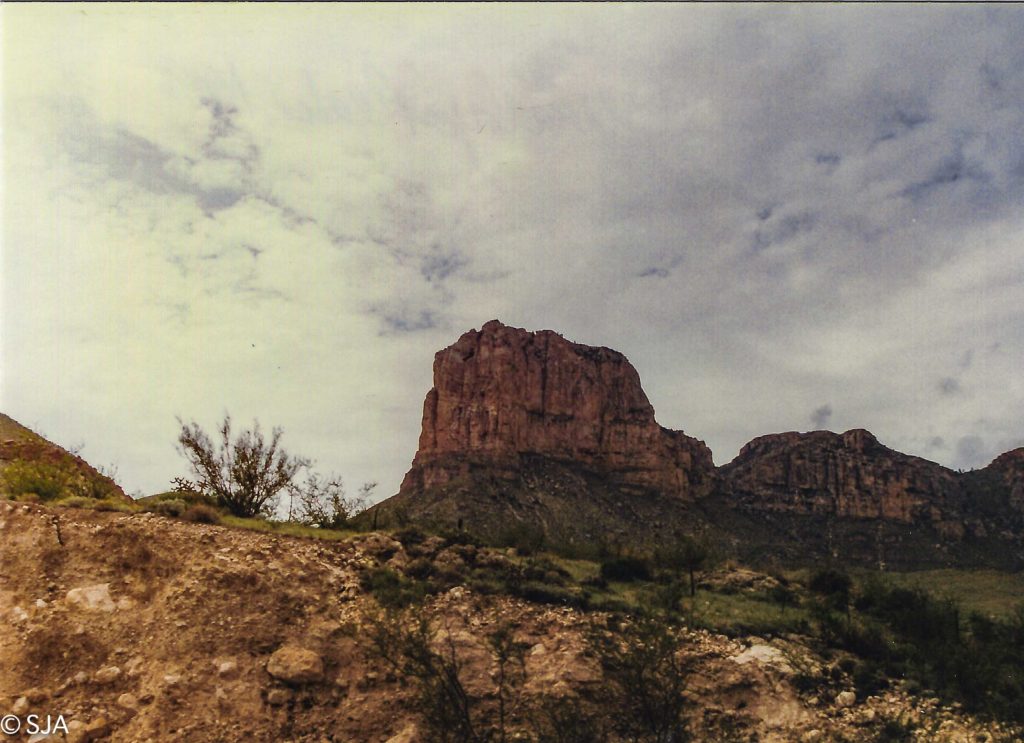
Guadalupe Mountains
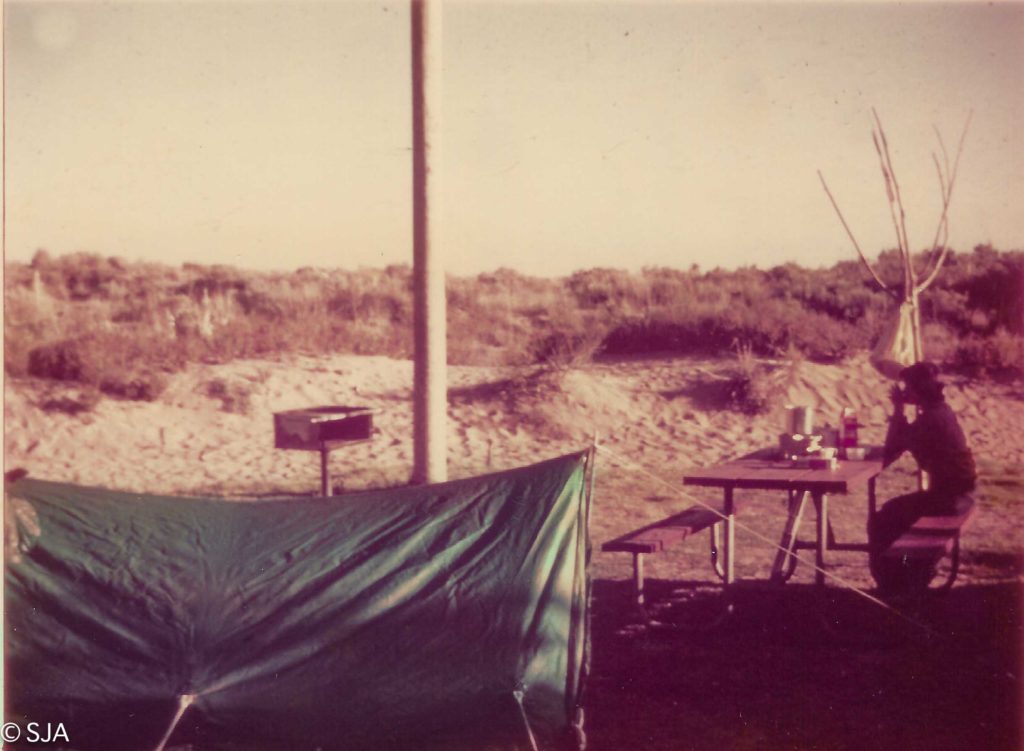
We left the caverns and made a stop at Guadalupe Mountains National Park. We took a short hike up one of the trails and decided not to venture too far because the Park Ranger and all the posted signs gave scary warnings about all the rattlesnakes in that area. The Ranger said repeatedly, “This is rattlesnake country.” We imagined hearing rattles with every step. Besides, we wanted to make it to our campground in El Paso, Texas in a timely manner, so we drove on. After a hot, dusty day, and getting camp set up, we decided to just open a can of chili and heat it for our supper. We had to laugh when we read the side of the can, “Made in Augusta, Georgia.”
El Paso, Texas KOA, sister sitting at table eating chili from Augusta, GA
The landscape changed again as we neared Silver City, New Mexico and the Mimbres Mountains with their rugged unique beauty. We stayed in the KOA Campground at Silver City for two nights. This campground was one of only two places where we were unable to get our tent staked. Well, actually, we got the tent set up, but the wind was so fierce, it blew it down repeatedly. We did manage to bend a couple of the metal stakes. One of the campers who used the KOA as a summer home while mining for gems in the area saw our dilemma and offered us a place to stay. We accepted and didn’t have to worry about getting sand out of our teeth or blowing away.
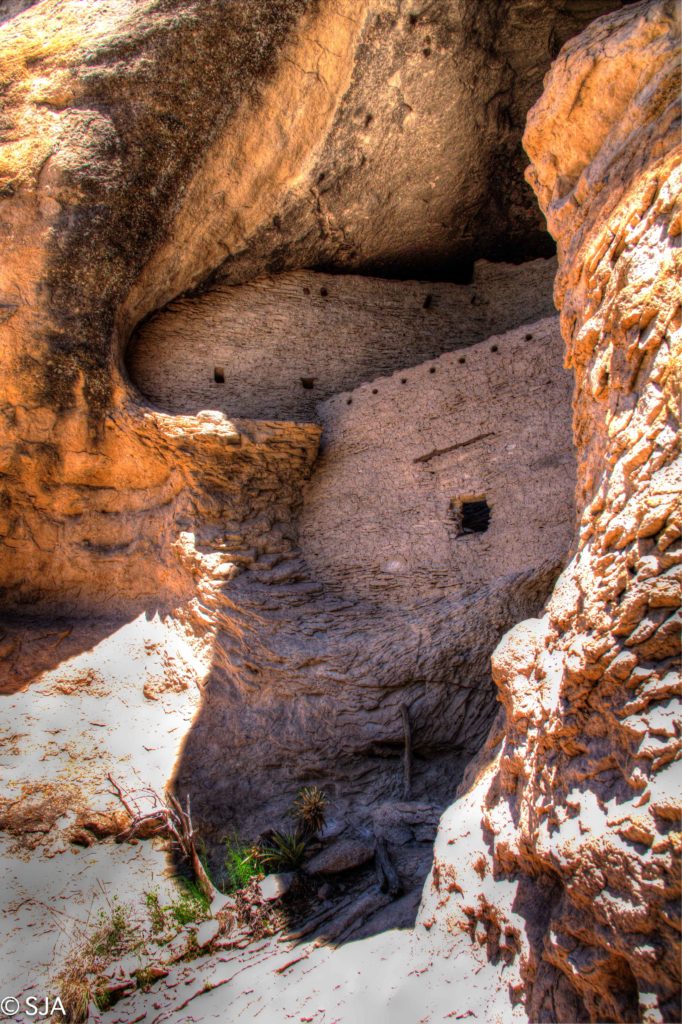
Since we arrived in Silver City on the weekend, the library and County offices were closed. Our intention was to do some family research. At that time, our knowledge was somewhat limited as to specific areas in which our great grandparents had lived. We did a bit of exploring and made a trip to the Gila Cliff Dwellings that rise above the Gila River. It was fascinating to see how the Mogollon people lived and built their homes in the cliffs. We saw remnants of their life, such as the areas in which they ground grain for their food and fragments of pottery they made and used every day. The view was spectacular from their perch on the side of the cliffs.
Gila Cliff Dwellings
As we left Silver City, our host gave us a hand drawn map with suggested stops off the “tourist trap” route. Because of that, we drove through Apache National Forest. I didn’t see many trees in the forest except for a few that were scrubby and twisted. We stopped at Tonto National Monument, at the edge of the Sonoran Desert in Arizona, and explored the two Salado Indian cliff dwellings. The desert country was filled with large Saguaro cacti and desert vegetation. The unexpected view from that vantage point looked across Roosevelt Lake with mountains in the background and a saddle shaped ridge lined with cacti in the foreground.
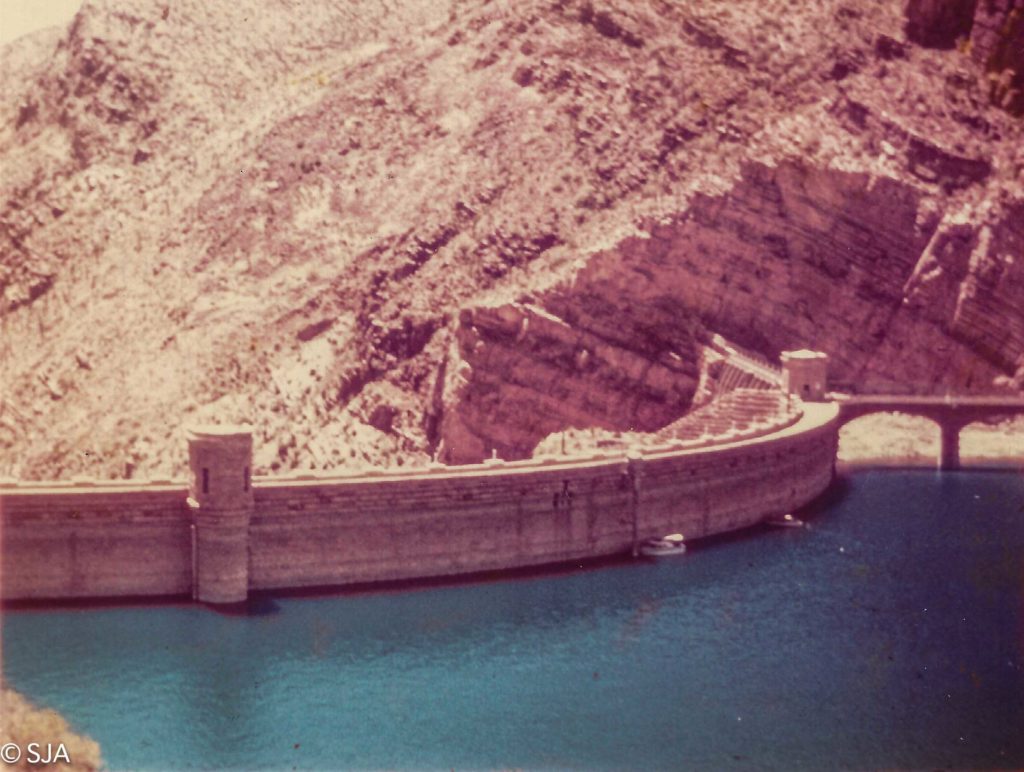
Roosevelt Dam
As we drove on from there, we went around a curve and there below us, Roosevelt Dam came into view. A note from history gives this description, “With a huge American flag draped over its parapets, President Theodore Roosevelt pressed a button that released a jet of water down the canyon from America’s newest Progressive-era technological marvel. The date was March 18, 1911, and a thousand onlookers witnessed this historic event, the likes of which the American West, or perhaps America at large, had never seen—the dedication of the world’s highest, stone masonry, gravity dam.” The whole scene was gorgeous with piercing blue Roosevelt Lake as the backdrop. As we drove further, we found the tourists and locals enjoying the lake as well with boating, skiing, and picnicking.
As we continued our westward adventure taking our dry flaky skin with us, the lake got smaller in the rear-view mirror. The first order of business was to buy some lotion at our next stop.
I am happy to introduce (again) one of my favorite Guest Authors – my Daddy. The telephone was one of the topics I gave him with the “assignment” to write a “Book of Firsts.” He shares memories of the first phone in the heart of the mountains.
Telephones were around a long time before I was. But there wasn’t any such thing in Sweet Grass Canyon. The nearest one was thirteen miles away. The telephone there was a party line connected to neighbors on down the creek toward Melville and Big Timber. When someone got a call, all the phones on the line would ring; however, each family had a different ring. Uncle Ed’s was a long and four shorts.
The telephones mounted on a box equipped with two bright colored telephone bells at the top front of the box, a speaker sticking out the middle front, and an ear phone receiver on the left side. There was a ringer mechanism somewhere on the inside of the phone box. The ringer was controlled by a crank handle that stuck out to the right. A person cranked the handle about half a turn for a short ring and a couple of times for the long ring. The far end of the telephone line was connected to the central station in Big Timber. A person cranked out a real looong ring to get the operator. She would answer, “Number please.” Then you would give her the telephone number of the person you wanted to talk to.
If you were desperate you could also give the Big Timber operator the name of a person or place. Jimmy Anderson’s mama knew everybody in town, and she would connect you.
When we went to town, we watched the lines on the telephone poles. There was just one telephone line until after you passed Melville. Then there was a wire attached to each side of the telephone pole. When you got to Big Timber Creek there were two more lines coming in and the poles had cross arms.
Some folks in town had a private line instead of a party line. In town itself there would be telephone poles, cross arms, and wires all up and down the streets.
Here’s some happenings that led to a phone line into the mountains:
The ladies west of Melville had a community project – finding Loyd Rein a wife. By the early thirties, Red Mac and Buddy Brannin were married, but Loyd Rein was as elusive as a trap wise coyote. And then, in the late thirties Ruth Anderson got asking age, and they married. Then Loyd and Ruth moved to Rein’s upper place on the Sweet Grass just five miles away. They had a telephone line installed.
It wasn’t until after Gary was born that the telephone was extended the rest of the way into the mountains. We cut the telephone poles off the forest reserve on the American Fork. Uncle Gus used Adolph Tronrud’s post hole digger, and we set up telephone poles from Reins to Brannins and to Ward and Parkers. We paid Haas in Big Timber for the wire and the wiring work, and Sweet Grass Canyon had telephones.
Jean and I had a connection line to Gommy’s house. Messages such as, “Are Lynn and David over there?” became more familiar than Alexander Graham Bell’s words to his assistant, “Mr. Watson, come here, I need You.”
Although the first telephones were in existence long before I was, there was no such thing as the transmission of pictures over telephone lines or even over radio waves. Our sixth-grade teacher told us, that this was something that would never happen. Even teachers make mistakes. That ridiculous thing has invaded all our homes! Now we even have cell phones like Dick Tracy had!
The beat-up old car was packed to the gills. The tent, camping gear, cooler filled with food, hiking boots, guitar, frisbee, ball and gloves were loaded, among other things. Our backpacks doubled as suitcases. We said our goodbyes. As we pulled out of the driveway on June 14, a wave of reserved anticipation washed over me. I didn’t think to imagine what washed over our mom at the same time.
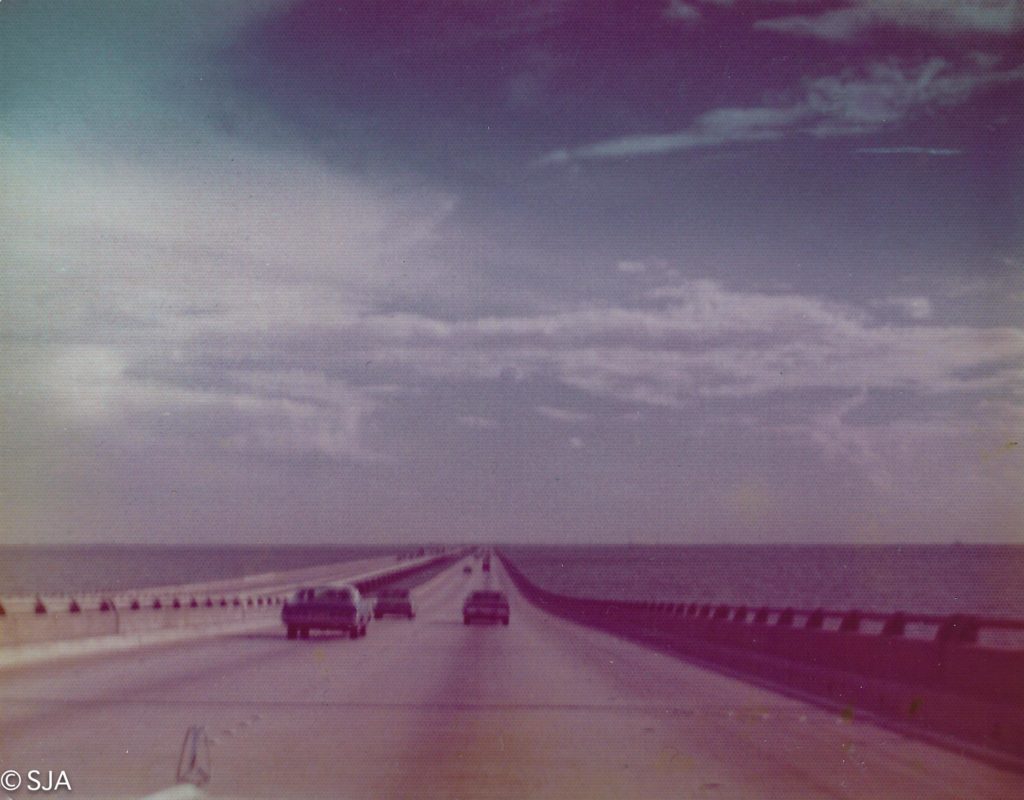
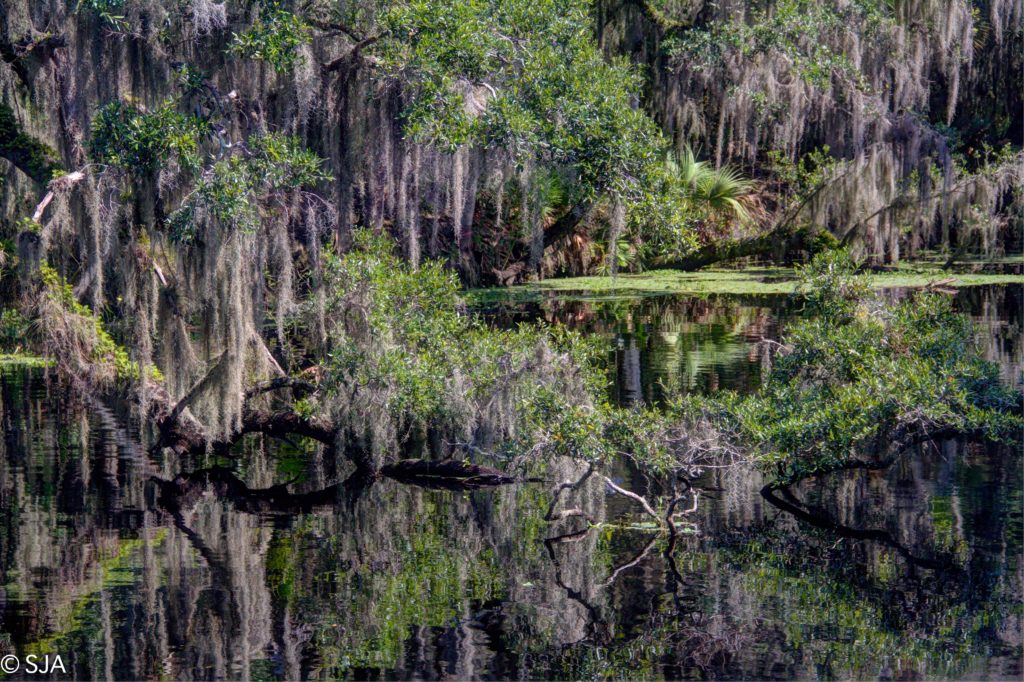
We drove southwest toward our first scheduled stop. The closer we got, the flatter the landscape and the thicker the air. We drove through swamps, bayous, waterways and over long bridges. Cypress trees were draped with Spanish Moss and long-legged cranes walking lazily through water black as steeped tea. That seemed to set the mood for the laid-back atmosphere reflected in the locals, matching their thick Cajun accents and the humidity that hung heavy in the air. The smell of stagnant swamps that teemed with life mingled with the smell of salt water from the Gulf.
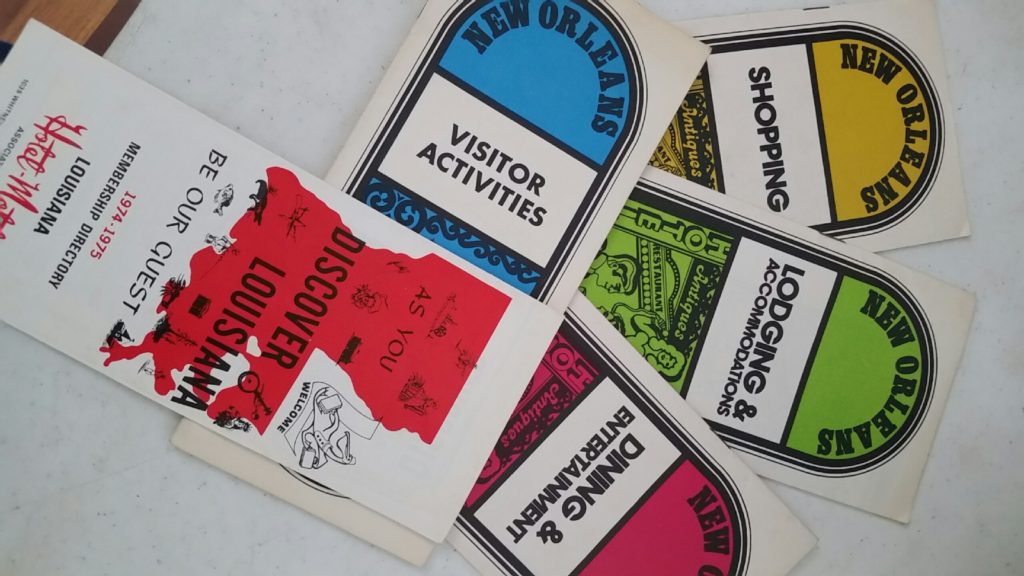
We arrived in New Orleans and checked into the campground. The lady that managed the campground invited us to have supper with her family. I suspect that she was watching out for us, imagining her own children traveling across the country without parental supervision. After all, we looked younger than our 18 and 20 years. We accepted her invitation and were rewarded with fresh crawfish and other Cajun delicacies. It was delicious and gave us a taste of a culture completely foreign to us. Our two-night stay gave us plenty of time to explore the area. We drove down Bourbon Street at night with doors locked only stopping at red lights. The street looked like a human swamp teeming with life. A sea of people strolled along the sidewalks and gathered in front of bars and restaurants. They were quite colorful in their garments as diverse as the people themselves. Jazz bands and one-man bands performed along the street. During the daytime, we visited the French Quarter. We people-watched, browsed through little eclectic shops, stopped at various street venders, and ate at a restaurant complete with peanut hulls on the floor. On the way back to our campsite, we got on the wrong bus and had to get off and walk back to the campground in the drizzling rain. That night, it poured. It’s a good thing we waterproofed our waterproof tent! When we crawled out the next morning, water was almost to the top of the lip above the floor of the tent. It was miserable packing up the tent and gear in the pouring rain. I can honestly say I was glad to leave New Orleans. I was a bit antsy to be on our way and truthfully felt much safer in the wilderness than the wild city!
We left all that behind and drove away from the land of water, bridges and swamps to the waterless plains of Texas. It felt like we were finally on our way.
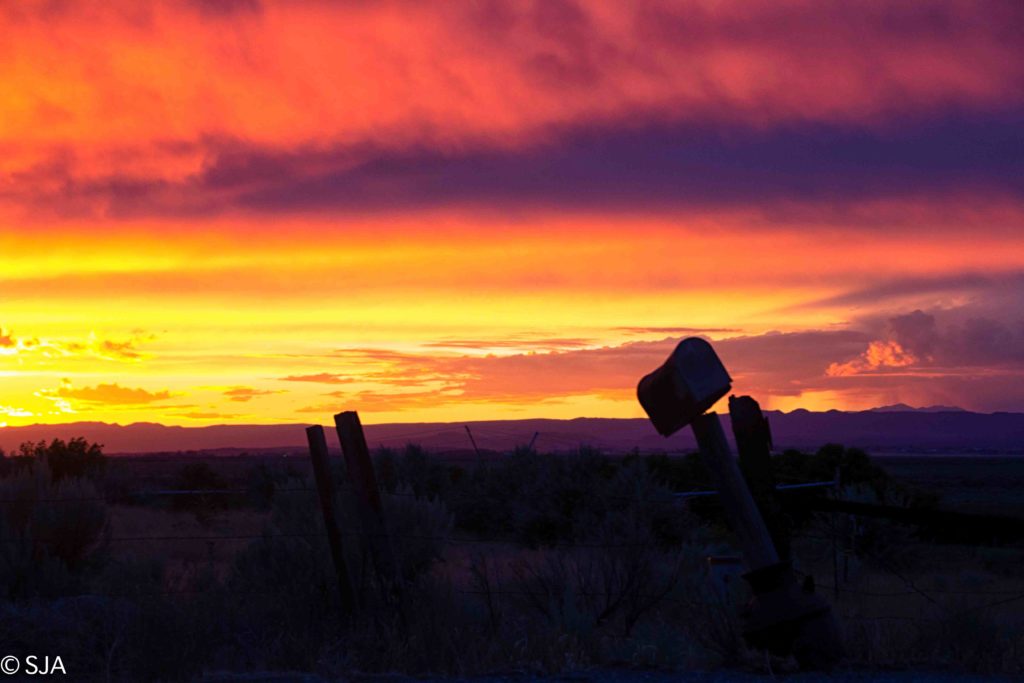
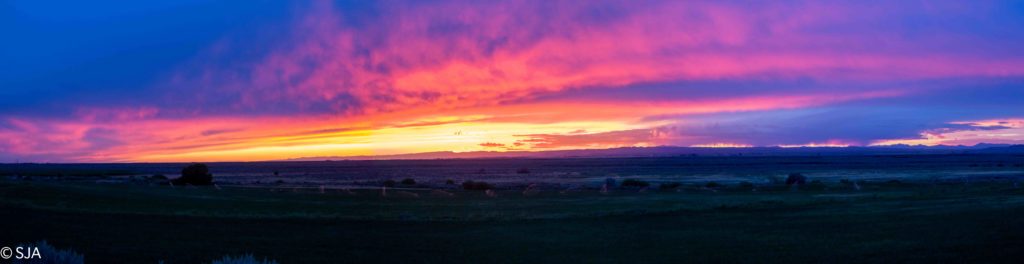
The evening before, the sky was ablaze with fire. Flames lit up the skyline as evening cast long shadows across the desert of Southern Idaho. Soft light of the “golden hour” had turned to brilliant yellows, oranges and reds, then transformed into pinks, purples and midnight blue until it faded into the dark of night. Stars appeared and the Milky Way laid out its path across the ebon expanse.
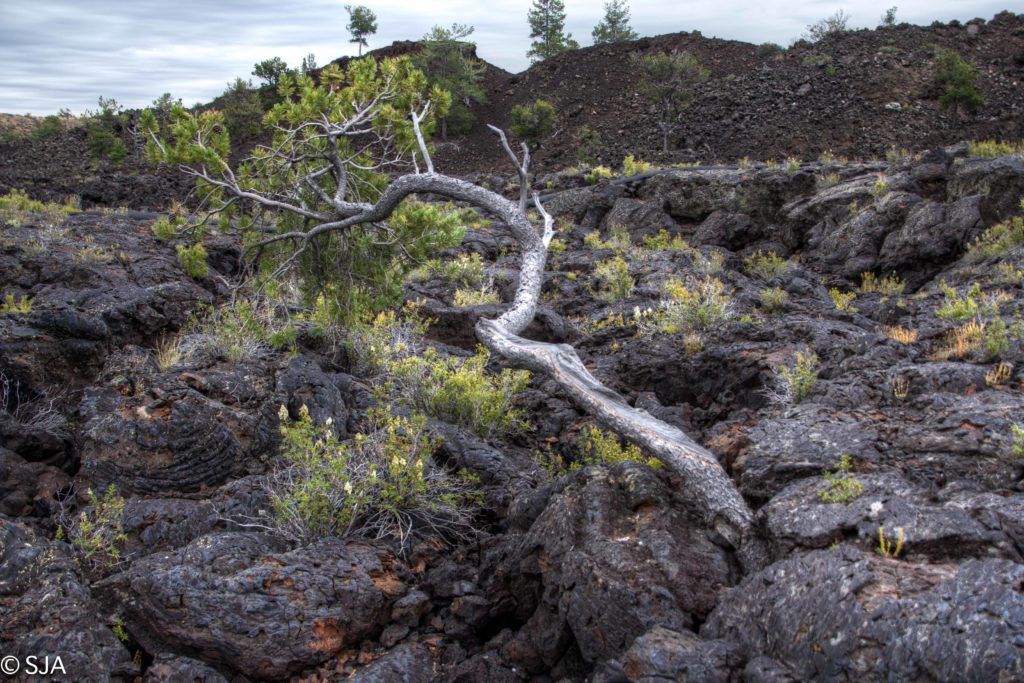
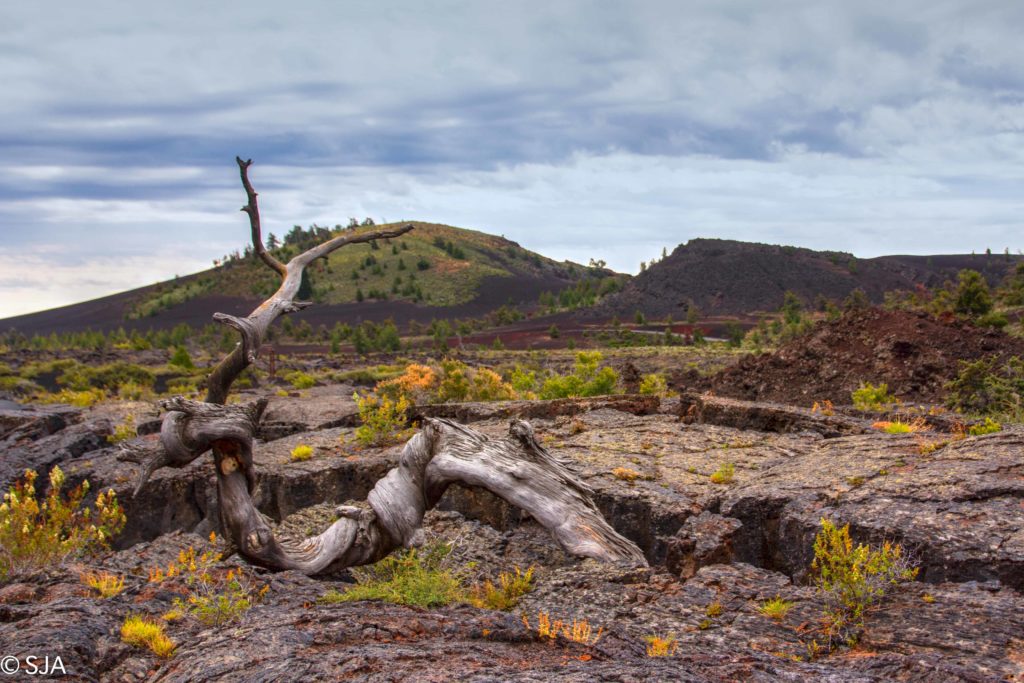
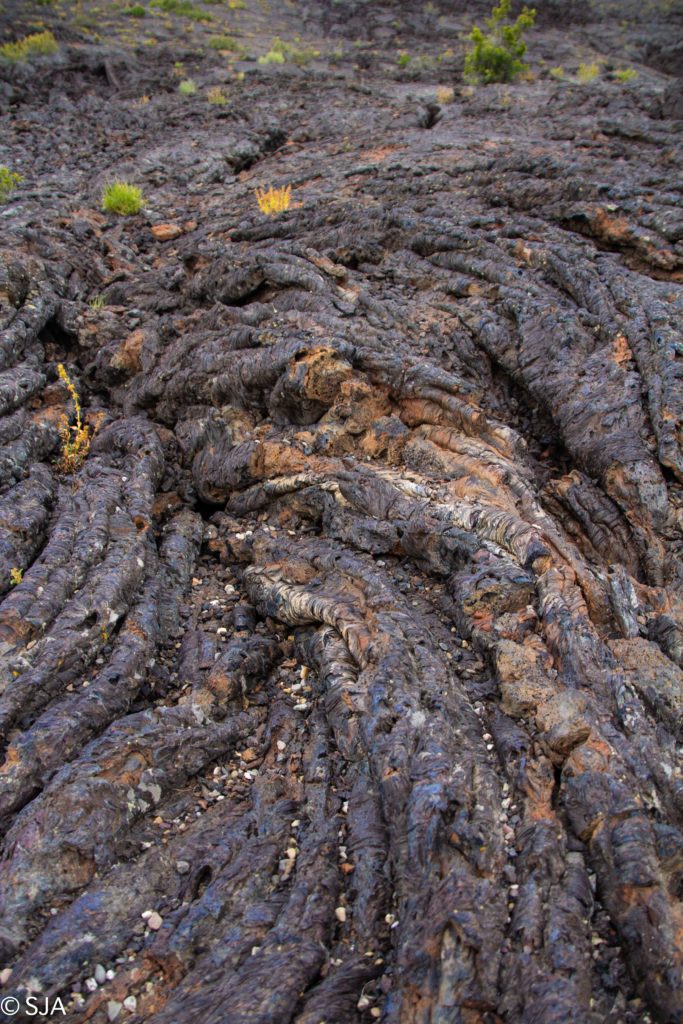
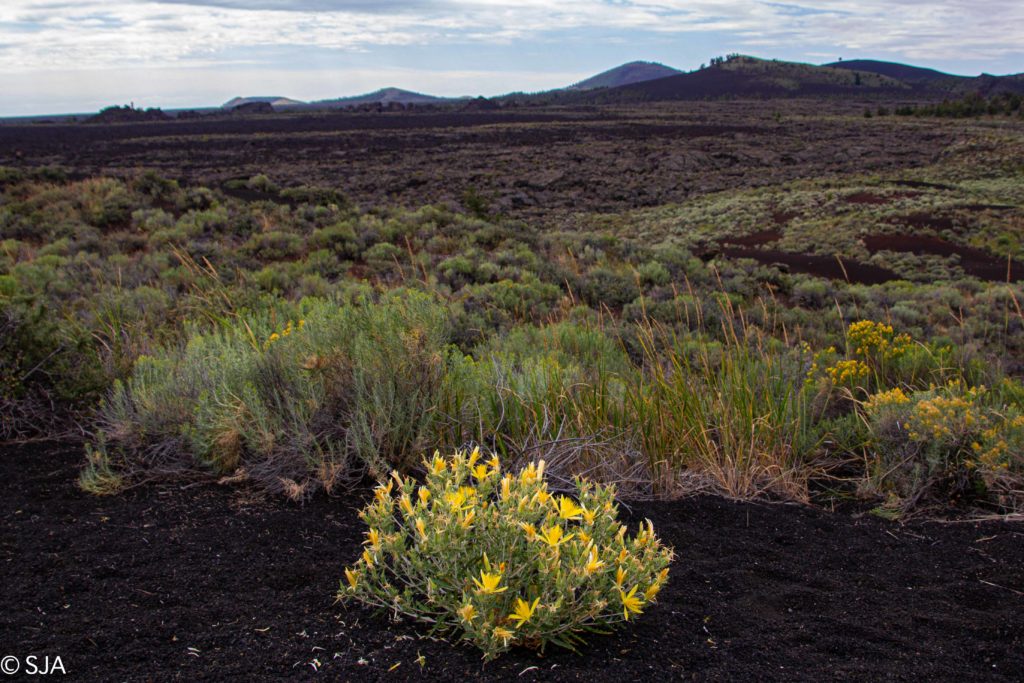
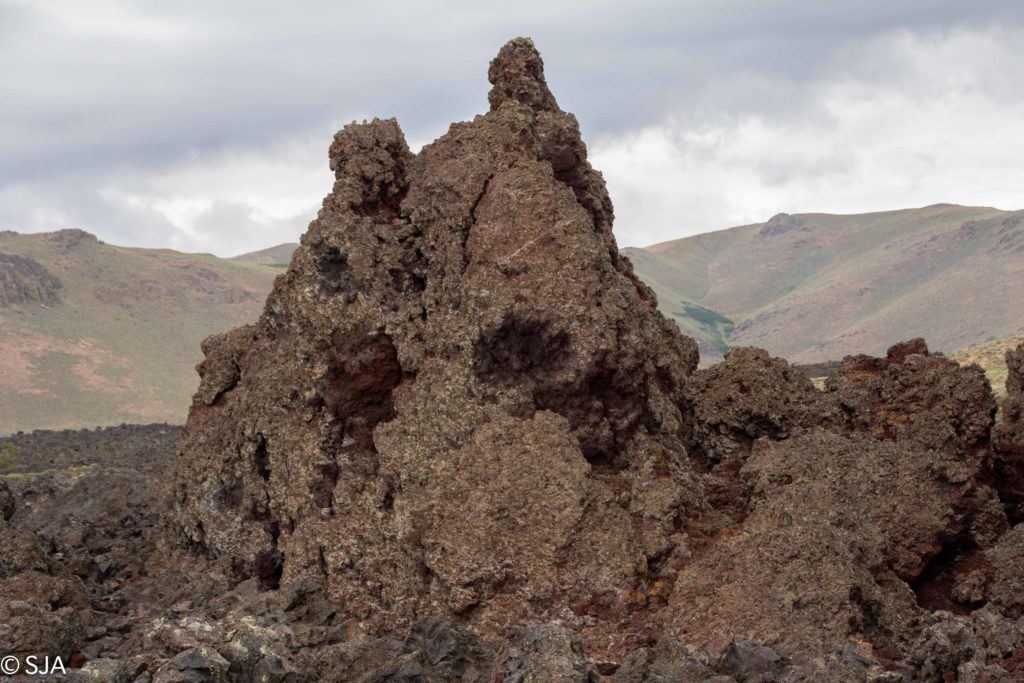
The night was overshadowed as day emerged. In the morning light, it looked like the fire of night had turned everything to ashes. The clouds hung to the ground causing an eerie look over the landscape covered with cooled lava flows and ashes left behind in its wake. Hardened lava resembled exposed tree roots, some seeming to be burning with dying orange embers.
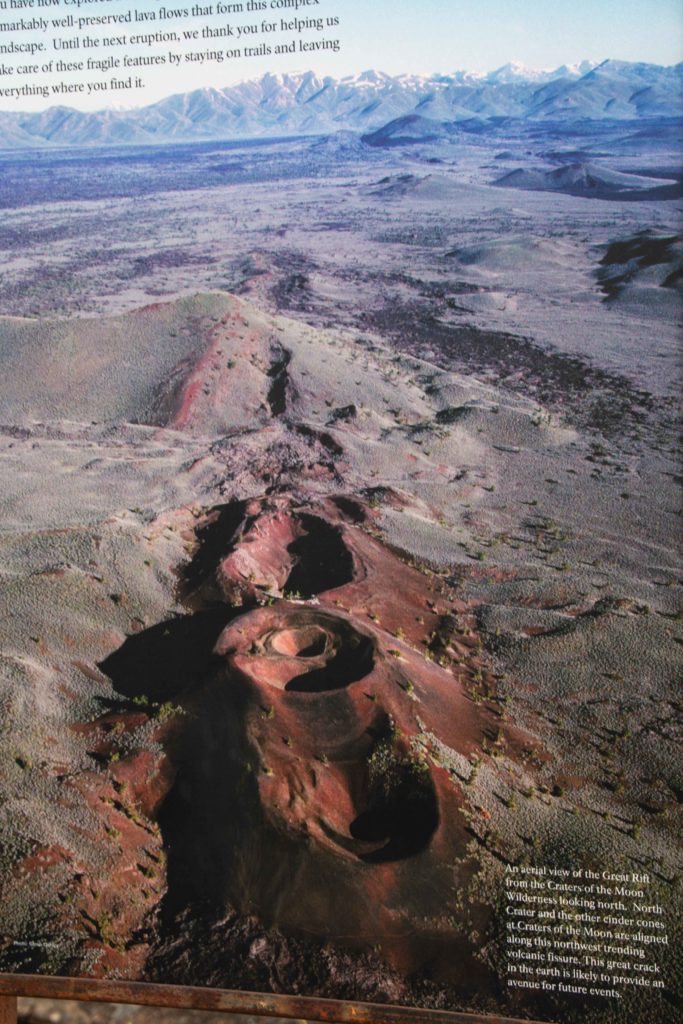
It appeared that we had landed in the middle of a dormant volcano on a strange planet. At one time small volcanoes erupted, spewing scoria to the ground near the vent to build up steep cinder cones. I had never heard of this alien place on earth called “Craters of the Moon National Monument and Preserve,” but it was fascinating. It was formed from lava erupting from the Great Rift. This protected area covers 1,117 square miles, encompasses three lava fields, and contains the deepest known rift on earth at 800 feet. The Monument and Preserve contains more than 25 volcanic cones. This foreign harsh environment was visited by astronauts in 1969 as part of the study of volcanic geology in preparation for their trip into space. Years before, it was frequented by Northern Shoshoni Indians who hunted in this area and possibly gathered tachylyte, which is a form of basalt, for their arrow points.
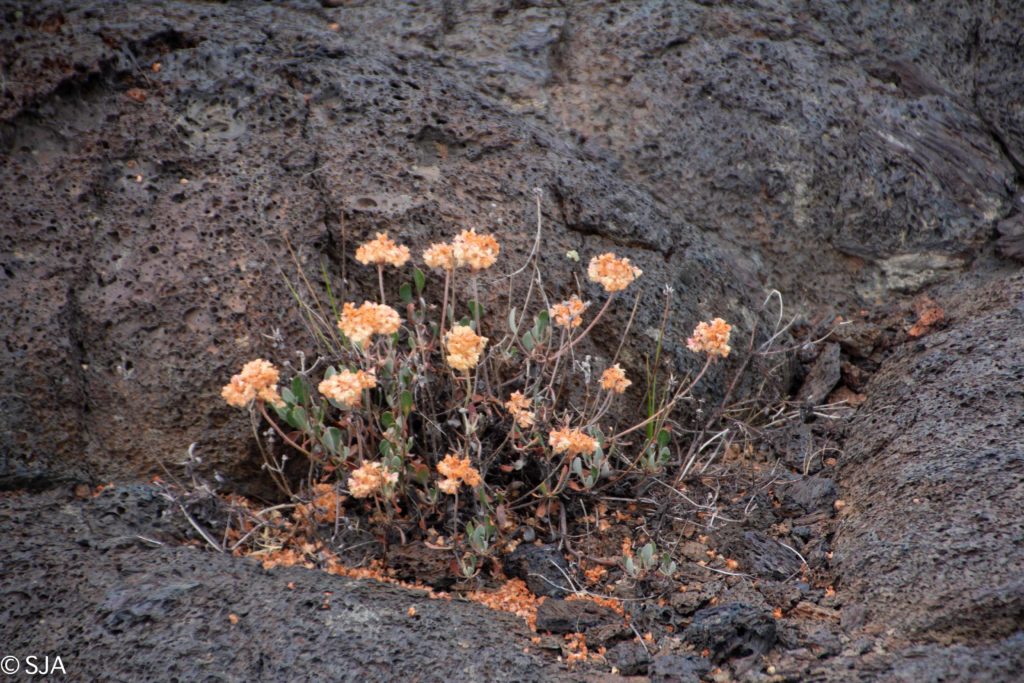
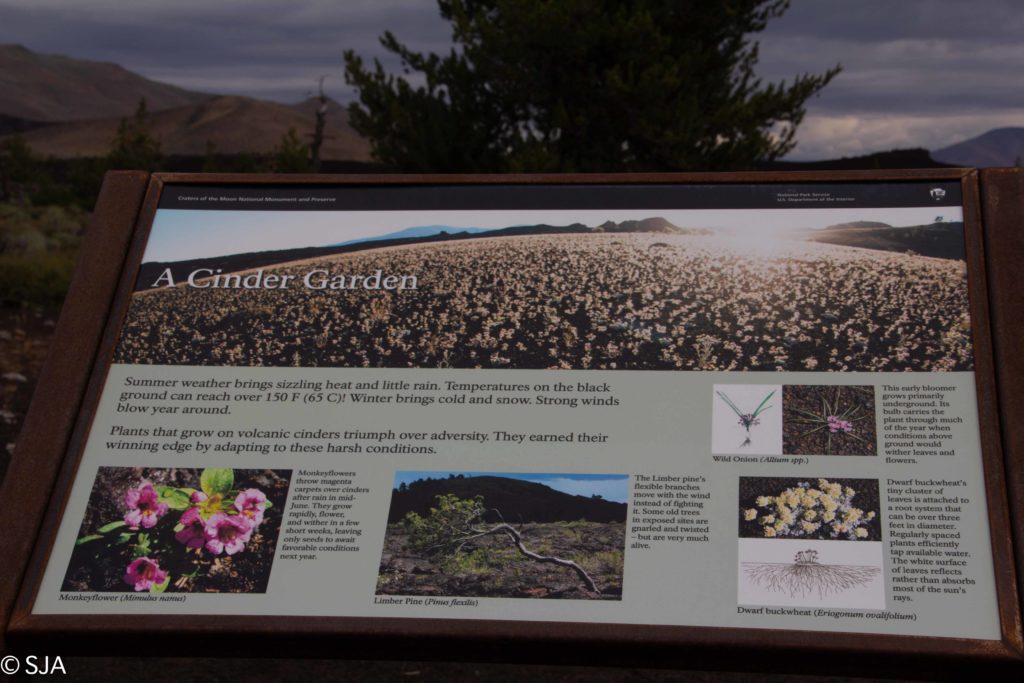
Even in this harsh environment, life adapts and finds a way. Somehow, plants grow in cinder gardens throughout the preserve. The black ash, extremely porous like pumice, quickly absorbs water, and heats up in the summertime, often exceeding 150 degrees. Cinder crags and formations rise from the sleeping volcanoes. This universe never ceases to amaze me. I’ve been to many interesting places, each with a beauty and uniqueness all its own. “Craters of the Moon” is definitely one of those unique places, a rare jewel hidden in this harsh terrain.
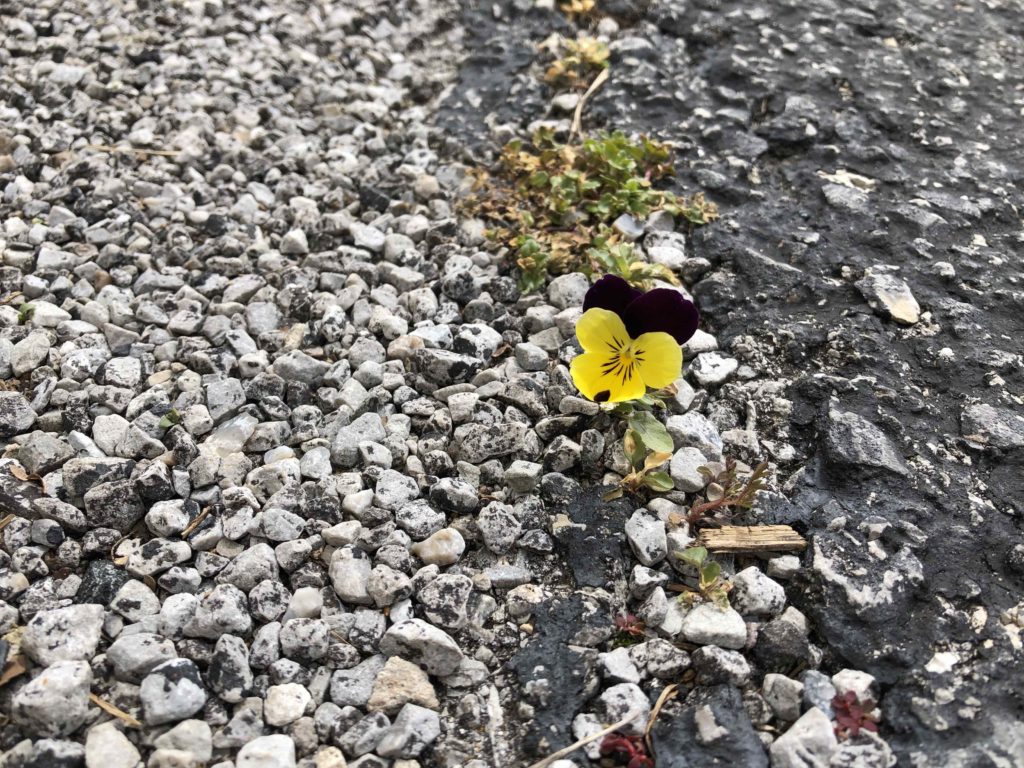
I’m always amazed when life blooms in unexpected places. Seeds can lie dormant for years just waiting for the ashes of death and adversity to bring life. Fertile, mineral rich ashes give birth to new growth that might never have had the chance to live otherwise.
The same is true in our lives. Fires of adversity and trials burn in our lives leaving us standing in ashes of destruction and uncertainty. When we least expect it, a bud pushes up out of the ashes and something beautiful blooms. Life has a way of purging itself. By getting rid of the weeds that threaten to strangle us, we are enabled to grow. Life is given a chance.
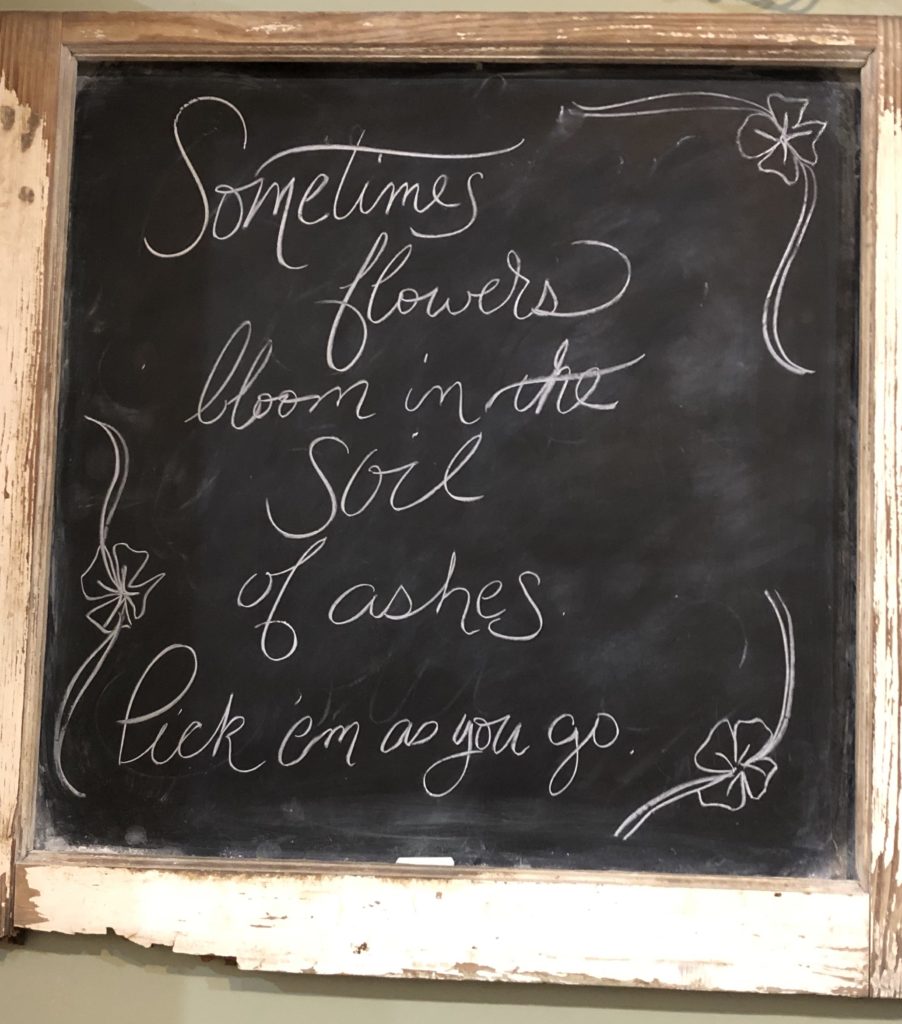
There are lyrics in a song, “Sometimes flowers grow in the soil of ashes.” Another says, “He gave me beauty for ashes.” Life finds a way and out of the ashes we rise.
My Guest Author today is my sister who is just two years older than me. She shares her memories and some of mine. You might recognize her from the blog “Cross Country” and might learn more about her as our journey continues in other stories.
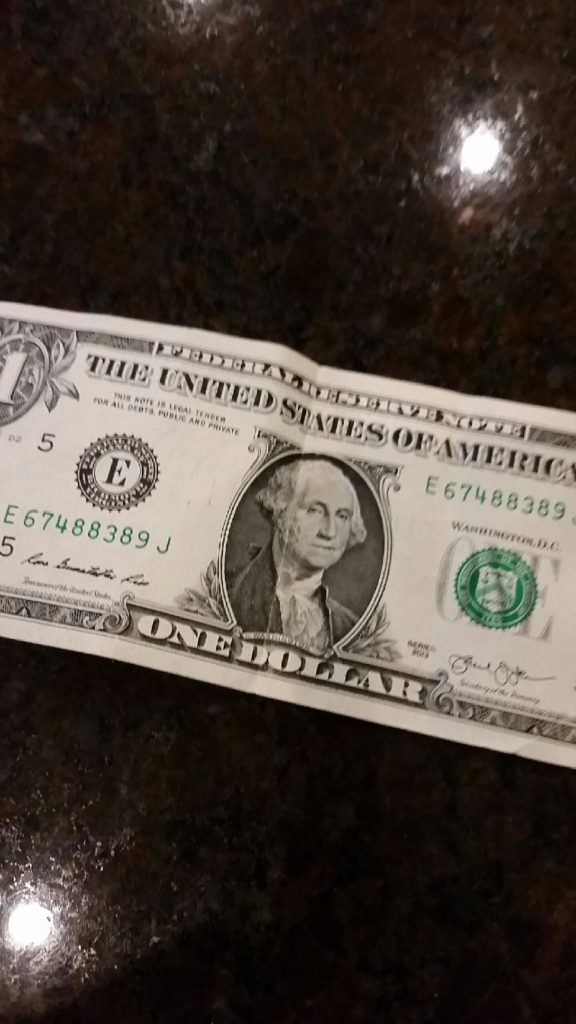
A dollar is a dollar is a dollar – you might say.
I beg to differ.
Some people start a new business and tape or frame the first dollar they earn on the wall for all to see. I’ve had several businesses but I always had to spend my first dollar! They never got put up on a wall!
But the first dollar I remember having was a gift from my Montana grandmother. Gommie, who was separated from us because of Daddy’s long move to Georgia to get his education and then to serve in the ministry, would give the grandkids a special gift when we visited. She would give us a silver dollar.
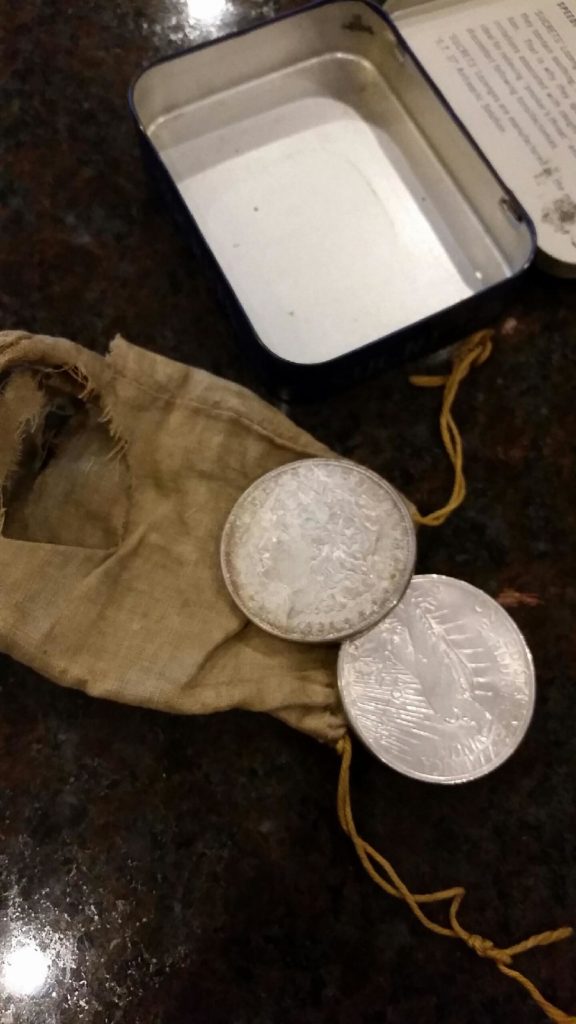
I had in my collection 2 or 3 which I saved in an old tin and nested in an old Bull Durham tobacco bag I had saved from my Grandfather (Daddy Bee). We used to hate his old tobacco smoking habit, but we loved his Prince Albert cans and Bull Durham bags. When I was six we moved and my mom, who had been keeping my treasures in her underwear drawer, apparently forgot about the silver dollars. They got moved but they didn’t get returned to me! This was totally unlike my mom who seemed to remember EVERYTHING! When I asked for them she didn’t remember having them. I was crushed. At the time, it wasn’t the value of the dollar that crushed me. Or even the value of the silver. It was the value of the memory that was attached. My Montana Gommie had given ME those dollars and I was far, far way from her! Those dollars were a connection to her!!
Living in Georgia just down the road from us was my other set of grandparents. Grandma and Daddy Bee. It was such a delight to have them close by. Grandma B was a good cook. I could eat a whole pumpkin pie at one sitting! (She never let me). She would freeze peaches sprinkled with sugar. Sometimes she’d get them out of the freezer and we’d get to eat them. There’s really nothing as good as a real Georgia peach with a few ice crystals and sugar on them! But her cooking is a story for another time.
Daddy B had a barn we loved to play in. He would carry his calves to the barn and weigh them to check on their growth. When we can weigh 100 pounds, he told us, he would give us a dollar!
I asked what would happen if I lost some weight and then made it to 100 pounds again. Daddy Bee laughed and said it was a one time deal! So I didn’t bother passing up Grand B’s cooking.
I spent that dollar but I never forgot it. It was a symbol of growing up, attaining maturity. Looking big in my granddaddy’s eyes.
Wow. Now that’s worth working towards! We would get on the old barn scales and get weighed. Seventy-five pounds. Eighty pounds. Ninety-five pounds. I was wondering if Grandma B would let me eat a whole pie and help me get to my goal! Finally I got to 100 pounds and I got my dollar. That was a happy day. A milestone.
When sister Sheri was going through Daddy’s and Mama’s things, she found the old tin and the old Bull Durham bag. I have two silver dollars again that I keep separate from some of the ones I have purchased over the years. Why are they separate? I don’t have Gommie here on the planet anymore. But I still have a connection called memories, love, and a dollar.