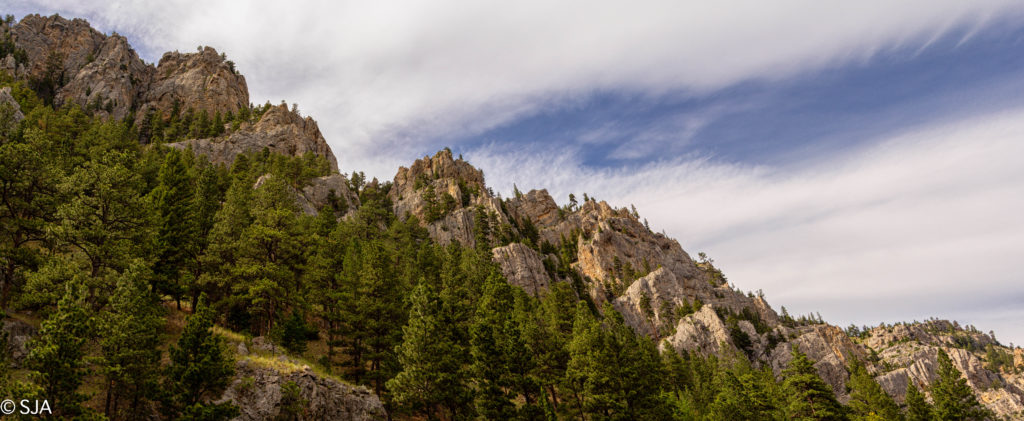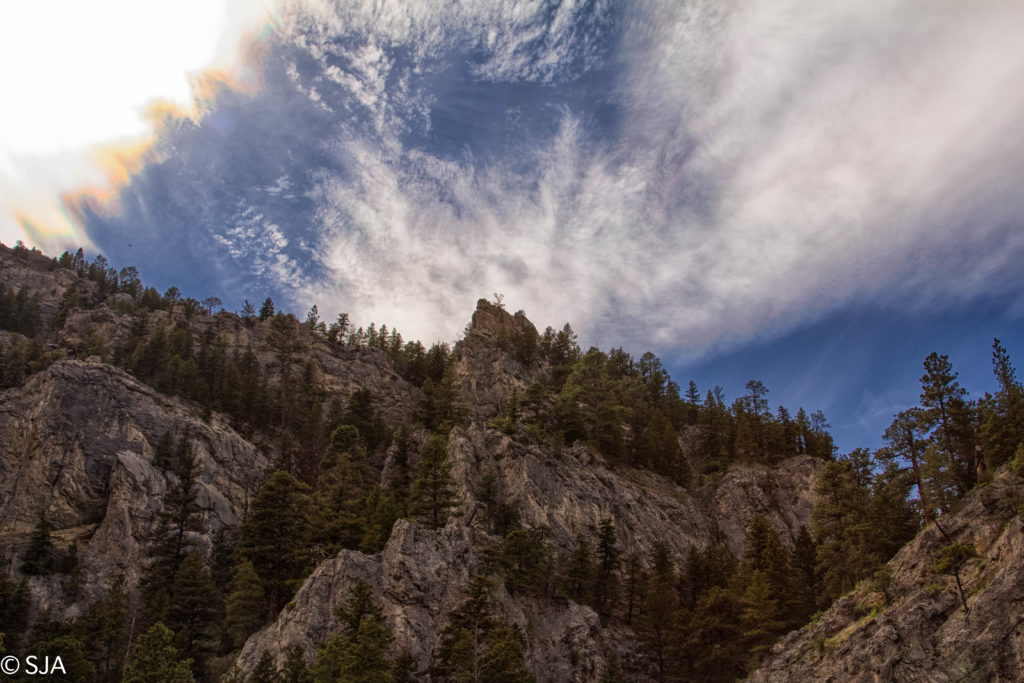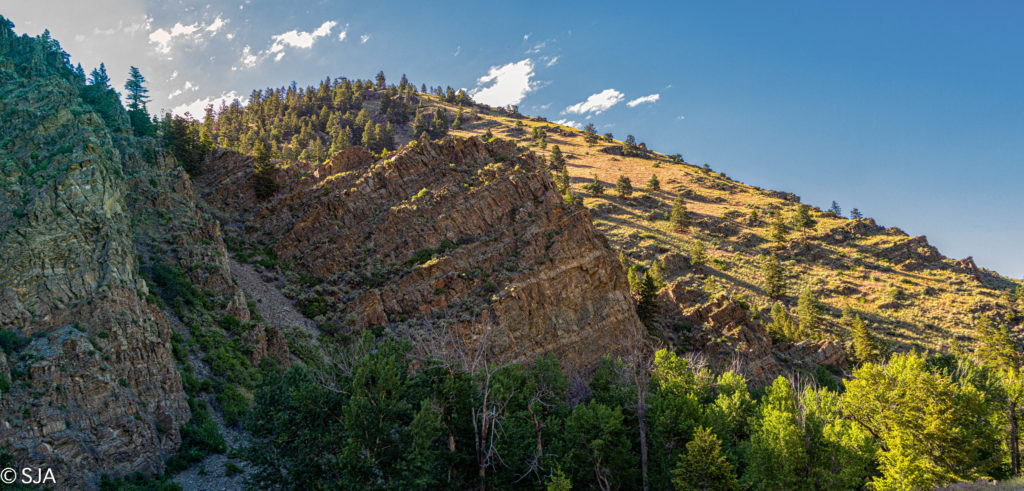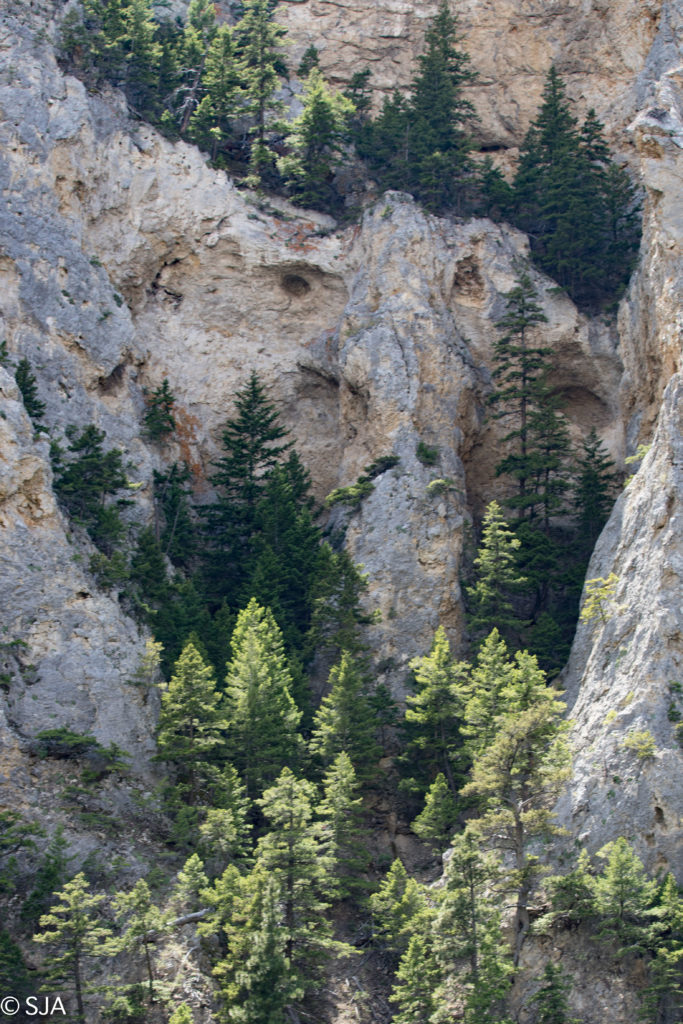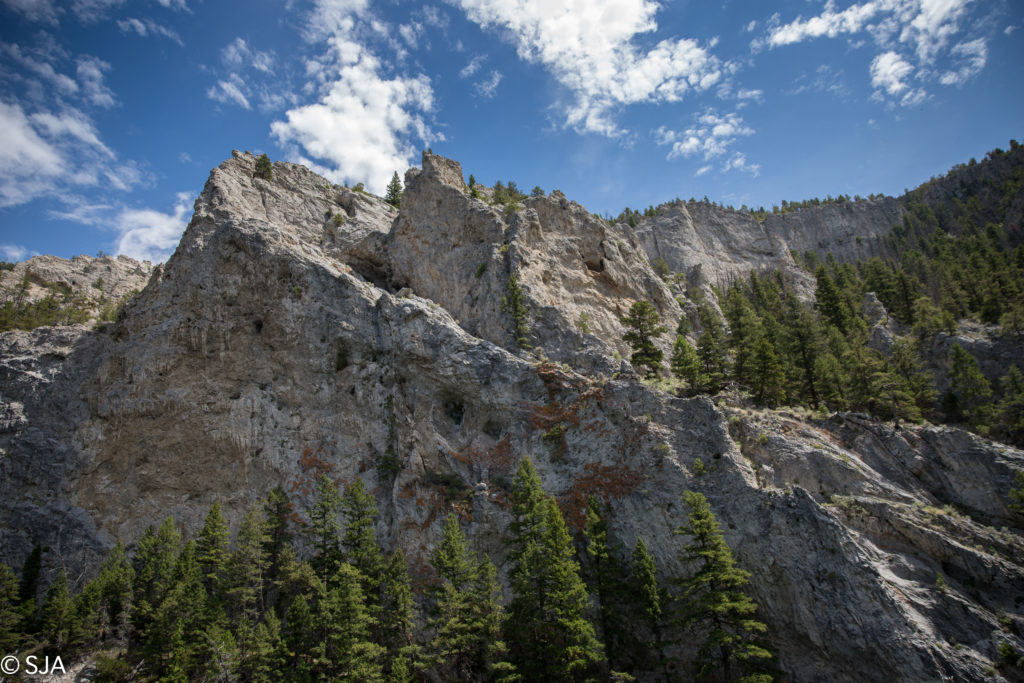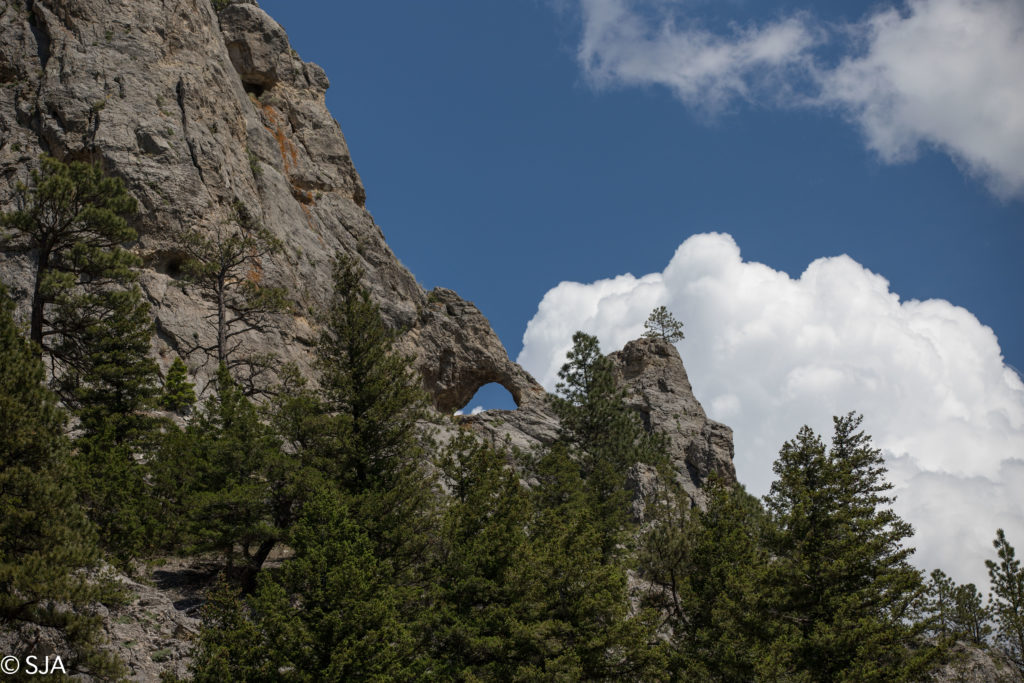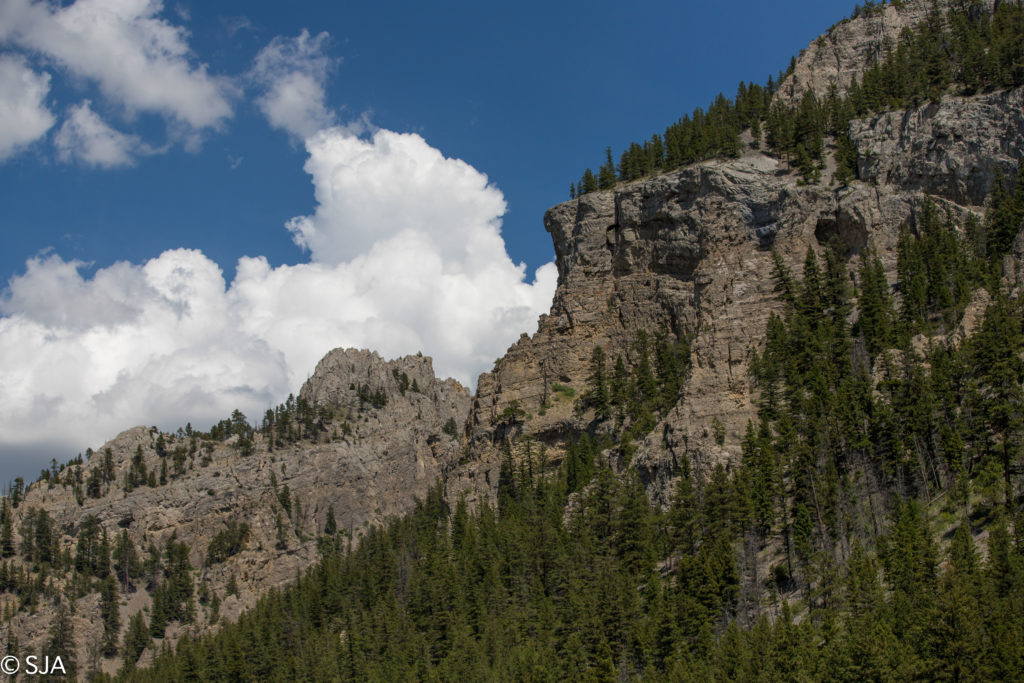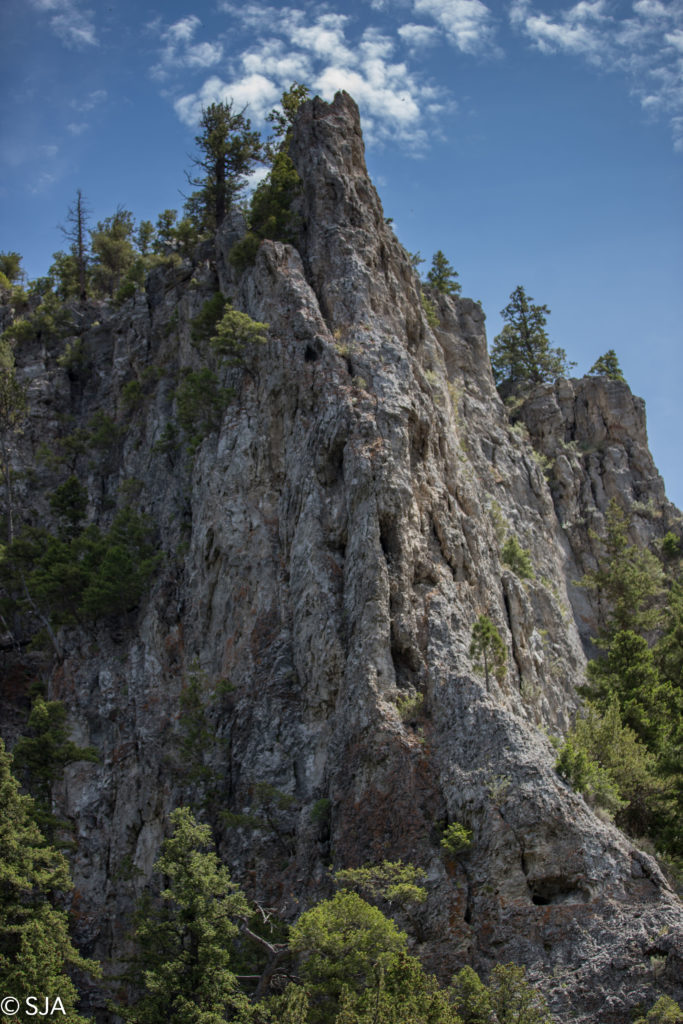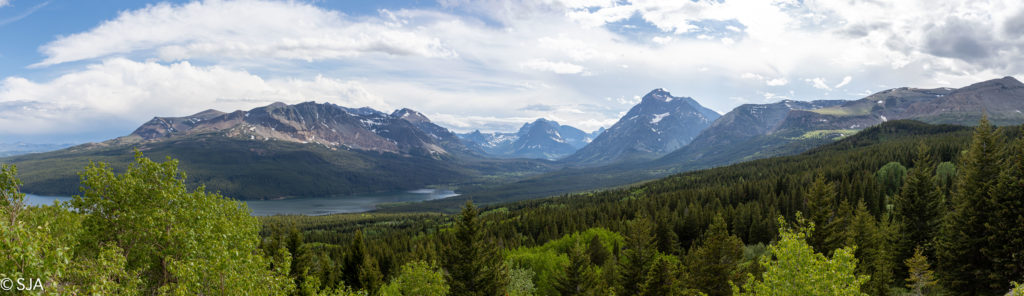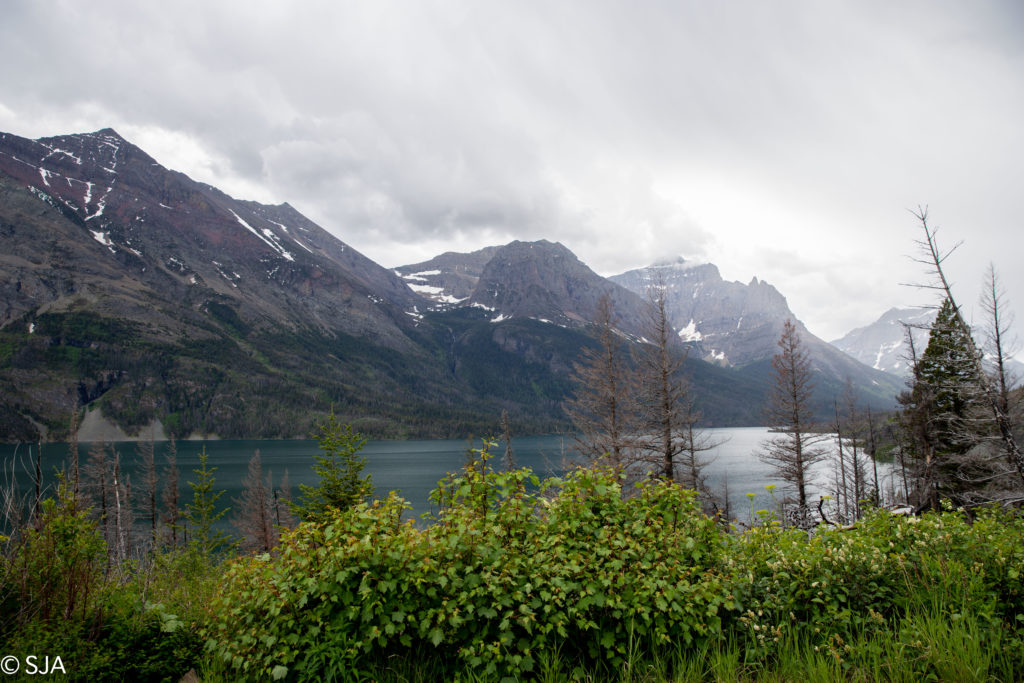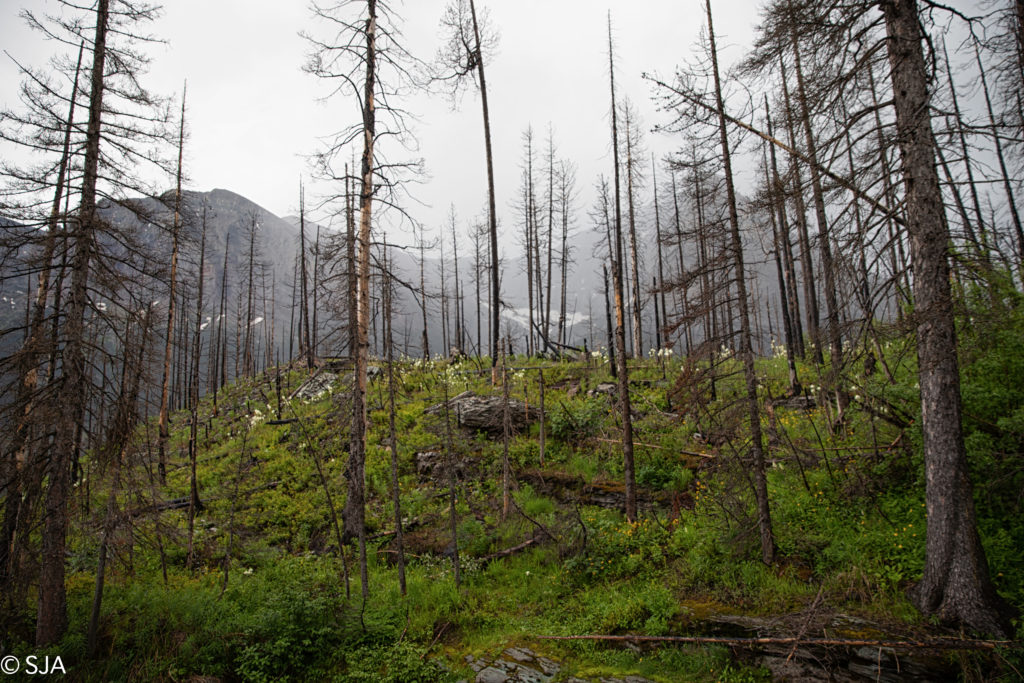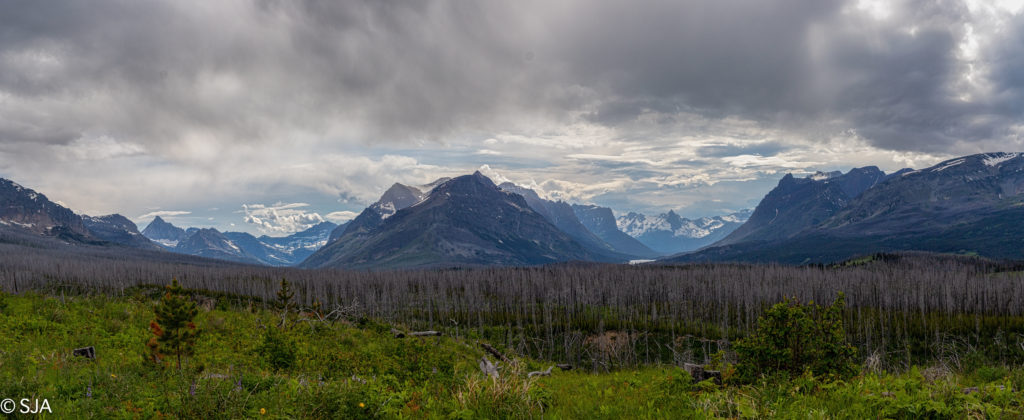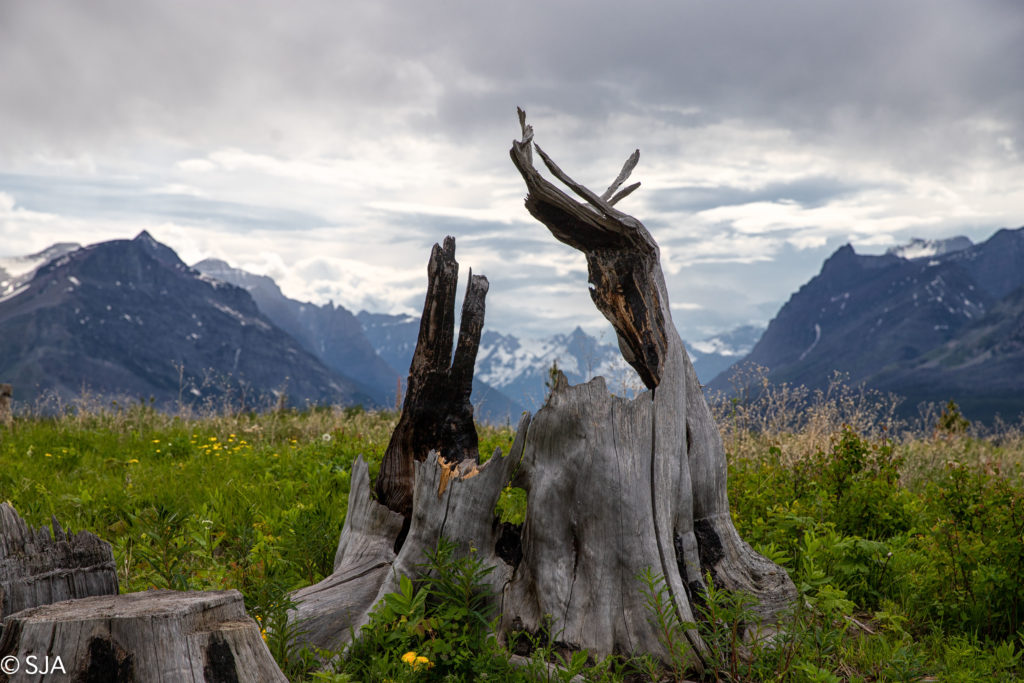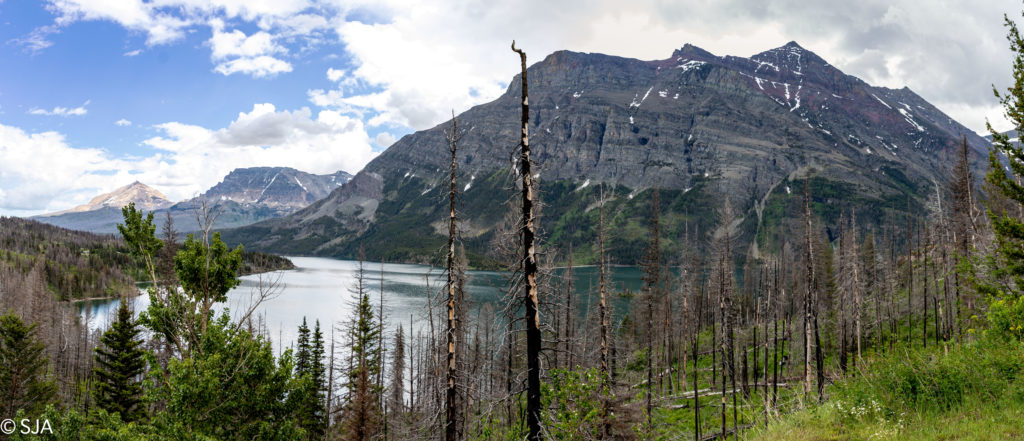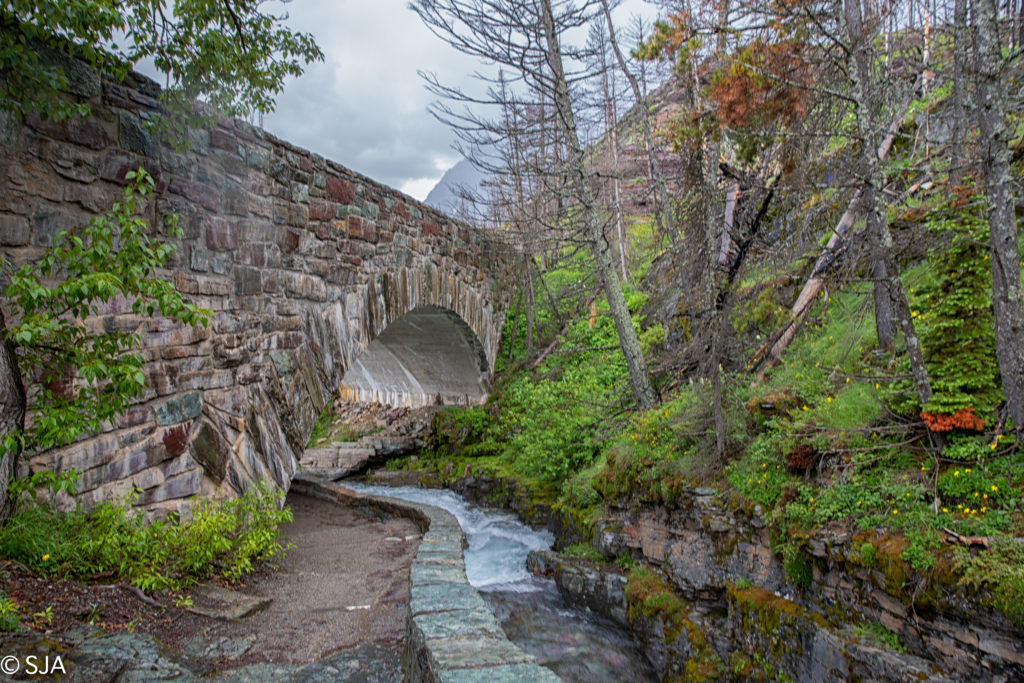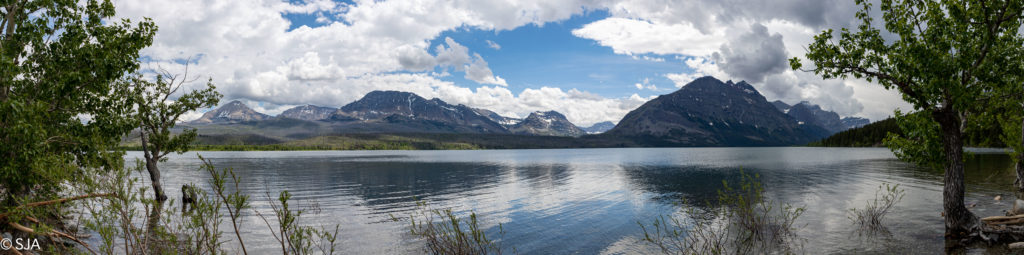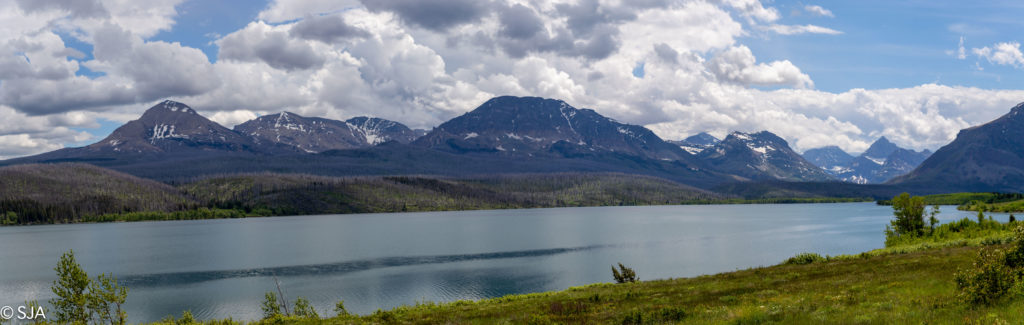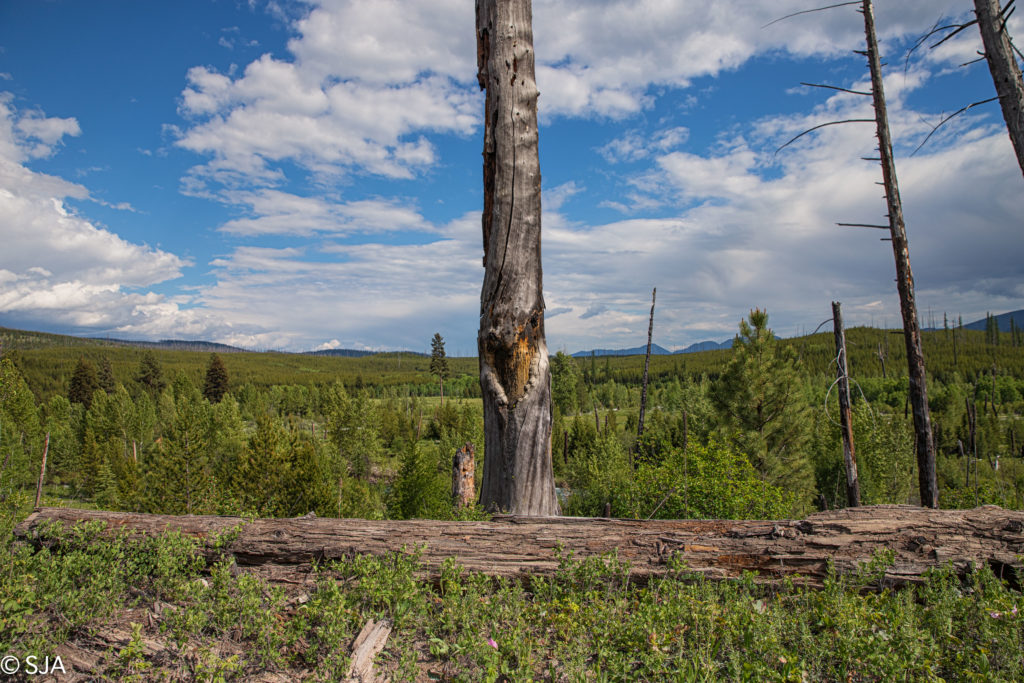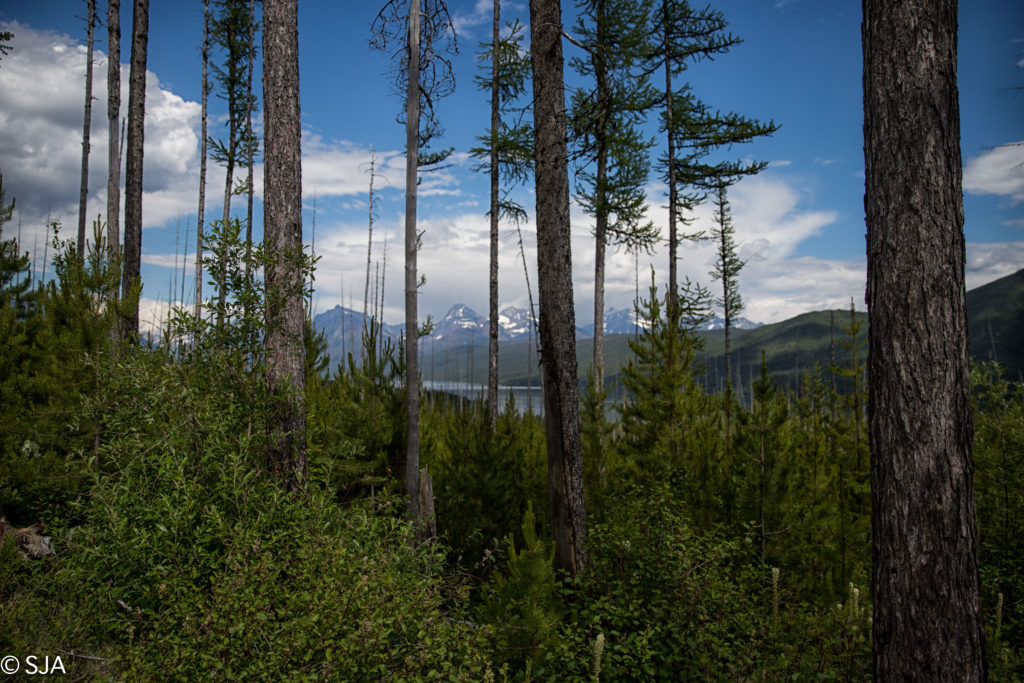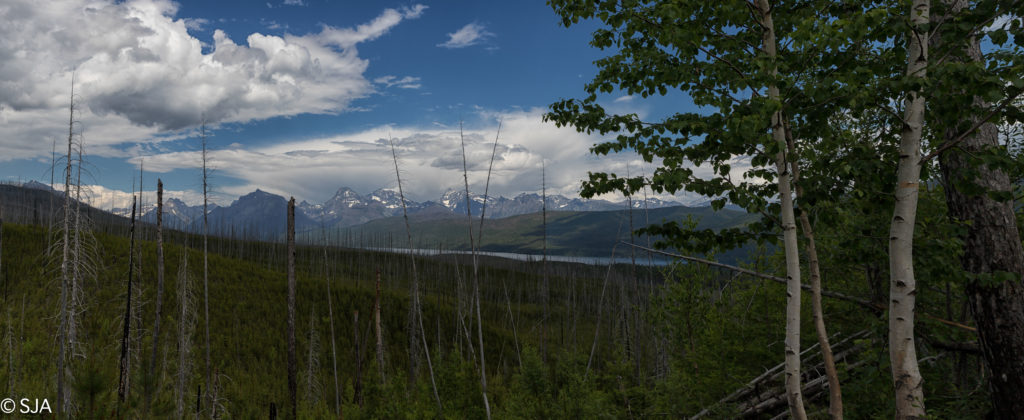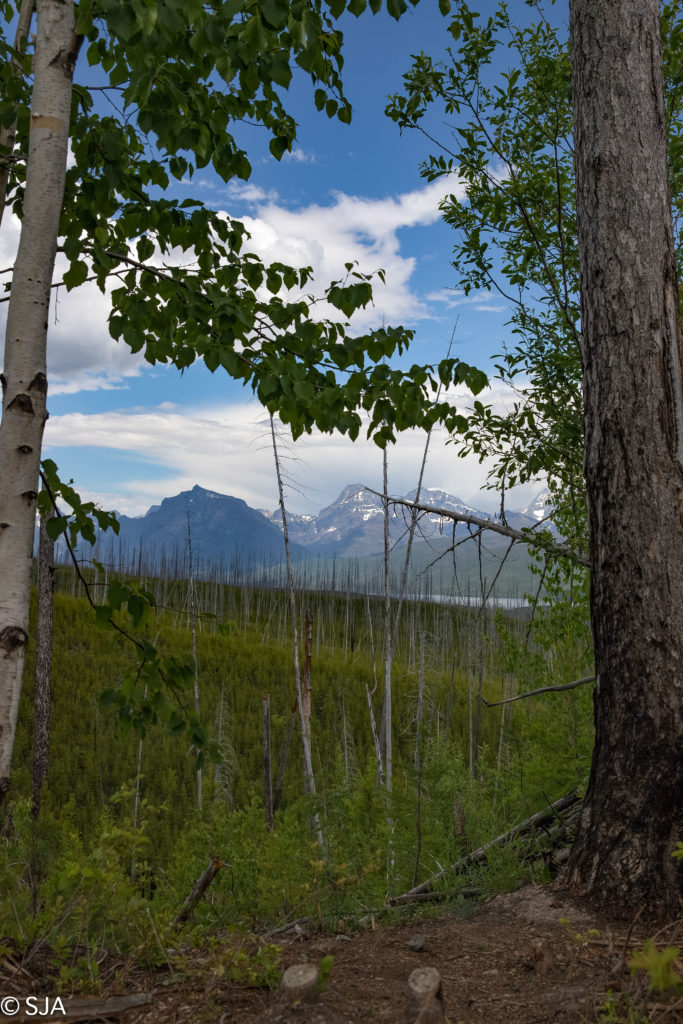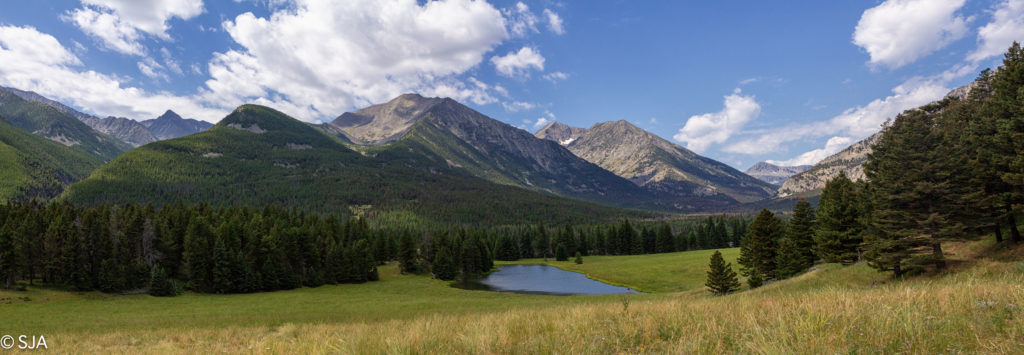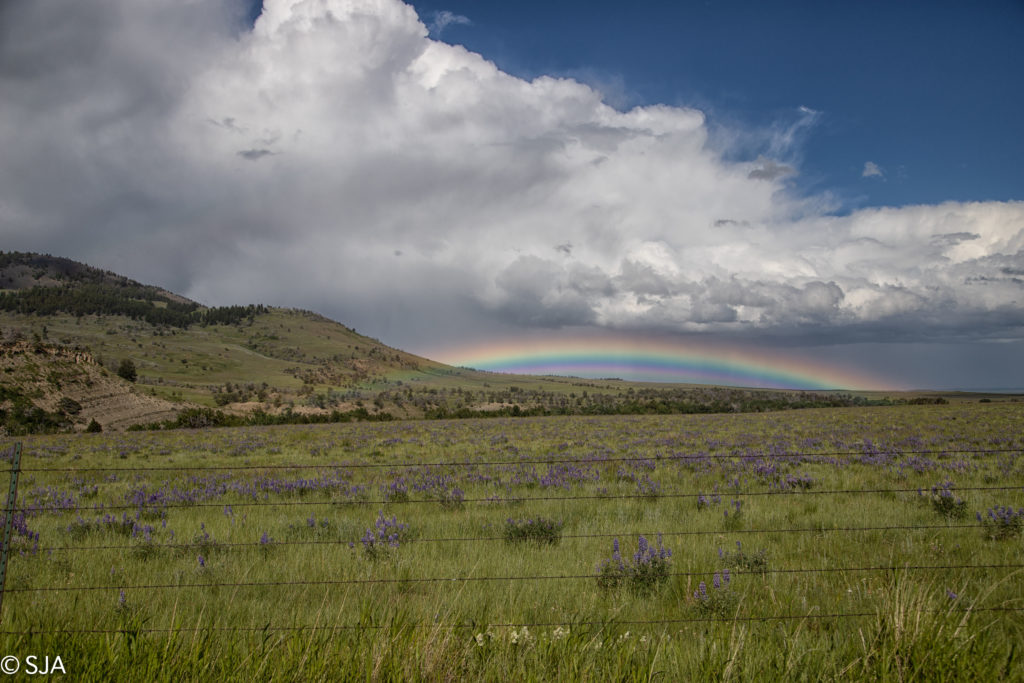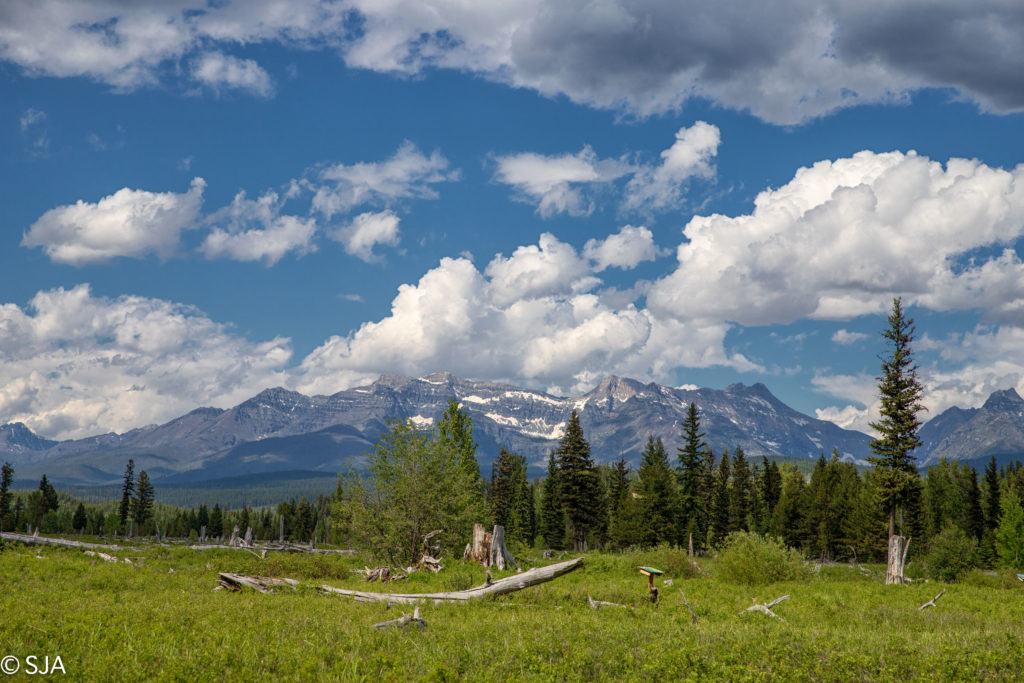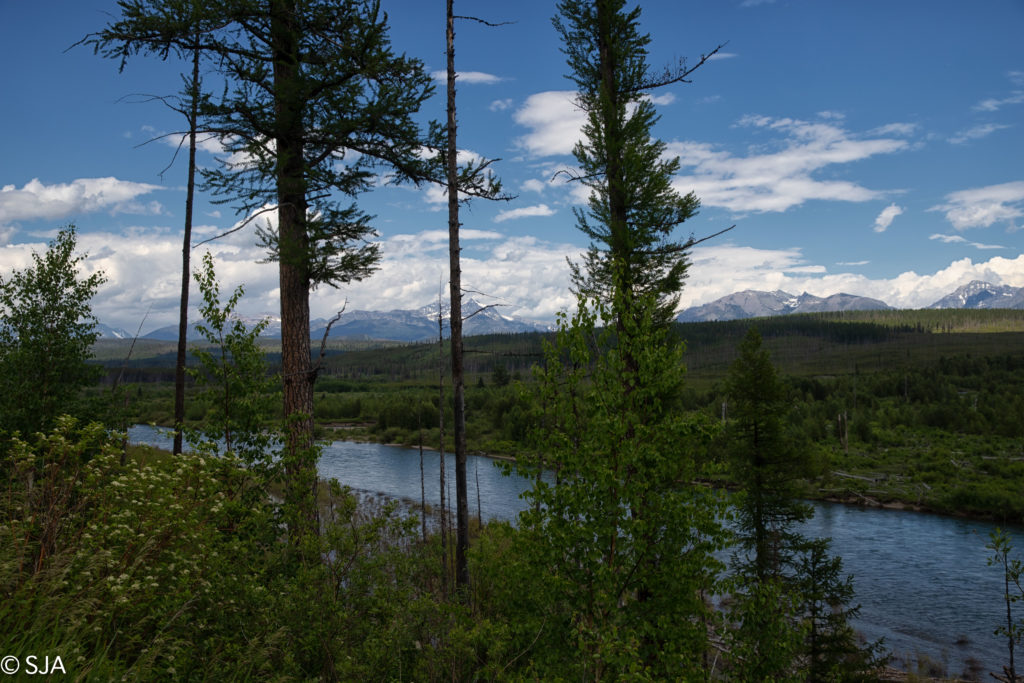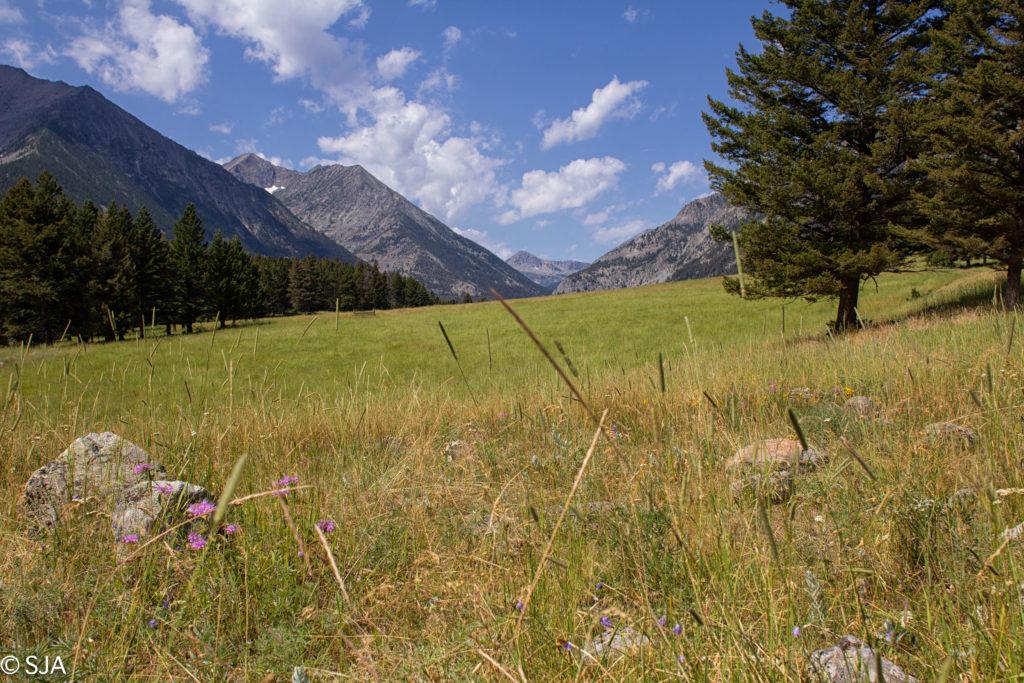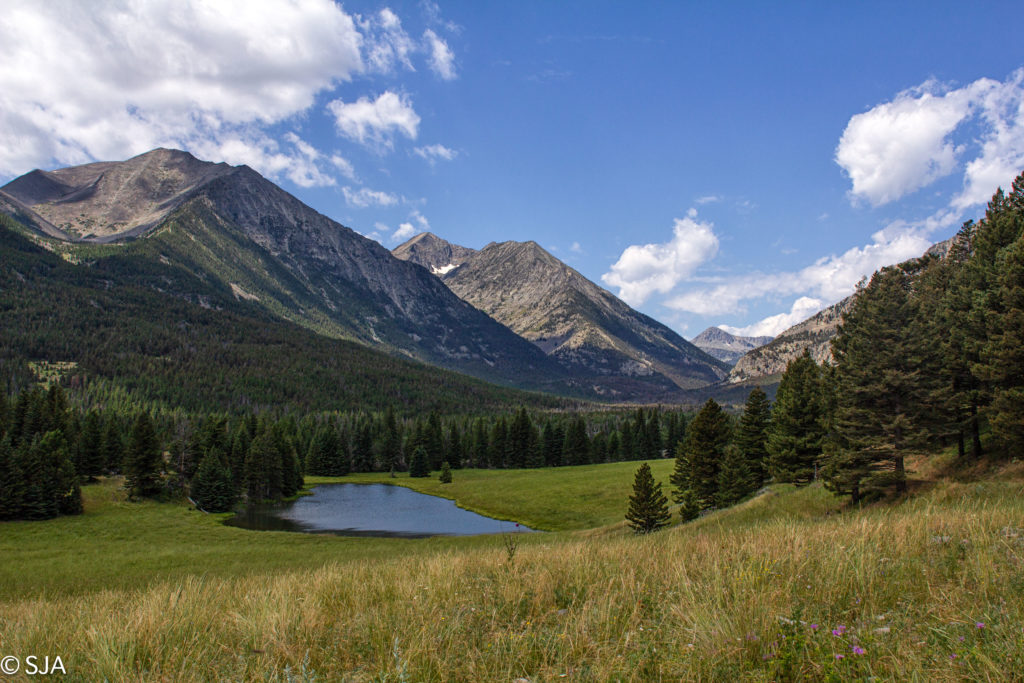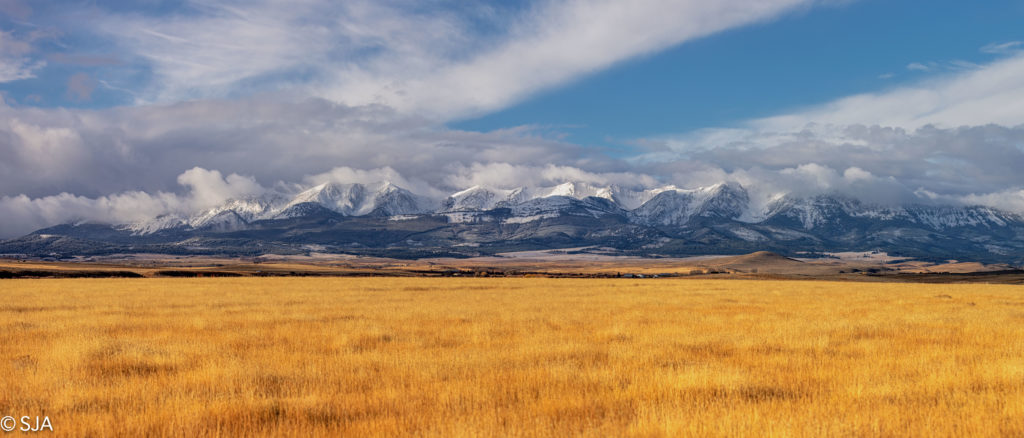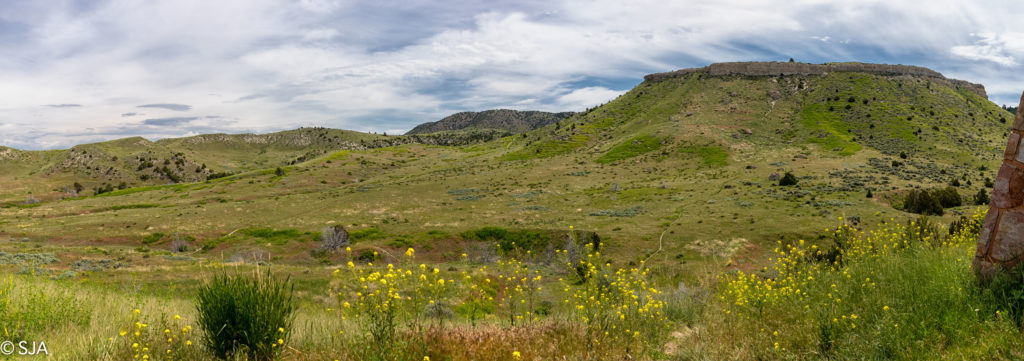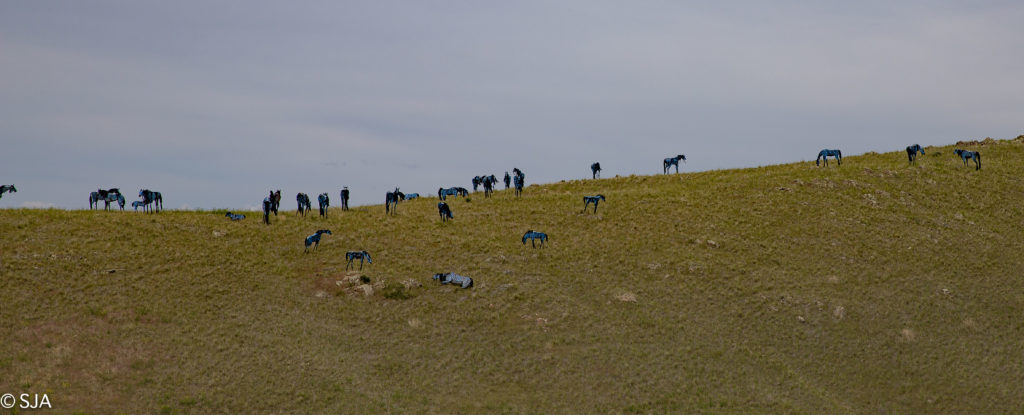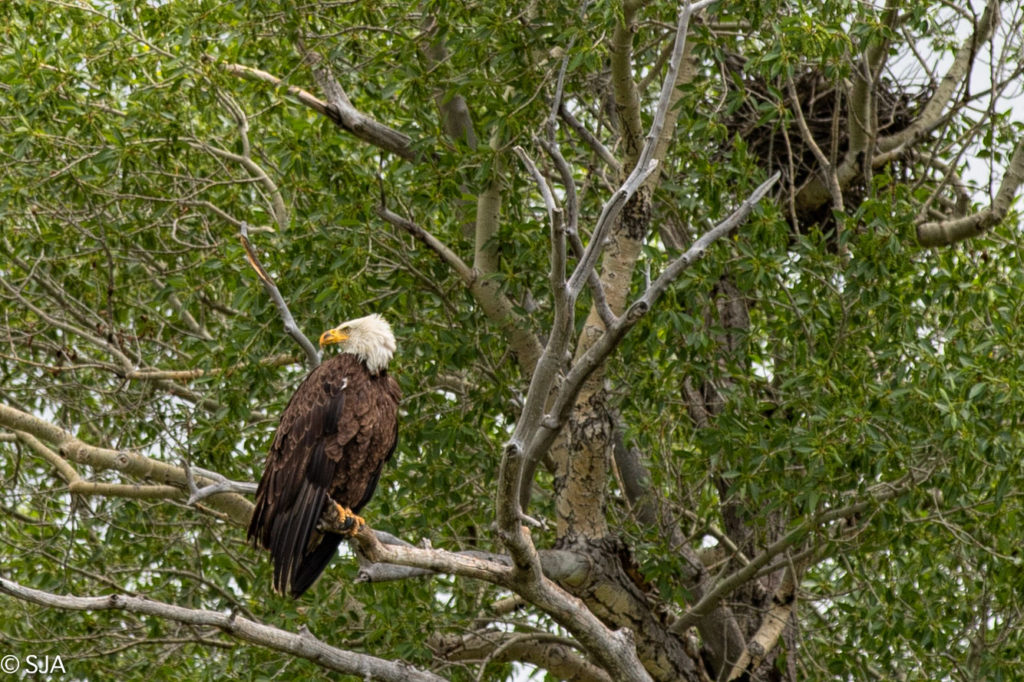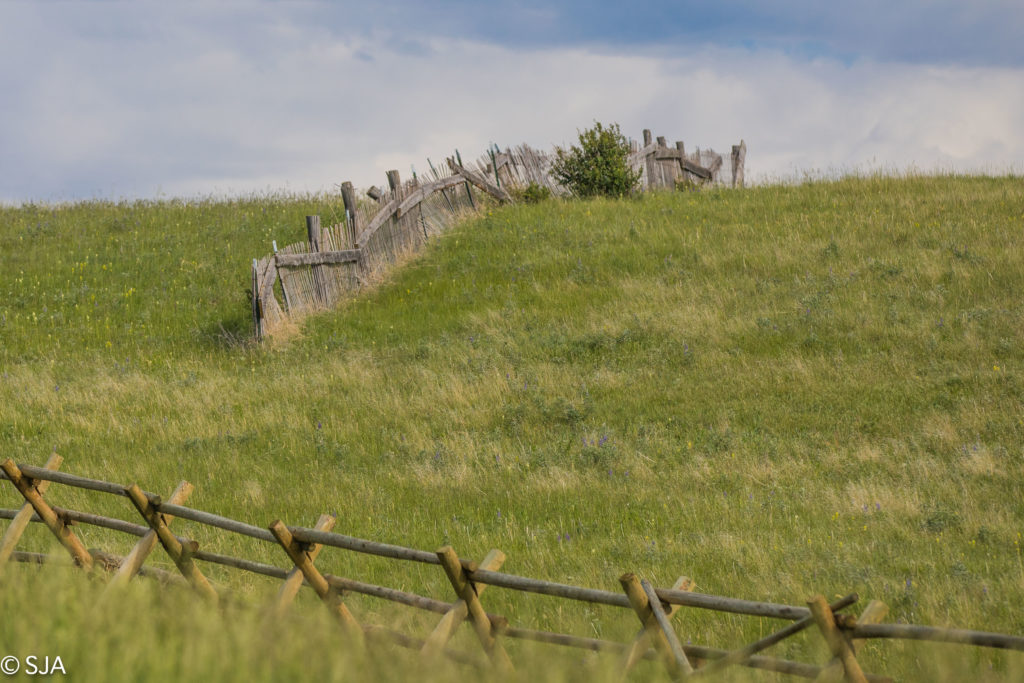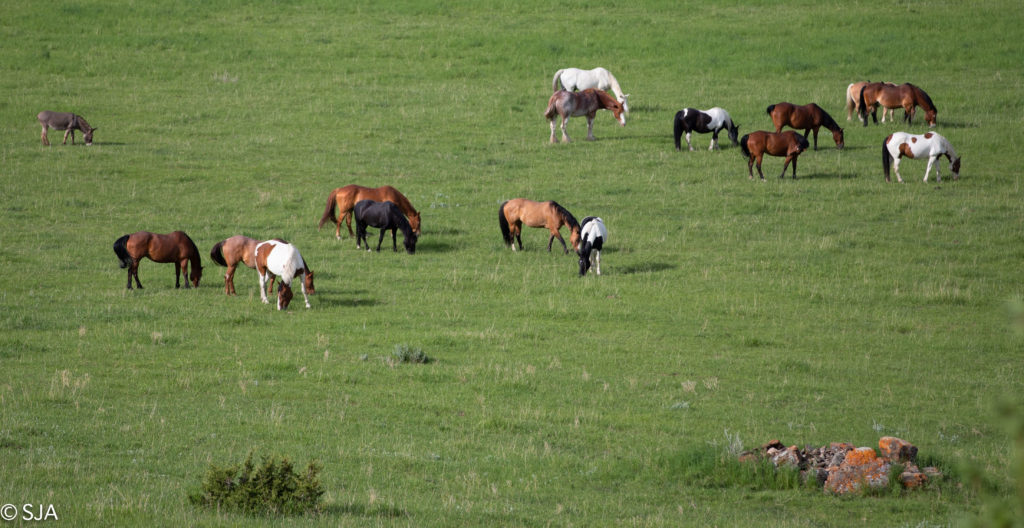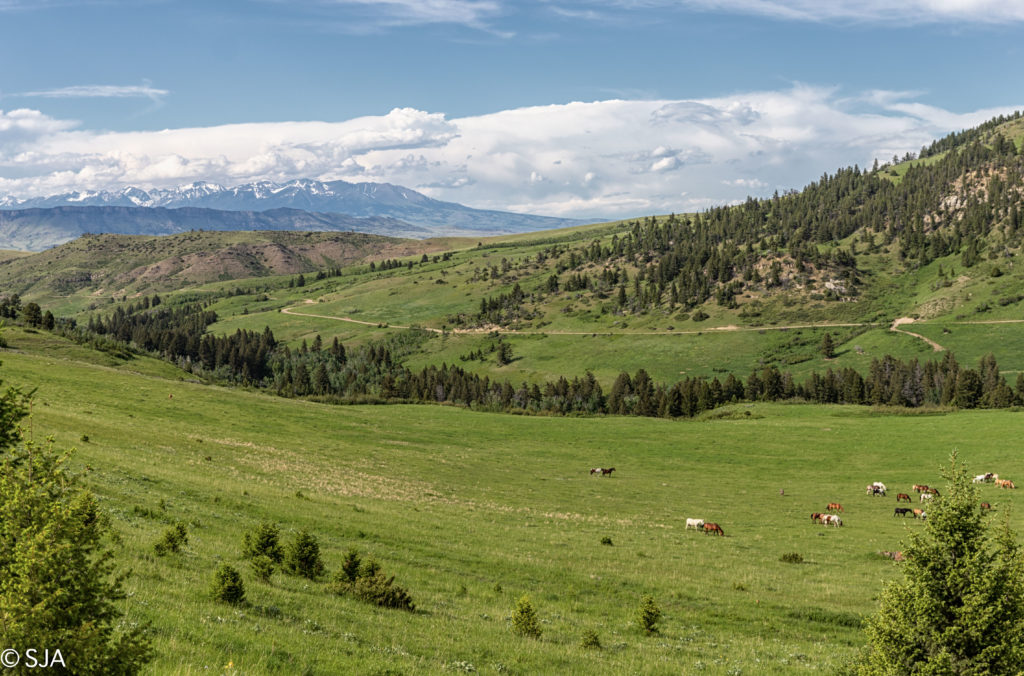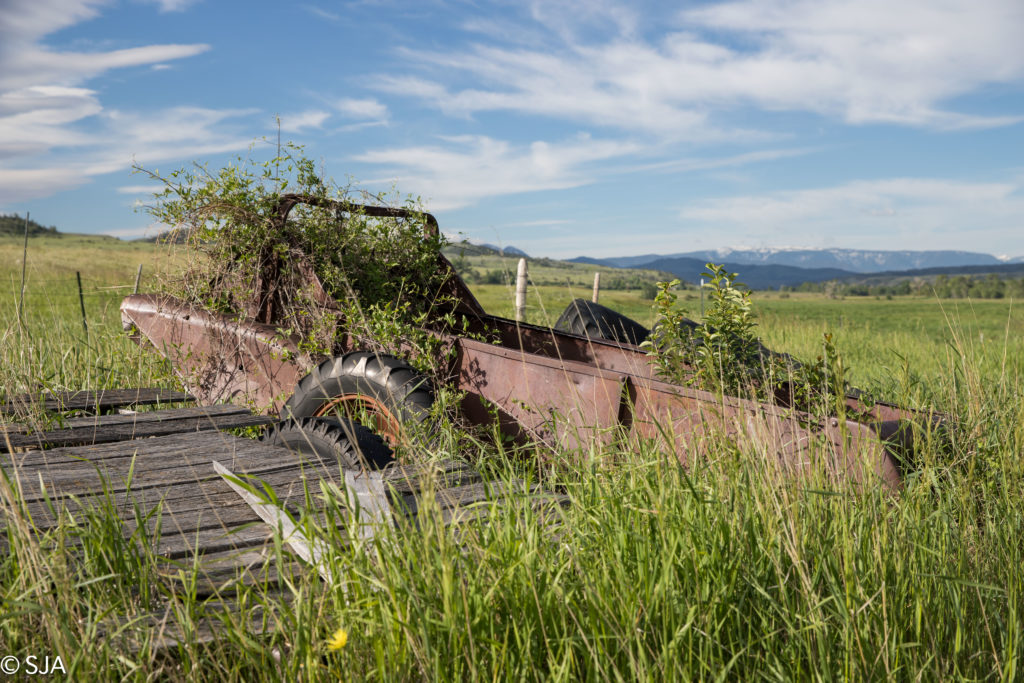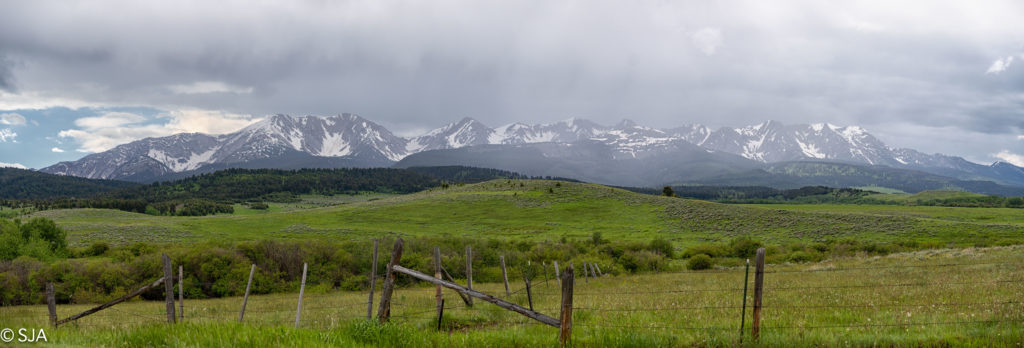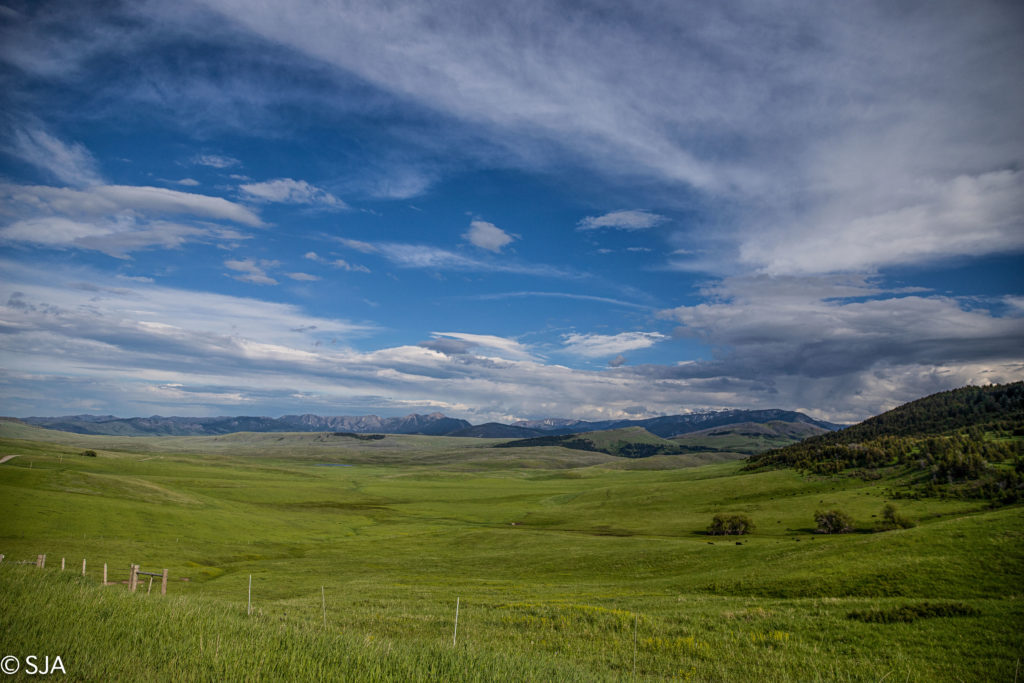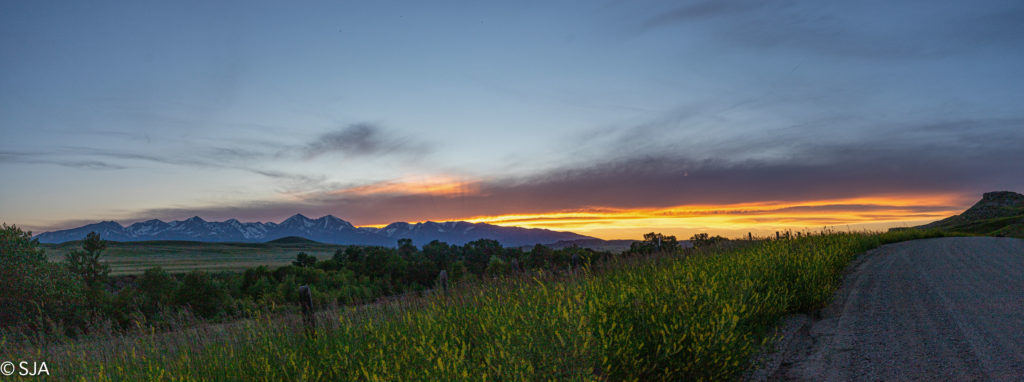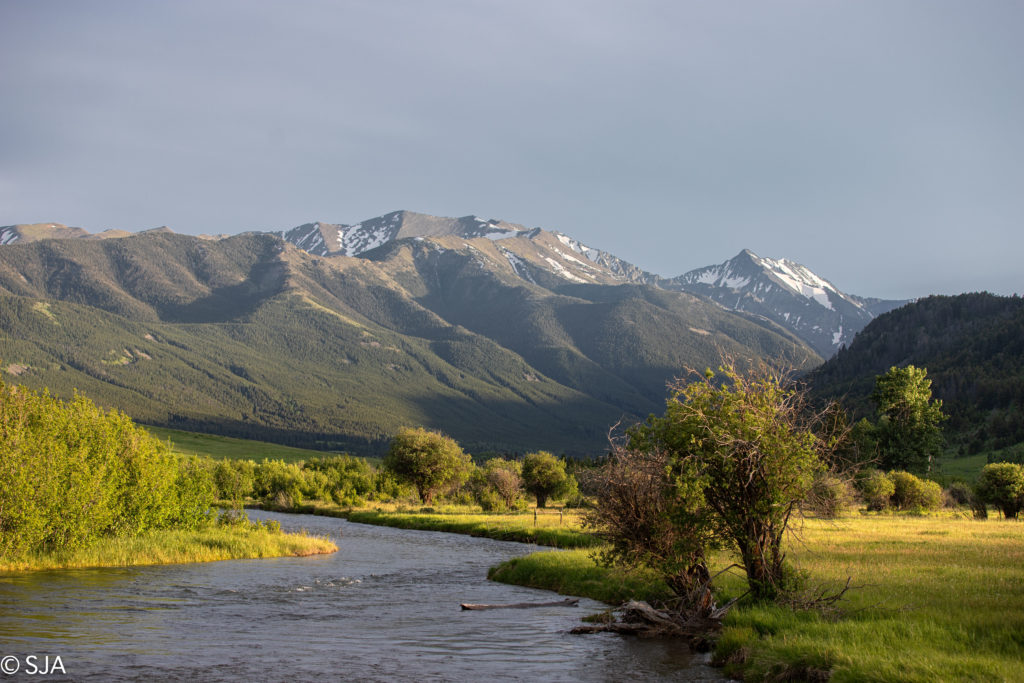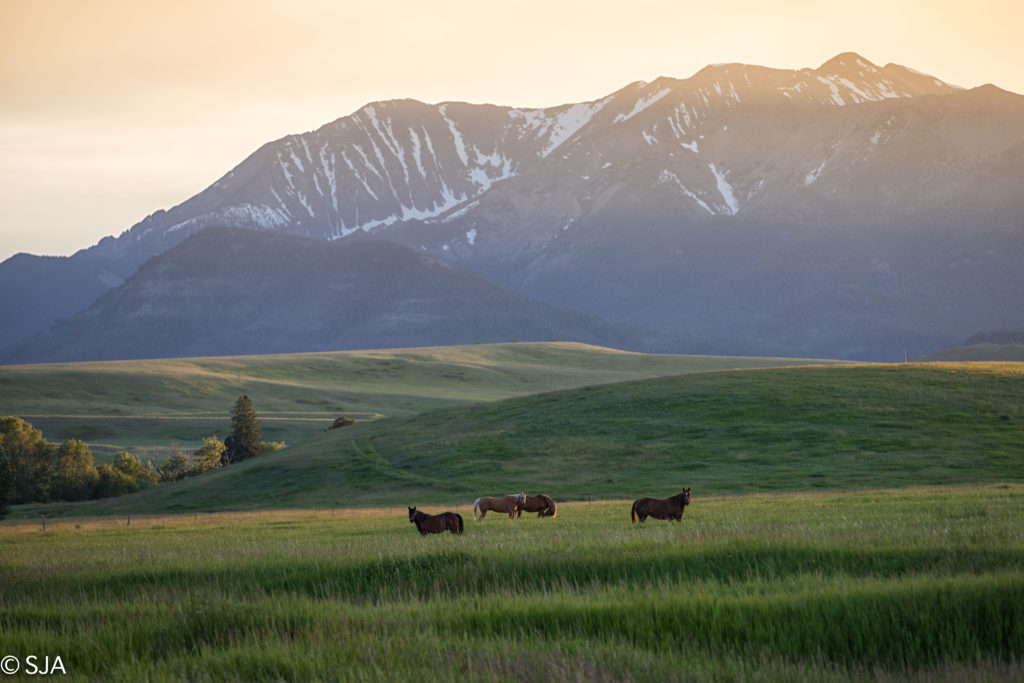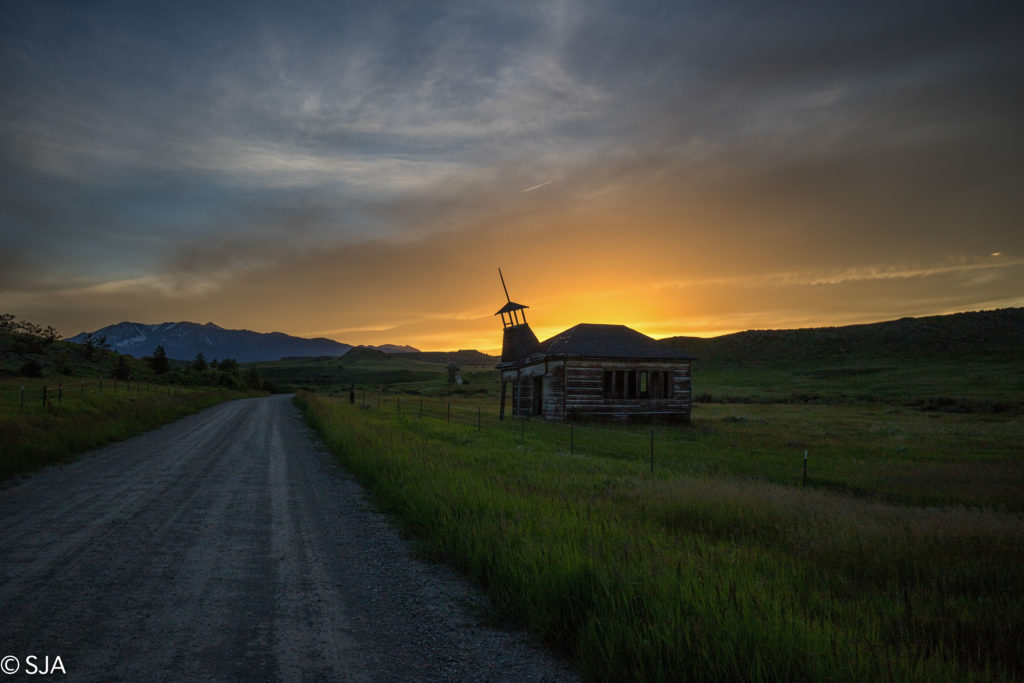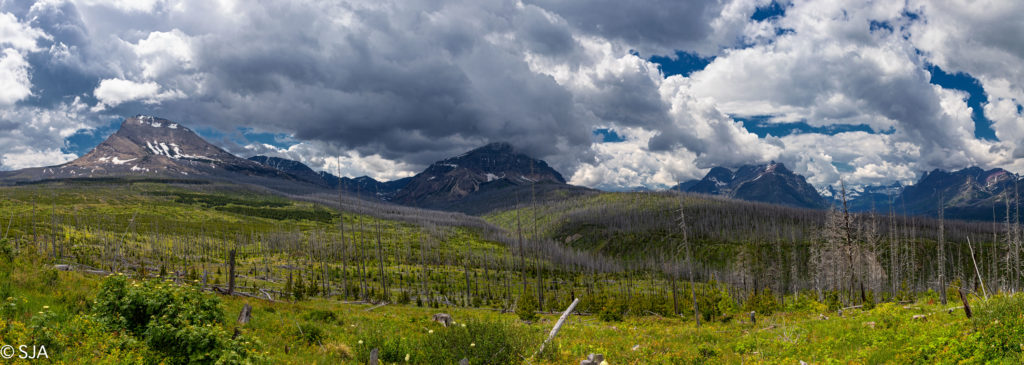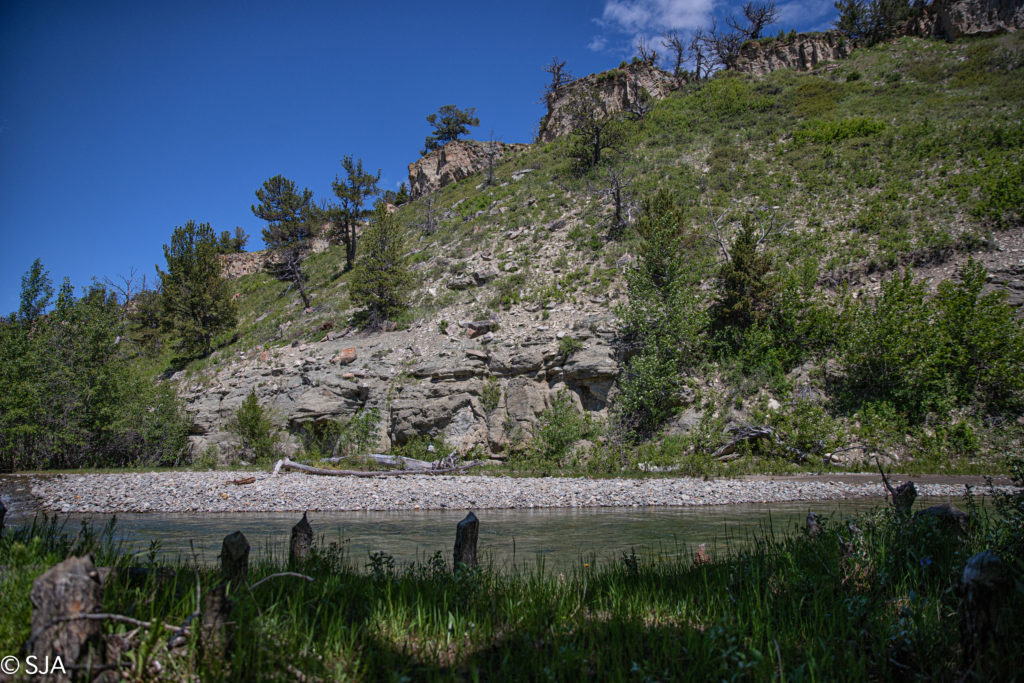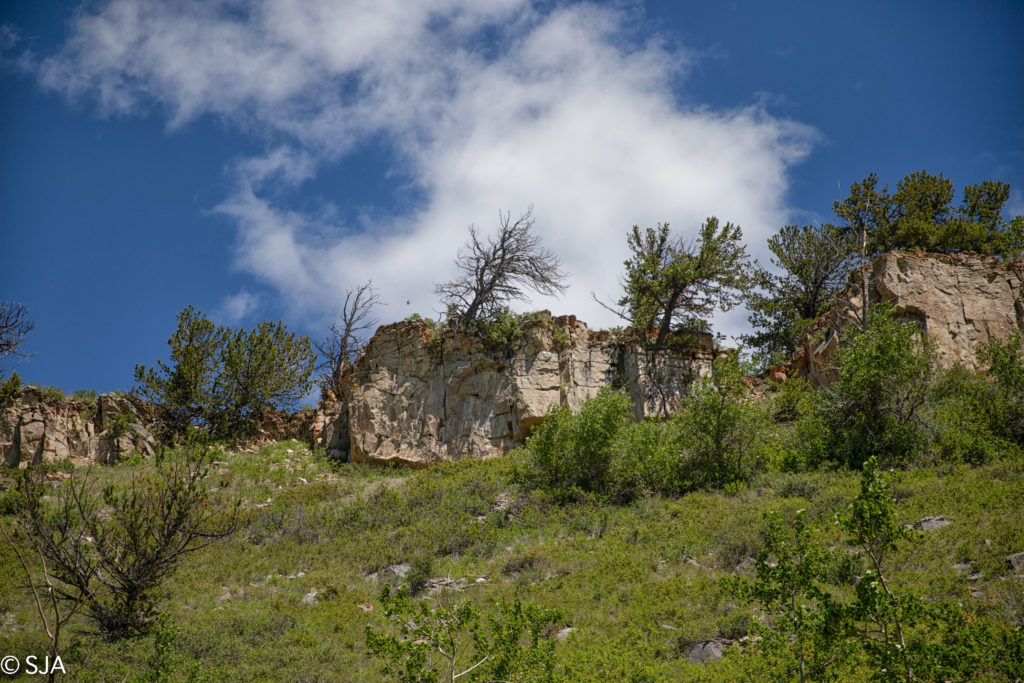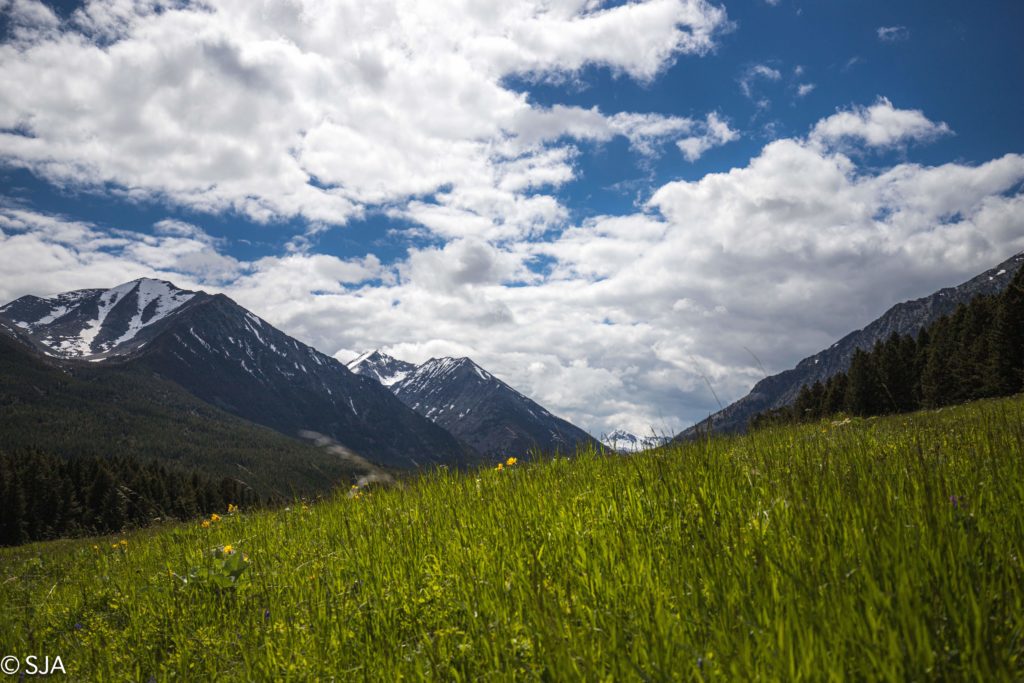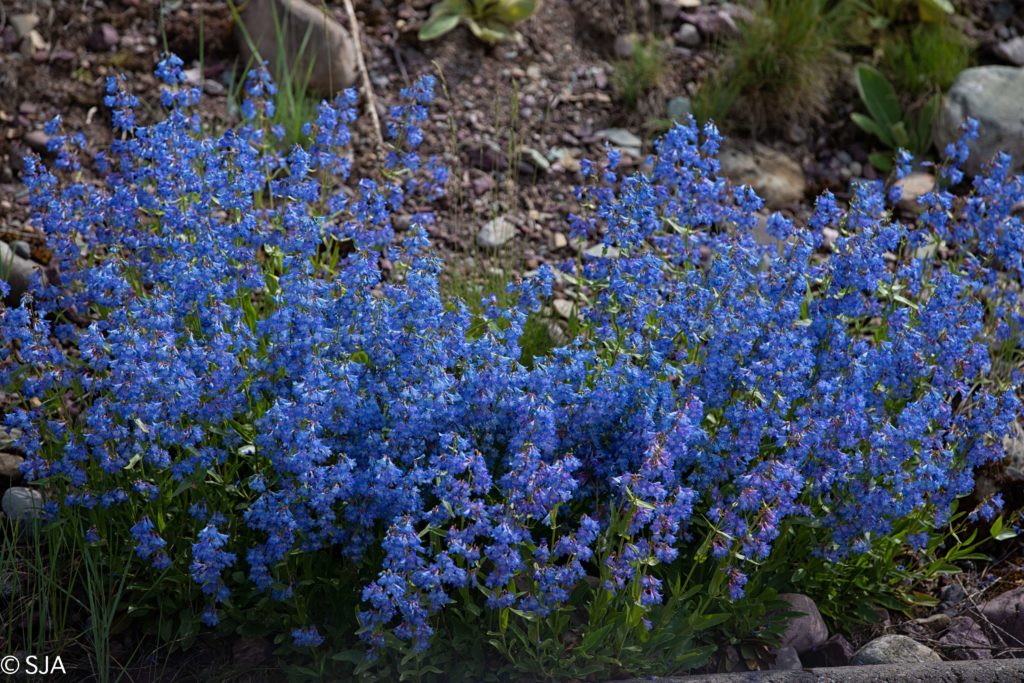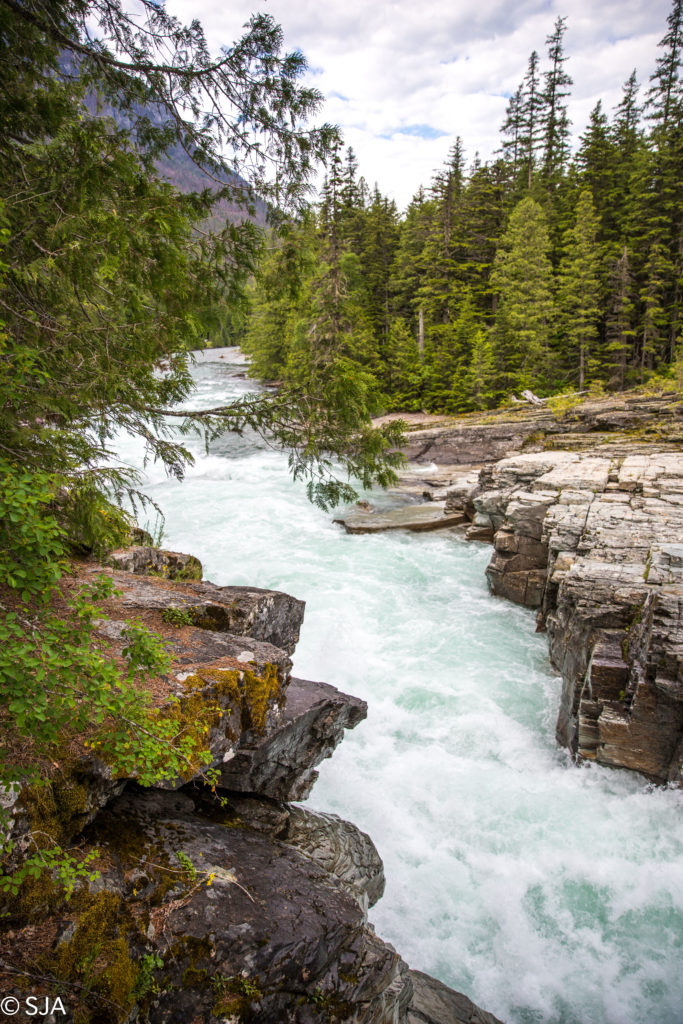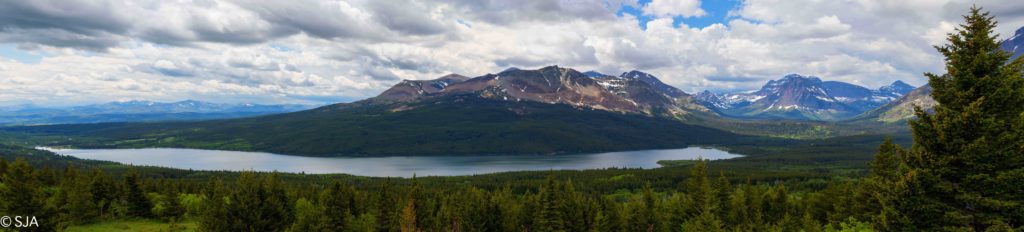
Pipestone Pass

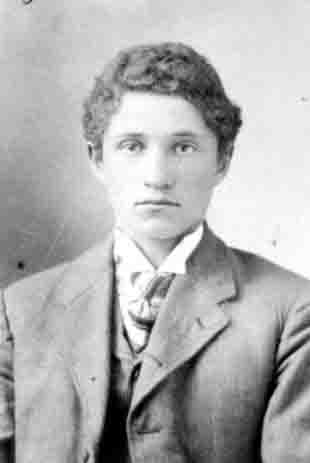
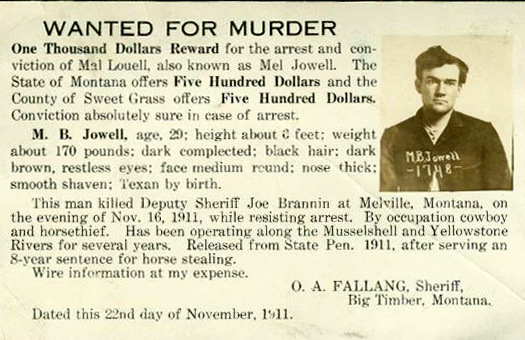
Jowell was a handsome likable fellow. In fact, women swooned when he walked into a room. He was eloquent of speech and pen, able to sway the pendulum his way. One article described him as “uncommonly good looking, and doesn’t look to be a man of hardened criminal tendencies.” In May of 1912, Mel Jowell began serving a 22-year sentence at Montana State Prison in Deer Lodge for the killing of Deputy Sheriff Joseph Brannin on the streets of Melville, Montana in November 1911. He and S. P. McAdams, both serving time, were transported to Livingston, Montana, as witnesses at the trial of Walter Waymire who had been charged with assisting in the murder of Brannin. After the August trial the two men, under guard, were put on the Northern Pacific No. 41 for the return trip to Deer Lodge Prison.
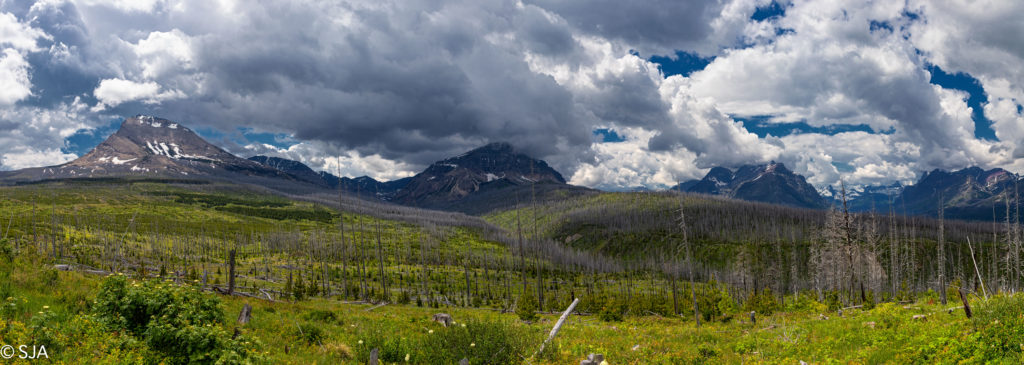
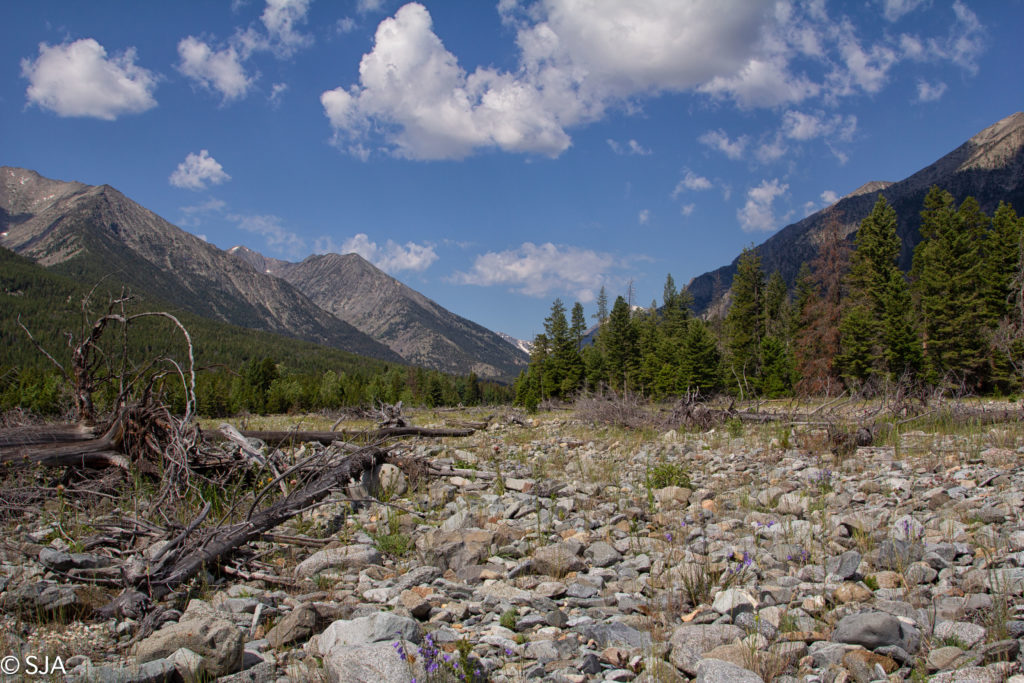
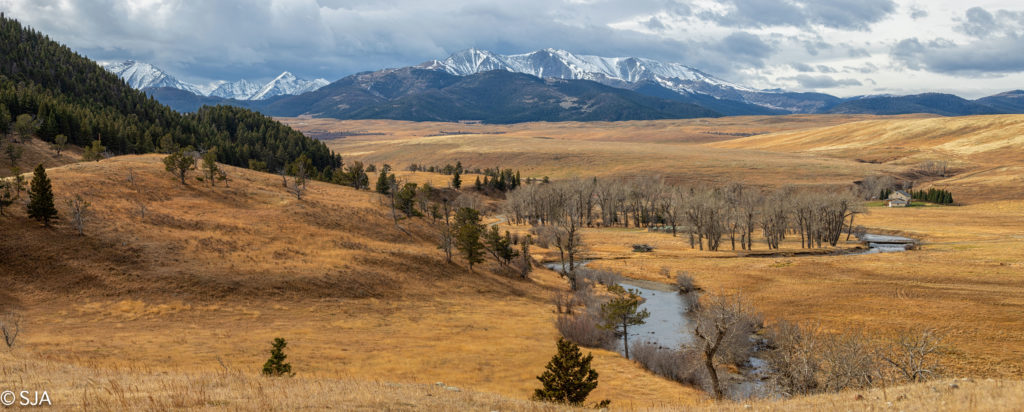
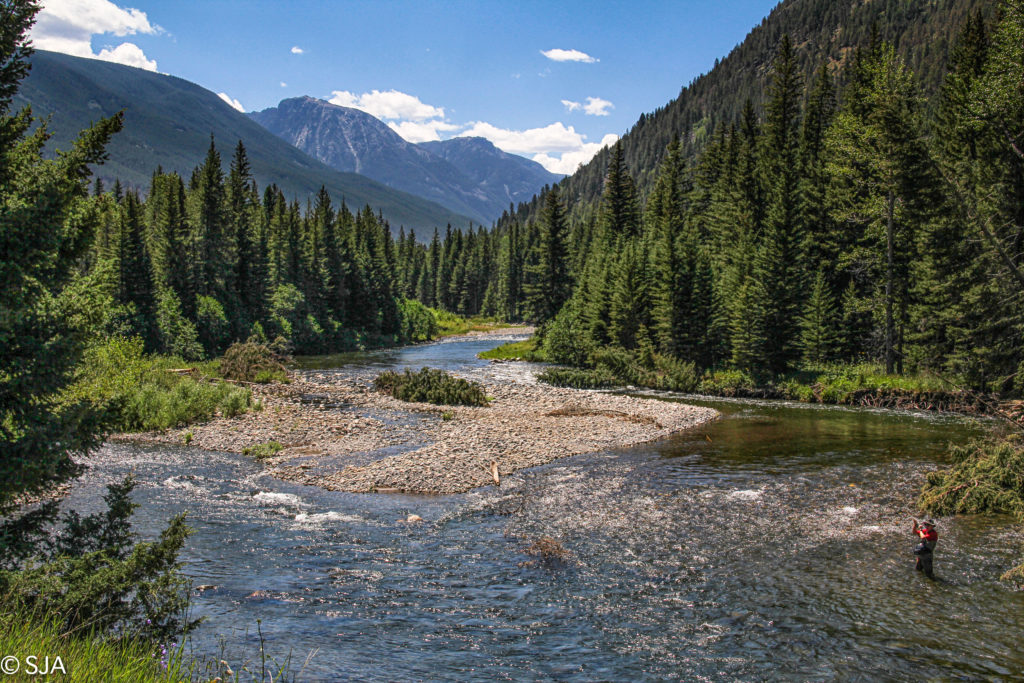
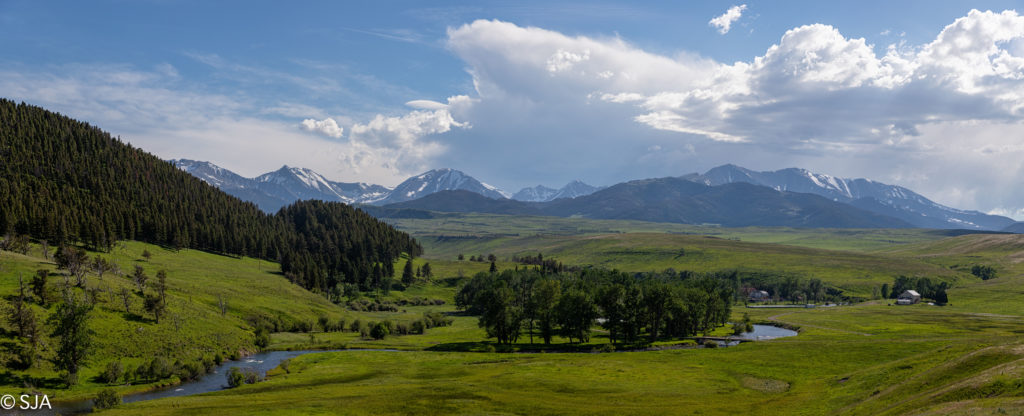
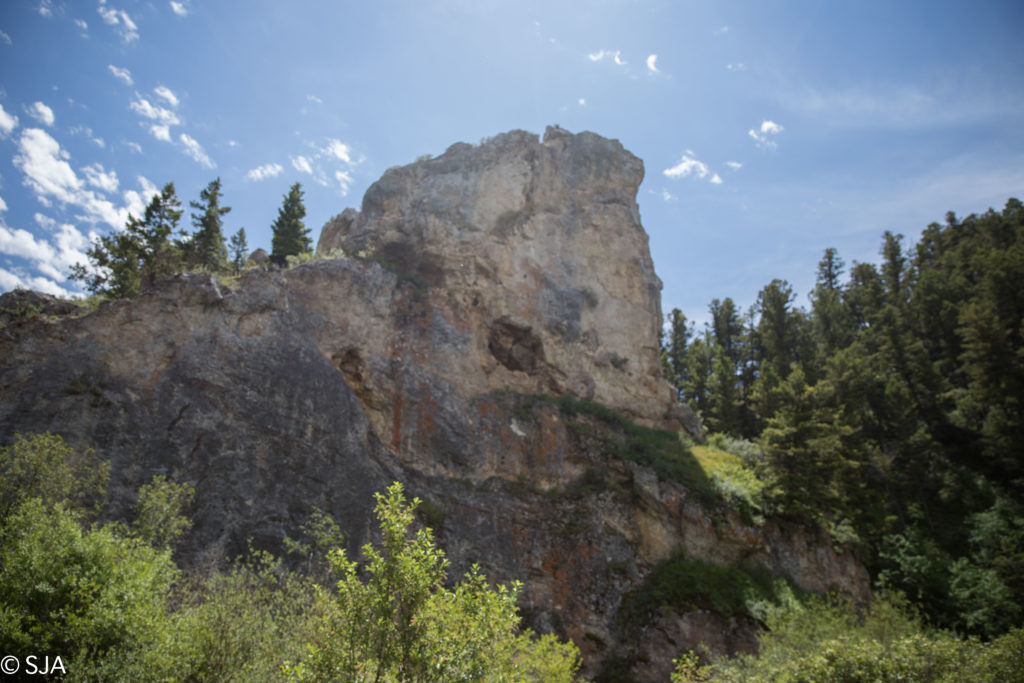
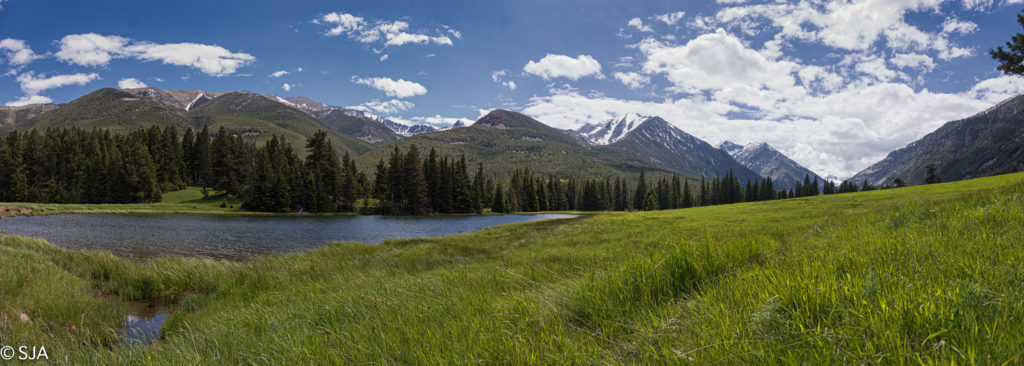
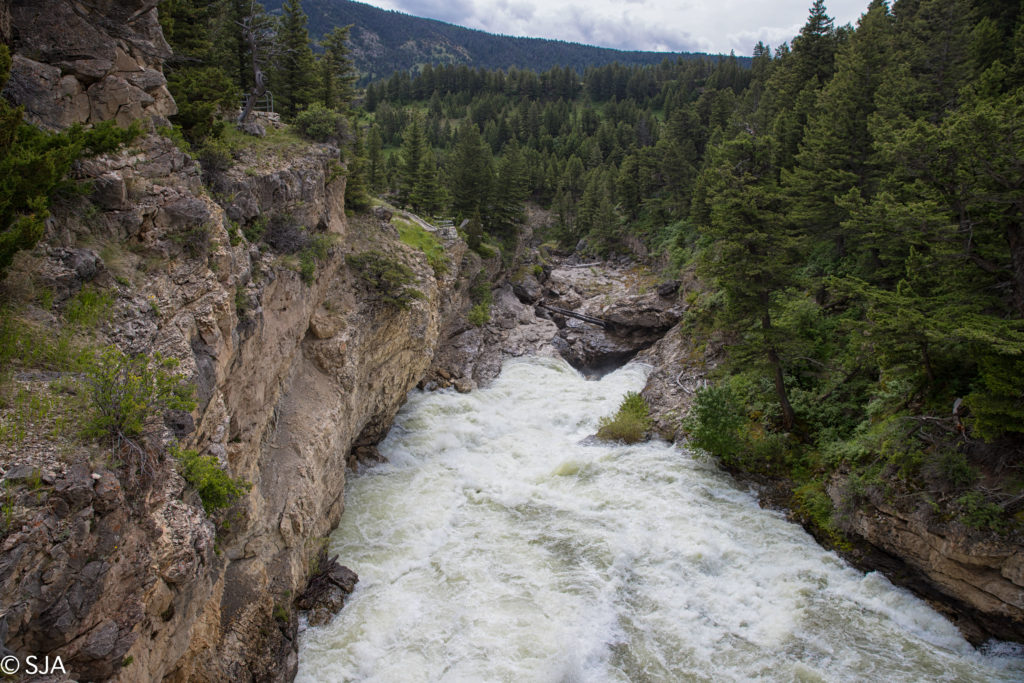
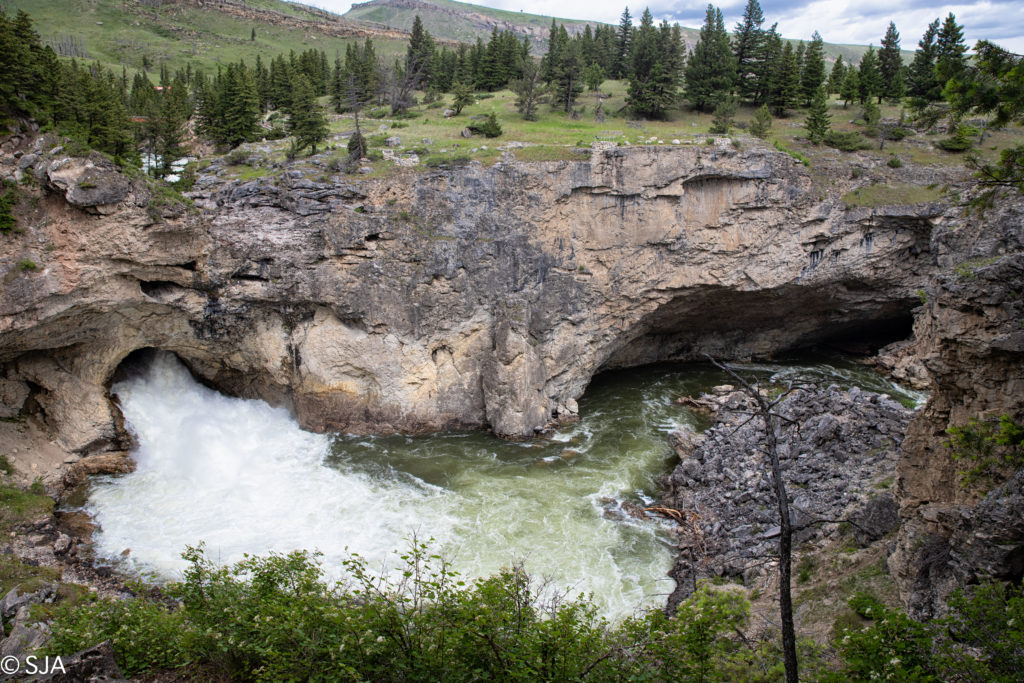
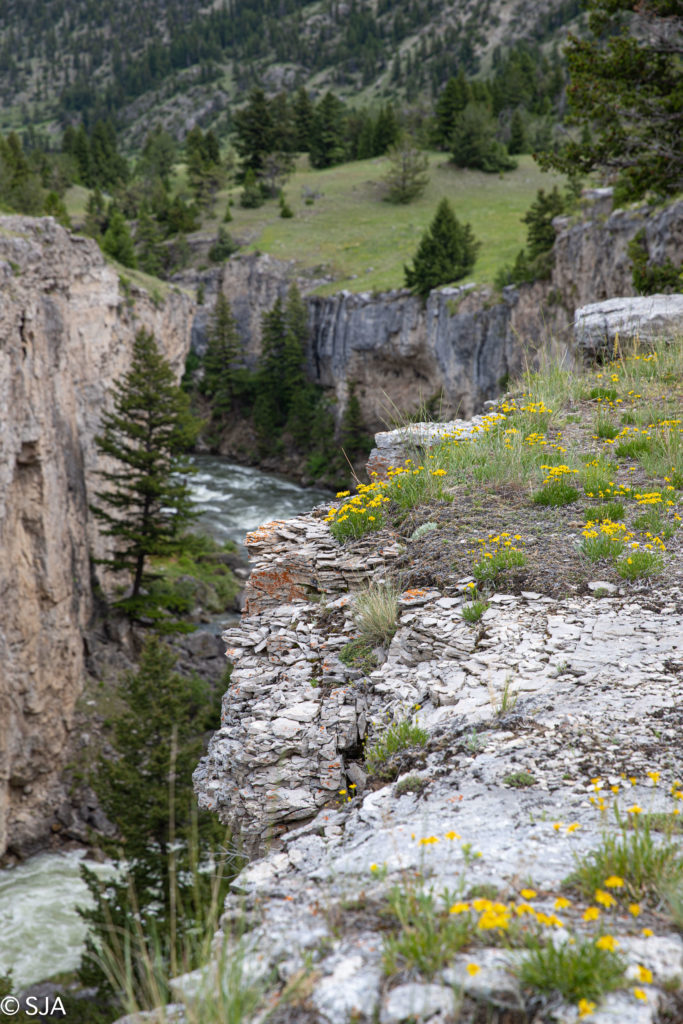
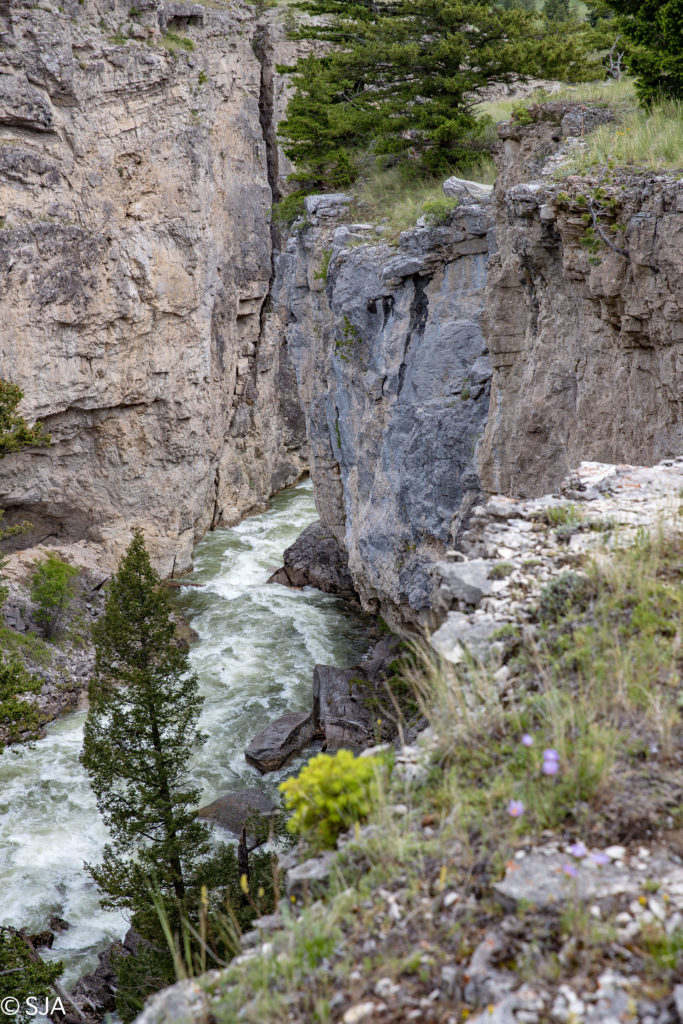
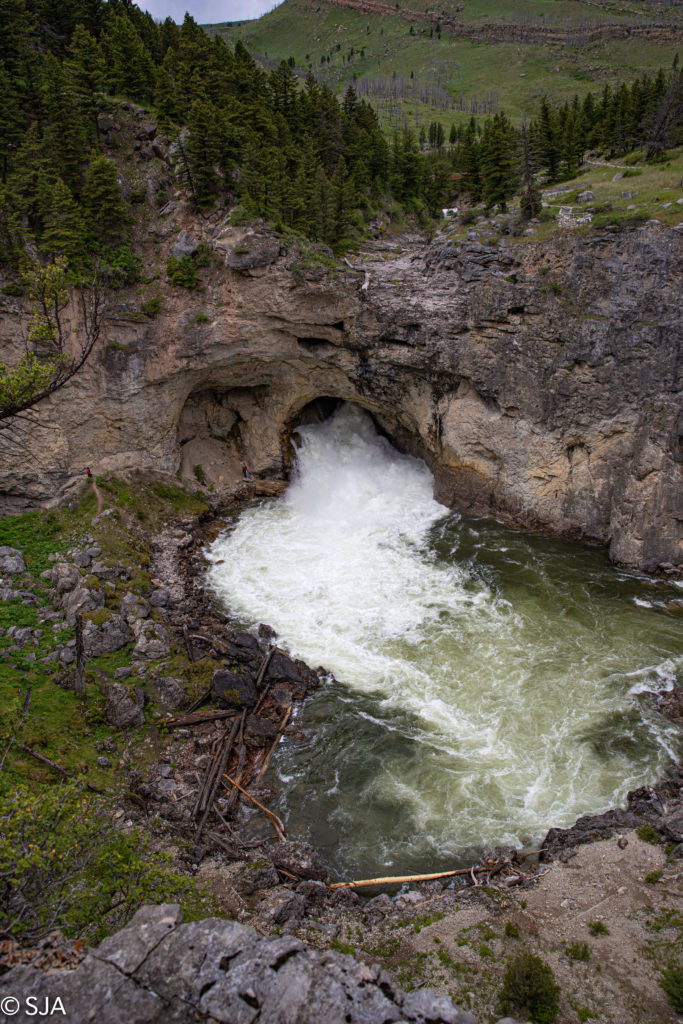
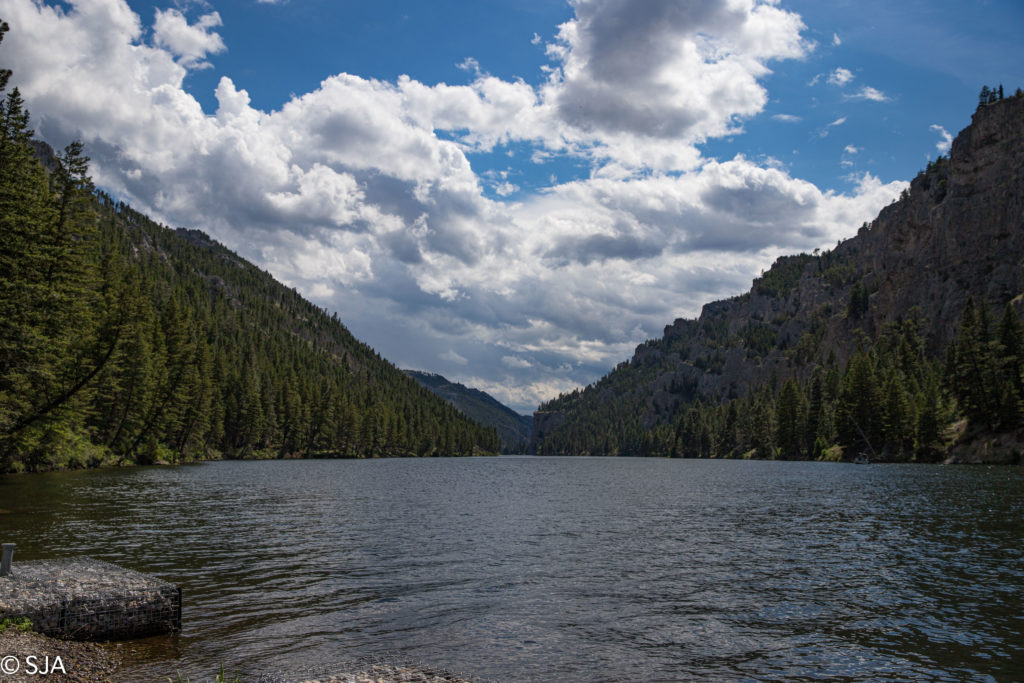
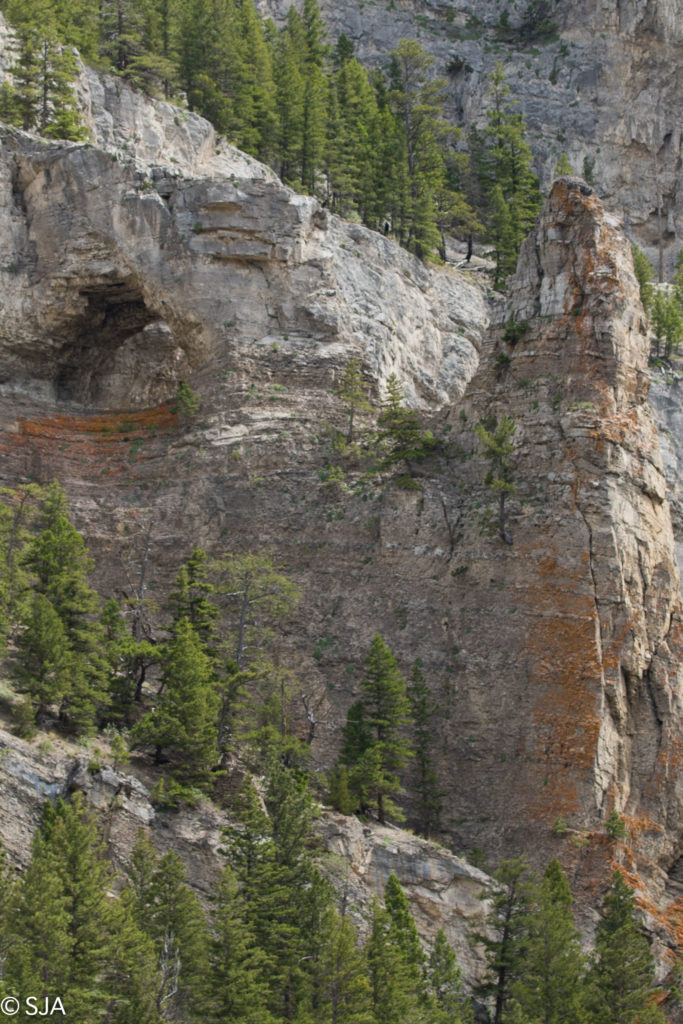
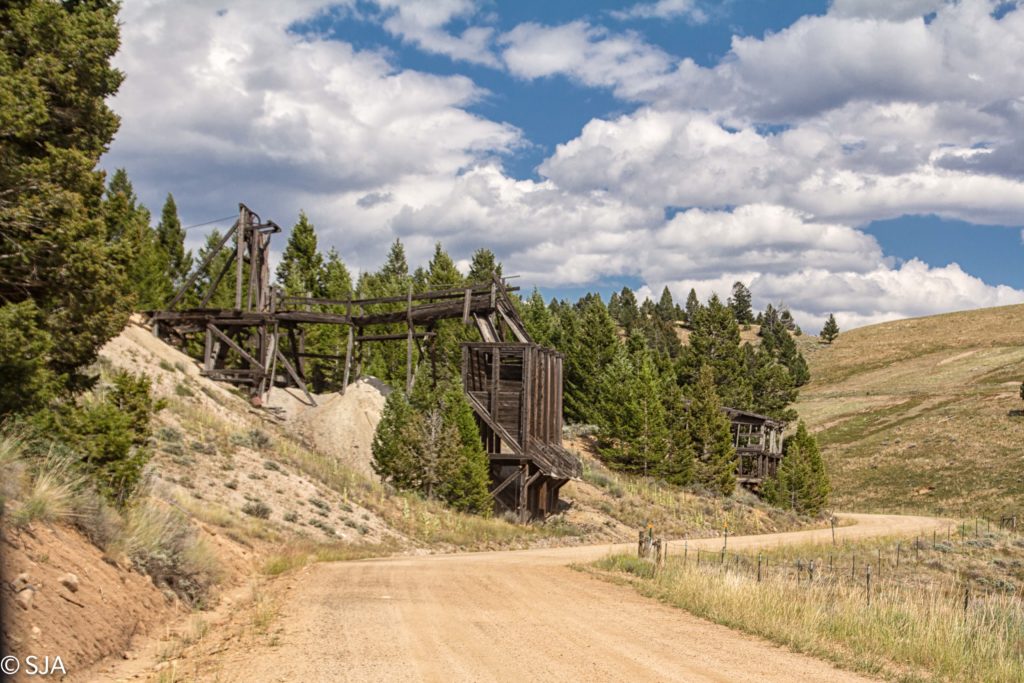
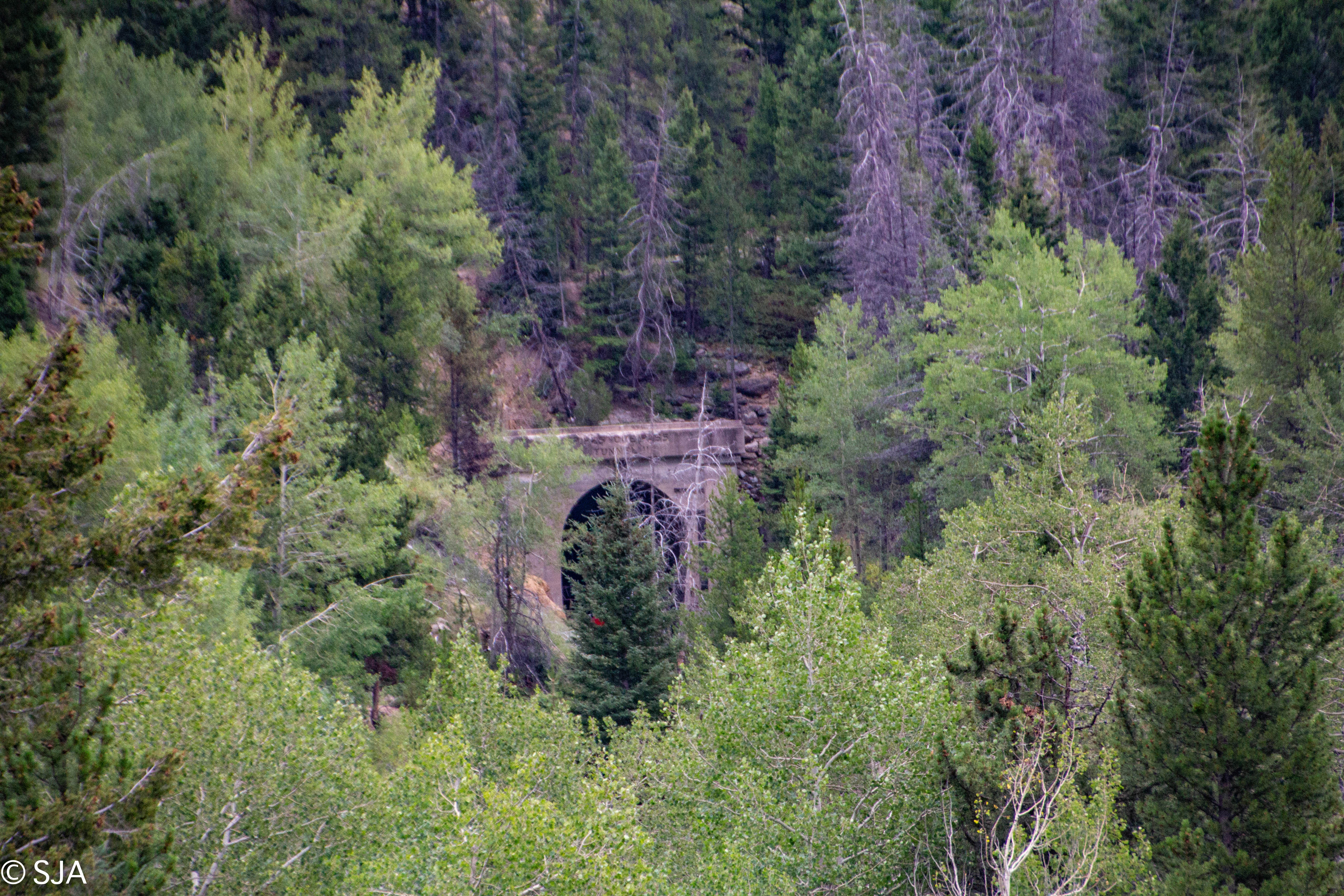
The train pulled up the steep grade at Pipestone Hill near Hell’s Canyon in the Beaverhead-Deerlodge National Forest along the eastern edge of the Rocky Mountains foothills. Fuel was added to the fire in the belly of the beast as the engine belched steam from the slow-moving train. Two men, joined by chains attached to steel cuffs, slid out of their seats to go to the toilet. Jowell was first to go in with McAdams still attached on the other side of the slightly opened door. He opened the toilet window and somehow managed to get his feet out. In one short movement with a jerk of his hand, the toilet door flung open. McAdams’ coat caught on the door knob but was torn loose as Jowell jerked. McAdams shot out the window behind Jowell. They jumped from the train moving at 30 mph, rolled down the hill and disappeared into the rocky hills. The commotion broke loose so quickly, Sheriff Killorn, only three feet away, was helpless to act. He grabbed and pulled the bell cord, yelling for the trainman to pull the air. The train stopped in short order but before Killorn could alight, the train started moving. By the time it came to a complete stop again, they were a mile away. Jowell and McAdams fled into the rugged wilderness of rough cliffs, rocks and timber.

It was evident the men had assistance in their escape. Jowell had such brash confidence that he would have help along the way, he left a note at the home of Earl Flynn on Trout Creek informing Flynn that “the writer of the note” had been there.

In the note he added, “Tell Fallang that he will have a harder time catching me than he did before.” He openly signed it “M. B. Jowell.” (Fallang was the Sheriff of Sweet Grass County, Montana who pursued him after the killing of Deputy Sheriff Brannin and picked him up in Phoenix, Arizona in December 1911.) One of the men who supposedly assisted their escape was a man by the name of Harvey Whitton.
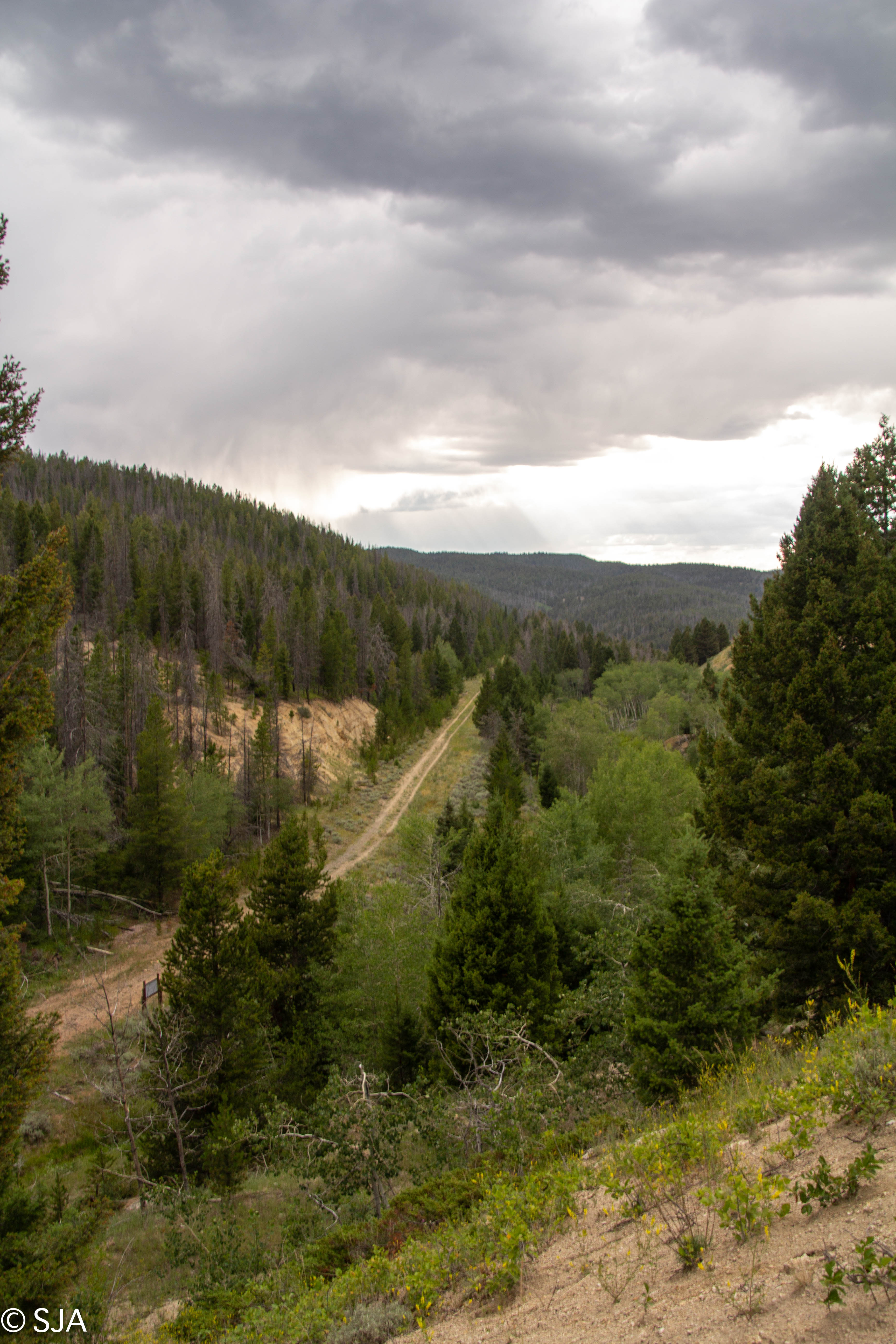
It wasn’t long after their jump from the train that McAdams was seen at Pipestone Springs freed from his shackels. Jowell was seen at Fish Creek and in Wyoming as he escaped south heading to Texas or Arizona. He took up company with Whitton. The two headed into Nevada, leaving a trail of at least 18 stolen horses along the way, each to replace their spent mounts. Although they had eluded posses and authorities, they were soon pinned down near Elko, Nevada. A shootout ensued. Before Jowell was taken, his stolen horse was shot out from under him. Jowell was dismounted and opened fire on the officers. He failed to hit his target and seeing he was outnumbered, he surrendered. Jowell and Whitton were taken into custody October 14, 1912.

Mel Jowell used the alias of Rex Roberts when he was arrested in Elko. In December 1911, when he was picked up in Phoenix for the murder of Joseph Brannin, he used the name of Dalton I. Sparks. His partner, Harvey Whitton was arrested using the alias of Jim Ross. He was also known by the alias of James B. O’Neal as noted in California records. After serving some time in Nevada, Jowell was returned to Deer Lodge in 1915 under the alias Rex Roberts.
Joseph Shelby Brannin’s life was taken from him November 16, 1911. He left his widowed mother, seven brothers and five sisters to mourn his loss and future generations of nieces and nephews to carry on his legacy.

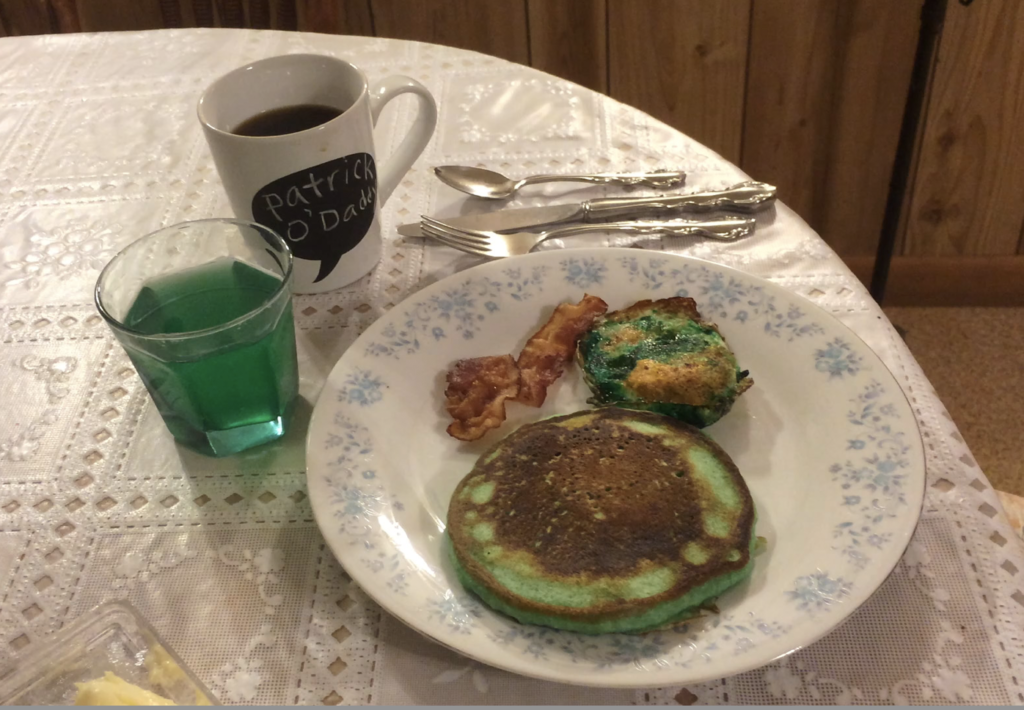
Split Pea Soup Muffins

Daddy was so proud of himself. There on the counter were some green muffins. He grinned and said, “Try a muffin. They’re good.” I had no desire to taste his green muffins. They reminded me of the green kerosene biscuits I loathed as a kid. I pinched off a very tiny piece and that was too much. I said, “These are terrible. What did you make them out of?” He said, “Well – there was some left-over Split Pea Soup in the refrigerator…..” I like good Split Pea Soup, and though his muffins were not good, they were memorable.

About the only time daddy cooked was when Mama had surgery or was sick. When I was a kid, Mama had back surgery which also entailed having a bone removed from her leg and put in her back. She was out of commission for some time. Daddy cooked. Well, that term is used loosely. He attempted to cook. One day he decided to make biscuits. When his mom had started keeping house years earlier, she tried her hand at making biscuits. She used a mouse for target practice and killed it when she threw one of her biscuits at the little furry critter. I think Daddy inherited those skills. When my oldest brother smarted off about Daddy’s biscuits, he chunked one at my brother and it raised a welt on his arm. We were ecstatic when my grandmother came for a few days and took over cooking!
In later years, Daddy had to take up kitchen duty when Mama was sick. Even after she got better, he continued to do the cooking. She was just happy not having to plan meals after doing it all those years. Daddy would ask me how to make certain things. He would taste something and then quiz me on the ingredients. He liked to experiment with seasonings and other things. Though he never was the best cook, he did improve somewhat. He always knew when his food was done because the smoke alarm would go off.

I saw some strange things on his kitchen table. Green Split Pea Muffins were one of them. If something was unidentifiable, it was a good idea to ask, “What is it?” Who knows when you might be served Split Pea Soup Muffins!

The Trail West

The wagons rolled to a stop. The travelers must have felt overwhelmed as they came into Virginia City on September 7, 1864. This boomtown had sprung up almost overnight. Prospectors and those seeking their fortune flooded the area. Along with the wealth of the discovery of gold came a wealth of crime. Just ten days after their arrival, John “The Hat” Dolan was hung on the town gallows for stealing $700 from a roommate.

The Brannin wagons left Boonville, Missouri, in March of the same year, traveling with other pioneers headed west along portions of the Oregon Trail. Stanton Brannin was among the wagon train members with some of his relatives – Andrew & Ann Brannin Gibson, William & Sommerville Brannin Gibson with sons Henry & George, Elnora Brannin, Balsora & Dr. George Stein, Sarah Furnish, Bob Brannin and William Brannin. Mary Furnish planned to make the trip but had to postpone until the next spring due to sickness.

The wagon train followed the Missouri River, through Platte River Valley, Ft. Laramie, Sweetwater River, Landers Creek, Bear River Mountains, into Portneuf Canyon near Pocatello, Idaho and Fort Hall. Elnora added that they came by way of “Sanders Cutoff, which was considered a very dangerous route at that time,” and passed by the foot of Blue Mountain. They traveled through the Bear River Mountains of which she said, “the road was so steep and rugged we had to walk the greater part of the time.” Aunt Elnora gave a written account of some of the atrocities they saw.

After camping at Fort Hall, Idaho, the wagon train split up. Cousins Bob & William Brannin traveled on to Oregon. The other Brannin relatives took the road north to Virginia City, Montana.

Virginia City, Montana

They were soon part of the raw, tough and tumbling Western boomtown. The Gibson’s ran a boarding house on Idaho Street for a couple of years. The newspaper recorded the grand parties they hosted in December of that same year. William Anderson Clark, the Copper King, described as “the most powerful, influential, and ruthless of the 19th century American robber barons,” was a visitor at the boarding house before he rose to such power and wealth.

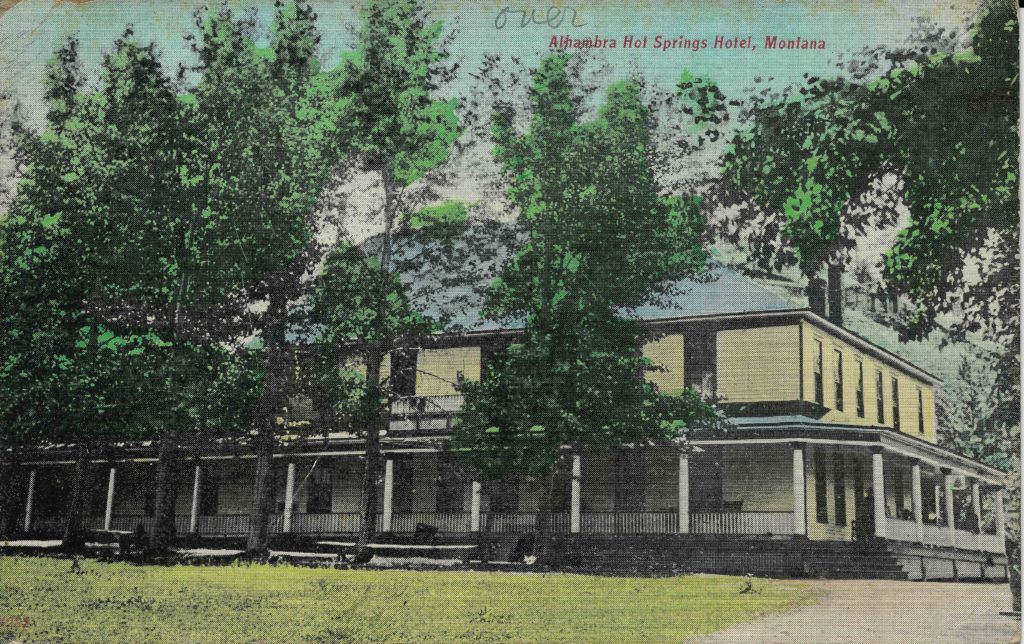
Some of the family remained in Virginia City until the Spring of 1865 when they went to Blackfoot City and spent the summer. They moved on to Helena in December and stayed the winter. Sarah Furnish married Wilson Redding. He discovered the Hot Springs at Alhambra. He and his bride, Sarah Furnish, opened the Alhambra Hot Springs & hotel. It was a flourishing business for several years.

It wasn’t long before the Gibson’s moved closer to Helena at Gates of the Mountains where they managed the King & Gillette Toll Road that led from Ft. Benton to Helena through Prickly Pear Valley. Naturally, the Gibson ranch was a perfect stopping place.
The Gibson ranch was described by some its guests:
“Just at the mouth of the canyon, on this side, we found a spot that all, even the grumblers, were in love with. For a great distance on both sides of the stream, a thick growth of trees and underbrush presented its dark green foliage to the view, while on either side the beautiful valleys hills and mountains caused many an exclamation of admiration from those just from the States, who had never seen the like before. Here is Gibson’s ranch which we must say, is the neatest place in the country. As one sits down to the table there, and luxuriates on sweet milk, nice butter and Dutch cheese, and sees the elderly people about him, trying to do all they can to make him perfectly at home, he goes back in memory to the days of childhood when he used to disturb the cream on the milk in his grandmother’s pantry, and not get much of a scolding for it either. Fishing and hunting are “in order” near Gibson’s and we know of no better place at which to spend a few days or weeks for summer rustication.” 
Post, June 29, 1867

“At a time when they expected it not they seem to have “passed through Switzerland,” as some of them have pointedly expressed it. And here, in this connection, we will remind our friends that they can find no better place at which to spend a few hot summer days than at this same Little Prickly Pear Canyon. Gibson’s ranch, at its mouth a combination of neatness and good cheer offers a convenient stopping place for all who would enjoy the pleasure of hunting and fishing amidst the grand towers and groves of this mountain nook.”
Montana Post, June 26, 1868

By 1870 the Gibson’s were back in Missouri. The return to their home state did not deter Stanton Brannin from his adventures. He made his way to New Mexico where he married and started a large family. It seems that the Montana mountains continued to call his name. In June 1896, on their way to Marysville, they arrived in Helena just in time to witness the hanging of William Gay who claimed innocence with his dying breath. When the wagons rolled to a stop, some of the family may have felt just as overwhelmed as the Brannin relatives did when they arrived in Montana the first time thirty-two years earlier.

Steinway Piano

1864 seemed promising. Horses stomped impatiently. They were harnessed to the loaded wagons waiting for the command to pull out. Excitement hung in the air as the travelers made final preparations for their journey west to a land of opportunity. They faced the unknown, unaware of the hardships they might face on the trail. They didn’t know how long the trip would take or if they would even survive.

Balsora, her husband Dr. George W Stein, and Balsora’s daughter, Sarah Furnish were among those traveling with their Brannin relatives. As the wagons pulled out from Boonville, Missouri, headed west, Mary Furnish was left behind. She suffered from sickness and was not able to travel. She promised to follow the next spring and bring their other belongings. 

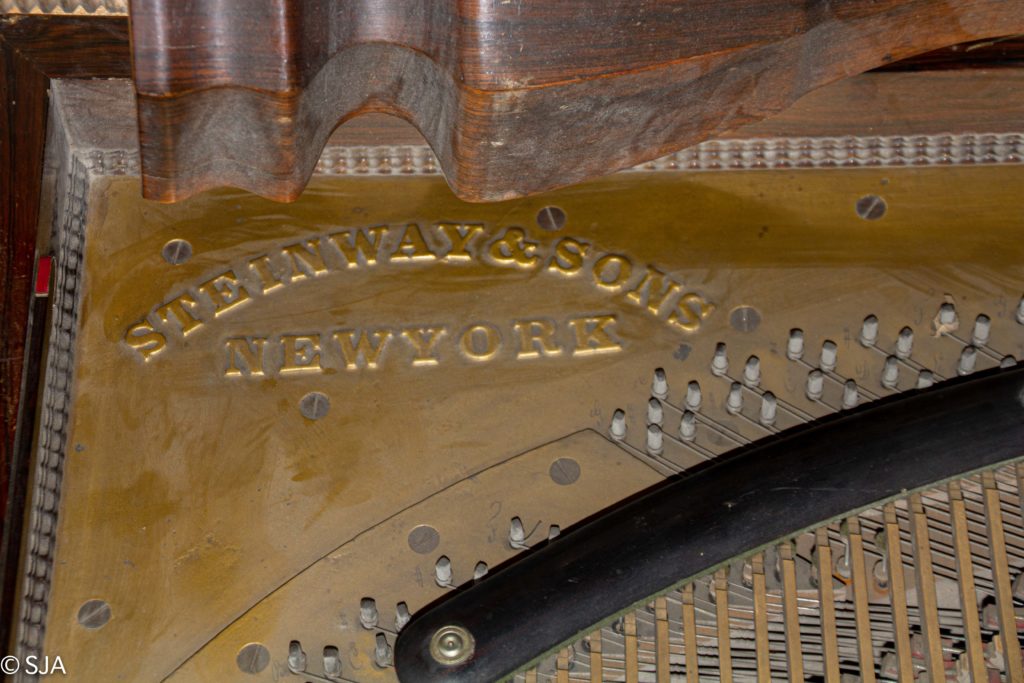
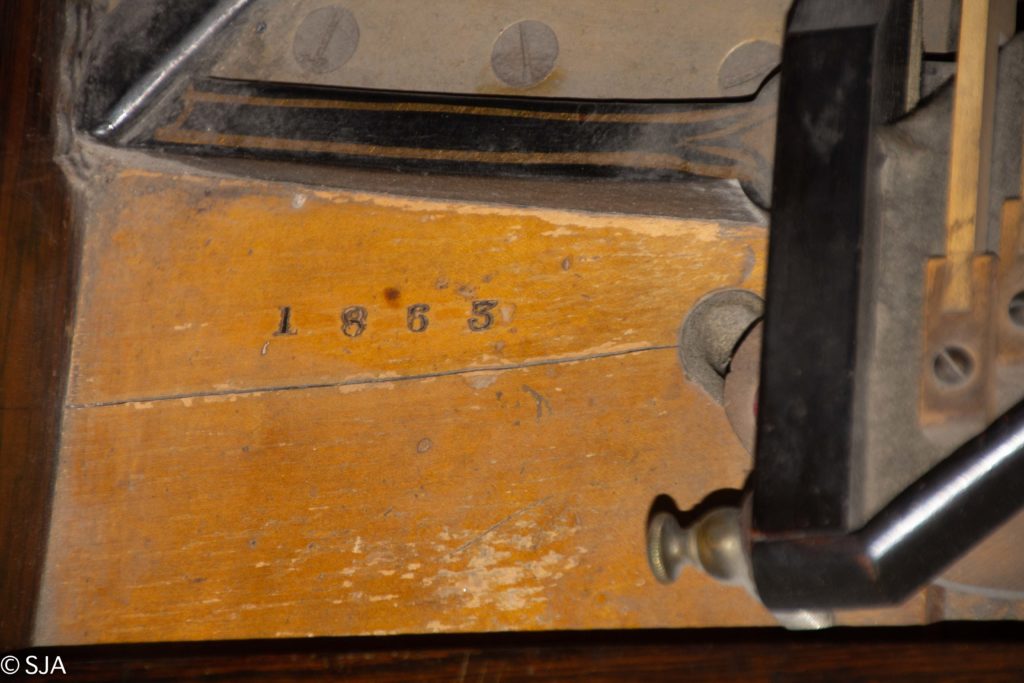
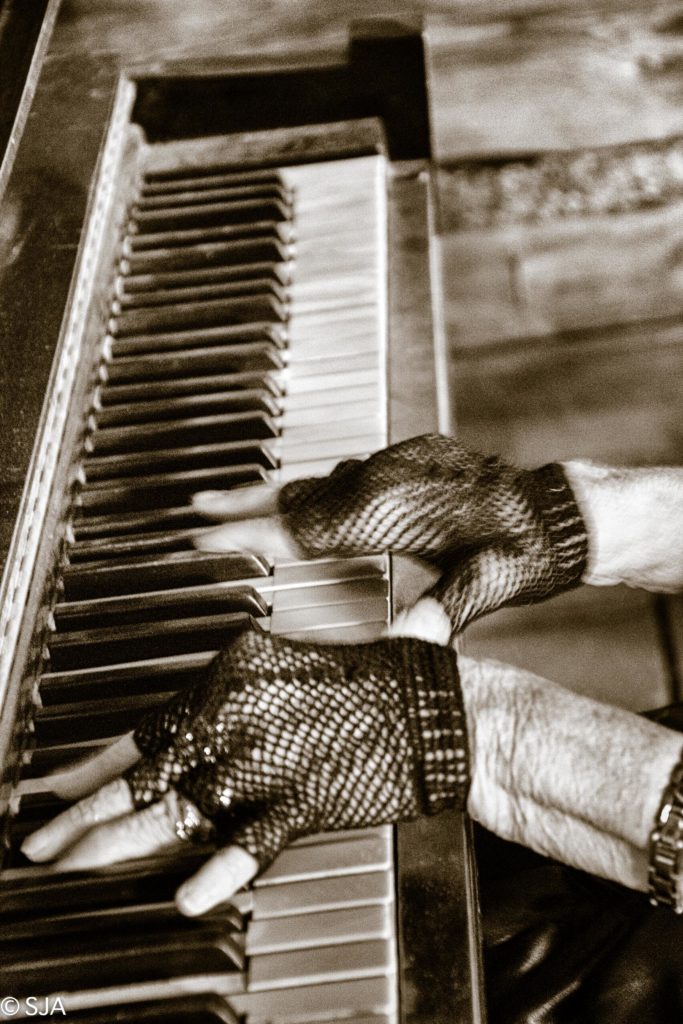
True to Mary’s promise, she did follow in the spring. Along with other pieces of furniture, she also brought a piano. It wasn’t just any old piano, but an 1863 square rosewood Steinway Grand Piano that had taken first prize at the St. Louis Exposition of 1863. Mary took the boat up the Missouri River to Ft. Benton, Montana, then took the piano by ox team overland to Virginia City, then later to Helena. It has been said that the Steinway was the first to be played in Helena.

The piano made its way to Alhambra to the home of Sarah Furnish Redding and her husband, Wilson Redding. They owned and operated Alhambra Hot Springs which served as a medical and recreational resort. The hot springs attracted travelers and the elite. Movie stars, high ranking political figures and professionals were guests at this “sumptuous retreat.” Sarah was a gracious hostess and a charming entertainer, playing the 1863 Steinway and dancing for their guests.

The Steinway came into the possession of Sarah’s daughter, Sarah Redding Cramer. After being in Butte for a time, Sarah Cramer donated the piano to the Montana Historical Society in May of 1930 with the intent of being placed on display. It was in the main room of the Historical Society quarters in the capitol building for a short time. 

Today you can find the piano in pieces in the graveyard of historical relics in the basement of the Montana Historical Society Museum in Helena, Montana. We were told that funding is not available for the piano to be exhibited. I am intrigued at the passion and determination the Furnish girls had to haul this heavy cumbersome piano across the country by boat and ox drawn wagon. It is amazing that it has survived all these years. Though some of us would love for it to be displayed, that probably won’t happen without an advocate to intervene on behalf of our family’s rich history.

Dunking with my Granddad

Adventures are often found in the simplest of places. I found them in the lap of my grandfather. 

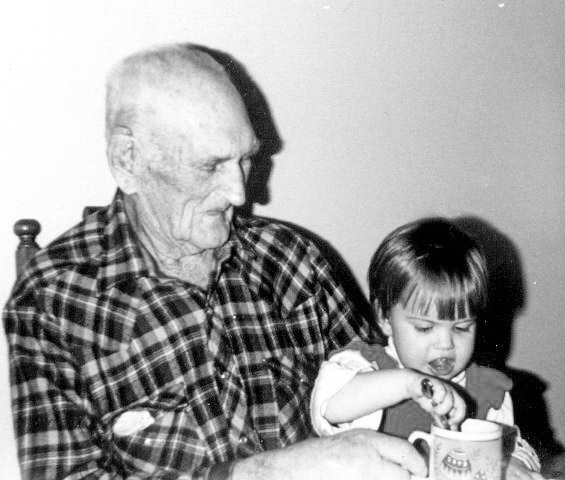
He loved to sit down to a meal and linger over a cup or more of coffee. He was a dunker. He let us grandkids sit in his lap and “dunk” in his coffee, too. He put sugar and cream in his coffee and dunked almost everything. Bread, biscuits, cake, pie, and pizza was dunked in his coffee. Whoever sat in his lap added more sugar and cream and took a sip. If he dunked, we dunked. 

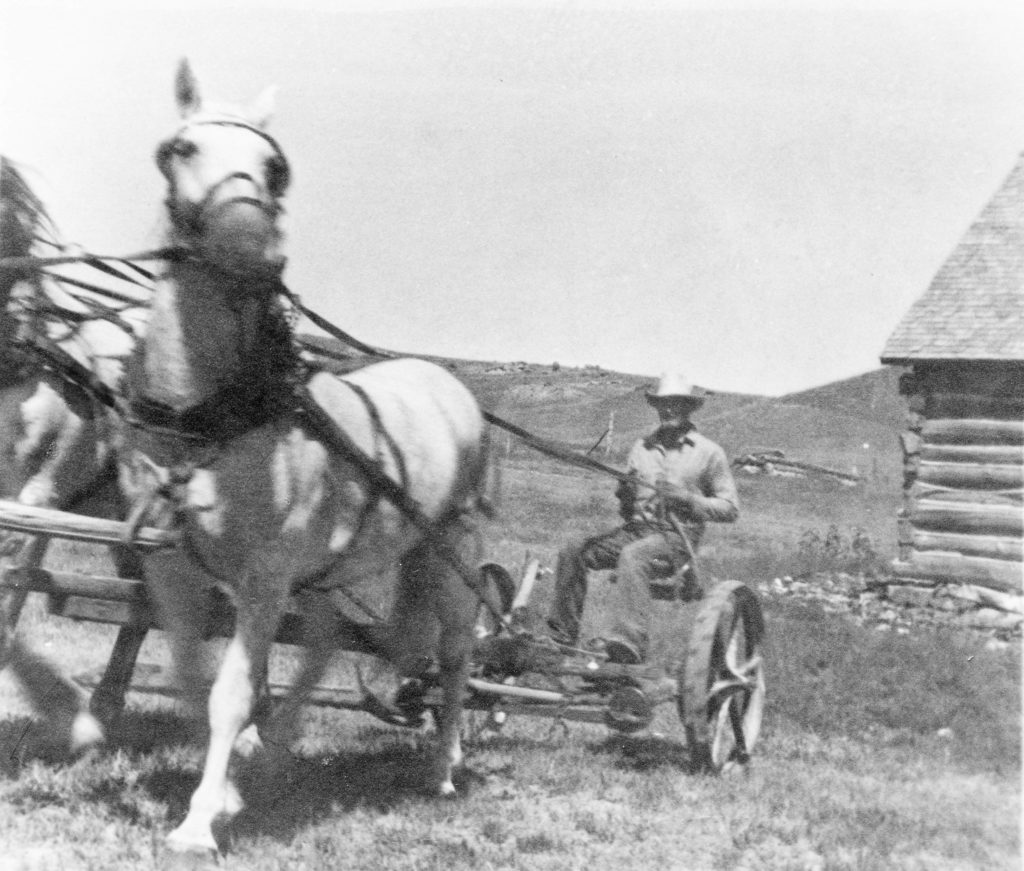
Sitting in his lap, I imagined being with him on one of his adventures as he told story after story. We traipsed across the plains together following the harvest all the way into Canada. We traveled by horse, train or rode in a horseless buggy. He tied the bedroll and fiddle on the side of the saddle, hoisted me up behind him, and we rode cross country to an old homestead where he played for a dance at the end of the harvest.

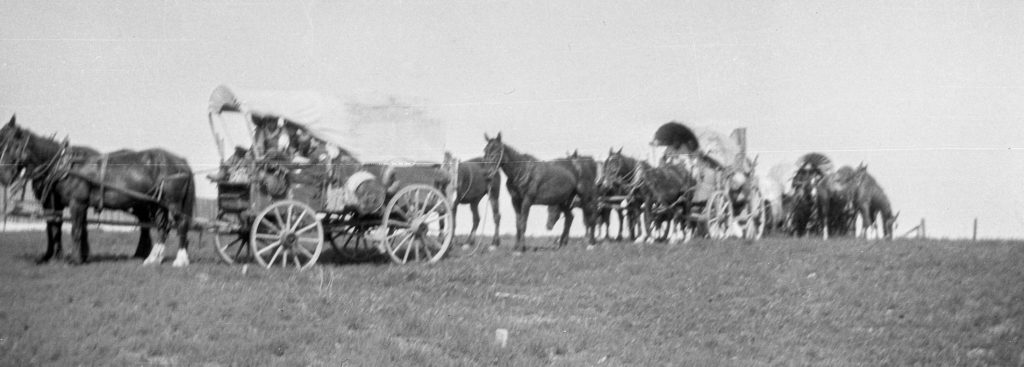
I peeked out the back of a covered wagon and watched Indians following from a distance as we trailed from Oklahoma to Montana. My granddad rode alongside the wagons on Old Bill. Nights were filled with the music of fiddles being played around the campfire.

His tales came to life as he recounted his batching days. They were so vivid, I could almost the mouse tail hanging out from between a stack of pancakes slathered with butter and syrup when he played a trick on his batching partner, John. I could almost smell “Old Stink” outside his cave near Zortman as my granddad told the story of the old man.

By the time he was done with his coffee, the cup was half full of dunking dregs. He would take a spoon and eat what was left. His cup was soon empty, but my cup of memories was full.

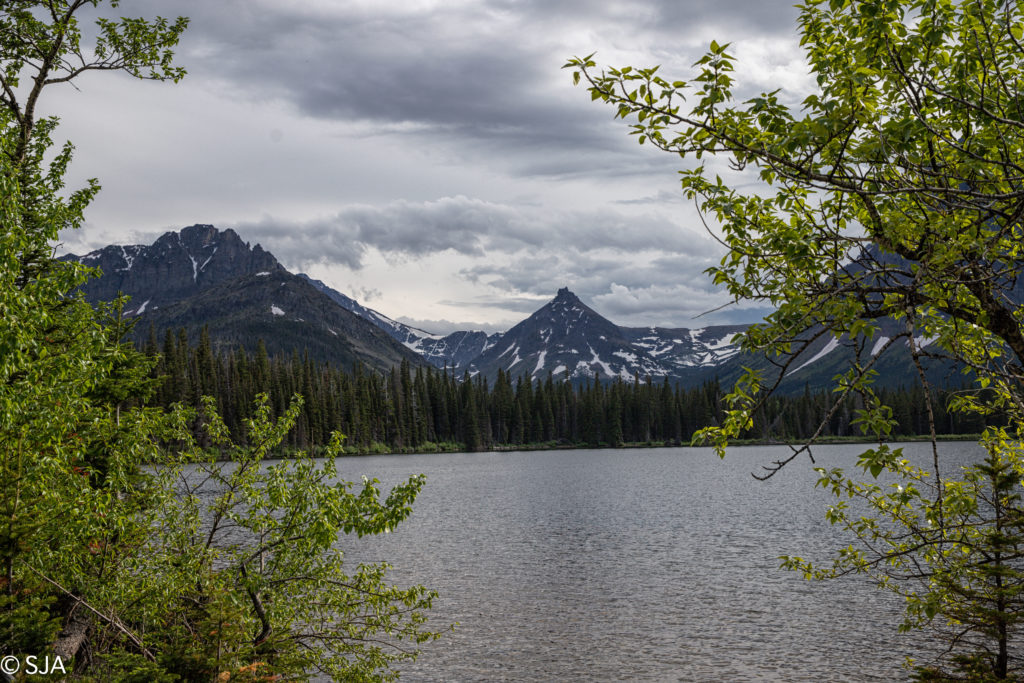
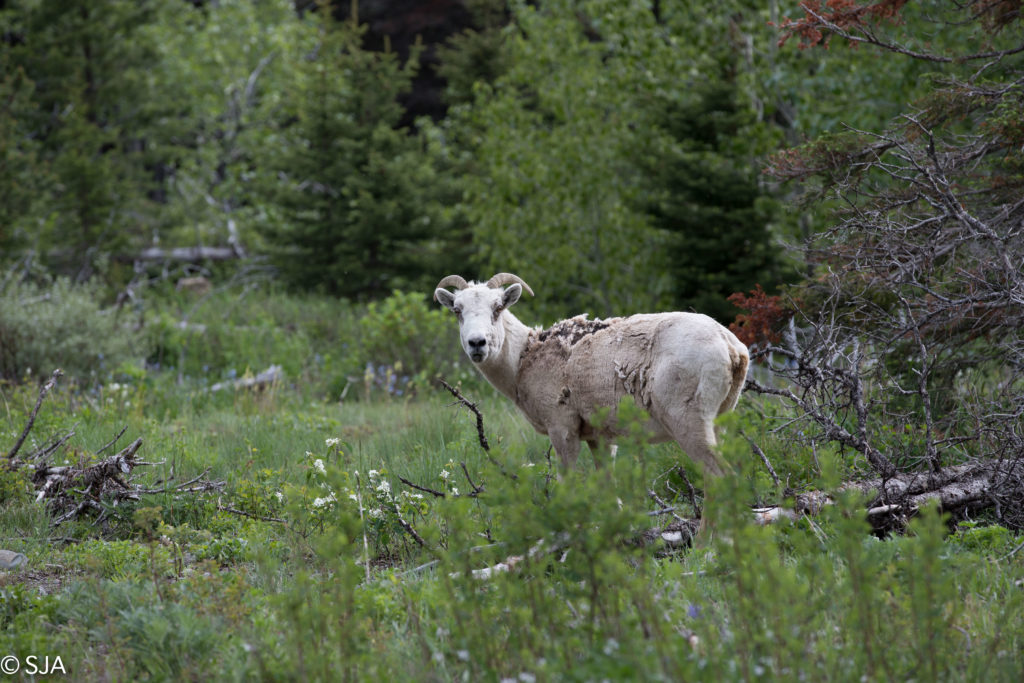
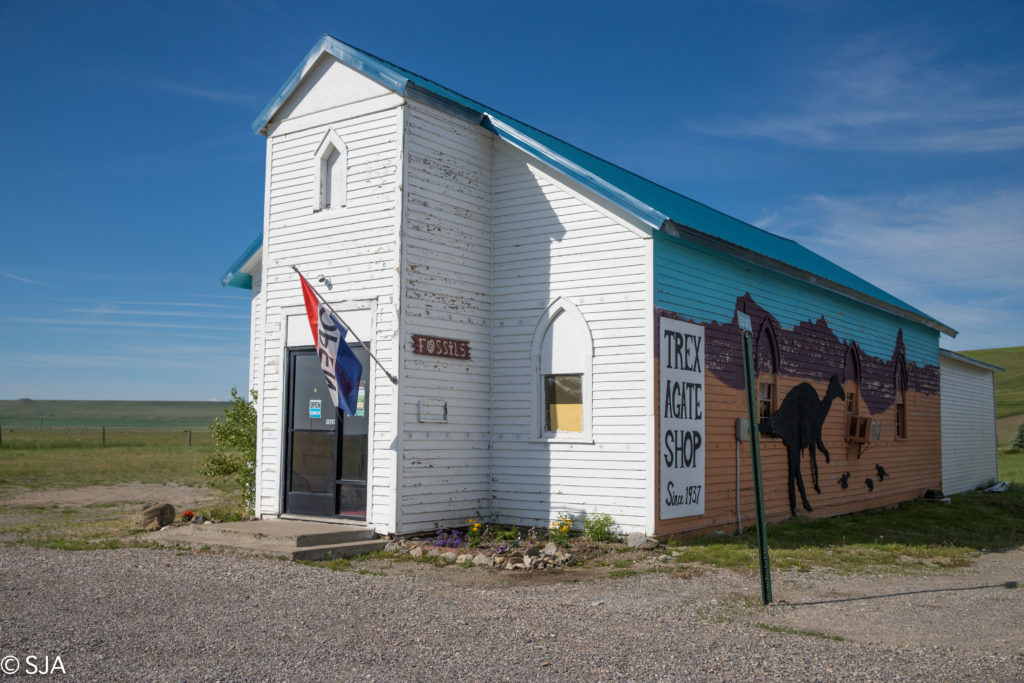
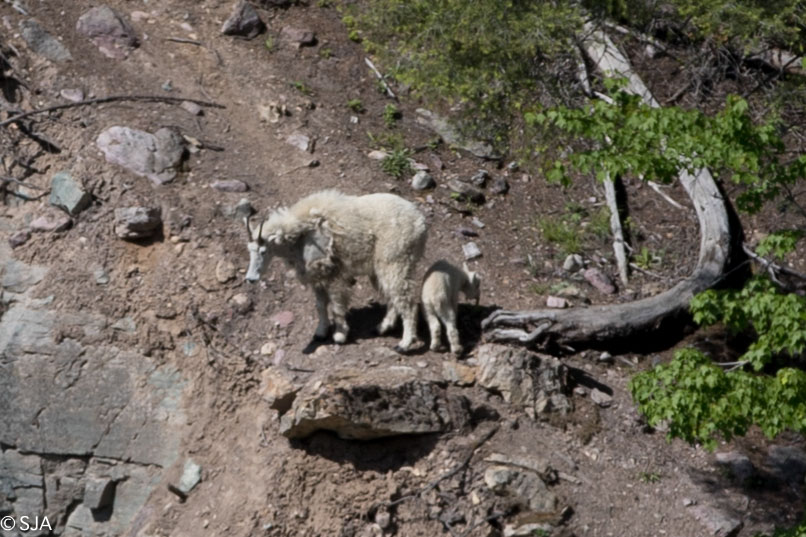
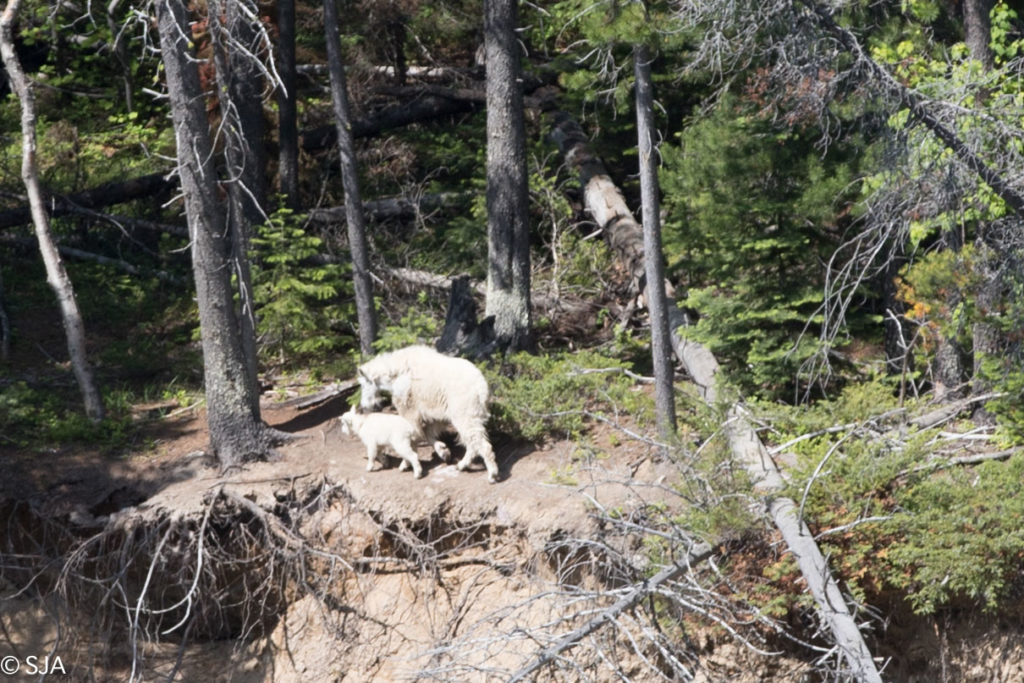
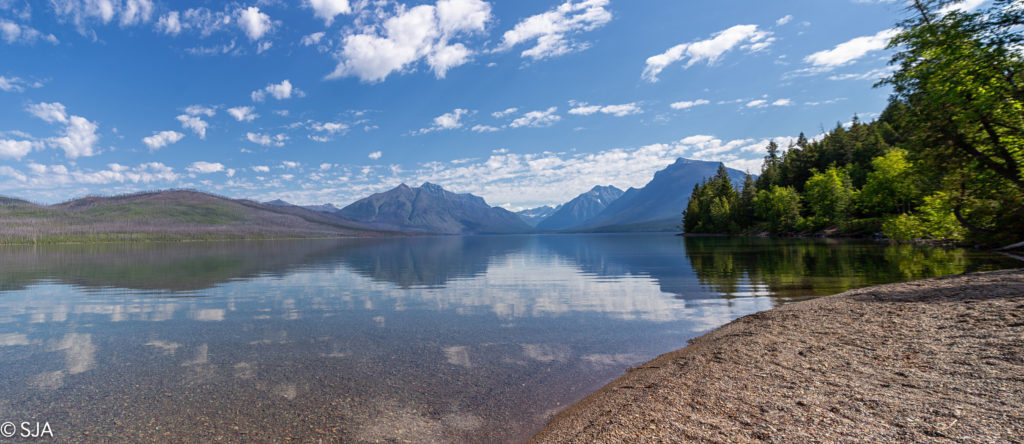
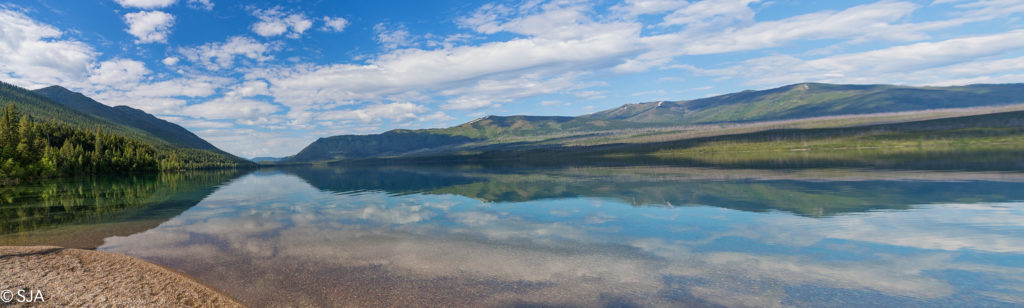
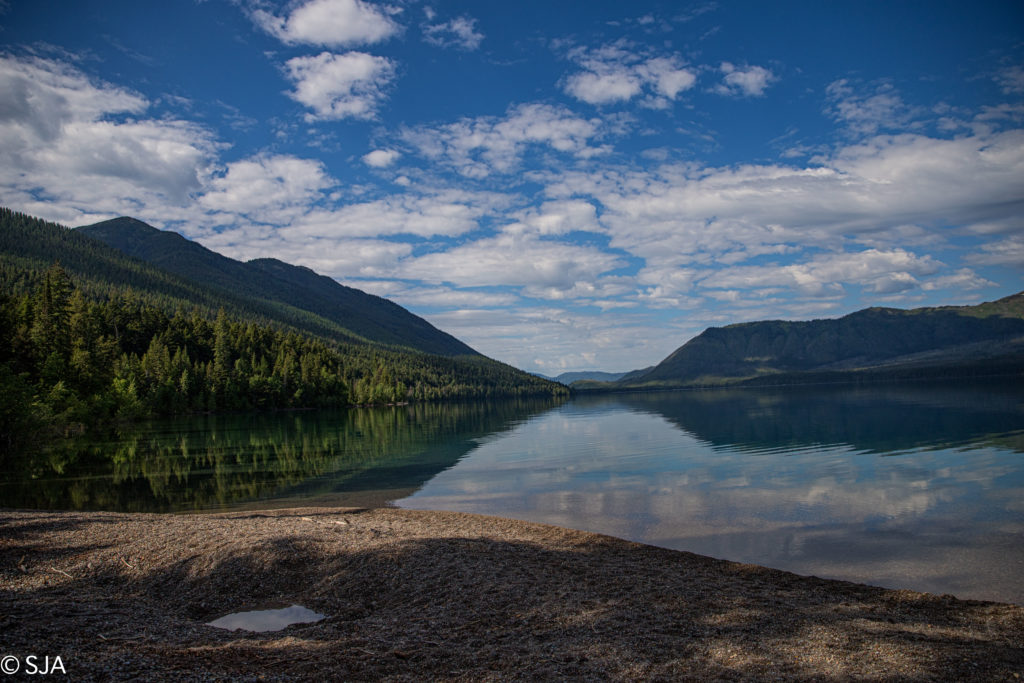
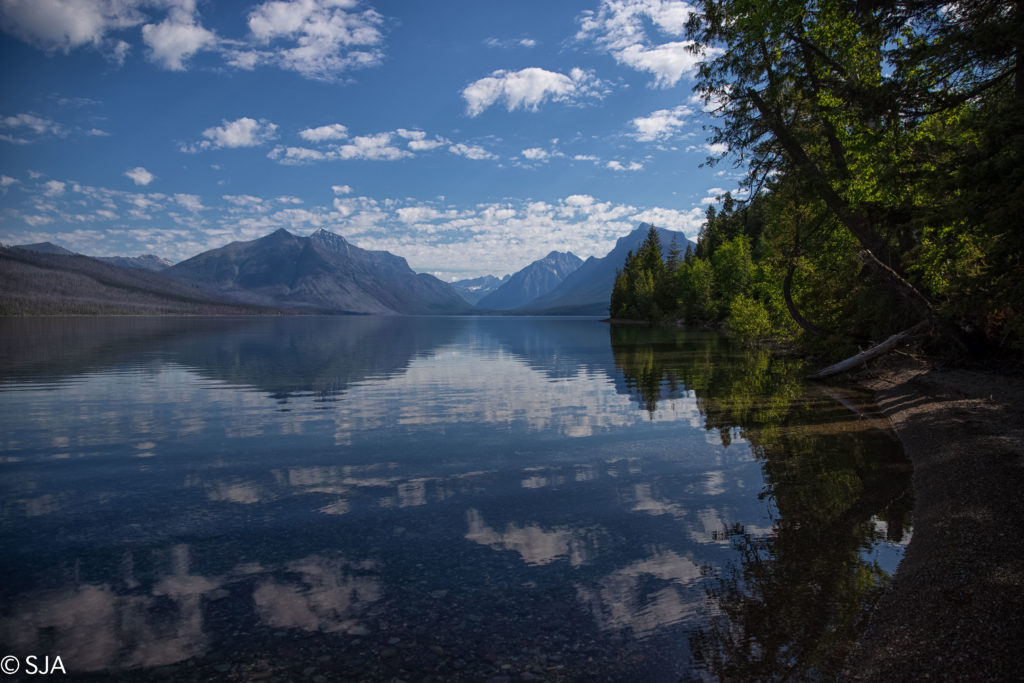
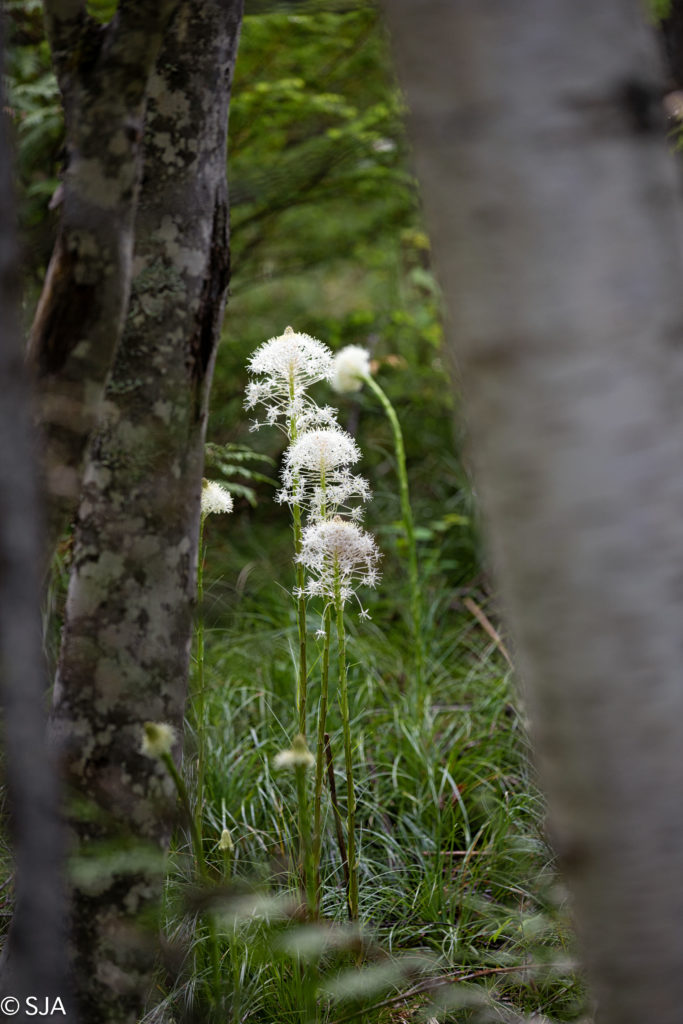
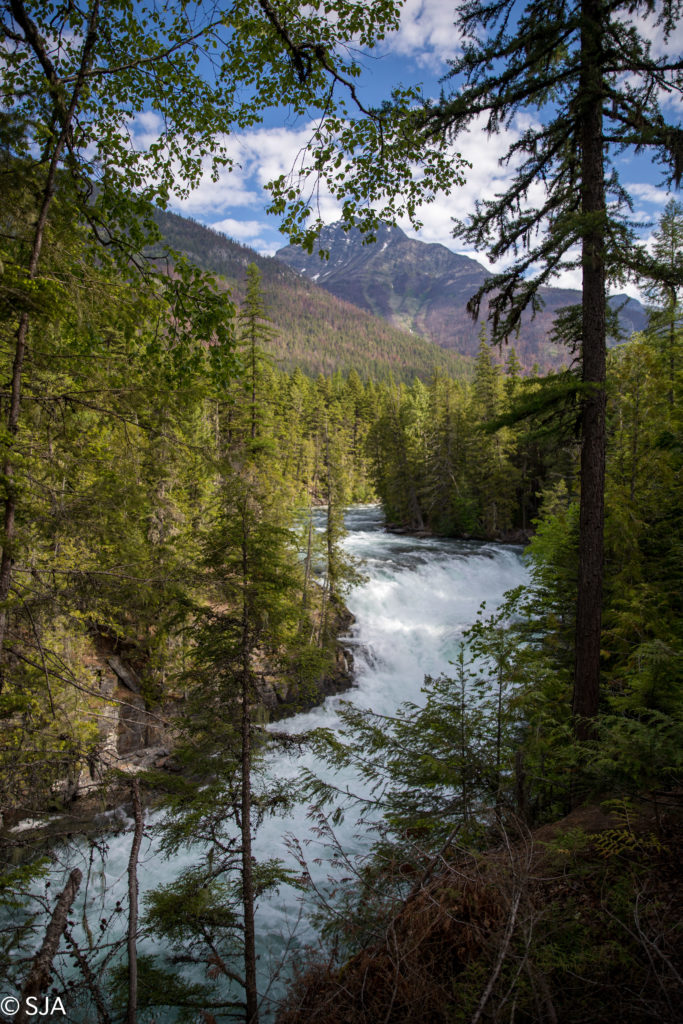
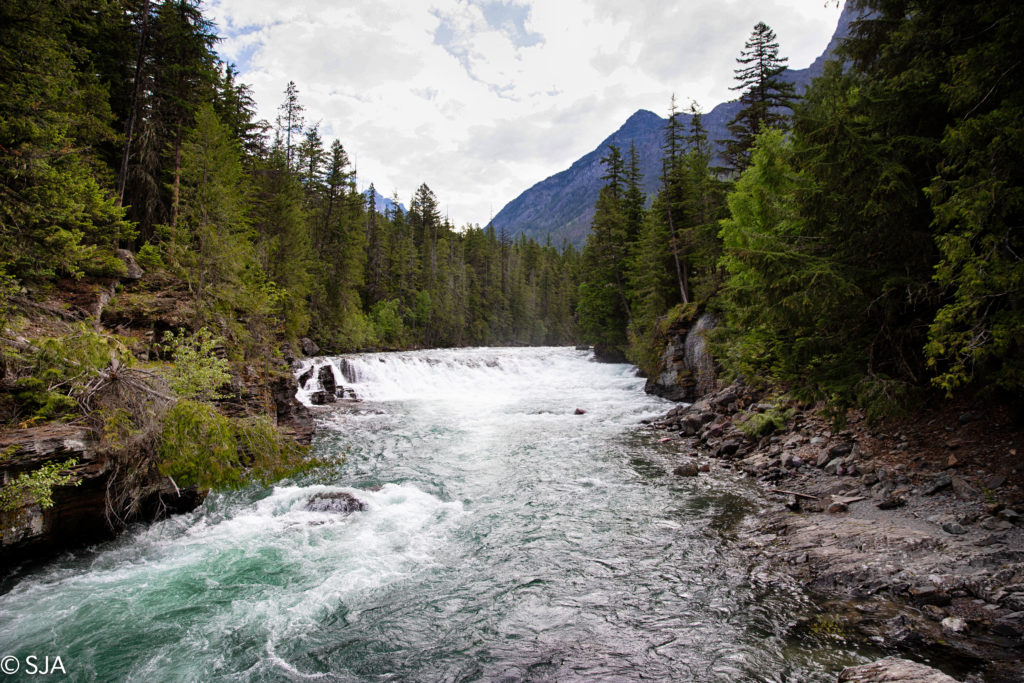
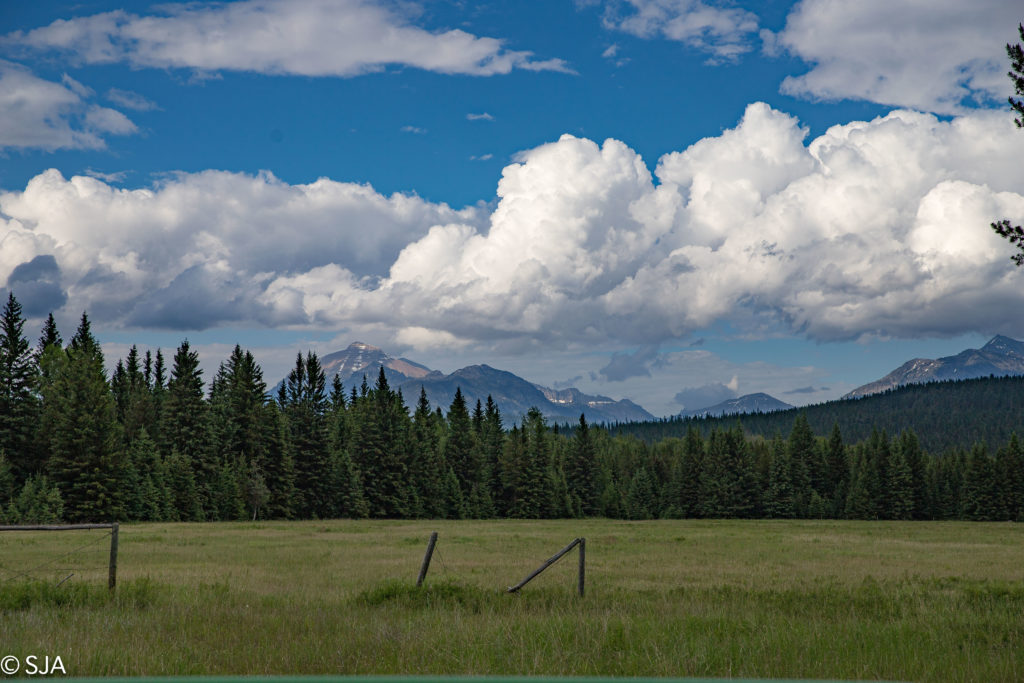
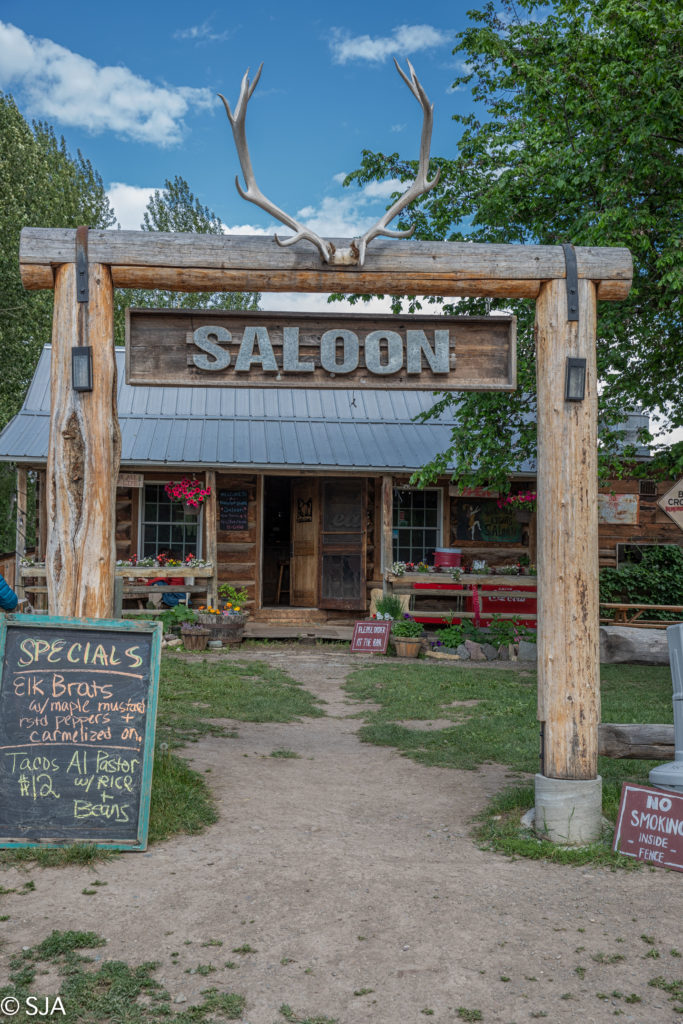
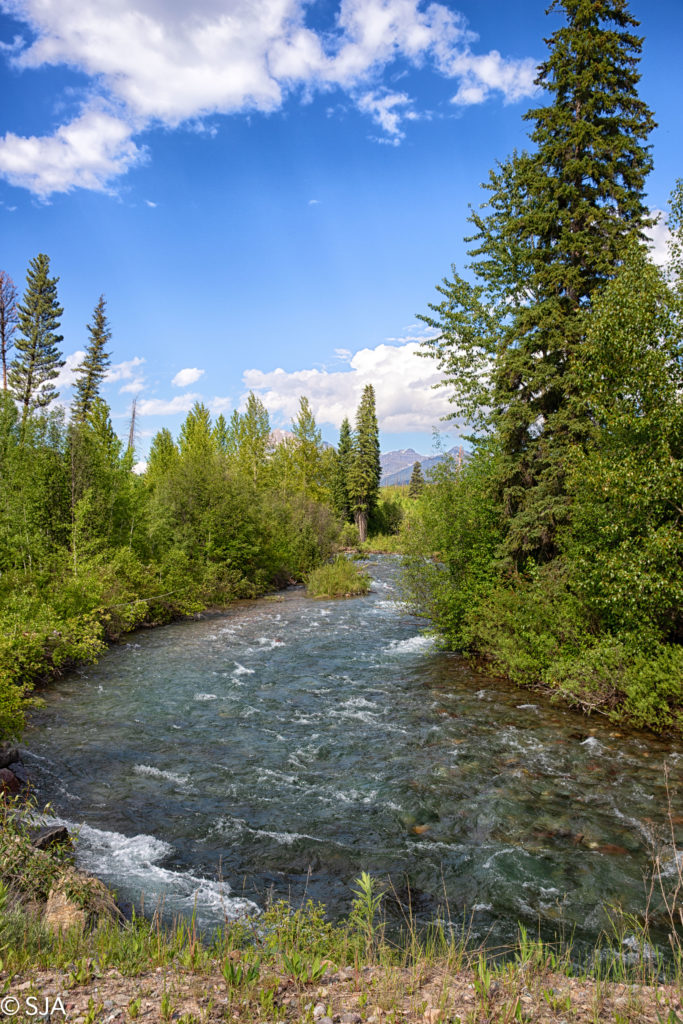
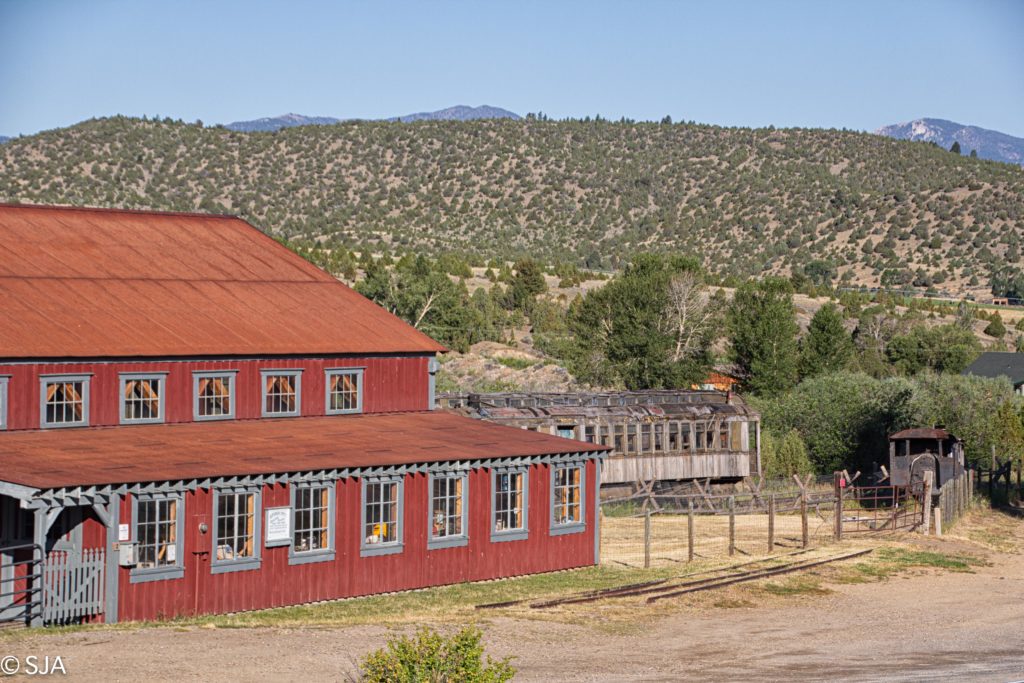
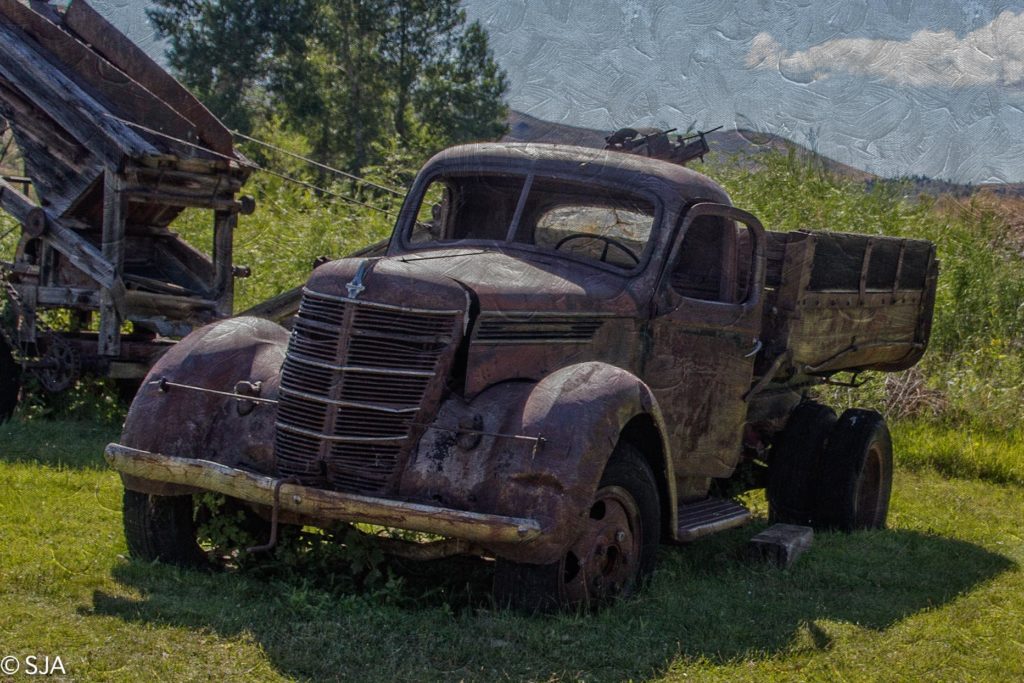
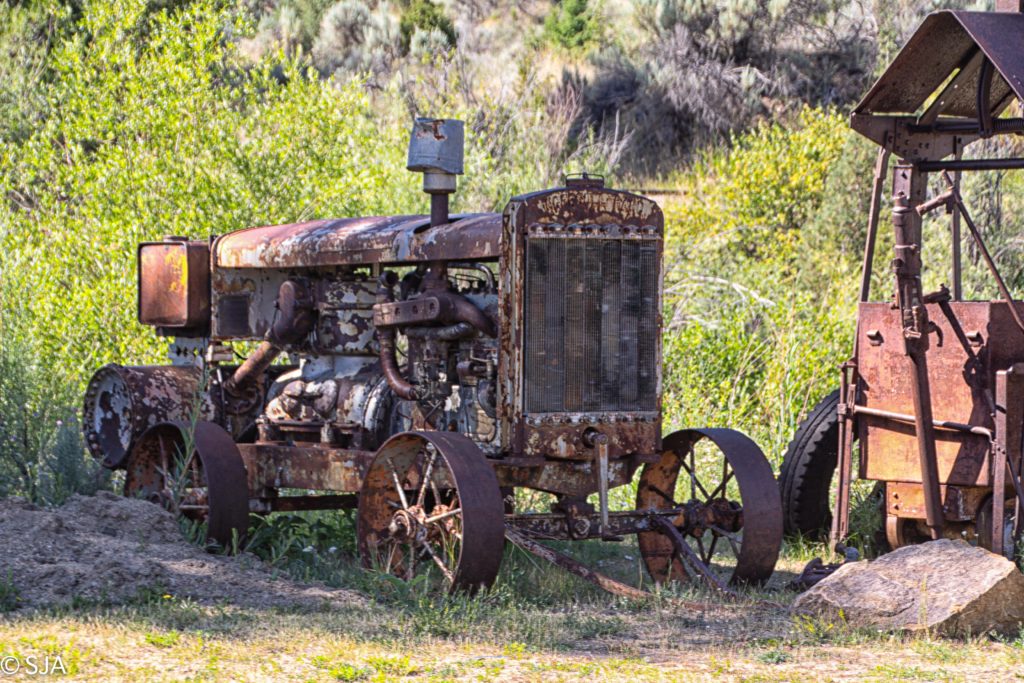
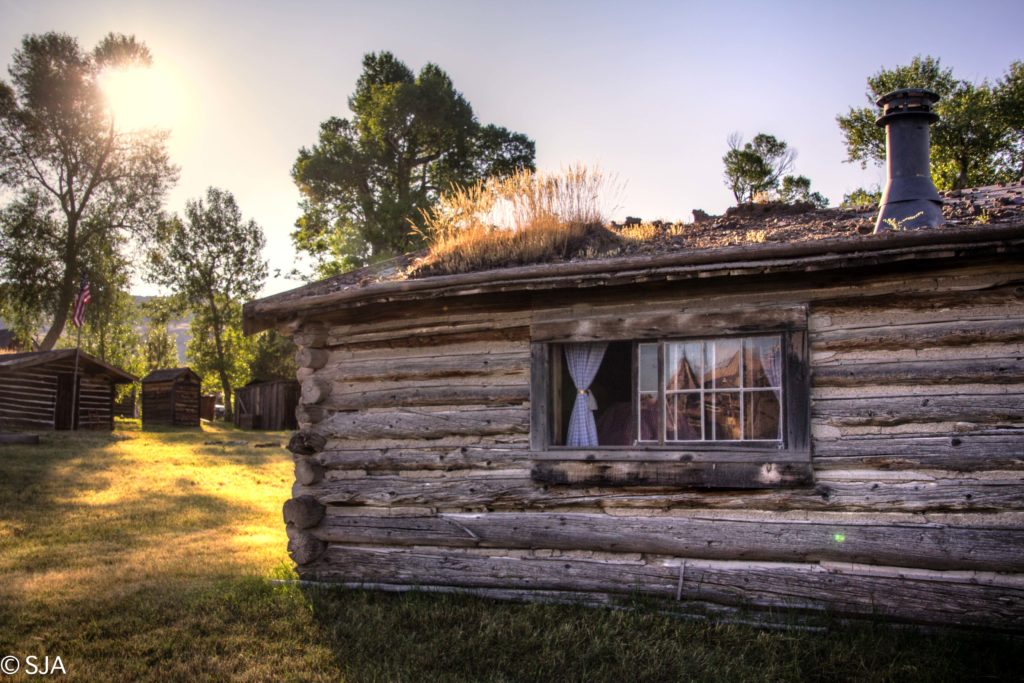
Montana 2019

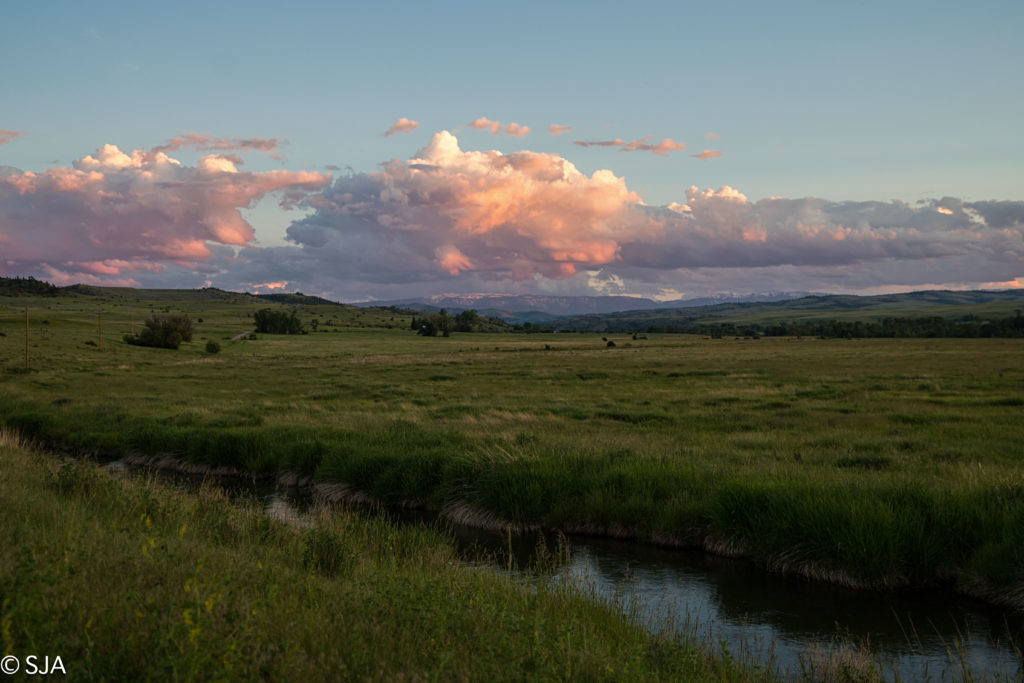
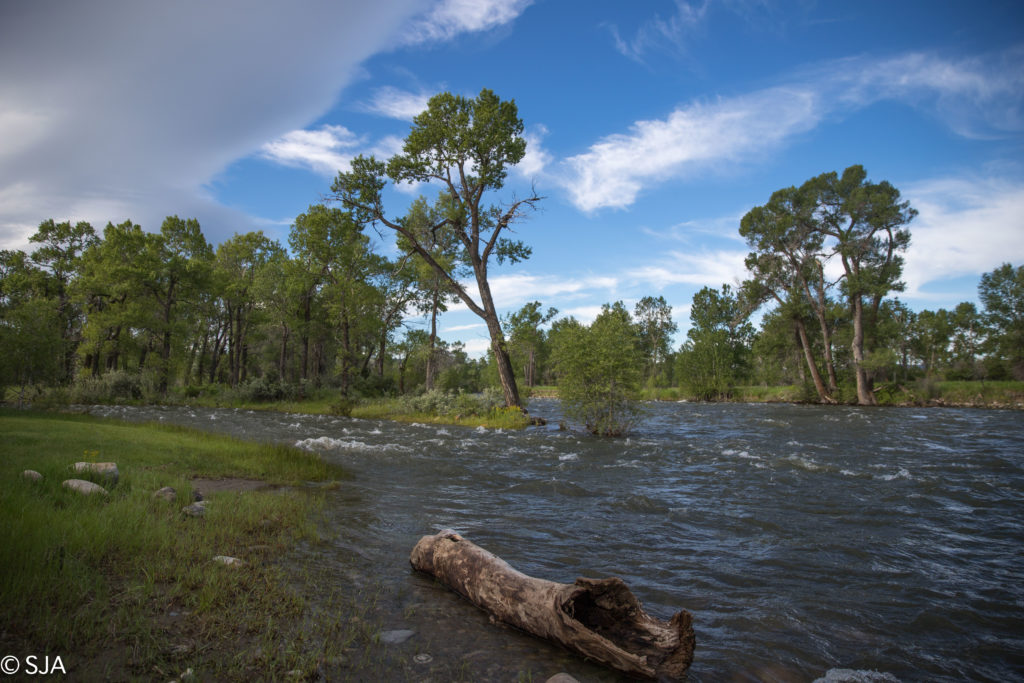
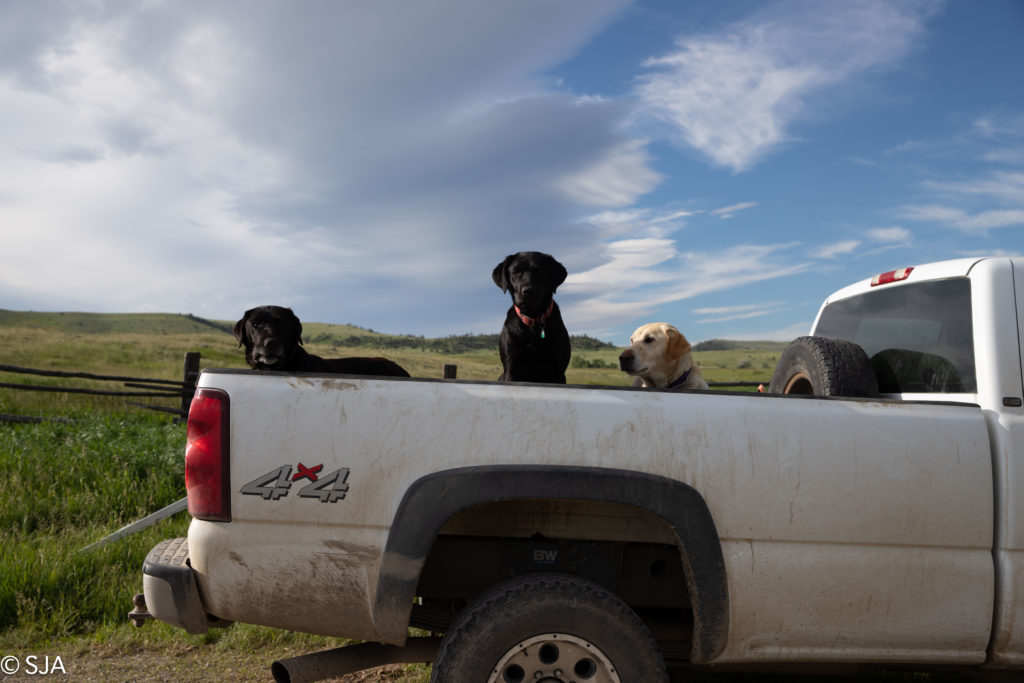
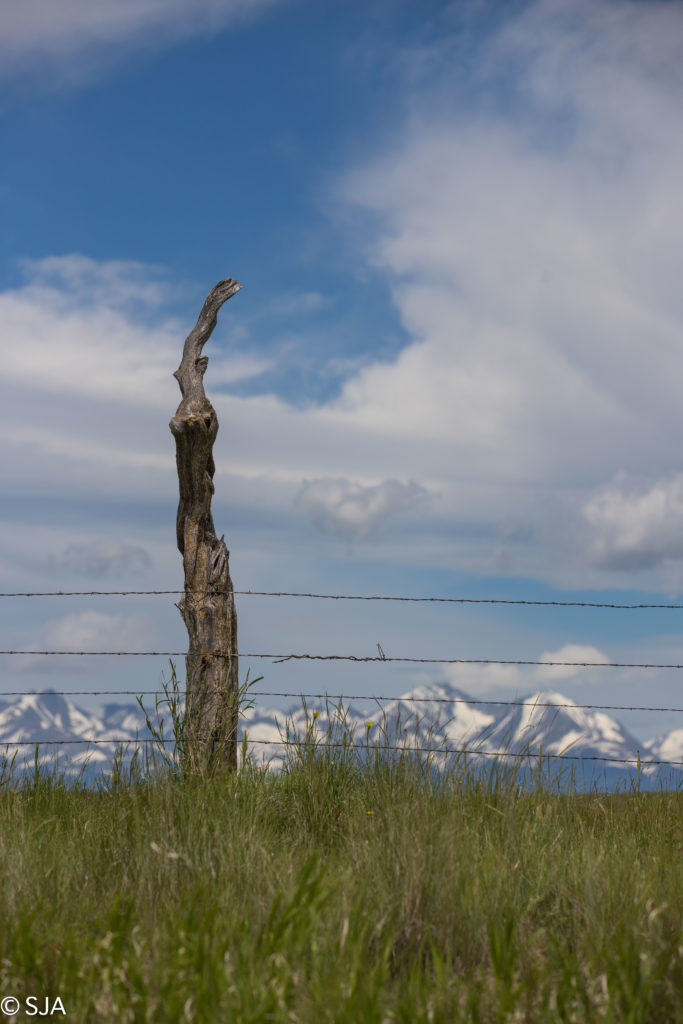
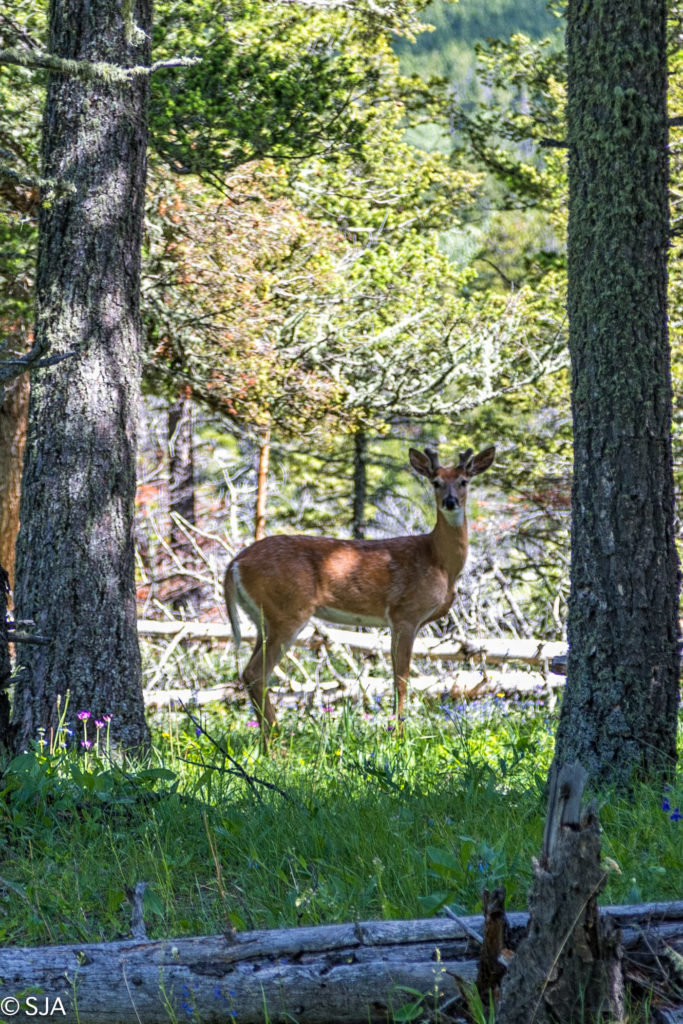
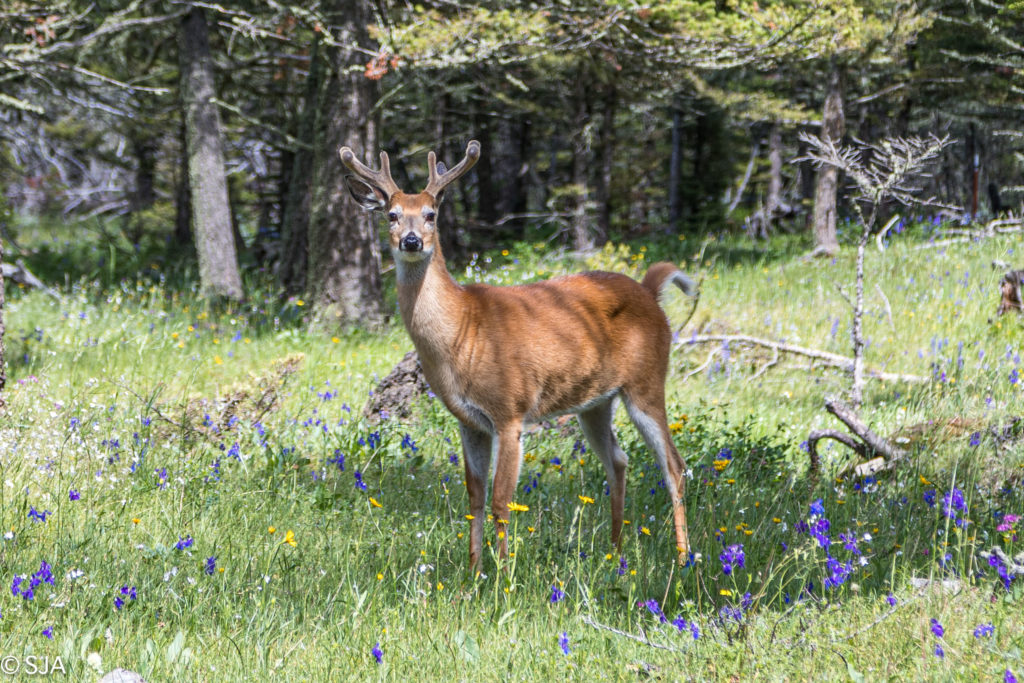
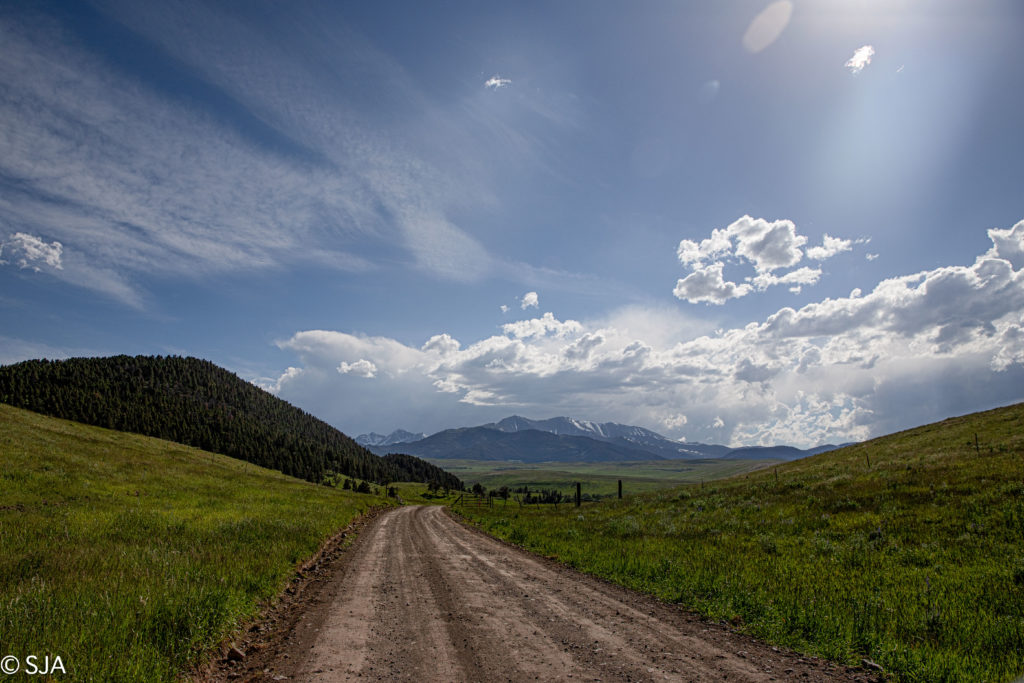
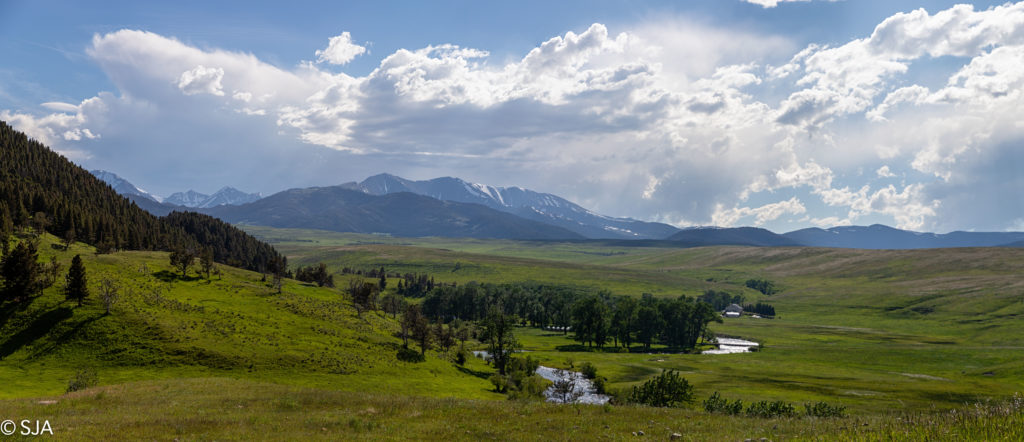
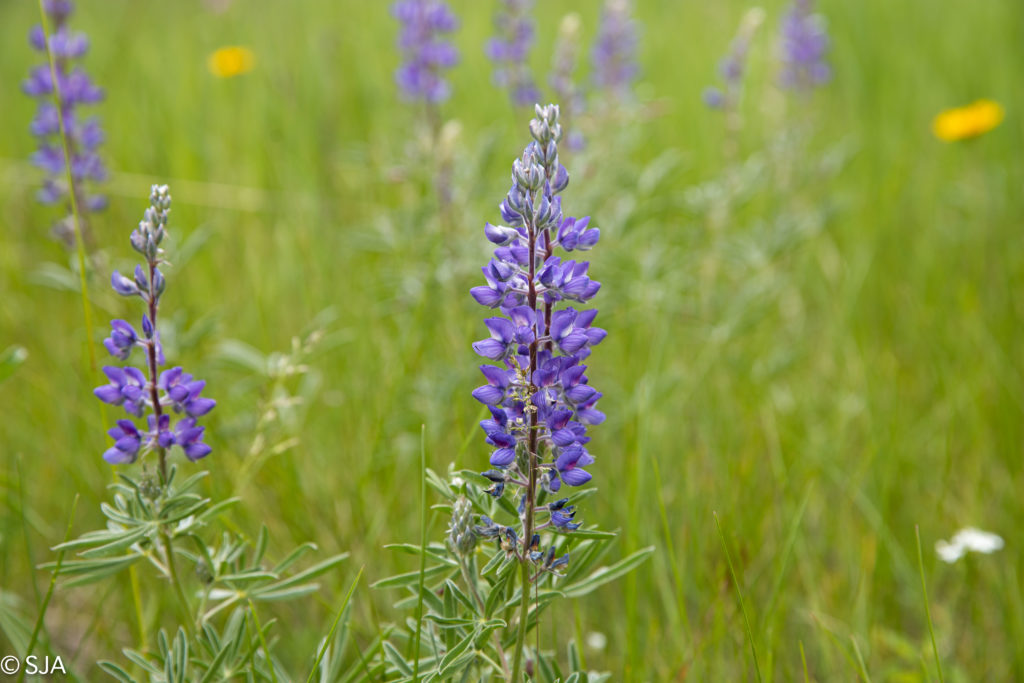
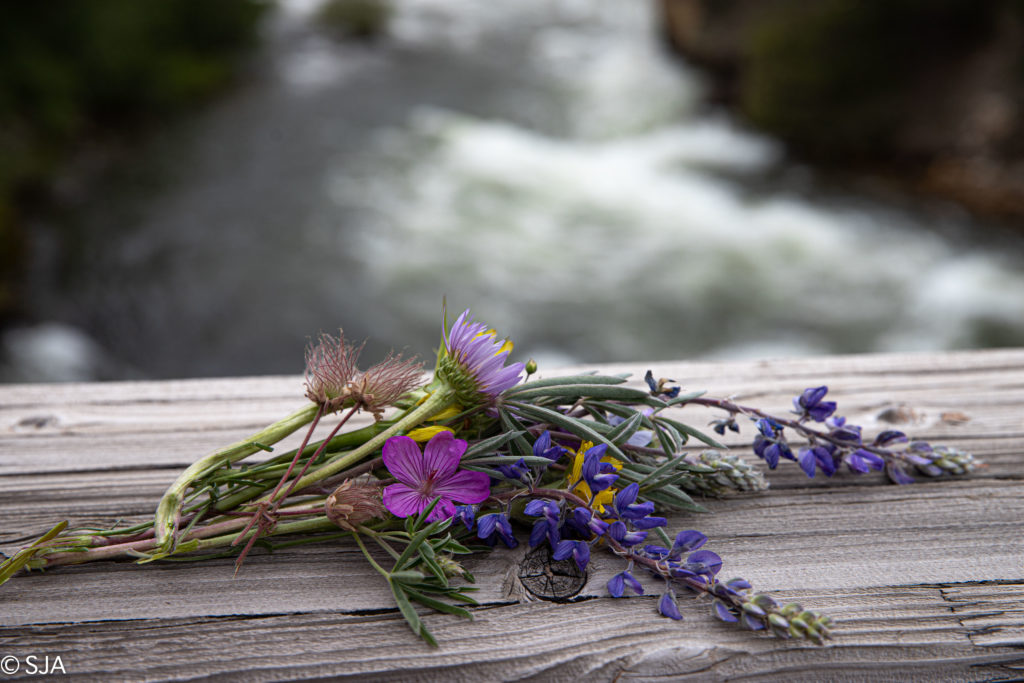
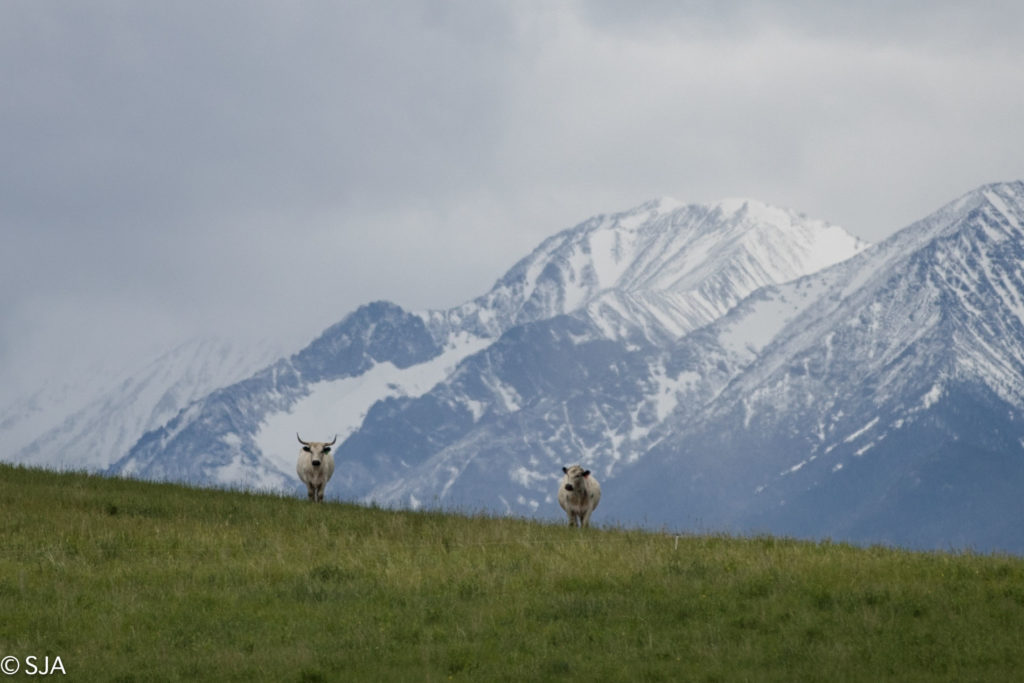
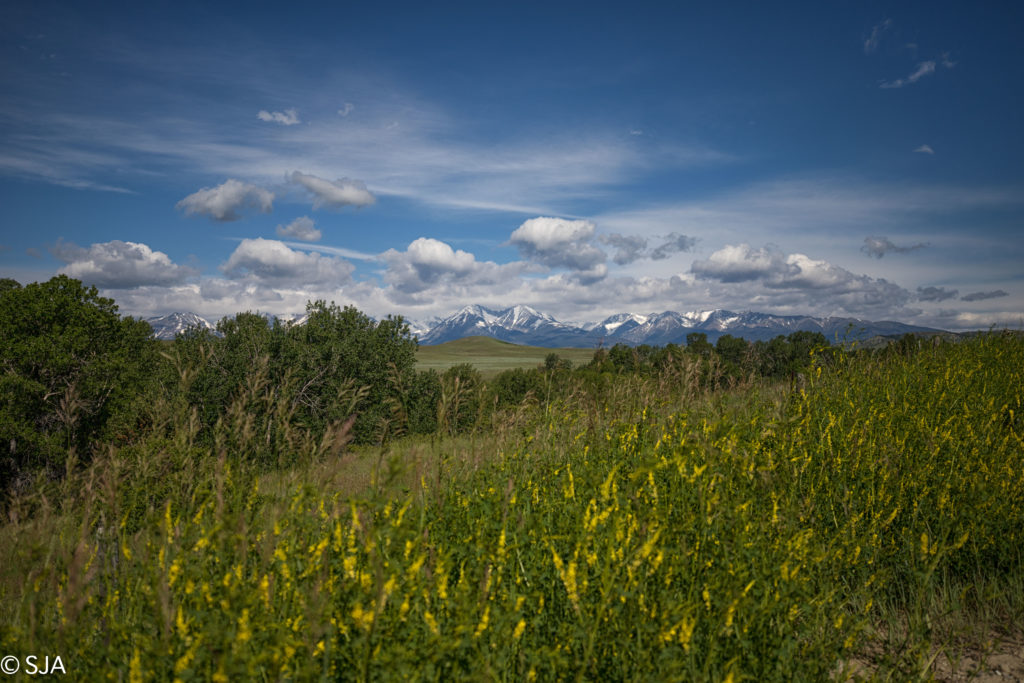
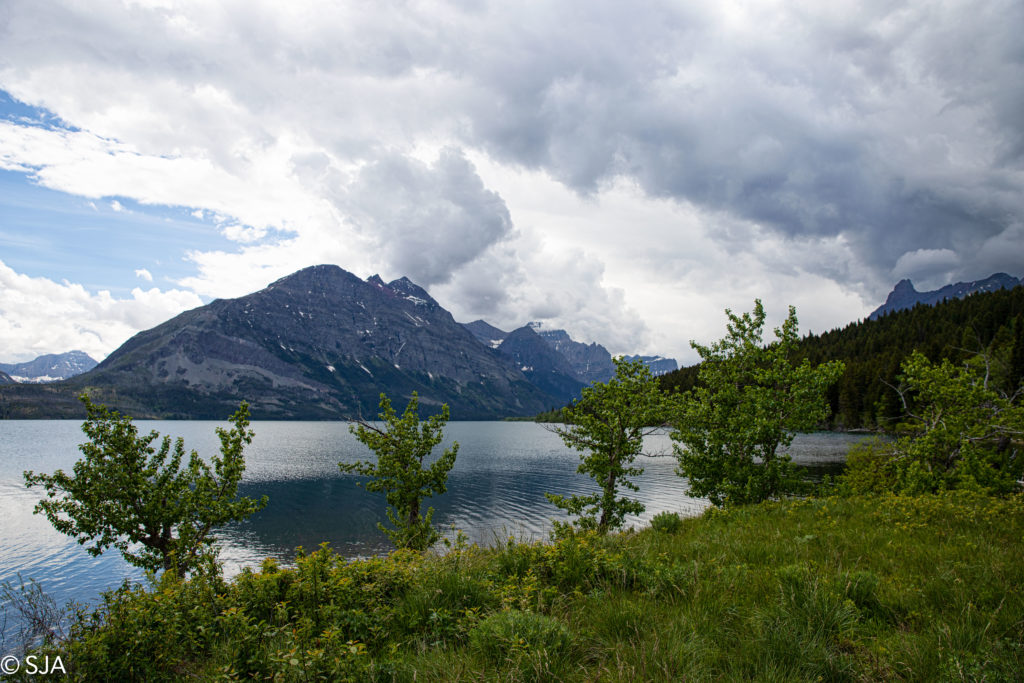
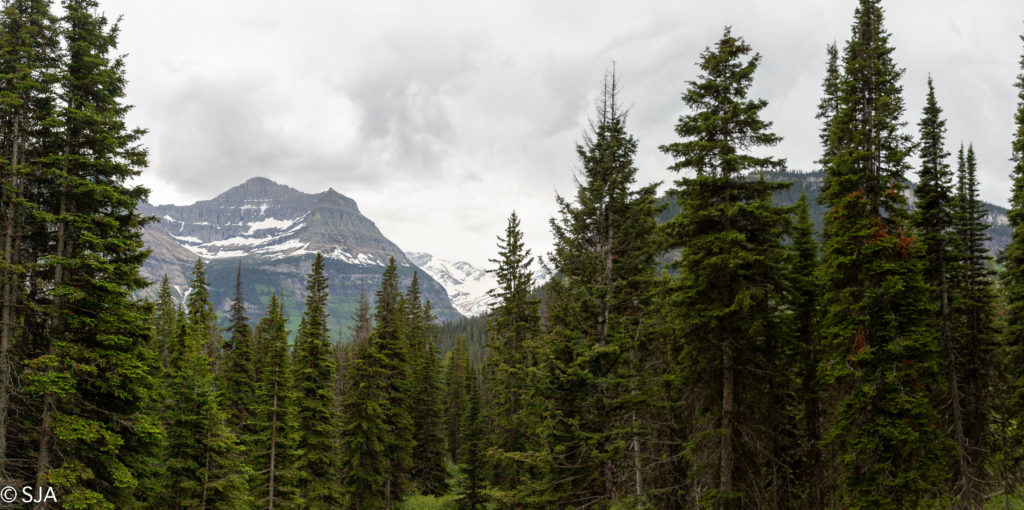
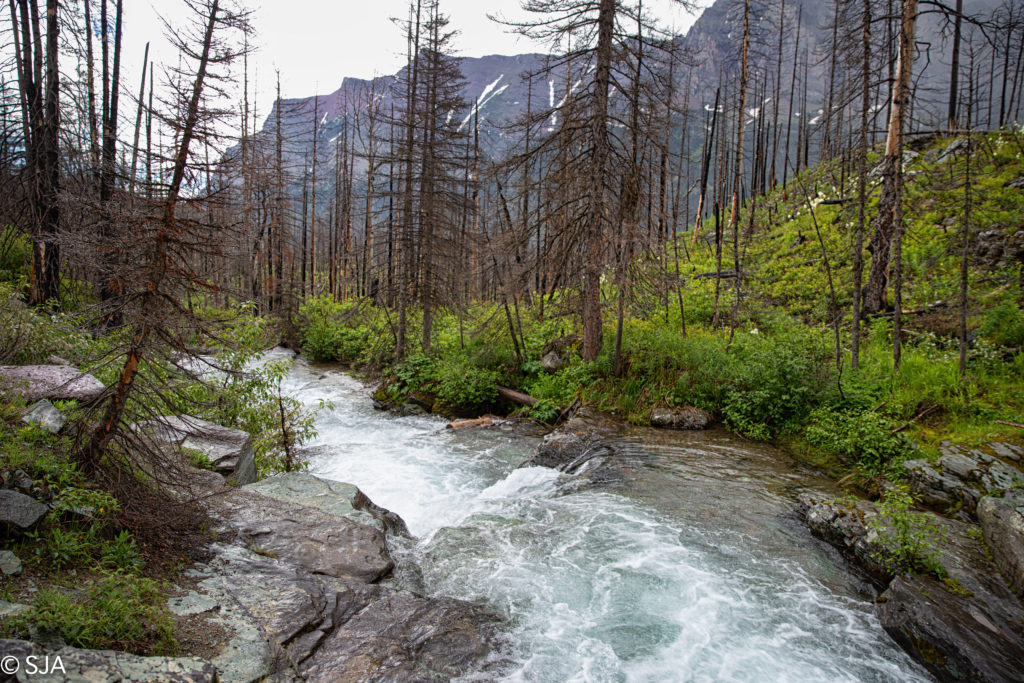
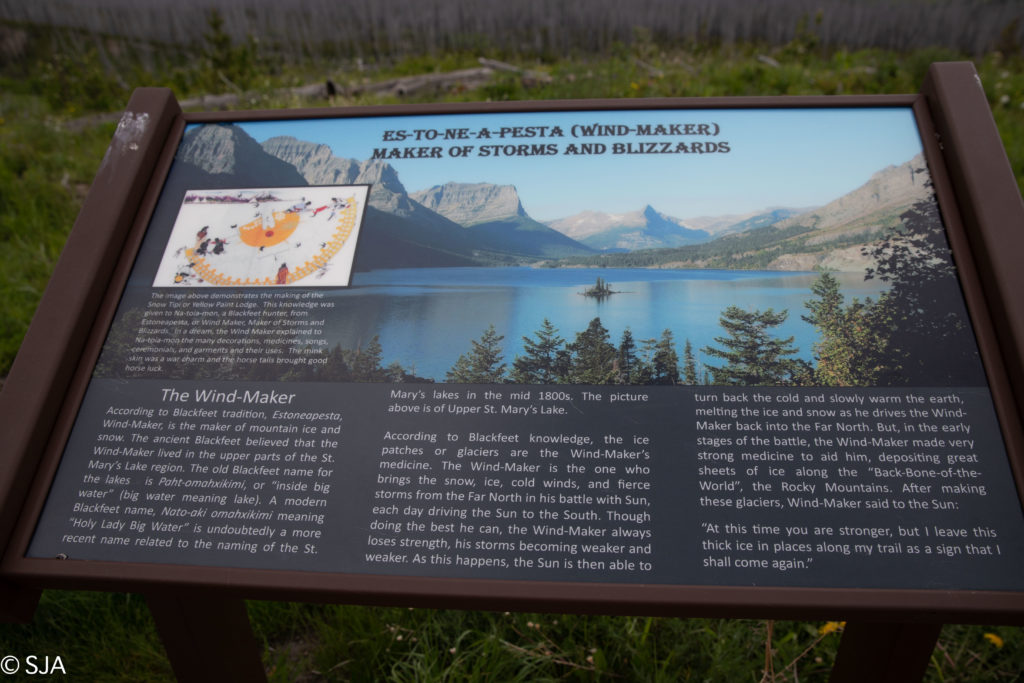
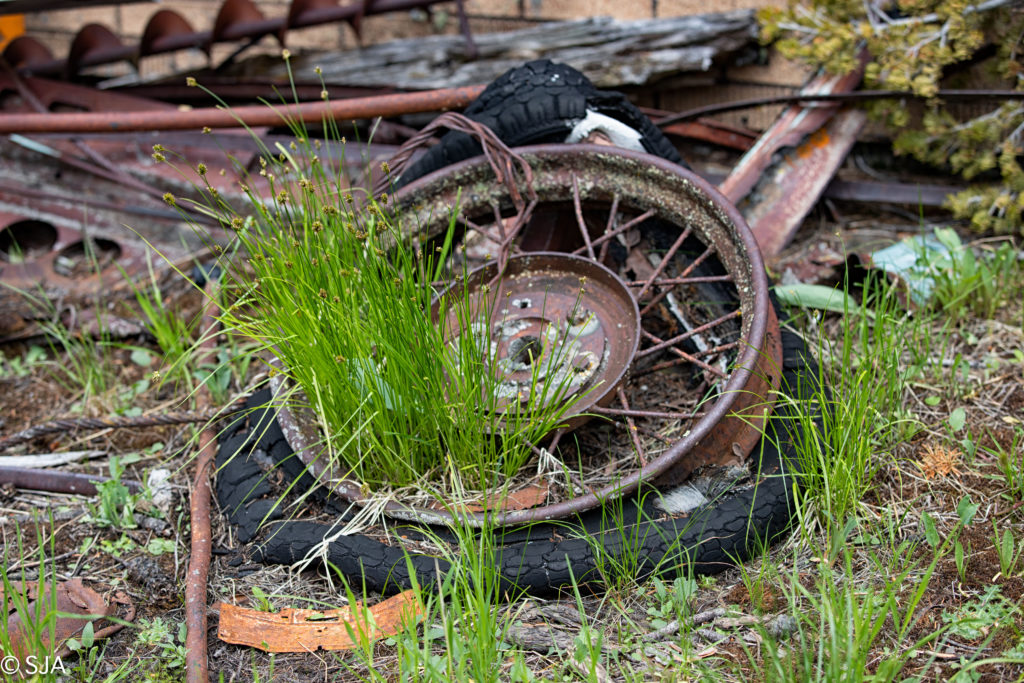
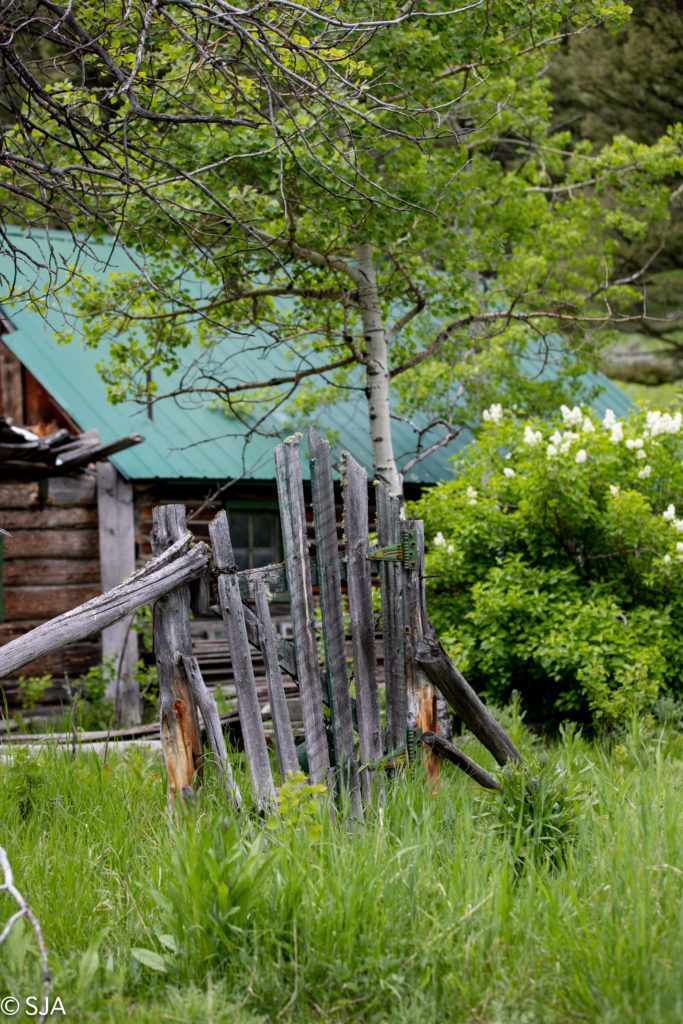
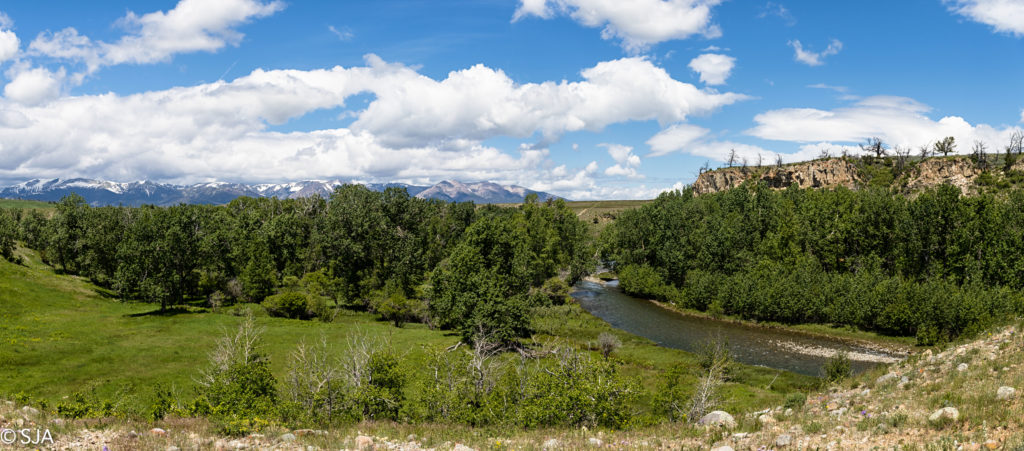
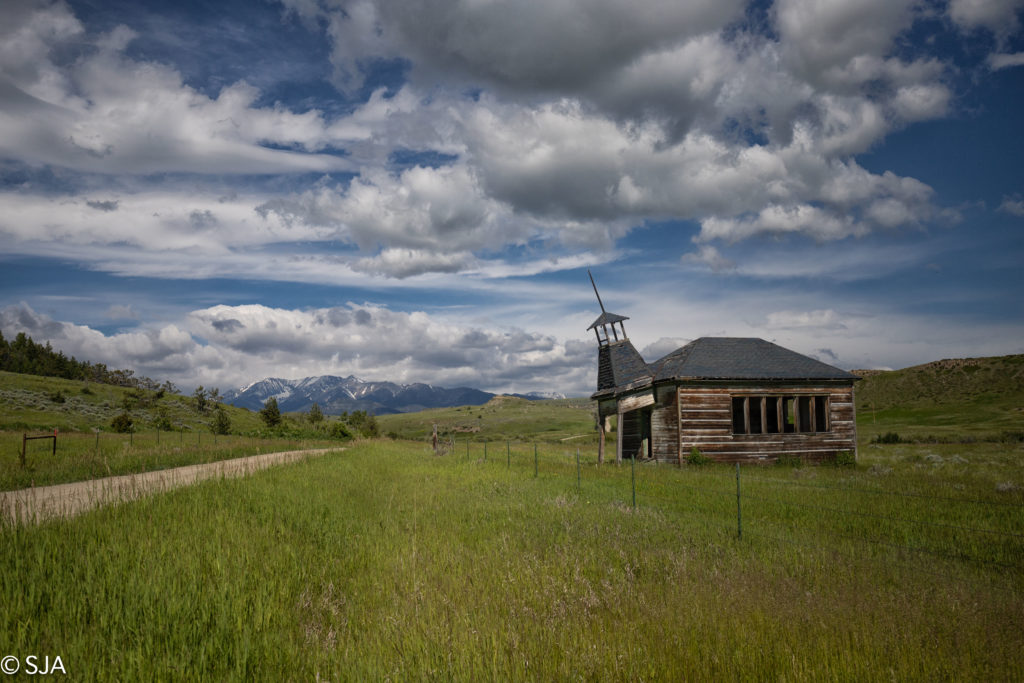
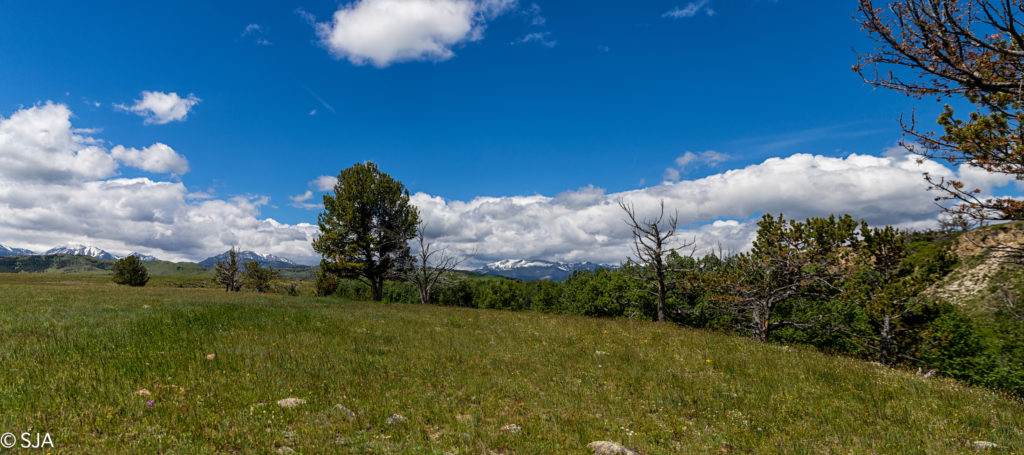
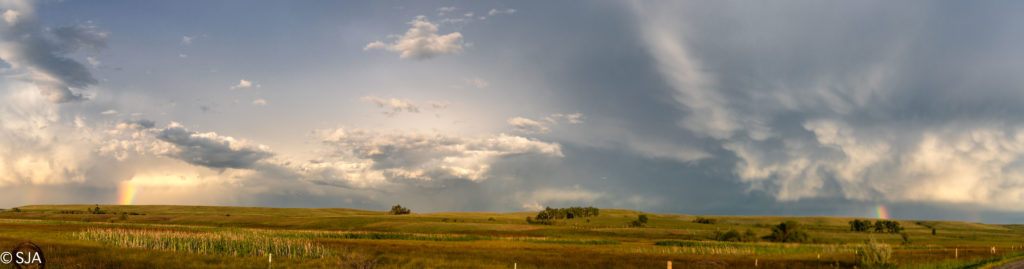
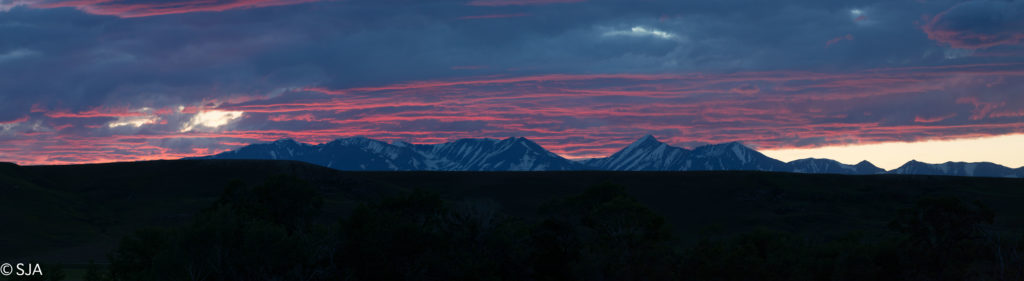
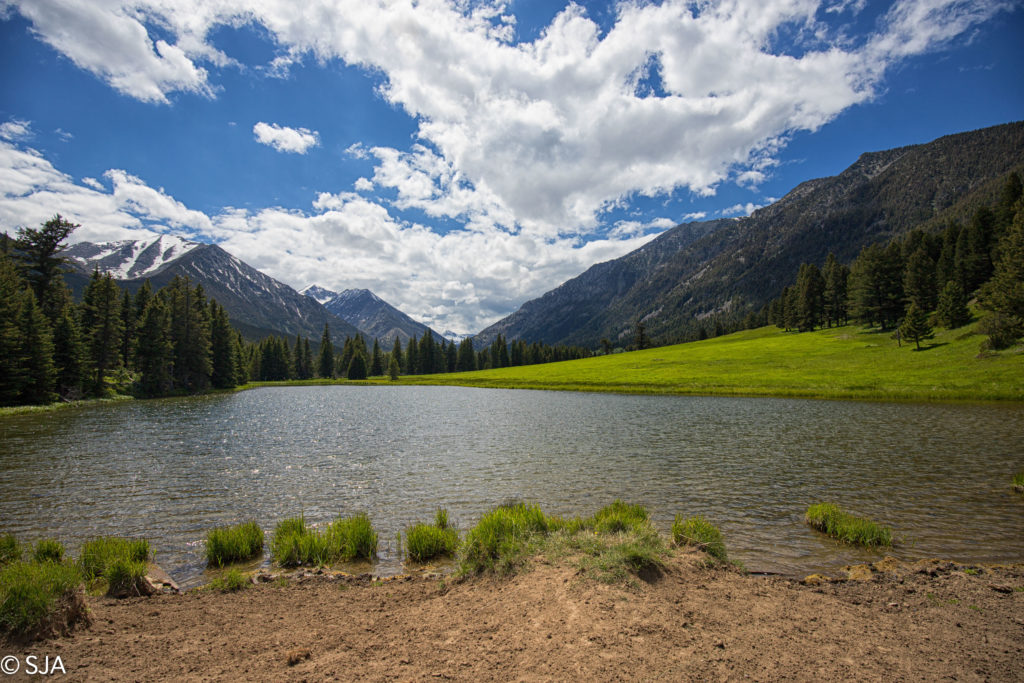
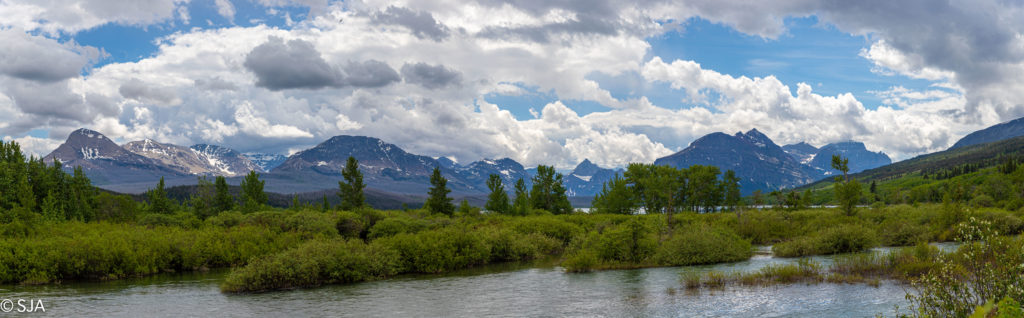
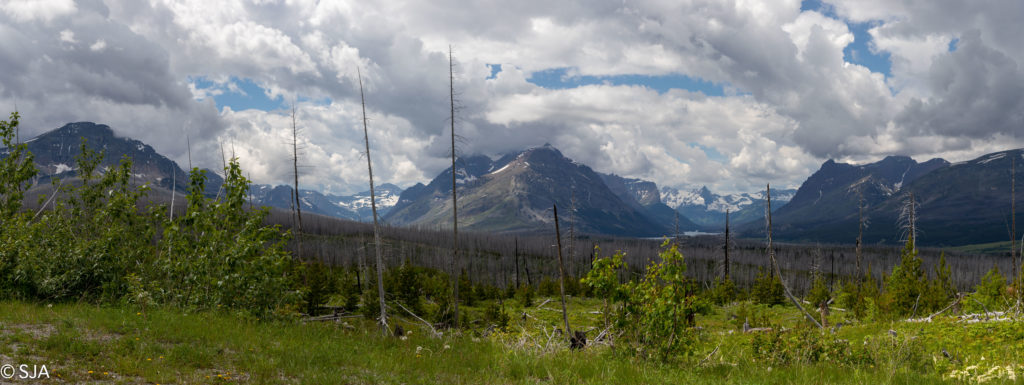
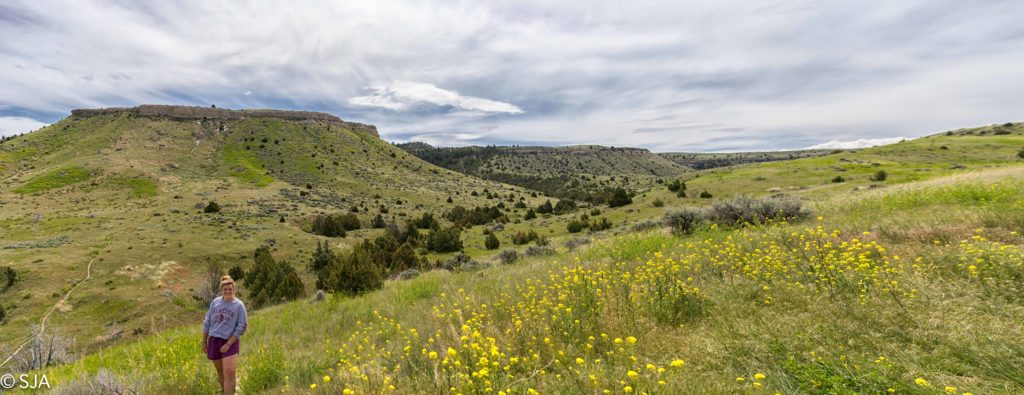
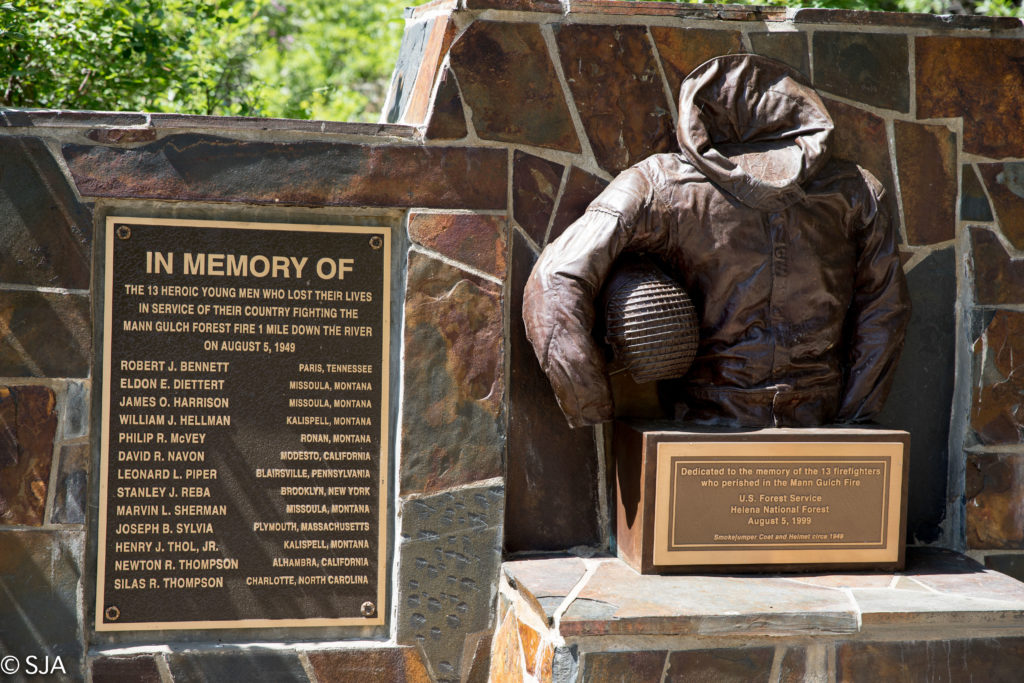
a few photos from our summer trip

2019

Through Prison Bars

Old Montana Territorial Prison, Deer Lodge, Montana

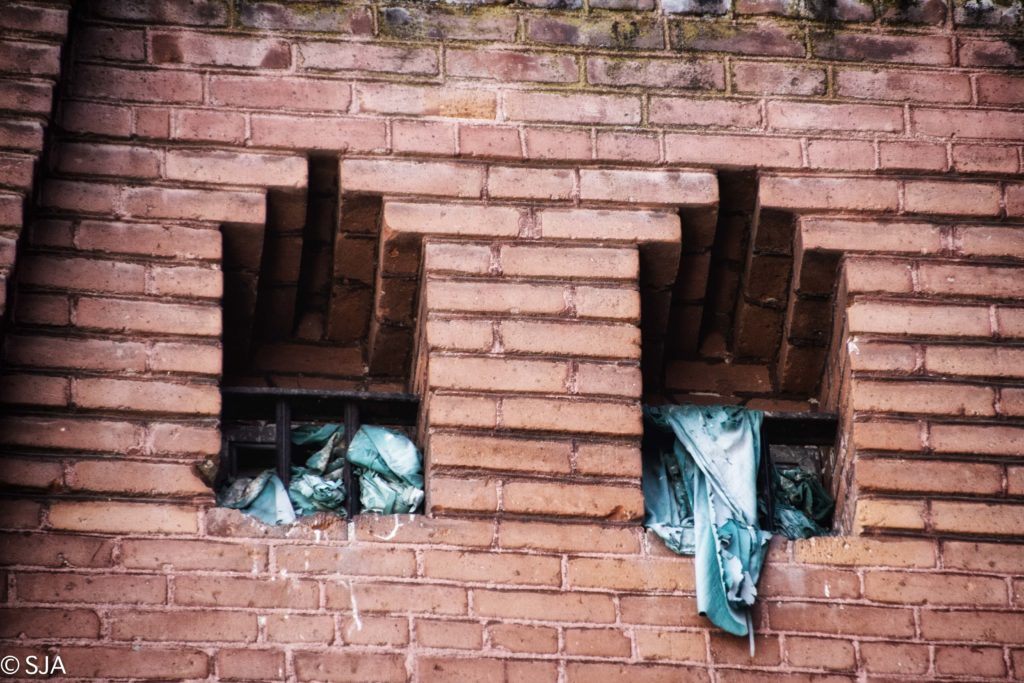
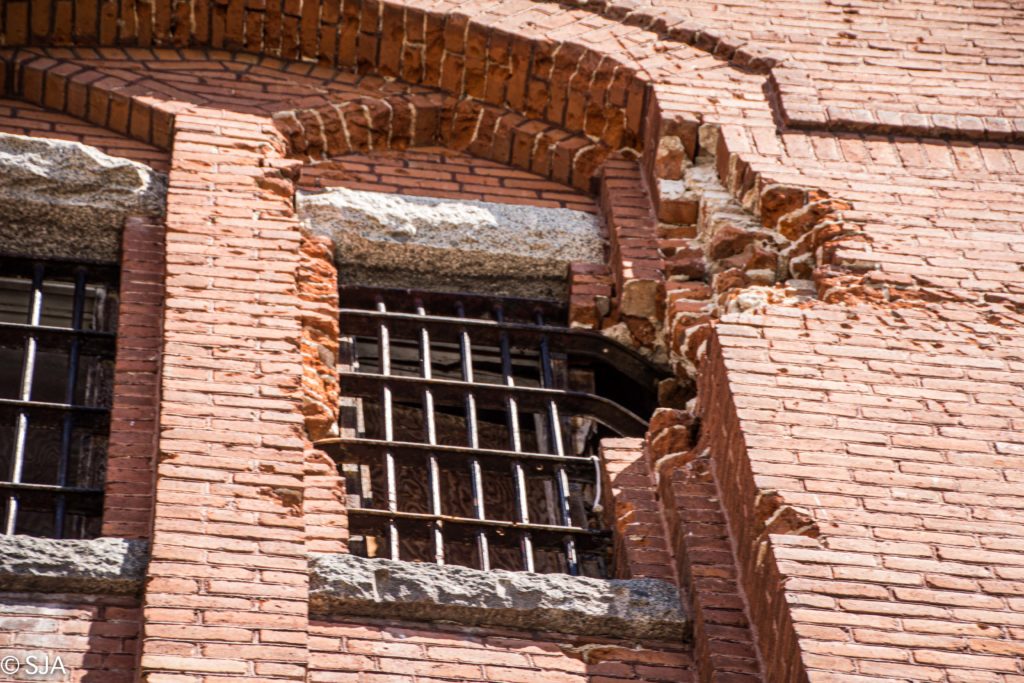
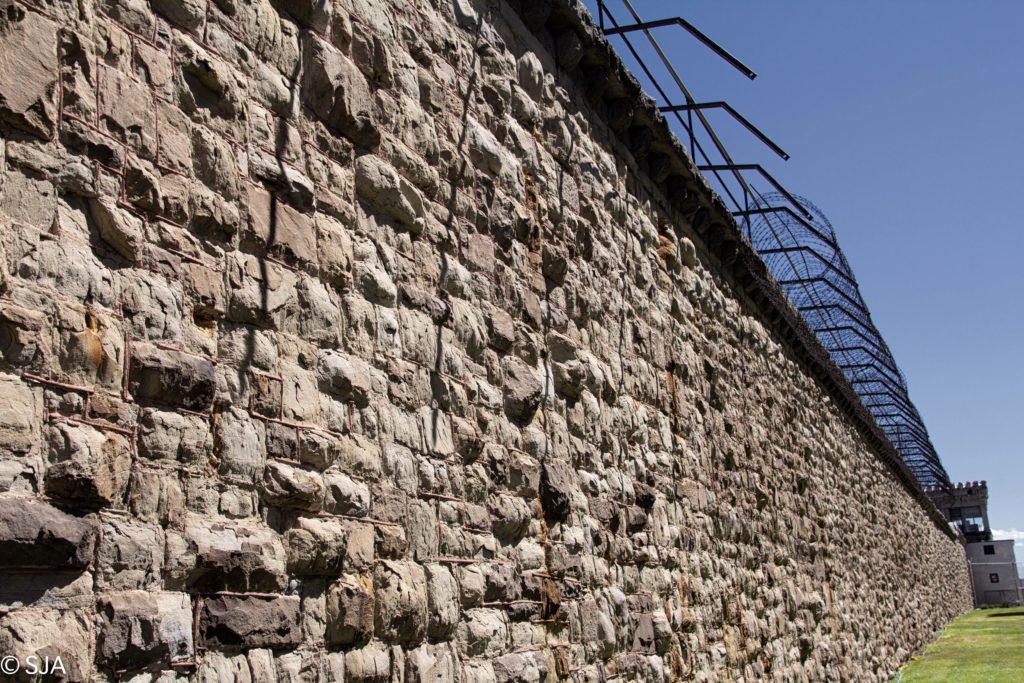
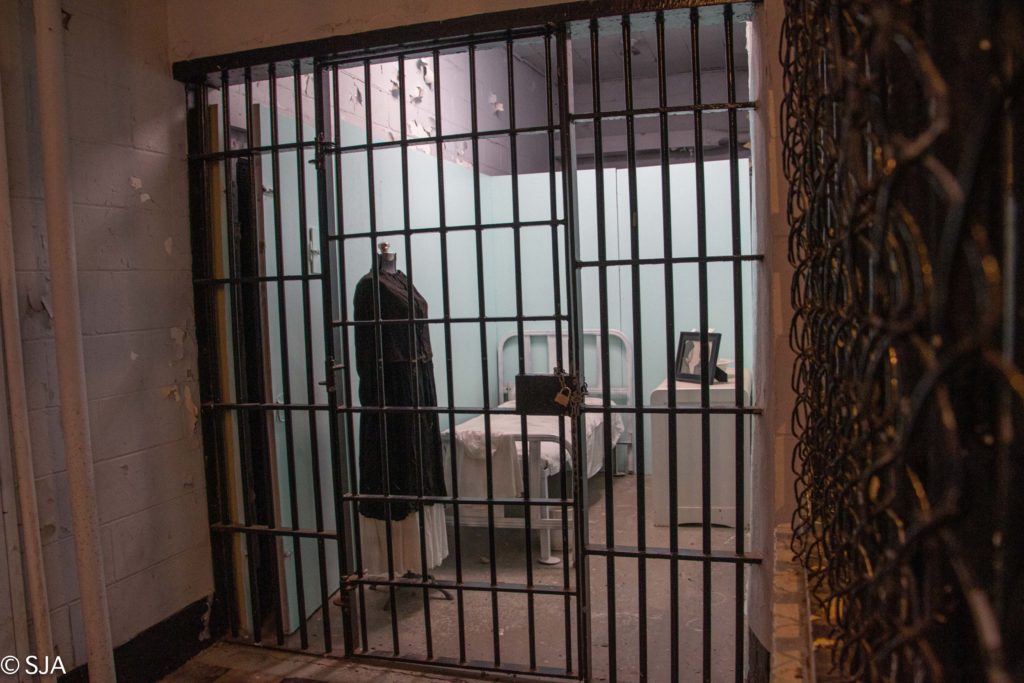
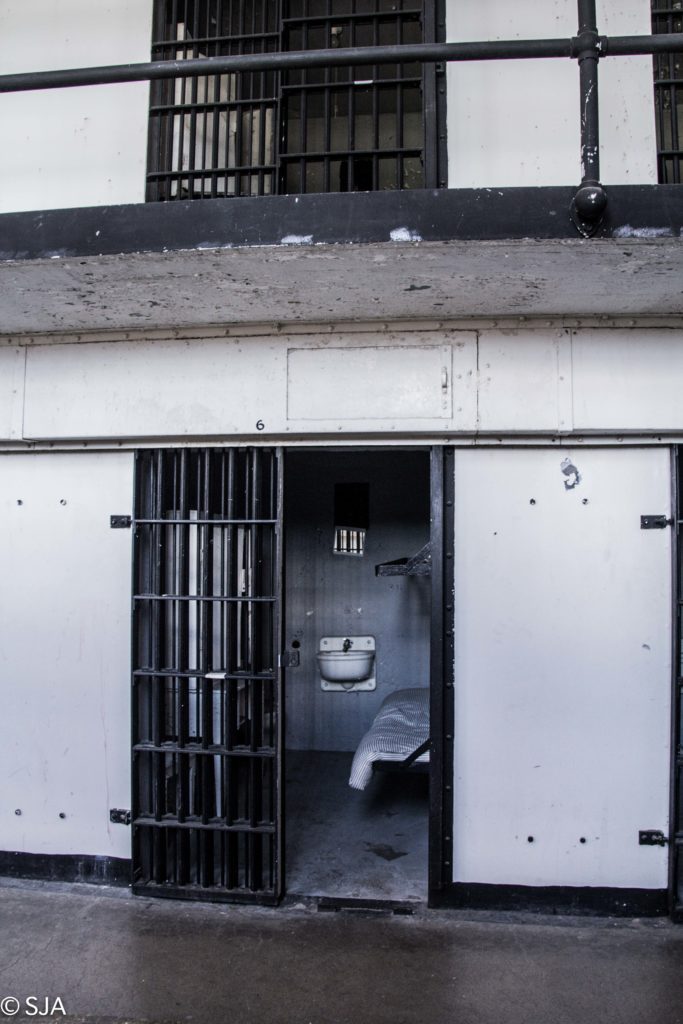
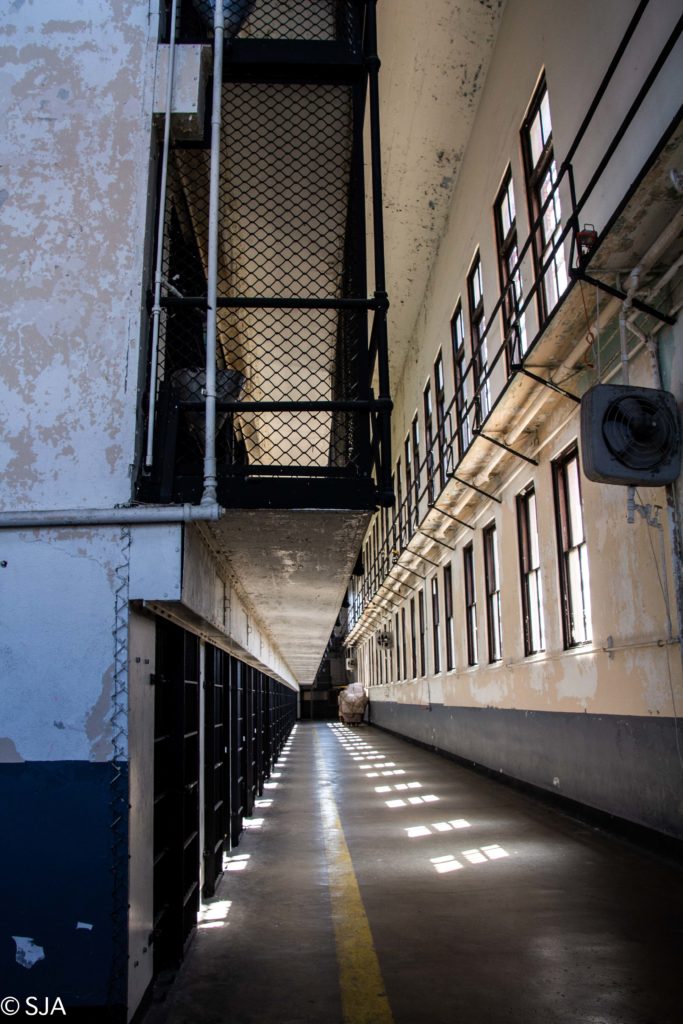
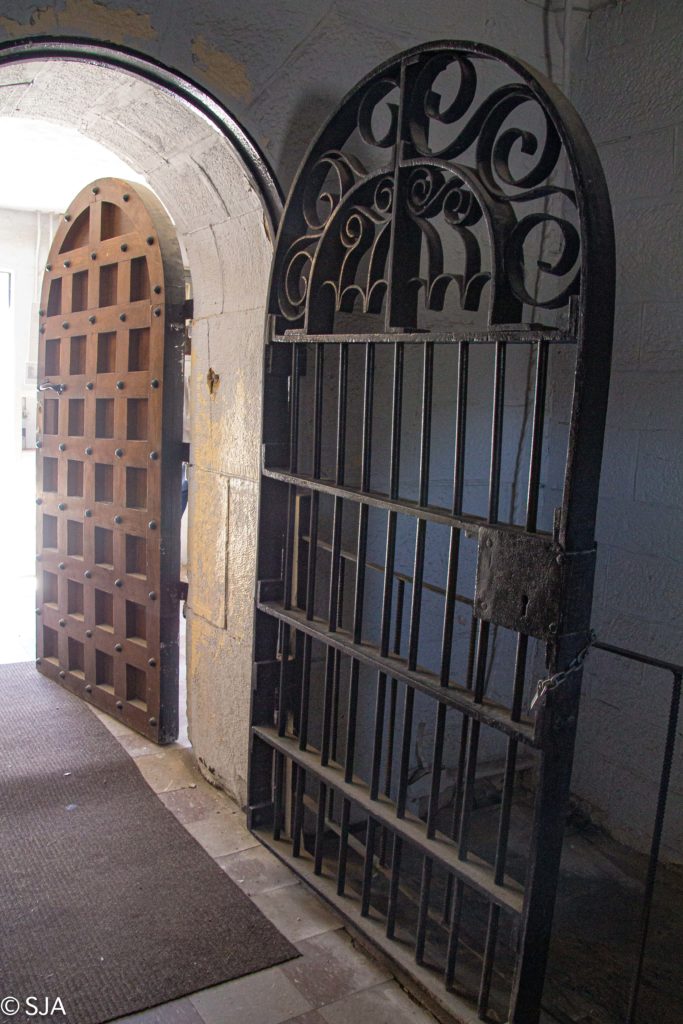
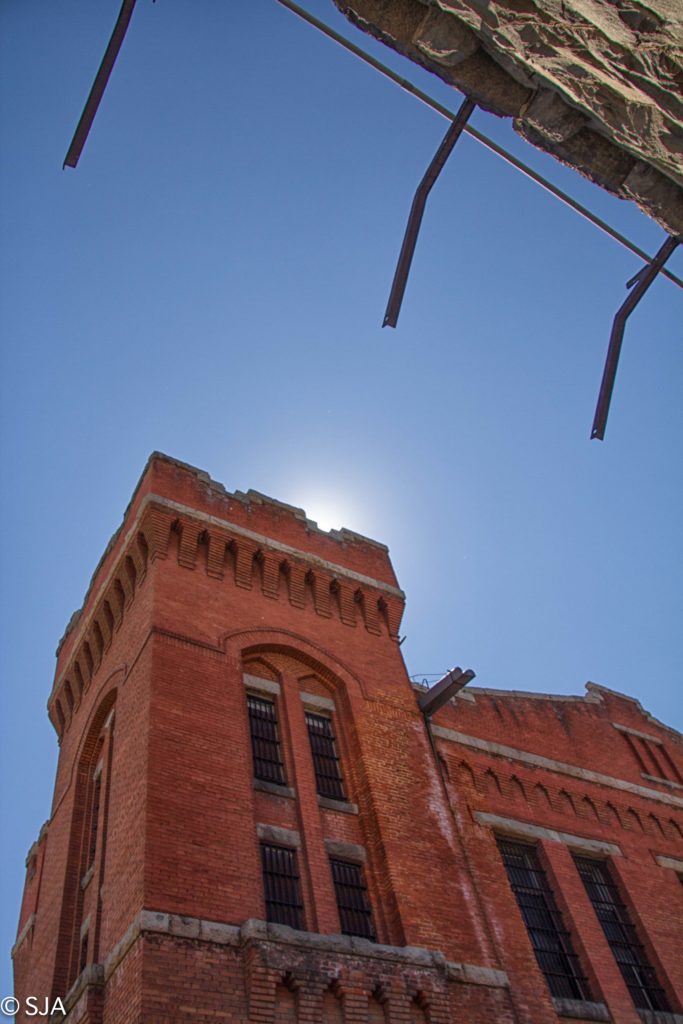
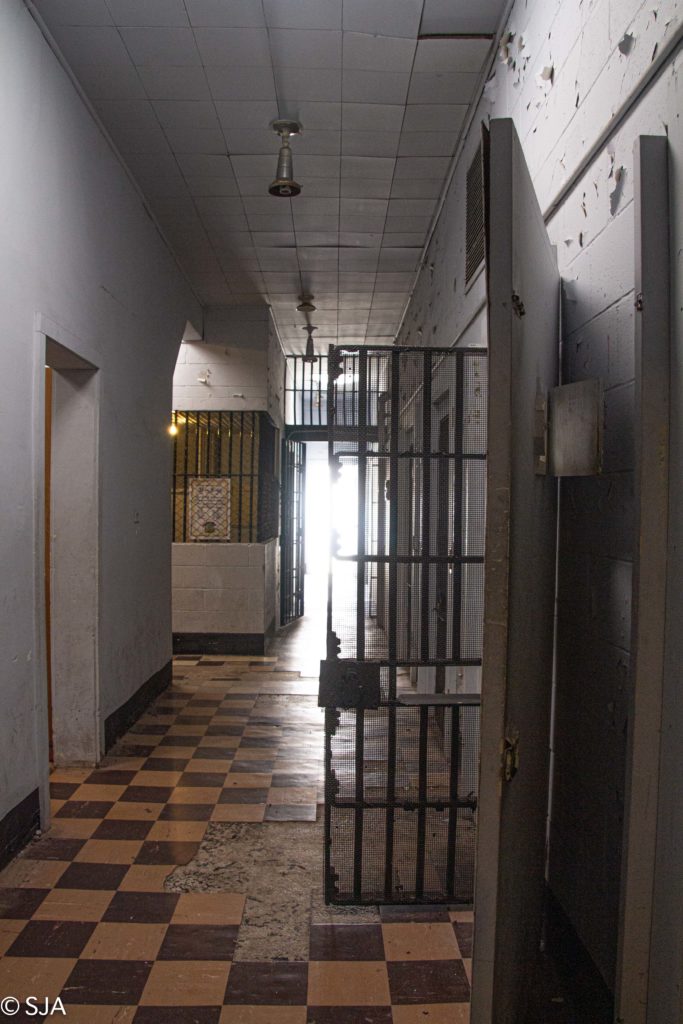
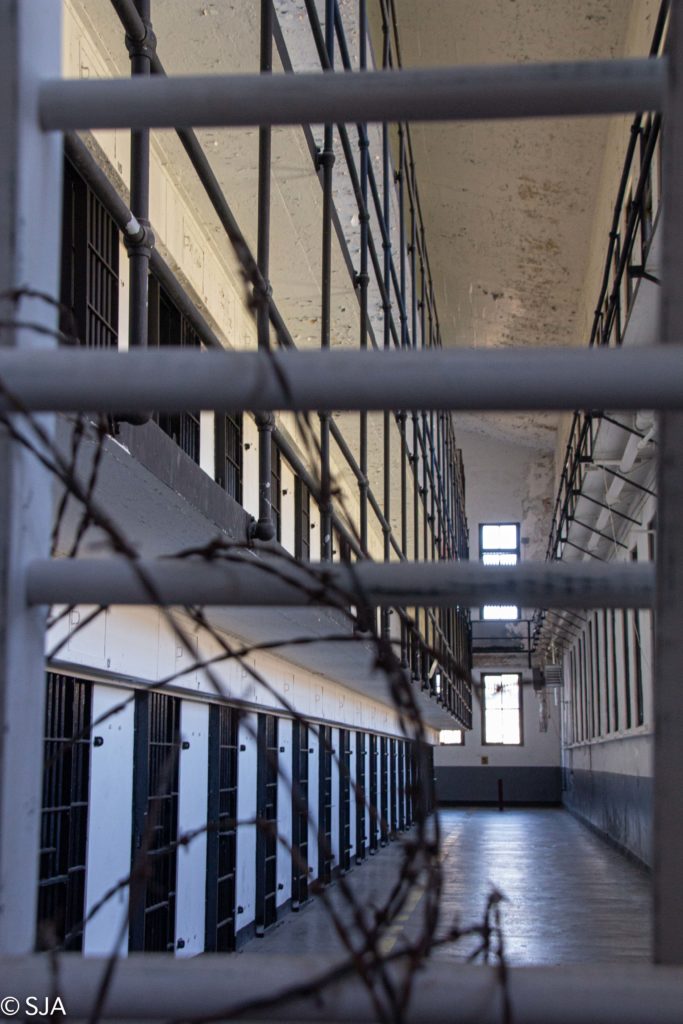
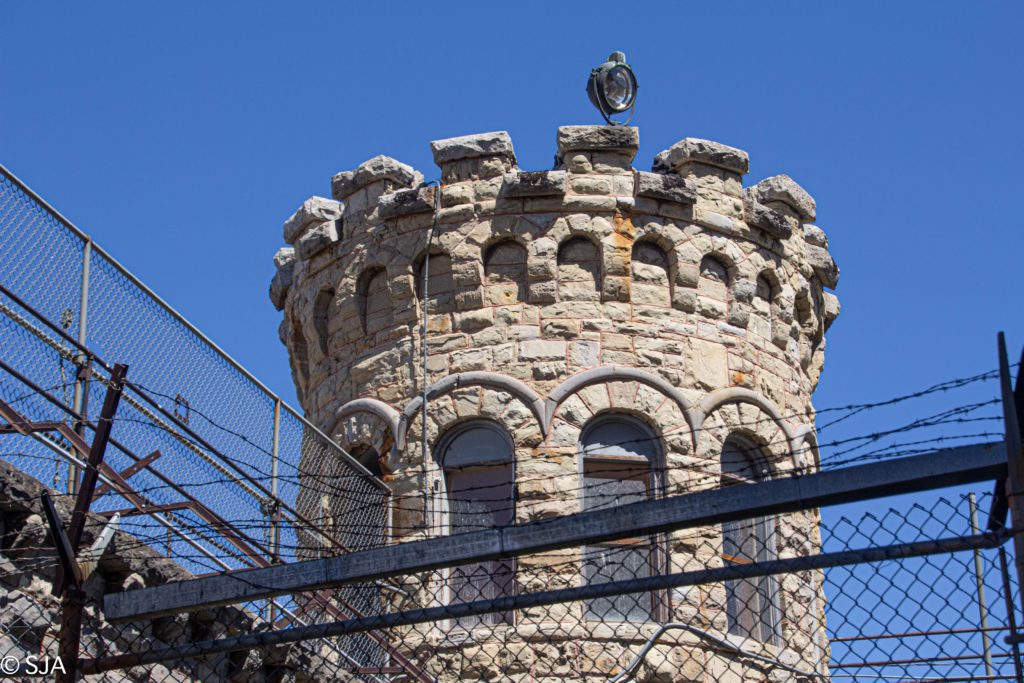
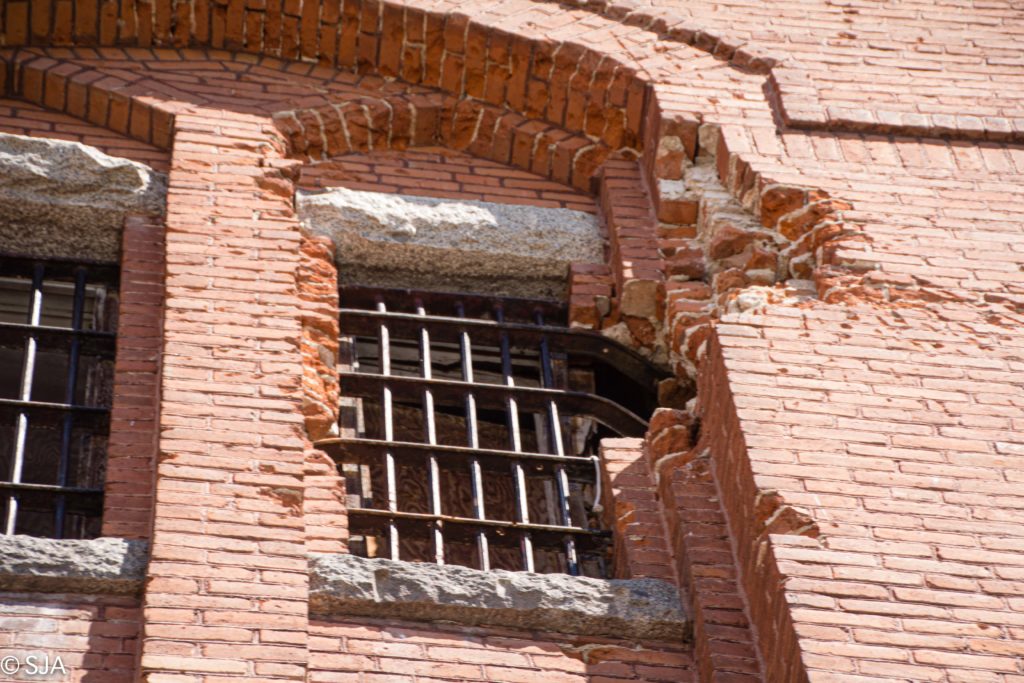
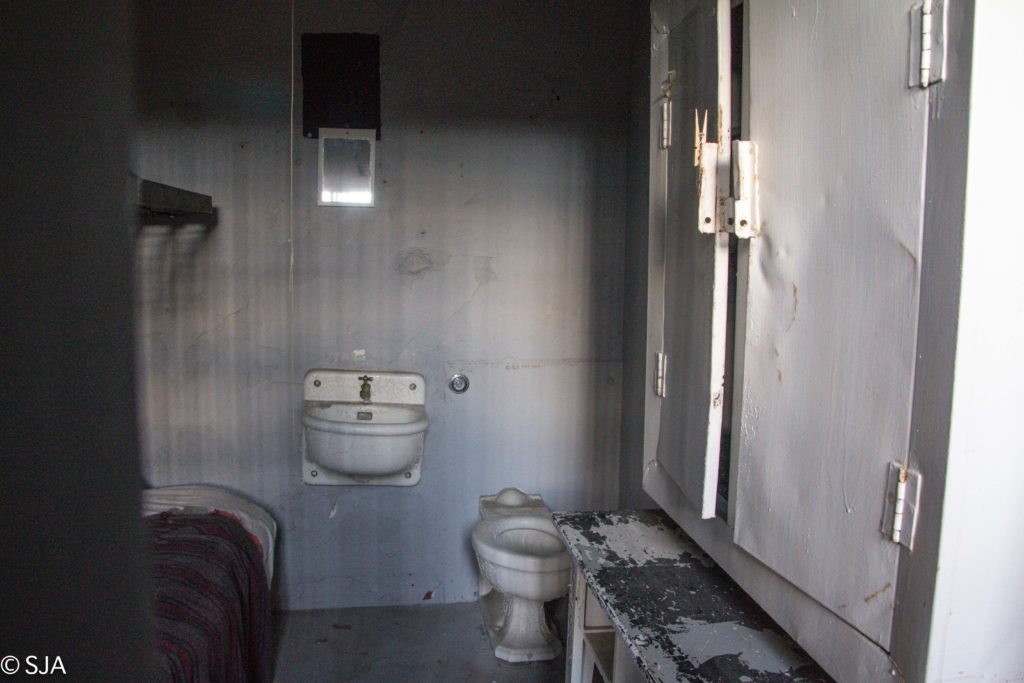
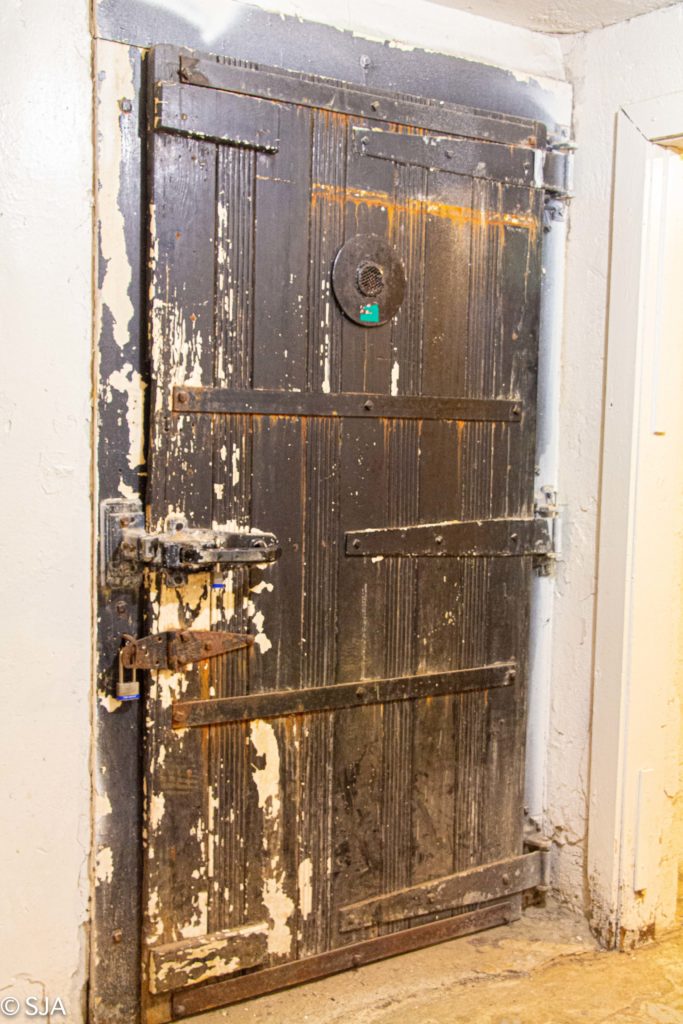
Unmanned stone turrets stood like silent sentries at each corner of the stone barrier that encircled the prison walls. Foreboding formidable buildings bore the battle scars of shattered bricks that threatened to fall to the ground. Remnants of the tails of sheets tied to prison bars hung from  windows. Twisted wires with sharp barbs were wound around each other forming a tangled lethal web along the tops of fences and stone walls. An uneasiness crept from the dark recesses. Shadows’ bony fingers motioned for us as we walked inside. Just being behind thick doors and iron gates brought a sense of claustrophobia and uneasiness. Even though windows lined the outer walls of the large rooms, only a pinpoint of light seemed to penetrate the oppressive darkness. Every foot fall and whisper echoed from cold concrete floors and stony bare walls. Stepping into the women’s quarters sent a chill through my body. Relics inside the cells were reminders of those who once were locked within those stark walls. The unspeakable crimes of the women who resided there were rarely matched by any of the men who lived beyond in the other quarters.

The walls began to close in around me. The hallways seemed to narrow and pulse as we went further into the heart of the prison. Nothing was able to penetrate the thick stagnant stifling air that got heavier by the minute. Open cell doors gave evidence of those who were once housed behind locked bars. There was a presence of restless invisible eyes of ghosts lingering, staring from dark corners or peering from under empty cots. Signs along the way recounted the horrific crimes of many of the inhabitants. It’s no wonder the restlessness of evil lurked there in the black retreats. 

Mel Jowell lived here once, twice, three, four times. He killed Deputy Sheriff Joseph Brannin in 1911 on the dusty streets of Melville, Montana. Horse stealing, thievery, prison breaks, murder and evading capture were among  other offenses. He skirted the law, managed to escape and lived the remainder of his days outside prison bars. I cannot say if he was tormented by ghosts of his past or if his soul found peace in life and in death.

Stepping into the prison yard, a rush of air filled my lungs. The day was bright with blue sky and fluffy white clouds. A soft breeze was interrupted with whispers that seemed to echo within the prison yard. Reminders of evil lurked in the shadows that moved along the ground. I turned and walked out the stone gate breaking free of the oppression that clung to me and tried to hold me captive.  The breeze chased away the stagnant air. The light of day grew brighter as we drove away.  

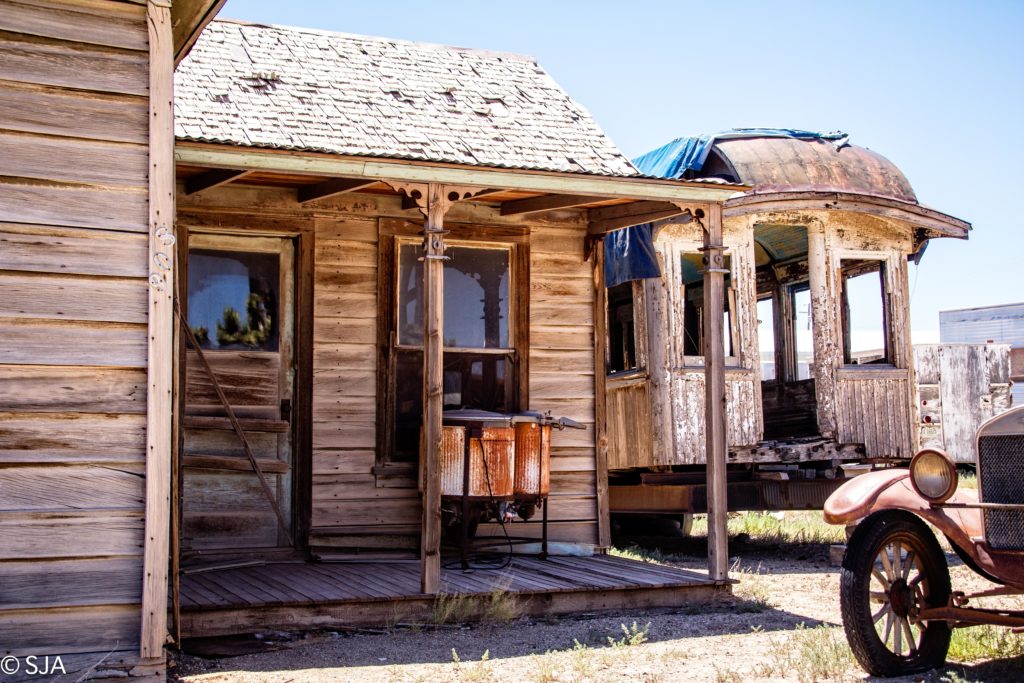
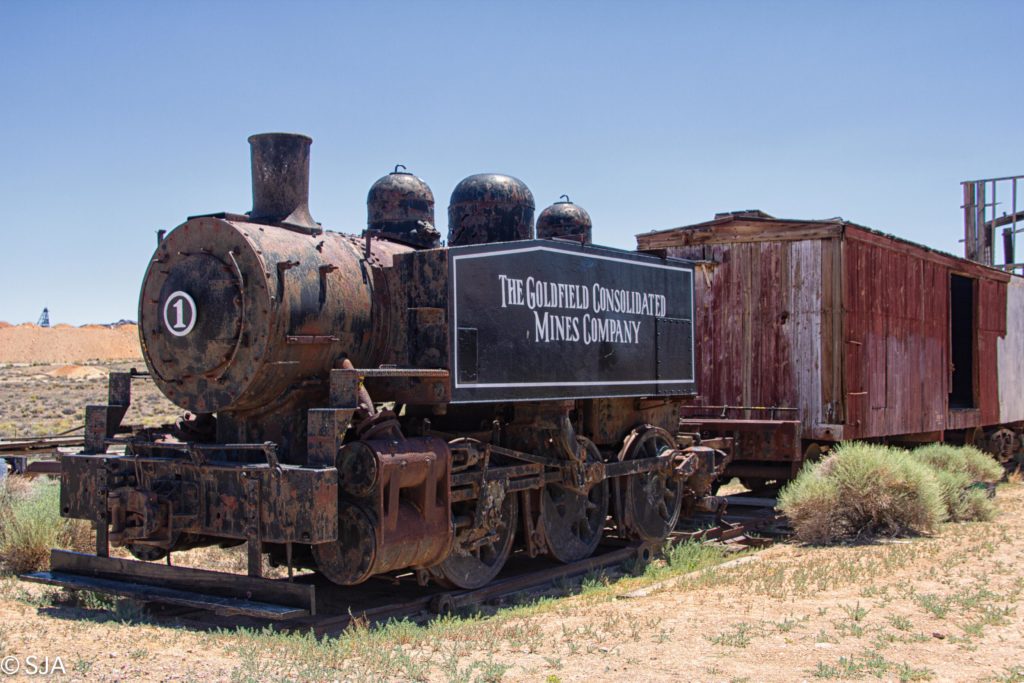
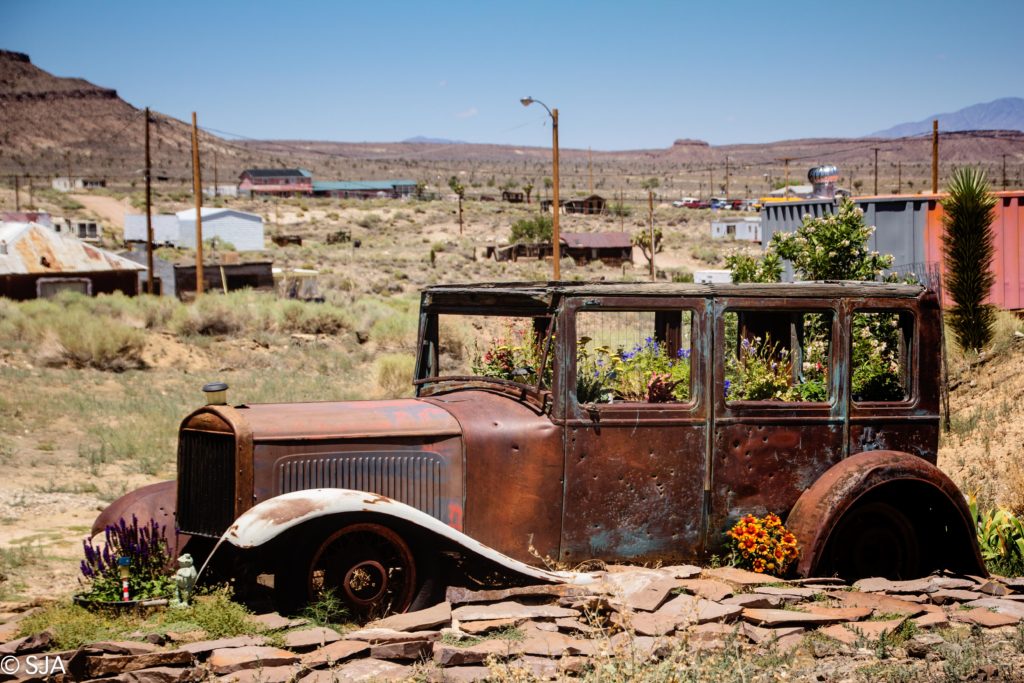
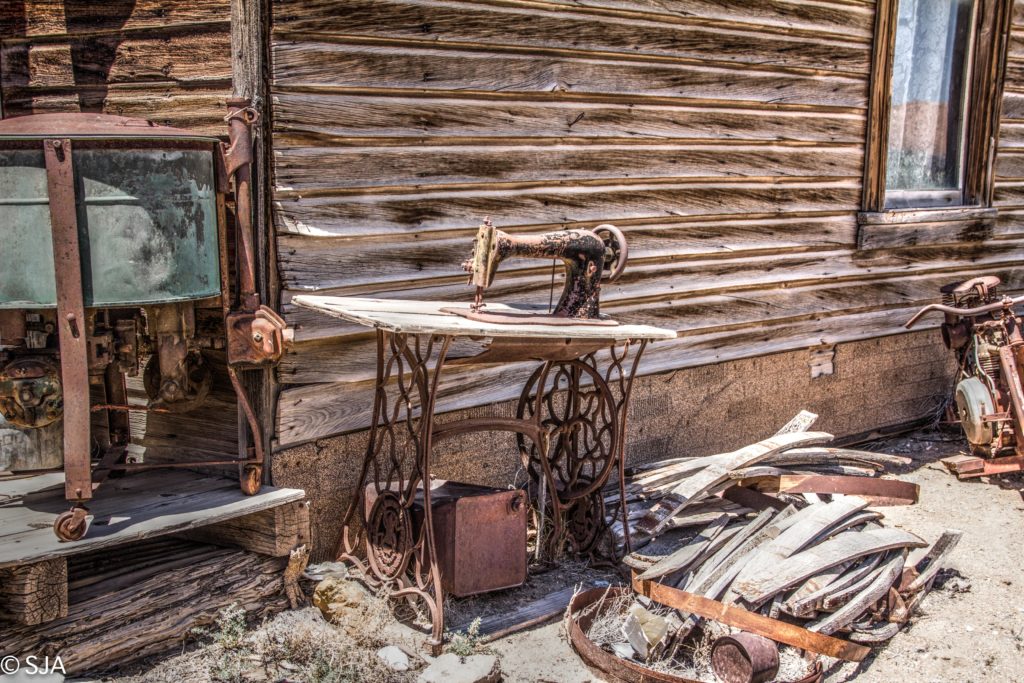
Ghost Town Tour

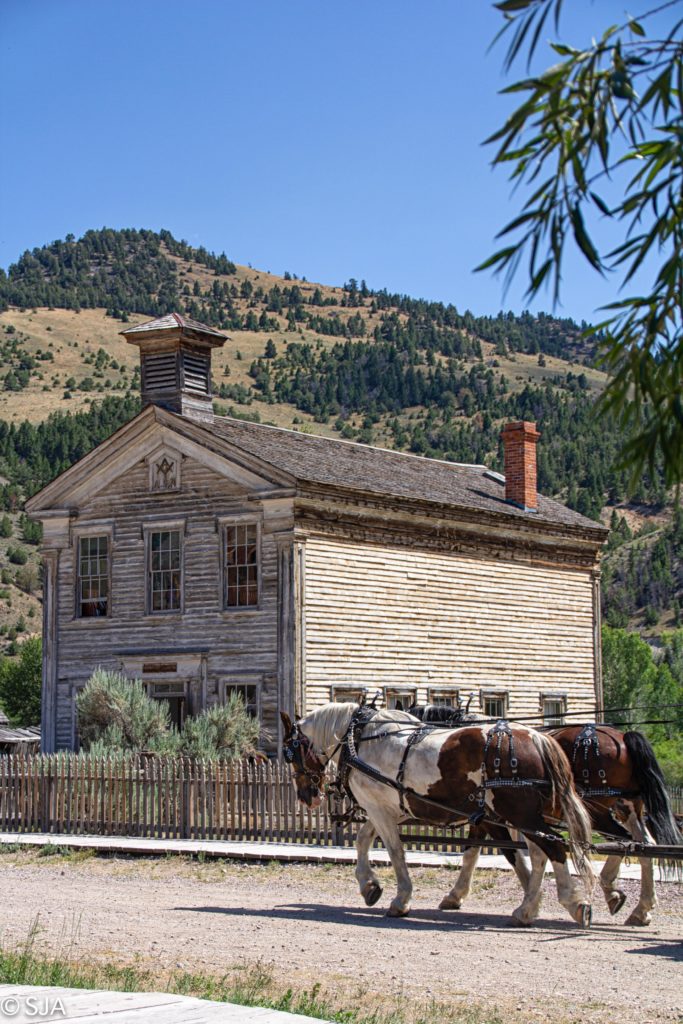
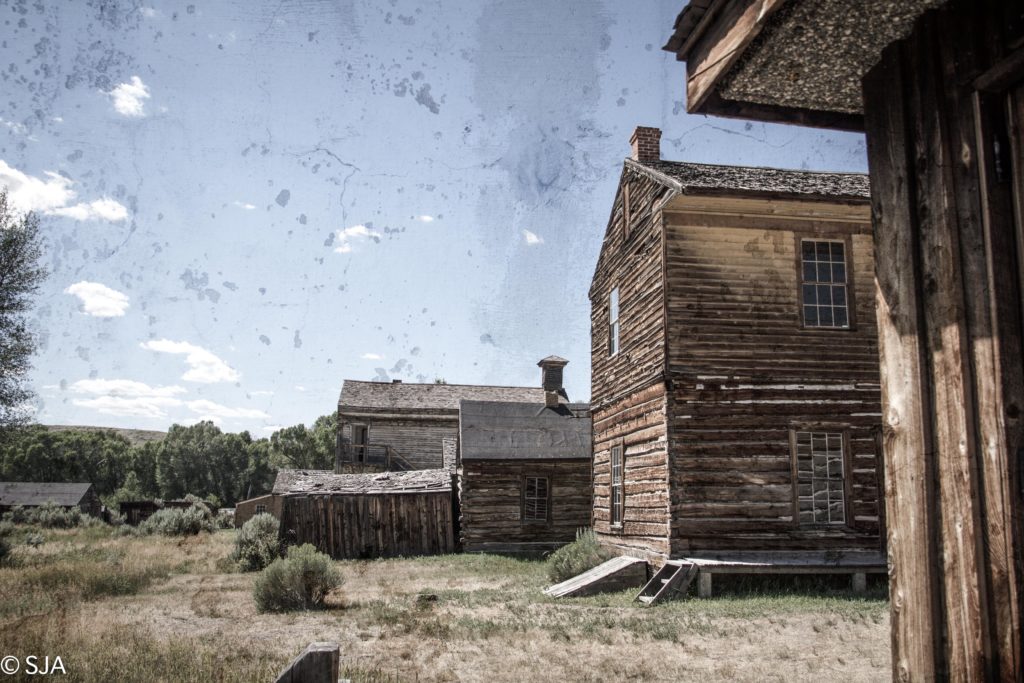
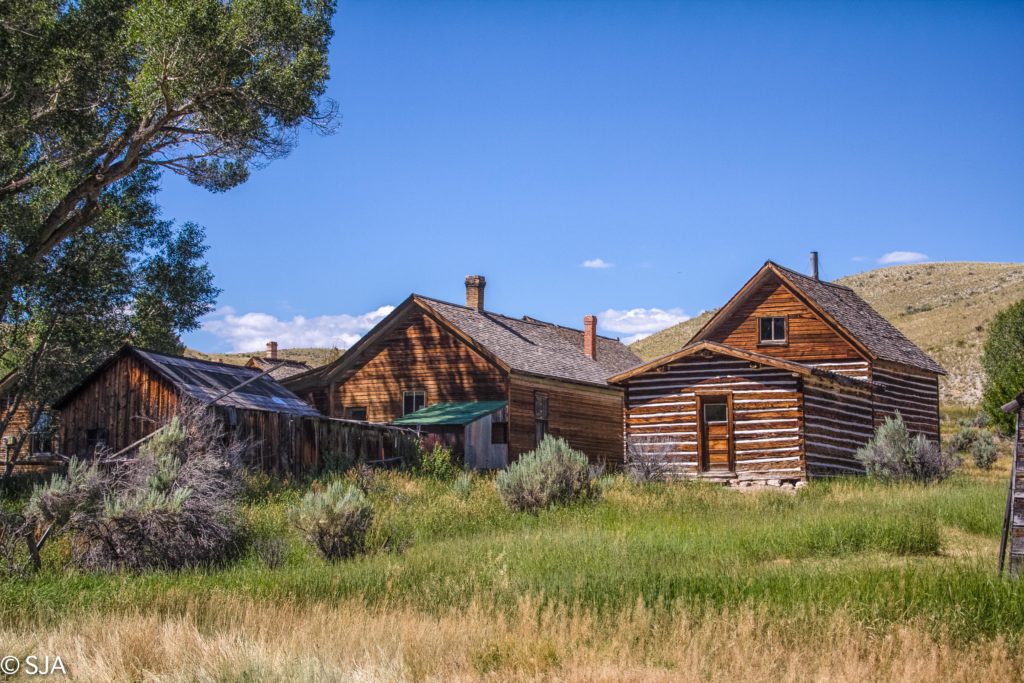
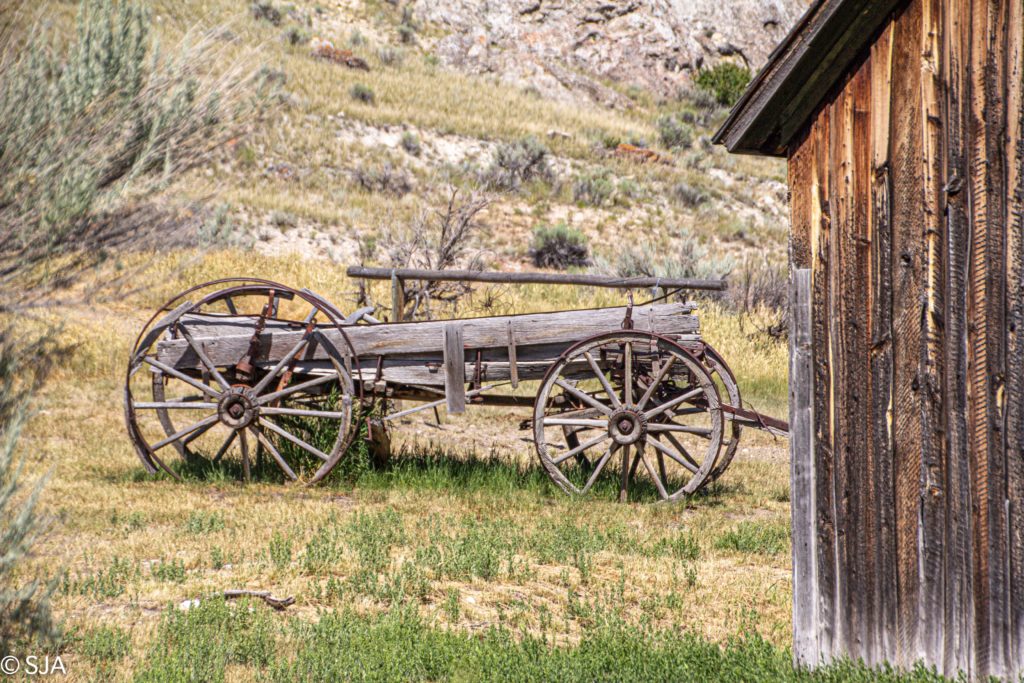
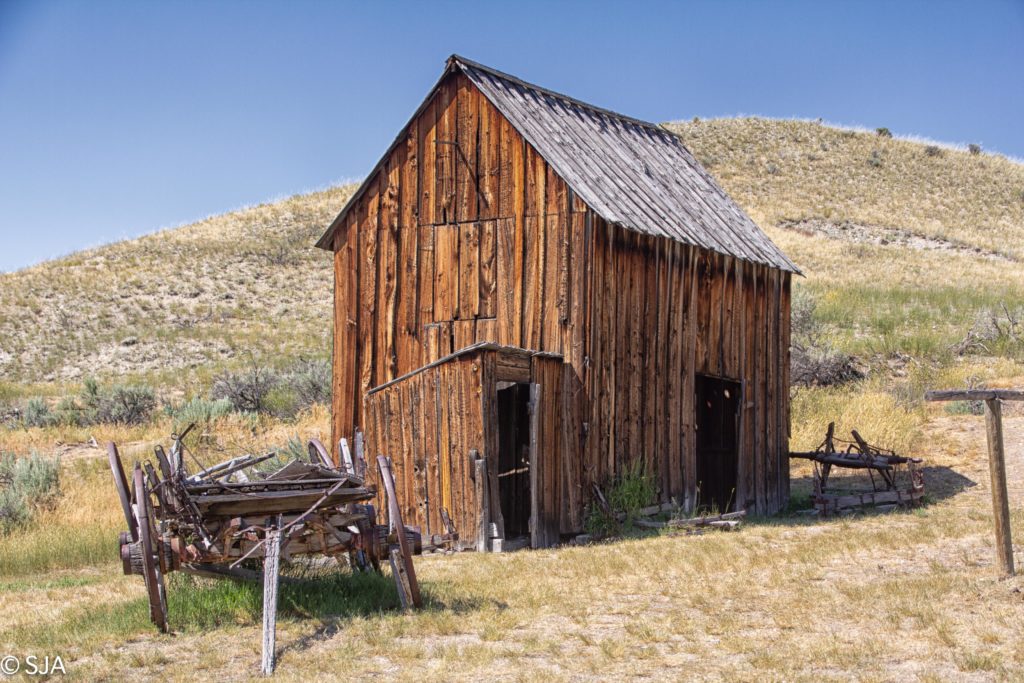
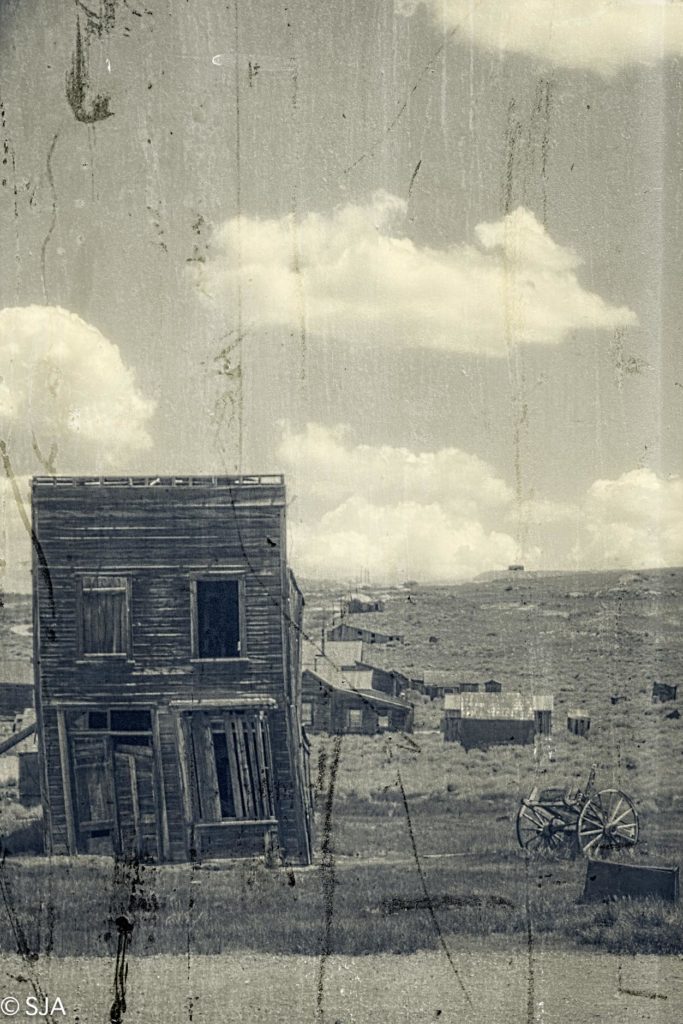
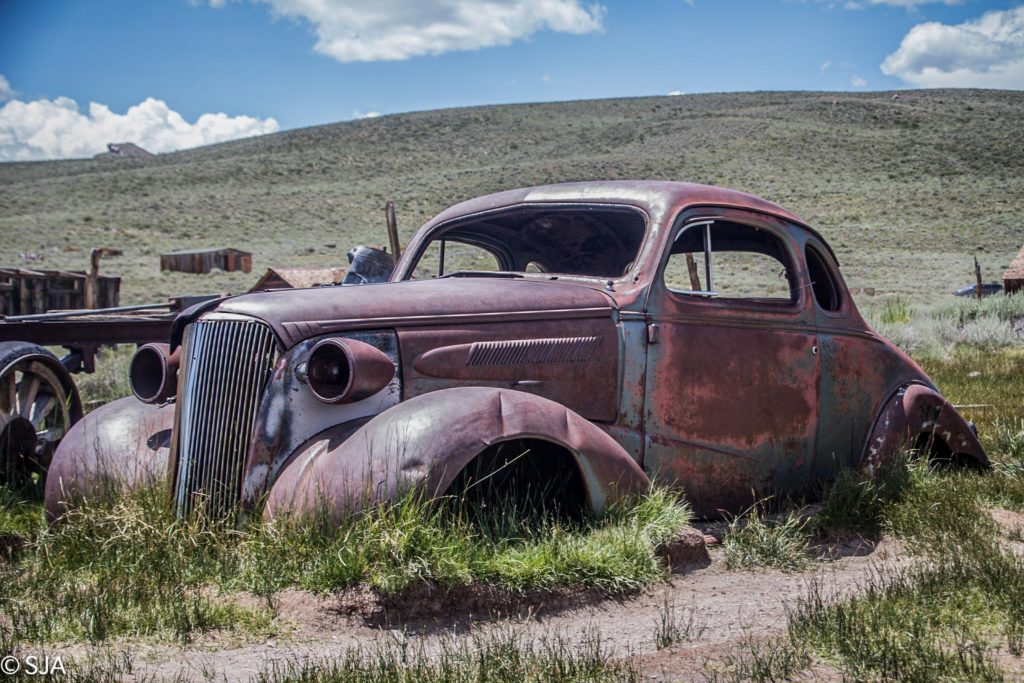
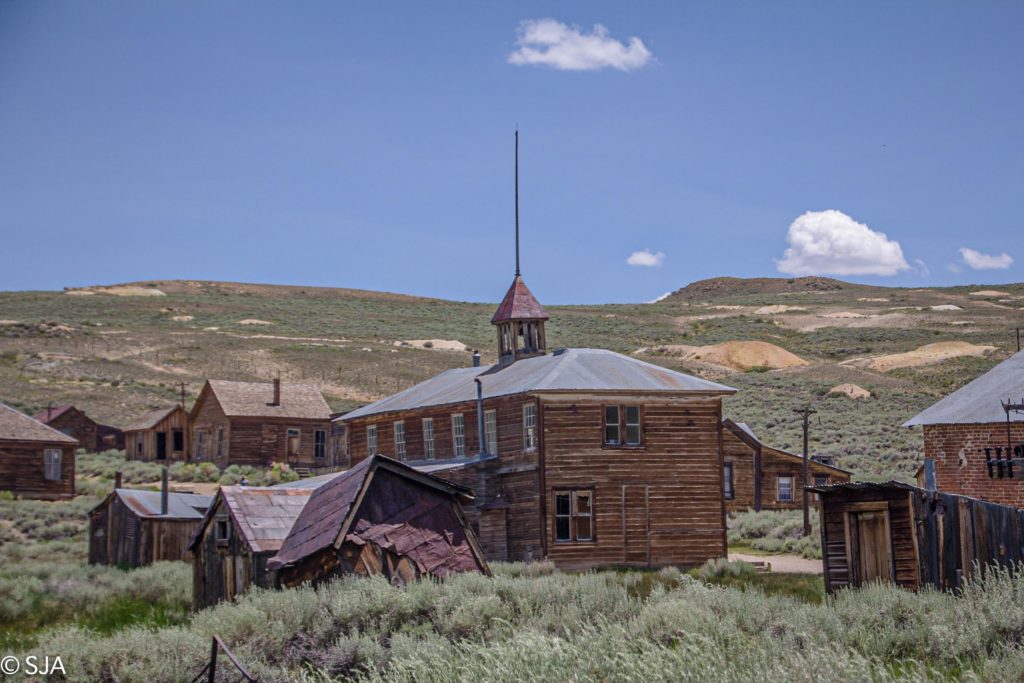
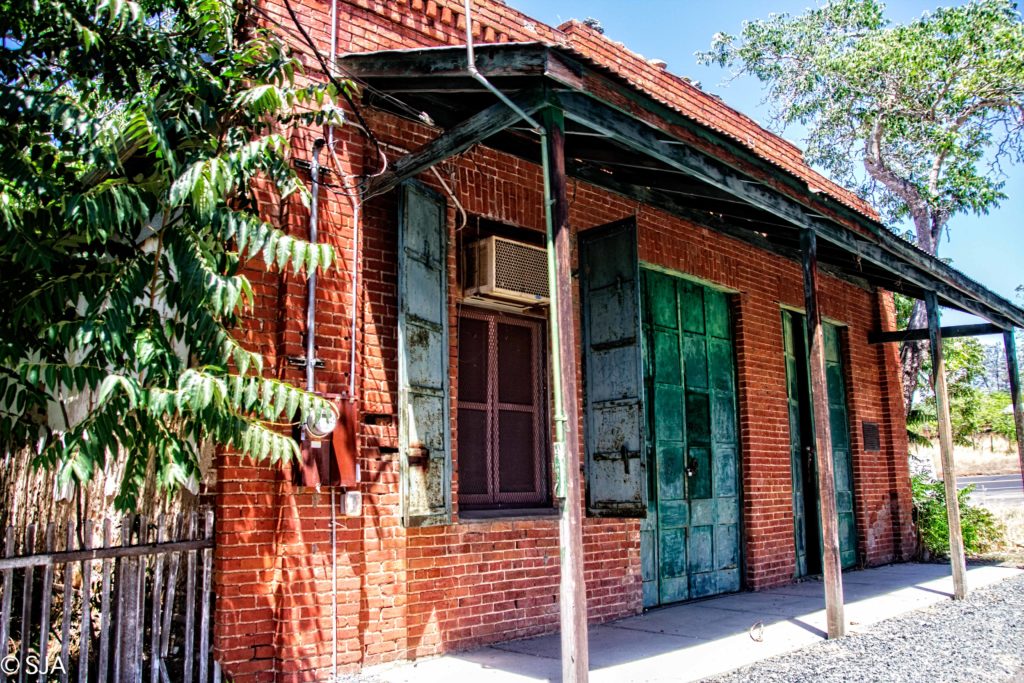
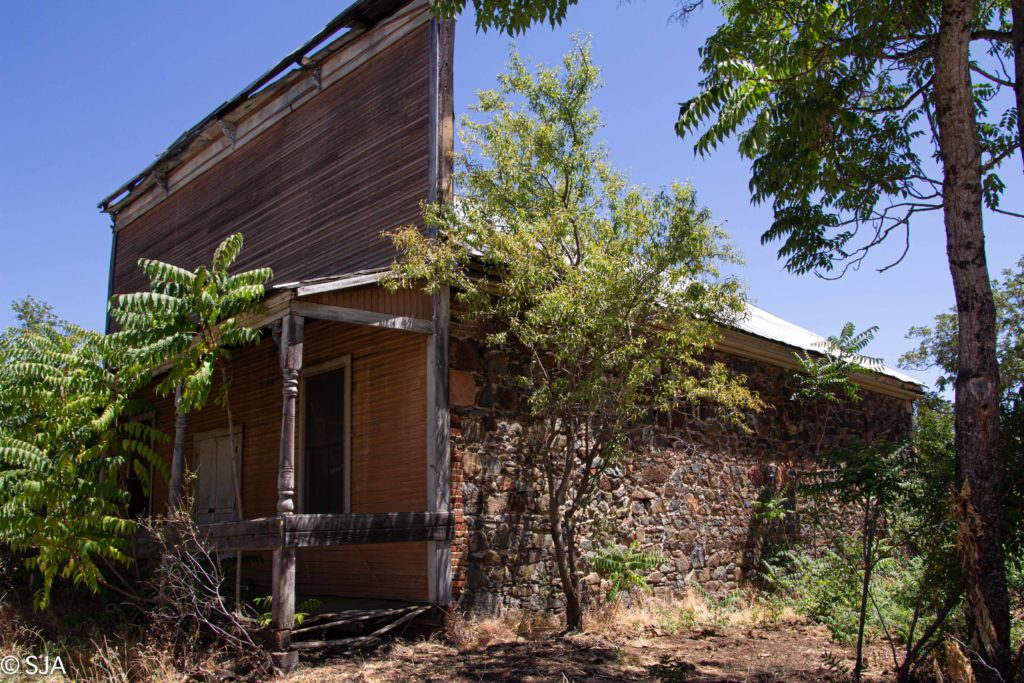
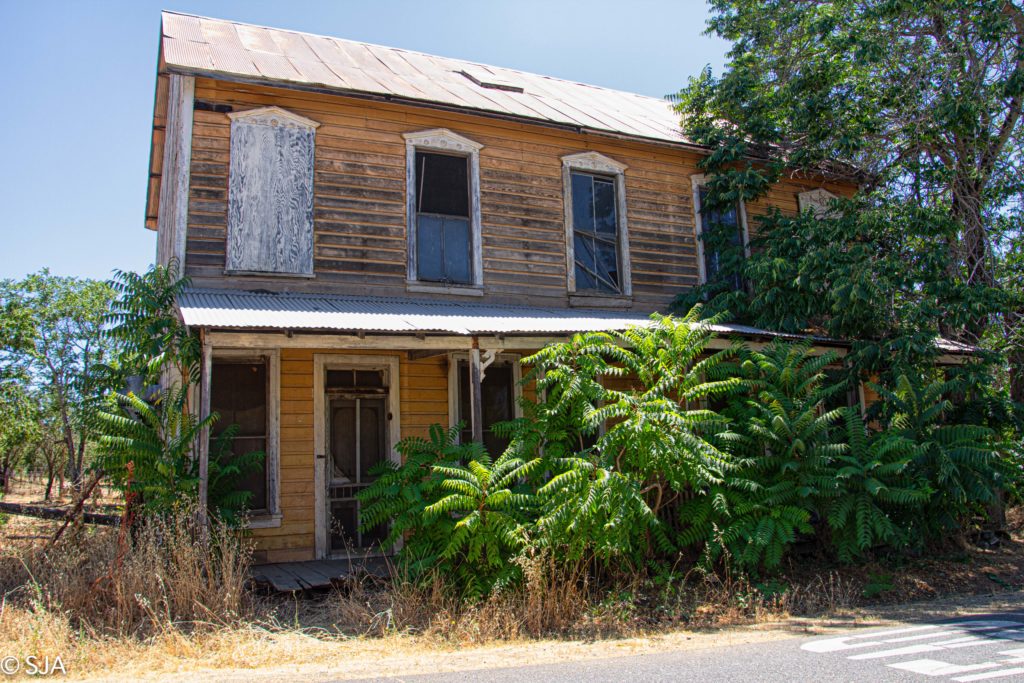
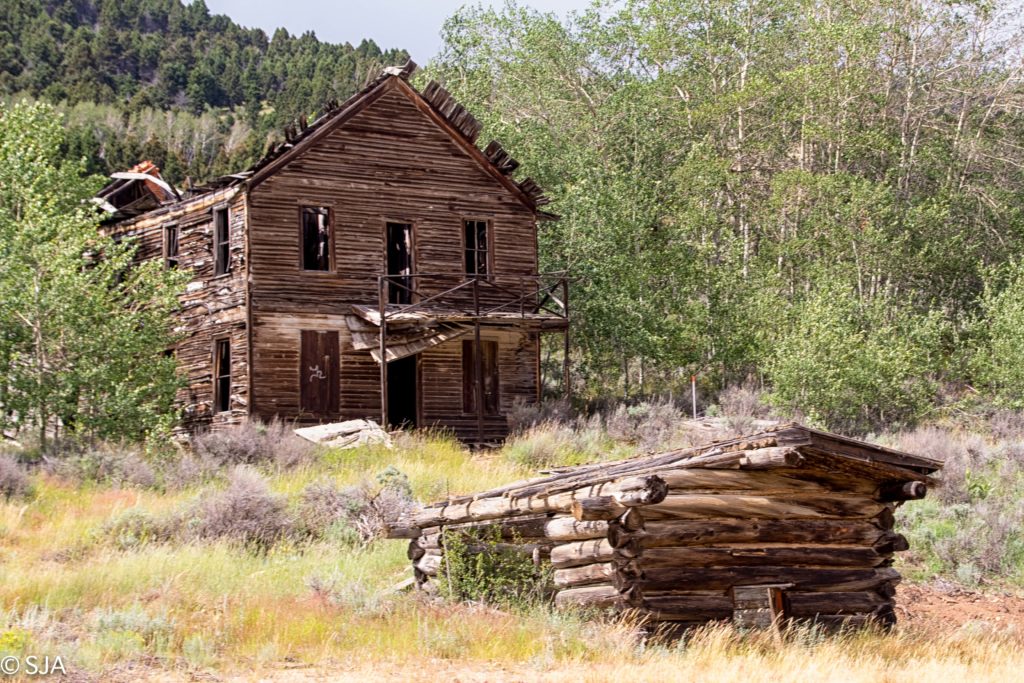
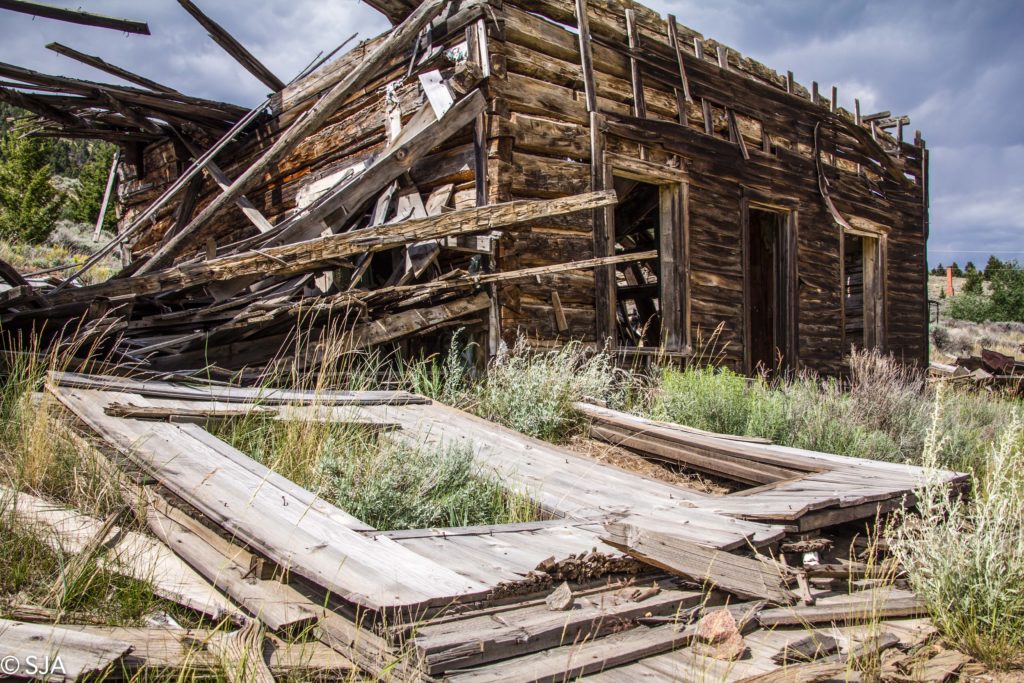
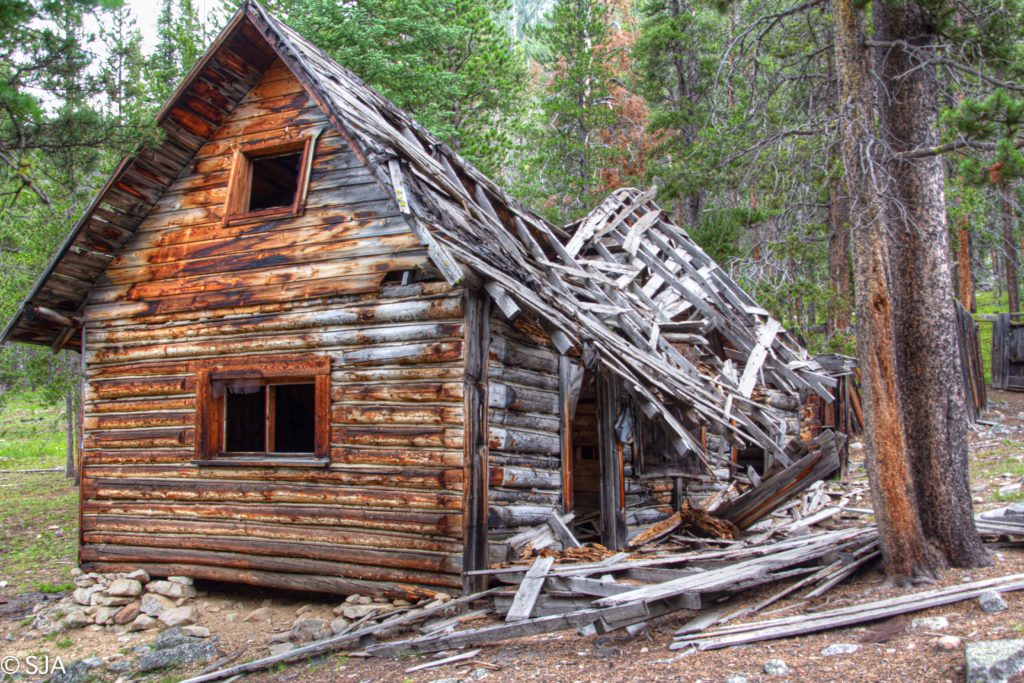
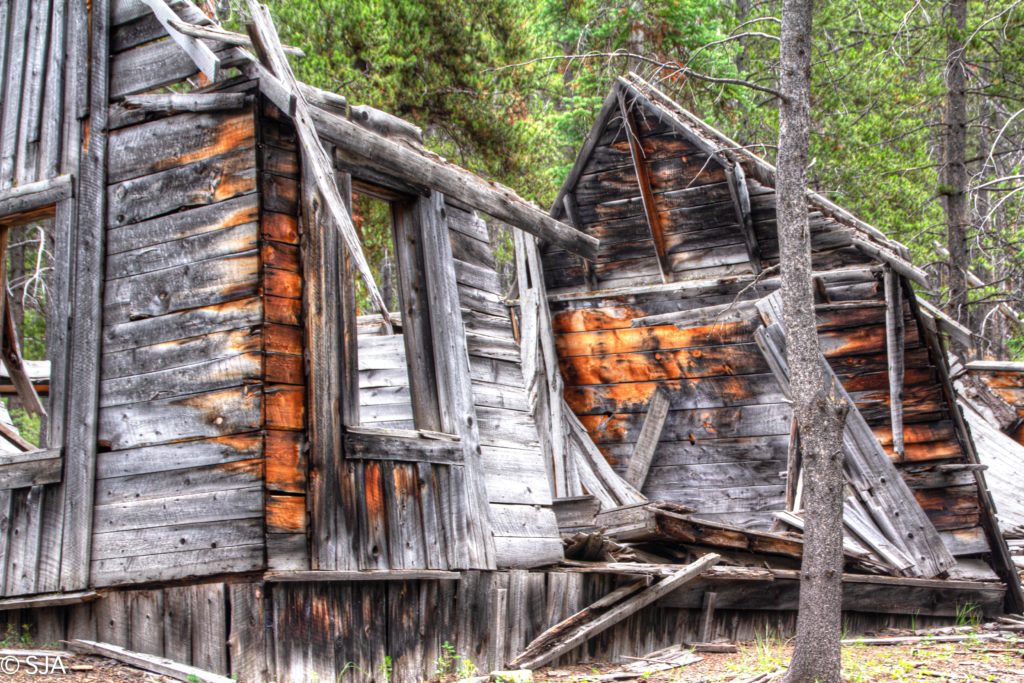
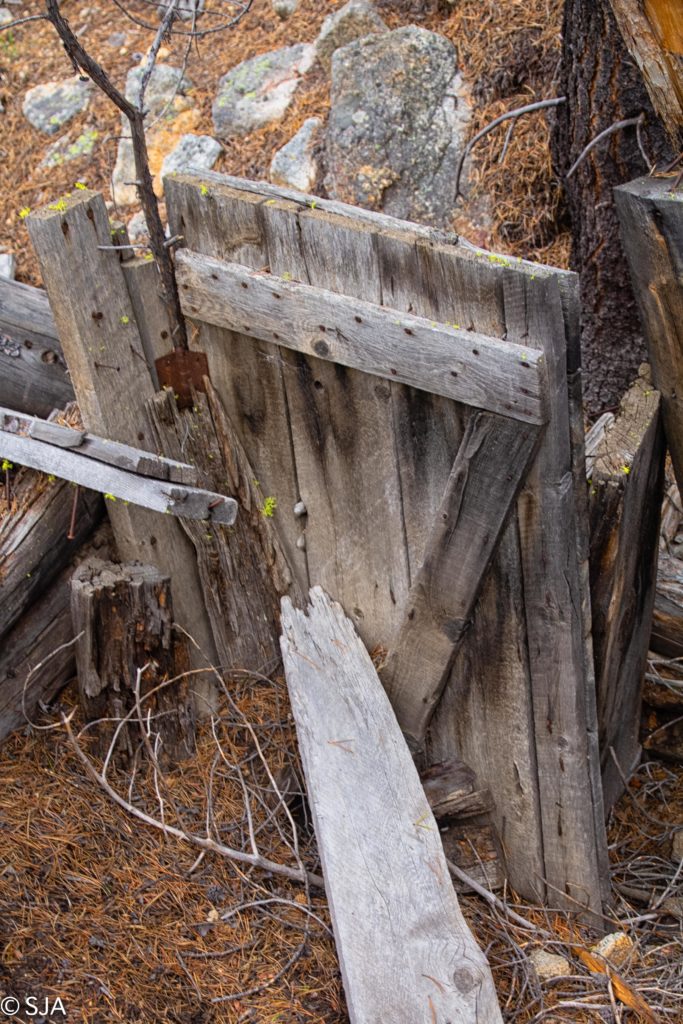
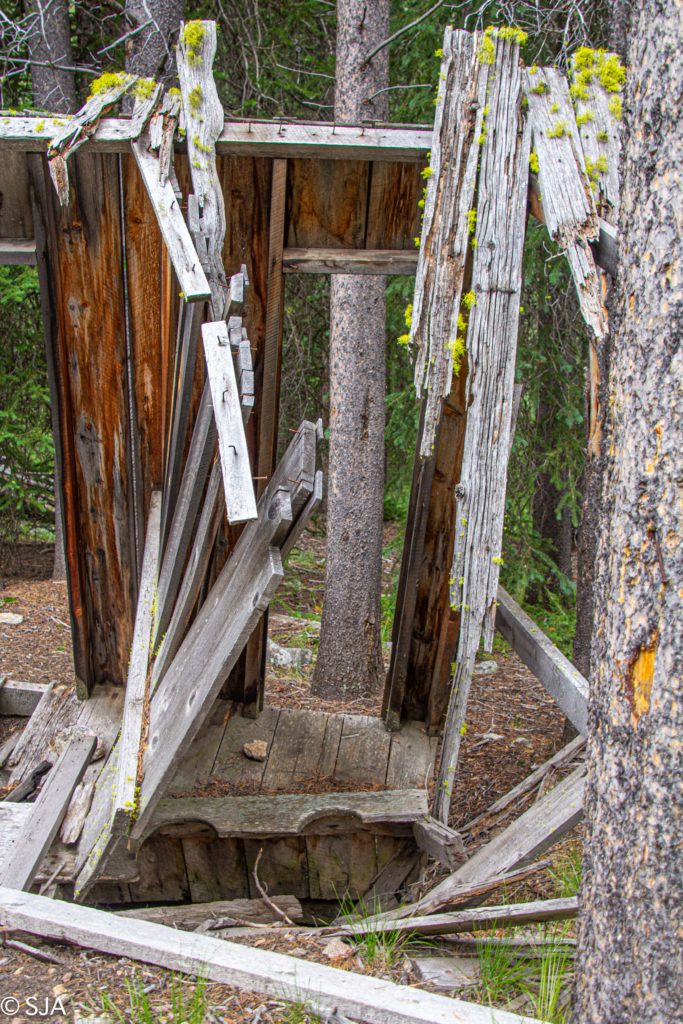
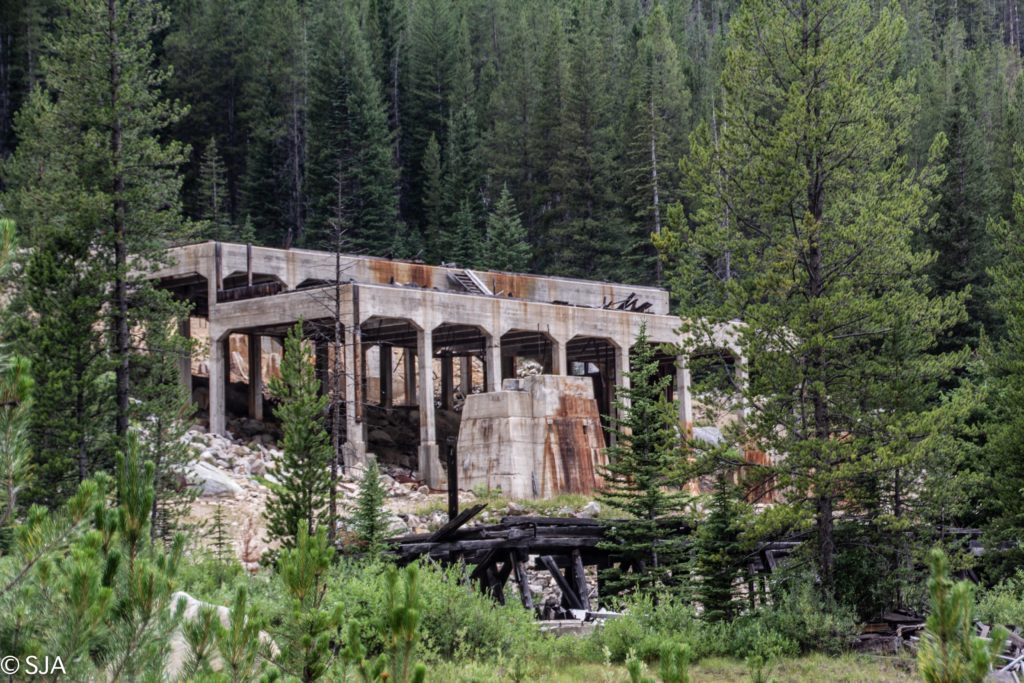
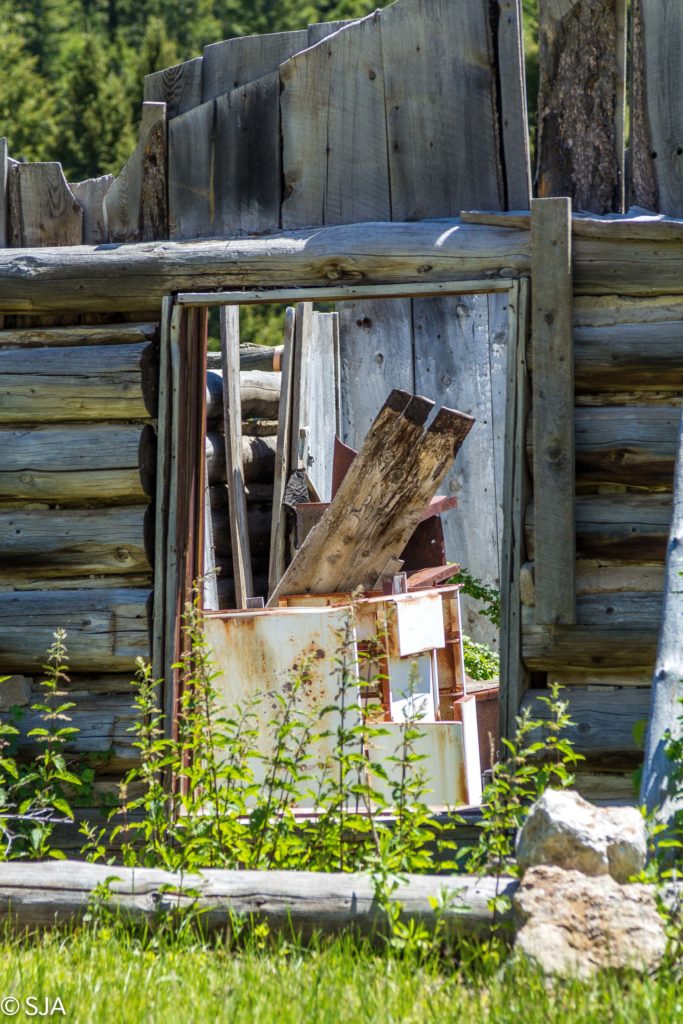
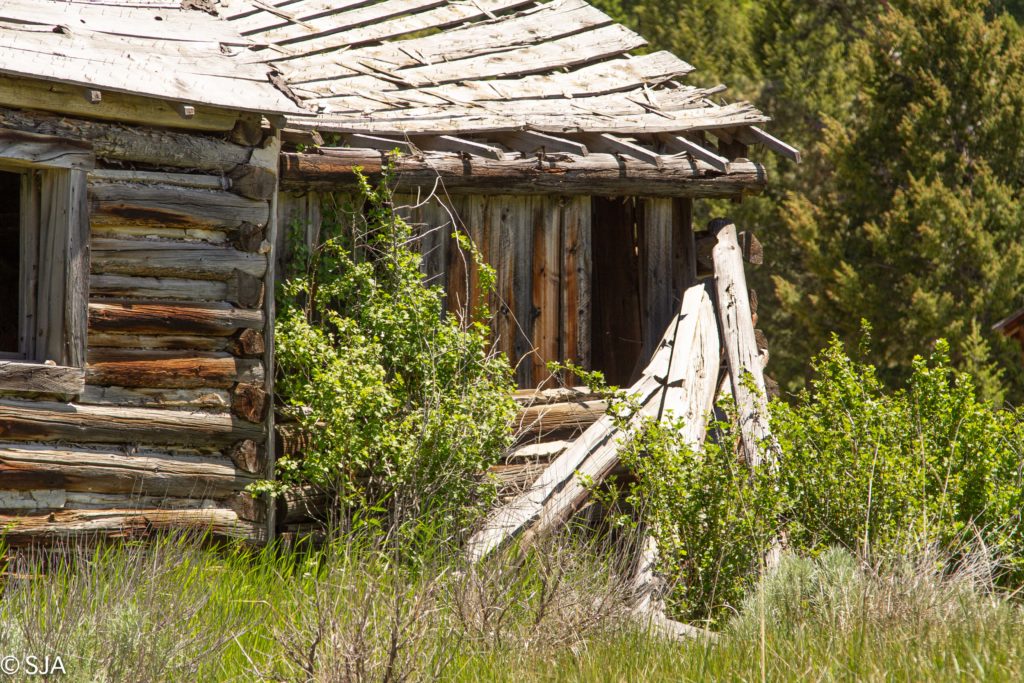
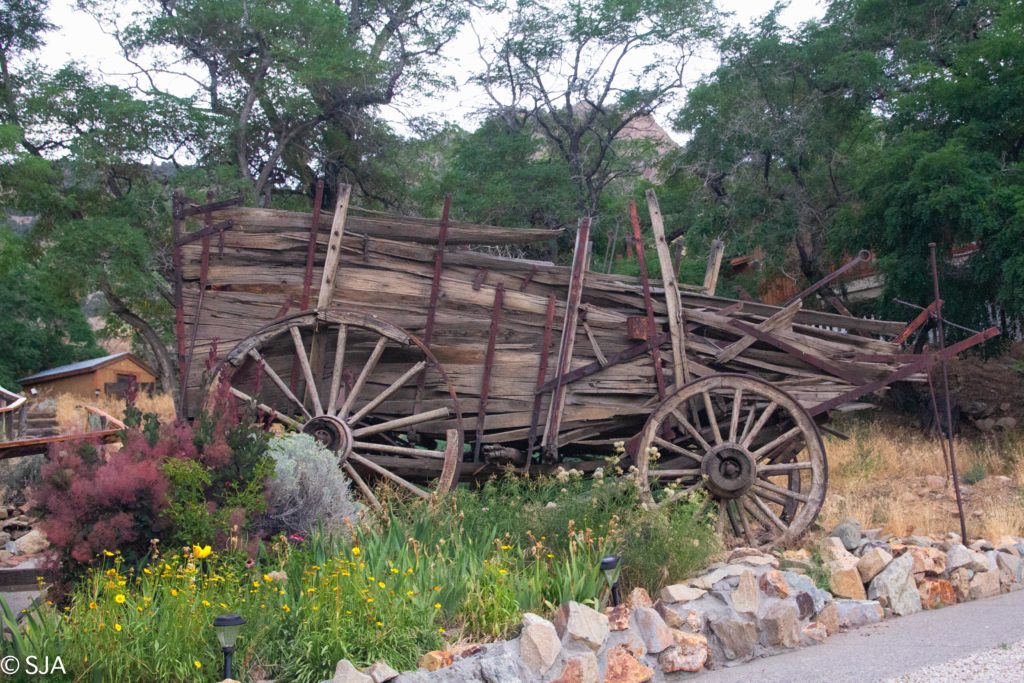
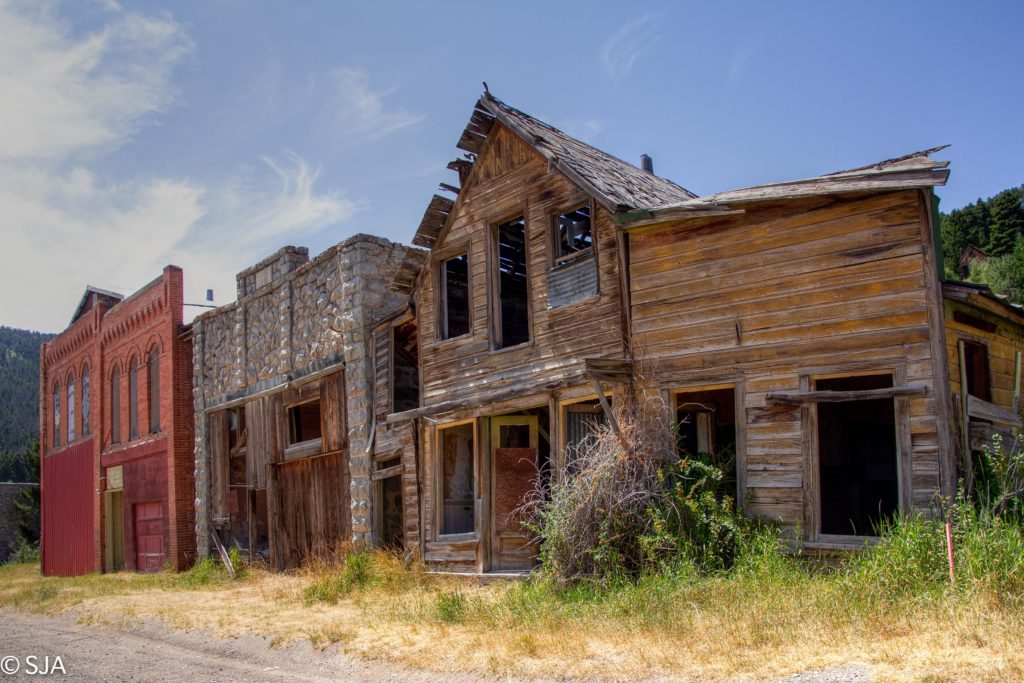
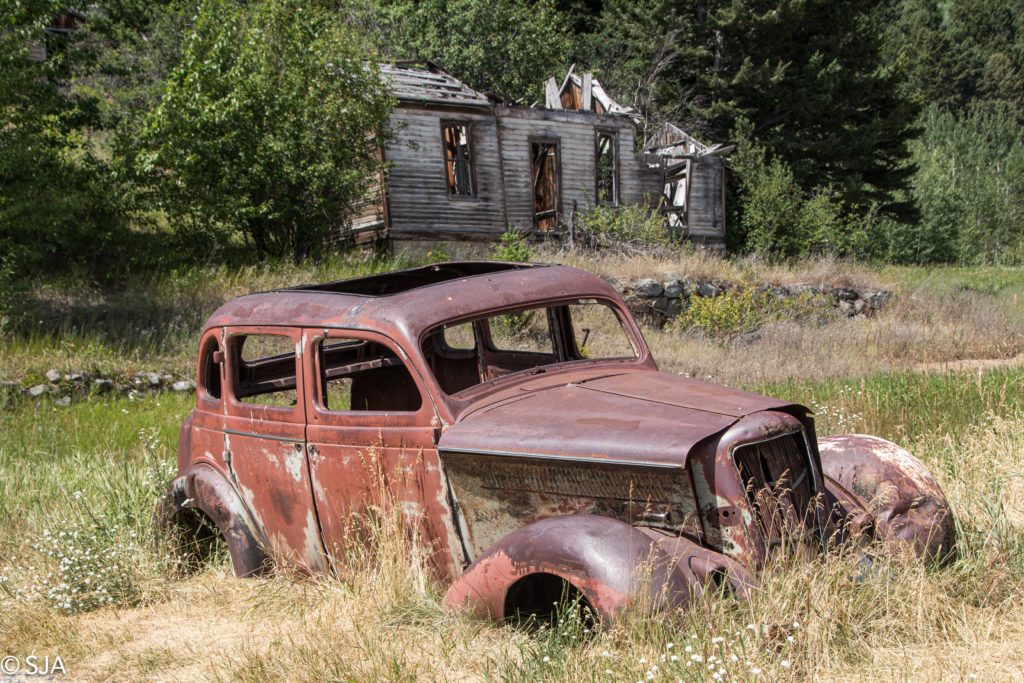
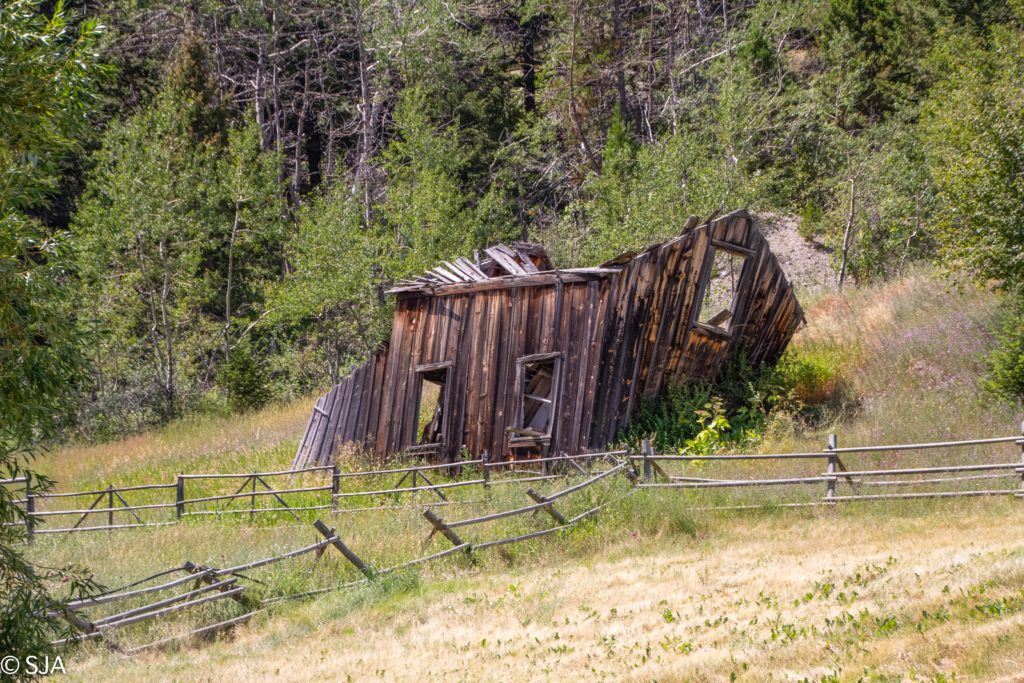
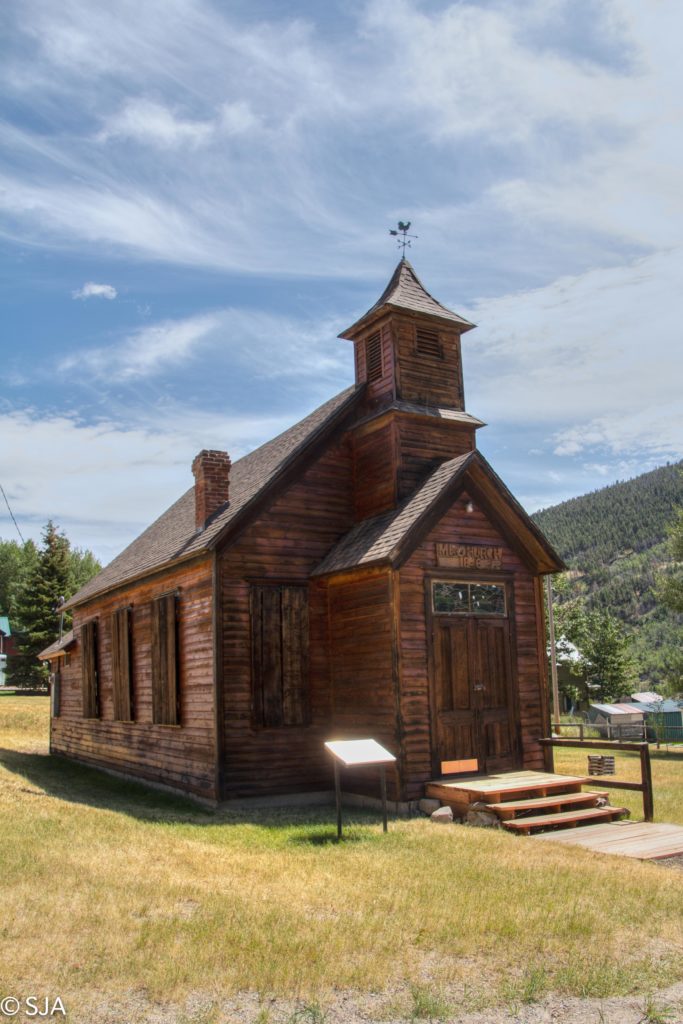
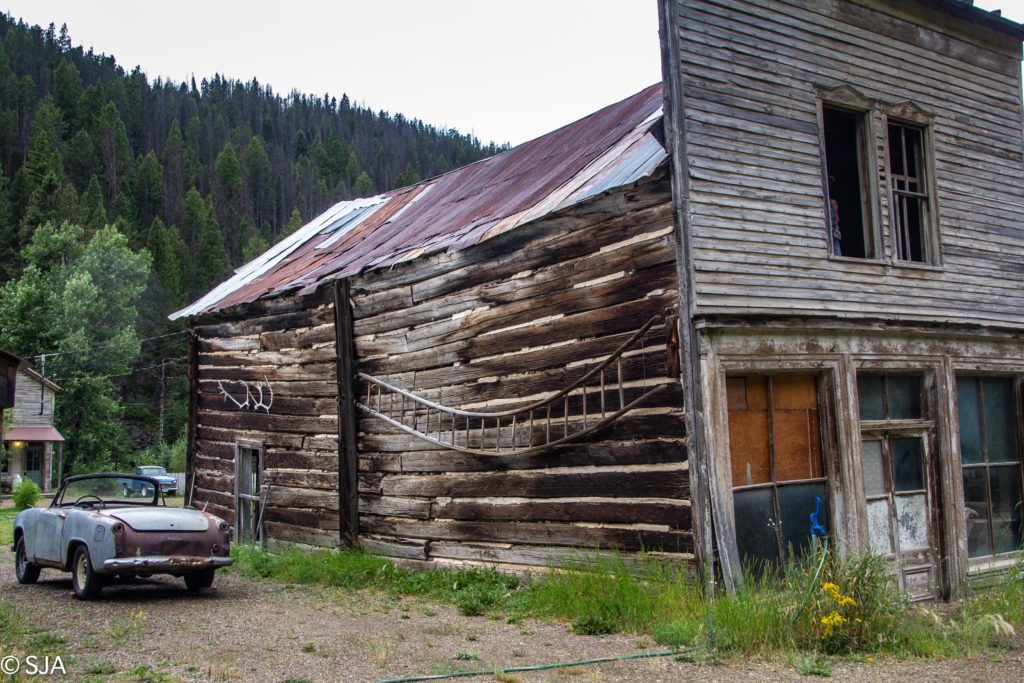
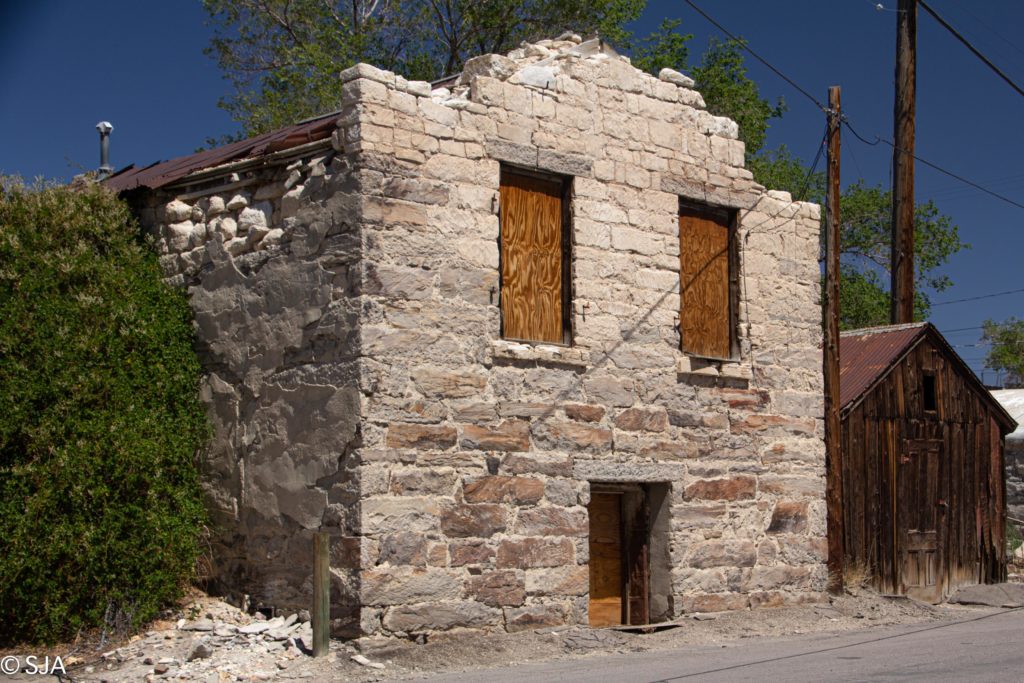
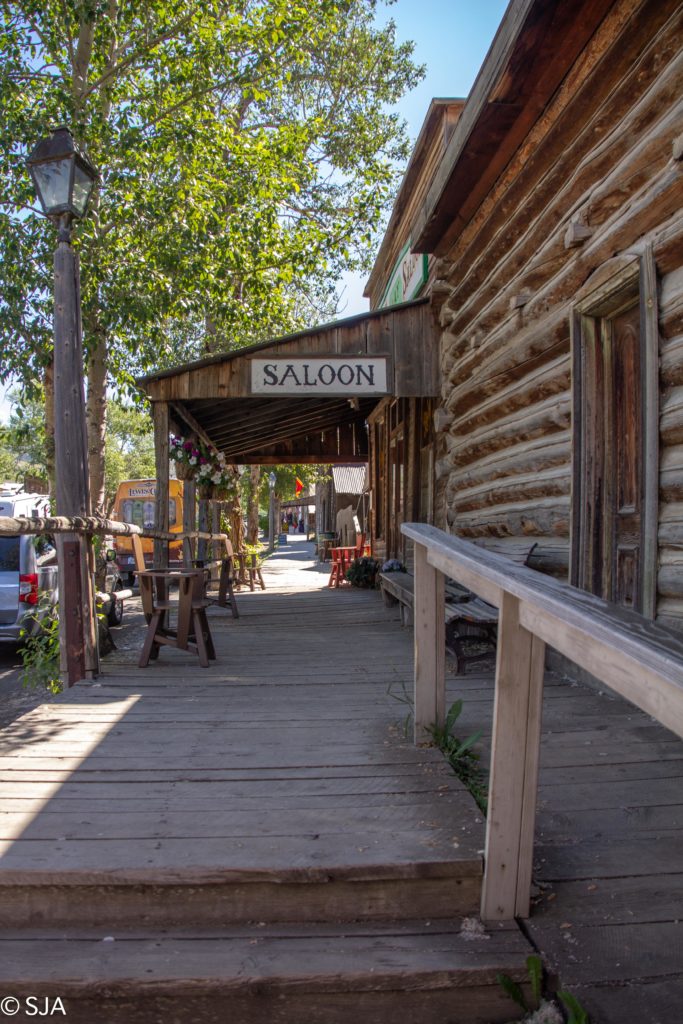
Ghost Towns and other abandoned places are fascinating pieces of our history. Little towns that sprang up overnight were often short lived due to economic pressures, disasters, mine closures, disuse of railroads or lawlessness. Towns were deserted as many inhabitants left with only what would fit in their wagons. The remains left behind have tales of their own.   

Bannack, Montana was donated to the state in 1954 with the stipulation that it remain a ghost town. Bannack was founded in 1862. The early town gained a reputation for lawlessness. In 1864, it was named the first Territorial Capital of Montana. Sixty historic structures remain standing in Bannack State Park.

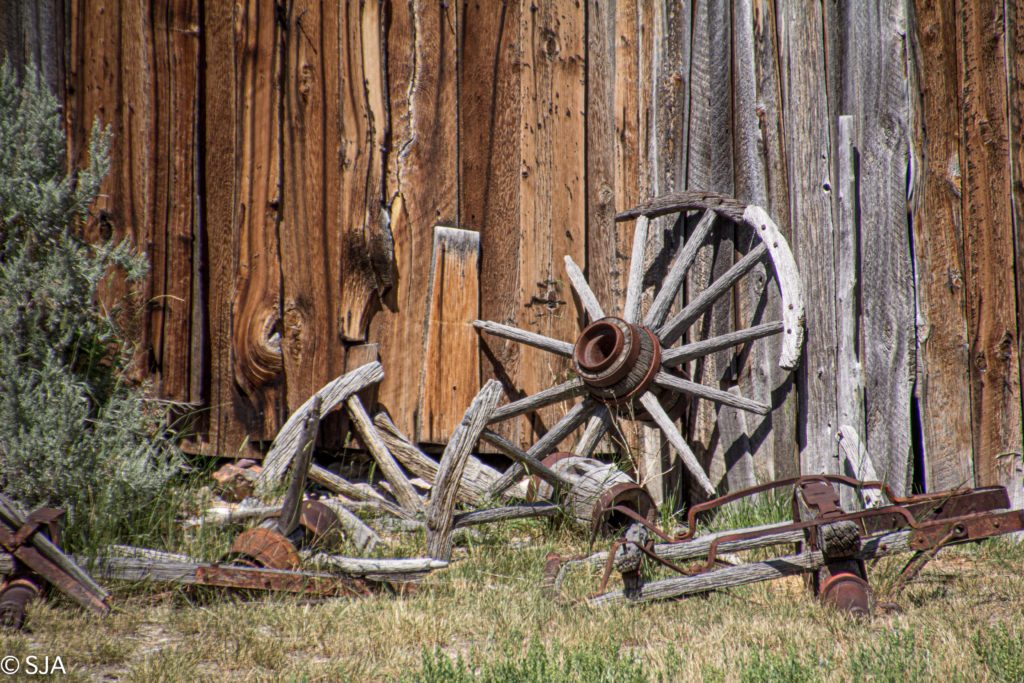
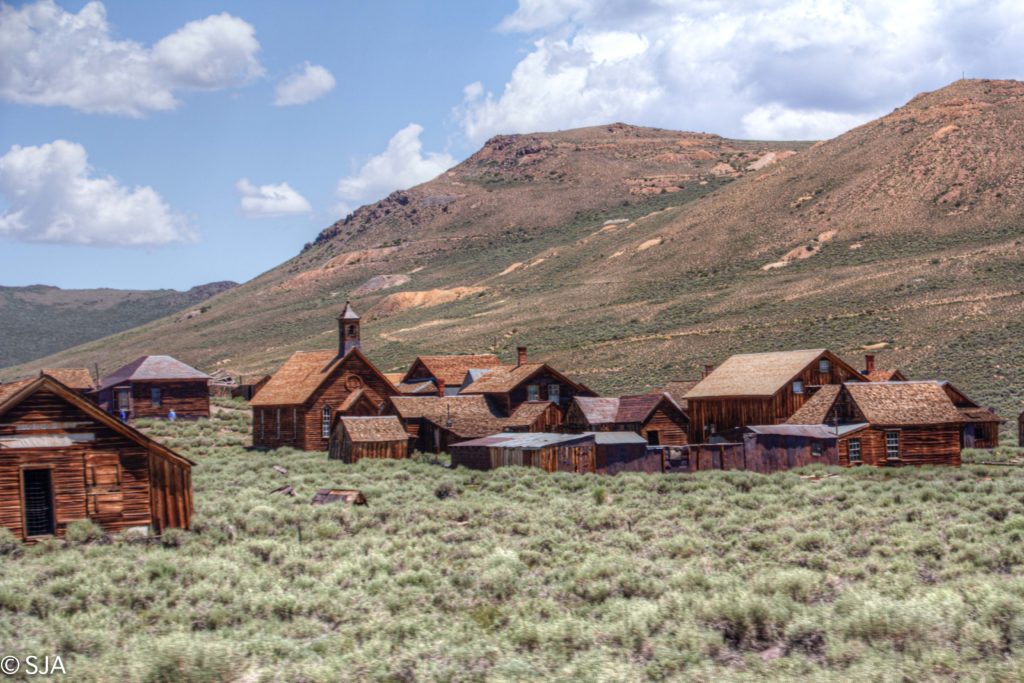
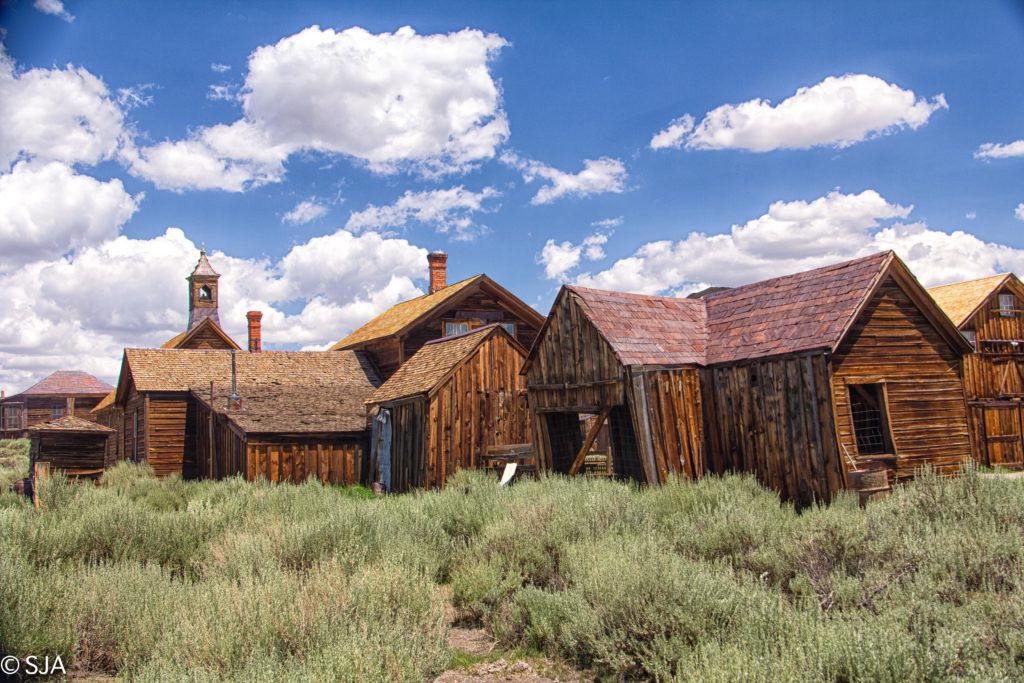
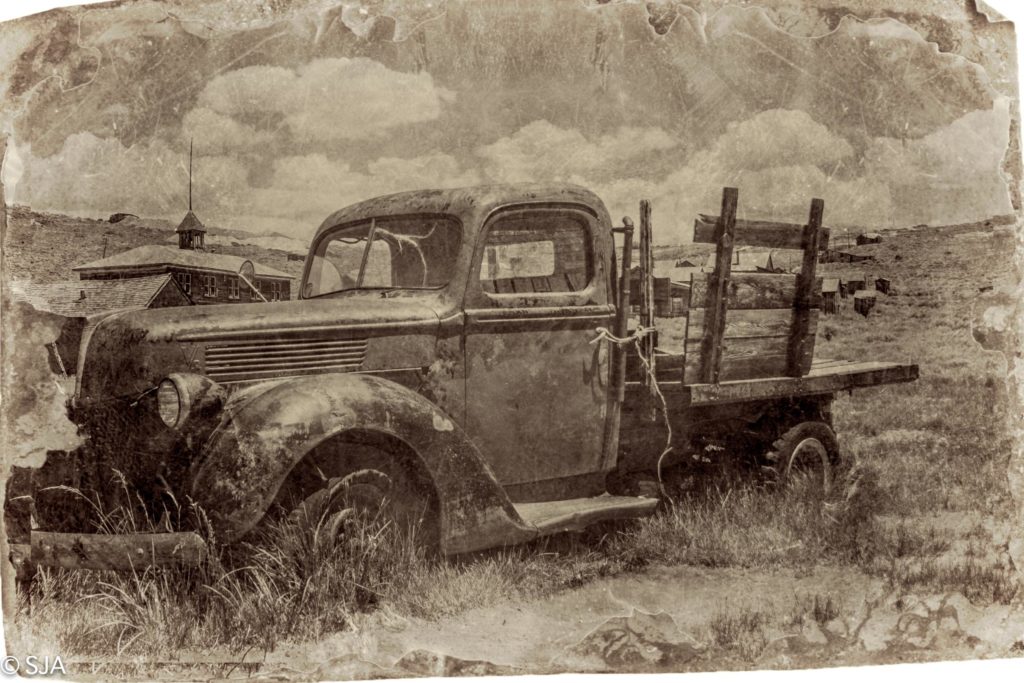
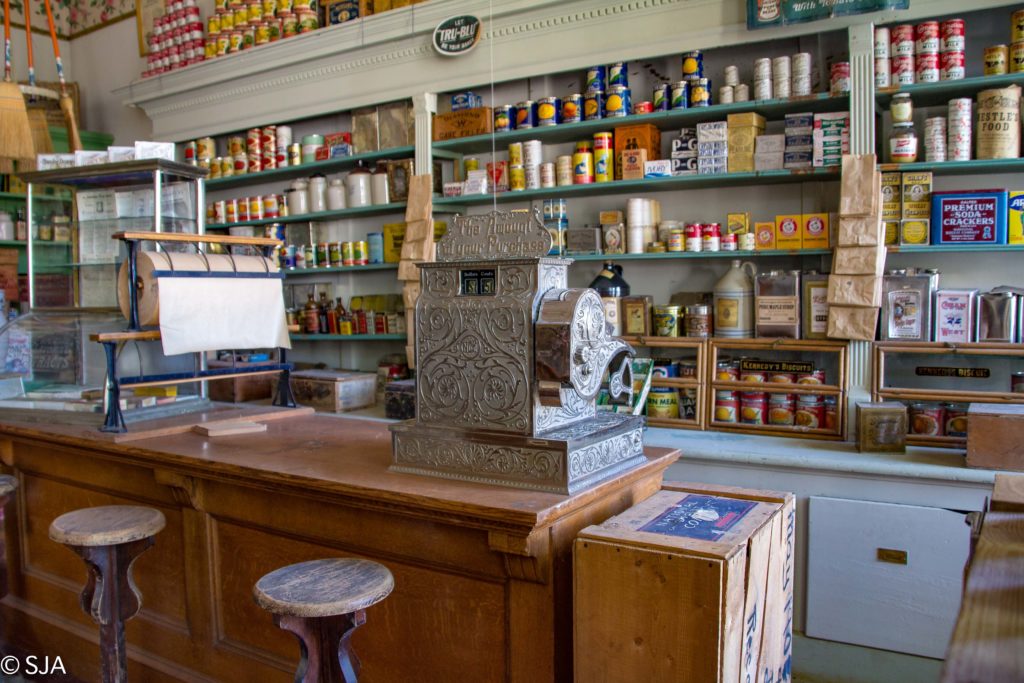
Bodie, California became a State Historic Park in 1962. The town is maintained just as it was found when the State took over the town. Gold was discovered in 1859 by William Bodey. After a mill was established in 1861, the town began to grow. At one time there were 65 saloons in town. Bodie was first on my list of ghost towns to visit.

Chinese Camp, California is mostly a ghost town. It is known for the Tong wars that pitted members of rival clans in 1856. The battles were fought with pitchforks, rakes and other mining and farming tools. Americans and Europeans also populated the area. This town is on the Mark Twain Bret Harte Trail.

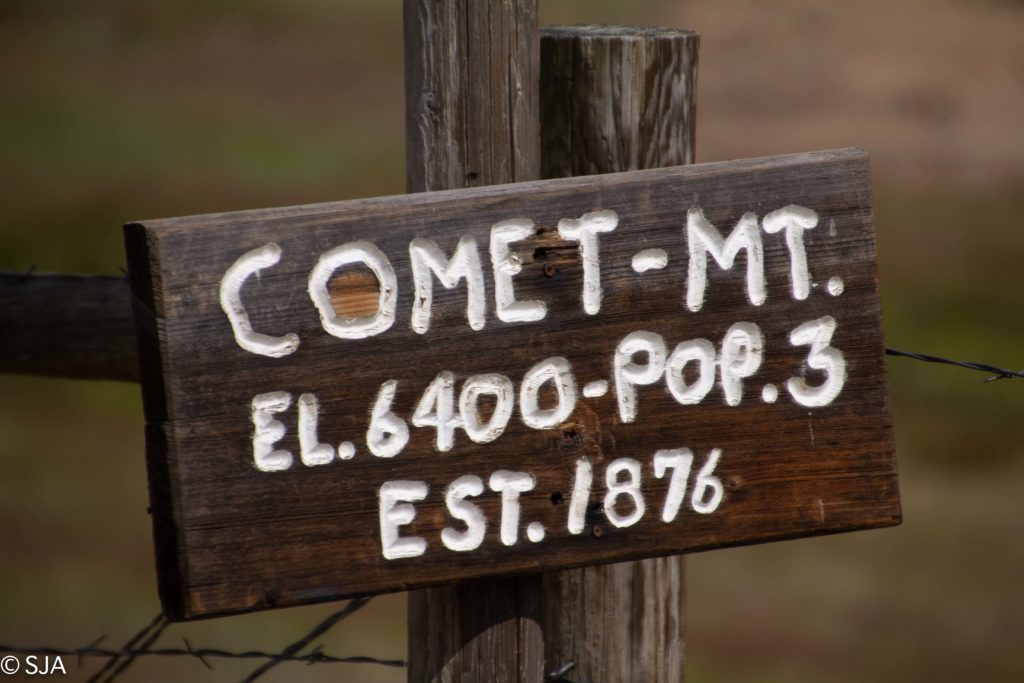
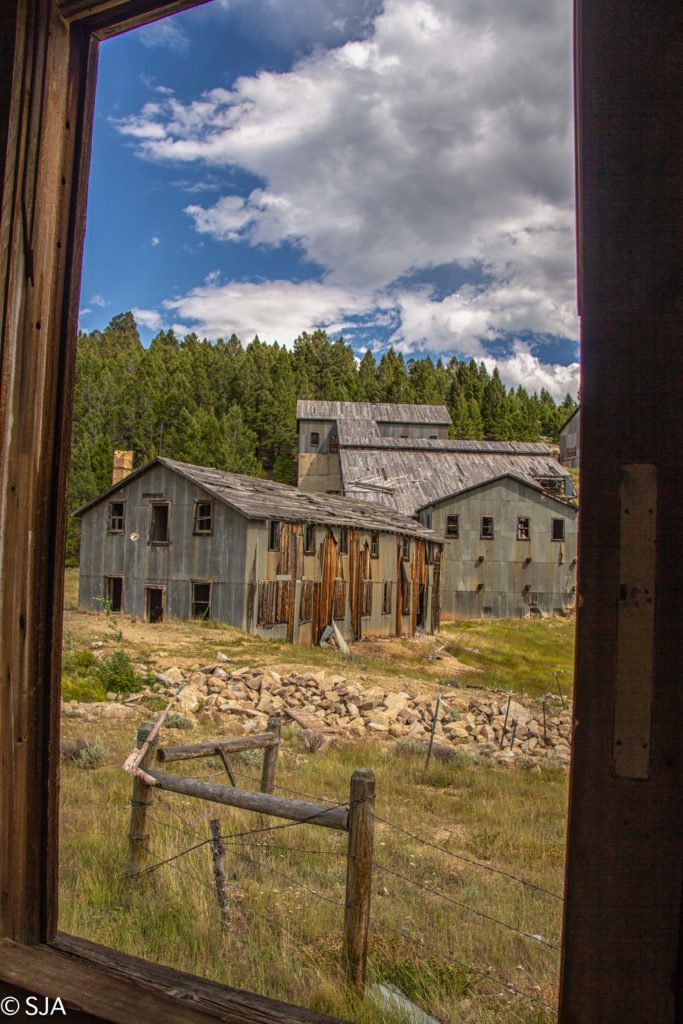
Comet, Montana is located about 20 miles southwest of Helena. The remains of the town cover about 35 acres.  It is private property but is open to public access. The town is named for Comet Mine which was developed in 1883.

Coolidge, Montana is said to have been named after Calvin Coolidge. By 1919, the community was thriving. By 1922 the town had telephone service and electricity. Work was done on a mining tunnel, but by the time it was ready for operation, the economy had taken a downturn and silver prices plummeted.

Elkhorn Mining District had rich veins of silver high in the Pioneer Mountains. It was called “Old Elkhorn” because a pair of elk horns were found near the discovery of the site. It was just a short distance from Coolidge. At one time this was the largest mill in Montana.

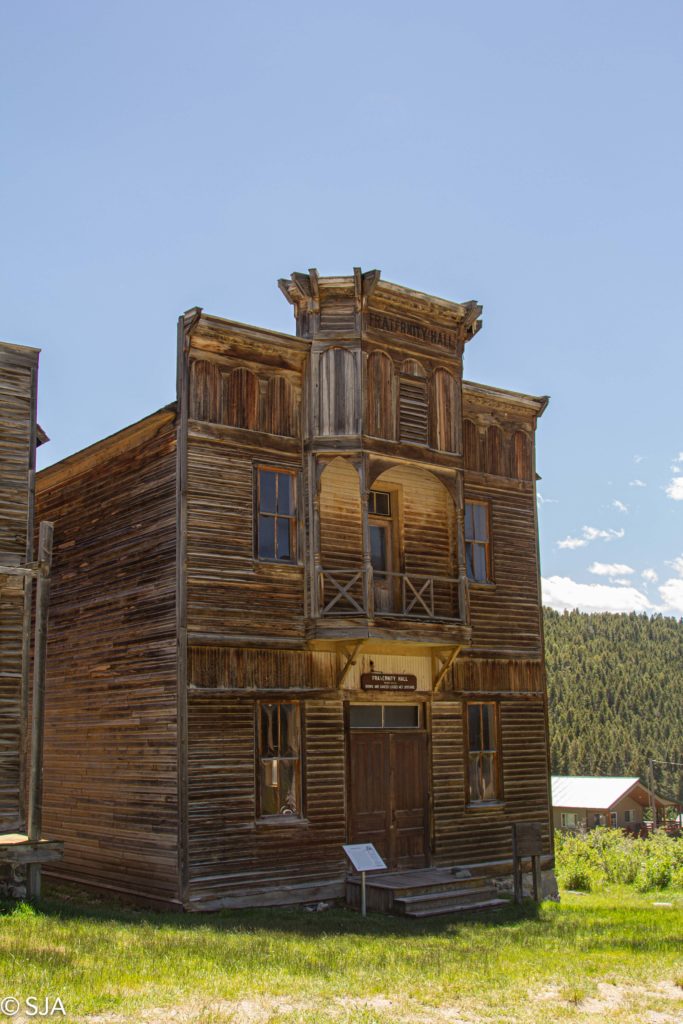
Elkhorn, Montana located in the Elkhorn Mountains, was founded in 1872. It was abandoned in the 1970’s. Two of its buildings, Fraternity Hall and Gillian Hall, are preserved as Elkhorn State Park within this historic silver mining ghost town. It is a gorgeous drive to Elkhorn.

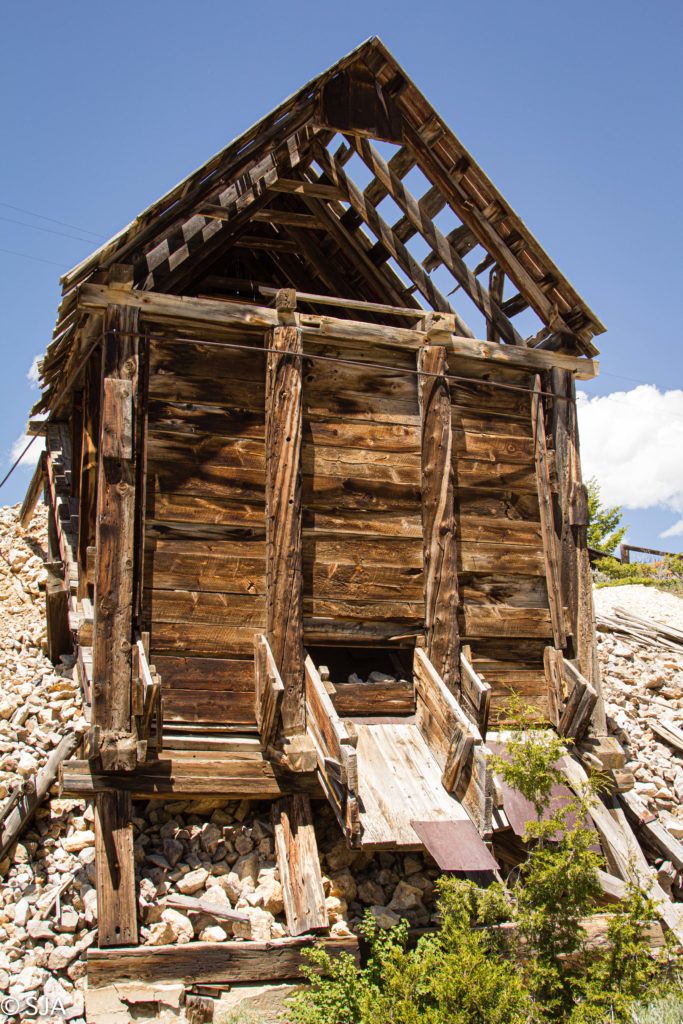
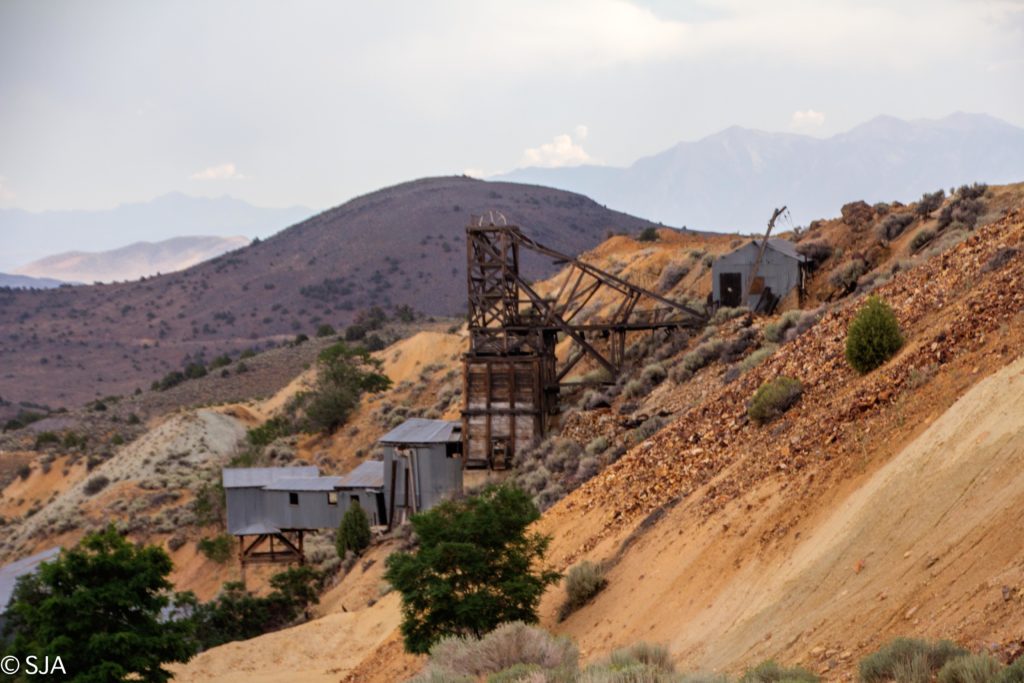
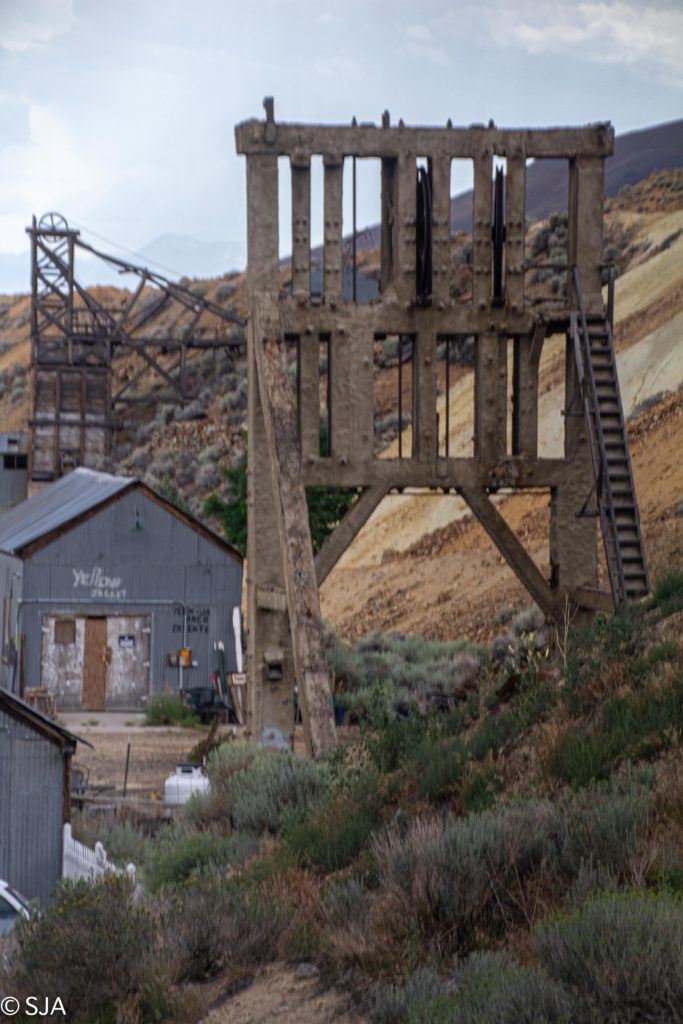
Gold Hill, Nevada was never a town or a settlement. It was a mining complex to process ore from several claims, including the Gold Hill mine. Only the mine hoist and foundations of the mill exist.

Goldfield, Nevada, so named because of the discovery of gold, was a booming mining town from 1905 through 1910. In fact, it was once the largest town in Nevada. Wyatt and Virgil Earp came to Goldfield in 1904. Virgil was hired as deputy sheriff in January 1905. Wyatt left shortly after. Much of the town was destroyed by fire in 1923. One of my great uncles mined here for a short time.

Marysville, Montana was once a thriving gold camp. Several of the buildings in Marysville are listed on the National Historic Register. Part of the town is considered a ghost town, but it is far from being deserted. Mining activity still goes on there. In the 1880’s and 1890’s, it was said to have been the leading gold producer. When my family moved to Montana from New Mexico, they lived in this community for a time.

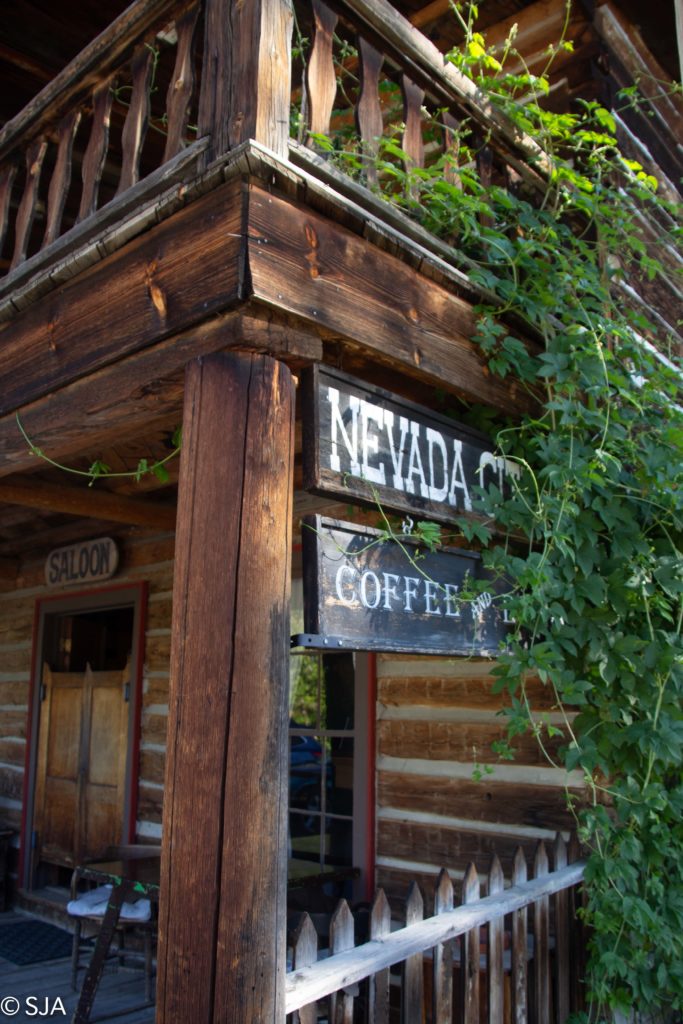
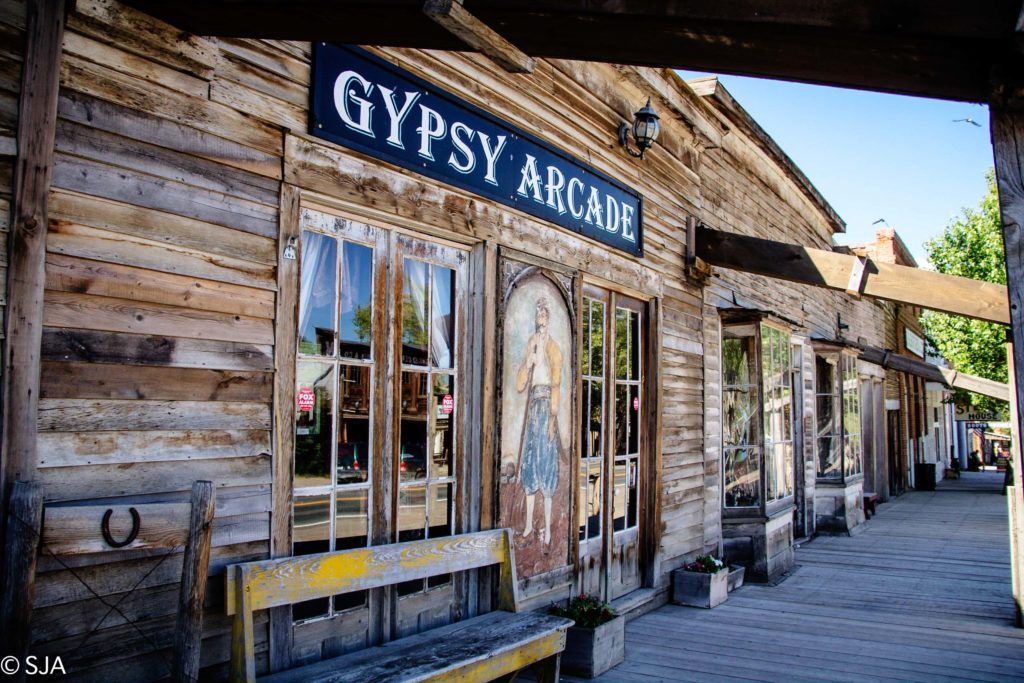
Nevada City, Montana is a mining ghost town that was restored between 1945 and 1978. The city, along with Virginia City, is a living historical museum. In the 1880’s it was known as the site of the richest placer gold strikes in the Rocky Mountains. Visitors can step back in time with a tour of the Old West mining town, a train ride, or a night in the Nevada City Hotel.                

Old Montana Prison, aka Deer Lodge Prison, was the first Territorial Prison in the western United States. It was built by convict labor in the late 1800’s. The Old Montana Prison Complex also houses five unique museums within the historic prison walls. Though it may not be on the list of Ghost Towns, it is the ghostliest place I have visited. Mel Jowell, who killed my great Uncle Joe in 1911 was housed here on more than one occasion.

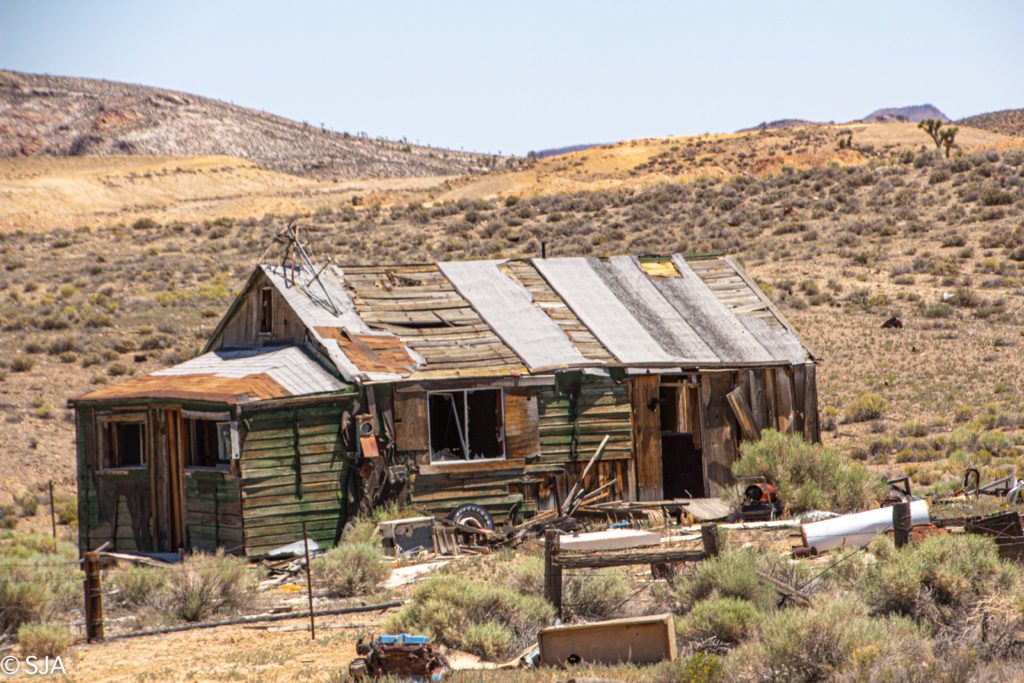
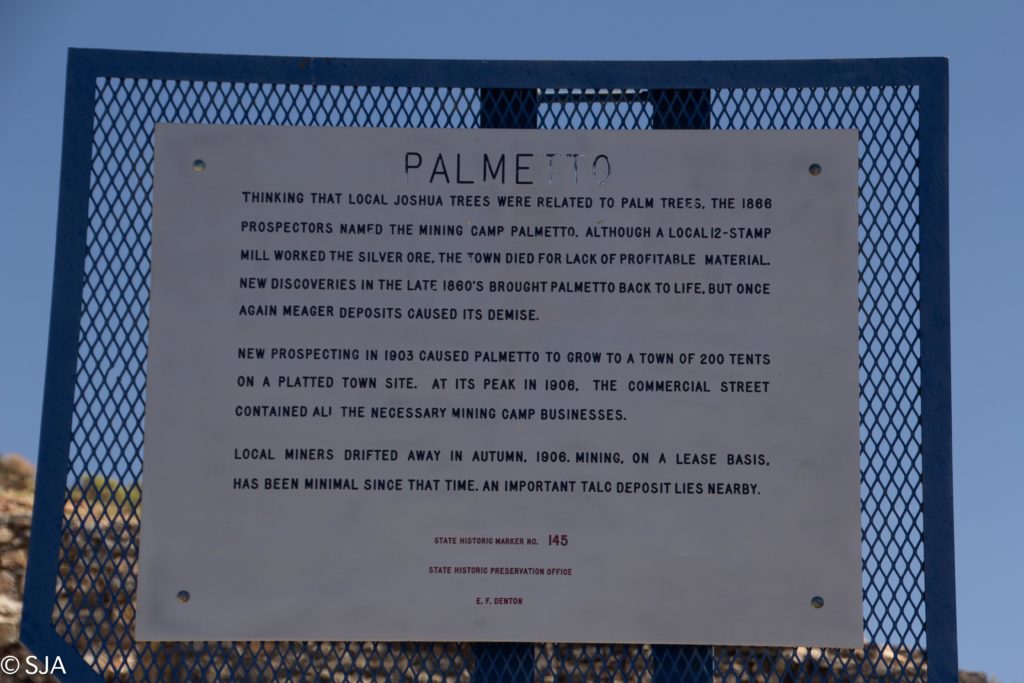
Palmetto, Nevada was founded in 1866 when prospectors discovered silver deposits. They named the camp Palmetto, thinking that the Joshua trees were a relative of the palmetto tree. When it was founded, a tent city sprang up. The town had restaurants, a bank, doctor’s office, post office, assorted stores and businesses. It is completely abandoned today.

Rimini, Montana, 12 miles west of Helena, was once filled with mining activity. It is inhabited by a few full time residents. In the summer months, many make their homes in restored miner’s cabins. The town was named for Francesca da Rimini, a character in the opera Dante’s Inferno, which was popular in Helena at the time. There are a number of historic buildings still standing. 

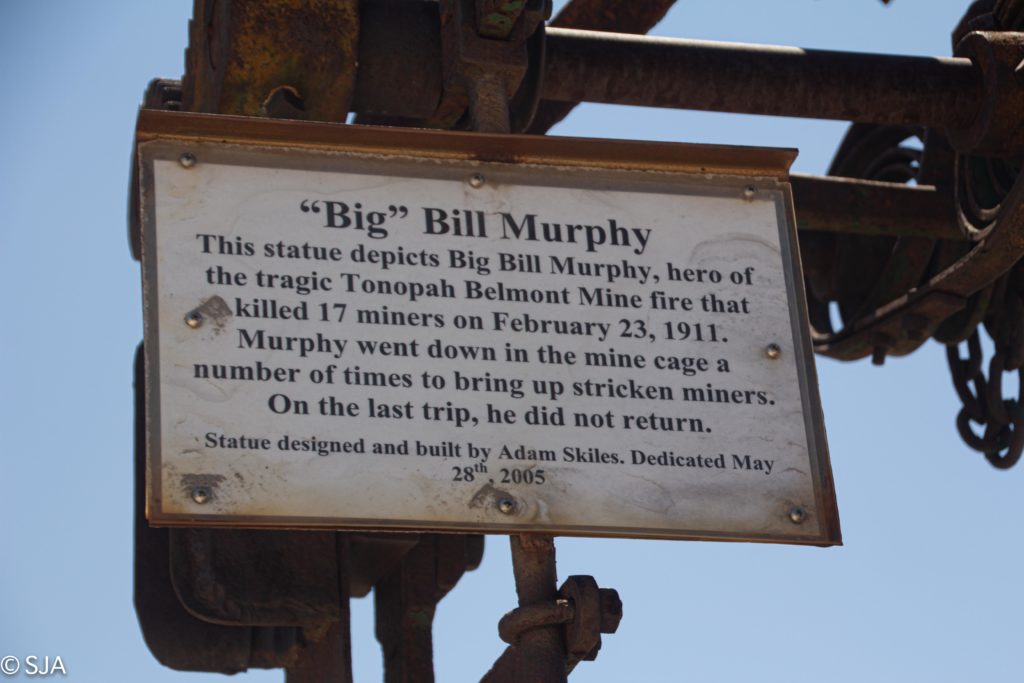
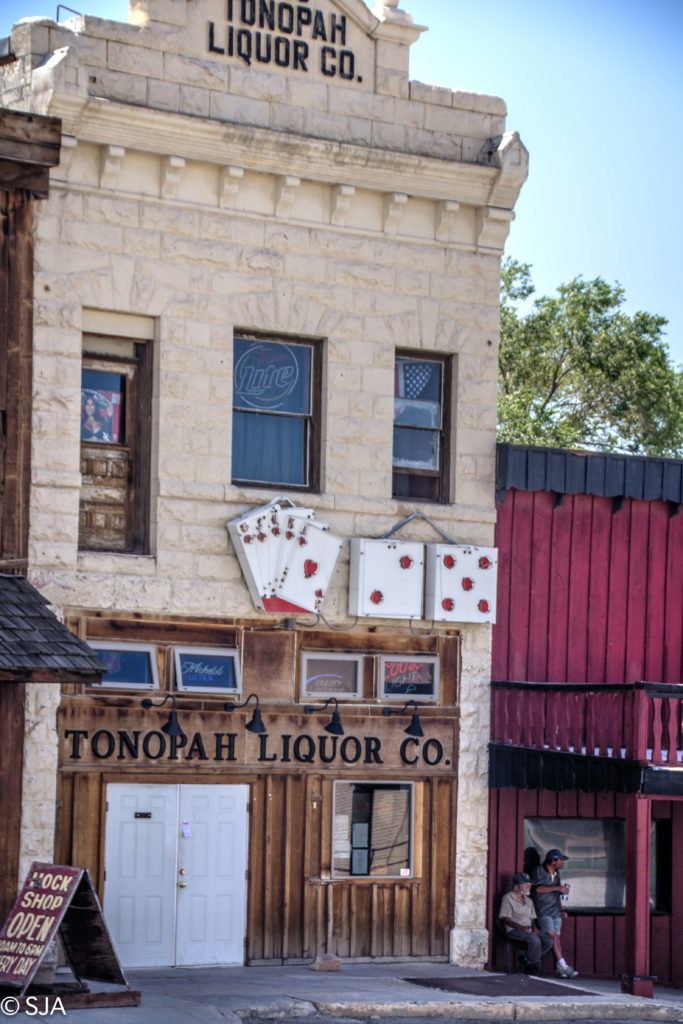
Tonopah, Nevada was at its peak in 1905 with the discovery of gold. The old section of the town is a ghost town while the rest of the town is vibrant. Tourism plays a large part in the local economy as it continues operation with hotels, clubs, stores and restaurants.

Virginia City, Montana is a living ghost town. It stands frozen in time. Nevada City and Virginia City lie along Alder Gulch about a mile apart. This is the site of the richest placer gold strike in the Rocky Mountains. Visitors can find historic lodging, take a train ride, pan for gold, attend a theater show, enjoy fine dining and shop. This is a well preserved Old West gold mining town along with Nevada City. My great aunts and uncles ran a boarding house here for a short period of time before moving to the Helena area.

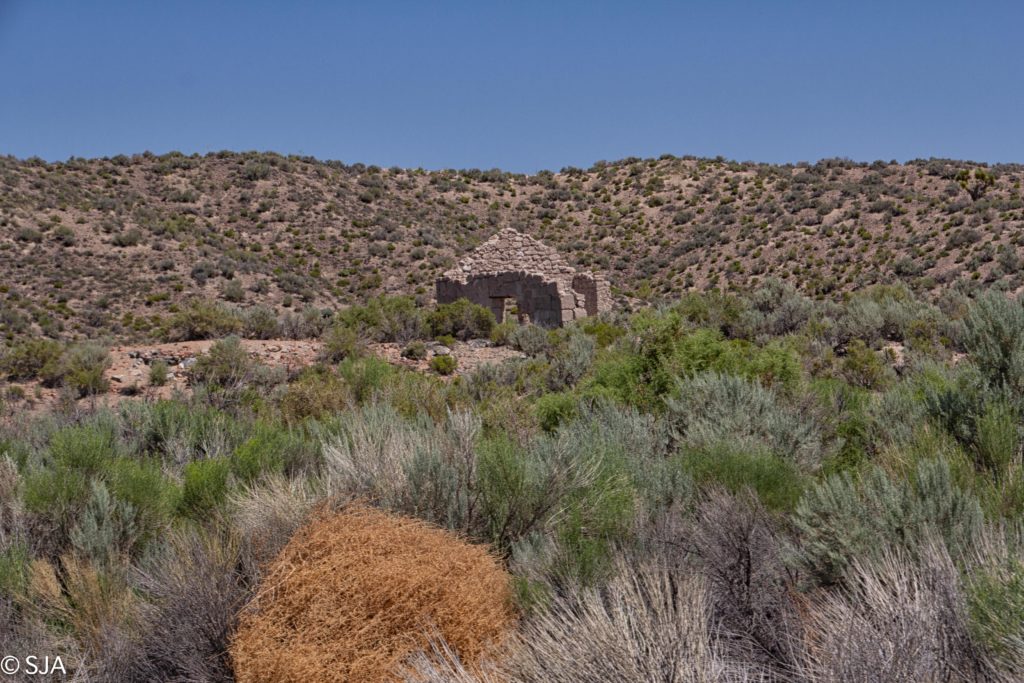
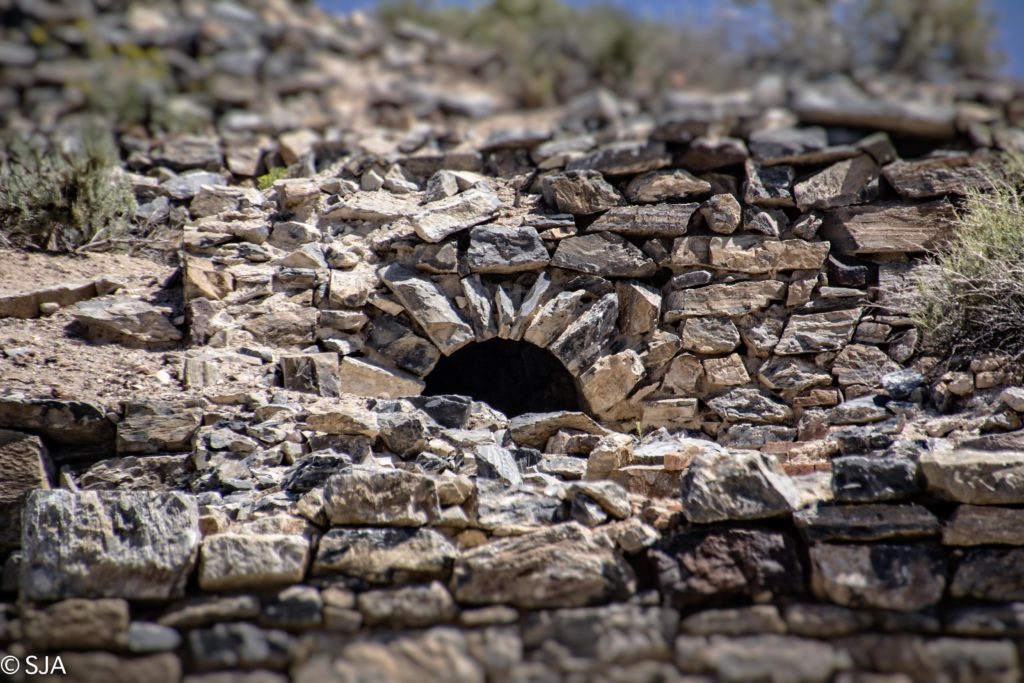
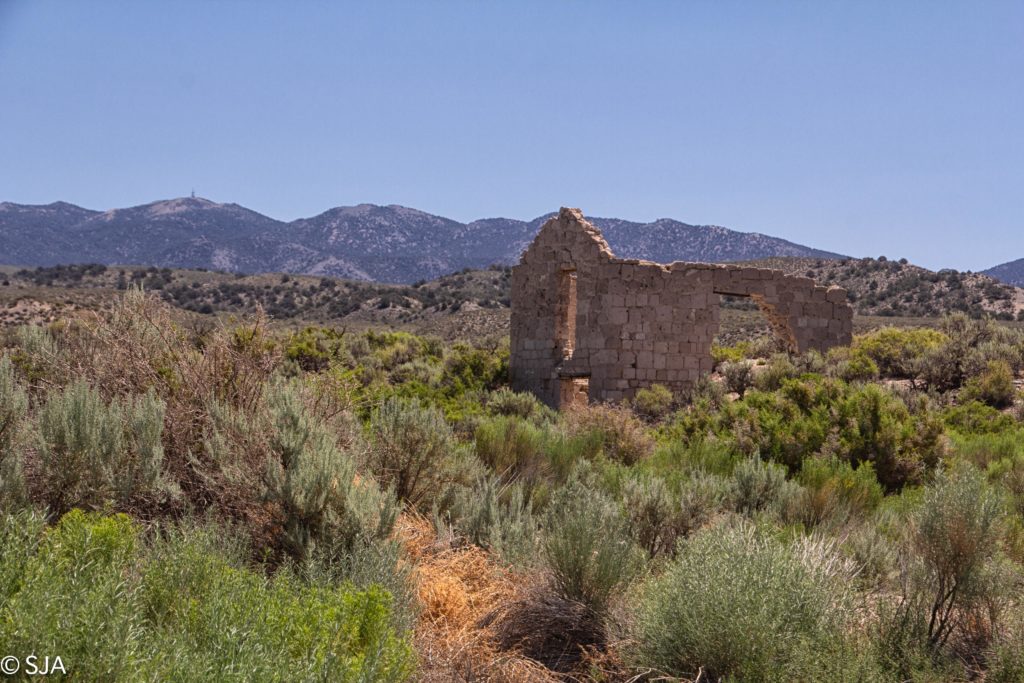
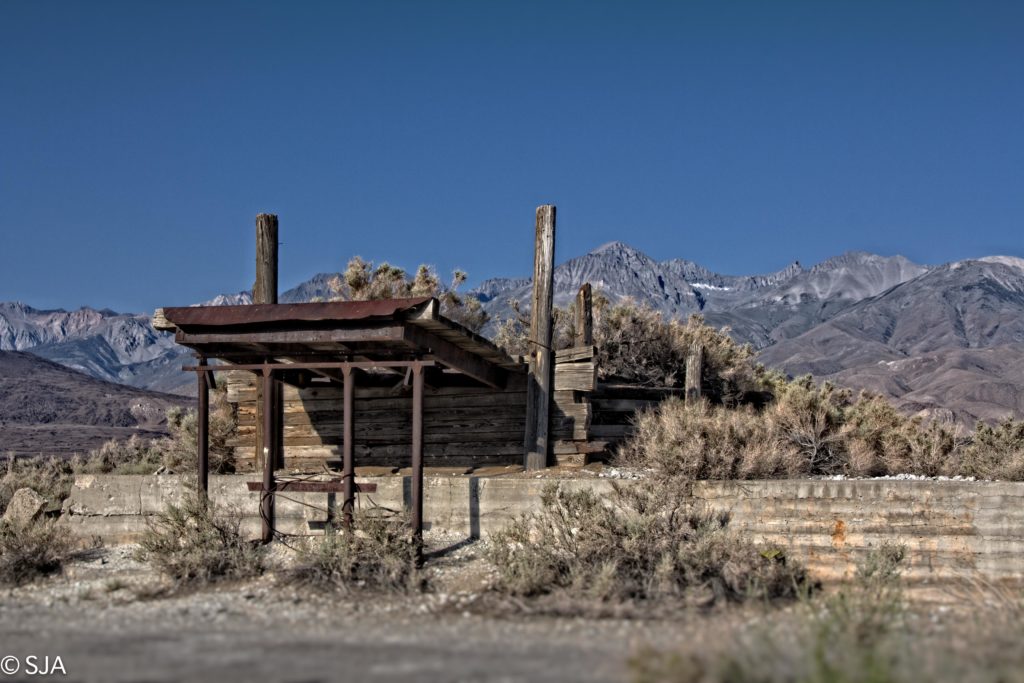
 Zurich Station in Inyo County, California, was formerly known as Alvord. It was established as a freight and passenger station on the Carson & Colorado Railway in 1884. The name was changed to Zurich in 1923 because the eastern slope of the Sierra mountains reminded a local resident of her native homeland of Switzerland. The station fell into disuse in the 1940’s and ceased operation completely in 1960.

Across the Prairie

Never having been to the great Northwest, the girls soon learned that everything was an adventure. I wanted to give the girls a few days to acclimatize before going to the mountains, so our first day was spent on the prairie. We packed a lunch and extra water. Before heading out the door, I grabbed a roll of toilet paper. “What’s that for?” “You always have to be prepared.”

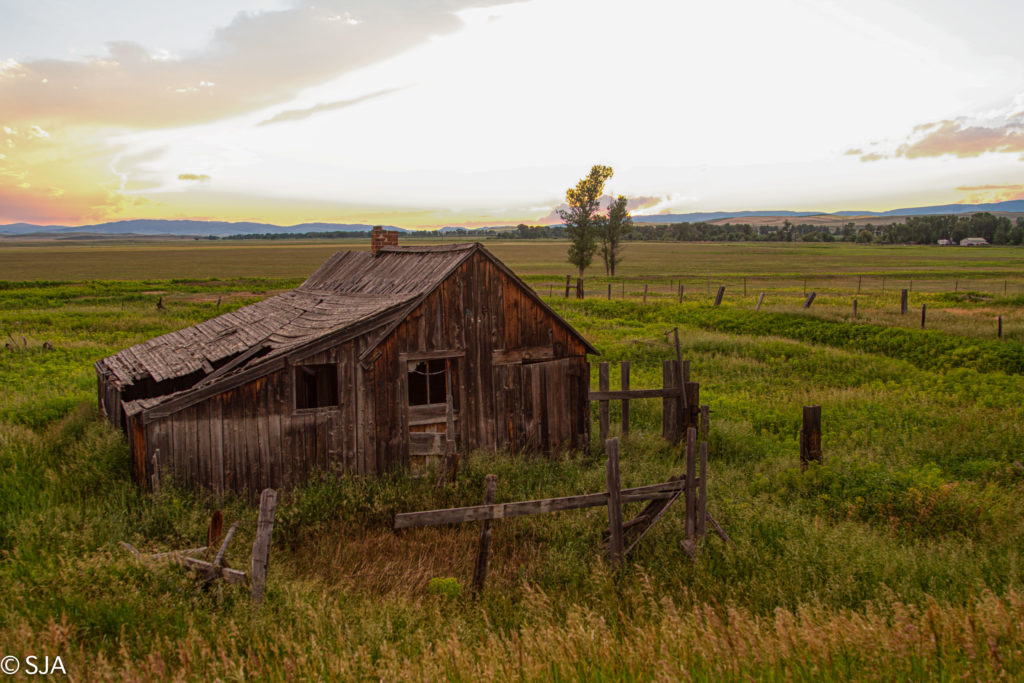
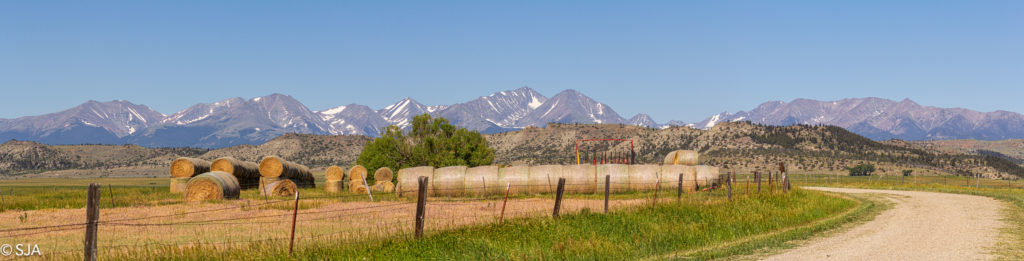
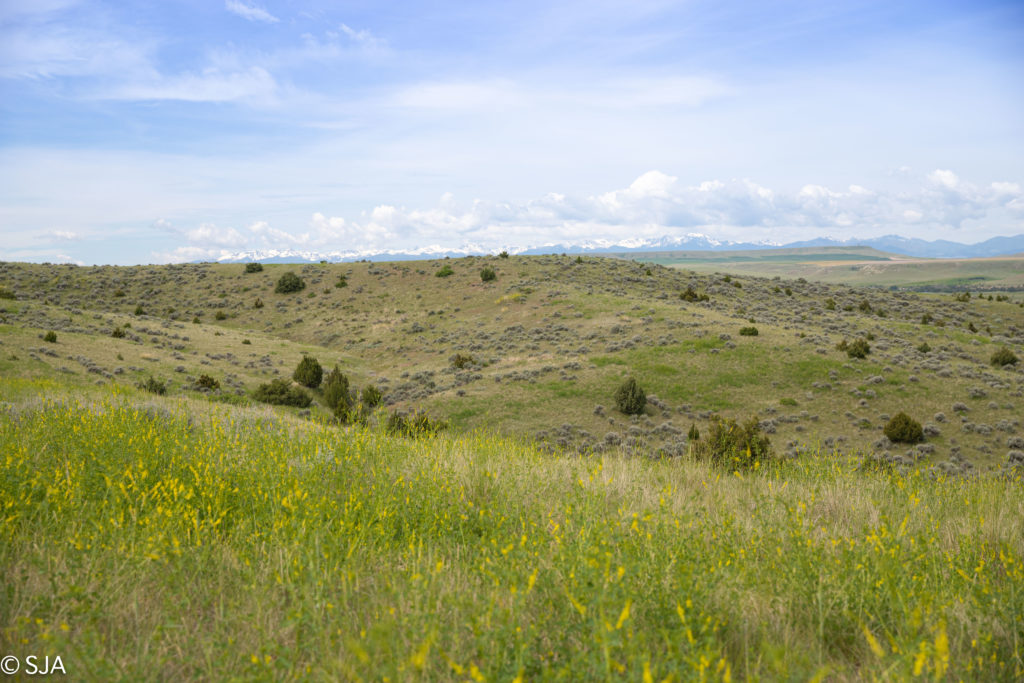
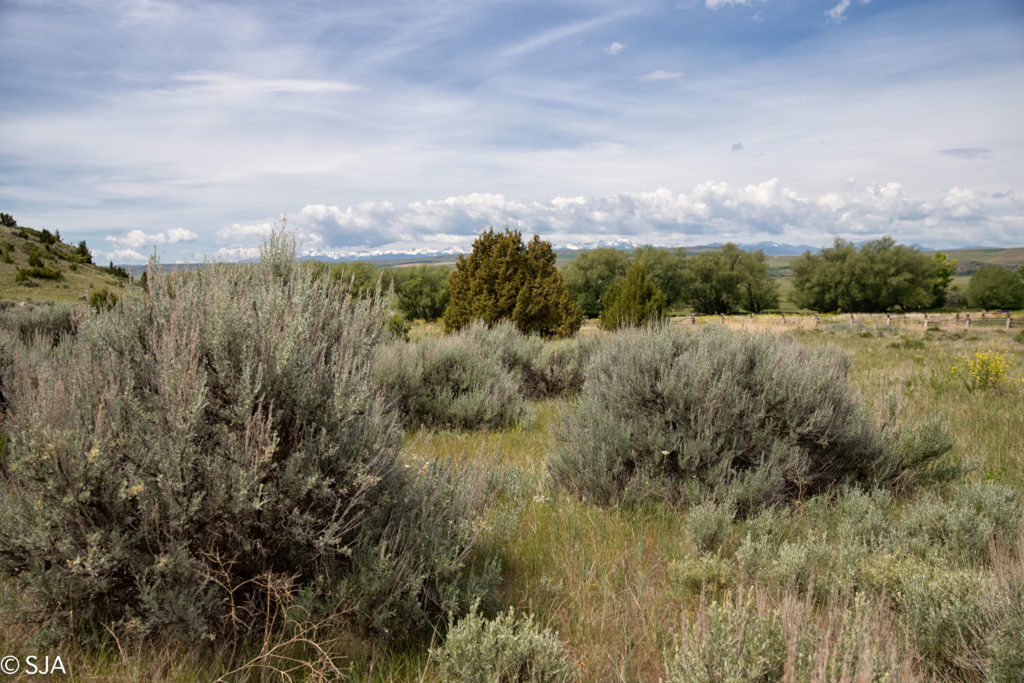
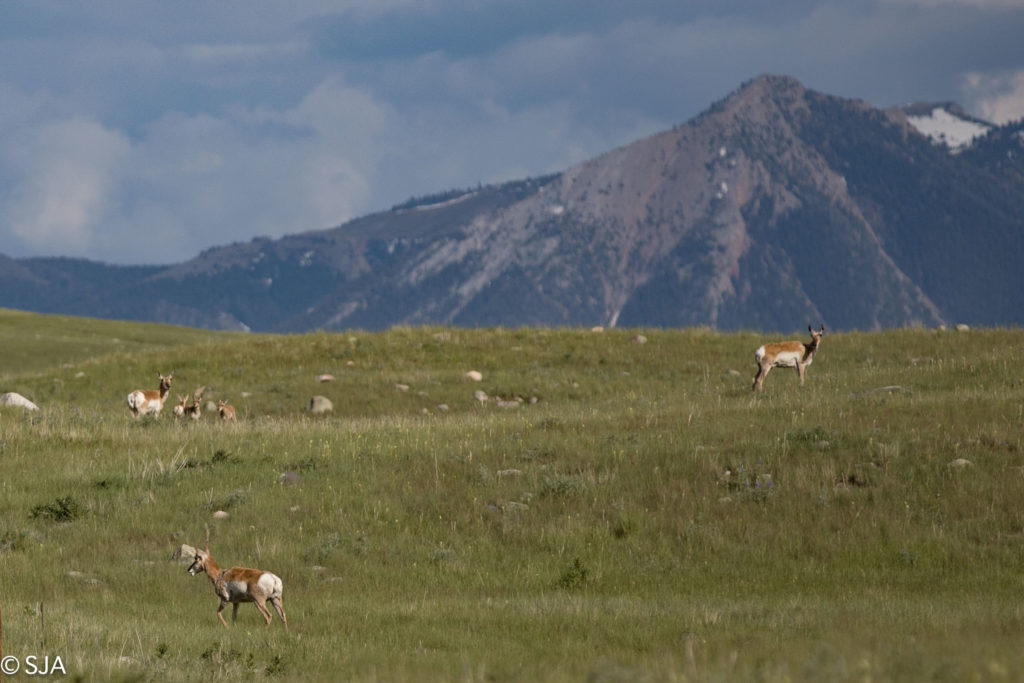
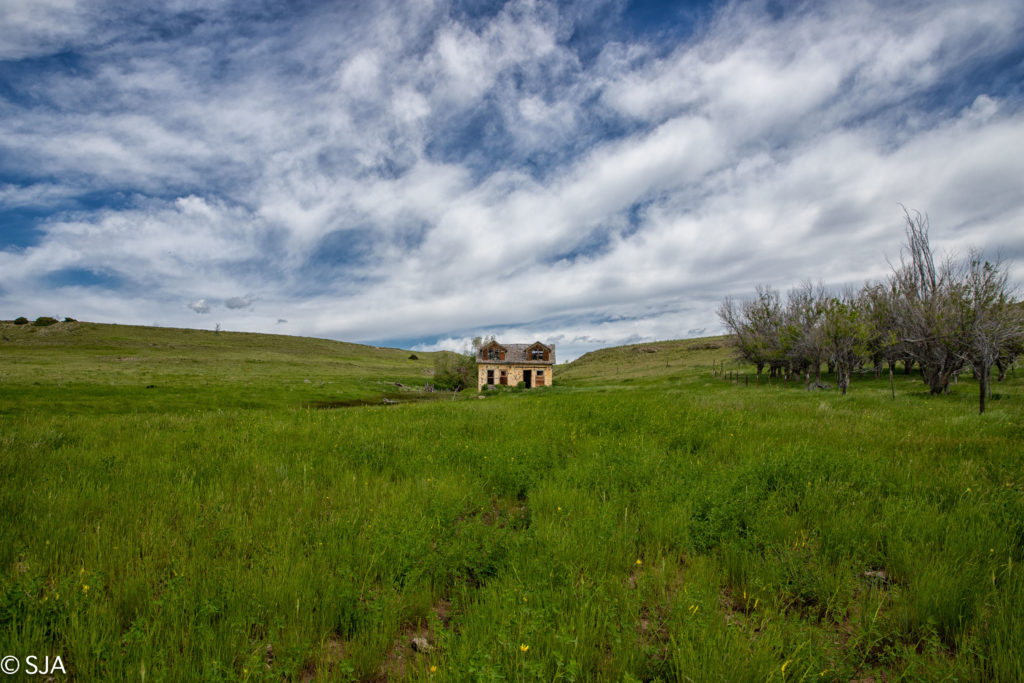
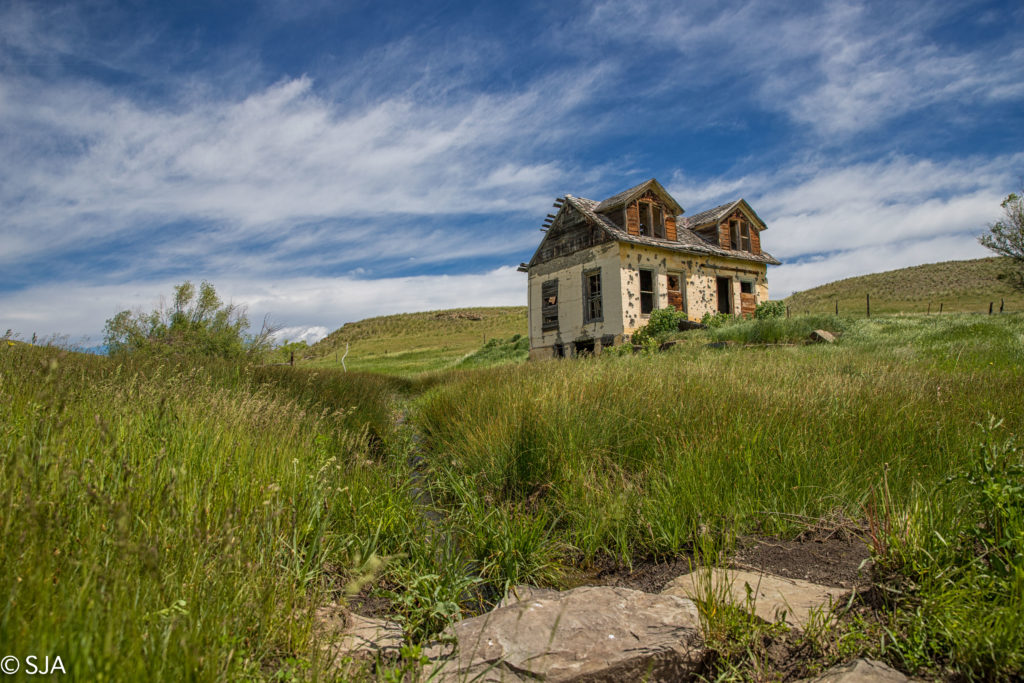
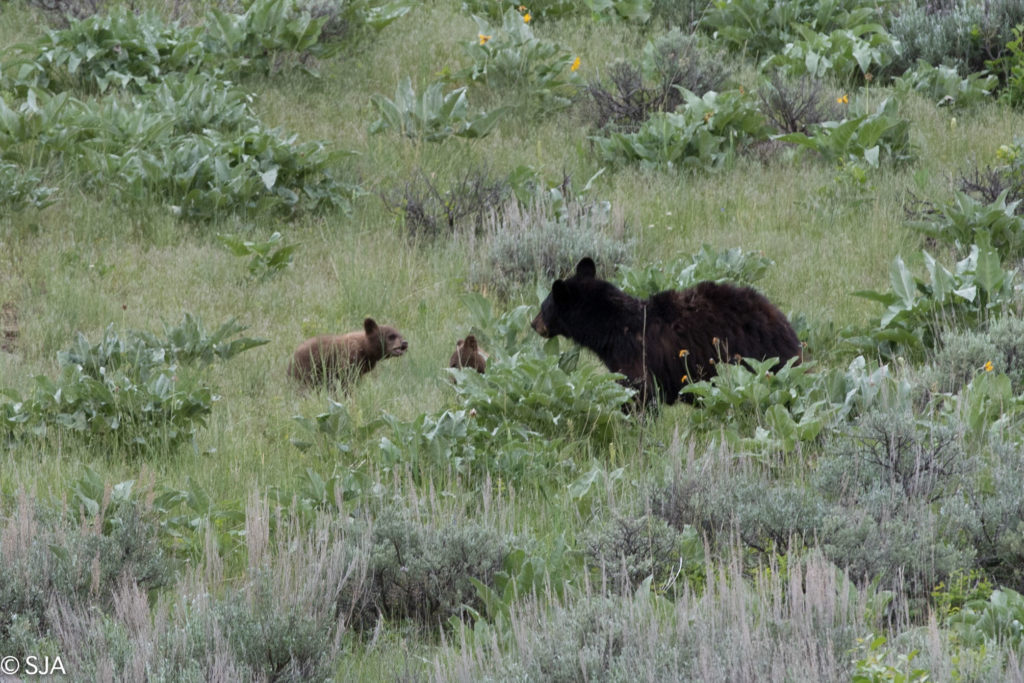
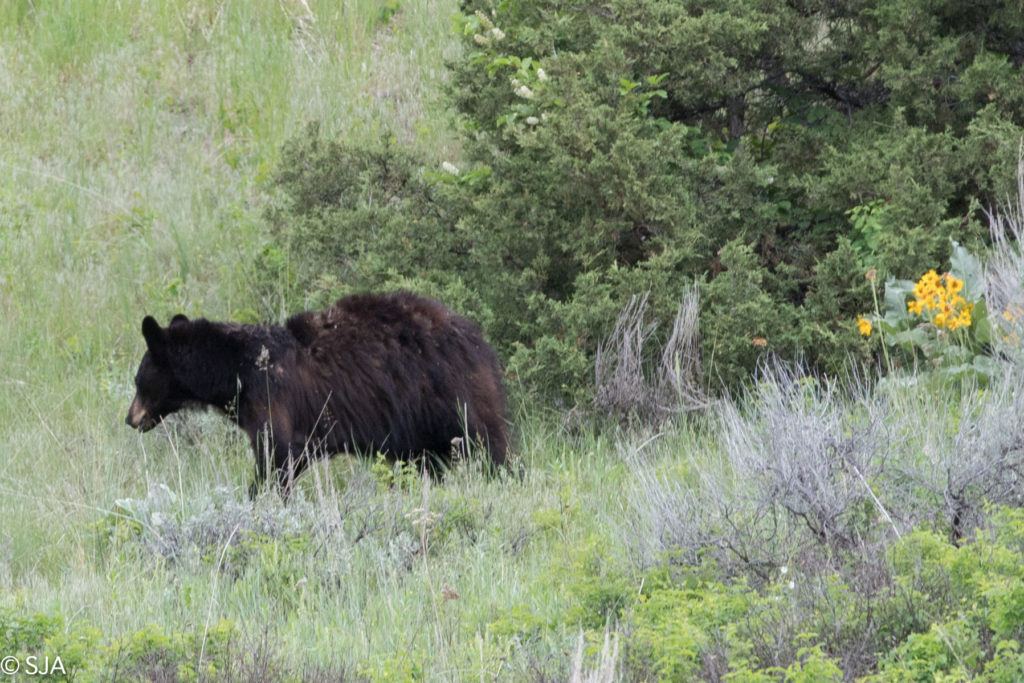
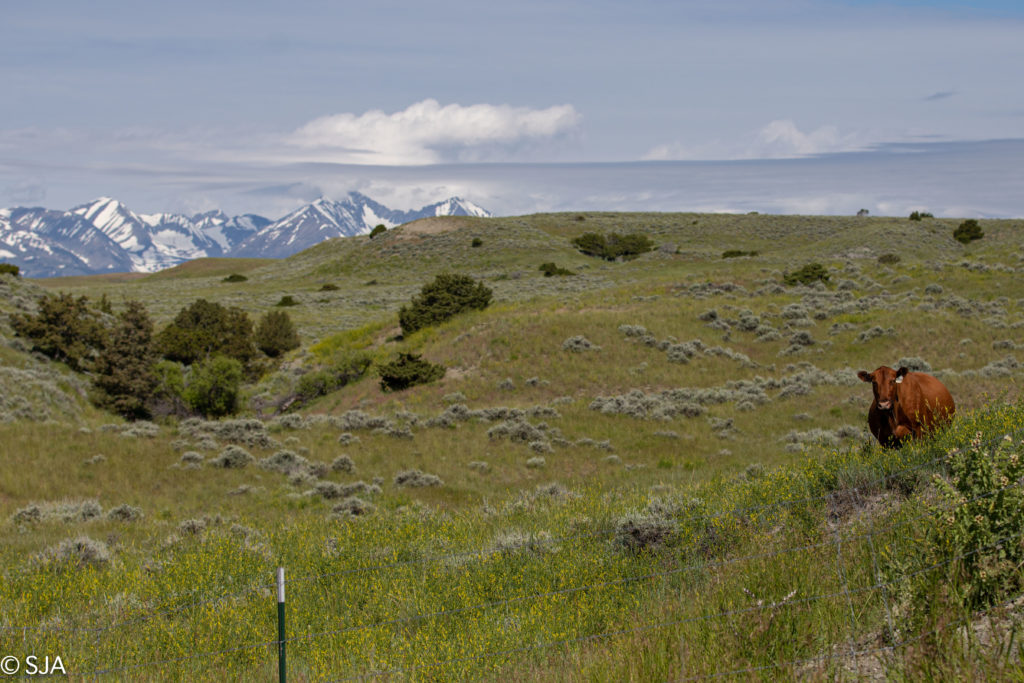
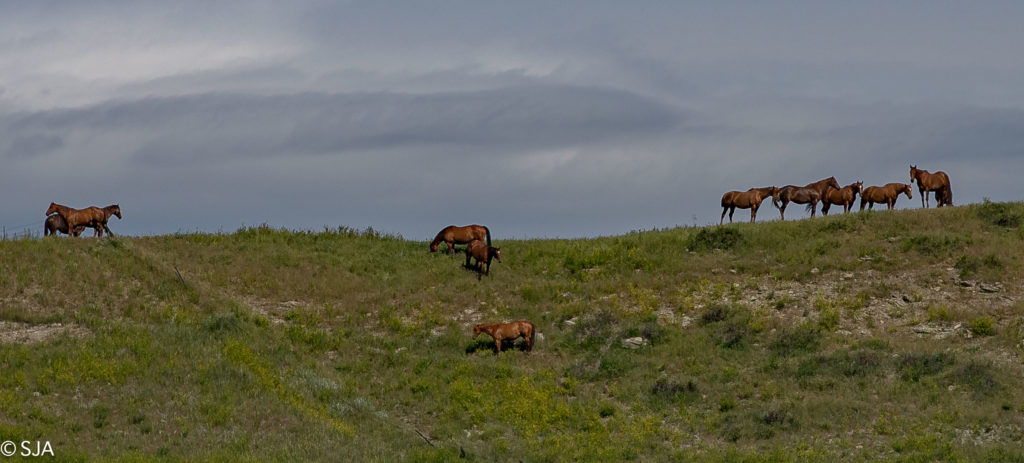
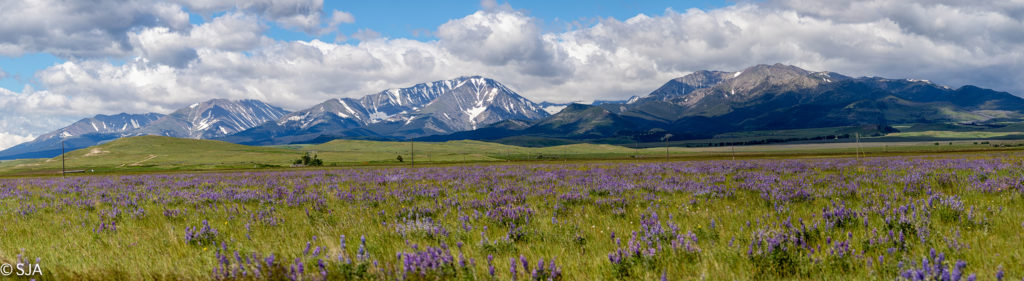
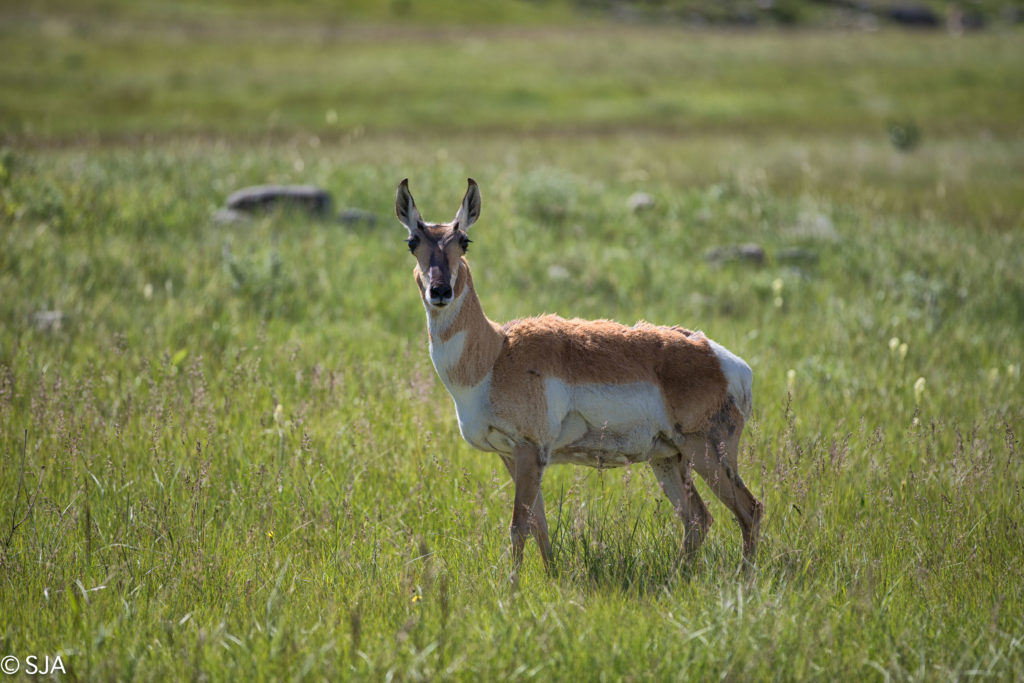
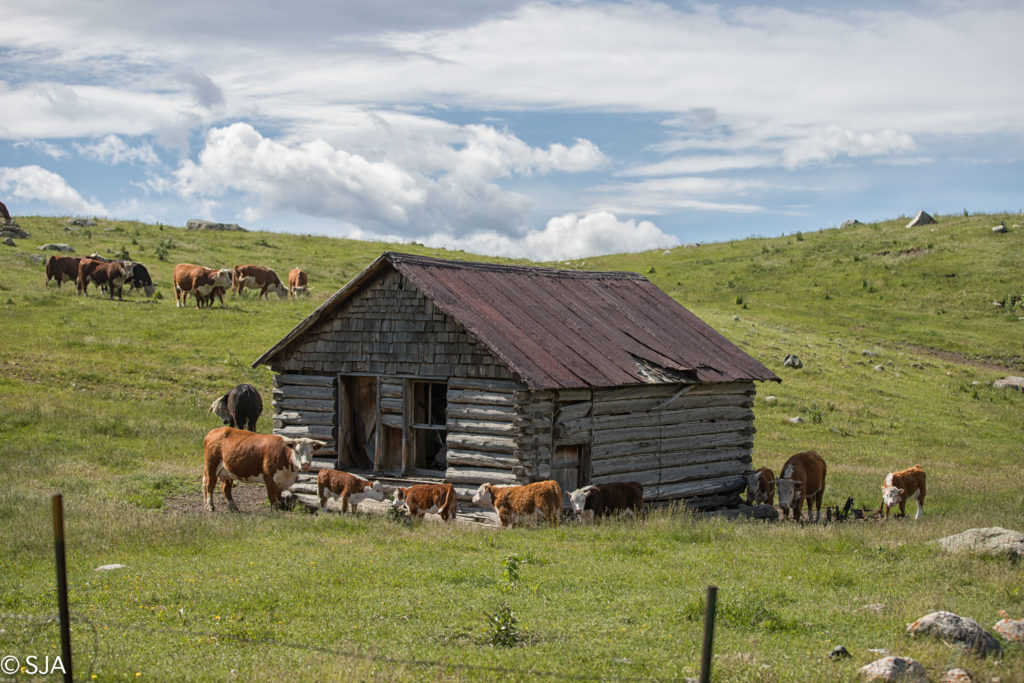
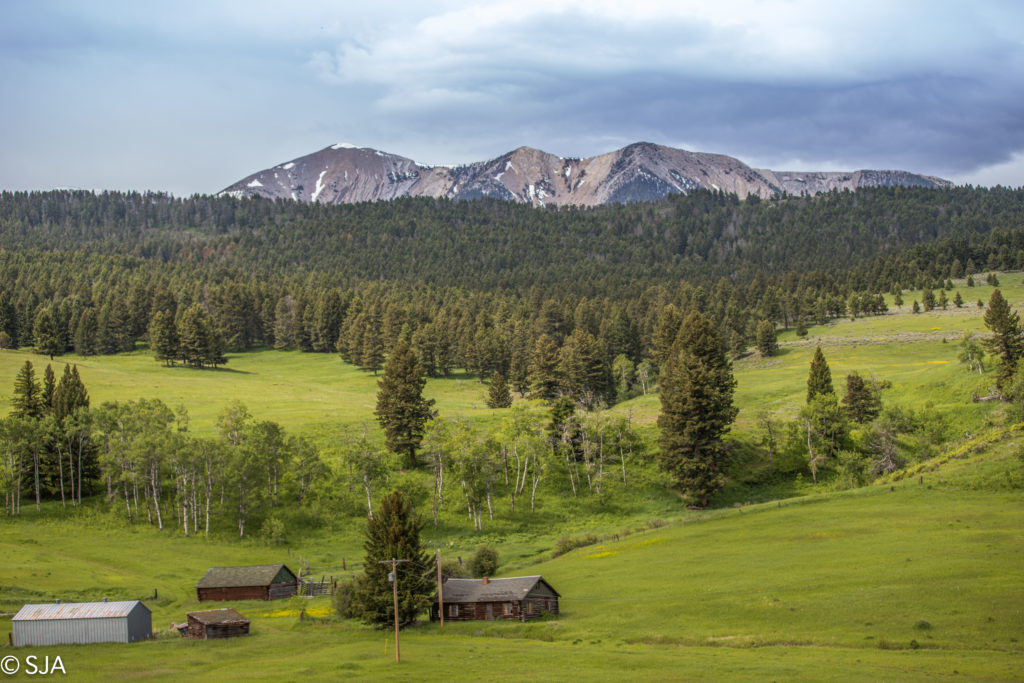
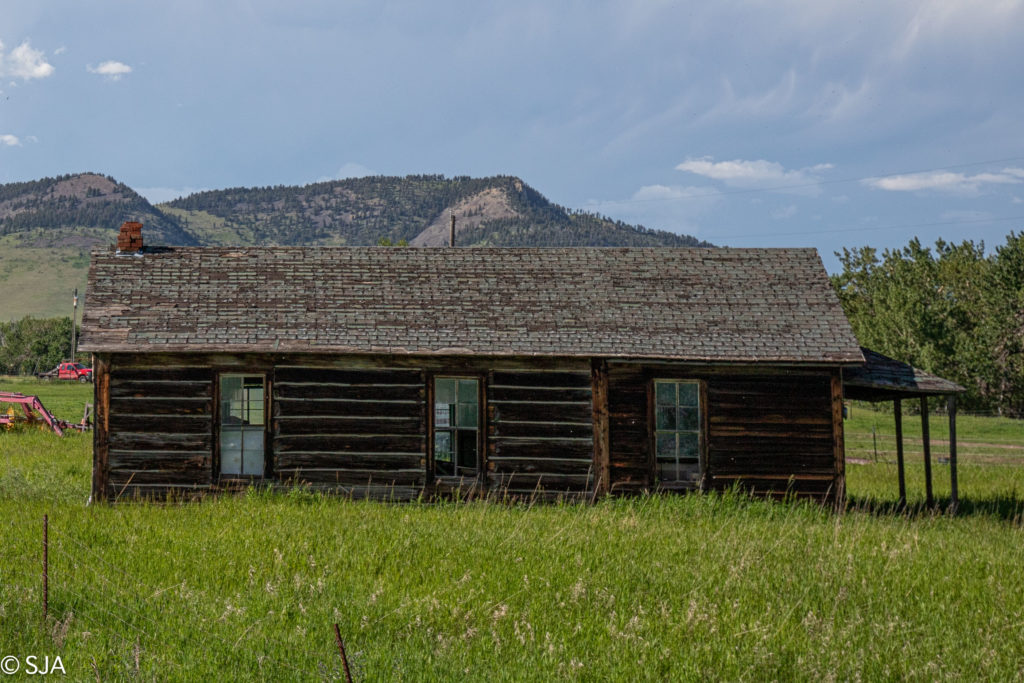
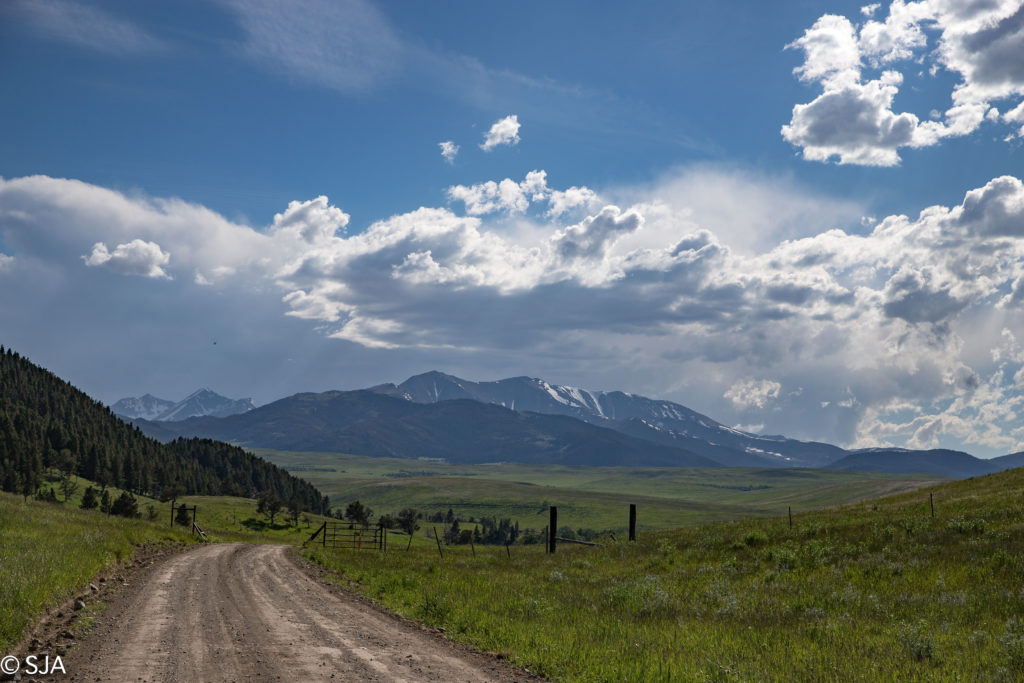
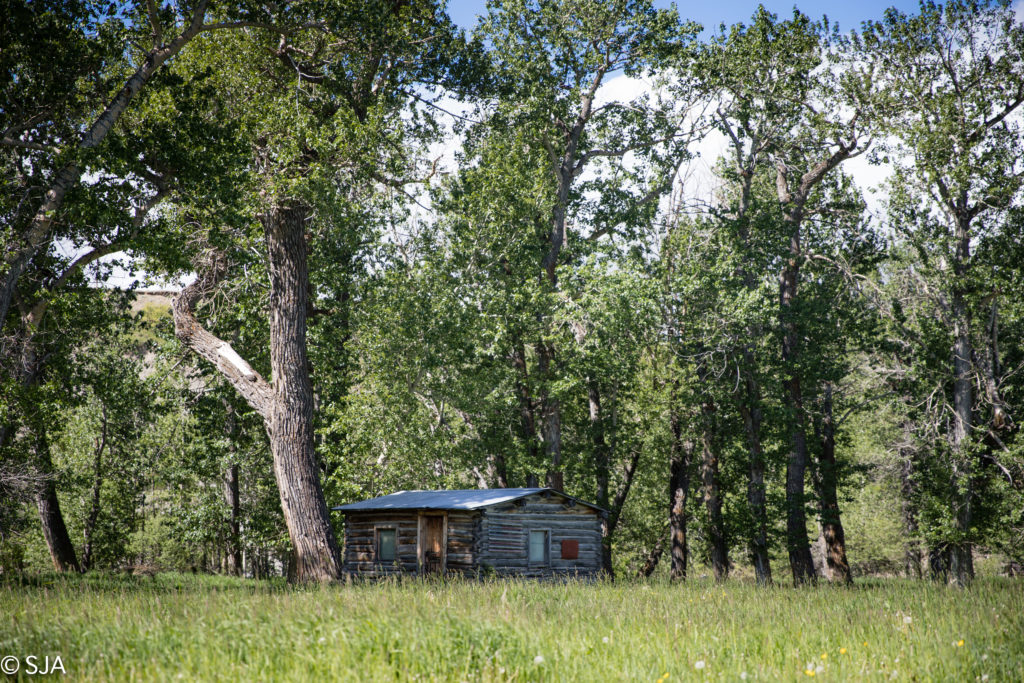
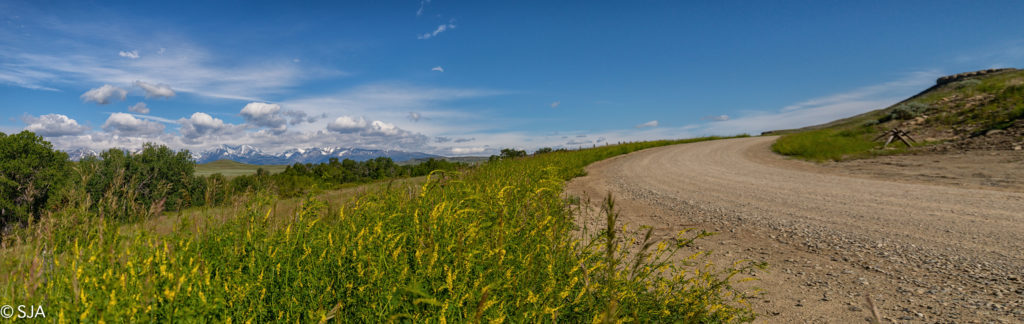
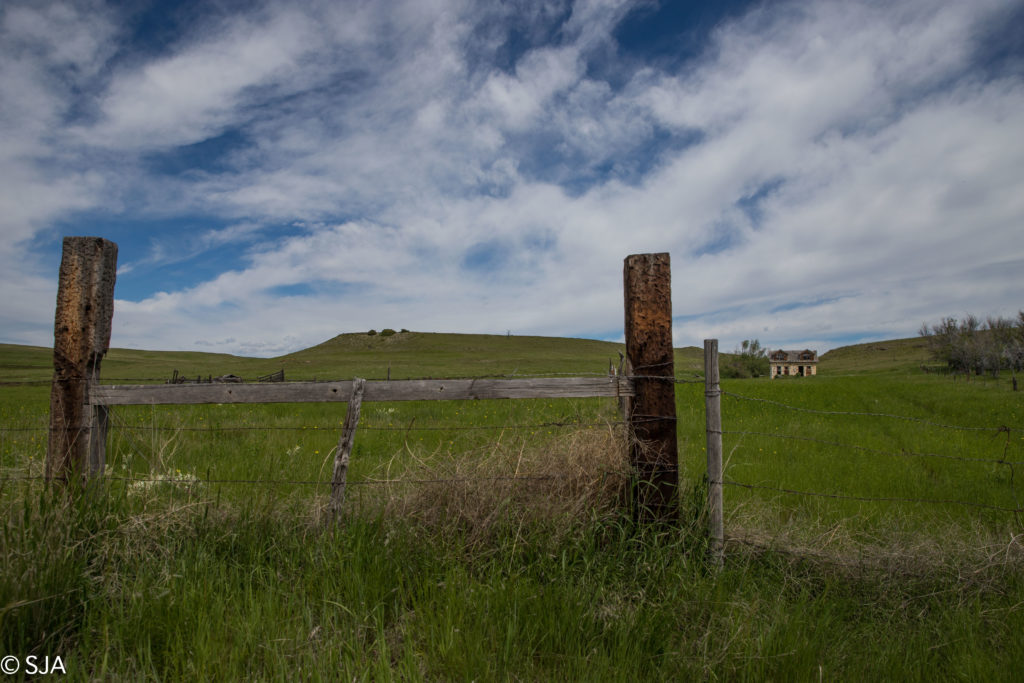
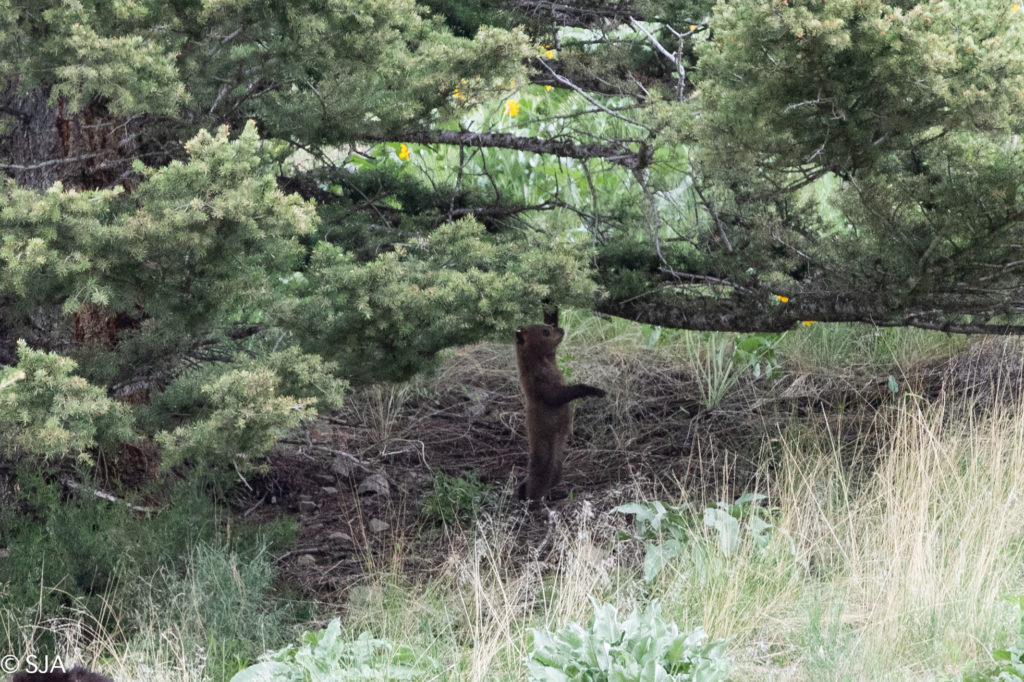
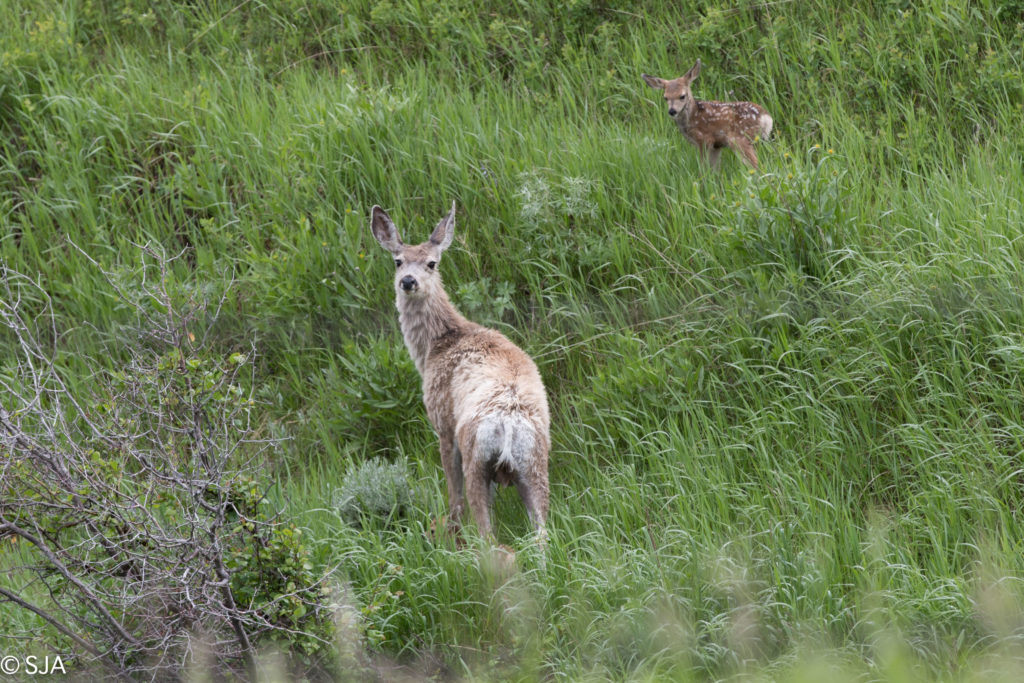
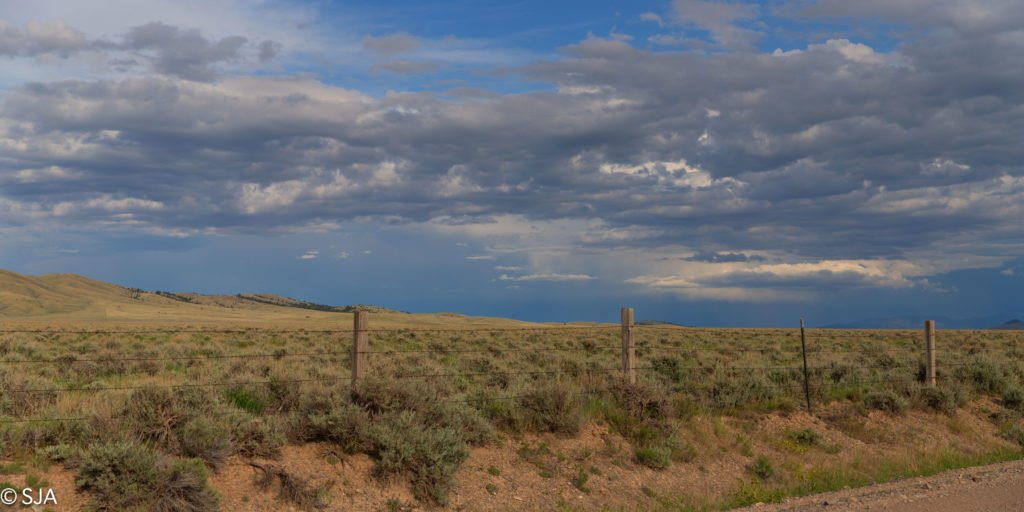
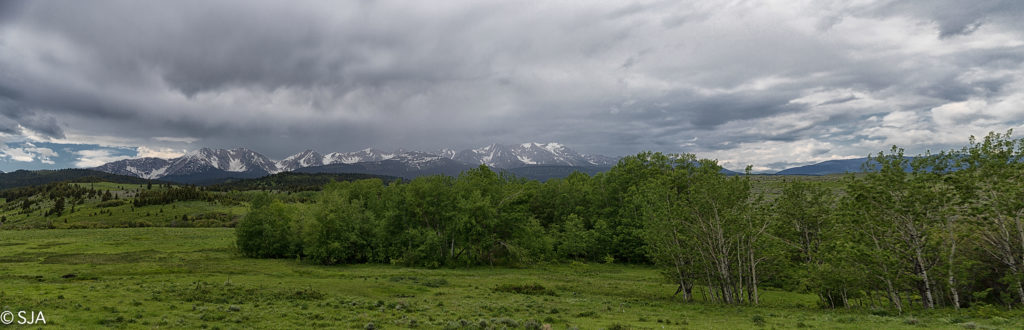
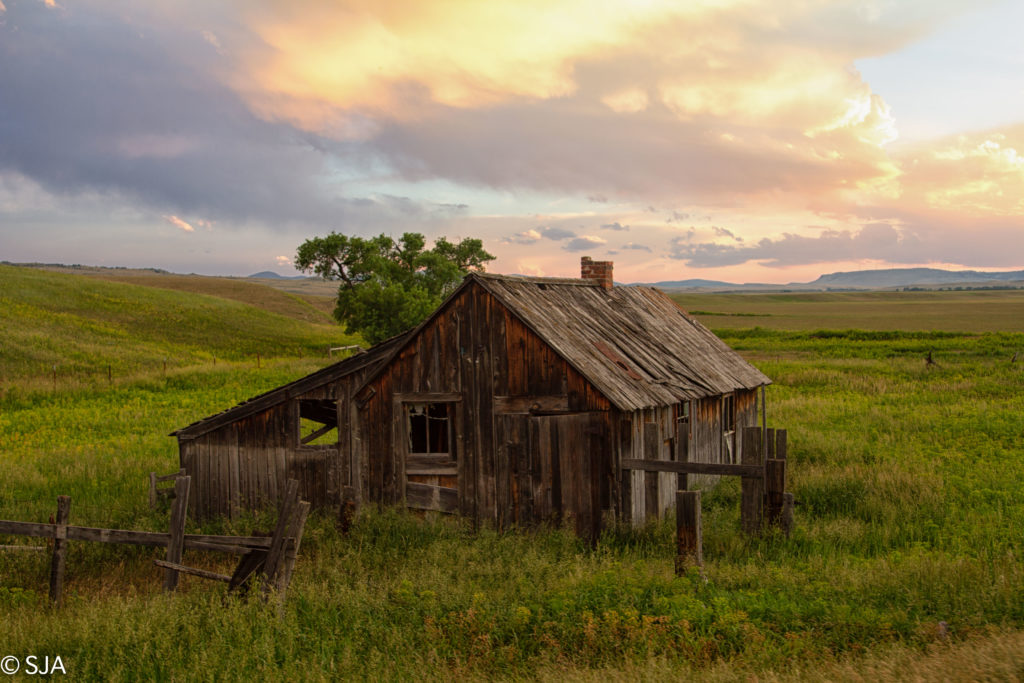
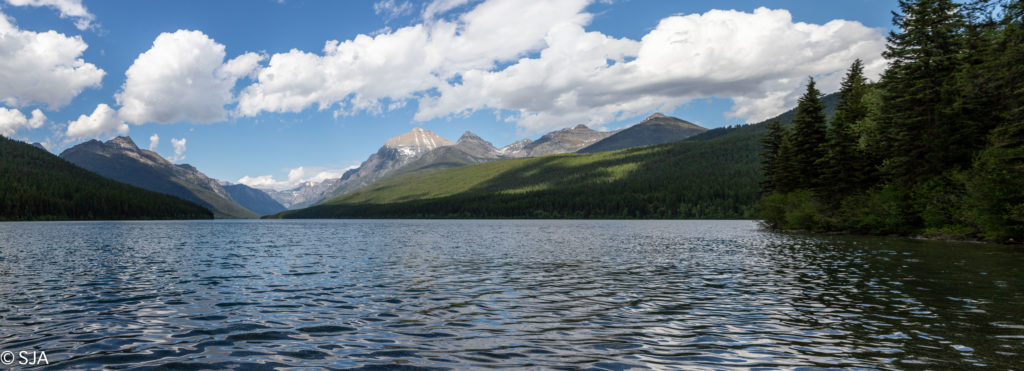
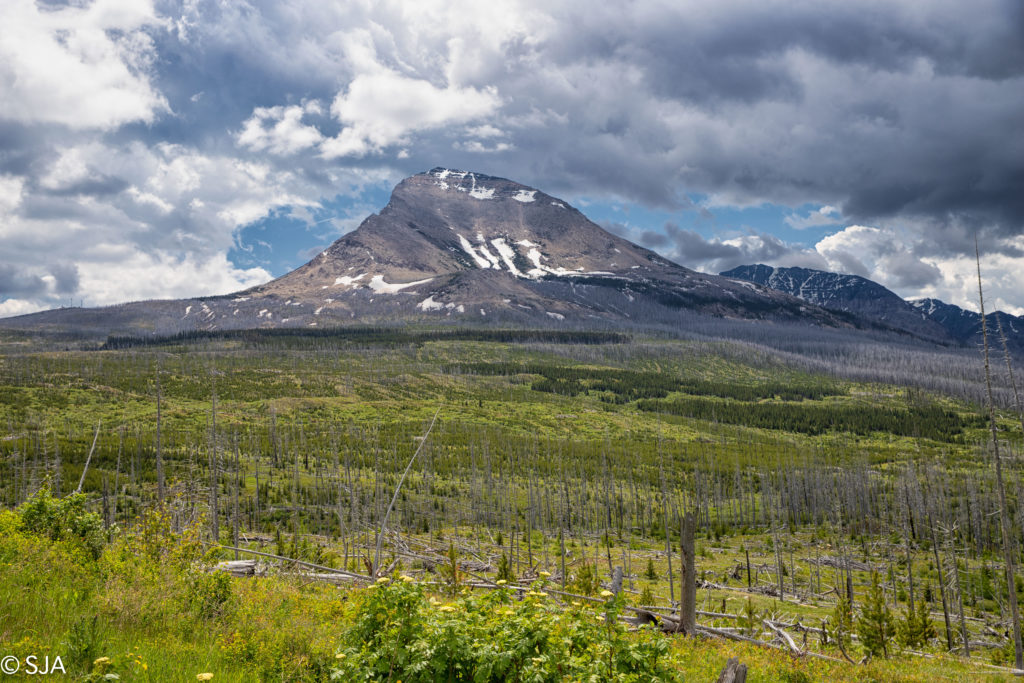
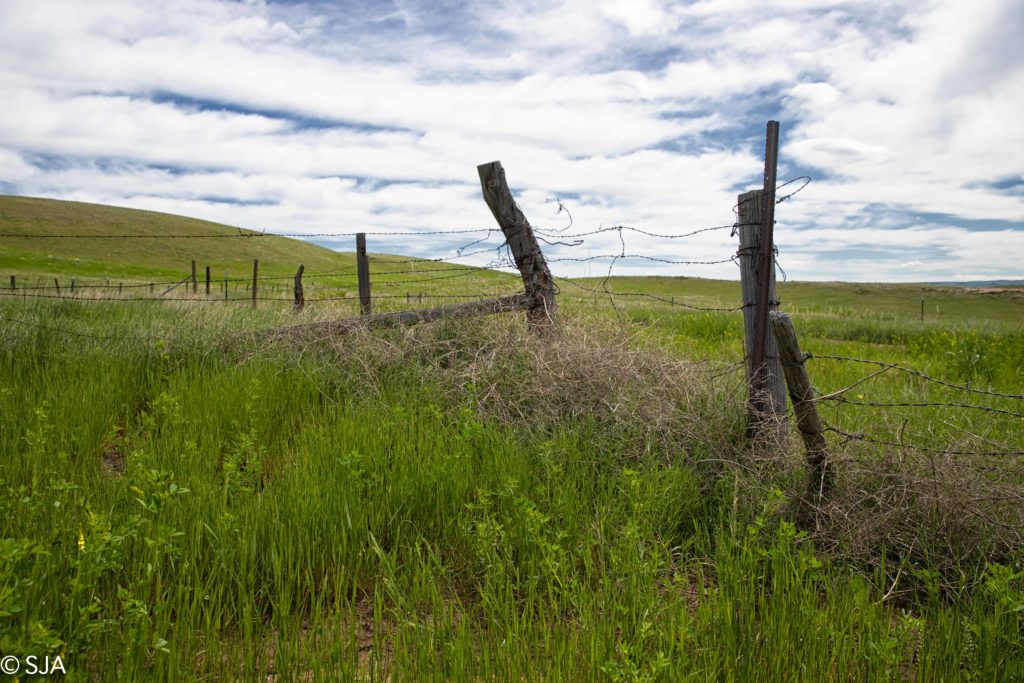
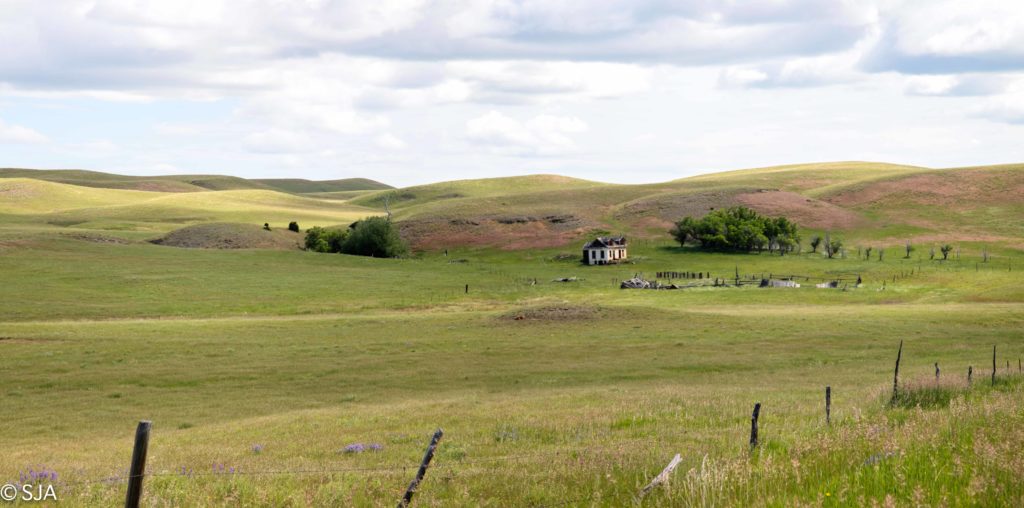
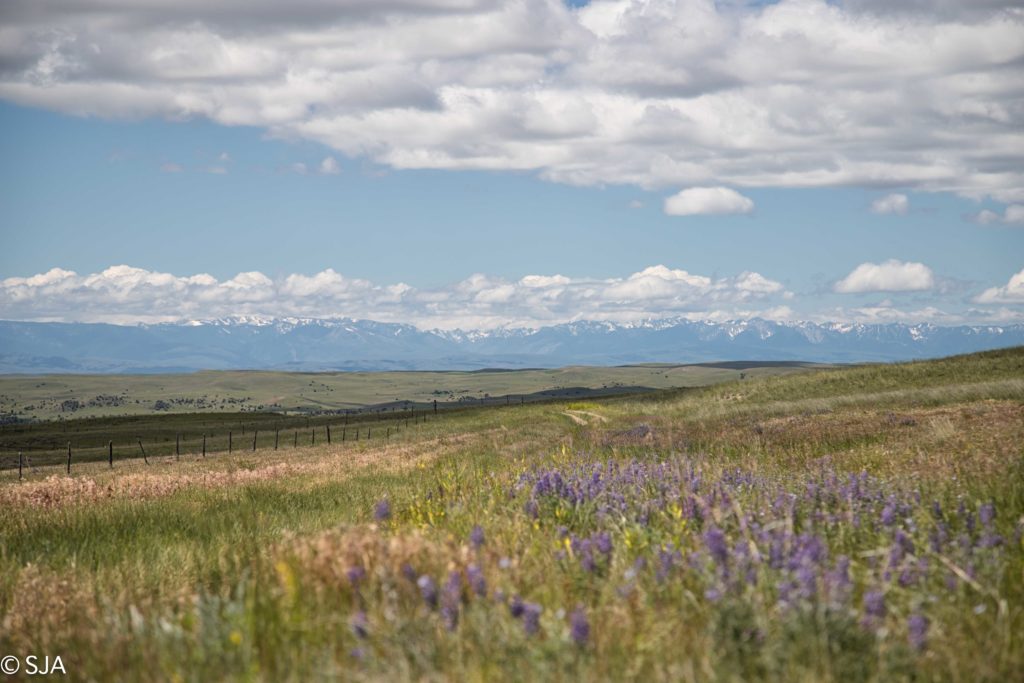
We headed out. The girls gasped and ooooed and aaahhhed at the scenery as views of the mountains and streams emerged. I turned off the dirt road onto a country lane, Sourdough Road. There had been several days of dry weather. Had there been rain, the road may have been impassable. That part of the country is nearly uninhabited except for cattle, deer and antelope that play, coyotes, prairie chickens, rattlesnakes and other critters. We saw spectacular views of three mountain ranges and prairie stretching for miles. Tall green and gold prairie grasses waved in the breeze. It looked like the tides of an ocean rushing toward the hills. We topped a hill, followed the road around a curve, and there before us was evidence of an old homestead. The old house with no doors or windows left intact and a few pieces of weathered wood from old barns, sheds and corrals are all that remain. We parked outside the fence and walked toward the house.

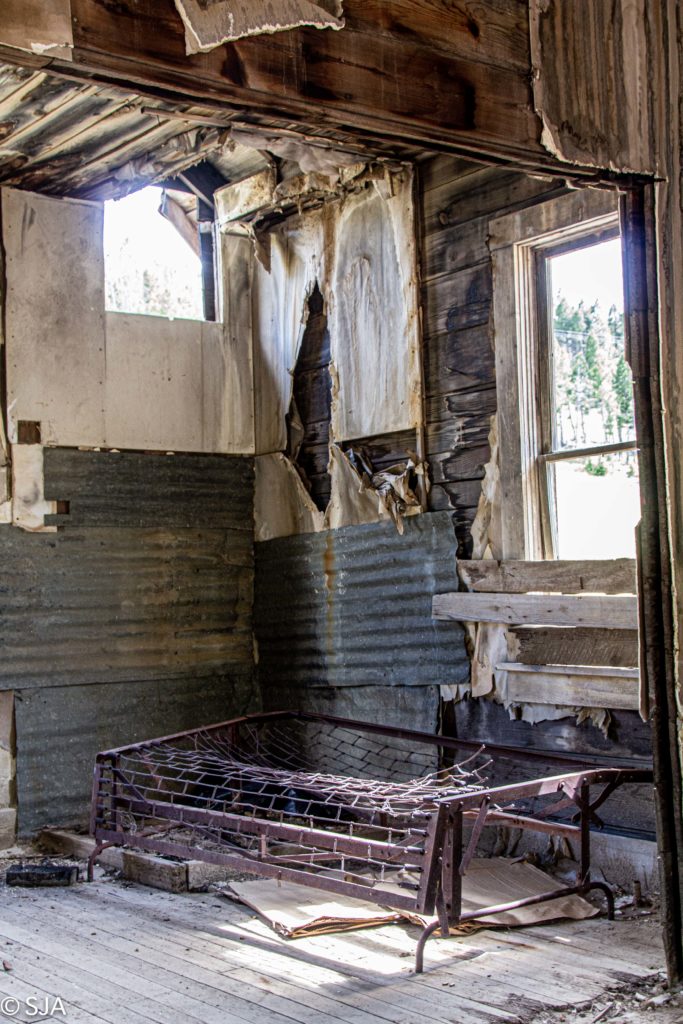
The stories of the those who once lived there seemed to come to life as I shared some of my family’s history. The old plaster beneath the yellow paint is riveted with bullet holes. The floor in the house is missing many of the wooden planks. Cow manure, old bed springs, bird nests, broken plaster, and bones of animals that sought refuge in the house are scattered among the years of accumulated dust and dirt. There is just something about the place that brings a somber comfort. As we left the old homestead, we all looked back until it disappeared out of sight.

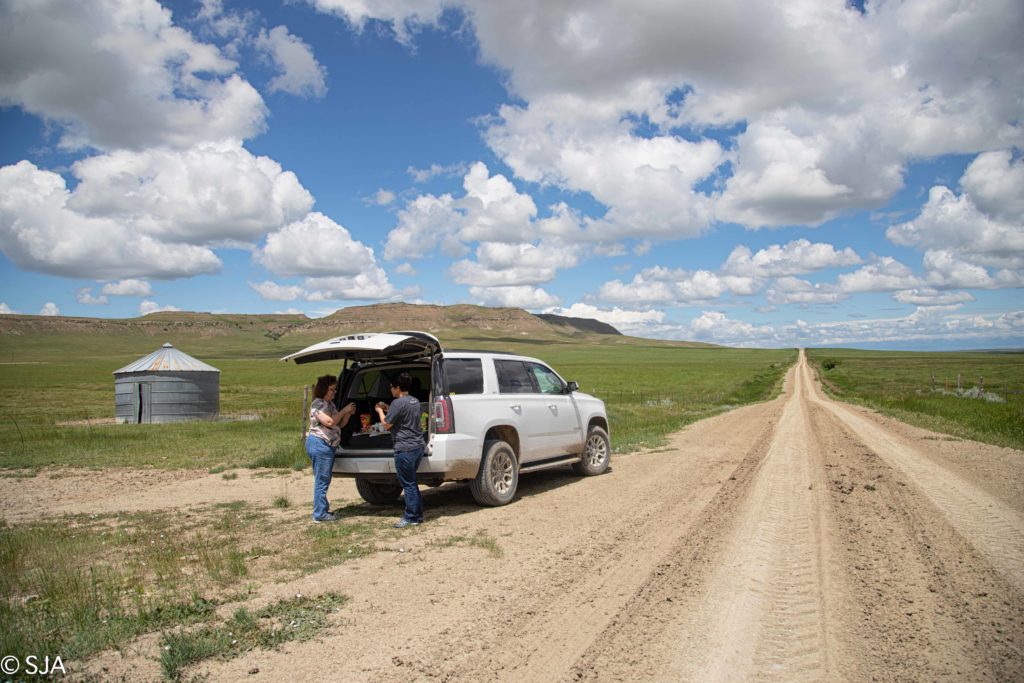
Our road was definitely the road less traveled. Four wheel drive in gear, we started up the dirt road that was eroded down to the jagged rocks. There was nothing smooth about that road. I straddled deep ruts remembering the words of my mother, “If you get in a rut you’ll stay there for miles.” If we would have gotten into some of those ruts, we wouldn’t have been seen for a month! We took our time going through the prairie, stopping in the middle of the road to look or take pictures or to point out something of interest along the skyline. We had the road to ourselves, or so we thought. All of a sudden, a truck was on my tail. Where did that come from? I pulled over so it could pass. Two guys were in the truck. They drove slowly so they could look to see who we were. I pulled out behind them. They drove a mile or two then slowed down until they saw us pull through a rough spot. I thought they had disappeared for good, but when we neared the bridge over the river, they were right in front of me. Though we never exchanged words, I knew they were waiting to see if we three girls in the middle of nowhere could get through. Just before the bridge was a stretch of mud – gumbo as my mother called it. Deep. The truck floored it and fishtailed all the way to edge of the crossing. It slowed and waited. I sure wasn’t going to be outdone. I knew if I stopped part way through, they’d have to pull me out. I floored the Suburban, and we followed right in their path. I’ll have to admit, I felt a bit smug when my tires hit dry ground. I said, “So there!” We drove on. For the next several miles there were other bad stretches in the road, and every time, the truck in front of us slowed and waited. When we neared one of the county roads, the truck went on its way leaving only a trail of dust. It wasn’t long before we made a stop at one of the places my mom had lived with her family about three miles from the little community where she attended school, having to make that walk daily.

At lunch time, I pulled off the side of the road. We kicked caked mud off the side of the Suburban and popped open the hatch with mud and dust falling to the ground. We divvied up the sandwiches, chips and cookies, sat in the back and had our lunch. Red and I needed our second bathroom break. I found a post to lean against and peed before God and anyone else, which was nobody. (We only saw two cars on our road across the prairie.) I should add that the Judge refused to use a fence post or to “squat.” So be it!

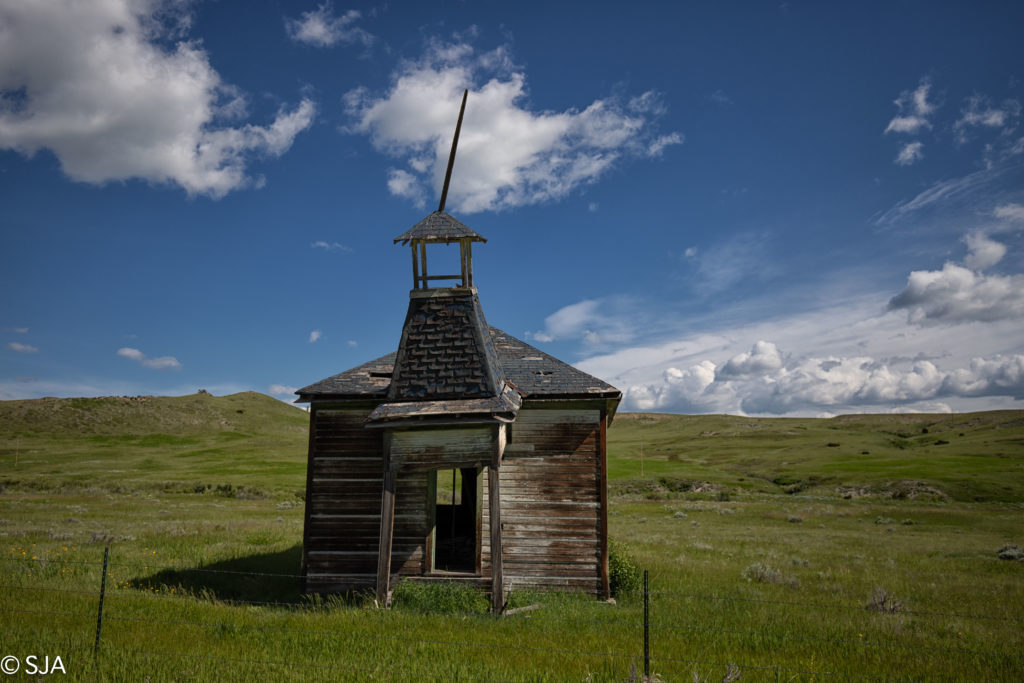
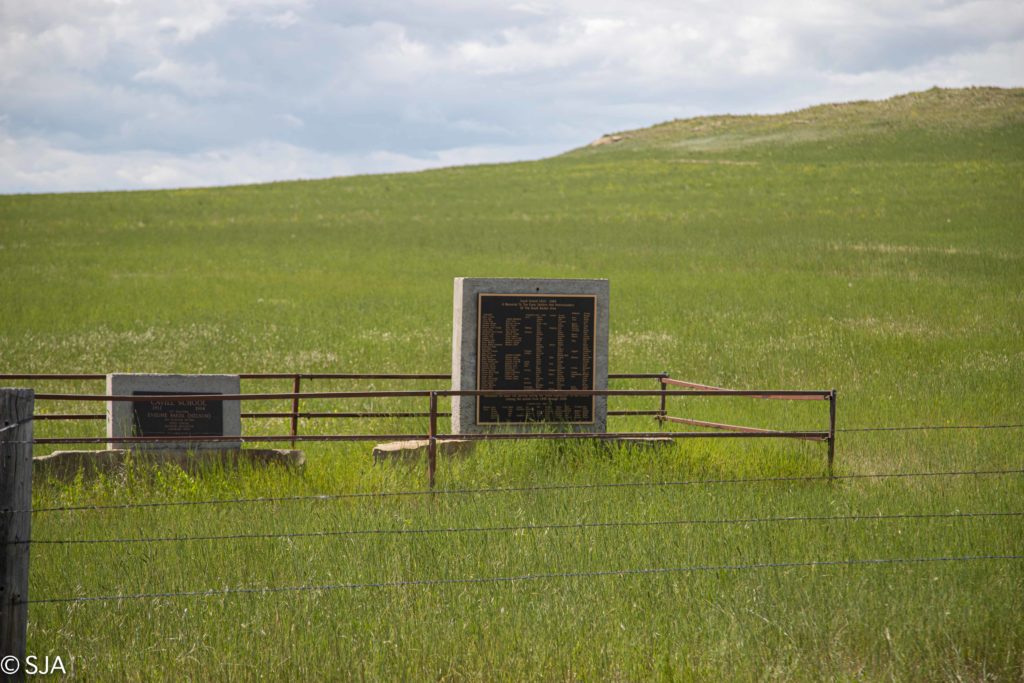
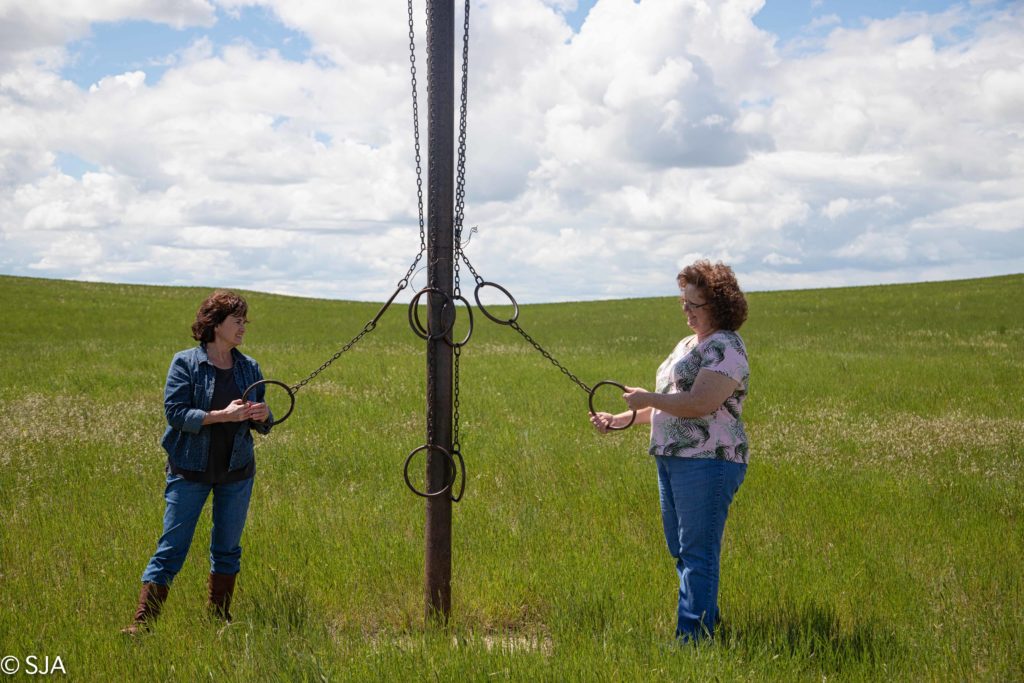
The next stop was the site of Cavill School where my mother taught in a one-room schoolhouse in the ‘40’s. A plaque commemorates the teachers and students that attended school there. A Giant Stride is all that is left of the school grounds. Our round trip through the prairie was around 100 miles in distance, but it took about eight hours. By the time we got back to town, we were ready for our evening meal.

Back at our cabin, we recounted our day’s adventures, complete with animation and a bit of exaggeration, to our host. The telling of tales is part of the adventure. It had been a great day of new sights for the girls, grand adventures and laughter. They even discovered why I carry toilet paper.

Buffalo Jump

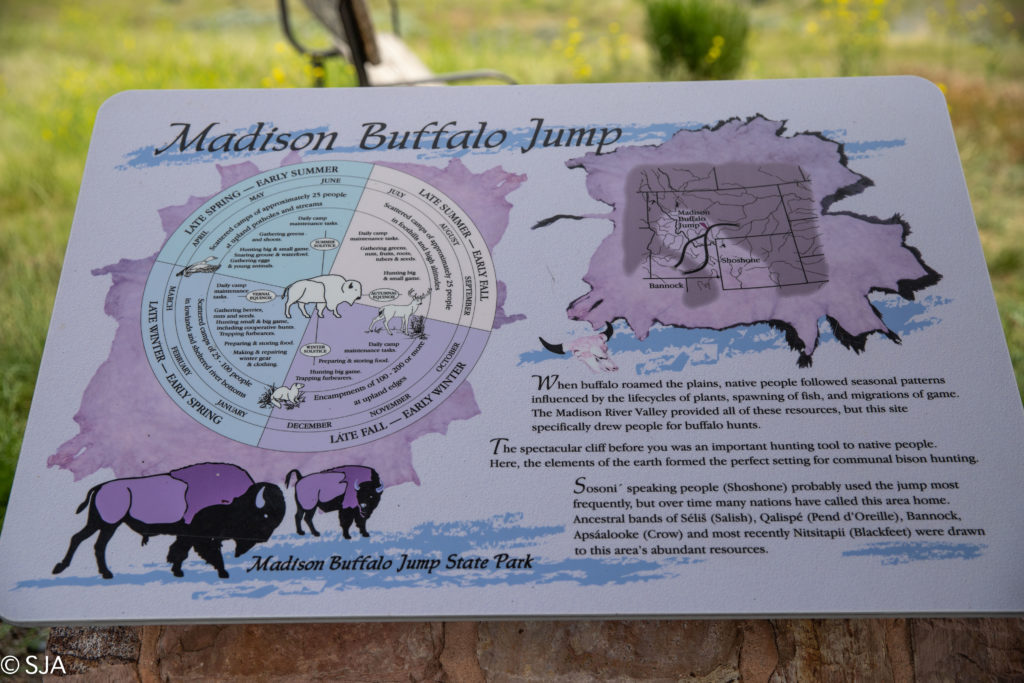
If I say, “Buffalo Jump,” you may not have a clue what I’m talking about or you may have a vision come to mind. This summer, Maud and I visited Madison Buffalo Jump State Park near Three Forks, Montana. The 638-acre park includes the limestone cliff that was used by Native Americans as a buffalo jump. Interpretive displays give detail descriptions of harvesting bison for food, clothing, and shelter. Visitors are given a glimpse of the culture of the Native Americans who used this jump site.

My visits to Montana are not complete without passing another buffalo jump on the way to the mountain homeplace of my father. In his younger days, he explored along the edge of the river under the cliffs of the jump and found buffalo bones, arrowheads and other Indian artifacts. I was able to share that experience with my grandkids this summer. We had the privilege of exploring that very same area and even saw buffalo bones sticking out of the dirt and rocks on the other side of the river.

Rocky cliffs line the edge of the butte on two sides. Years ago, Indian braves wore buffalo or wolf skins to lure buffalo to the cliff. When in position, hunters came from behind and channeled the buffalo to the direction of the cliffs. Others waited to help with the harvest. In fear, the buffalo ran and plunged to their death. The river that followed the curvature of the butte ran red with blood. Not only were buffalo used for meat, but all parts of the animal were used. Skins were made into clothing and teepees. Sinews were used as bowstrings and thread. Tongue could be used as a hairbrush. Horns and hooves were made into cups and other utensils. Hair was used for rope and halters. A good harvest was vital to their survival. Located nearby was their village. Teepee rings are lingering evidence of those who lived there.

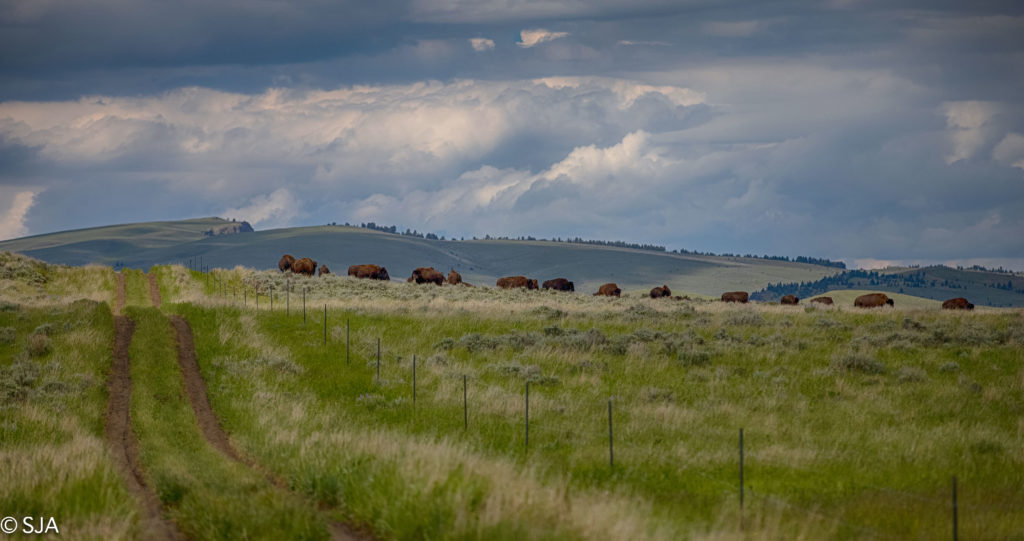
Later after we visited the buffalo jump, we drove around the other side of the butte. My youngest granddaughter asked for a story. The story I told was of the buffalo hunt and the Crow Indians who lived on the prairie in view of the mountains. I asked, “Do you see the buffalo on the butte?” She looked and said, “Yes, I see them.” I put my hand to my ear, “Listen! Can you hear the stampede of buffalo and feel the ground shake?” She said, “Yes I can.” I pointed, “Can you see the teepees over there where we saw the teepee rings?” My desire was to paint a picture of teepees and fires burning within rings of rocks. Women were sewing garments out of skins with bone needles and sinew thread while others scraped hides, preparing them for tanning. Children ran and played with small bows and rattles made from horns. Young men fashioned knives and arrow heads out of bones and rocks from the riverbed.

As the little girl listened to my story, she formed pictures in her mind of the scene I described. Later when she asked me to tell the story again, I had her tell it to me instead as only a four-year-old can do. Hopefully the story will pass on to her children and grandchildren.

Note: Though we often use the terms interchangeably, the animals we know as buffalo in North America are bison