Notes on Sheepherding

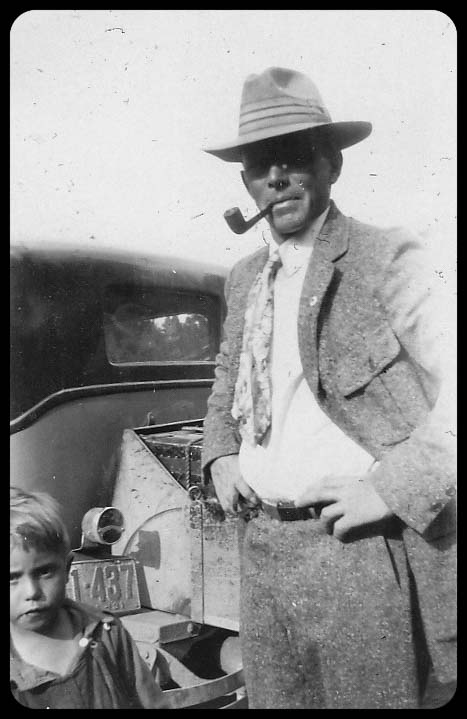
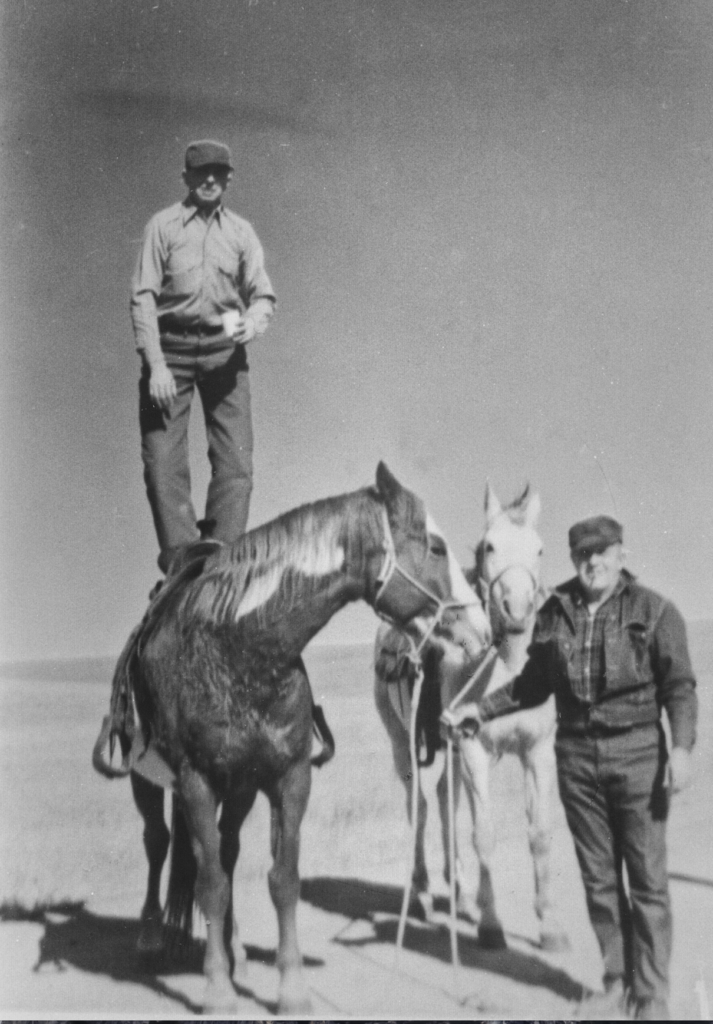
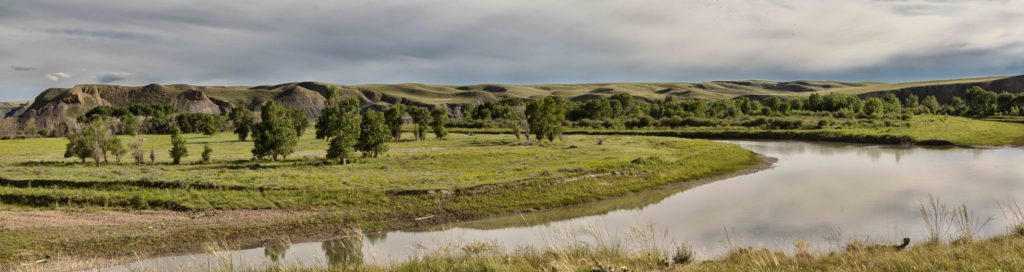
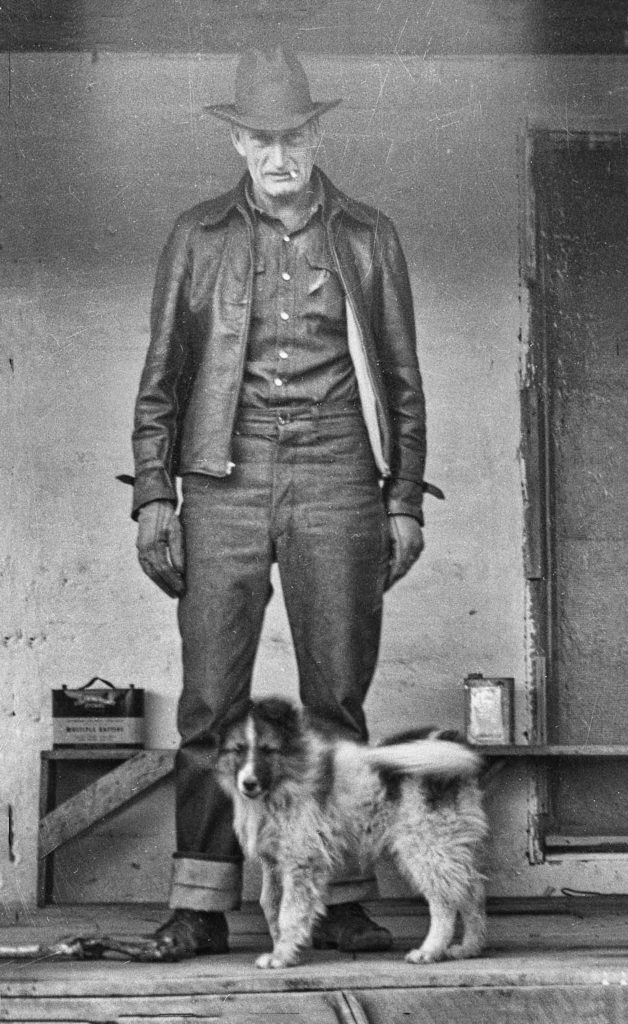
My Guest author today is my Granddad as he recounts tales of life on the Montana prairie. I can still see his face as he told tales of sheepherders. A shadow passed over him as he told of the old sheepherder losing his life, but his whole face lit up when he told about the Cotter brothers.

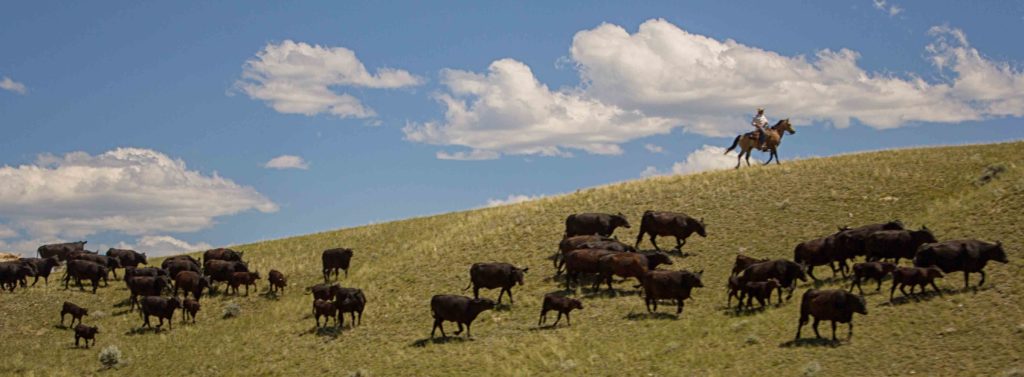
Charlie Leap was a sheepherder up along the Missouri River in Montana. He hadn’t started out that way, he got in some sort of a jackpot back east and joined the cavalry. They put his outfit out west protecting the builders of the Great Northern Railroad. After the rail line was built, Leap became a cowboy. He had cursed up and down about the people who were bringing sheep into the country. But when he got so crippled up he couldn’t ride anymore, he got a job herding sheep. The sheep in the northern plains came in by the thousands. The Veseth outfit was big into sheep. Some of the cowhands, who used to run their horses through the sheep scattering them every which way, ended up as Veseth’s herders. They didn’t know that the coming of the sheep would be all that would give them a job when they got too stove up to ride.

The Phillips outfit must have had 30-40,000 sheep. Jim Cotter had only four bands. His partner, Marvin Jones, was with him in the business. When the bad winter hit, their herd was almost wiped out. One night they were following the sheep. The wind was blowing snow.  They couldn’t see anything. The partner stopped Cotter.  “Don’t go any further,” he said. In the dark they knew something was wrong.  The whole band had gone over a bluff.  By the time the winter was over most of the sheep were gone.  

That was the “bad winter.” There were several bad winters. I believe the worse one was ’87. It changed the livestock industry in the Northern Plains. Until then some cattle and sheep herds were wintered without hay. After that the livestock men started making hay while it was summer. The livestock killing winter would long be remembered.

A herder stays with his flock. Sometimes the sheep will leave the bedground on a stormy night. One herder followed his sheep on a blizzardy night. They came to a drift fence. The herder held out one arm and let it ride against the top wire. The arm was freezing and without feeling. He’d raise it up at each post. They found him the next day, frozen to death, his arm sawed deeply from barb wire.

Jimmy Cotter came over from Ireland. He knew about sheep. He didn’t have any money, so he got a job herding sheep on shares. After a few years the share was doing so good that the boss said, “You ought to be paying me. You’re doing as good as I am. Maybe you better get off on your own.” So Jimmy got a partner and went off on his own. His brother, Mickey, came over from the old country and helped Jimmy.

When Jimmy married the Indian girl that was doing the cooking, Mick moved out of the house. But he still kept working for his brother. One winter, after several weeks being snowed in and running short on supplies, Jimmy sent Mickey to town. That was Malta, forty miles away. When Mick didn’t show up at the end of ten days, I went after him. When I found him, he was having a good time in one of the saloons and saying, “Me brother James will foot the bill.” I think that may have been the same time that Mickey failed to get the groceries. “Me brother, James, gave me sixty dollars for grocery money,” he said, “and I spent eighty of it for whiskey.”

Mickey was quite a herder. He stuck with his sheep during a storm and froze his feet. He lost his toes and the balls of his feet and stumped around on the end of his legs. He managed to get out in public and took in a dance, but he wouldn’t get on the dance floor. A lady by the name of Stella said, “I’ll get old Mickey out on the floor.” She went over to coax him to dance.

He declined the favor. “I can’t do it,” he said. “I’ve lost me balls you know.”

Stella spread the news of why Mick couldn’t dance.

Tales with a Twist

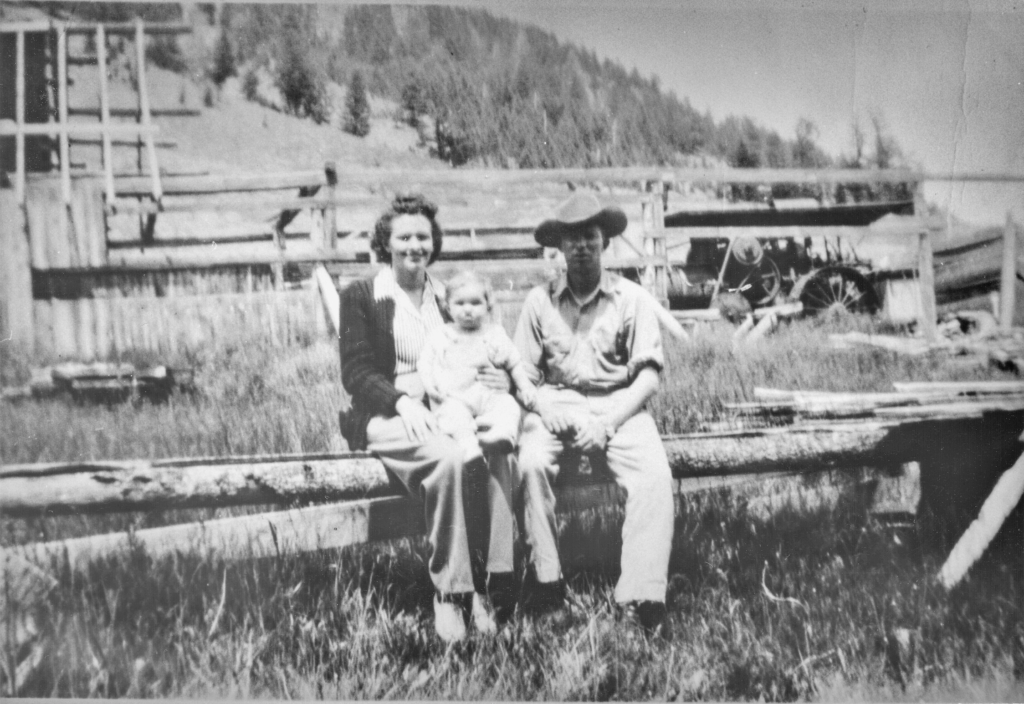
Some of my favorite stories are those my granddad told of his batchin’ days. He and his batchin’ partner, John, traveled the Montana prairies from place to place as they followed the harvest and worked with threshing crews all the way into Canada. Sometimes his brother, my Uncle Buster, was his sidekick. My granddad had a homestead in Phillips County near his uncles.

His tales took us from Sun Prairie Flats to Malta, the Missouri River Breaks, Landusky, Zortman, the Long X Ranch, to Calgary and many places in between. We heard names such as Kid Curry, Pike Landusky, Granville Stuart and Charlie Russell.

When he first came to Montana, he landed a job with the B D Phillips outfit north of the Missouri River. Phillips had several bands of sheep. My granddad said, “I got on as Camp Tender. Phillips had several ranches that I worked out of. One was the Black Ranch. It was near the Little Rockies up by the towns of Zortman and Landusky.” Landusky was a wild west town just like its namesake, Pike Landusky, who was killed by Kid Curry in Jew Jake’s Saloon. (That was before my granddad was in that part of the country.) My grandfather said, “Kid Curry came in and slapped Pike on the back and floored him with a punch to the jaw. Landusky raised up and drew his pistol but Kid outdrew him. I don’t know if this was the first time anyone outdrew Landusky, but it was the last time. They carried his corpse to boot hill. It is told that Kid Curry left for Missouri where he joined Butch Cassidy and The Sundance Kid.”

He continued his story, “One old timer I knew had been the corral tender for the Curry outfit. He was the chore boy. He saddled their horses and had them ready for the outfit to ride. One day he said to me, ‘Slim, I want to show you something.’”

“The fellow took me to the barn at the Black place and pointed to a saddle. ‘My saddle,’ the old man explained. ‘I just want you to look at the back of it.’ I looked. By golly it had a bullet hole as neat as a pin. ‘Ever hear of getting your pants shot off?’ the old fellow asked. ‘Part of my job was to drive a team and wagon from one sheep camp to the next. B. D. Phillips had some Swede sheepherders. They were good men who had to have rutabagas.’”

These stories and other tales make Montana history come to life for me. From the time of the arrival of my family into Montana Territory, they have rubbed elbows with those who helped shape the state and have become part of history itself.

One connection was Uncle Buster who worked for a time at Circle C Ranch near Zortman. Circle C was owned by Robert Coburn and his sons, purchased from Granville Stuart, aka “Mr. Montana.” One of the boys was Wallace Coburn. He was a rancher, an actor and author. 

Wallace Coburn also had a friendship with Major William Logan who married a cousin of mine, Mary Balsorah Redding, on my father’s side of my family. In 1902, he was appointed supervisor of the Agency of Belknap Indian Reservation on Milk River. The same year, he was given the job of superintendent in charge of road construction in Glacier National Park. The next year, he was appointed the first superintendent and chief ranger for the newly formed Glacier National Park. I imagine some of my family know nothing about this familial connection with one of the greatest National Parks in our country.

There is another twist of historical note that may well be controversial, disapproved and pretty much disregarded. It is interesting, none-the-less. A small book, The Battle of Little Bighorn, written by Wallace David Coburn as told by Major Will Logan, gives a different view of this battle event in history.

Each of these relationships, no matter how seemingly insignificant, gives an overwhelming sense of the community of kinship that connects us all.

Big Hairy Spider

I ran down the long dark hall as fast as I could to my parent’s bedroom. Somehow it seemed further away in the darkest part of the night. I went to the side of the bed where Daddy was sleeping soundly, that is until I shook him. 

“Daddy. Daddy. Daddy.”

“What’s the matter?”

“Hurry! There’s a giant spider in the sink.”

I had gotten up in the middle of the night to use the restroom. After turning on the light, something caught my eye. There was a monstrous gigantic hideous ugly spider in the sink. Its hairy legs wiggled, and its beady eyes turned around like a revolving dome as it looked at me. The fat body moved up and down in rhythm and I knew it would pounce on me at any moment. The only thing, and the best thing I knew was to get Daddy. He would take care of everything and send the monster to its watery grave.

When Daddy got to the bathroom, there was the spider just as I said. Big hairy varmint! Ha! Daddy took care of him!

When he returned to his bedroom Mama asked, “What was that all about?” Daddy said, “Oh, there was just a little spider in the bathroom sink.”

Initiation

aka Just Hangin’ Around

My Guest Author today is my Dad as he shares memories of his Freshmen year at Sweet Grass High School. Go Sheepherders!

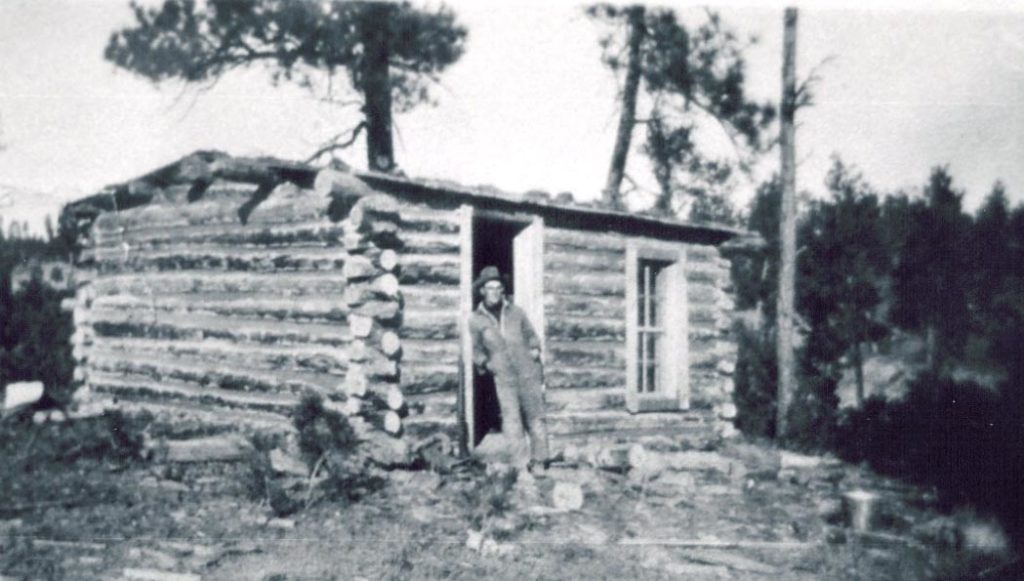
My 1925 beginning was in a mountain wilderness twenty miles from a country store, a post office or a telephone. Electric lights were something magic which they had in town forty miles away. My older brother died when I was six years old. I had two sisters, and there were two girl cousins who lived two miles down the road, but the nearest boy my age lived nine miles away. Sometimes, I knew what lonely was.

After seven years and eight grades of education in a log cabin school with a top enrollment of six, I was sent forty miles away to a mind-bending 150 student high school in Big Timber, Montana.

In those days they initiated the freshmen class by marching us down Main Street. The boys were dressed in dresses and the girls in boys clothes. I won the honor as being the best dressed freshman boy in the Initiation Parade. I wore one of sister Barbara’s dresses.

The next day the freshmen were herded up the airport hill to repaint the school logo. “SGHS”. That done we were officially accepted as the Big Timber Sheepherders – except for the “pantsing”, an informal part of high school initiation where Sophomore boys stripped the Freshmen of their pants and hosed them down with that cold Big Timber water. A few favored freshmen had to run down main street to retrieve their britches. I boarded at the far edge of town and missed the pantsing, but the next day the Sophomores caught up to me at the high school and hung me up by my belt on a coat hanger in the hall. A teacher came along and set me free before my first class.

Montana Rainbows

sometimes we just need a reminder of a promise

The fire was going in the wood cookstove and water was getting hot for tea and for a bath in the old washtub. Finally, the chill was gone from the air as flames licked the stone fireplace and heated the log cabin. It wouldn’t be long until the smells of a hot meal filled to room and welcomed the hikers yet to return from the mountains.

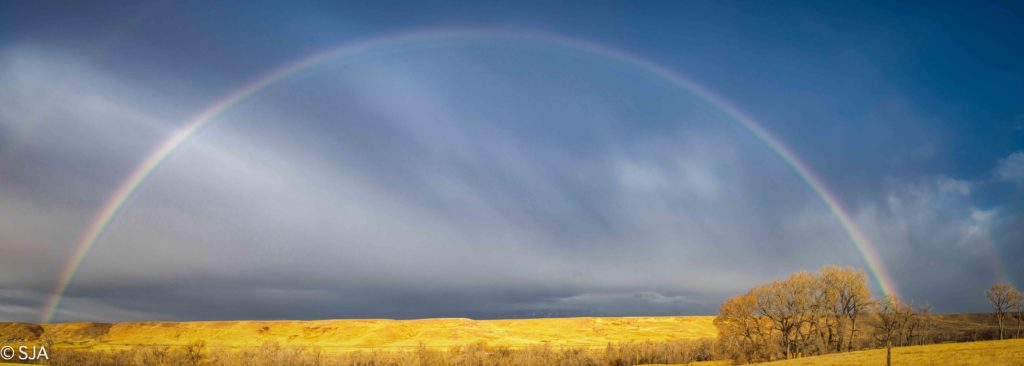
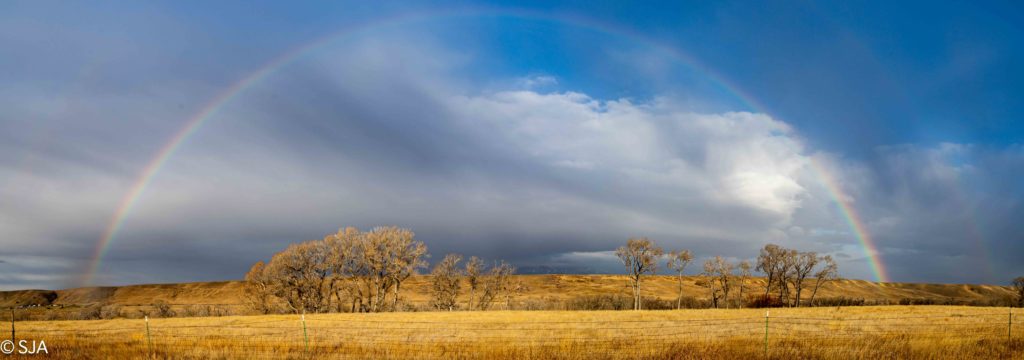
The steady rain eased up and rays of sunshine managed to squeeze through the clouds. It was then I noticed a rainbow. The arc was so close, I could see the colors of the prism between me and the trees just beyond the Ward and Parker gate. Had we been in Ireland, I am positive there would have been a leprechaun searching for the pot of gold at the end of the rainbow. Never had I see such a sight. The colors were bright and vivid. I thought about walking toward the trees but was afraid the bow would disappear altogether. As if a magic wand painted the sky, another fainter rainbow appeared over the brighter one. Just as quickly as it came, they were both gone. When the hikers arrived a few minutes later, all evidence of the colorful phenomenon was erased.

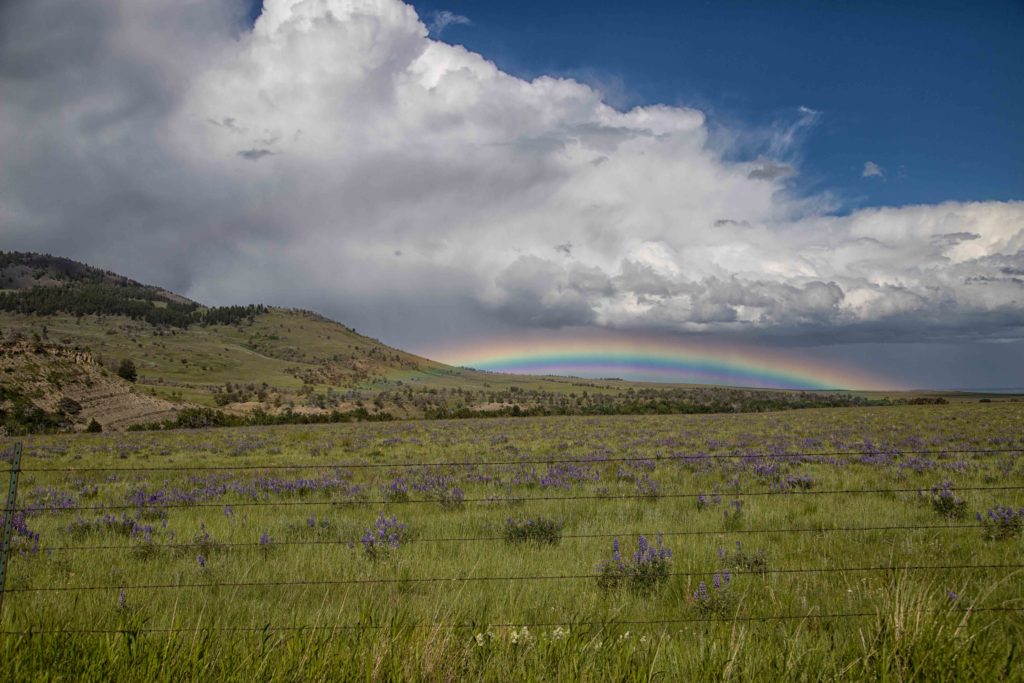
Over forty years later just a few miles away, another rainbow appeared. Once again, the colors of the bow could be seen rising up from the prairie grass casting its hues on the trees behind. A second bow arced over the first.

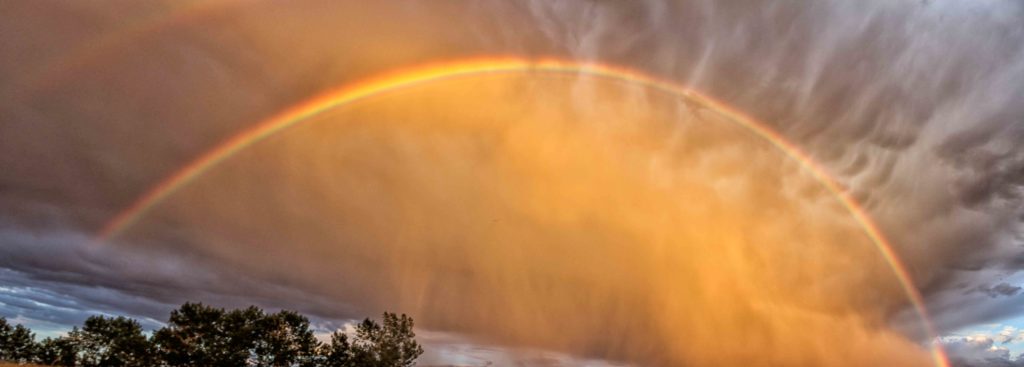
Another rainbow looked like an arch holding up the sky, spanning across two corners of the earth. The second bow sent sparkling water particles upward until they faded from view. I think that was the biggest, most magnificent rainbow I have ever seen.

When rain has fallen and the sun magically appears, look to the east. You might just see a promise of a lifetime.

Autumn rainbow 2018 – it followed us all the way to Livingston

The Mountain Lion

The little boy walked alone on the trail home. Shadows lengthened as the sun fell lower and lower in the sky. Even the long shadow of the little boy made him seem like a giant monster. Something lurked behind the trees. Large glowing yellow eyes peered between low hanging branches in the looming evening light. The boy’s pace hastened. No matter how fast he walked, he imagined a monstrous mountain lion matching his stride step for step.

A knot of fear rose in the little boy’s throat. He began to run. Swish. Swish. The noise got louder and louder. Something was after him. The little boy ran as fast as he could. The faster he ran, the faster and louder the noise of the chase. He didn’t dare look behind him, but only kept his eyes focused ahead. Soon he saw smoke from the chimney. He knew home was just over the rise.

He ran through the gate that clanged and clanked as it bounced shut. Just a few more steps and he would be safe. The screen door slammed behind him. He leaned against the wall to catch his breath. Perspiration beaded up on his forehead. He no longer heard the sound of the mountain lion that chased him. There was his mom, apron on, as she prepared supper for a hungry little imaginative boy. He knew he was safe!  

As he walked to the table, he heard a faint swishing noise. He stopped. Nothing. He took a few more steps. There was that sound again. The noise seemed to come from him. He looked down and realized that with every step he took, his corduroy britches rubbed together. His Daddy wore corduroy britches that went “Swosh, Swosh,” when he walked, but corduroy britches on a little boy sounded like a mountain lion ready to pounce.

Supper Invitation

After the long trip across the country, we pulled into my grandmother’s driveway. It was wonderful to be out of the car and stretch our legs. Traveling that long distance, skin on skin with the five sibs, we were ready to be free of the car and one another. Mama was probably the happiest! She might get some reprieve from all the noise and fussing that went on in the back seat.

The first order of business after visiting with my Grandmother a bit was to go downtown to the post office to see Cousin Jim. Any day to see Cousin Jim was a good day! For one thing, he was a great storyteller. For another, Cousin Ruth was a great cook. He always invited us, the whole mess of us, to their house for supper, and believe me, that was something we didn’t want to miss!

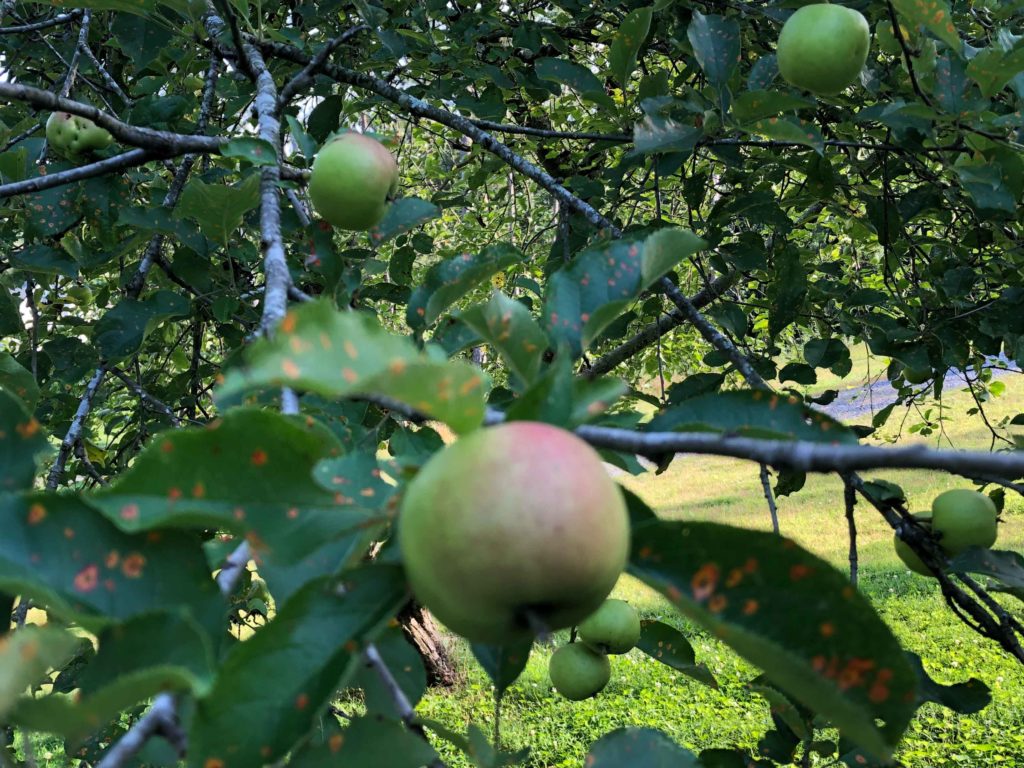
I had a snack in my Grandmother’s crabapple tree the afternoon before going to their house for supper. By the time we were seated and the food was being passed around the table, my stomach churned and burned and started to boil. I had to leave. My sister ran with me back to the house. I barely made it before exploding. My Grandmother had told me not to eat too many, but I didn’t listen. I had no idea those tiny little tart apples that made my mouth water were actually ticking time bombs ready to explode. 

Let me tell you, I didn’t make that mistake the next time we were invited for supper! I didn’t want to miss a bite!

Rattlesnake Country

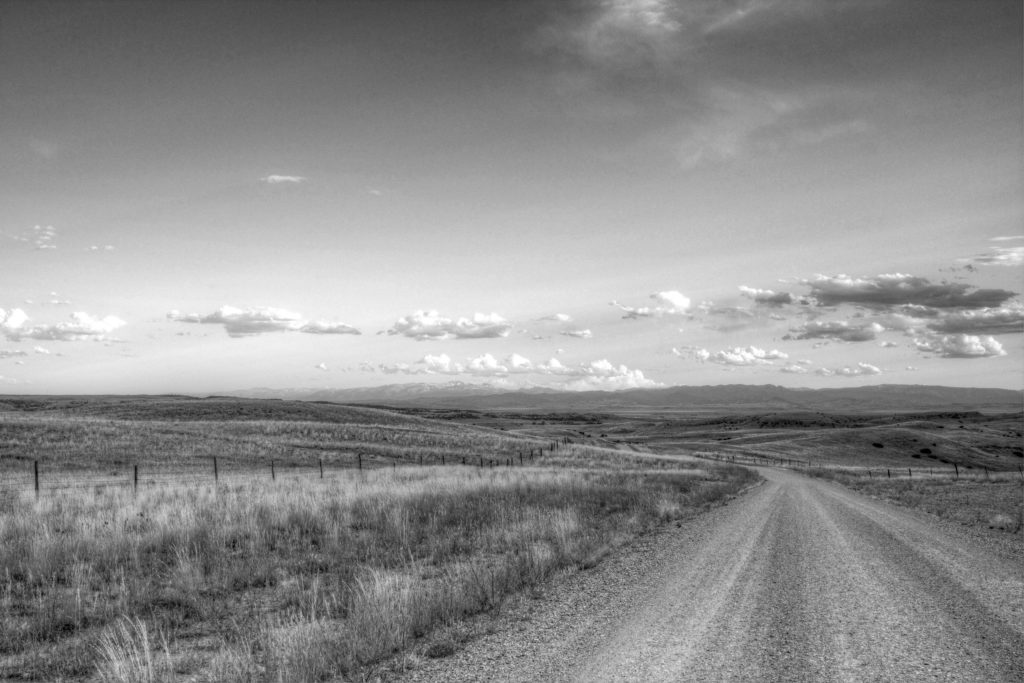
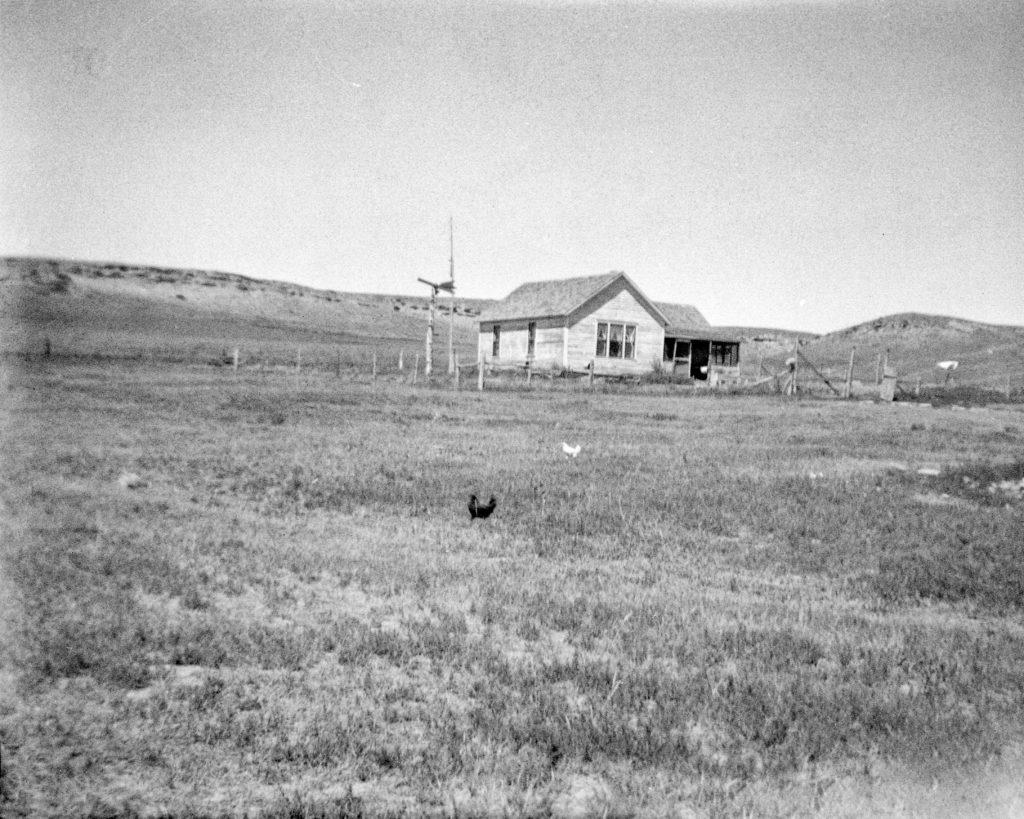
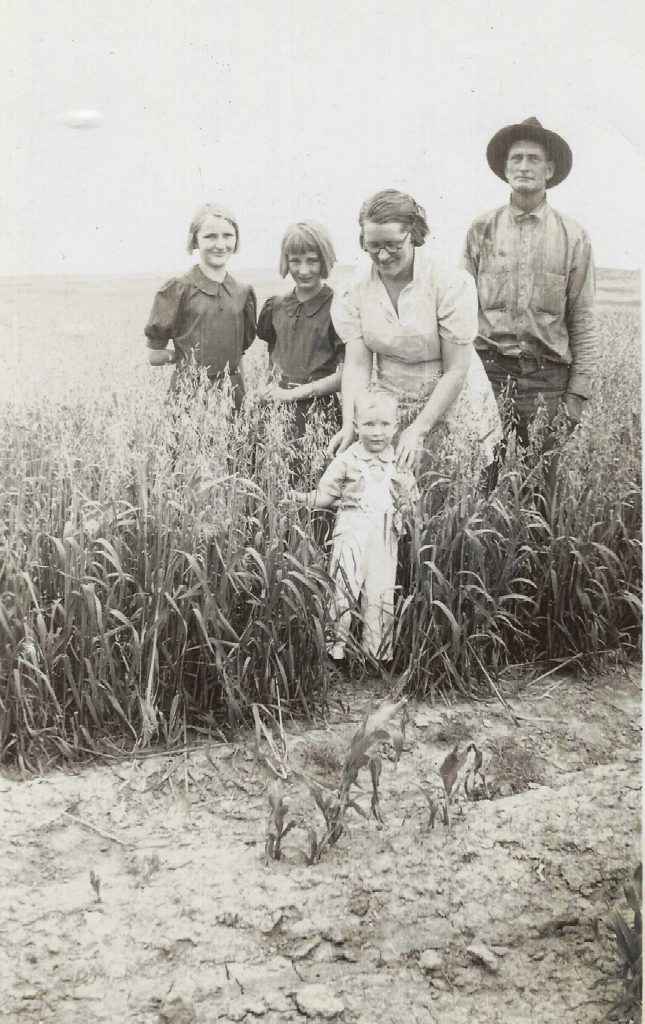
Living on the prairies was all the young girl had known. Though the automobile had brought changes to much of the country, life on the prairie remained much the same. She and her sister had to walk to school. The three miles to Knob Hill School was a lot closer than town which was only thirty miles away. Some days in the wintertime as the girls walked to school, a coyote trailed behind them in the snow. In spring and fall, they had to watch for rattlesnakes.

They lived in rattlesnake country. One of the chores the young girl had was to sweep the snakes off the porch and keep the fiery serpents out of the small fenced in yard as well as off the path that led to the outhouse. One day she went to bring the cows in and found a snake that filled the water bucket. 

To those who lived on the prairie, a prairie rattler was part of life. It was as common as the angry green clouds that hurled stones of ice to the ground and the winds that caused the golden prairie grass to ripple like waves of the ocean. Rattlers gave a warning signal if an unsuspecting passerby got too close. The hailstorms also gave a warning, as seen in the color of the clouds ready to unleash their heavy load.

The girl’s father grew up on the prairies, too, from the plains of Nebraska and Oklahoma to Montana. He knew how to handle snakes. *He claimed he could grab a rattler by the tail, crack it like a rawhide whip, and snap its head off. His youngest sister verified his story and said she saw him do it on more than one occasion. Had he been able to lasso the hail clouds and cast them back to where they came from, he might have done that, too.

The young girl grew up. She taught at Cavill School, a one room schoolhouse on the prairie. Though she eventually moved from the prairie, the prairie never completely left her. 

You might think this is just some tall tale, but I can assure you this is a true story. I’m as sure as I am my mother’s daughter, these events are true accounts in the life of my mother and grandfather. 

Though I have never seen a snake on the prairie, I am cautious. I jump at the sound of those little insects or birds that make rattling noises, and I always wear a pair of boots when walking in the tall prairie grass or an abandoned homestead.

*Warning: Do not try this at home

Collecting Frogs

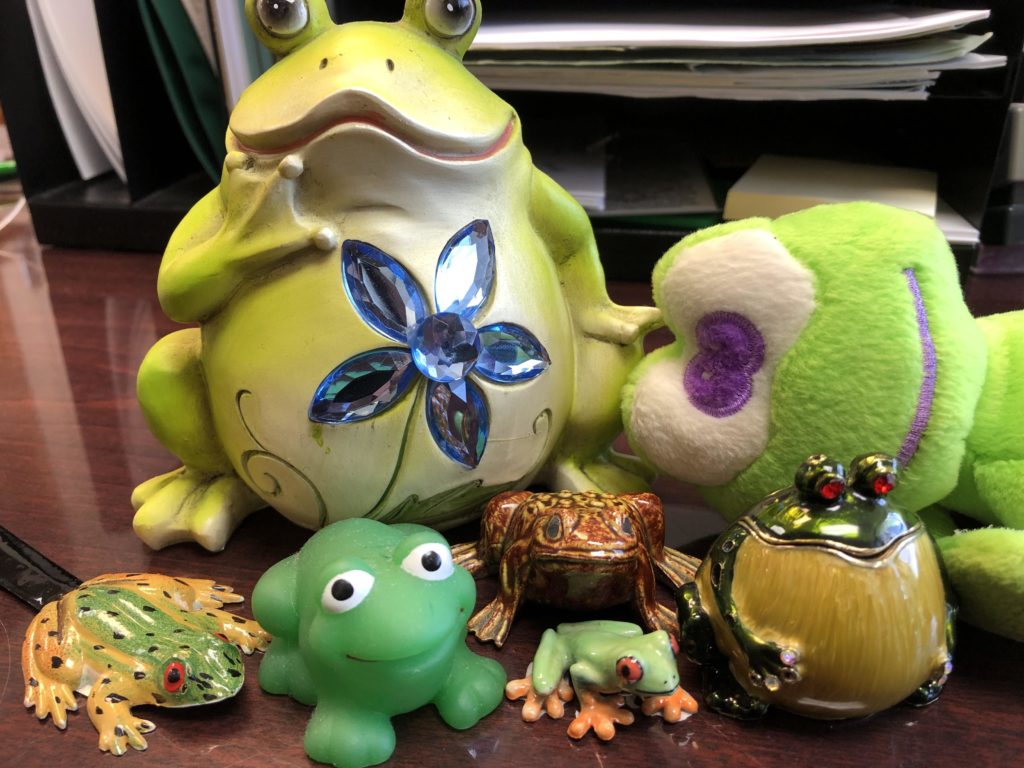
When I was a kid, I collected frogs, live frogs, and I didn’t even get warts. There was a muddy Georgia creek close by and it was prime frog habitat. Sometimes we’d go to the creek and dip a scoop of tadpole water into a pot, take it the front yard, and check daily on their progress.  

My frogs were special. They had names. I named all my frogs “George.” That’s a good name for a frog because they all like being called “George.”

One day my sister said, “Let me name this frog.” I said, “Okay, but if you name it anything other than George, it will hop away.” She pondered a minute, then said, “I’m going to name him James.” That was not a good idea. She sat him on the ground and immediately he hopped away. Frogs do not like to be called “James.”

May Celebration

My Guest Author today is my Grandfather, as he recounted his tales to my Dad. He lived on the prairies in homestead days. He was born in Nebraska, lived in Oklahoma for a period of time, then the family traveled by covered wagons to the prairies of Montana. He told many a tale of his prairie wanderings, including stories from when he worked at the Long X situated along the Montana Hi-Line.

The Long X outfit moved up from Texas with a big herd of cattle. They ran cattle all over the country and had a number of cowhands working for them. Buster worked for the Long X. Every year there would be a celebration on the Second of May.  It was a May Day celebration with people coming one afternoon and not leaving until the next day.  Some of them stayed in the new ranch and some stayed a few miles away in the old log ranch buildings.  That was where they had their dance.  All the young bachelors were supposed to get a gal to bring to the dance.  Reynolds Jones didn’t find one.  Fred Shoemaker knew someone across the Missouri on the mouth of the Musselshell and swam his horse across. Maybe used a boat to get her back and left her horse on the lower side and had a Long X horse stationed on the other side for her to ride on to the dance.

Buster decided to take a young schoolteacher to the dance. He had to ride 35 miles to get her and escort her back. He had a horse called Skookie Sturgeon because of the way he acted in the water.  He sank to the bottom most of the time.

It took the better part of the week to get the school marm to the two-day celebration and back to the ranch. The weather was cloudy.  It began to rain, and the rain was mixed with snow. Most of the crowd hung around a couple of days longer so it was a three or four day affair at the best. 

One of the party goers was One Eyed Stuart (Young Granville) whose sister issued him an allowance on a monthly basis to keep him from blowing it all at one time.  One Eye wore a patch where a horse had kicked his eye out. He had a college education but was a real roper and cowhand who always caught branding calves by two hind feet at the same time.  He liked to drink and gamble. At the celebration Buster counted his losses, but One Eye lost two hundred dollars at the poker part of the party. 

Buster was due to lose more ‑ after the celebration. He had to leave early.  The teacher just had to get back. Buster hesitated when the snow was flying, but decided it was getting safe weather to travel. He tied his new suit on behind his saddle and started back with the teacher. When they got to Telegraph Creek, it was running high and wide. 

Buster put the teacher on the best horse and slapped his saddle on Skookie Sturgeon. The teacher crossed fine, but the Sturgeon got halfway and went to the bottom. Buster ended up swimming. The horse drowned and floated down the creek. The new suit and saddle were later retrieved from an island where the horse washed ashore. 

A replacement horse rammed something in his foot and the teacher and Buster had to finish their journey riding double and towing a lame horse. 

The teacher said, “Buster, you’re not safe to go out with,” and she didn’t go with him again. 

The celebration was sort of a washout. Buster said he lost a week’s work, his horse, a new suit of clothes, and one of the best girls he had dated.