We alit from the plane, made a pit stop, then headed to stand in line to get our rental car. I told the young attendant, “I need a four wheel drive.” The Judge told the guy, “Yep! You never know where she might take us.” My first thought was, “Oh no! He’ll check the rental car wanted poster and find my name on there from the first trip when we returned our vehicle caked in mud.” He just smiled and thought, “Not that sweet little lady.” I just grinned with all the innocence I could muster.
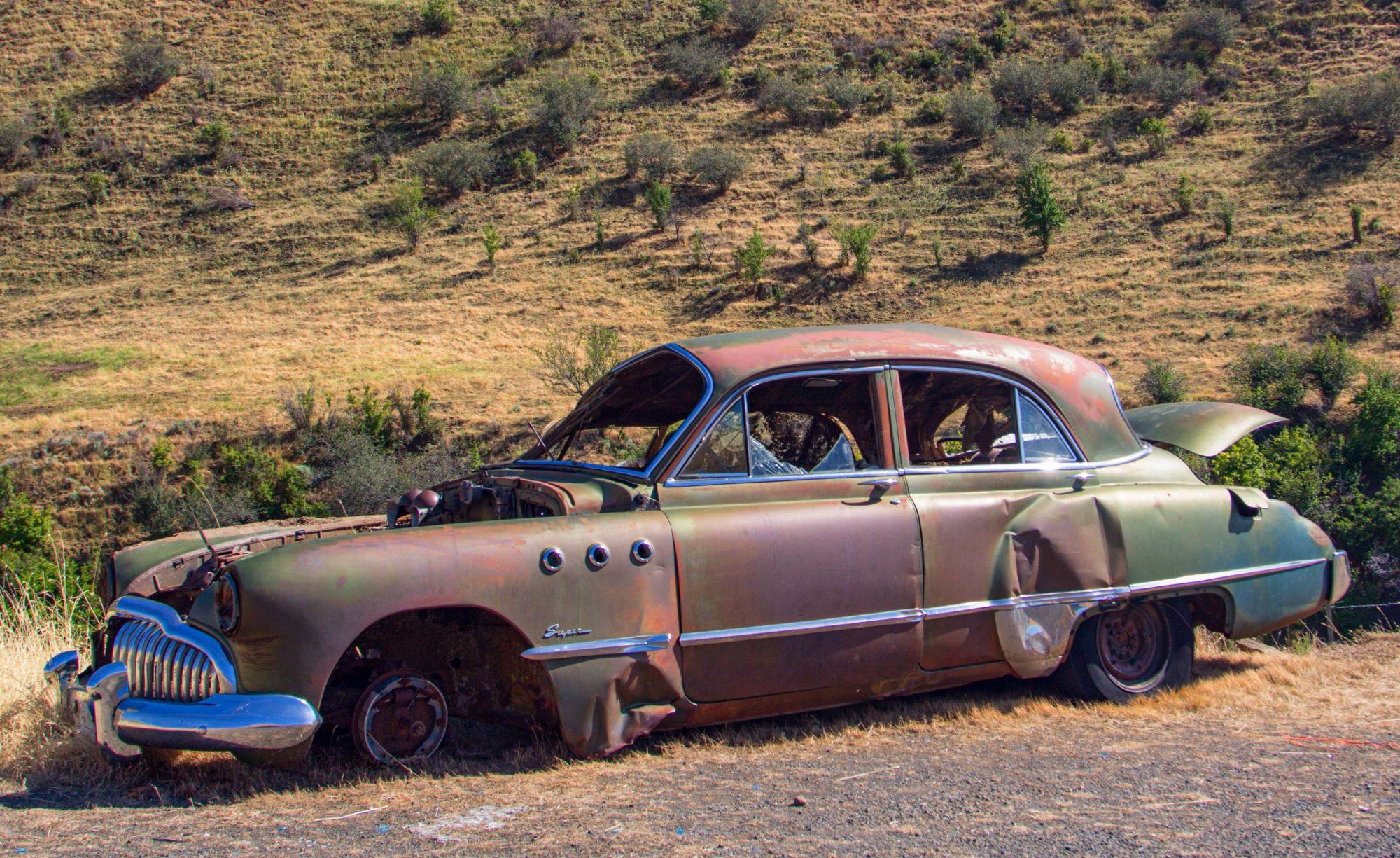
It’s a good thing the attendant didn’t see us the next day as we hopped, jumped, bumped and sometimes almost flew through the field. Who needs roads or trails? There were no speed limit signs and I probably wouldn’t abide by it anyway. However, there was a sign outside of our fence. I’m not sure what it meant but it was evident someone didn’t follow its instructions either.
The girls came to me like two little puppies, jumping up and down with tongues out and tails wagging. “When are we going on another adventure? Huh? Huh? Can we go? Can we go? Yeah, Yeah, let’s go somewhere.” I patted their heads, “Down girls!”
After a few times of that, they wore me down. “Okay. We’ll go somewhere. We’ll go on a road trip.” I thought that would calm them down but no! I knew I had to make plans – and quick – if I was going to get any peace at all. Then, Maud got in the act! So guess what? We’re on road trip.
Red is along. Her name kind of gives her away. Yep, she has red hair with green eyes to go along with it. And she has freckles, well, more than that. She has freckles on top of freckles and they have their own freckles. She likes to put on makeup in the morning so her freckles will sleep.
Then there’s the Judge. She thinks she’s the judge at all times. But I can only allow so much of that! When we’re on a road trip, I’m in charge. To make sure, I don’t let her know ALL of the plans, but how can I because I don’t even know them all. On occasion, to make her feel important, I give her assignments. I sure wouldn’t want her to loose her judgeship skills. She gets to do things like haul rocks, drive Irish Chariots, pump gas, ask people questions, and stuff kind of like that. She is a natural beauty so doesn’t have to mess with makeup.
You’ve met Maud before. She’s the young blood of the group – zany, which means, amusingly unconventional and idiosyncratic, and she likes to calm us with her singing skills. At any time she might jump in the air and click her feet together, tell a wild tale or yell at the sky.
Those gathered around the dinner table held hands with heads bowed as the elderly man began his prayer with song, “Take me out to the ball game, take me out to the crowd….” The crackled voice broke causing a wave of emotion to wash over us. I lifted my eyes but dared not look around to see the expressions of the others. I couldn’t have seen if they had tears in their eyes for my own that threatened to spill over. Just that simple tune was one of the greatest proclamations of thanks and blessings.
The tune transported me back more than 50 years ago. The pitcher stood on the mound. “Batter’s up!” He started his wind-up, his arm spinning like rotors on a helicopter about to take off. “Swing batter batter,” was heard from the field. Crack! The ball flew through the air as the batter ran at full speed. As he turned first base and headed to second, dried cow manure was flung from the soles of his shoes.
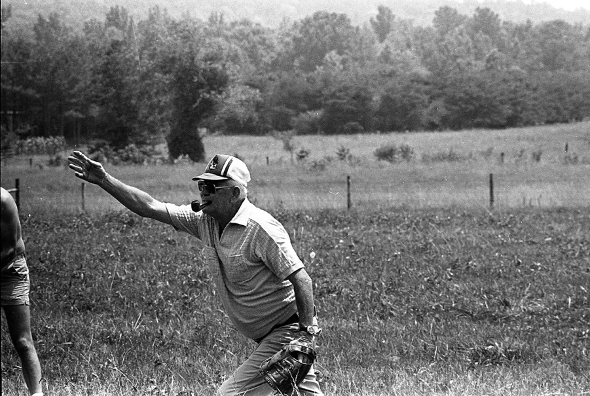
That’s how we played ball when our families got together. We’d grab our gloves and crawl through the barbed wire fence and into the pasture. Dried cow patties served as the bases. Some of the boys stripped off their shirts and others put on their caps. A ball game was serious business! I always wanted to be on the team that had the most Clark boys. Those boys knew how to play ball and I wanted to be on the winning team. The Clarks, Hambys, Spallers, Wards and all the other cousins, young and old, picked teams. Guy, pipe in mouth, was the pitcher. When the little kids got up to bat, he shortened the distance from the pitcher’s mound to home plate. The little ones were just as much part of the team as the big ones. And if a little one hit the ball there was more cheering than if one of those big guys hit the ball over the fence and into the neighbor’s field.
When the big game was over, the teams grazed from the leftovers stretched out on makeshift tables under the shade trees. My granddad, having thumped his watermelon to prove it was ripe, cut the watermelon into pieces. Kids lined up to get their slice. Juice ran down their chins and dripped down their bellies. The old timers told the same stories they had told for years but we listened as if it was the very first time we heard them. They talked about their days living on the prairies of Montana. It seemed their hearty laughter could be heard for miles away as it bubbled up from the tips of their toes, their booming voices drowning out the chatter of the others. We were given predictions of the baseball teams that were bound to be going to the championship games. Women exchanged recipes and swapped cotton yarn for knitted dishcloths. Though our bellies were full, the soothing aromas of my Aunt’s kitchen still enticed us to get another cinnamon roll (if there were any left) or a piece of pie. With those cooks, there were very little leftovers to take home. By the time we left for home, we were completely satisfied. Nothing beat a day spent with cousins and other relatives with plenty of food, fun and loads of laughter. The stories and laughter still echoes in my memories.
Though many have slipped away, we continue to pass the stories down. That is our heritage and well worth the remembrance. What great blessings we have been given! Family, food, stories, laughter, memories!
Prayers don’t always come in pious or fancy words. Nor are they merely petitions for intervention. Often the prayers that reach the heights of heaven are simple remembrances and thanksgiving of God’s blessings. It might even be a silly tune that speaks volumes.
The elderly man continued his prayer, “….One, two, three strikes you’re out at the old ball game.” “Thank you Lord for those gathered around the table…”
My daddy like to garden. His garden was a place gnomes liked to hide. All kinds of contraptions were found in his garden – concrete blocks, big rocks, plastic, scraps of things tossed in the trash, strips of old carpet, discarded stockings or socks chewed up with toenail holes. There were lots of hiding places for garden fairies, toads, tortoises, rabbits and even gnomes. A scarecrow stood as sentry. It was sometimes attached to tomato cages or stood straight and tall, tied to a long stick. A shirt, hat, bandana or other garments completed its wardrobe. At the end of the harvest, the weathered, saggy crow was dismantled only to be replaced the next year by a newer model.
Daddy would try to grow almost anything, even produce that wasn’t supposed to grow well in the south. Various things were added to the soil. There was sand in the carrot bed, chicken manure, straw, fertilizer and peelings from fruits and veggies scattered in other parts of the garden. He planted fruit trees and bushes, and even tried his hand at grafting. Somehow that little man, who had an unconventional way of gardening, managed to grow an abundance of food in a little bit of ground. I think he must have used fairy dust.
Sometimes he planted Indian Corn. When the corn was ready, it was a sure sign of fall. Some of the kernels were exposed adding a splash of fall color to our table for a time. When it was good and dry, we would shuck the corn by pulling back the husks. I can still feel the corn as we removed the kernels from the cob. I put both hands on an ear of corn and twisted my hands in opposite directions working the kernels loose. By the time we were all done, our hands were sore.
A myriad of various shades of red, orange, yellow, and purple kernels fell into the bowl. When the kernels were good and dry, then came time for popping. Oil was heated in a pan, corn thrown in, and soon pop! Pop! Pop! The popcorn was good right out of the bowl, or for making popcorn balls, or caramel popcorn. Mama mixed up a syrupy mixture for popcorn balls. We’d butter our hands and shape the sticky popcorn into balls and wrap it in cellophane. That also meant it was also time for candied apples or caramel apples.
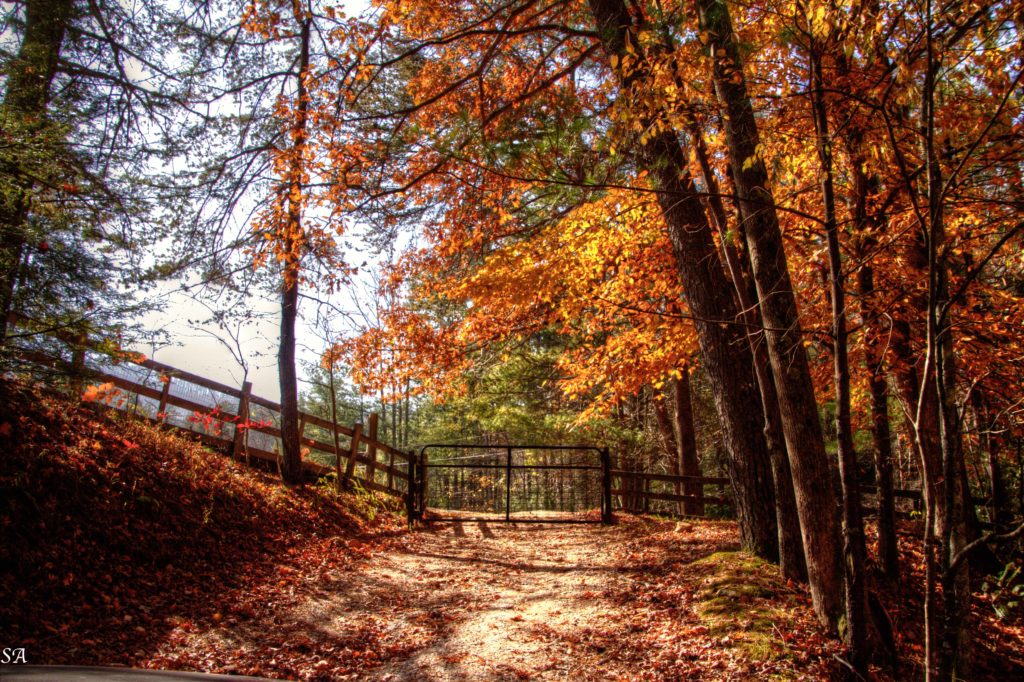
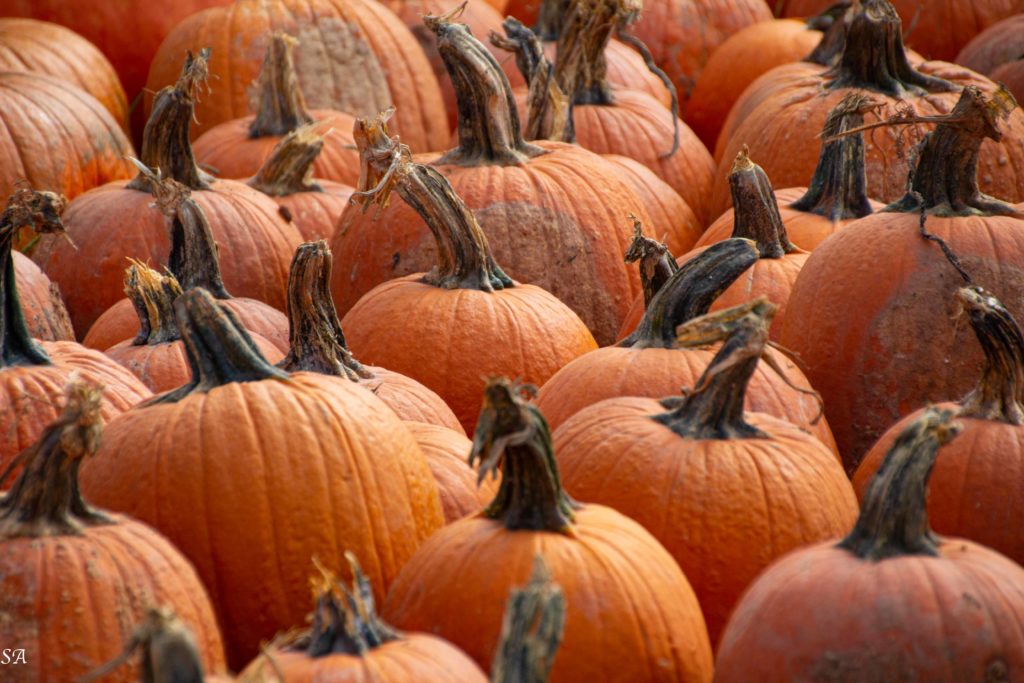
Colorful leaves swept into the air by a cool wind, pumpkins, the bite of the breeze on my cheeks, a warm jacket pulled tight, cuddling up in a fuzzy blanket in front of a cozy fire, roasting marshmallows over a bonfire, remnants of the overgrown garden, dried cornstalks, droopy scarecrow, colors of Indian corn, and caramel apples were reminders that Summer had passed the torch to my favorite season – Fall.
Every year, it still brings warm memories of special times with family and friends.
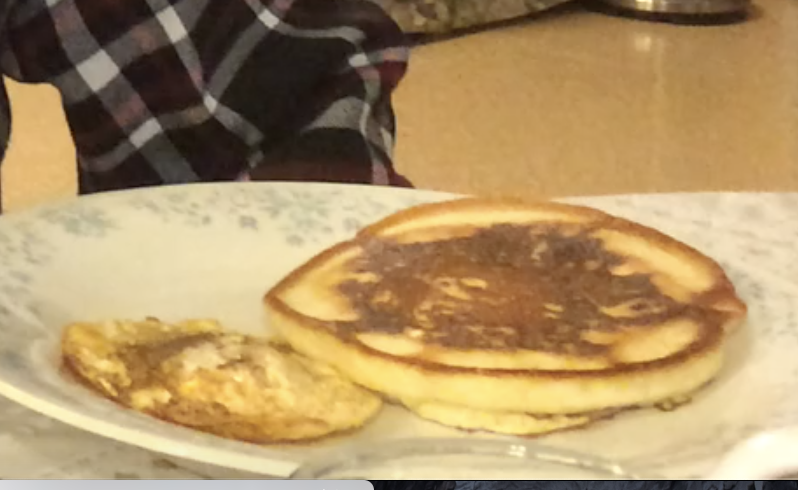
“A hotcake. You know, it’s the same thing as a pancake. It was left over from breakfast.”
“That doesn’t sound like a good lunch.”
“It’s yummy. While it was still hot, I spread fresh butter on it so it soaked in real good. Then I sprinkled it with sugar and rolled it up like a cigar.”
That was what my mother packed for lunch when she was in school. I watched her numerous times as she slathered butter on her hotcake and sprinkle it with sugar. It was pretty good that way! I learned to fix mine that way, too, but not to pack for lunch.
When I was a kid, Mama made hotcakes for breakfast many times. She cooked three at a time in a big cast iron skillet. One of the boys usually got the first stack. She went around the table loading a stack on each plate, then she’d start over again. The boys ate boocoodles of hotcakes – at least 9 each- at one sitting. Mama didn’t get any until they were all done. I wish I knew how much hotcake batter she made at one time.
If my granddad was around, the cat got the first pancake that was cooked all alone in the pan as a test to see if the skillet was the right temperature. If a little kid was around, the test pancake might get put on the kid’s head before it went to the cat.
My lunch bag never had a hotcake in it. Sometimes it did have a maple stick in it though. That was a rare treat!
The nation’s involvement in World War I created the demand for much of Montana’s resources. With the flu epidemic of 1918 and drought that followed, workers could no longer make a living. Soldiers returned from the war to a land and its people that had been ravaged by hardship and loss.
A time of depression and drought was the cause for the move from the plains of Montana to Idaho. Word came to the Cody and Knapp families giving glowing reports of good grass and tall timber in northern Idaho. One of the uncles loaded up his car with his sister’s family and made the drive to look things over. That trip brought its own excitement when the little girls got to attend a circus. Trained dogs, fire trucks, monkeys, and elephants were among the numerous sights. Never had they seen anything like it!
When they arrived in Idaho, they discovered the reports were true. Idaho was the place to be. They returned to Montana, sold their cattle for 3 cents a pound and prepared for the trip. Three wagons were loaded, two Knapp rigs and one Cody rig, with as much as could be carried safely. Each wagon was hitched to a team of horses with a spare team tied to the back.
Traveling by wagon, especially in a wagon train, though there were only three wagons, was quite a sight in 1931. Though automobiles were becoming more commonplace, many families trying to make a living on the land just couldn’t afford that luxury. When word came of a land with good grass, that meant a place to graze cattle, feed hungry bellies and pay for necessities. Horses and wagons could make that trip though it would take longer. There would be meager grass along the way for grazing the horses, no gas or oil required, though an occasional shoe had to be changed.
Cody and Knapp wagons ready to pull out as they head to Idaho
A place was prepared for the girls to play and sleep in the wagon. They peered from the back flap that opened in the back of the bonnet that covered the skeleton slats over the wagon bed. Dust rolled along behind them on the dirt roads. They bounced up and down, back and forth as they hit ruts and traveled on gravel lanes.
You might imagine the stares they received as their horses plodded along pulling the loaded wagons. Automobile passengers pointed, laughed and gawked at them, “Ha, ha. Look at them. Eat my dust!” Those same little eyes that saw those who mocked them saw quite another scene at the continental divide when some cars couldn’t make the climb. Those same mockers weren’t laughing then. They would pay dearly for a team of horses to unhitch from their wagons and pull the cars over the top. The view from that vantage point was breathtaking. To look back, it was easy to see how high the climb had been.
Flat prairies turned into rolling hills. Mountains appeared on the horizon as the wagons slowly made their way along mountain roads into lush green valleys. After a month on the road, the wagon train ended in Sandpoint, Idaho where they had purchased property months earlier. The reports were true. The grass was high and tender and there was plenty of fresh water. They pitched their tents, tarps or whatever they could find to shelter them from the cool nights and rainy weather while they built their log homes. At least they could use an old granary as their kitchen and dining area. The girls were entertained watching chipmunks steel potato and apple peelings and carry them off for later.
My grandmother in front of the middle wagon, my aunt, mother and great grandmother at the back of the wagon on the right
my aunt, grandmother, mother & granddad, 1931
The day came, November 11, 1931, when they moved from their tents into their white cedar log homes. When they awoke that morning, the tent sagged almost to the ground. It was freezing cold. They opened the flap, emerged from the tent and was welcomed by snow that sloughed off the canvas and down their backs. What a relief to be in their meager one roomed home with winter well on its way. Though winter was relatively short, there were days when snow was as high as the house. Winter did provide icicles to make ice cream.
The depression lingered and there was no way to buy clothes or food they couldn’t raise. A family member found work elsewhere and soon most of the family loaded the wagons and were on the move again. They saved enough money to lease a place and started back to Montana. That time, they sold their wagons and traveled by car.
Mountains high and forested Valleys lush and green It really looked like heaven The prettiest place we’d seen.
The roads were different then and we Could get off any where To camp beside a rushing stream And no one seemed to care.
In all that month our bathtub Was a rushing mountain stream When that water hit our bodies It brot forth quite a scream.
Excerpts from my Grandmother’s poem telling of their covered wagon adventure
My Mother only had a few vague memories of their trip. She and her sister were quite small. One thing she remembered was those who pointed and laughed at them as cars passed and left them in their dust. When those same people faced the steep mountain climbs, I imagine my Grandmother saying, “Who’s laughing now?” Don’t be too quick to point a finger, there’s 3 pointing back at you.
Persecution looked them square in the eyes and denied them their rights. To them persecution was not merely rumors of something that happened in another country, but something that happened to them personally. It was real.
James Chilton and his family left their home in Kent, England and joined John Robinson’s congregation in Leiden, Holland. They were Separatists, persecuted by the English monarchy and even the Puritans within the Church of England. Many of the Separatists fled to Holland where they were at least tolerated for their religious views. Upon their arrival, many had to learn new skills to survive. From there, the calling of religious freedom urged them to pursue a life in the “new world.” Their flight was not just running away to escape, it was running toward an ideal. It was seeking freedom – freedom to work their fields, freedom to own a parcel of land, freedom to practice their religious beliefs, freedom to breathe the air of satisfaction.
James Chilton, his wife, and their youngest daughter, thirteen-year-old daughter Mary, along with 99 other passengers, departed from Plymouth, England aboard the Mayflower September 6, 1920. The journey across the ocean was an arduous one. Little did the passengers know their story would be written in the annals of history and would be replayed for generations.
Through perilous seas, storms, hunger, sleepless nights, and sickness, they forged on. They intended to disembark at the Jamestown Colony in Virginia, but strong winter seas forced them to seek another harbor. Their hopes were dashed just as the ship that was battered by waves and sickness that ran rampant among the passengers. Their numbers decreased by nearly half by the time the sickness had run its course.
They anchored near the tip of Cape Cod on November 21 where the Mayflower Compact was signed. James Chilton was one of those signatures.
Casting off again, they sailed to Plymouth harbor where they dropped anchor. For all that James Chilton had endured, he only got to see the promised land that drew them across the ocean. James Chilton, the oldest passenger at 64 years of age, could barely raise his head as he looked across the harbor to see the land that awaited their arrival. It was there on December 8, 1620, he breathed his last breath. He never set foot in the country that would become the home of his daughter and her many descendants. No, he took his last breath within sight of the “new world.” His wife joined him in the winter, just a month later.
With eyes of grief and her face set with determination, the young Mary Chilton set foot onto the land that became the home of her generations. She had looked to the shores of freedom and hope. As the first woman to set foot on the land, she acquired a place in history. The determination that was bred in her lived on in future generations who helped form the new government and later expanded into the west.
James Chilton succumbed to sickness and death, yet there was still life in those old bones – life that was lived out in the life of his daughter Mary Chilton, my 11th Great Grandmother. His determination was contagious. Mary looked to the shores of freedom and hope. She instilled those same admirable traits in her descendants.
What would James Chilton think to know that he left a legacy that is imbedded in history – no, that made history? The Mayflower story is one that continues through us – their future generations. James Chilton is my 12th Great Grandfather.
Mary Chilton stepping onto Plymouth Rock as depicted by Henry Bacon’s 1877 painting of “The Landing of the Pilgrims”
Brown gravy, milk gravy, gravy made from sausage, chicken, burger, roast beef, lumpy gravy, runny gravy – it made no difference to him – he liked it all. When he cooked for himself, he sometimes sprinkled gravy mix out of a bag and cooked it in water. He thought that was even good.
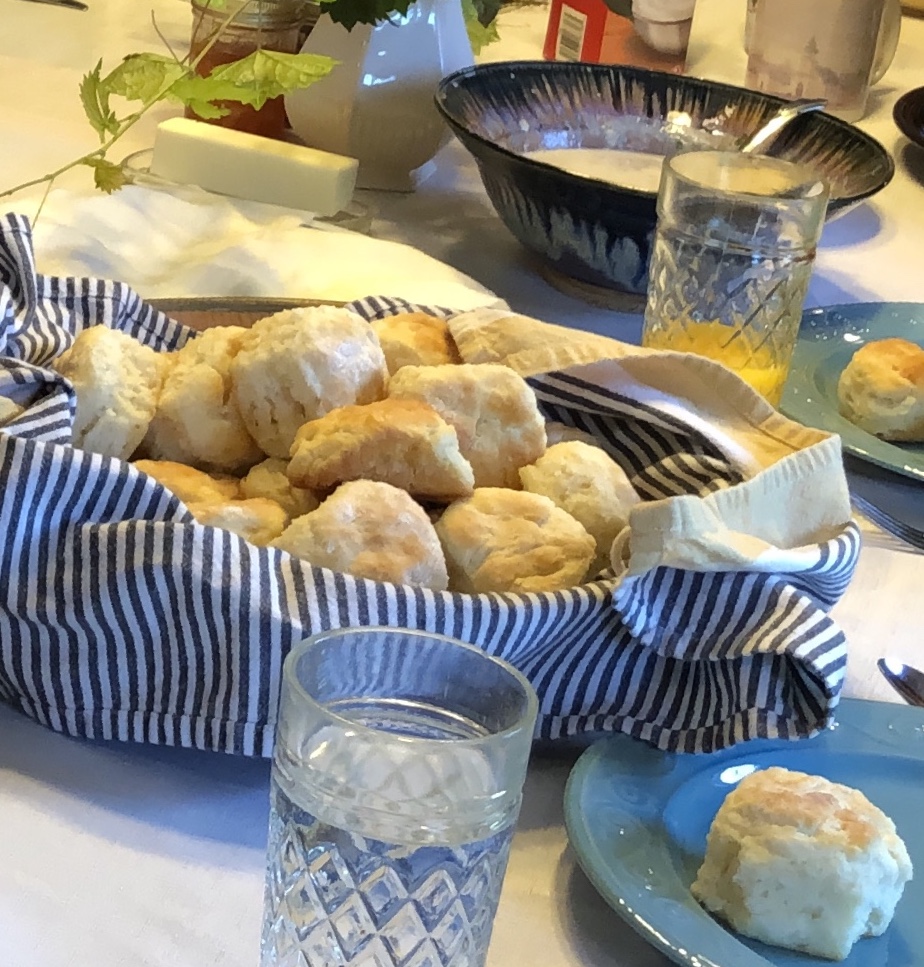
Nothing much beats gravy on hot biscuits, mashed potatoes, or rice. He even ate it on those nasty green muffins he made from split pea soup.
One day when he came for a visit, I had some warm caramel icing on the stove that I was going to serve for dessert – open faced chocolate cake with that nice warm caramel poured over the top all soaked in with real cream poured on top. I do not remember exactly what I had cooked for supper, but I know there was some kind of meat – probably chicken or roast beef – that had good drippings for gravy, and mashed potatoes.
Daddy scooped a big pile of potatoes on his plate, walked over the stove, and poured some caramel on top. Boy, was he ever surprised when he took a bite! It wasn’t the kind of gravy he expected. Apparently, his taste buds didn’t complain too much because he ate all his potatoes (of course he would eat ANYTHING). I think he helped himself to another spoonful or two and put real gravy on top.
For dessert, he got another gravy ladle full of the other “gravy” and slathered it on his cake.