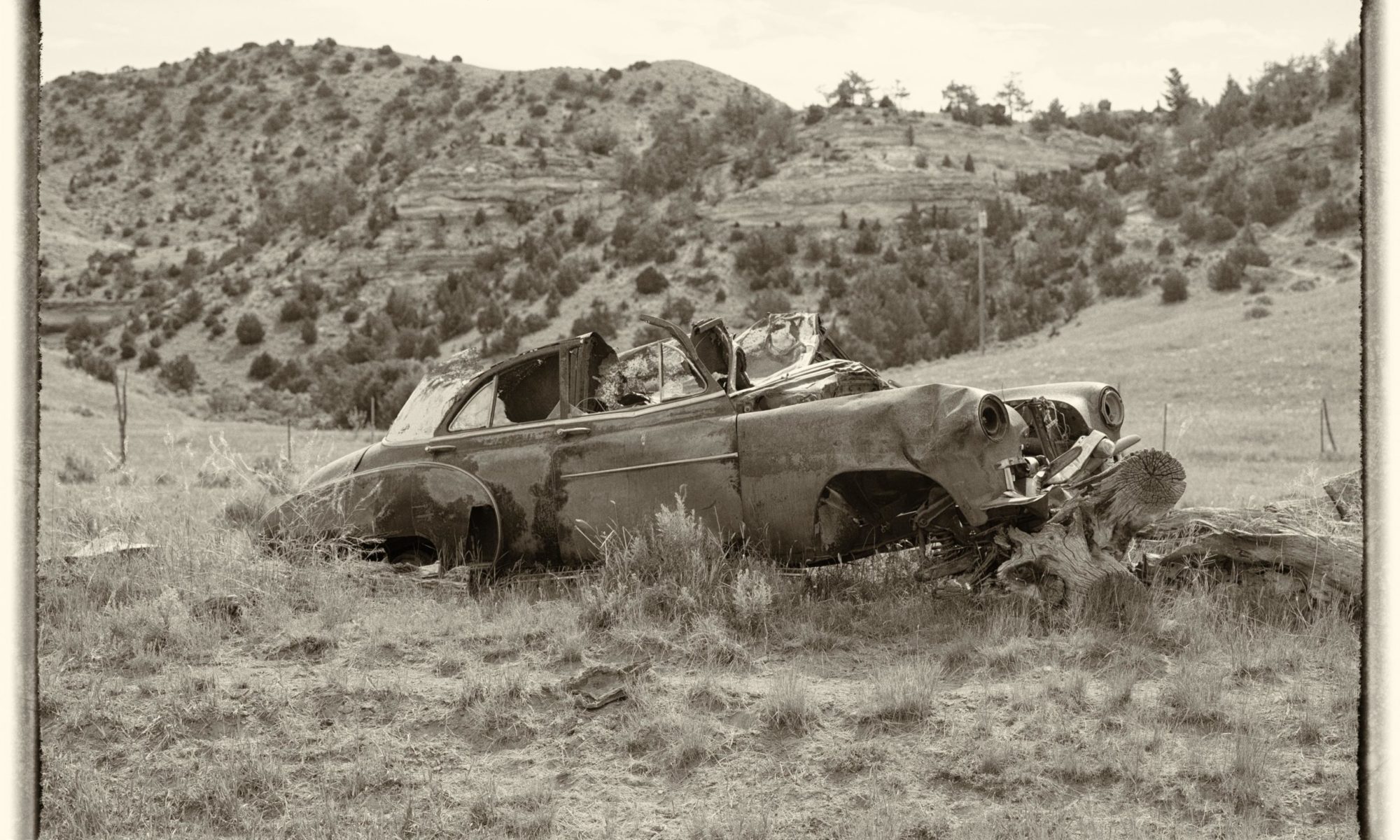
The Adventures Continue

This is my 195thpost since I started my blog one year ago today. For those who have read some of the stories, I hope they have given you a reprieve from the events going on around us. Hopefully some of the tales have given you a smile and a glimpse of places you’ve never seen. Maybe some have been educational or prompted you to connect with your ancestors. 

Prior to starting my blog, I jotted down topics, notes, places visited, etc., to determine if I had enough material and stories to write about. I wasn’t sure, but thought I’d give it a try. Growing up in a family of story tellers, I was a bit jealous that I didn’t have wild tales and memories like they did. They always told stories of wild west adventures of those great pioneers who forged trails in the wilderness and survived to tell it. Little did I know that I would be able to muster up 195 posts, to date, and I have barely marked anything off the list! 
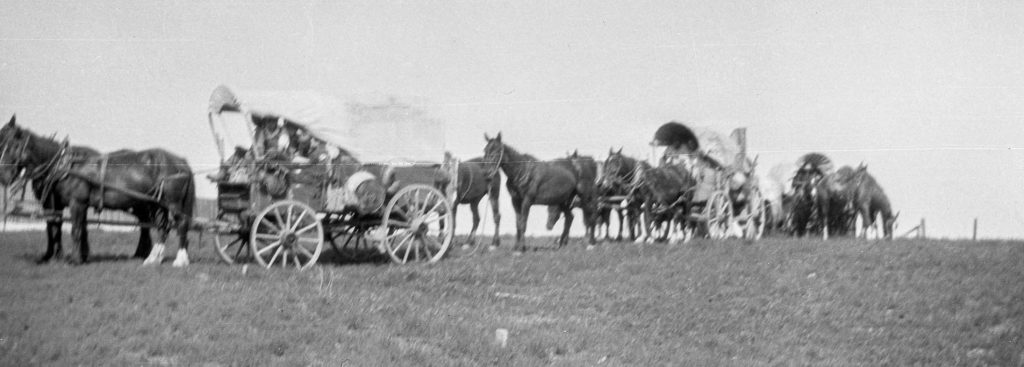
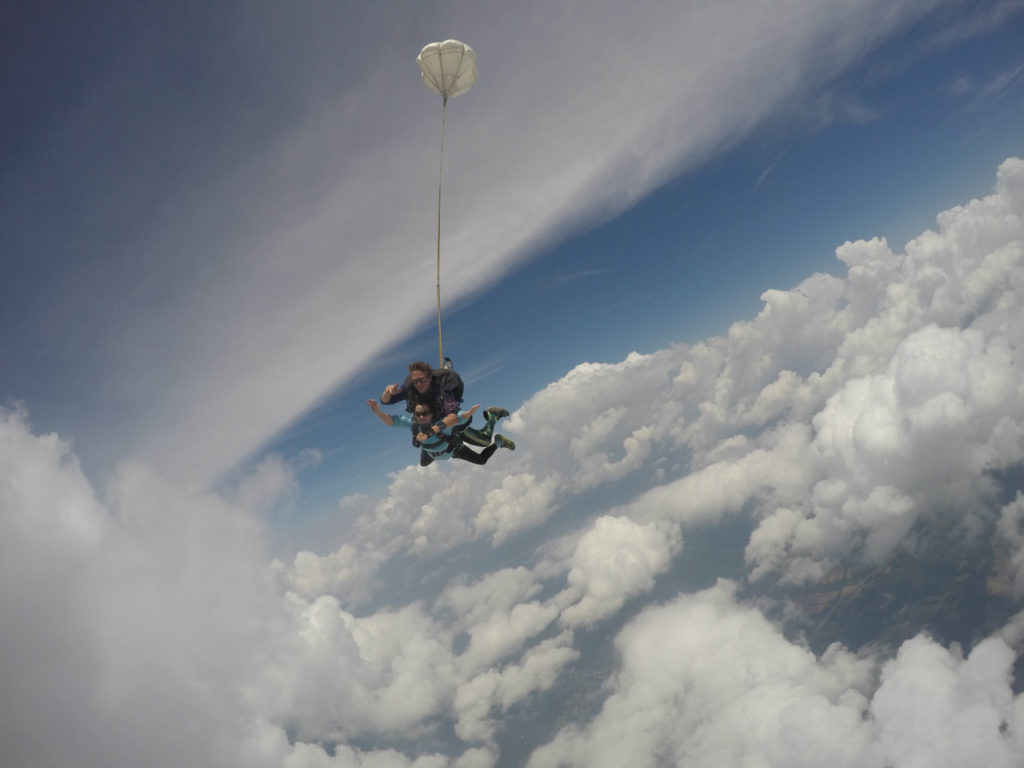
Since my first post, you have traveled with me across the country to swamps, deserts, oceans, streams, mountains, and National Parks. We have camped, cruised, hiked, backpacked, spelunked, skydived, rode in boats, fished, kayaked, and flown. We’ve met family, made friends, and seen lots of wild animals. We’ve gone on “destination unknown” adventures, eaten good food, took a trip to the moon, visited ghost towns and historical sights. We’ve chased bandits, walked among tombstones, met heroes, and retraced our ancestors’ steps. We have traveled over hills, mountains, buttes, and prairies. You have met some of my family, sat in my Granddad’s lap and dunked in his coffee, read stories by my Dad and other guest authors, made quilts, and shared memories of my childhood. 
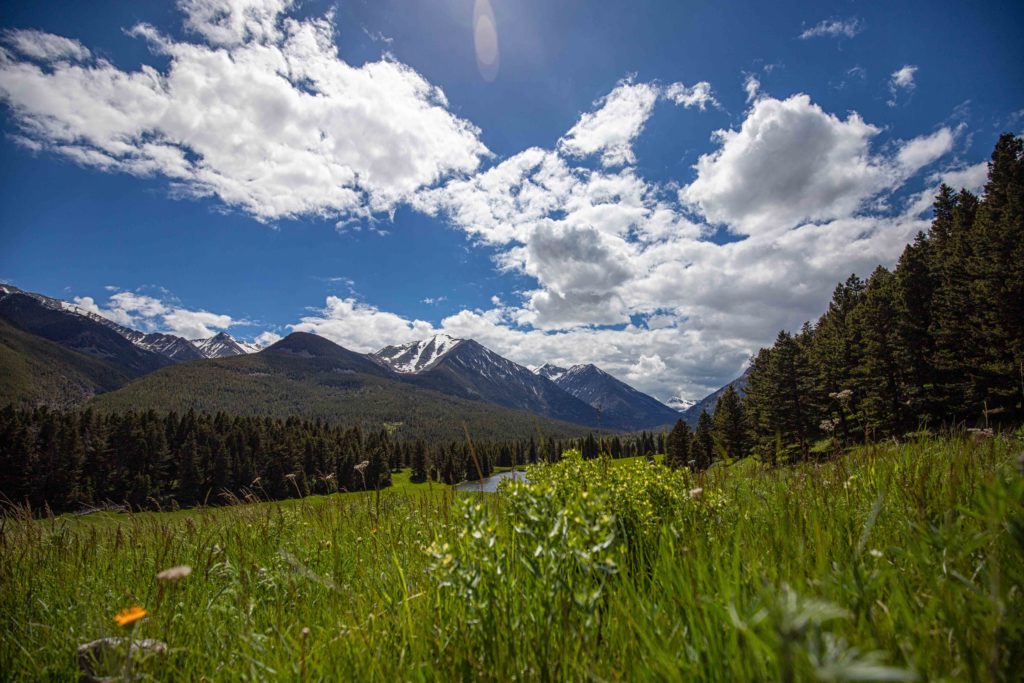
Thank you for sharing my “Back Window Adventures.” I hope you will join me for more. I might have another story or two.

Stay tuned…..
The One That Got Away

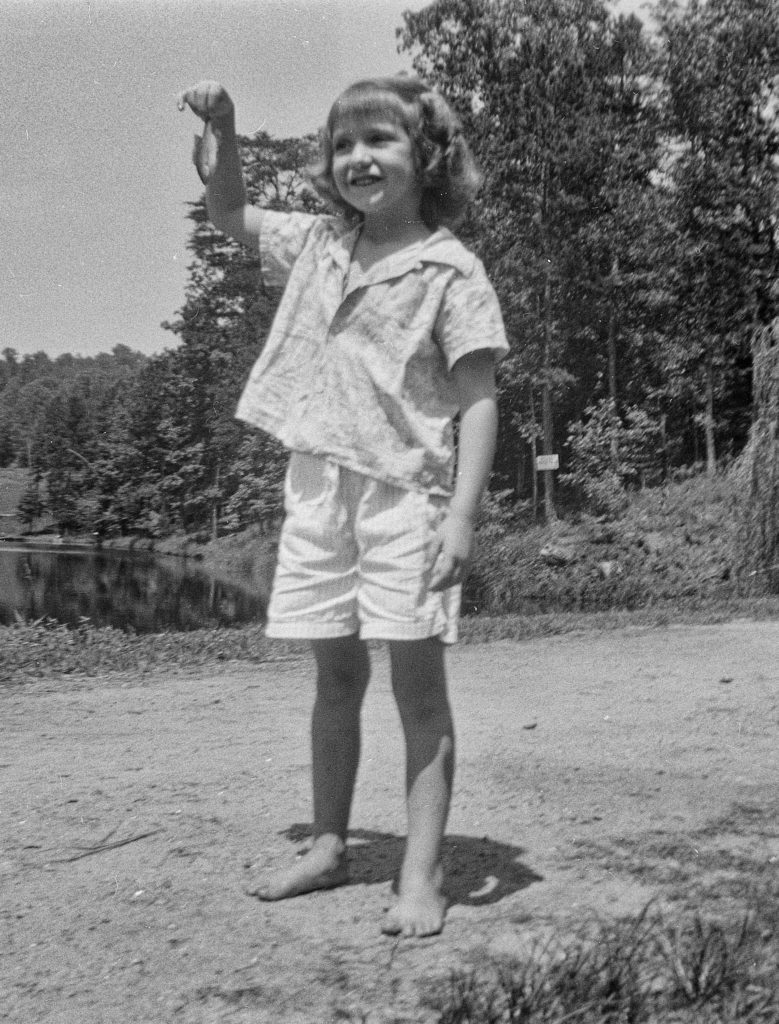
I will admit that my sister was more of an avid fisherman than me. If I was getting a bite, I was all in, but if not, I could think of a million other things I could be doing. One of those things was exploring. I would wander off and climb on  logs, watch for animals, play in the water, examine various flowers and plants, pick berries, and simply enjoy the scenery. Most of our fishing was in the mountains by cold streams. If you haven’t figured it out by now, that setting suits me fine. As I got older, my wandering included a camera. That would (and still does) satisfy me for countless hours. 
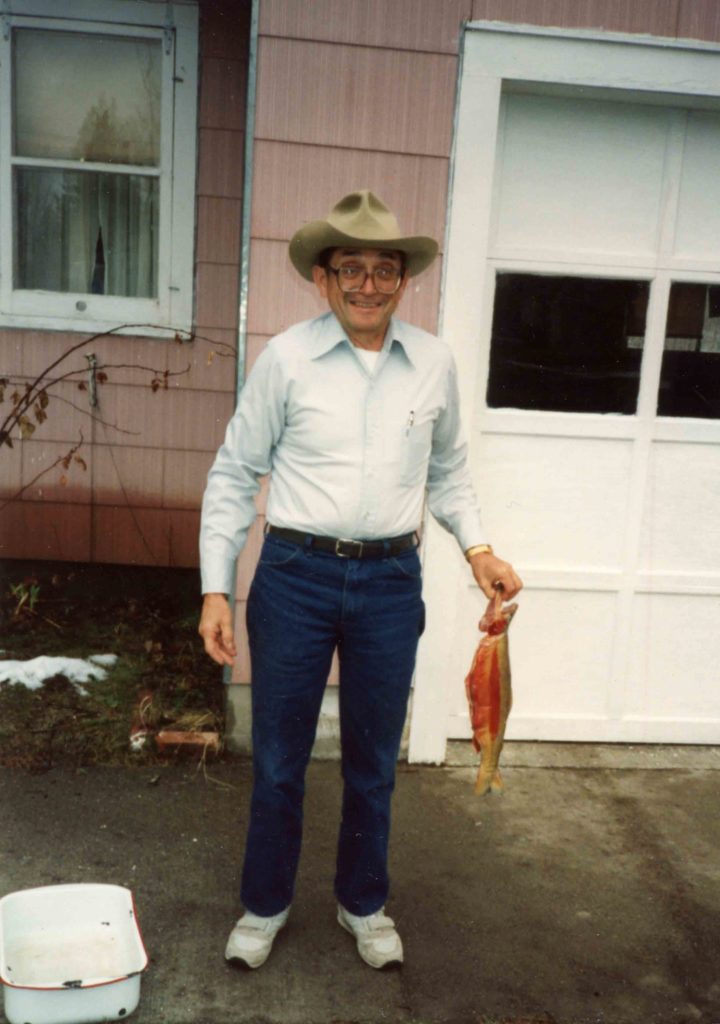
One summer we headed to the mountains for a day of fishing and a picnic. My sister had good luck that day. She caught the biggest fattest trout. As soon as we got back to town, she pulled out her prize fish to show everyone. That was a mistake!

There was another fisherman, “Grumpy John,” who didn’t go with us and even though he wasn’t along, he didn’t like anyone to catch a bigger fish than he could – especially a scrawny little girl. His eyes were green with envy and he said, “I’ll take care of those fish for you.” Sis had decided she wanted to take her fish home. In fact, the whole mess was heading south. The fish were put in water and made into fish ice cubes. All the fish would fit in the cooler perfectly for the trip home.

Just a few days later, it was time to head home. Grumpy John said, “I’ll get your fish out of the freezer and put them in the cooler.” It was usually a three-day trip back home. Either the first or second night we stopped to get a room. Daddy was not a big spender when it came to motels. We stayed in a room that looked like a cozy home for bedbugs and other critters. The cooler with the fish was taken into the room. The fish ice cubes needed to be iced down a bit more for the rest of the trip. The lid came off and after a more thorough inspection, it seemed something was missing. Instead of the fish we caught, including the prize fish, there were smaller ones in their place that he had frozen previously.

“Where is my fish?” You talk about mad, my sister was mad! We were too far away to turn around and go back to get her fish. If she thought she could have gotten by without being slapped, she would have said a few choice words. “He did that on purpose!” she said. We all agreed. 

I’m not sure, but I think she might still be holding a grudge against Grumpy John for “stealing” her prize fish. After all, that was the one that got away. 

Fishin’

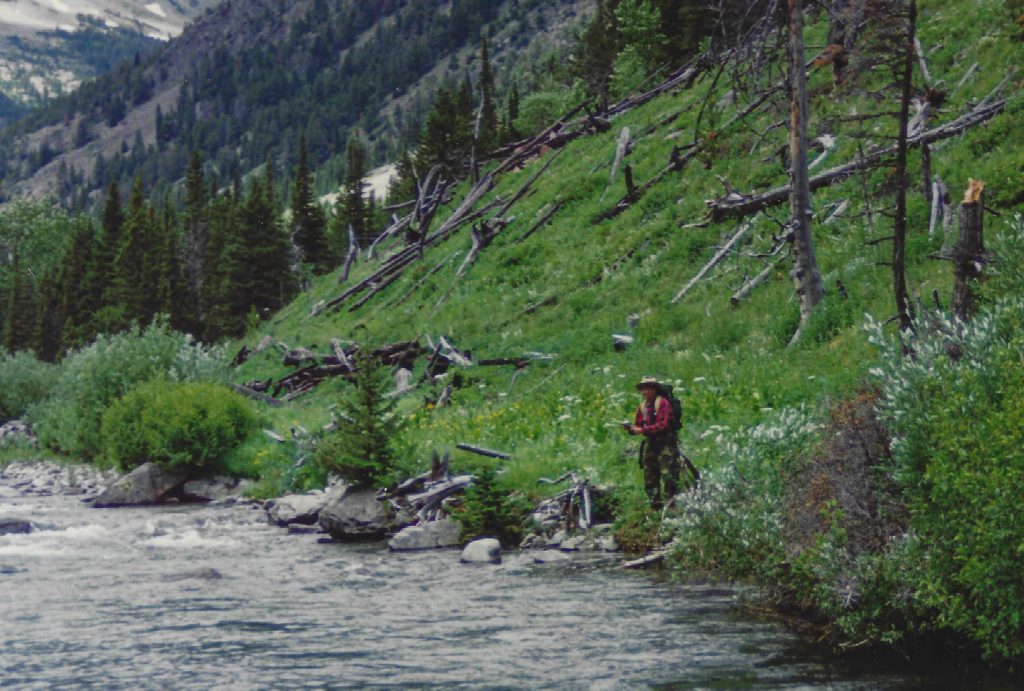
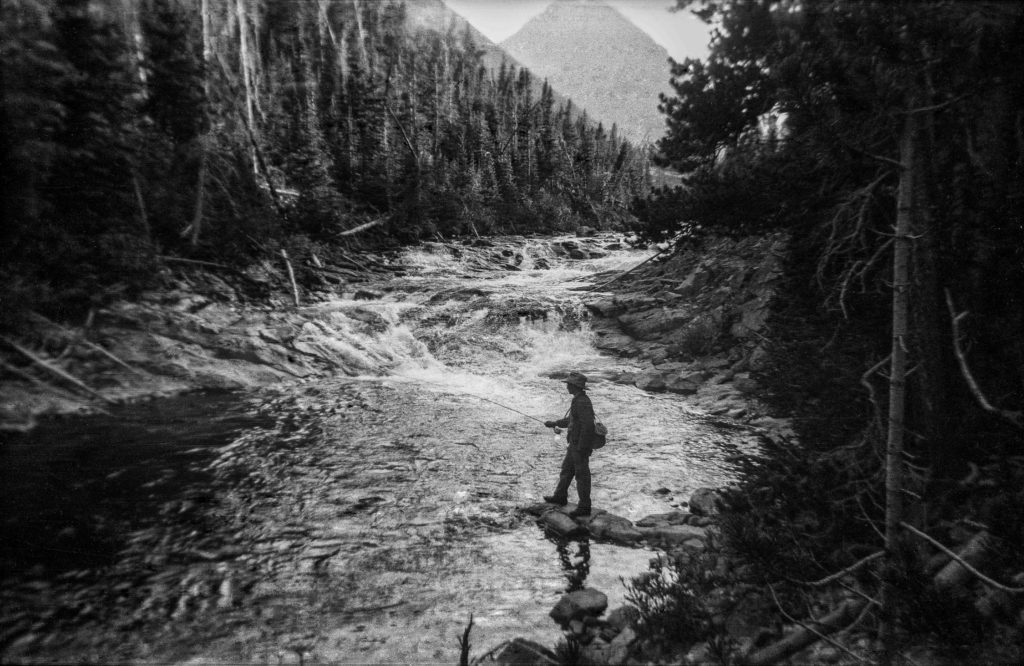
I thought my dad was a master fisherman, I guess just because he was my daddy. He used a casting rod in earlier years and then he graduated to a fly rod. I wouldn’t say he had the greatest form, but I sure enjoyed watching him fly fish. He cast out his line, then pulled and eased out the line with his other hand, letting it flow with the rippling river, teasing the fish and luring them to take his bait. Sometimes it even worked.

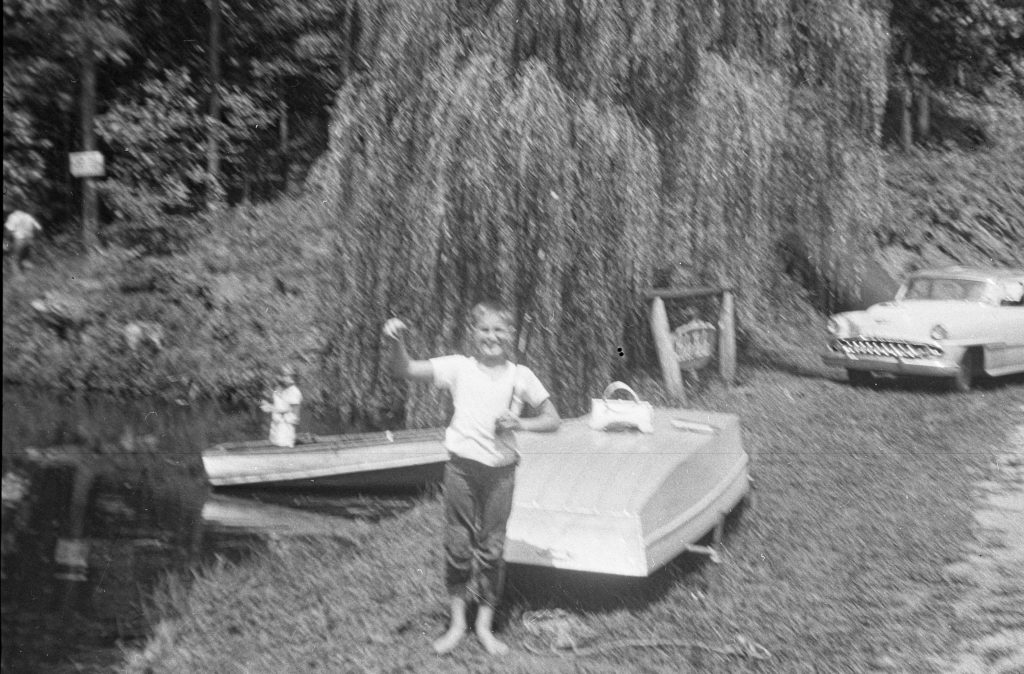
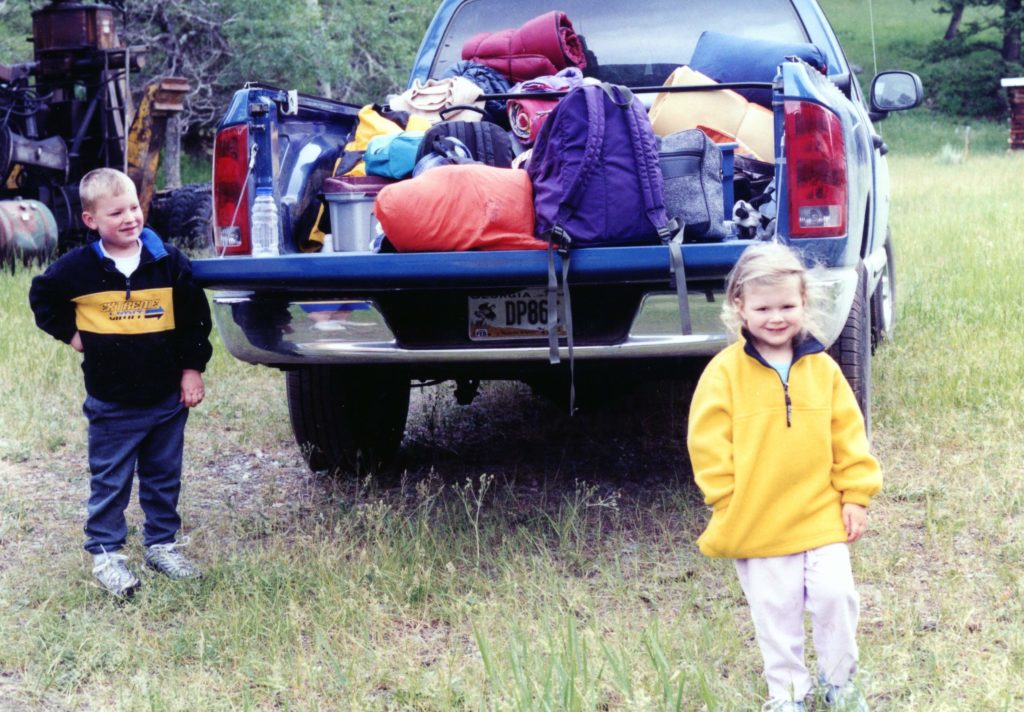
He didn’t mind taking us kids fishing – or his grandkids – even though I think he spent most of his time getting hooks out of trees or kids’ hats, or unsnarling a stick we caught. When it was time to go fishing, we were all excited. We gathered up our gear, piled into the back of the truck and headed to the mountains where the fresh streams were home to rainbow and brown trout. Daddy fished those creeks many-a-time. He knew where the good fishing holes were. 

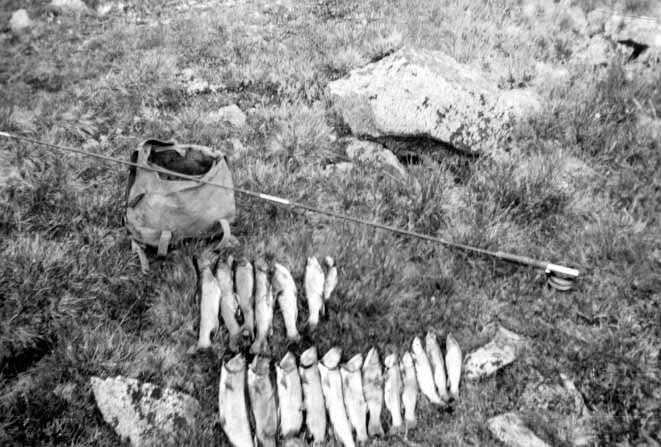
The rule was, “You clean what you catch.” Another rule was, “Bait your own hook.” We would catch grasshoppers or buy a little cup of worms if we weren’t able to dig some out of the garden or from under a rock. I’d bait my hook and some of the worm’s guts or grasshopper brains would squish out. After we caught and cleaned a mess of trout, it was time to eat them. The best fish were fresh and cooked over an open campfire. They were pretty good just taken to the house, battered with seasoned flour, and fried in a cast iron skillet. 

We ate the trout like a sandwich. We held the tail in one hand and the head in the other (unless it had the head cut off). Gingerly, lightly, our teeth sank into the back of the trout. It was so tender the meat slid right off the bones. Yum, yum. By the time we were done, there was a pyramid of intact fish skeletons with tails and heads still attached.

The fishing bug passed down the family tree. My nephew is a master fisherman. He can catch a fish almost anywhere. One year, while traveling out west, we stopped to mine for gems at a roadside stop. We bought a bag of gem gravel and poured some onto a screen. After shaking out the excess dirt, then came the process of dipping the screen in water to wash away the rest of the sediment. We found several sapphires, garnets, and other gems. My nephew shared a bag with some of his family. He shook his screen and dipped it in the water, shaking out the extra dirt. When he lifted his screen, lo and behold, he had caught a fish! No fishing pole required.

In my next stage of life, I plan to take up fishing again. My husband will be joining me. I need someone to get the hook out of my hat or my britches. After all, I did learn some great skills from my daddy. Here’s to you, Man of the Mountains!

Camping in Paradise

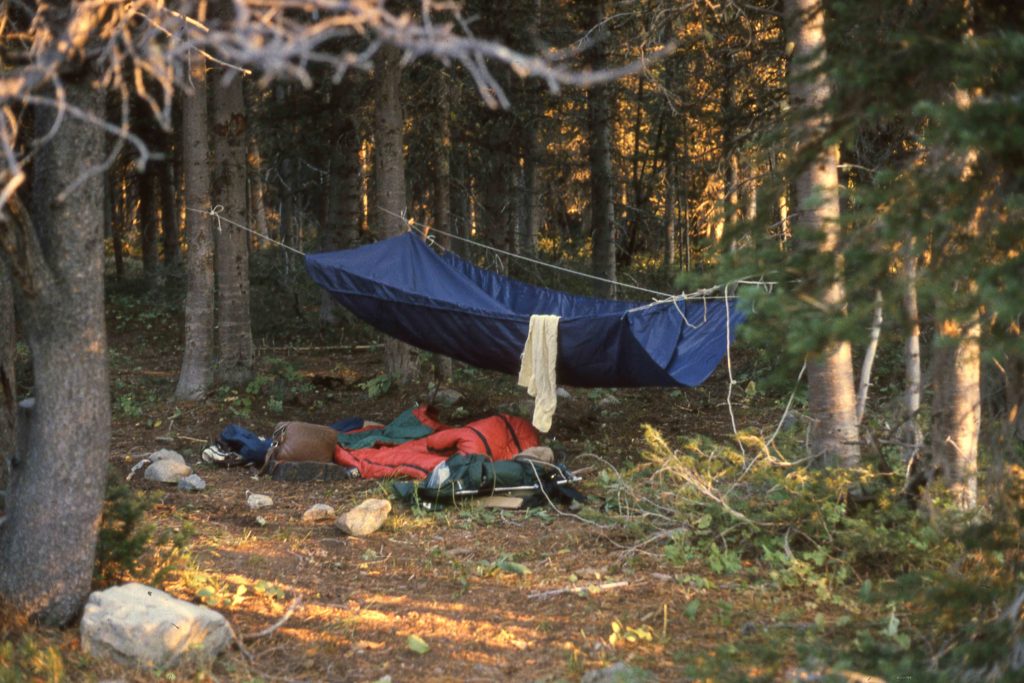
I awoke to the soothing song of the ice-cold mountain stream as it leapt from rock to rock on its journey to the plains. Everything else was still. The tent sagged from the moisture that rested on top. It was so quiet I could almost hear each little drop of water that beaded up and fell. I gently pulled back the flap of the tent and was greeted with the sun already smiling as it approached the valley. It was only 5:00 am but the day was anxious to make its grand entrance and shake us from our rocky beds. I emerged from the tent that shook just enough to shower me with the night’s dew.

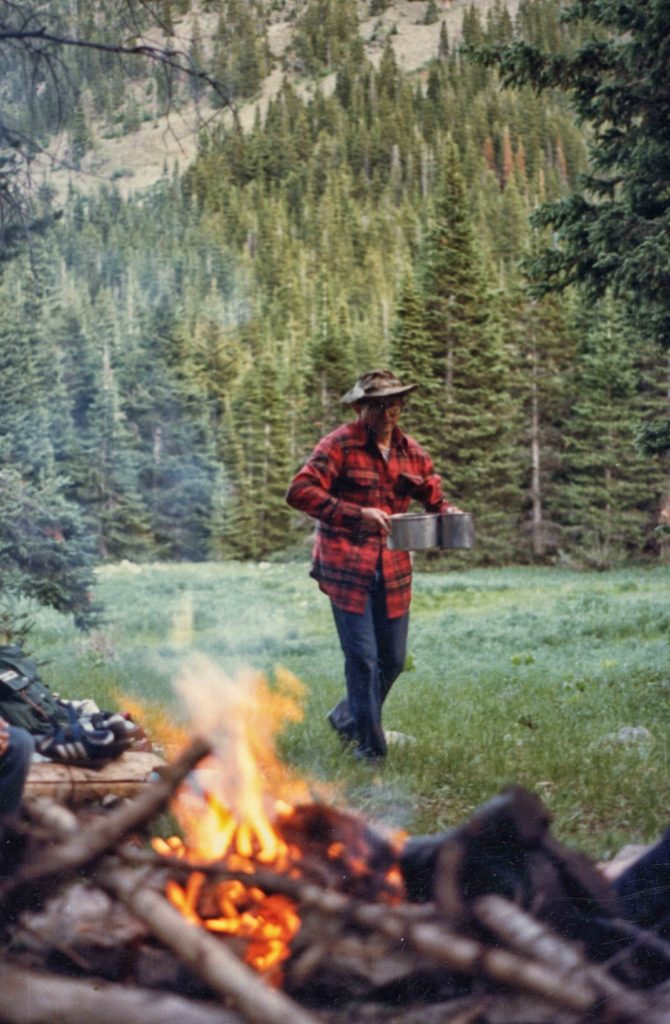
Soon the fire was started. Flames licked the sky as tiny sparks shot out from the burning wood and flew into the air. A kettle filled with freshly dipped water from the creek was placed near the fire to get hot. Campers emerged from the tents and lean-to, some clad in long johns, some already shimmied into jeans and wiping sleep from their eyes. They backed up to the fire then found a rock or stump to sit on for their first tin mug of hot Tang or coffee.

Rocks that served as burners had already been strategically placed within the fire ring. Before long, our breakfast was cooking. A few Snow Under the Mountain roots were sizzling in the skillet over hot embers. Those were shifted to the edge of the pan to make room for the hotcake batter. Squeeze butter and honey sat on ready to be slathered over fresh hot hotcakes. We ate our breakfast and discussed where our path would lead us that day and whether or not we would have fresh trout for supper. I never depended on that and carried a supply of other supper options. You eat what you catch, you know, and usually that was nothing.

Fresh cool air filled our lungs and our spirits as we packed up our gear and started up the trail edged with bluebells. Some of the path was smooth and carpeted with evergreen needles. Other parts of the trail were rocky, steep, and jagged. Narrow wildlife trails led through alpine meadows donned with lupine, sticky geraniums, harebells, penstemon, Brown-eyed Susans, and an occasional Indian paintbrush among other wildflowers. As we hiked deeper into the mountains, alpine lakes that looked like they were formed from a giant’s footsteps came into view. They sparkled as a myriad of diamonds danced in rhythm with the breeze on the surface of water.

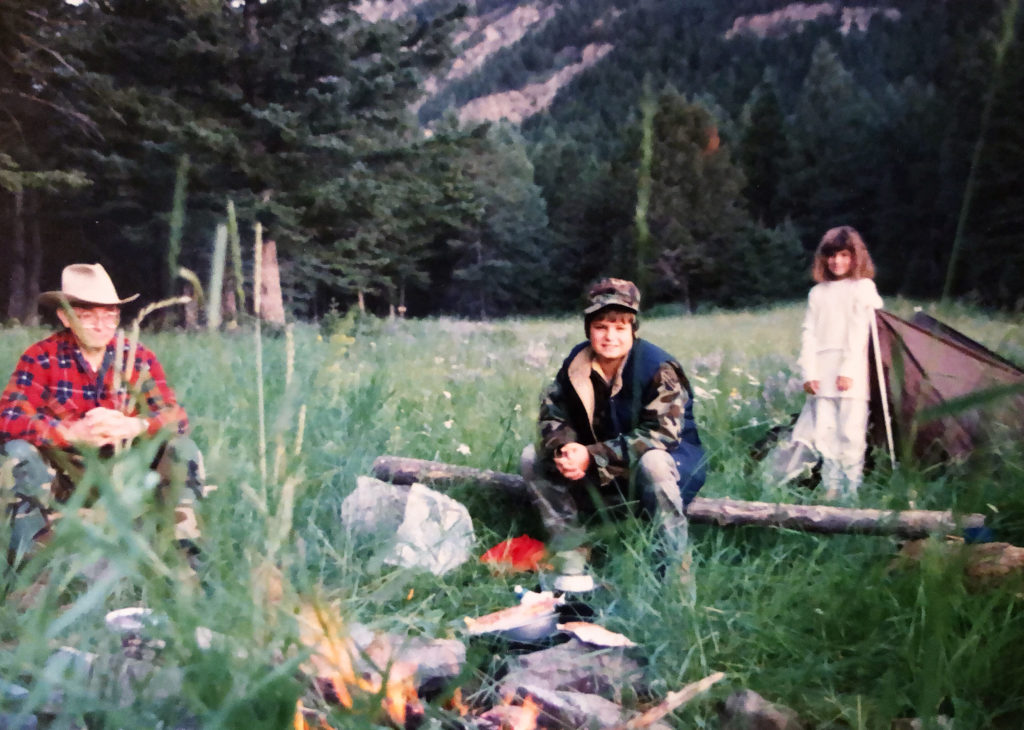
The sun sank lower in the sky, giving the signal to set up camp. We pitched our tents and started the fire to cook the evening meal. It is a good thing we did not rely solely on the fishermen’s skill (or luck). We managed to salvage enough from the campers’ packs to supplement the meager catch of the day. With the meal finished, everything was washed up and food items hoisted high in a tree to avoid any unwanted furry guests. The evening fire was a time for reflection on the days behind us and expectations for the morrow. Retelling of the day’s events grew with vivid animation and laughter. As the fire died down so did our energy. We banked the embers to keep enough spark alive for the morning kindling.

As the last light faded behind the mountains, I bid the day farewell. With a smile of satisfaction, I pulled back the flap of the tent and crawled into my rocky bed as the mountain stream sang its evening lullaby.

The pictures are from 4 generations

Preserving the Past

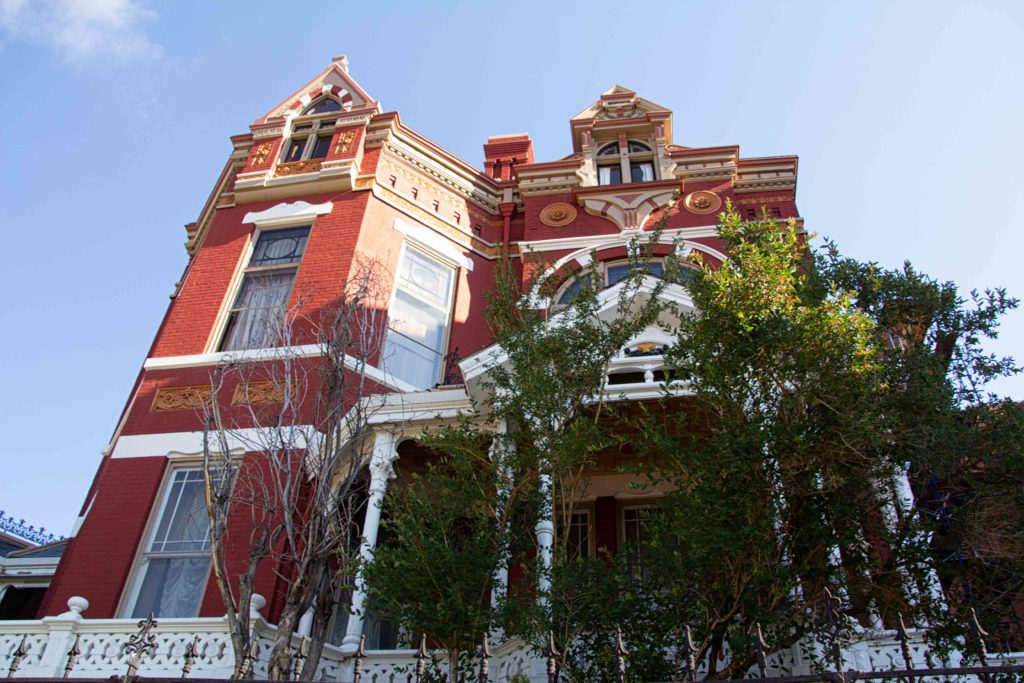
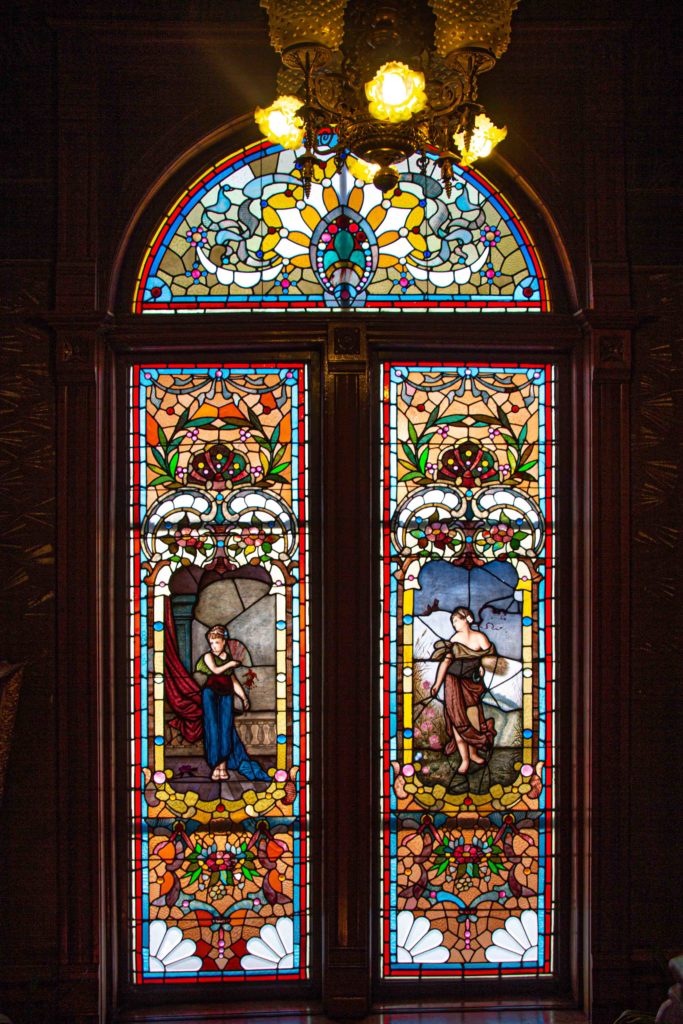
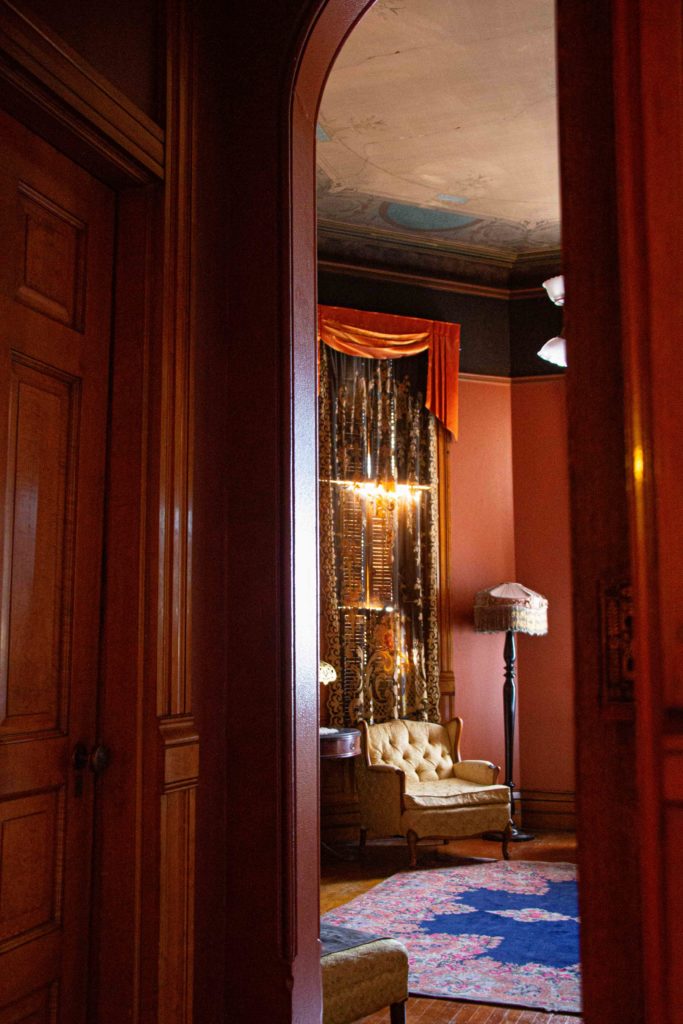
There was a sense of slight unrest in the halls of the Romanesque Revival Victorian mansion as if there was some unfinished business. The faint silhouette of the Copper King mogul sat at the ornately decorated dining room table. The landing of the wide red carpeted stairs was lit by a prism of color reflecting through intricate stained-glass windows. Each room’s décor pointed to the period and style of the Victorian home. History came to life as story after story revealed the characteristics of those who once lived in the lavish rooms. Guests who spend the night in the mansion have a more authentic experience of the life and times of the rich and famous in that era as they get pulled into the historical vortex. It’s easy to sense and imagine the scenes that could have gone on in the household of this wealthy elite family.

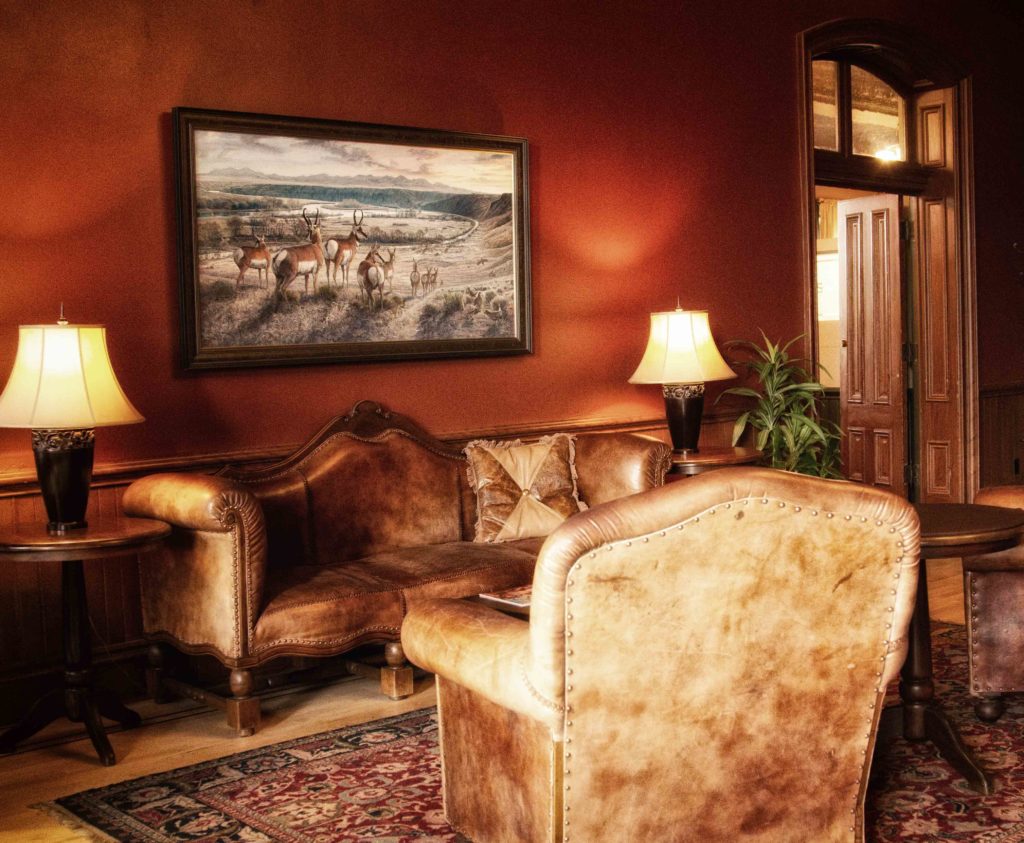
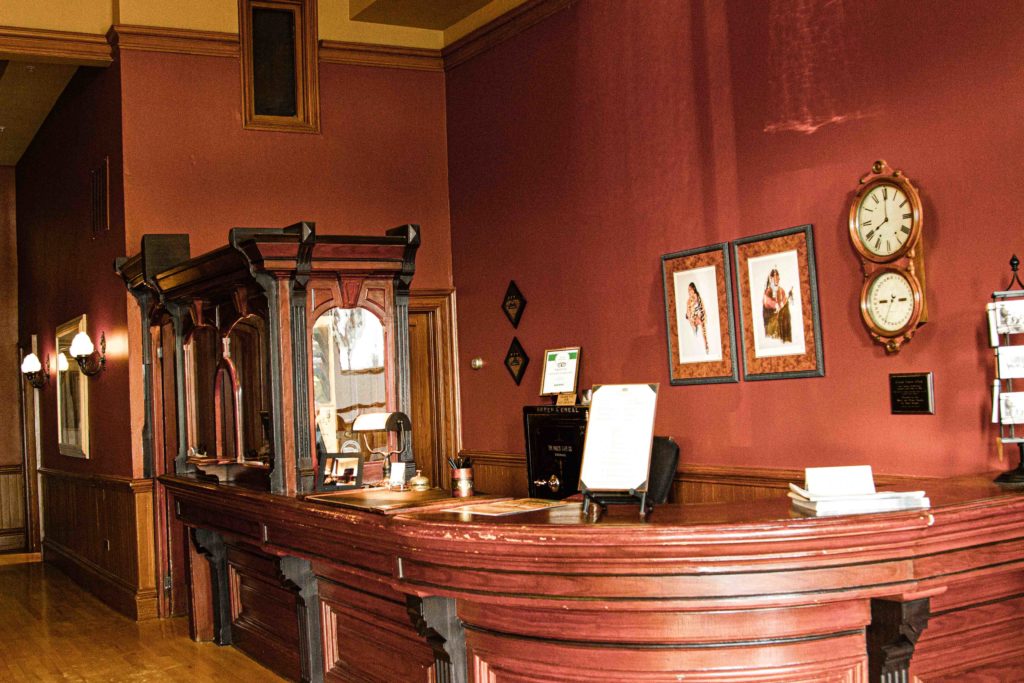
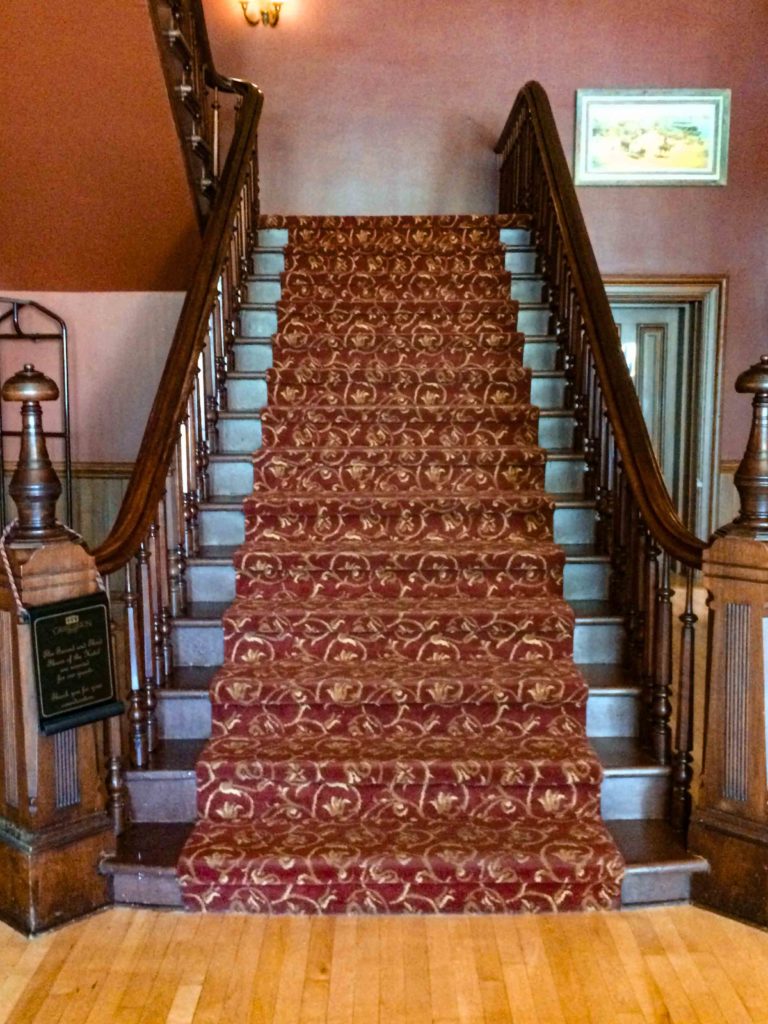
The scene was much different in the old western historical inn along the Upper Missouri River. It was the gateway for pioneers traveling to the great Northwest. People of all kinds walked through those doors. Stories are told of the inn being haunted which helps bring the imagination alive. The view from the top of the richly colorful stairway offers a view of the lobby below. Looking down, I could almost see shadows of the past as faint figures of women wearing button up boots, poofy dresses and feathered hats walked by. The door slammed silently as ghostly shadows of men wearing bolo ties, cowboy hats and boots with spurs that jingle entered the room. I thought I caught a glimpse of an old Indian in full head dress sitting on the bench along the wooden sidewalk just beyond the window. Maybe it was just a puff of smoke from a man’s pipe. Weary travelers just arriving from the boat ride up the Missouri merely sought a place to rest and have a meal as they waited to load the wagons headed further west over the rough wild country. Other guests, more elite, drinks in hand, mingled at the back of the inn along the river.

These aren’t just the stories of others. Rather, I find their history intertwined with my own. The Copper King was an acquaintance of my Great Grandfather. He was a frequent guest at the hotel in Virginia City that was owned by my cousins. One family story is that the “Copper King” was sponsored as a candidate for entrance into the Masonic order by either my Great Grandfather or one of the cousins who owned the hotel. After his acceptance into the Masons, he forged relationships that were instrumental in his climb to fame, wealth and shrewdness. Years later, my Great Grandfather went to visit the Copper King who refused to see him or even acknowledge him in any way. Maybe that’s why I had a feeling of unrest in the halls of the Copper King’s mansion.

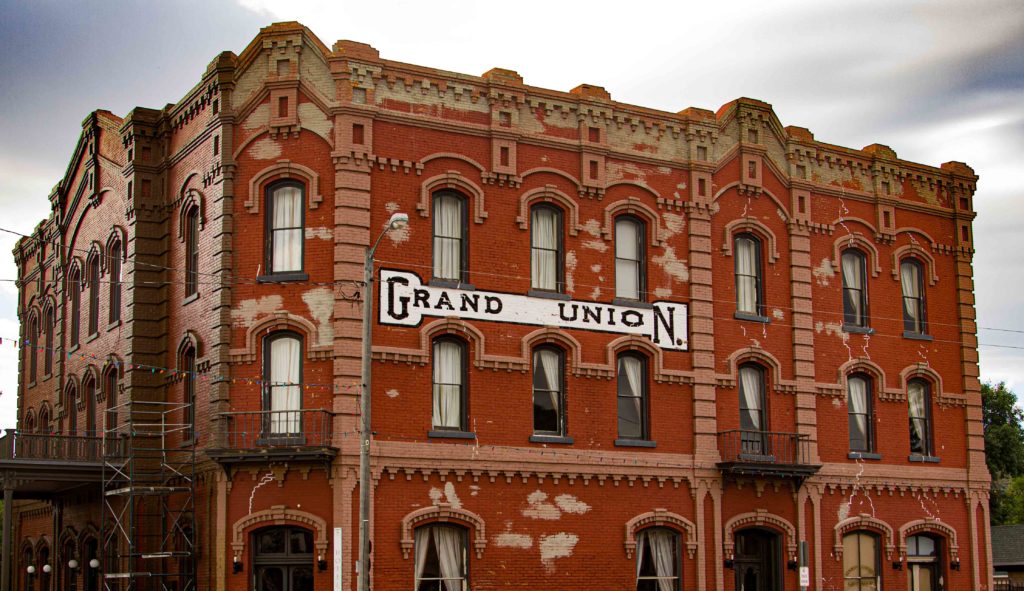
Another part of my history of that era was that of Mary Furnish, my 2C2R (second cousin twice removed). Her sister, mother and stepfather were among the group of Brannin relatives that traveled to Montana in 1864 (along with my Great Grandfather, Aunt and other cousins). Mary could not make the trip because of illness. The following spring, she headed west to Helena bringing with her the furniture and Steinway piano. She traveled by boat up the Missouri River. The boat could go no further than Ft. Benton, Montana. From there, travelers had to continue their westward journey by wagon. I have little doubt that Mary Furnish entered the very doors I went through as she stepped into the old Grand Union Hotel.

I love to stay in old historic inns or homes that have been preserved to their former glory. It’s not so much the buildings but the foundations upon which they stand – the history and the stories, some of which are woven into mine. It’s easy to be transported to a different world and imagine how it must have looked. Even the sounds come to life. As I think of it, I remember that some of those scenes are even from my childhood – bowlegged cowboys with their spurs reflecting in the sun and Indians along the boardwalks of Western towns. 

Whether it’s preserving the past and keeping our history alive, or those things from my memories, each causes my heart to skip a beat.

The Logger’s Cabin

My Guest Author today is my Dad
in his recounting of the Logger’s Cabin

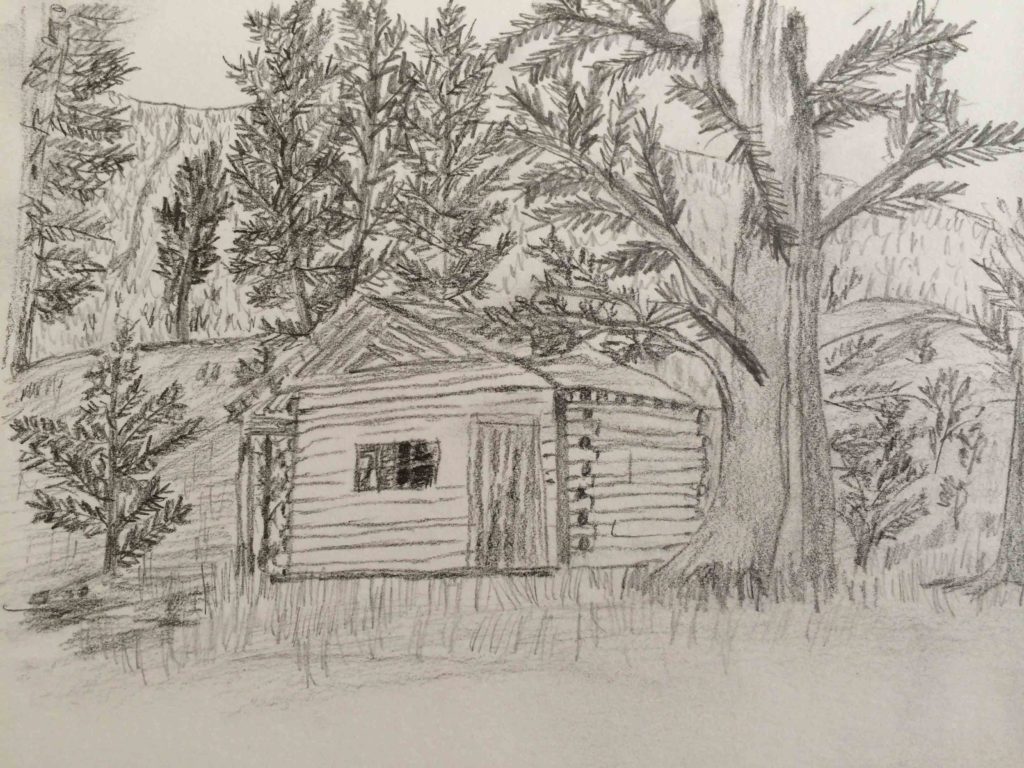
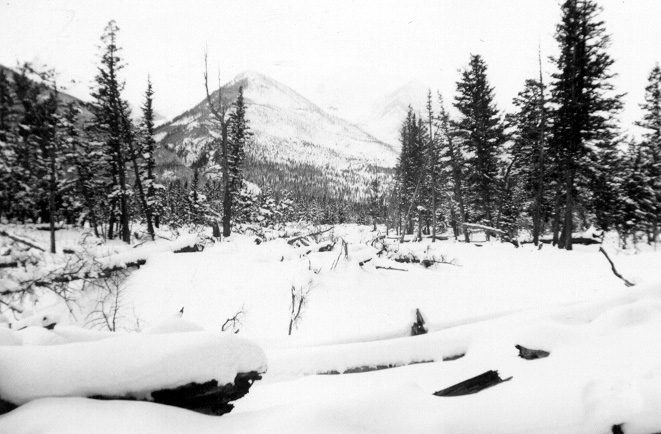
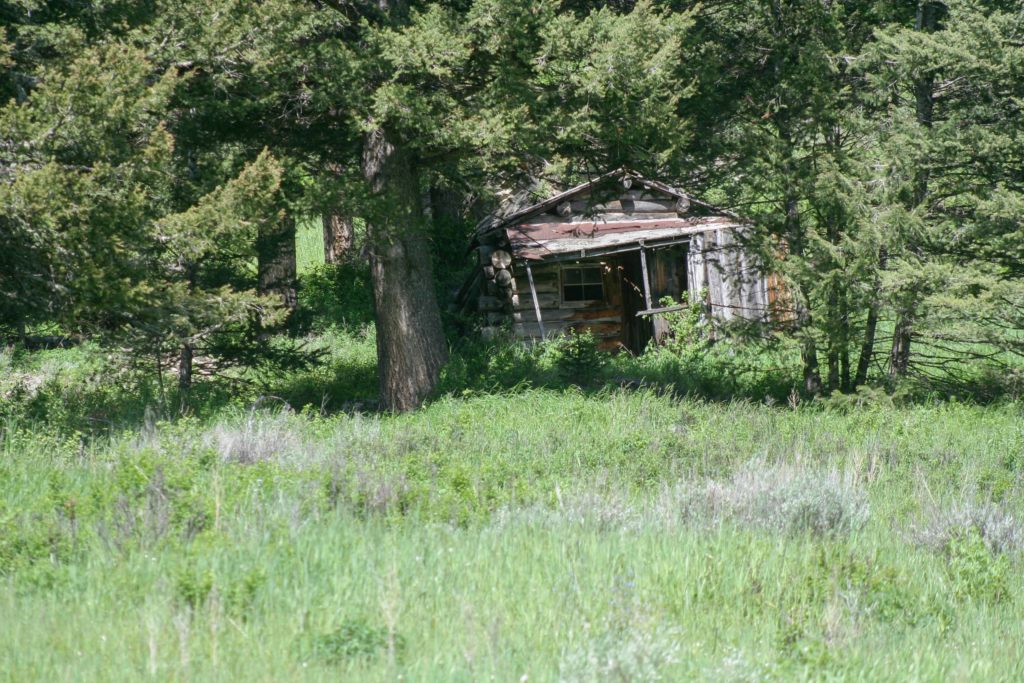
Ours was the last place on the Sweet Grass, and then a logger’s cabin was built on the Forest Section about three-quarters of a mile west of Gommie’s Lake and maybe a quarter of a mile beyond Ward and Parkers’ boundary fence. The cabin was located down under the hill below the road. It was put up in the fall or late summer and was right next to the steep bank that led up to the road. Billy Briner and two Reynolds boys from Melville were the first residents. They had a log contract for two dollars a thousand feet. That would give them more than a dollar a day for each one, which was a dollar more than they could make any place else in those depression days. 

There hadn’t been much rain or snow for two years, but after they moved in snow started falling. The wind blasted out of the northwest, and the snow blowing out of the trees made it so a person couldn’t see more than fifty yards. The temperature dropped below zero and the Reynolds brothers got homesick for downtown Melville and home cooking, and besides, they knew that when October came, they could get some really bad weather. They moved back to town and Riley Doore became their replacement.

Riley was a good worker, a good storyteller, and a passable cook. He had anti-freeze in his veins and wasn’t afraid of bad weather. Besides that, he needed a job. The round-roofed cabin was well protected from the wind, and it faced the south. This suited the needs of Briner and Doore as they reduced forest service trees to ten, twelve, fourteen, and sixteen-foot logs.  They were allowed to scatter the tree limbs, but the top of the tree stumps had to be no more that fourteen inches from the ground.  This caused trouble because the snow lay about two feet deep. But like Mother asked, “What can you expect if you work all winter back in the wilderness?” 

Riley Doore and Billy Briner batched all winter in the cabin.  Sometimes they hiked the mile and a half down to the sawmill or the next two miles to the Brannin Ranch where Anna Doore hung out. They seemed to enjoy a woman cooked meal. 

Winter wore the lumberjacks down, but, worse luck, that year spring came. The water in the Sweet Grass rose, and a fresh water spring creek sprung up beside the bank. The hole, which was dug under the cabin floor for potato storage, became filled with water. They had to wade to get to the cabins’ front door. And it was worse on the outside. The cabin had to be moved to higher ground about thirty feet away. 

 Another set-back, when the snow melted those fourteen inch stumps were two or three feet high and had to be cut off again. It was like sawing the trees down twice. You couldn’t blame Riley for deciding that Van Cleve’s Lazy K Bar offered a better way to make a living.

That summer the Forest Ranger marked more trees. Another logging crew was needed.  Two young Swedes came down from Canada. They were tree cutting dynamos who thought that the severest winter was like a Canadian spring. 

When Pearl Harbor was bombed, the available log cutters went into the army – all but one. He became known as Bunyon. He worked alone with a Swede bow saw. Suspicion had it that he was dodging the draft. Some time, in the warring forties, he left for parts unknown. Barney Brannin built a cabin for Bunyon. It is the one between Brannins and our place.

New Clothes

Some kids looked through the Sears Catalog when they wanted new clothes. Not us. Our clothes where homemade. 

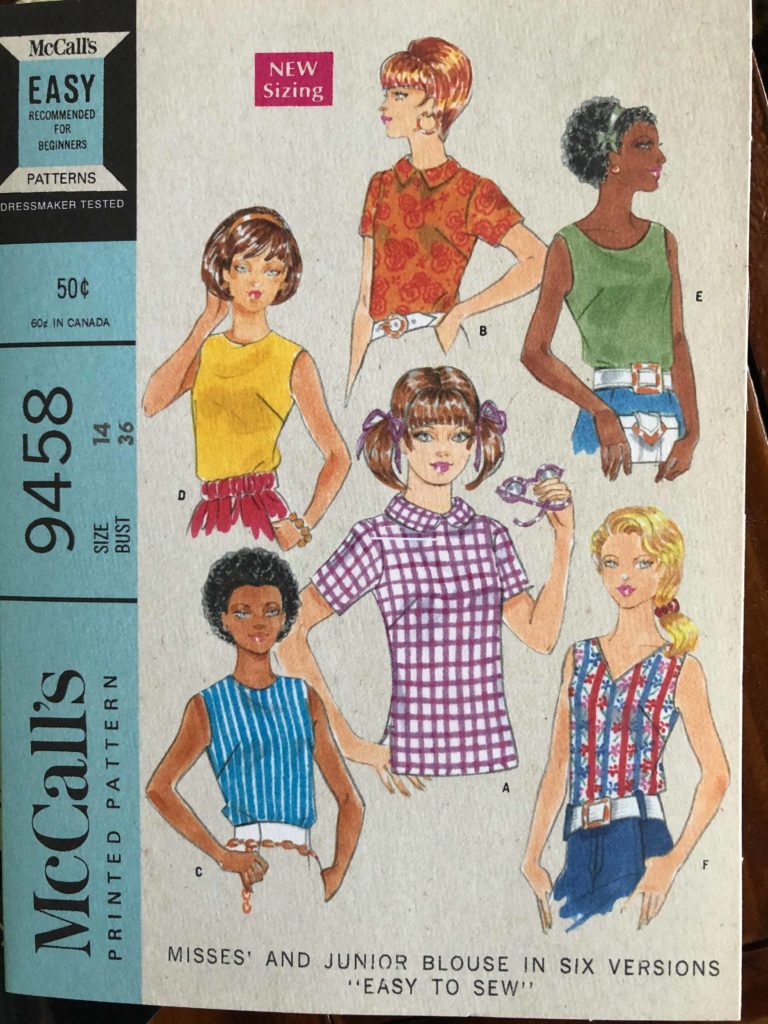
We went to the fabric store. Us girls made a beeline to the specially designed table that had a slanted top with a lip on it to keep the books from sliding onto the floor. There on the table were the dream catalogues. Simplicity. McCalls. Butterick. Vogue. We scanned the pages of the pattern books, keeping our fingers between the pages we liked most until we ran out of fingers. Our eyes looked all the way from matching short and top sets, to pants with lots of pockets, pretty dresses, skirts, blouses, and ball gowns. We even looked in the Vogue pattern book though Mama couldn’t afford one of those.

If we found a pattern Mama approved of, we would be allowed to thumb through the big cabinet drawers and pull out the pattern. Mama always read the back of the envelope to see what notions were suggested and the amount of fabric needed for our selection. I don’t think any of the garments Mama made were sewn just like the pattern and instructions given. We often liked the sleeves of one pattern, the neckline of another, the collar of another, extra pockets, etc. 

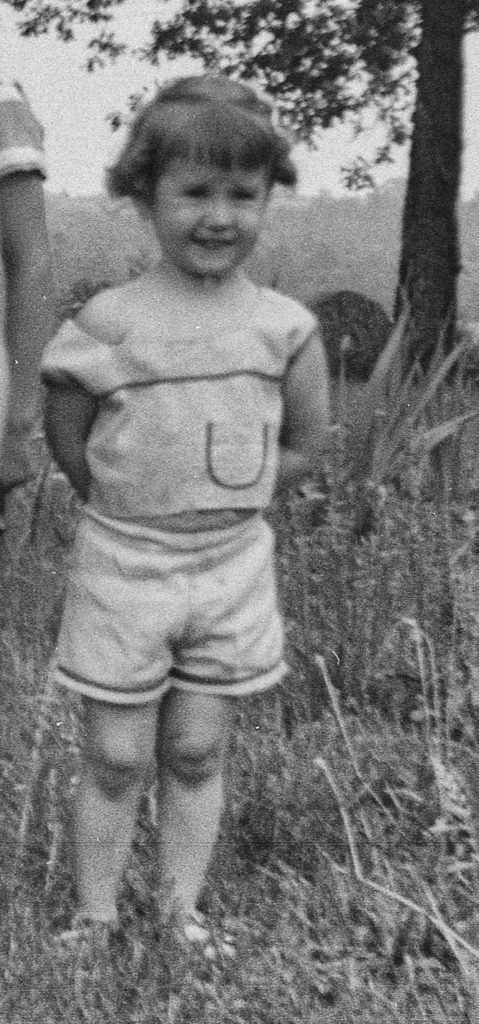
My Grandmother made us girls some of our summer play clothes. She made matching shorts and tops and put some kind of trim on it. I think my favorite outfit was made with black and white fabric and trimmed with red rickrack. It was special to get clothes that she made just for me because it meant I didn’t have to wear hand-me-downs. I sometimes got hand-me-downs from my brother as well as my sister. 

Even today when I walk into the fabric department, I find myself glancing over at the pattern books. Sometimes I even sit a spell and look though the patterns. By the time I’m done, all my fingers are stuck between the pages.

A Matter of Perspective

I work in the financial arena. Working with the public is a unique, sometimes rewarding, sometimes frustrating experience. Some days it’s rewarding and completely satisfying, other days, not so much. Believe me – I’ve seen a lot in my many years of public service.

One day I had a customer who wanted to purchase an investment certificate. I showed her a rate sheet and gave explanation of the various interest terms. She groaned a bit and in the shakiest voice she could muster said, “Honey, I’m sixty-three years old. I probably won’t live four more years, so I’d better take the six-month certificate.”

A few days later, on the other end of the spectrum, I had a customer who inquired about the rates. I gave her a rate sheet to compare rates and terms. She said, “Honey, I’ll take the four-year certificate.” She was in her mid-nineties. I smiled, nodded and fixed it up for her. She didn’t know why I smiled. Immediately I thought of the lady I deemed as young in comparison to the 95ish year old “young” lady.

It’a all a matter or perspective!

Don’t Judge a Lens by Its Cover

We peered through the nursery window and scanned the names on the bassinettes until we found the newborn baby boy who belonged to my friend. The cute little guy was all bundled up in blankets and wore a little hat on his head. Daddy snapped a few pictures with his 35 mm camera. We visited my friend for a bit and stopped to take one last peek at the baby before heading out.

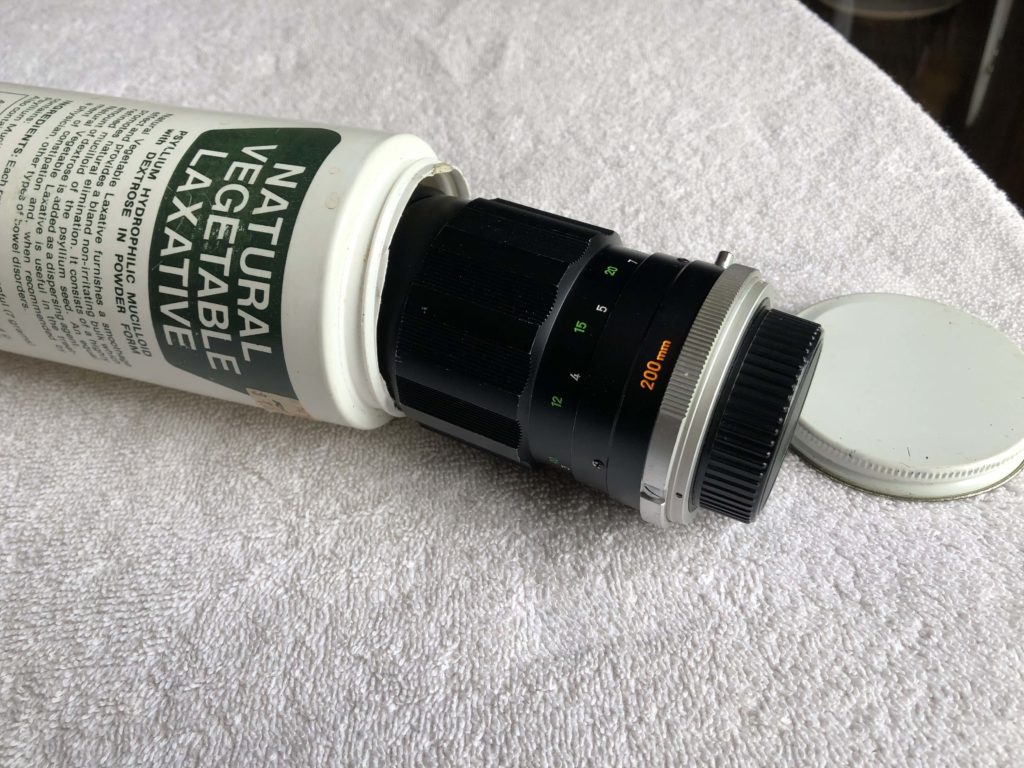
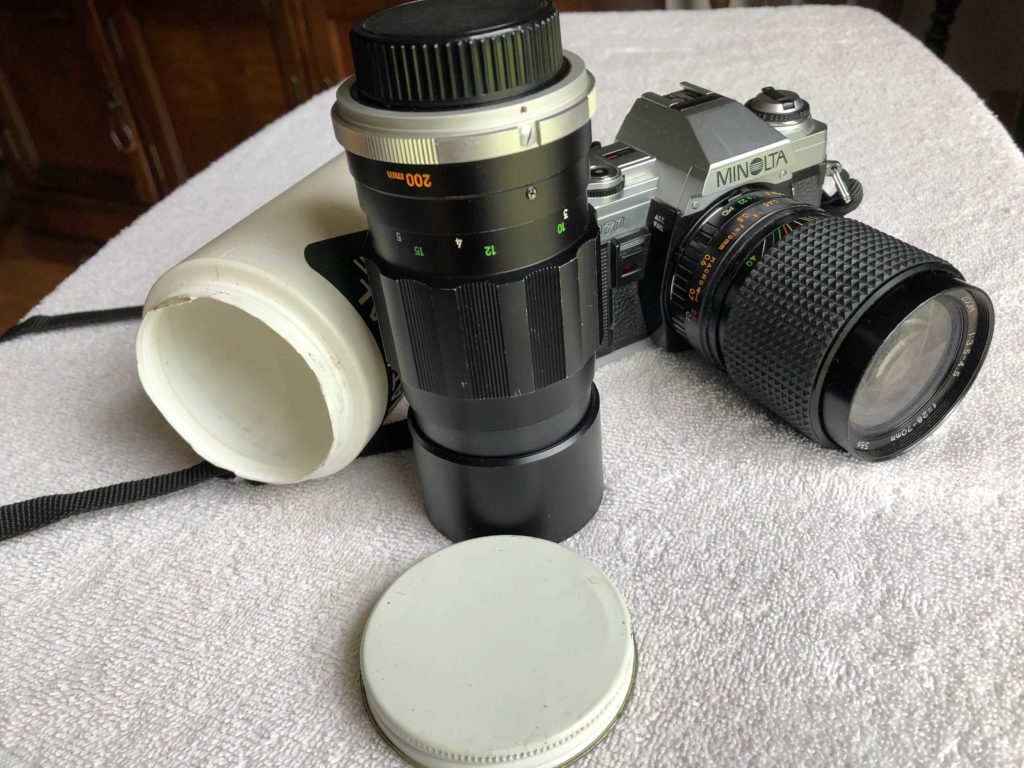
We went back to the waiting room where Daddy had left the beat-up old purse he used for a camera bag. When we got there, we looked around. There was no beat-up old purse. Had it only been a beat-up old purse, it wouldn’t have made much difference. It wasn’t worth anything. But there was something else inside the purse – a 200 mm lens. We went to the nurse’s station and asked if someone on staff had picked it up. They didn’t think so but called Lost and Found to check. No, nothing had been turned in. We made a stolen beat-up old purse report.

A couple of days later, I got a call from the hospital. One of the cleaning staff employees found the purse in the trash can in the ladies’ bathroom. 

The lady on the phone said, “All that is in the purse is a bottle of fiber.”

I asked, “Is the bottle empty?”

She said, “I don’t know.” Well, she had not looked. Why would she have looked in a bottle of fiber?

I giggled and said, “Will you open it, please?”

Then she giggled, “Oh my! There’s a camera lens in here.”

“Yep, I’ll come get it.”

Never underestimate a beat-up old purse or fiber bottle. It might just hold a treasure.

Moral of the story:  Don’t judge a lens by its cover. (Things are not always as they appear).

The Palouse

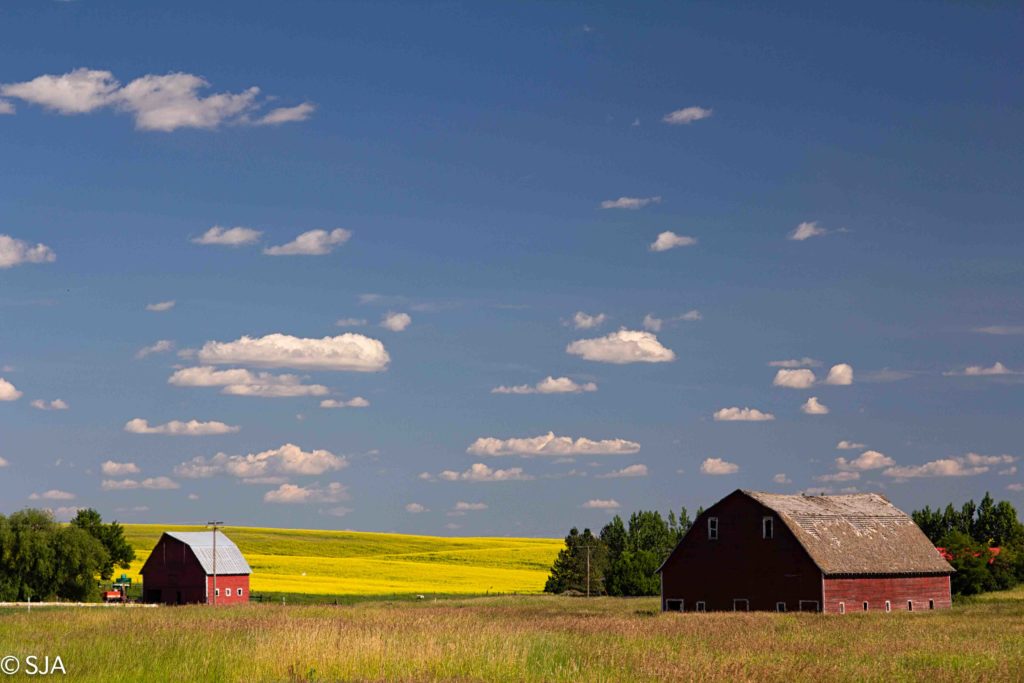
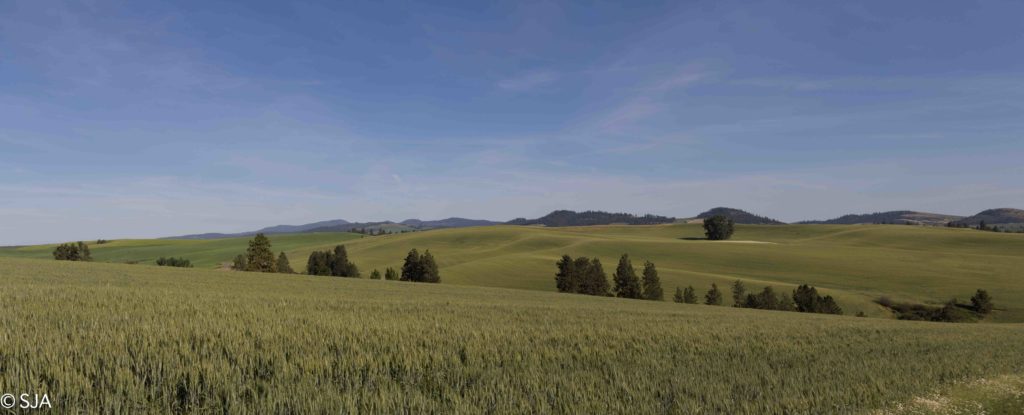
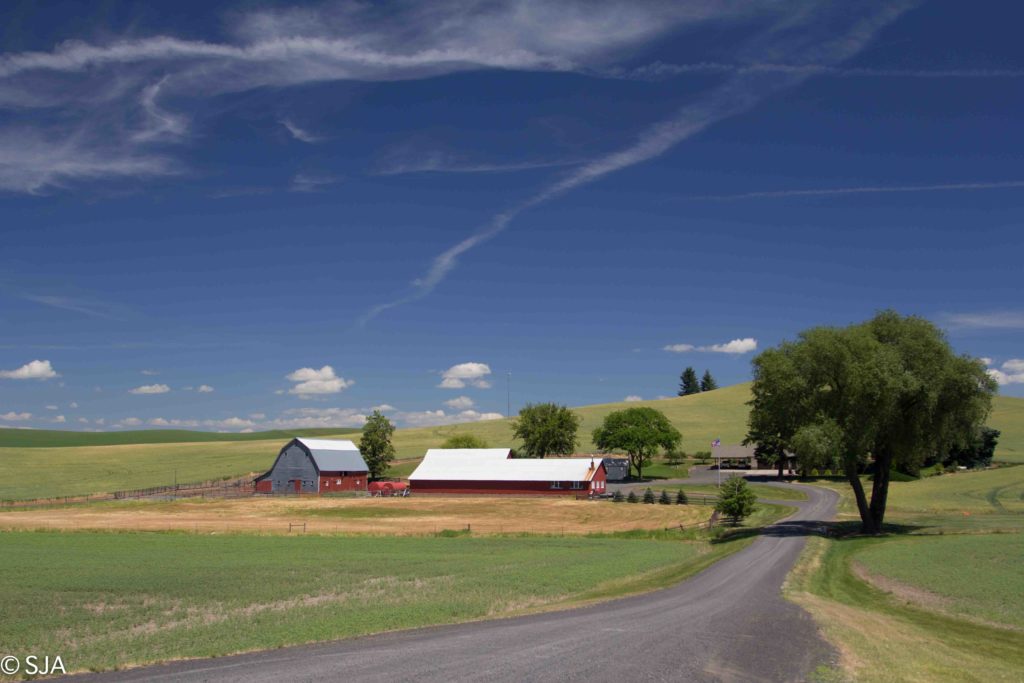
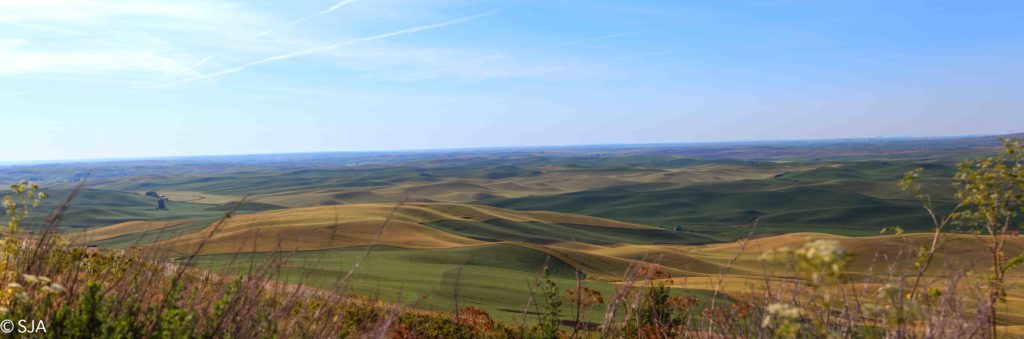
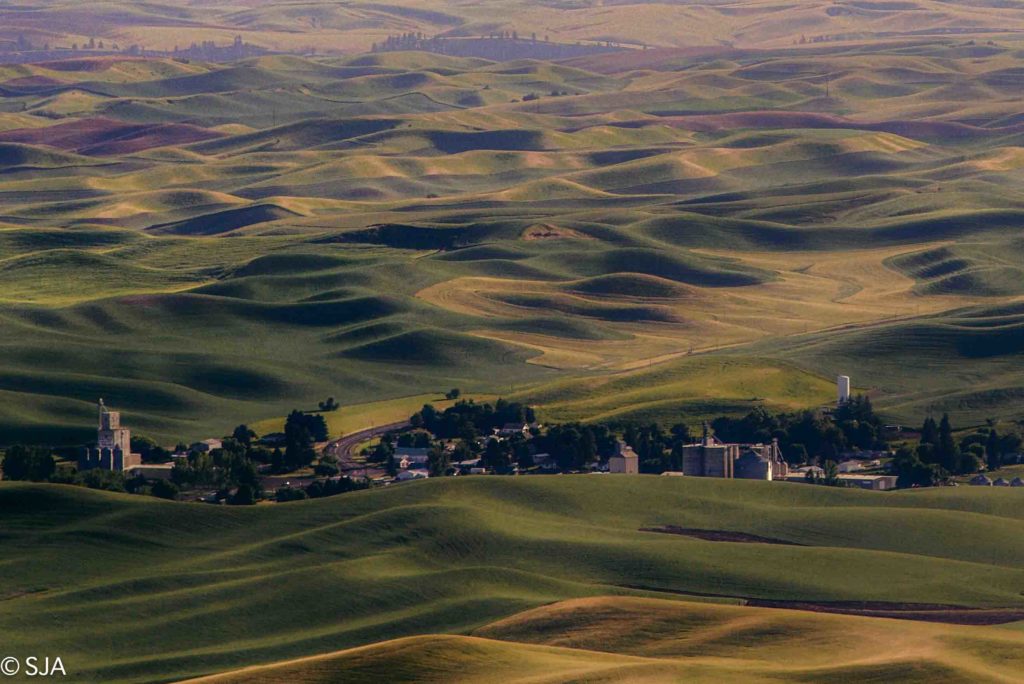
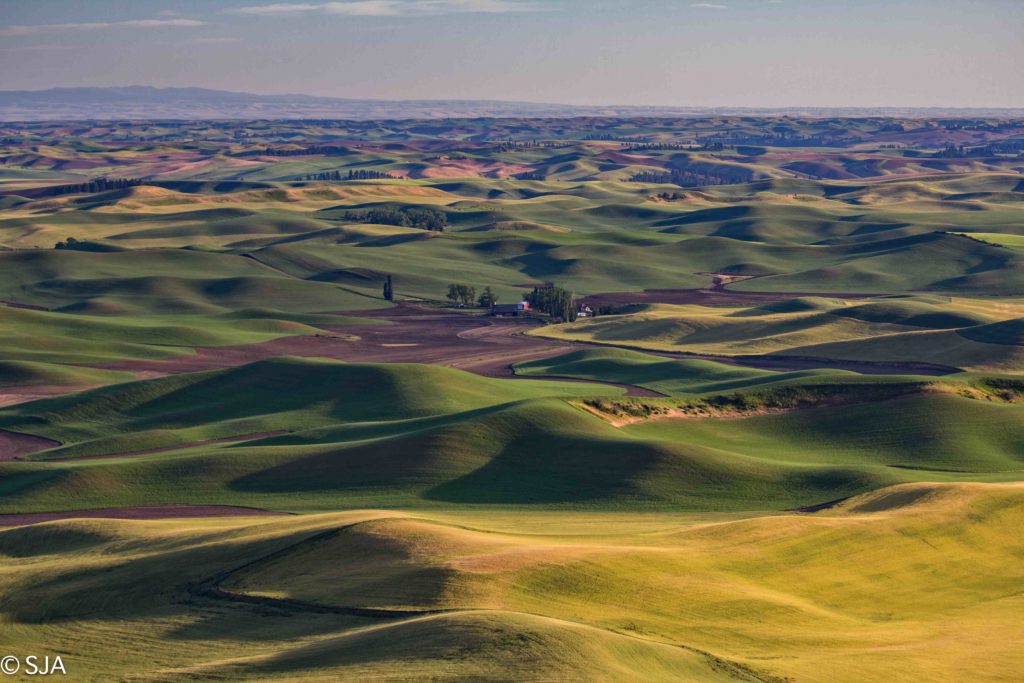
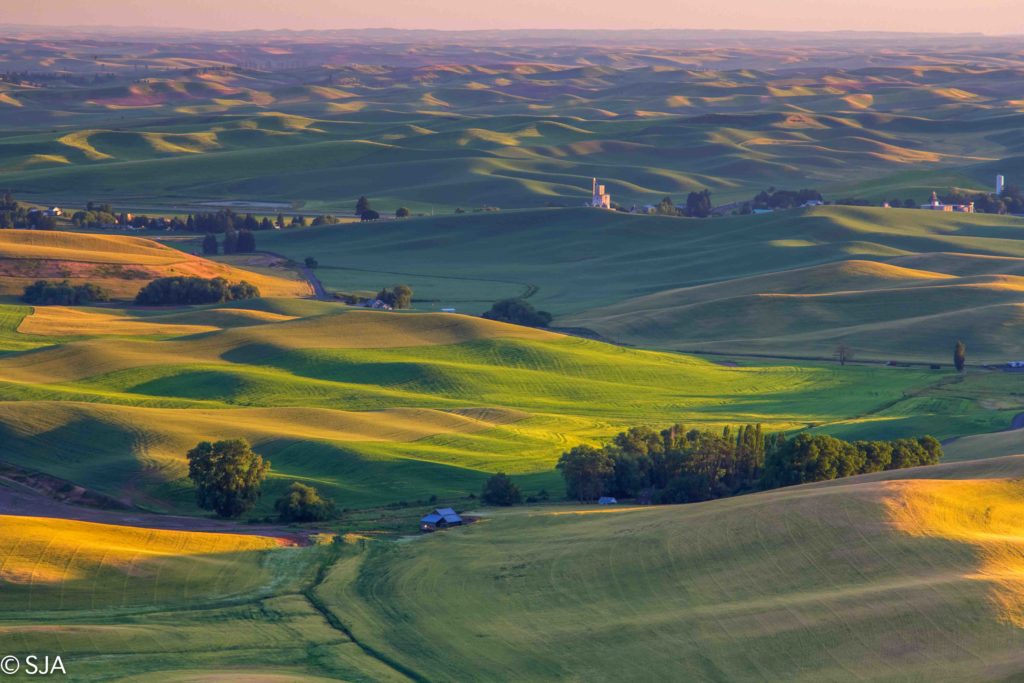
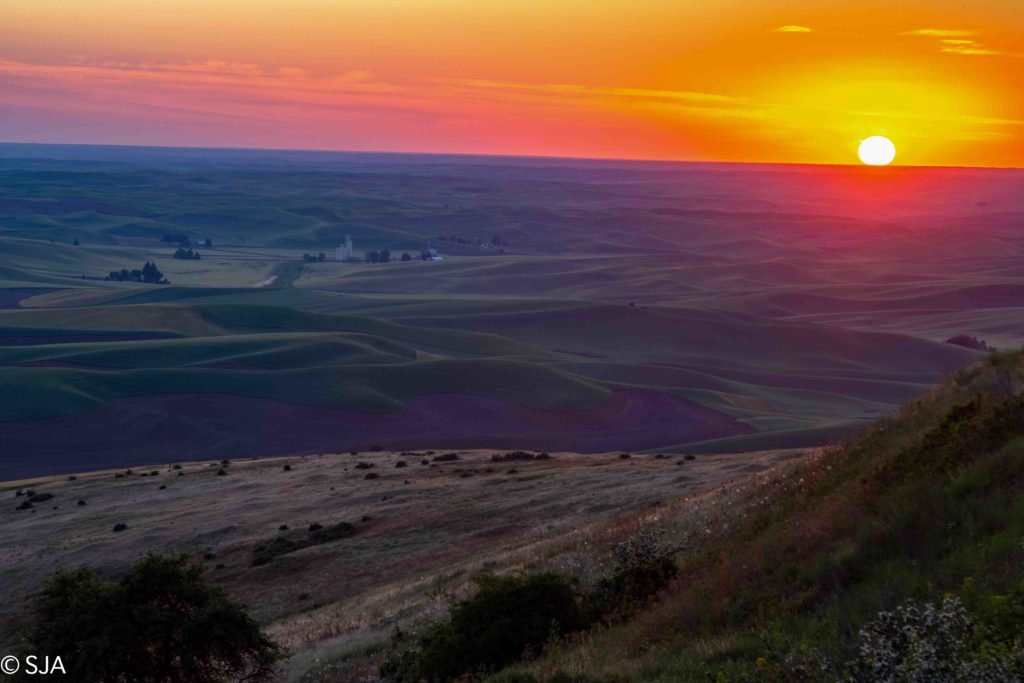
One of the most fascinating landscapes I have witnessed is the Palouse region of Southeastern Washington. Green and gold waves roll gently across the open countryside. The smooth rolling hills take on even more characteristics as day washes away the night and when long evening shadows are consumed by darkness. 

When I travel, I don’t just look for places with gorgeous scenery, but places ripe with history and unique geology. The rolling hills of the Palouse is one of those places. 

Historically, the Mullan Road ran through this area. In fact, a section of the original road can still be seen. That might not mean anything to most, but for me, it gives a better insight of those who traveled that road from Ft. Benton, Montana to Walla Walla, Washington. It was the first wagon road to cross the Rocky Mountains to the Inland of the Pacific Northwest. The road ran through Prickly Pear valley near Gates of the Mountains where the Gibson brothers, who married a couple of Brannin cousins, ran the toll gate for King & Gillette. The road went through Silver City (where my Grandmother was born) and crossed the pass near Helena before continuing west. My Great Grandfather Brannin traveled that same road when he worked for King & Gillette as a cook and sometimes as a driver of the team that pulled the supply wagon. It doesn’t take much for me to imagine seeing him with the team as he traveled the same area I was in.

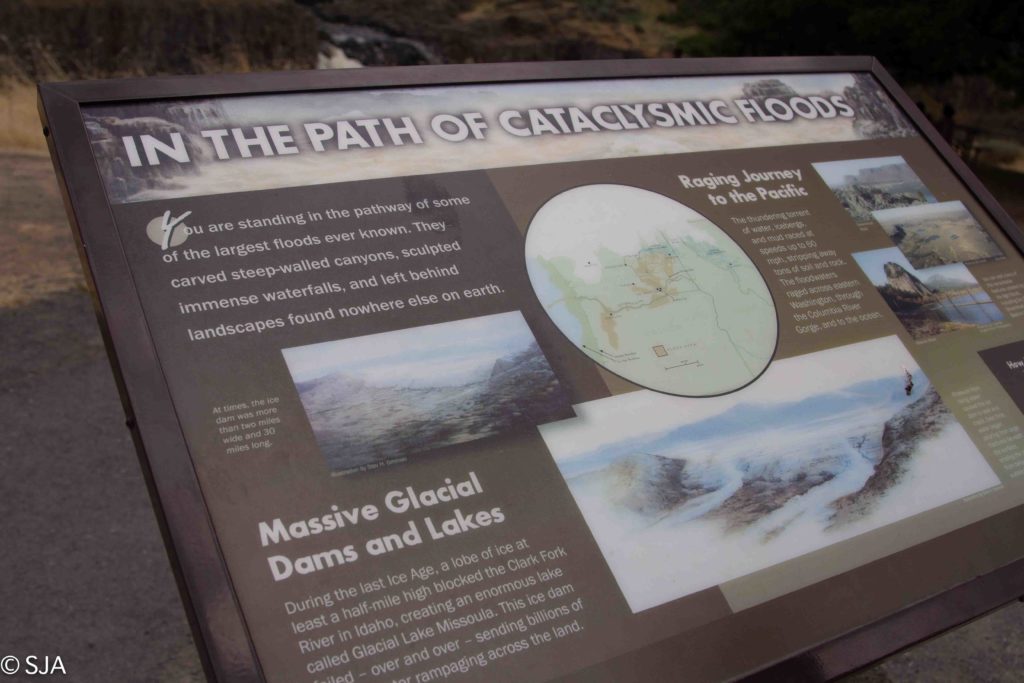
Geologically, this area is a unique jewel. Years ago, a glacial ice dam rose to 2000 feet high at the Montana Idaho border. The dam failed and flood waters rushed toward the Pacific Ocean. It left behind canyons and carved the Columbia River Gorge. Also, in its wake were a series of lakes. As the glaciers and flood waters advanced from Canada, the bedrock was crushed, creating a fine dust known as glacial flour. The lakes drained and left behind monumental quantities of silt. Southwestern winds blew. Loess dunes formed when windblown glacial flour, dust and silt settled in Southeastern Washington, Western Idaho, and Northeastern Oregon.

The Palouse is one of the seven wonders of Washington State, and I can tell you, it is a wonder. Soft rolling fertile hills are covered with wheat and legume fields. Combines and other farm equipment follow the contour of the hills as they comb the slopes, cutting up to 100 acres of grain in a single day. The Palouse has the highest lentil production in the US and has increased its production of vineyards and wineries. 

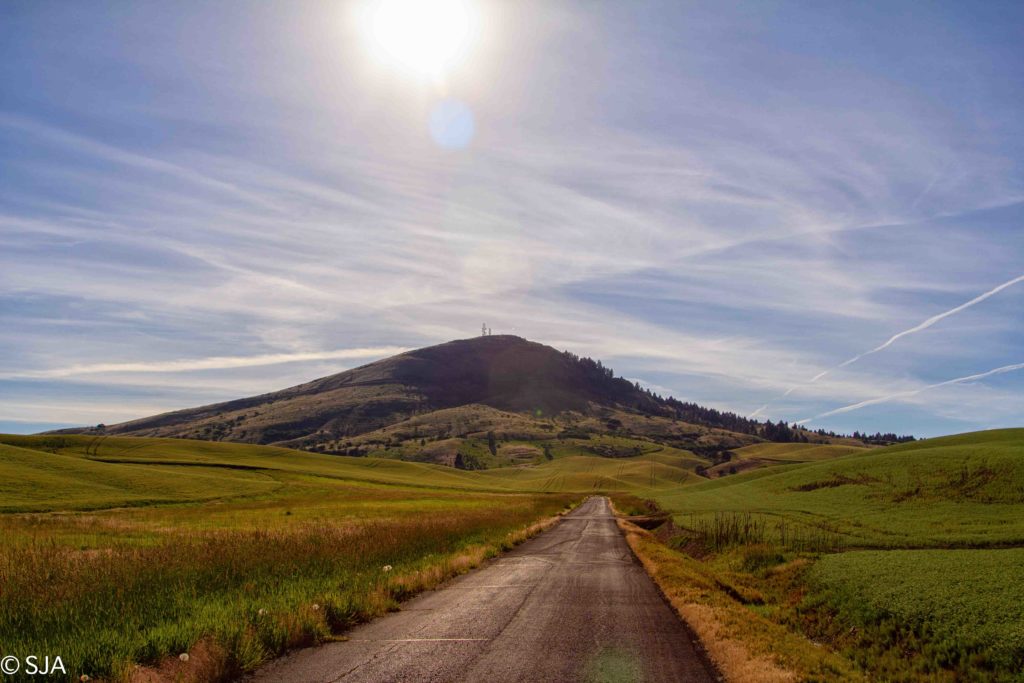
Steptoe Butte, at 3,612 feet, rises like an island out of the loess hills. From its height, it offers panoramic views of the productive sea of farmland. Depending on the season, lush shades of green fields or shades of brown and gold roll like ocean waves in the valley below. Riparian areas attract a diversity of species of birds and provide the perfect breeding habitat.

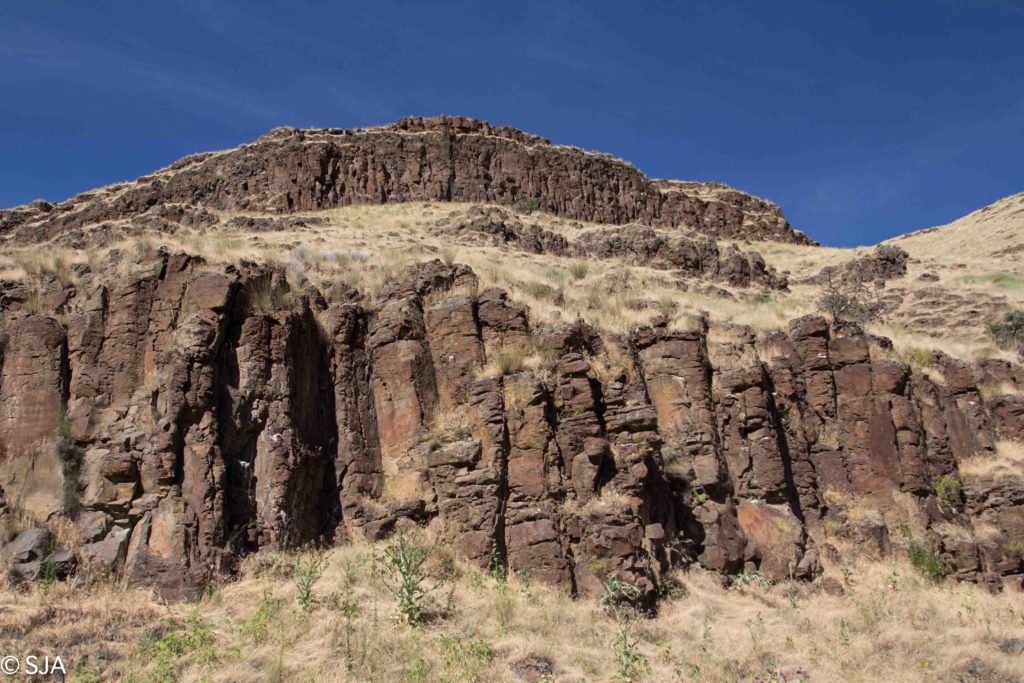
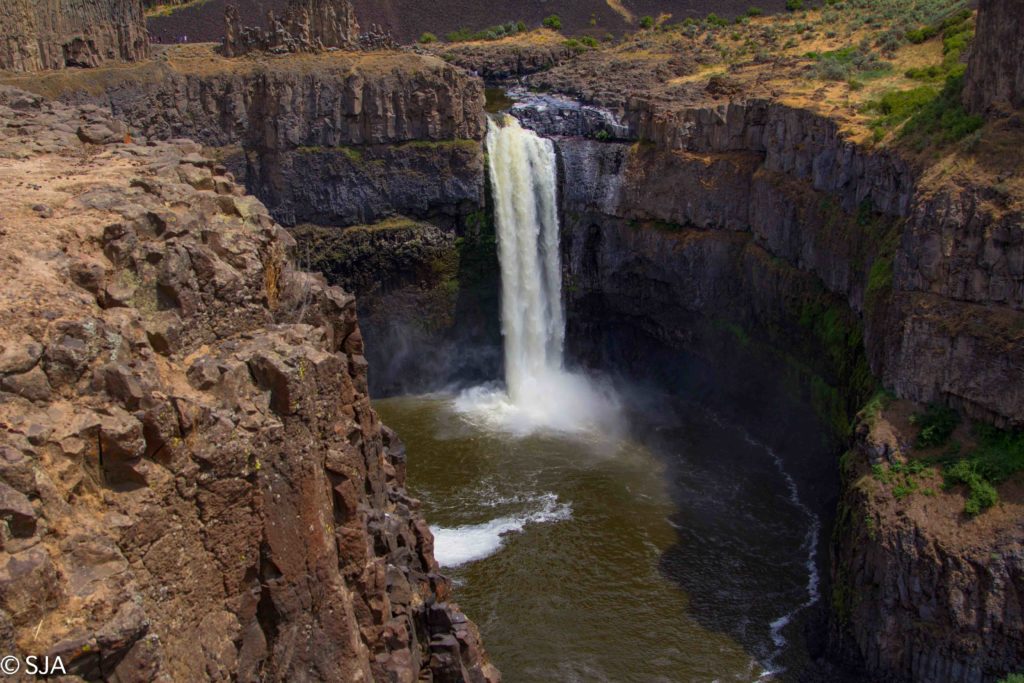
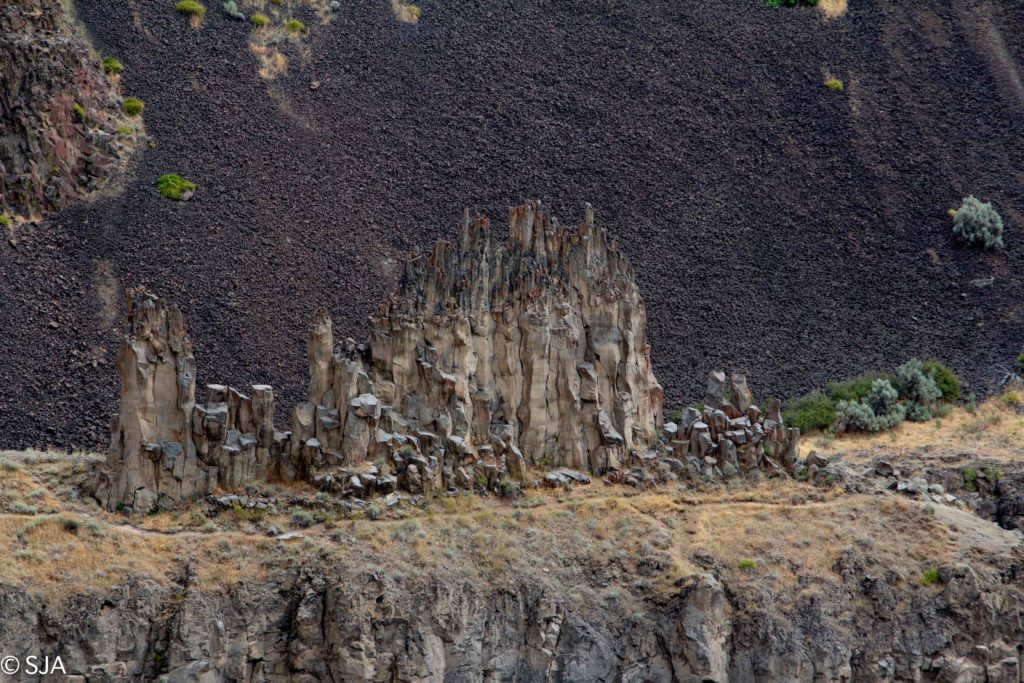
There are various areas of basalt formations in the region. The Palouse River drops 200 feet and moves quickly through the winding basalt gorge and makes its way to the Snake River. Beside the falls is a series of broken basalt pipes that look like the workings of a pipe organ. 

The Palouse is peaceful and serene. Soft rolling hills and muted blended colors give a sense of pastoral perfection to this verdant landscape. Just looking out over the loess dunes brings a calmness over my soul and renews my spirit. I believe our paths will cross again.