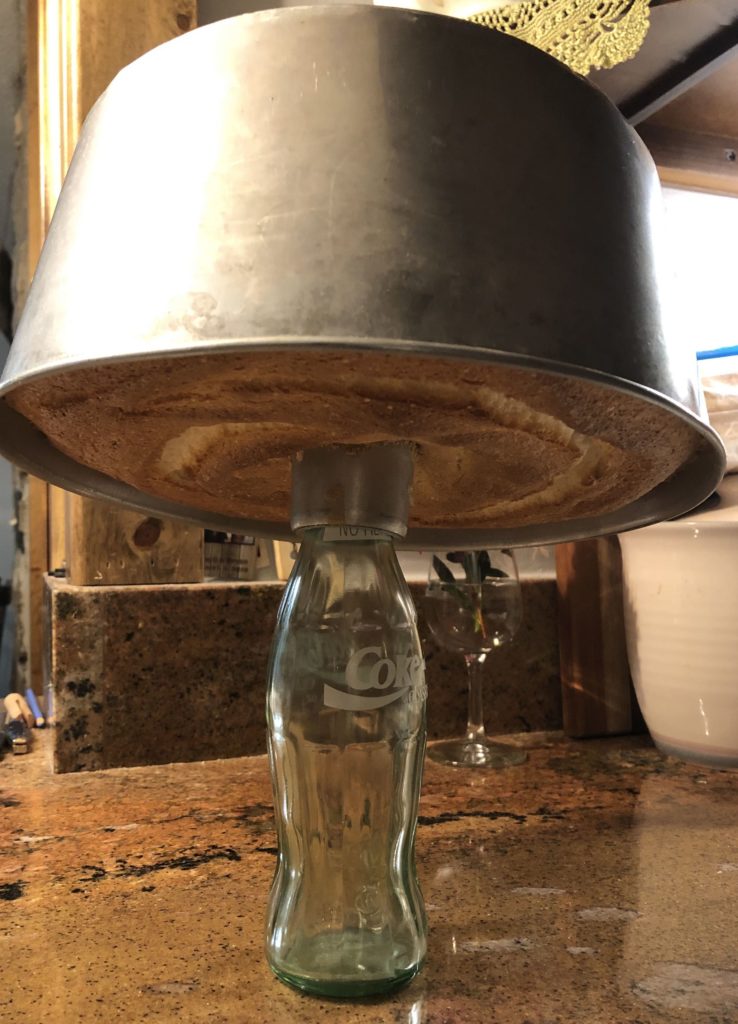
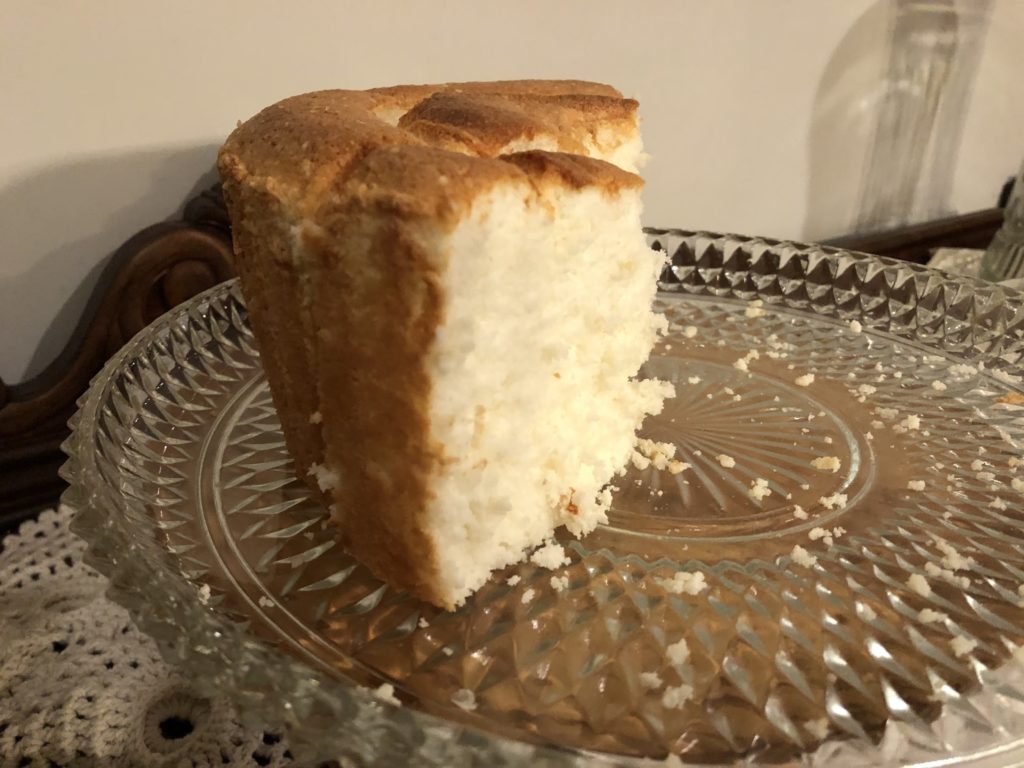
One day a girl at work asked for my Angel Food Cake recipe. I wrote down the ingredients and instructions and emphasized that it was very important that she hang the cake upside down on a bottle after she took it from the oven to cool. A couple of days later she said she had made the cake and didn’t know what happened because it was flat. I asked, “Did you hang it upside down on a bottle?” “No. I thought that sounded strange.” “Well, that’s your problem. I told you what would happen if you didn’t.”
My Grandmother made good Angel Food Cakes. As she got older, she often cheated and made it from a mix. Cousin Toni made good Angel Food Cakes. My Mother told me that my Great Grandmother was a master Angel Food Cake baker. She used a utensil with coiled wire to whip the egg whites, on a plate no less. I haven’t tried to whip it on a plate yet. Instead I use a big stainless-steel bowl.
My Mother made Angel Food Cakes on occasion. She had bouts with Meniere’s Disease that put her to bed for days. For a time, it was so severe she couldn’t even get out of bed. Even at her best, there were some duties she could no longer manage. One of those was running a mixer. Daddy took over the cooking. That really was severe and quite interesting!
One day, when my daughter-in-law was having lunch with them, Daddy served Angel Food Cake for dessert. She asked, “Daddy Buck, did you make this from scratch?” He answered, “Yep! I scratched it right out of the box.”
What a trip! I cringe when I think of my mother as her two youngest kids pulled out of the yard three months earlier. I don’t remember how often we called home, but I venture a guess that it was not often enough for her. After all, there was no such thing as a cell phone so we had to rely on pay phones. Our journey had passed all too quickly as far as I was concerned. Our hearts were sad as we left the land I had come to love as a small child. Instead of looking back, I decided to look forward. to the last leg of our journey.
As I have relayed our story to you, I think of things that I left out, mostly by accident. Just last night I thought about visiting other cousins as well somewhere in California, Townsend, and Hysham. I also left out picking buffalo berries with Babs, picking gooseberries at Olson Field, and chokecherries with ElVera. Buffalo berries are vicious little critters to pick. Long, long thorns protect the berries tucked up at the base of the thorn. You have to be serious about jelly to pick very many of those salmon colored berries. Our gooseberry jelly had little stems in it, otherwise we would still be trying to separate those little woodsy slivers of stem from the much too small berry. But, boy, was it good! Chokecherries make the best syrup and the jelly’s not too bad. We managed to make room for jars of jelly to go home with us. I picked stems out of my teeth for quite some time.
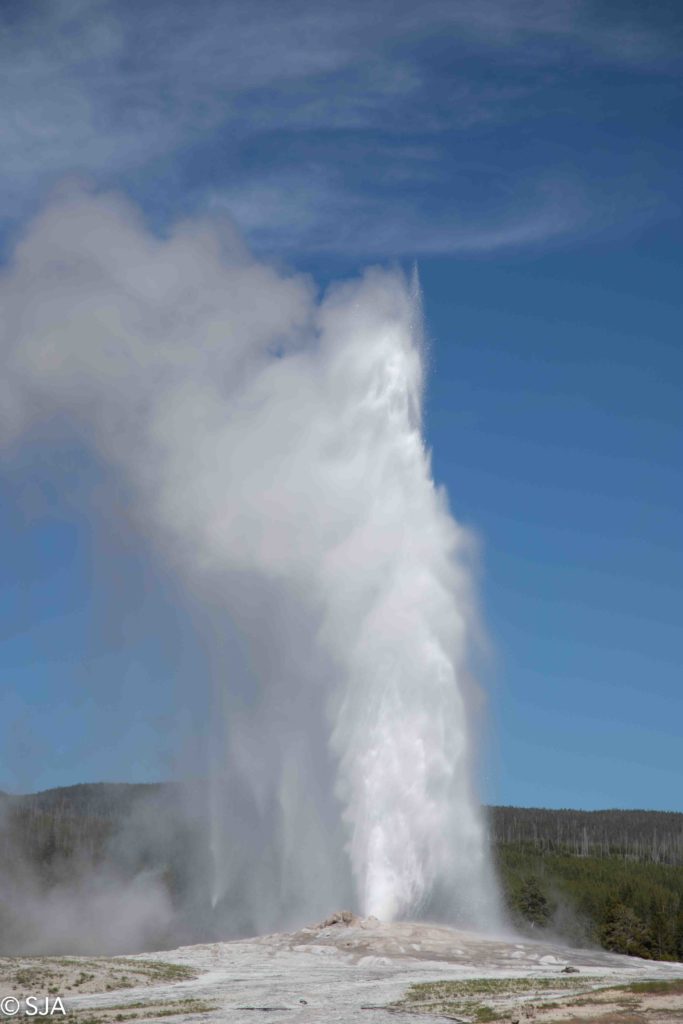
Old Faithful
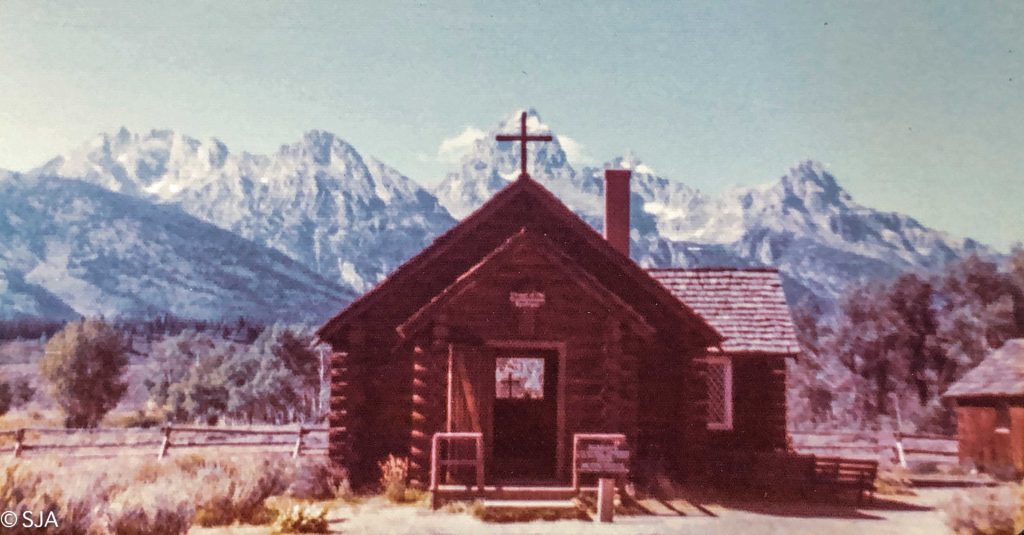
We still had a couple more stops to make. Though we had been to Yellowstone National Park on more than one occasion (and have since then, too), that was our destination, if only just to pass through. There had been an earthquake there about six weeks previously. I don’t remember seeing any effects of the quake. We were only two of 2,239,500 people to visit Yellowstone that year, but we didn’t stay there long. Our road took us through Yellowstone into the Tetons. Those mountains are fascinating. In the geological world of mountains, the Tetons are a relatively young range. They are sharp and jagged and absolutely breathtaking, not worn away by age. We visited the Chapel of Transfiguration with its big picture window that has a picture-perfect view of the Grand Tetons. I remember the mountains looking like “purple mountains majesty.”
Chapel of Transfiguration
When we got to Rock Springs, Wyoming, the road was wide open. By that time, knowing that our journey was coming to an end, we just drove. I was surprised that I had about forgotten what trees looked like. The further east and south, the more trees. The landscape changed from being virtually treeless to seeing as many trees on one acre of land as we had seen in five hundred miles. Thick foliage became lush, dense and green on trees that seemed to grow like magic bean stalks. It was then that I thought maybe I had missed the green trees just a bit.
By the time we got to Kentucky, the end was almost in sight. We drove down a country road that wandered through farmland. Fields of tobacco, some freshly cut, reached for miles, separated by trees along the edge of the fields. A thick “fog” hovered over the valley. We came near an old barn that had smoke billowing out of cracks and seams and under the doors. I thought it was on fire until I saw part of the barn opened up. It was then I saw the barn was filled with tobacco hung upside down as it was smoke curing. I was once again reminded that each part of the country has its own culture and personality.
After that, it was only a matter of hours before we turned into the driveway. I’m sure when we got home, we had many stories to tell. Surely our faces reflected the grand adventures we experienced. We unpacked and took special care with the treasures we brought home. By far, the greatest treasure we returned with was a whole passel of memories of places and people who had crossed our paths. Priceless.
I hope you enjoyed our grand adventure. Thanks for taking the journey with us!
I had never seen anyone like him. His skin was white as a sheet and it looked as if new fallen snow rested on his white hair and frosted eyebrows. Pale blue eyes were shadowed by thick coke-bottle-lensed glasses. Those appearances of the Albino man were a stark contrast to anyone I knew. Yet, it wasn’t so much his appearance that struck me, but rather his quintessential skill.
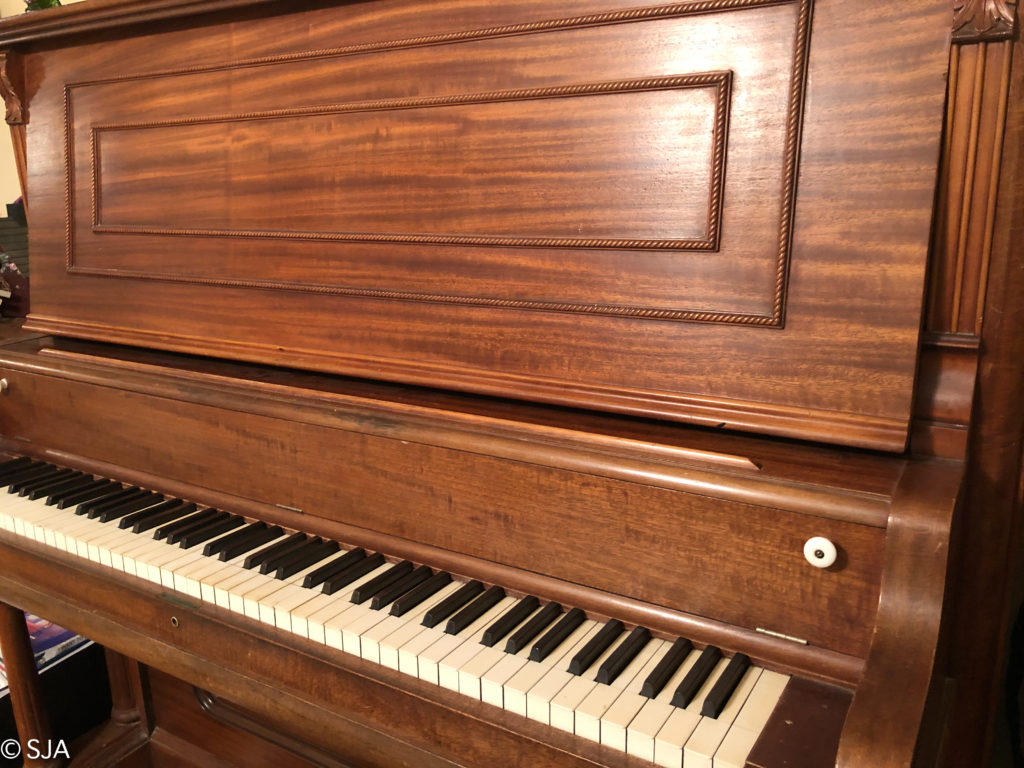
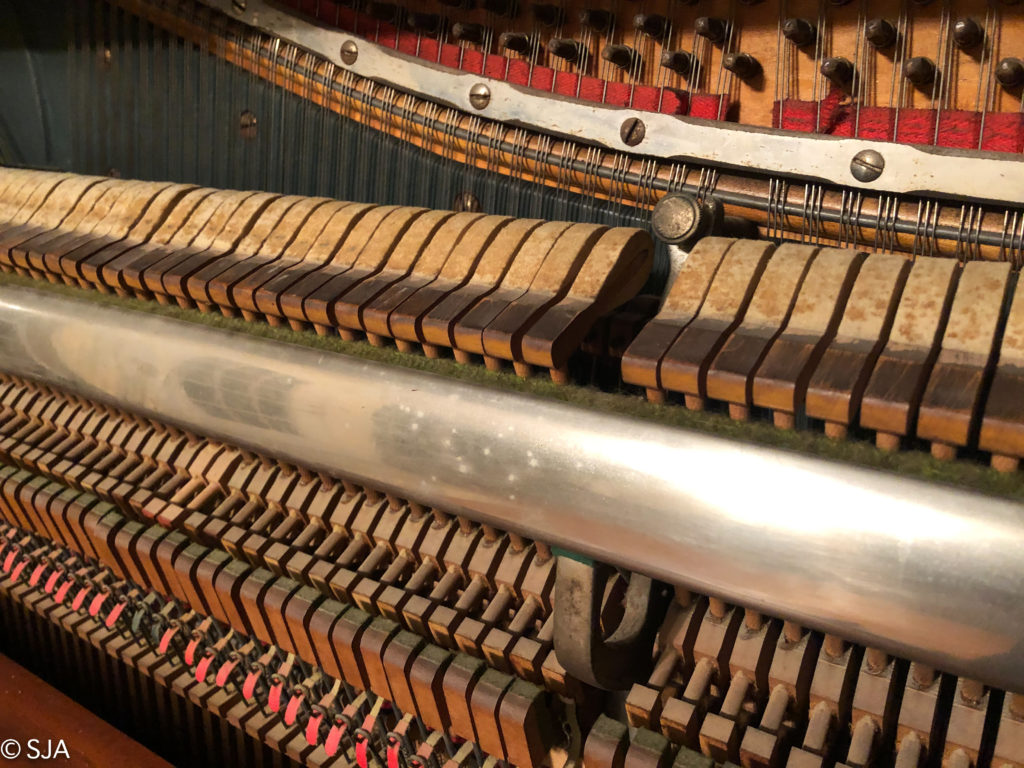
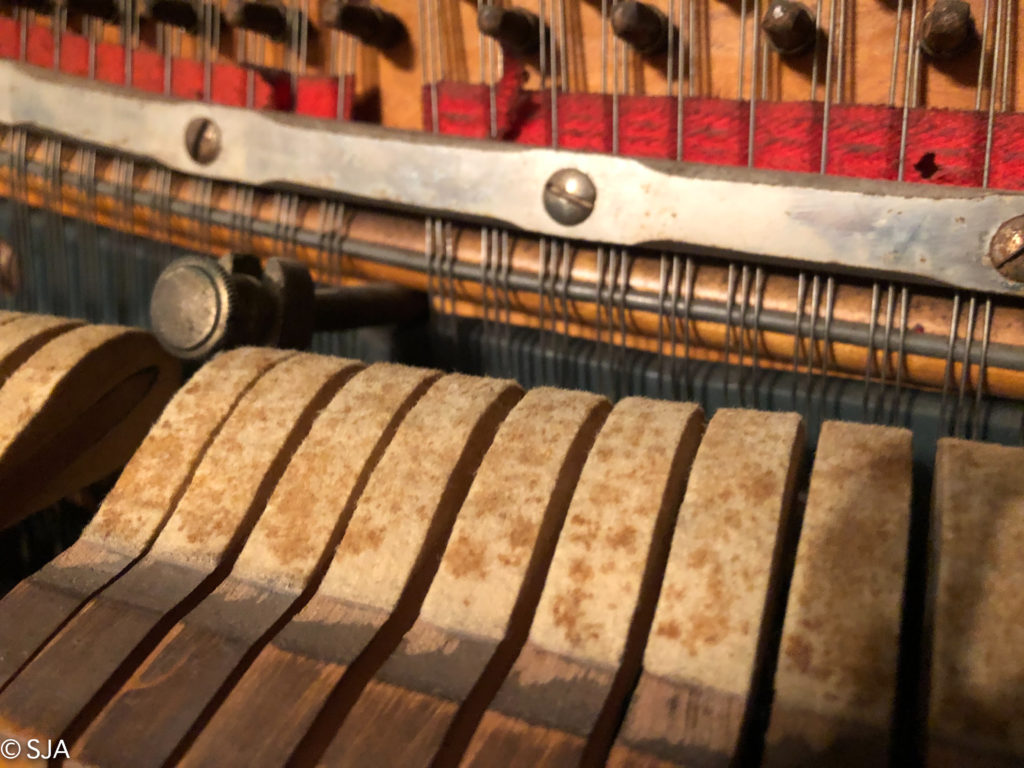
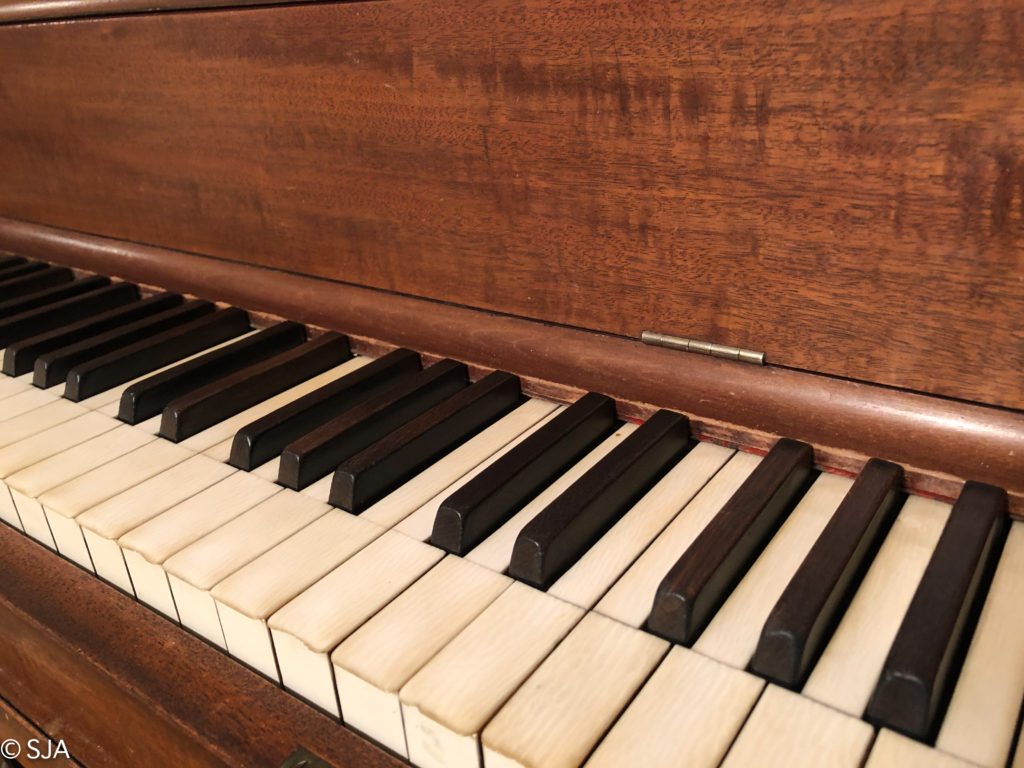
The Albino piano tuner entered the parsonage. I’m confident that he could have found the piano just by sensing the unstruck keys that ached to break out in song at the master’s command. He removed the front panel of the piano to reveal the workings that consisted of a labyrinth of over two hundred strings, pins, and felt. Soon he laid out his tools. He treated the piano as he would a newborn baby, handling each instrument with care as he tuned every note.
There was magic in his fingers. He used the tuning hammer, turning each pin slightly left to relax the string, then right to tighten. As he turned the pin, he struck the key to make sure the string was in tune, then moved to the other strings that created the “unison” of that note before proceeding to the others. He listened as he played 3rds and 5ths and octaves. What made such an impression was the fact that he did not need a tuning fork or an electronic chromatic tuner. He merely listened and sensed with his ears. He had perfect pitch.
Every hammer, damper, and piece of felt was gently caressed. He sat on the bench, lifted his hands and placed his fingers gently on the keys. Music flowed from the strings as his fingers glided over the keys. The tune that rang from the strings was a pure unadulterated melody. The musical masterpiece filled the room and echoed from the hallway.
The master tuner may have been considered legally blind, but what seemed a hindrance to some may be a blessing to others. His vision was impaired, but his other senses were enhanced. As his fingers tickled the ivories, he became one with the piano. There was mutual respect between the two. He needed no assistance to know if the piano was in tune. His sense of hearing was all he needed along with the skill of tuning.
And I wonder, we rely so much on vision we miss what our other senses want to show us. Our eyes often become the hindrance that narrows our vision. What if we allowed all our senses to work together in perfect pitch? What melody could we unlock?
Uncle Buster and Aunt Viola wanted us to stay a few more days, but our time was quickly passing like sands through the hourglass. Our cross-country adventure had taken us many extraordinary places – oceans, canyons, deserts, waterfalls, trees, mountains, caverns, prairies and rainforests, and we met many extraordinary people including relatives. But there were still a few places to go and we wanted more time to spend with our grandmother before heading south.
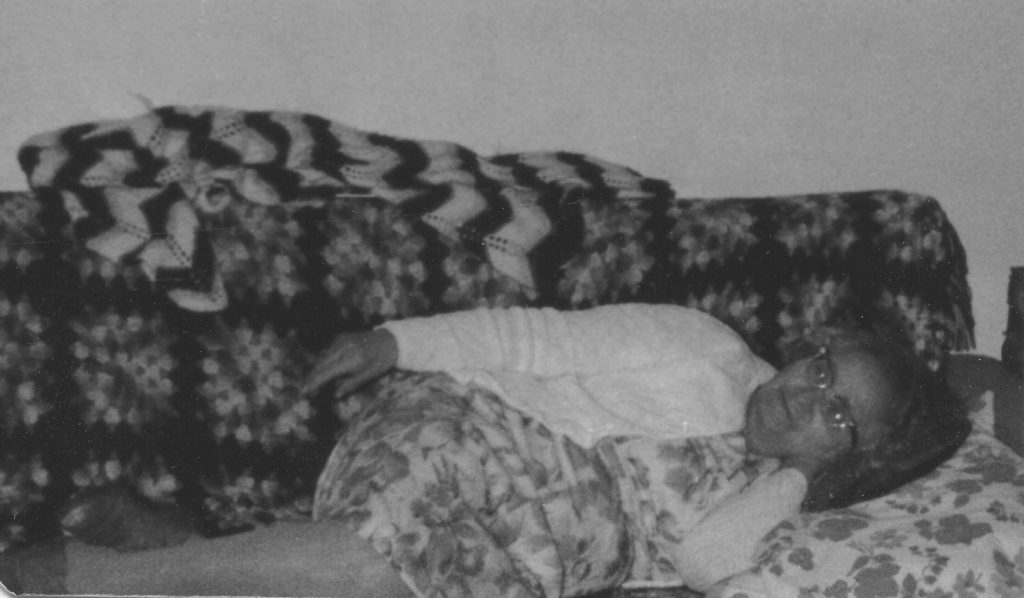
I didn’t grow up near my Montana Grandmother but every time we went to visit, we just picked up where we had left off. The best place in the house to sit was right beside her on the sofa. She wore a cotton dress with a narrow little belt, thick stockings, lace up shoes, and a sweater. An afghan or two was draped over the sofa to be used for her afternoon nap. She always had a story to tell about family or friends and neighbors. She would talk a while, then click her teeth together, blink her eyes, and smile.
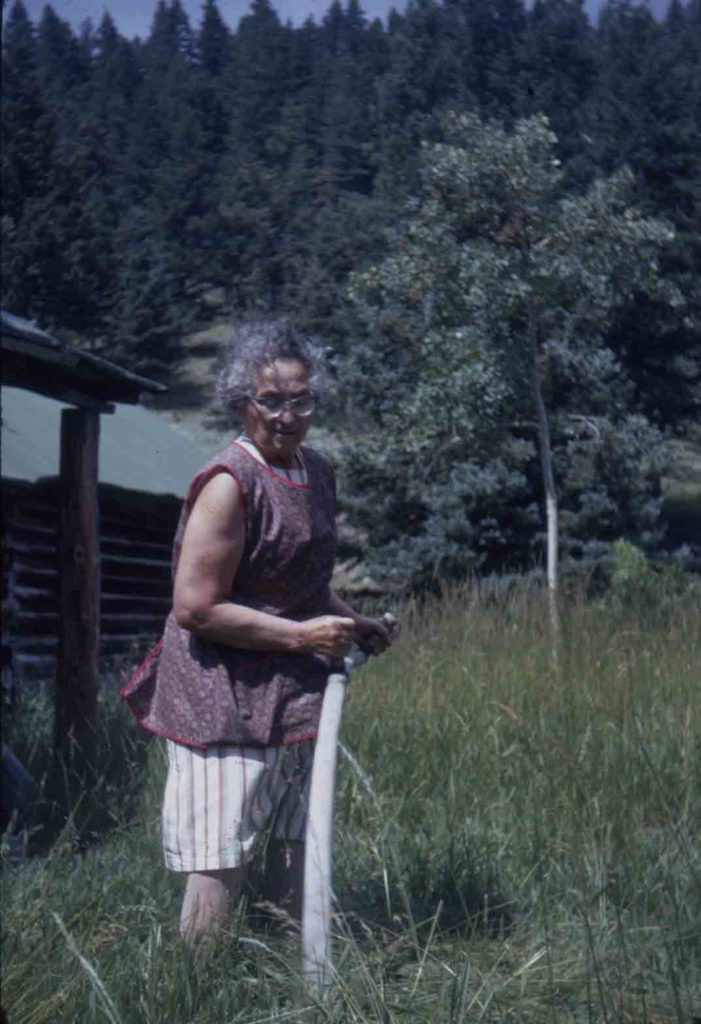
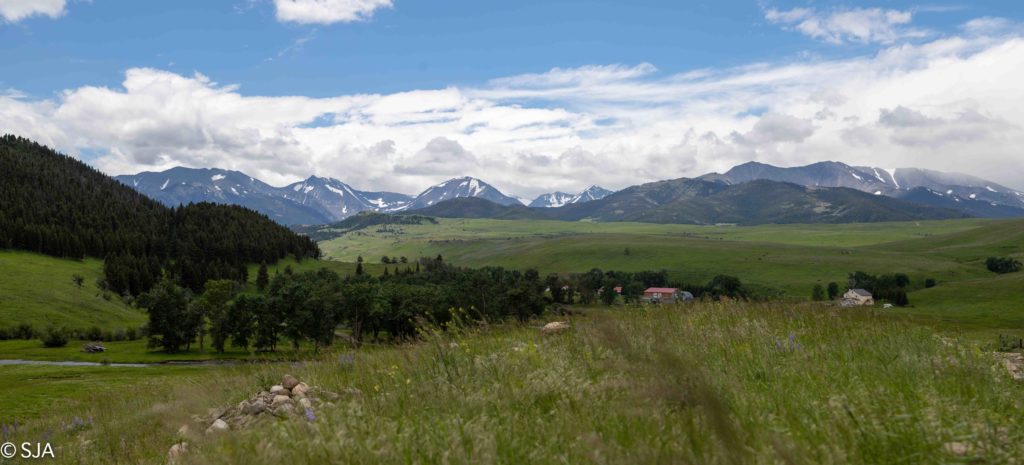
Our cross-country trip would not be complete without going “up the canyon.” Our aunt did the driving. We all piled into her truck and headed to the mountains to the old homeplace. Sis and I rode in the back of the truck and held on as we hit bumps and rocks and forded creeks. As always, we were in awe of the mountains, streams, wildflowers, antelope and deer, and the fresh air. We pulled into the yard and hopped out of the truck. As my grandmother went into the log house, I could imagine her living there with kids under foot and cooking on the old wood cookstove for whoever showed up at her door. Living in the mountains were for people who were tough as nails. They had to be able to survive long winters and make do with what they had. I had great admiration for her. In fact, everyone I knew had the highest regard and respect for her. She was kind, hospitable, giving, loving, feisty, adventurous and forgiving. Plus, she was soft and squishy and cuddly, and had arms long enough to wrap around a kid or two..
The old cookstove was fed some kindling and a match lit to get the fire going, Sis and I hauled water from the horse trough where the best water in the world flowed out of the pipe that led from the spring. Soon the tea kettle was whistling, and a pan of water was heating for washing dishes. We had our lunch and hot tea at the long handmade wooden table where the family had eaten for years along with lumberjacks, sawmillers, neighbors and friends. After a day in the mountains, we headed back to town. I never tired of going to the mountains. There was always an adventure, even if it were only bumping up and down in the back of the truck or hopping out to open and shut the gates. I don’t recall any time when I didn’t leave the mountains without an ache in my chest.
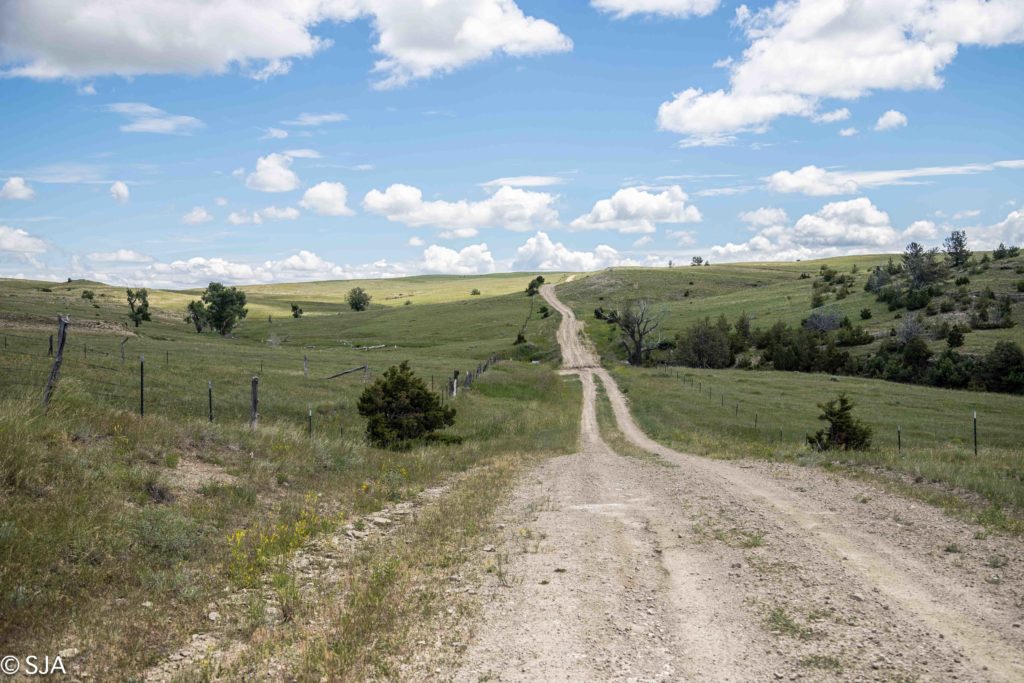
My Daddy grew up in the mountains, but my Mother grew up on the prairies. She loved the wide-open spaces where you could see for miles. We couldn’t leave until we visited the house on Tin Can Hill where my grandparents lived for several years. We never knew how the road would be. Sourdough Road is definitely the road less traveled, riddled with deep ruts and stretches of gumbo when it rains.
There was nothing to obstruct the view while driving through the prairie. Prairie grass swayed in the breeze and eagles rode on the wind. After cresting a hill at the curve in the road, a house that looked like a miniature was seen in the distance. There was an old barn that was a work of art. An old willow grew behind the house, indicating that there may have been spring. On one side of the house was a row of Russian Olive trees my Grandfather planted as a wind break. The old house, not so regal, still stands, at least on the outside. It has been used for a shooting range, but the old walls of the house still manage to stand erect. Some of the wooden shingles seem to hang on for life while others are held precariously by one little nail. There’s just something special about that place. I can visualize my Granddad’s old truck sitting beside the house and my mom, aunt and uncle on their horses, clothes blowing sideways on the line.
The trip down memory lane was over. We drank one last milkshake at the old soda fountain in town. One more night and then we would head home. The night ended too quickly. With one final look at the mountains, our car turned the opposite direction and headed south.
Waves gently rocked the cruise ship. It had been a gorgeous day and we were able to share some of the culture of Mexico before heading out to sea again. We were dressed in our finest as we were seated at the table for dinner. The waiter shook out each napkin to lay them in our laps – all fifteen of us. The table was set with a clean, neatly pressed tablecloth, glasses and silverware lined up just so.
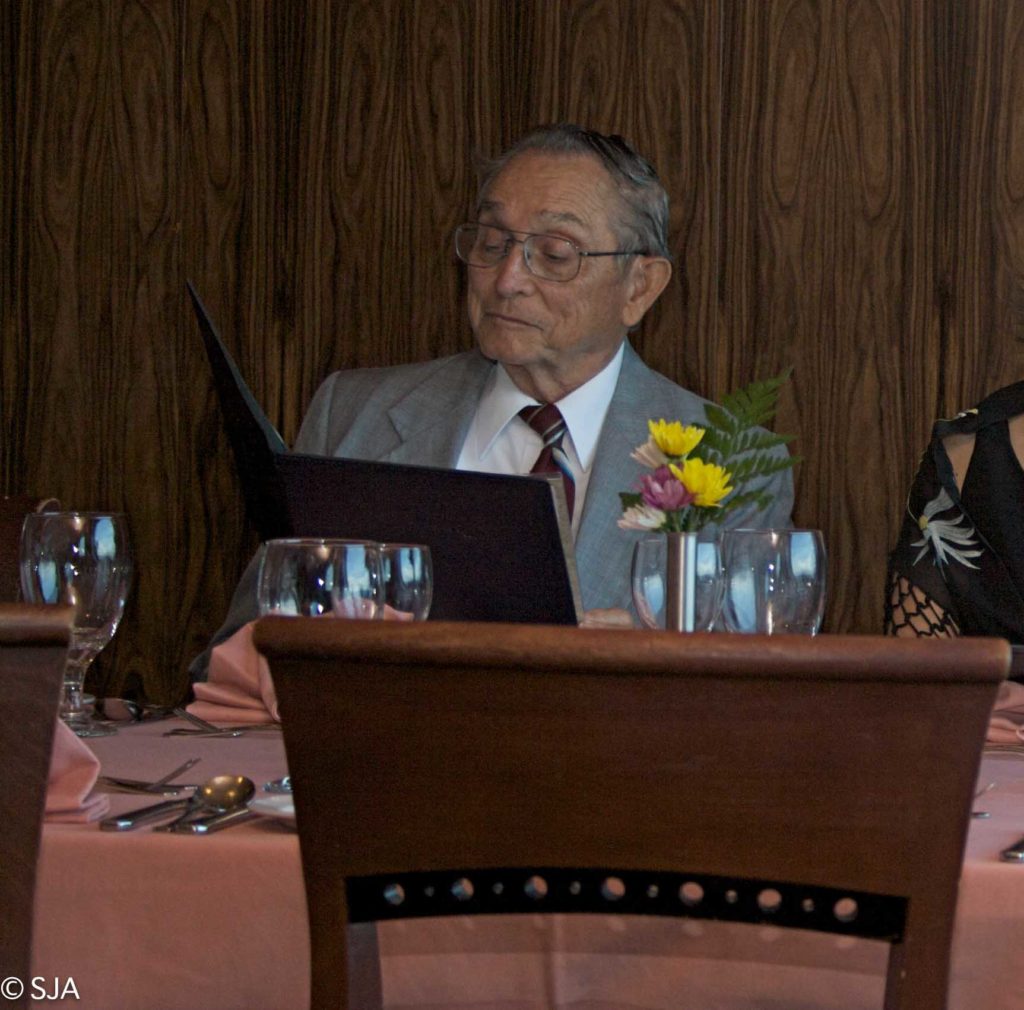
The menu seemed endless. If you have ever been on a cruise, you know there are lots of cuisines and food choices available. You can find almost anything to satisfy your taste buds from pizza and ice cream to filet mignon and fresh lobster and everything in between. The waiter gave us ample time to decide what we would like before he came back to take our orders.
When the waiter came to Daddy and asked what he would like, Daddy said, “I’ll have the escargot.”
“What? Why? You know that’s snails.”
“Well, I wouldn’t eat that at home.”
Sister Ellen
He learned that little trick from Sister Ellen when they went to the Holy Land together along with Cousin Kitty and Cousin Beth. When they got home from that trip, Daddy laughed as he told about Sister Ellen ordering things she would never eat at home. I guess that’s a pretty good philosophy and one that I adopt when traveling.
Though I’ve never had escargot, and don’t intend to, I did suck it up, literally, and had raw oysters that taste like the salty ocean breeze. Actually, I had them more than once. I have also had squid, which is something else I never intended to eat.
Sometimes you just have to step out of the box and expand your horizons and your senses.
My mother could pick you apart with her eyes. Her hazel orbs scrutinized the tiniest of details as they scanned her subject. Before I brought friends to the house, I warned that Mama would stare at them. From the top of their head to the tip of their longest toe she analyzed every inch. By the time she was done, she knew the texture and color of their hair, the color of their eyes, how much they weighed, whether their clothing was bought or handmade, their personality, and what they had for breakfast. Yep – by the time she was done, one could be partially unclad. But she did not show partiality. No, it wasn’t just youth who suffered her visual interrogation. Adults were not exempt, especially those unsuspecting women who attempted to create their own handmade garments.
You see, my mother was an expert seamstress. Every stitch had to be perfect. If it wasn’t, she would rip it out and sew it again. Daddy claimed she ripped more stitches out than she put in. Not only did she make all of her clothes (even her underwear) and ours, she also “took in” sewing for others.
Look at those tucks at the shoulder seams and that perfect collar
She made tailored men’s and women’s suits and other garments, and altered patterns to fit her clients perfectly. Every seam, lapel, pleat, collar and cuff were sewn and ironed to perfection. If there were stripes or plaids, her seams matched. Even the designs on the sleeves were in line with the rest of the garment. Collars laid properly on the garment, understitched to keep from rolling, the turned corners crisp and clean. All seams were pressed open neatly. Pleats were ironed straight and sharp. Gathers were evenly spaced and stitched perfectly so there were no gaps or bunched up fabric. Mama was a perfectionist and her sewing showed that characteristic and her skill. She also had the gift of color coordinating, especially when it came to quilts. She could look at bolt after bolt of fabric and a picture would emerge in her mind of the finished product. The colors would all fit together precisely.
Back in my young days, many of the women made their own clothes. Believe me, if you wore a homemade garment, you sure didn’t want to sit in front of my mother at church or any other place for that matter. On the ride home, we often heard about Mrs. So ‘n So’s skirt or Mrs. Such ‘n Such’s dress or Mrs. Tu Tu’s blouse or Mr. Brown’s suit jacket sleeves or pants that needed to be hemmed properly. Her analyzation of the sewing job was, more often than not, a true assessment. However, the women probably did the best they could, and most did not have the skill my mother had. They sure didn’t want to sit in front of Miss Jean! She could pick out stitches without a seam ripper. Honestly, by the time the service was over, some of those ladies went home with less on than when they arrived.
As a true perfectionist, Mama didn’t have a high opinion of her own skills though her work was sought by brides and bridesmaids, pageant queens (including a Miss Georgia contestant), prom teens, and women of means who could afford to pay someone to make their garments. Mama wasn’t just an expert seamstress, she was an artist.
How about those pleats?
Though I have sewn for others, as well as my family, my skills in no way compare to my mother’s. I have about quit sewing garments. I can imagine her breath on the back of my neck as she inspects my seams and collar corners.
I guess I’ll just stick to sewing quilts. Now where is that seam ripper? Oh, never mind, a quilting friend says imperfections just make each project unique and special, and I’m creating a masterpiece.
A bald-headed man took up a homestead in Northern Montana west of where the Musselshell and the Missouri meet. The man called himself “Beetlehead”. When the year 1920 rolled around, he was getting up in years – about fifty. He had never had a hair on his head, and he had never married. Other men might ride fifteen miles horseback to go to a dance at a country schoolhouse and meet young ladies. Beetlehead went for other reasons. He’d rather fight than court.
“Ain’t nobody can whip Old Beetle,” he boasted. “When I get a challenge, I just duck my head in between my shoulders and plunge in headfirst.”
But one day Beetlehead met his match! A woman! He got married.
“How did a thing like that happen?” Bee Knapp, a neighboring homesteader and bachelor asked.
“It’s on account of Blood Pudding,” Beetlehead replied. “Old man Johnson comes by every time a fellow butchers and gets a bucket of blood. He takes it home and his wife cooks up a batch of pudding.”
Knapp nodded.
“Well, I went home and tried that blood pudding. Made me feel ten years younger. Felt so young I proposed to his daughter and she accepted.”
Bee Bell Knapp went back to his homestead shack and thought things over. Whether you live in the mountains or on the prairies, marriage is one of those things that’s catching. The marriage virus was going around. Bee Knapp had escaped it for thirty years, but in 1926 it caught with him. Twenty years later, I caught the marriage virus. Mr. Bee Bell Knapp became my father-in-law. A person never can tell where the virus will strike next.
We left our little cabin on Elk Creek to embark on another escapade. A trip to Montana was not complete without a visit to Uncle Buster’s place in the rolling hills of Eastern Montana. He was a prankster and loved to tease the little kids, but he was also full of tales and loved adventures.
We got to his ranch as the oat harvest was underway. I loved seeing the farm equipment at work. Golden fields of oats swayed in the warm breeze that blew off the prairie. A big combine made its way through the field cutting the oats and separating the grain from the stalks. When the tank that collected the oats was full, a trailer attached to a tractor pulled up beside the combine. A pipe shot mountains of gold grain into the trailer. Chaff blew everywhere. We climbed up, grabbed a hand full of oats and let the golden grain fall through our fingers. We scooped up some more and ate fresh raw oats. Before the harvest was over, Uncle Buster even let us drive the combine leaving clouds of chaff and bits of straw in our wake. We helped Aunt Viola prepare the noonday meal for the harvesters. Aunt Viola, Uncle Buster’s second wife, was a Southern girl through and through. She was also a good cook. Her desserts were just as sweet as her slow syrupy Southern drawl. She was so thoughtful and kind to the harvesters and went overboard to make sure they had everything they wanted to eat and drink.
With Uncle Buster, there was always some surprise within reach. One such surprise was going on the sheep drive. Now I had been on a cattle drive and was known as a famous rodeo rider of a bucking malcontent she-horse, so figured I had some experience. The first surprise was when we went out to saddle up the horses and he said, “We’re going in the car.” You can read the previously posted story about our Sheep Drive. Let me tell you, you just don’t know what you’ve missed in life without Great Uncles!
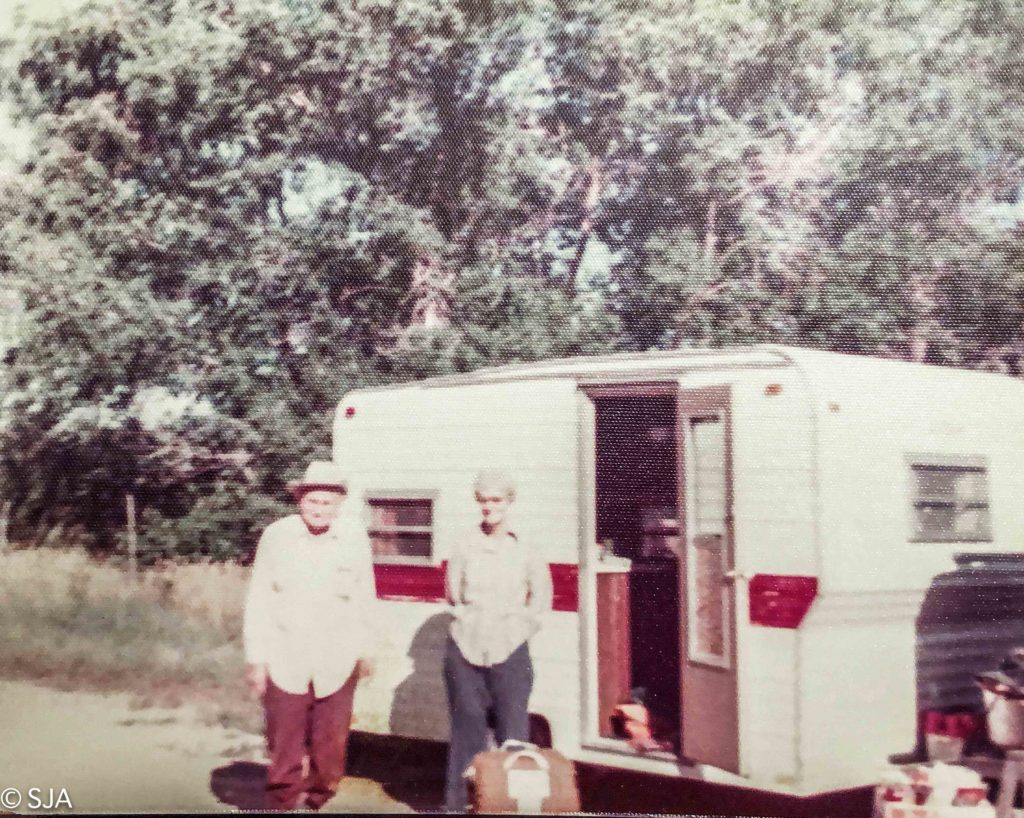
Another adventure Uncle Buster had planned was a trip to Glacier National Park. I was super excited about that! I had never been to Glacier before. They had a small camper hooked up to the back of the old beat up green truck. We crammed into the seat of the truck and headed out. We drove through the town where my mother was born and kept heading north. Oil wells dotted the countryside. Sage brush and prickly pear were scattered through the dry hills with occasional tumble weeds rolling across the road or caught in a barb wire fence.
Uncle Buster & Aunt Viola
We drove through part of the Missouri River Breaks country. That is one place on my list to go back and visit. My Granddad told us many stories of that part of the country. His tales included Sun Prairie Flats, Zortman, Landusky, Malta, the Long X Ranch and the breaks. His voice would break as he spoke with great admiration as he gave descriptions that painted a picture of the beauty and harshness of that land. Uncle Buster was no stranger to that part of the country. He traveled that country by horseback and worked at the Circle C Ranch in Zortman for a time.
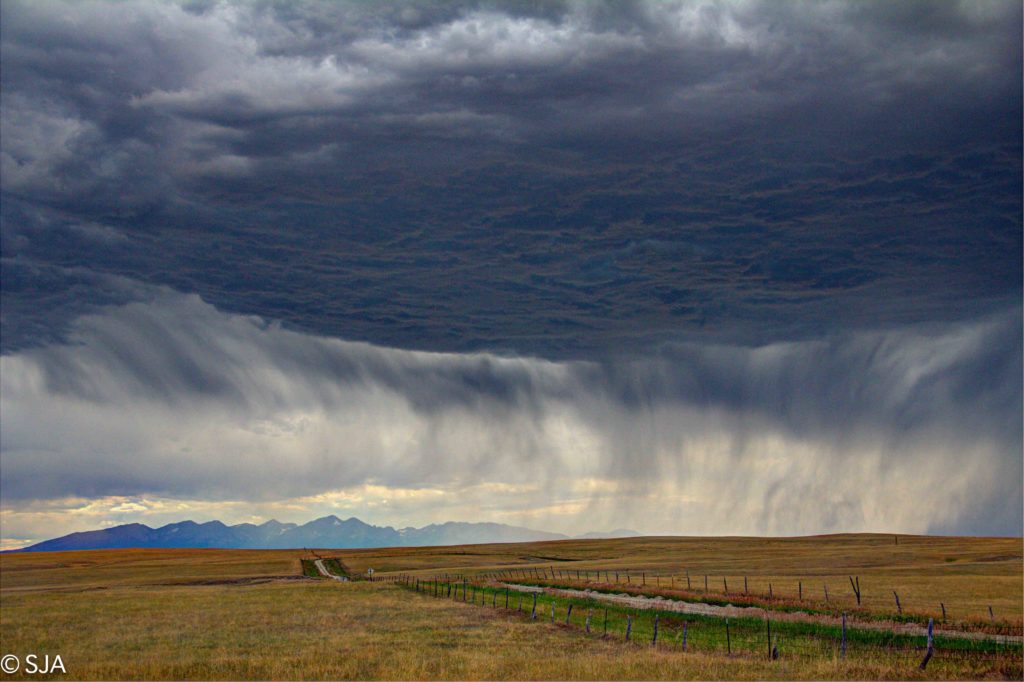
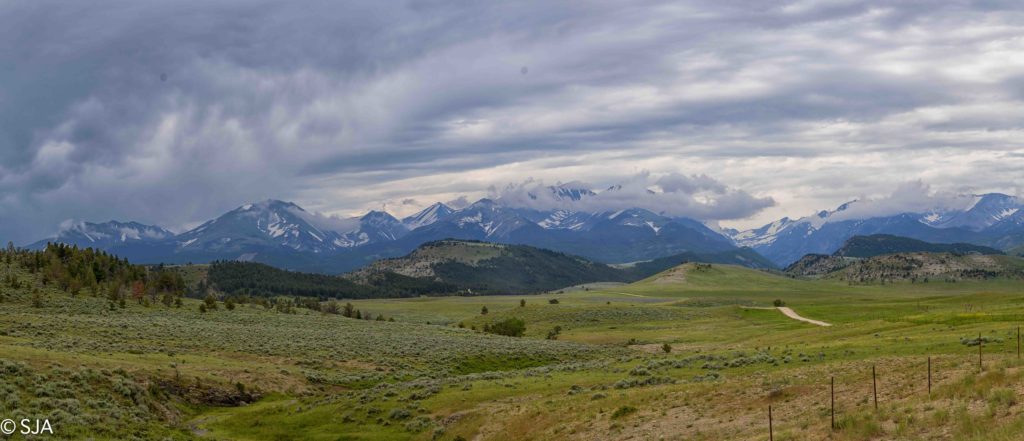
As we neared Malta, we were reminded that the Knapp family homesteaded there after the long wagon trek from Oklahoma to Montana. At Malta, we hung a left and stopped in Havre to visit another great uncle and some cousins. I always loved going through Indian Reservations and there were a couple along our way to Glacier along the Montana Hi-Line. That region symbolizes what Montana is all about. It is a land of wide open prairies like my mother liked, fields of wheat and other grains waving in the prairie breeze, cattle grazing in the pastures, towering mountains in the distance, Indian Reservations, big skies, and summer storms rolling across the vast open landscape. Some people look at that and see a lot of nothing. I look at that and see a land ripe with history and beauty.
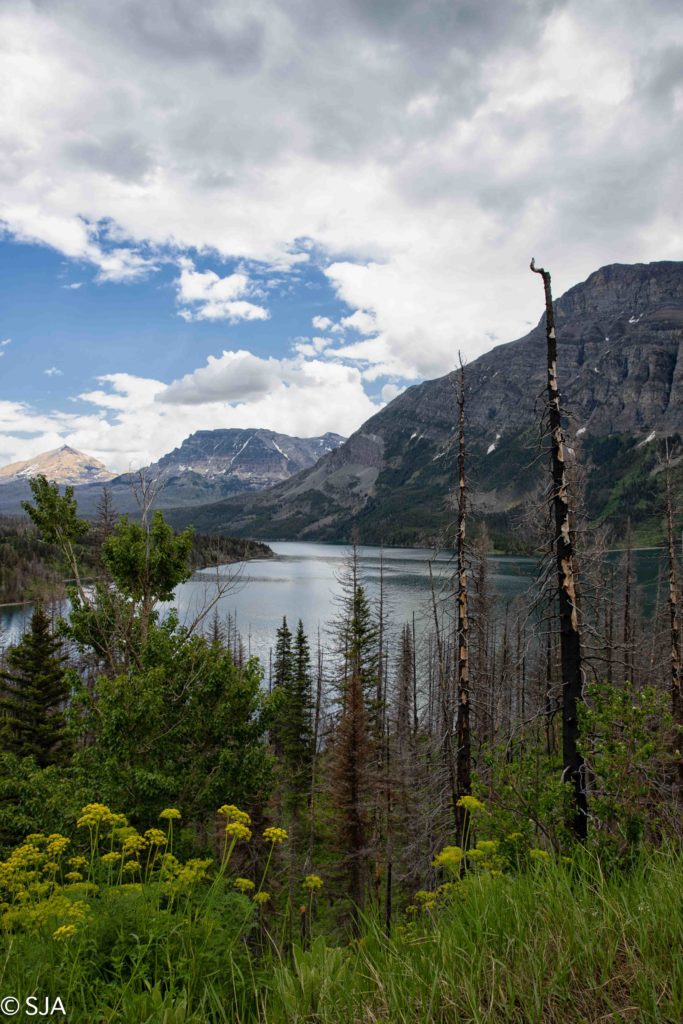
We camped at one of the campgrounds near Glacier National Park. The mountains are majestic and beautiful. We stopped and walked through some patches of snow and saw a couple of grizzly bears. They were close enough to see they were bears but far enough away to feel safe. We traveled on the Going to the Sun Road. The mountains, streams and lakes were absolutely breathtaking. Riding with Uncle Buster on a flat straight road was bad enough but riding with him on curvy mountain roads with no side rails was at times maddening. By the time we descended to the valley, I think we were all sweating – except for Uncle Buster of course.
We drove past the deep blue waters of Hungry Horse Reservoir, stopped in Kalispell to visit another cousin and were soon headed back to Uncle Buster’s house. The road back had completely different scenery. At Uncle Buster’s again, we stayed another night then headed back to Big Timber.
Our time was coming to a close and we still had a few more places to go.
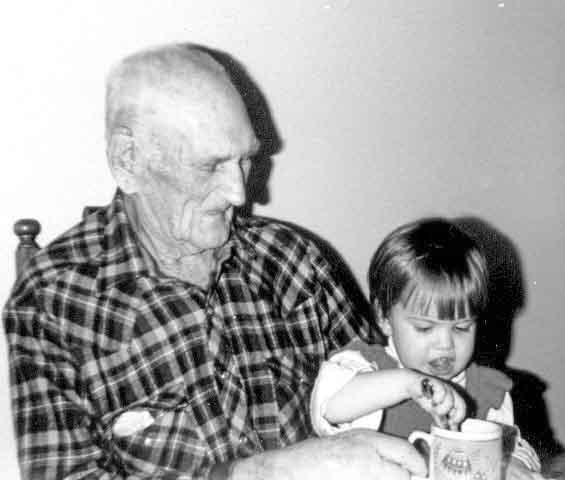
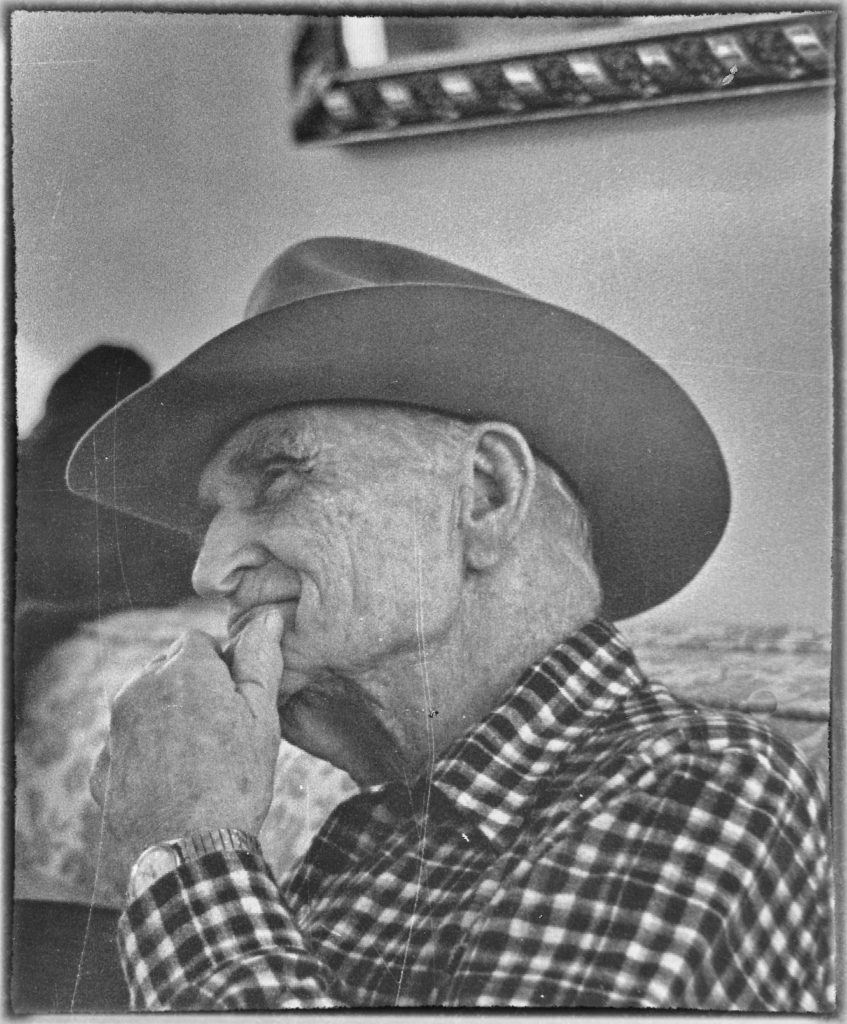
My Granddad really enjoyed eating, especially breakfast. He knew how to make the most of a meal. He didn’t scarf it down but took his time and savored every bite. A mug of coffee or hot tea or hot chocolate was his dunking tank. He managed to find something in every meal to dunk in his drink and when he was done, he’d drink or spoon out the dregs. It didn’t matter what was served to him. At the end of the meal, he always said, “that was the best meal I ever had.” And he meant it.
It was fun to sit at the table with him. He always had a story to tell, often one I had heard umpteen times before, but it was always fresh and new. In his later years the same tale was sometimes told with a different cast of characters or locations and I believed it every time just as if was the first time I heard it.
One day as we sat at the table after lunch, he cut an orange in half. He took one of the halves and started eating it, then he squeezed it to slurp out the juice. He turned it wrong-side-out and ate the remainder of the orange. When he was all done, he didn’t say a word. He was too busy working his tongue to get every last bit of pulp from between his teeth. It wasn’t working too well. What he did next shocked me. There are not many things that turn my stomach, but when he popped out his chompers and started sucking the pulp out of his false teeth, I almost lost my lunch.
Sis and I started our cross country adventure on June 14. Almost two months later, along with Uncle Sid who we picked up in Port Angeles, Washington, we arrived in Big Timber, Montana. We had numerous adventures along the way (some of which you don’t know about). You might ask what even prompted such a journey for two young gals traveling across the country by themselves. Well, it seemed simple to us. My brother-in-law once gave us shirts that read, “I’ve got the Crazy Mountains in my heart.” That’s part of the answer. From the very first time I saw the homeplace of my Dad and met my family that lived in the heart of the mountains, I was hooked. I can say with John Muir, “The mountains are calling and I must go.” Is that not reason enough? I wasn’t the only one who felt that tug on my heart.
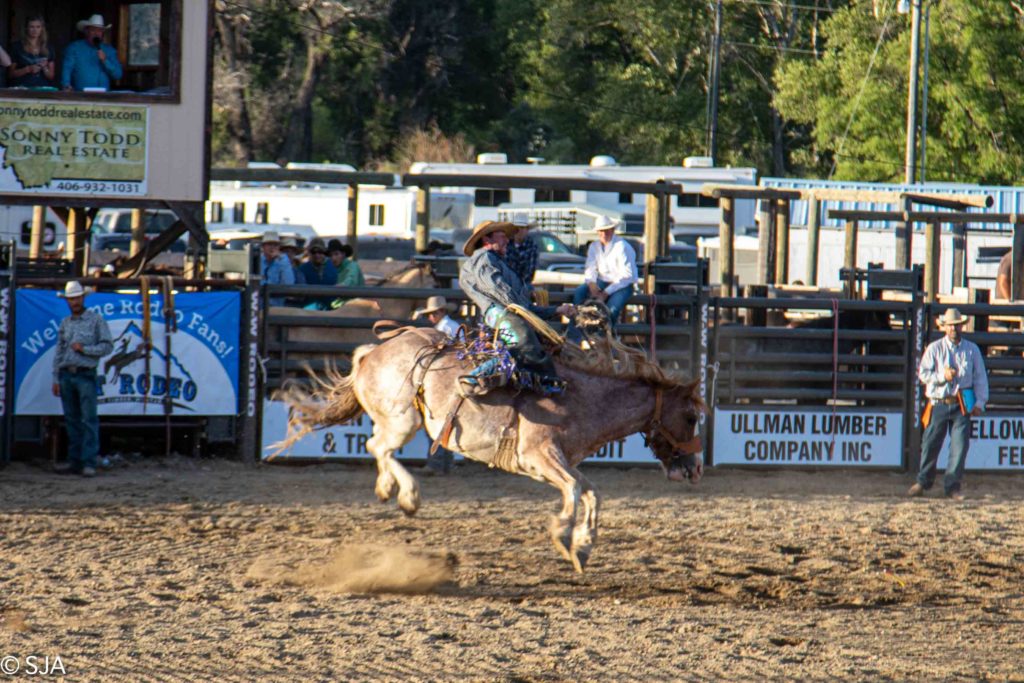
Uncle Sid was an old cowboy. Though his rodeo days of riding bucking broncs had passed, it was still in his blood. The Montana mountains were in his blood, too, and they were calling all three of us. We arrived in Big Timber just in time for the annual rodeo, which was the plan. If you never went to the rodeo with Uncle Sid or the other uncles, you missed a grand adventure.
It was almost as if the hands of time moved back fifty years and Uncle Sid transformed into a young buck. There was energy, excitement, and a real western rodeo. The town took on the atmosphere of the old west with all the horses, and cowboys and cowgirls in their best western shirts with pearl snaps, jeans, vests, cowboy hats, boots and spurs. The whole town came out to take part in the festivities. Many took part in the rodeo. Even the little kids got to try to ride sheep or tie ribbons on a calf’s tail.
at the rodeo
Uncle Sid in his rodeo days
Uncle Sid stayed in town a few days before going back home to Washington. He was the most famous bucking bronc rider I knew, the only one in fact. After he left, I figured I’d vie him for that position, but first I needed some practice on the back of a horse.
Sis and I headed to “the Boulder” to stay with cousin Babs. She set us up in a little cabin along the creek that was a mile or so from the main ranch house. We had a visitor that wanted to share our one room cabin. It wasn’t quite big enough for all of us and didn’t work out so well, especial for the mouse. You can read that tale in a previous post, O Rats.
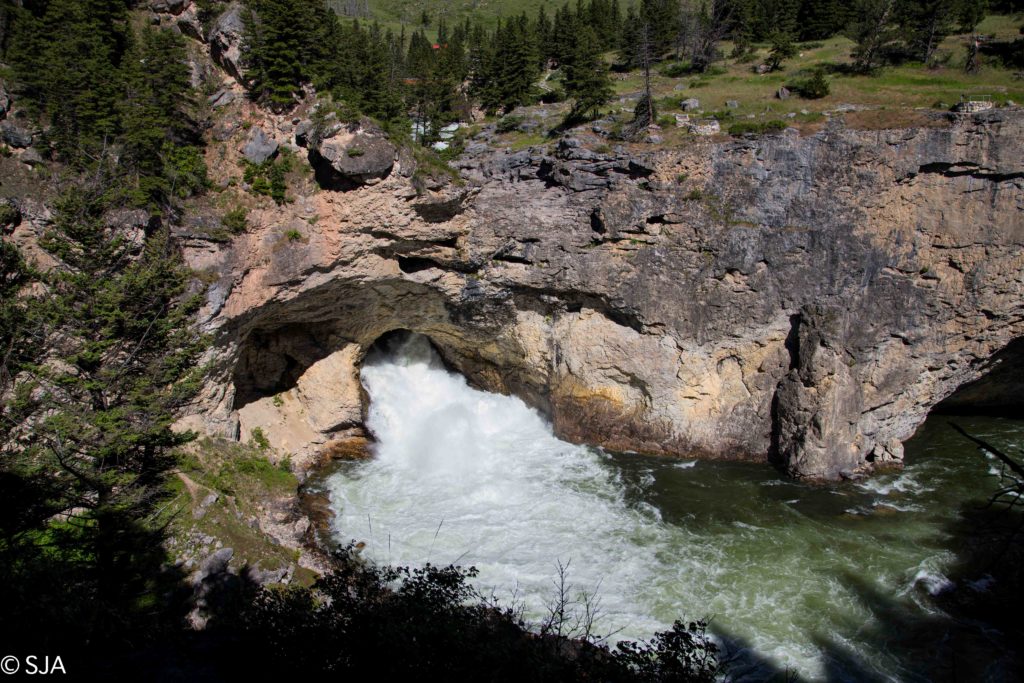
Natural Bridge Falls
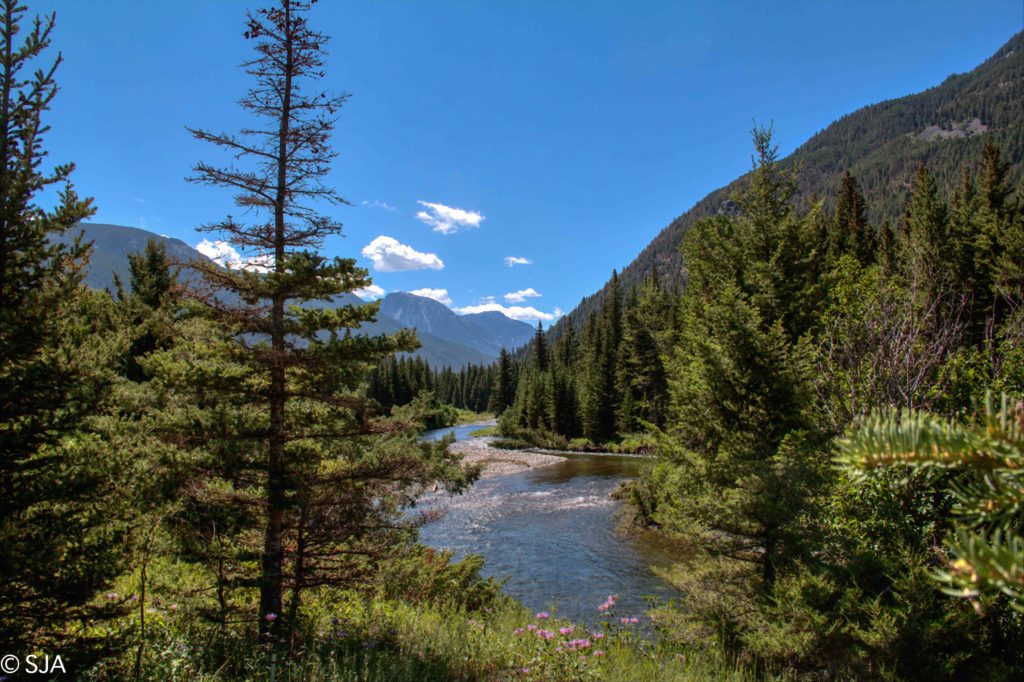
Boulder River
We helped with various things around the ranch but mostly we just had fun enjoying the scenery and spending time with Babs. We had picnics by the creek that ran through their back yard, named the new calf born on the same day as my nephew, threw hay bales onto the back of the wagon one day, rode horses, went to the Cow Belles meeting with Babs, walked around Natural Bridge Falls, and had other adventures.
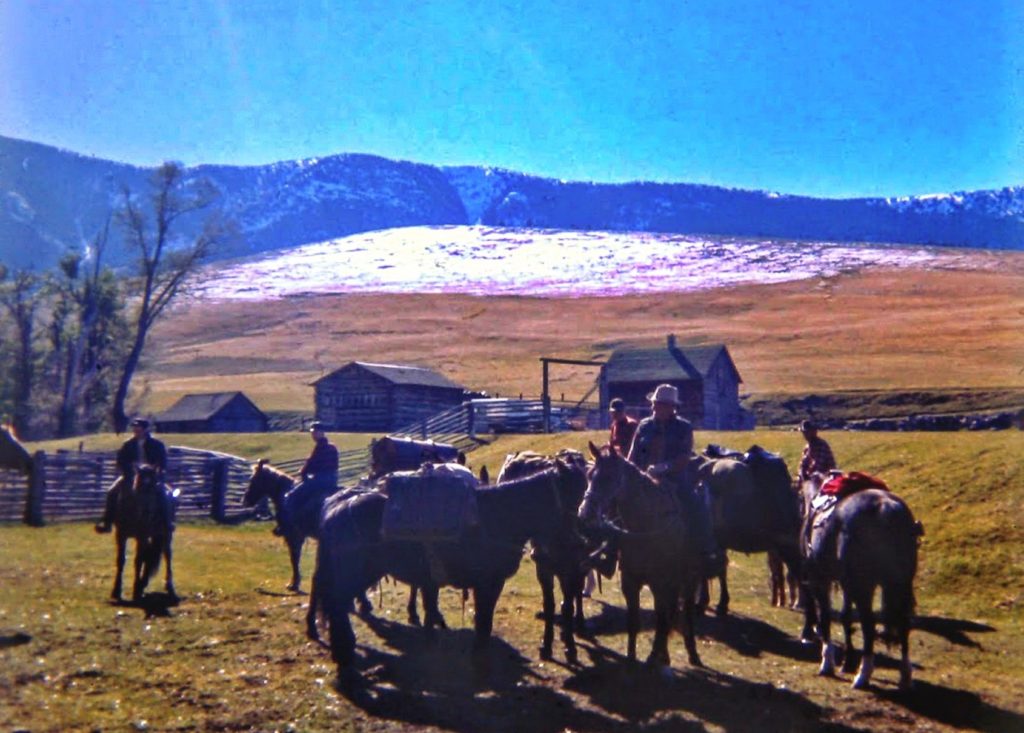
When Babs announced we were going on a cattle drive, I was excited! We got up early for the day’s drive and headed out. We drove cattle over the hills and chased them out of the swales and trees. Hats waved in the air and shouts echoed from the ridges as we urged the cattle on. We had our picnic lunch in a stand of Quaking Aspens. As the sun reached the western sky, we made the final push and the cattle were soon enjoying lush green pastures. We rode to the top of the hill and the view was worth every aching muscle. I saw the Crazy Mountains like I had never seen them before. By the end of the day I walked like Uncle Sid, had muscles I didn’t know I had, and had learned several new words of which my Mother would not have approved. Cousin Babs was a great teacher!
Ranchers ready for the fall drive a few years after we were there
A few days later, we went on a horseback ride in the mountains. It was a beautiful day to ride the mountain trails. Little did I know I was about to have another grand adventure. Of course, my rodeo ride was quite by chance – and it wasn’t a bucking bronc but rather a malcontent she-horse who had her belly rubbed by a downed wire. Read about that adventure in a previous posting, Rodeo Rider.
Our time with Cousin Babs passed all too quickly. For years, when we saw each other again, we recounted the stories with great animation of that summer at the ranch. Those memories never grow old. The sights, smells and sounds of laughter are almost as fresh as the day it happened.
We had other adventures there as well. Stay tuned for a few more Montana adventures!