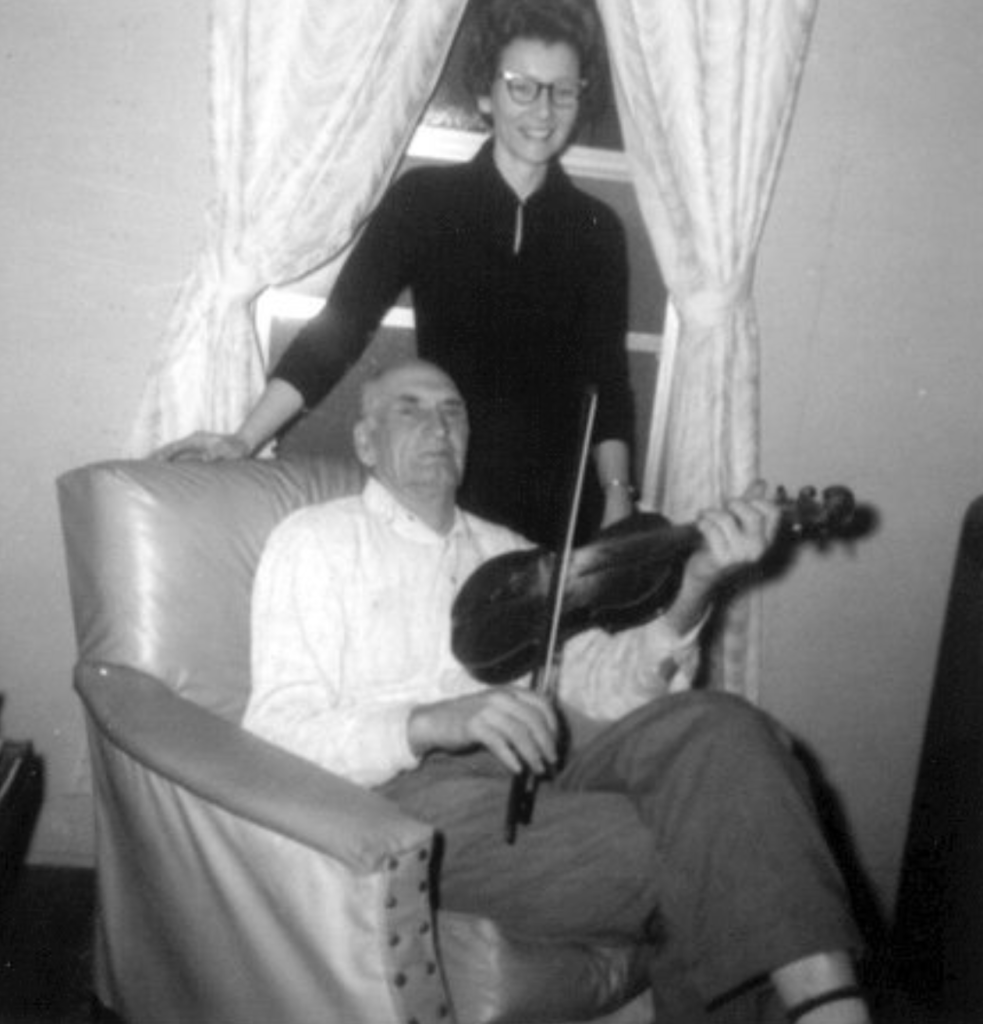
I never knew my paternal grandfather, but I heard many stories. My father gave a tribute to him in one of the books he gave to us kids one year. Included is one of the poems Poppy wrote.
My grandfather, “Whose pioneer instinct led him to unsettled lands in the mountains of Montana. This paved the way for a whole family of FIRSTS. Did he get homesick?” This is what he wrote:
Take me back to old Montana Where there is plenty room and air, Where the hand clasp is the firmer And the latch string’s open there
Where the boys wear chaps for breeches, Buckskin gloves and Stetson hats, Where they throw the diamond hitches And brand cattle on the flats.
Land of promise, Land of sunshine, The finest land on all the earth, Take me back, let me recline Land that gave my children birth.
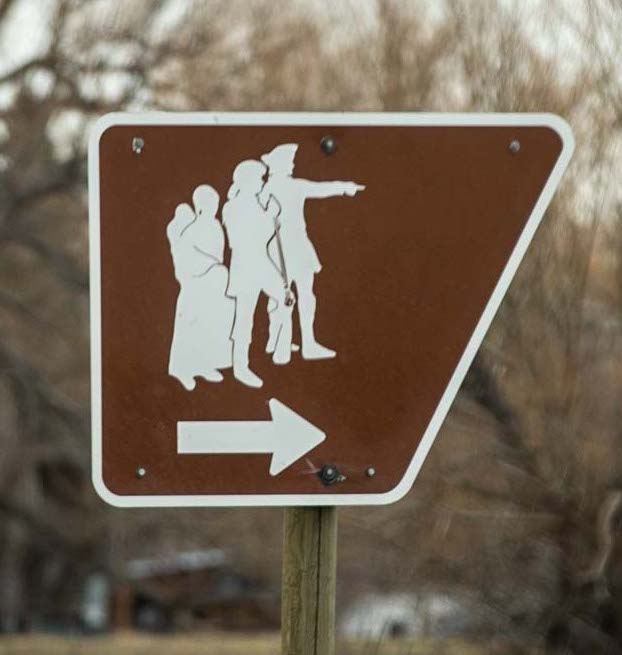
As you turn onto our Montana road from the main highway there is a brown sign depicting the figures of two men, one pointing, and an Indian woman with a baby on her back. That is, of course, Lewis & Clark, and Sacagawea with her son.
William Clark was an explorer, soldier, Indian Agent, territorial Governor and was appointed as Superintendent of Indian Affairs in 1822. Clark and Lewis’ expedition opened the West to fur and lumber trade, and made the way for an influx of settlers who soon followed. The expedition of Lewis & Clark not only was of great importance in our nation’s history, but it holds another fascination for me – family history.
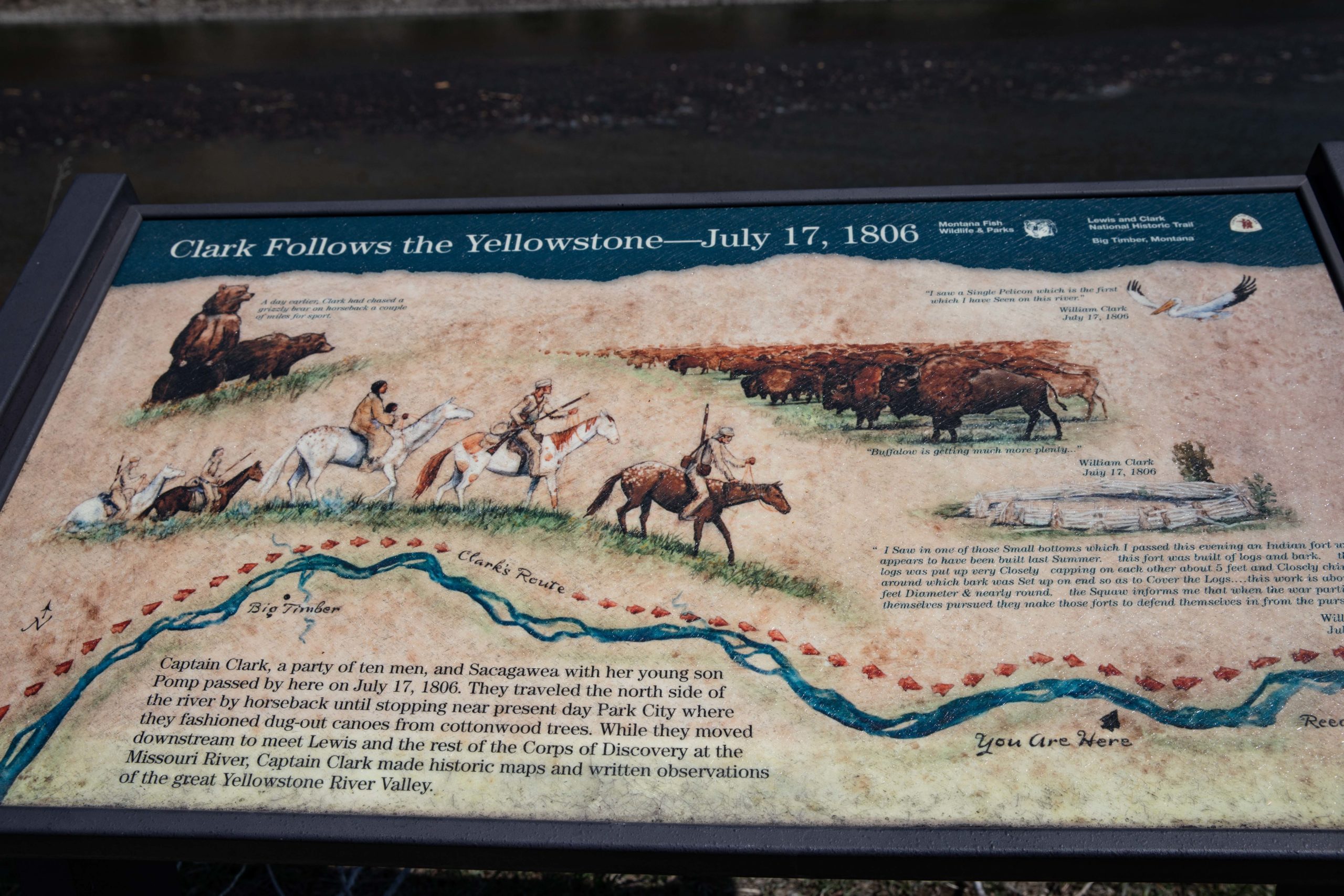
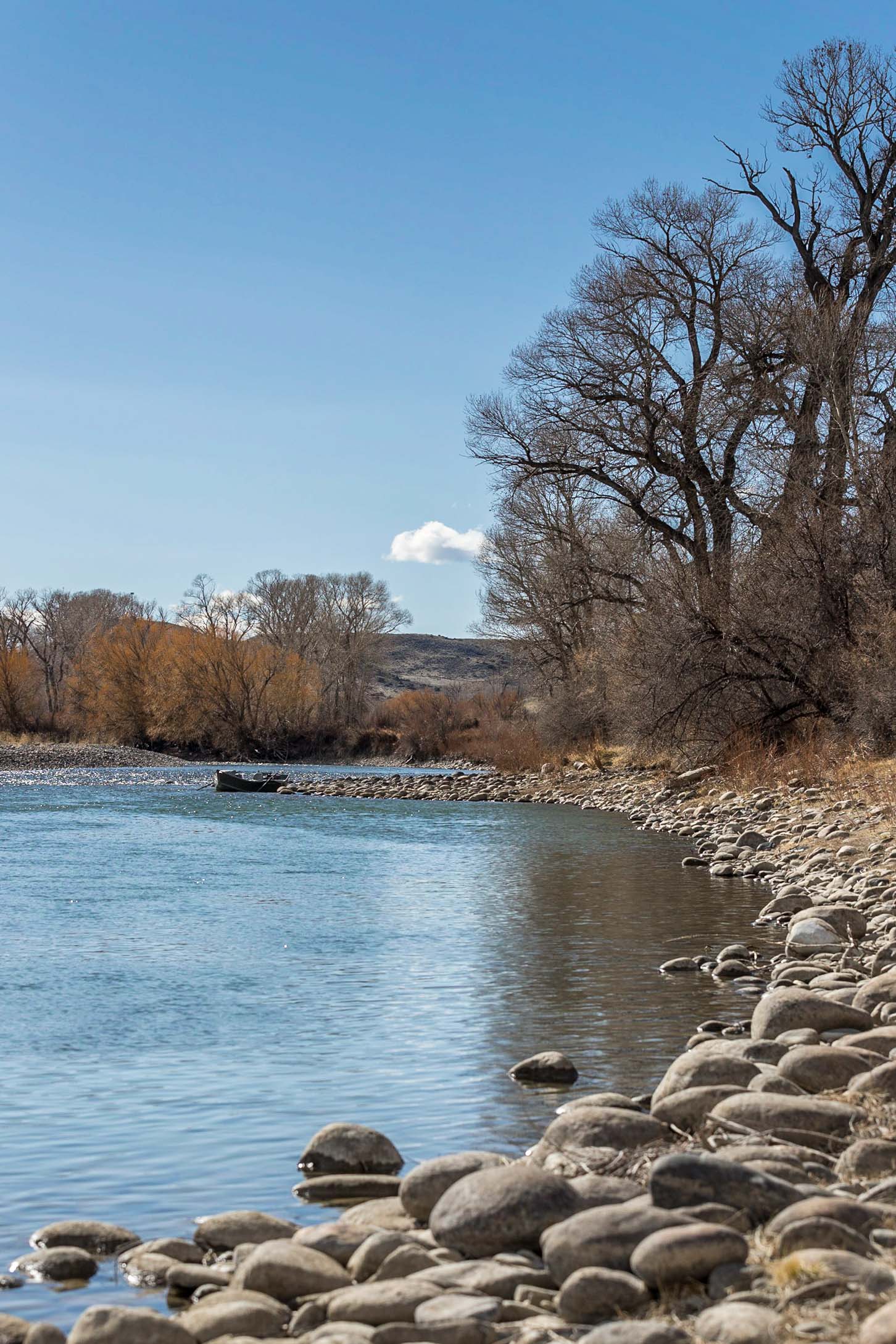
In July 1806, Clark and Sacagawea along with the party who accompanied them, traveled through our part of the country along the north side of the Yellowstone River. That is where our house will be. The path they traveled is very close to our door. As the red-tailed hawk flies, Yellowstone River is just under one mile from where our house is being built.
Recently a cousin doing research came across the William Clark Papers housed at the Kansas Historical Society which includes correspondence referencing Captain Richard Brannin, my 3rd Great Grandfather, as well as a letter from Captain Brannin to Captain Clark (of Lewis & Clark), who was then the Superintendent of Indian Affairs. Captain Brannin was appointed as Indian agent and agriculturist to the Osage Indians by President Monroe in 1822, serving from 1826 to 1833. His wife, Margaret, my 3rd Great Grandmother, was an instructress to the Osage women.
When Captain Brannin first met Captain Clark, there was no way to know that in just a few years, in 1864, some the Brannin family would cross into Montana territory. Not long after that, members of the family took up permanent residence here along the Lewis & Clark Trail in Montana.
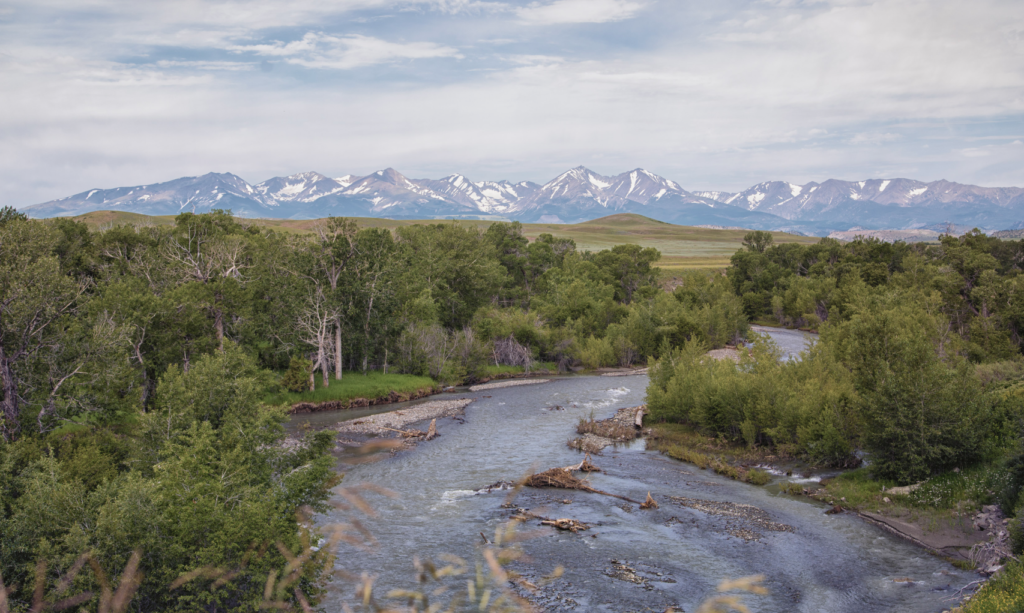
As I look out across the countryside, the scene is not much different than when Sacagawea stood near the banks of the Yellowstone River and gazed at the mountains around her. Suddenly, the Clark/Brannin connection from 200 years ago somehow narrows the gap of time as the trail of history makes its way right past our door.
This scene is not much different than when Clark and Sacagawea were here.This historical marker is a short distance down river from our road.Yellowstone River
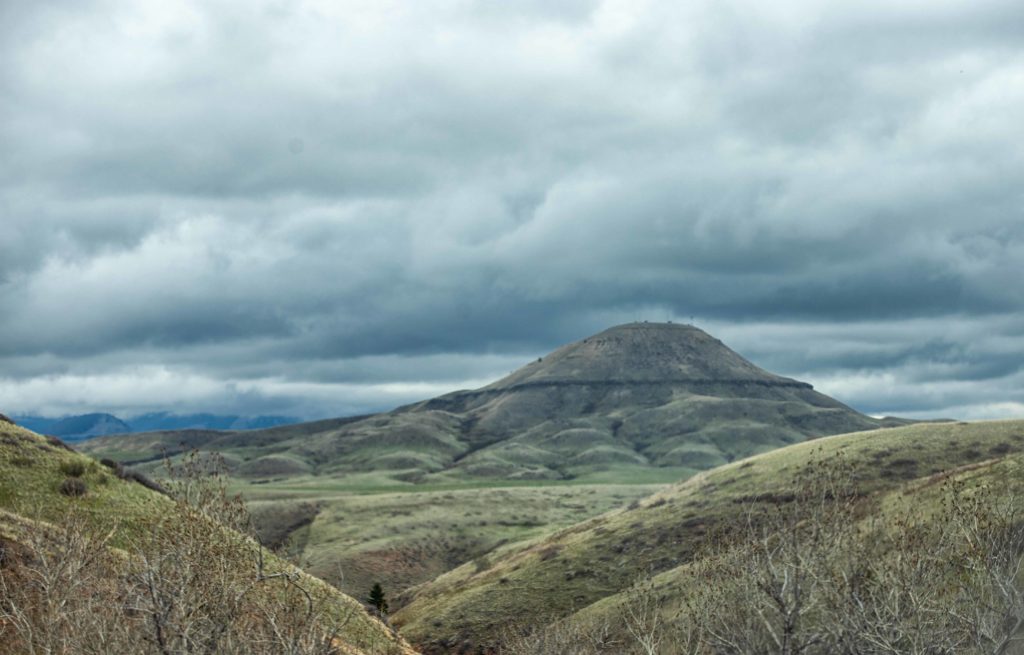
“Belt!” I pointed to the sign then pointed to the left. My husband made no indication that he was going to turn. “Belt”, I said again. He said, “Yes, the Little Belts.” Emphatically I pointed again to the sign and said, “Belt, turn here.” We made a quick left-hand turn and almost immediately the road seemed to disappear beneath Belt Butte.
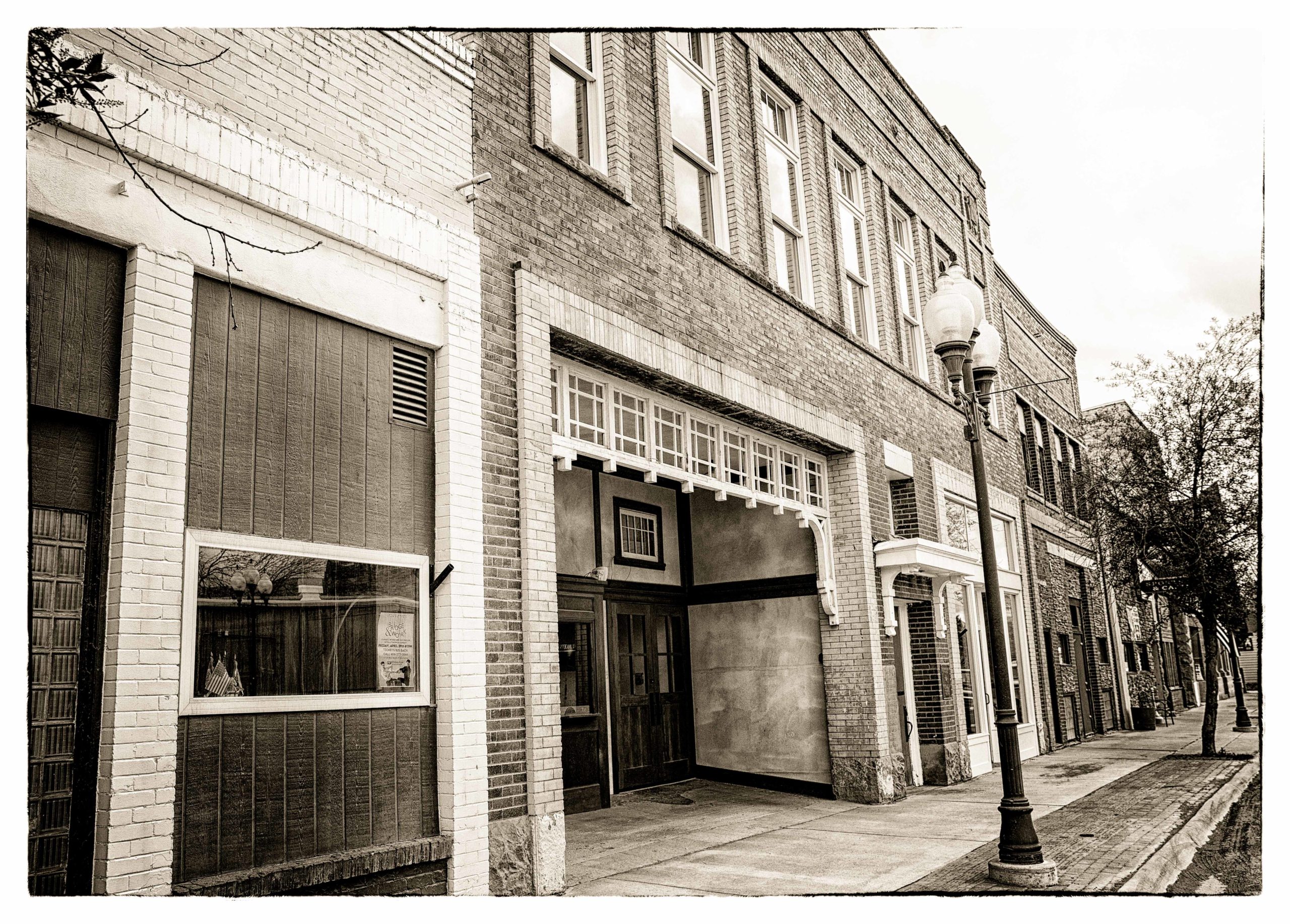
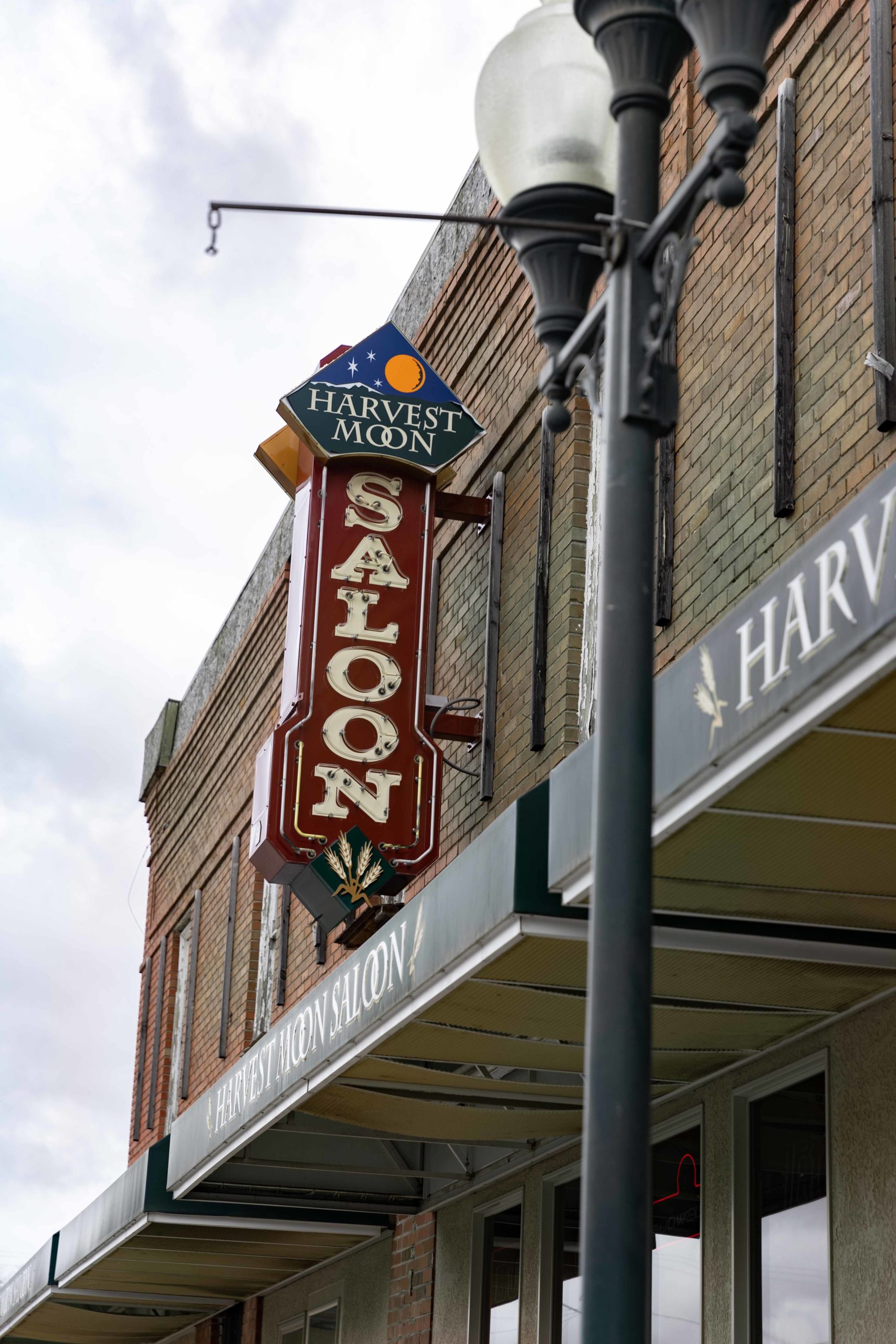
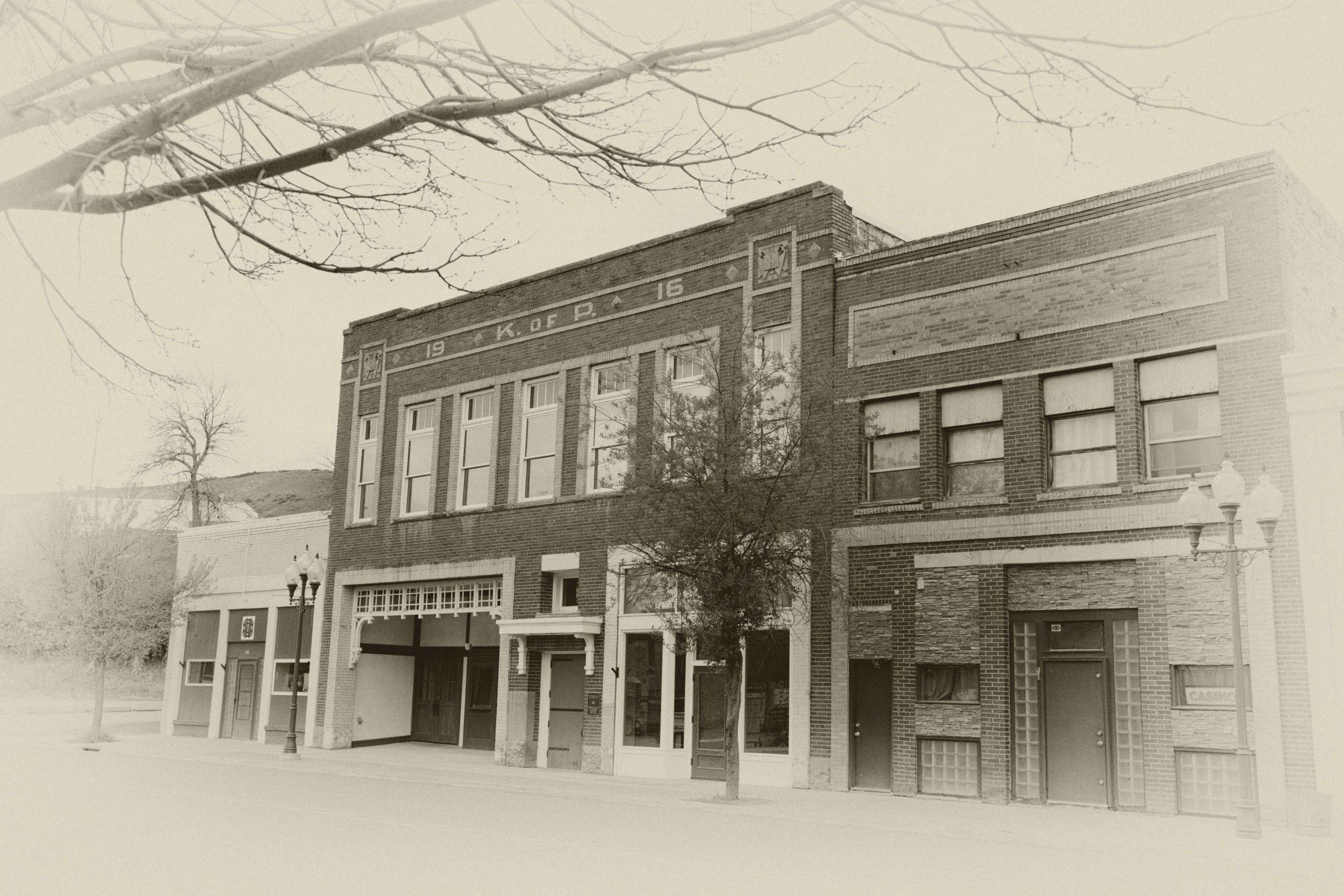
We descended to the valley on a curvy road. The little town of Belt, Montana was just before us. We slowed as we entered the little town, passing the historic jail that now serves as a museum, and the Belt Valley Grocery with the parking area lined with potted plants for flower beds and gardens. “There it is! There’s the Harvest Moon Saloon where we are going to have lunch.” We parked in front of the saloon and hopped out of the car. Though the town is not big in size, it is abundant in character. I was fascinated with the old buildings that revealed the architecture of the Finnish and Slavic emigrants who first settled there when the town sprang up. There is a certain air about those small western towns that seems to defy time.
Belt Historic District
When we entered the saloon, it was just as I imagined. Locals, I guess, sat at the bar spinning their yarns and talking loudly. Upon seeing us, a spry little lady who ran the joint admonished one of the men, “Watch your language! Do you think you’re in a bar or something?” We sat at a table and the lady greeted us with menus and a hello. The whole time we were there, she ran back and forth from the dining area to the grill area to the bar. I took in the whole scene before me – the people, the old relics, the newer technology available, the dim rooms, the neon signs, the old, clouded windows.
Harvest Moon Saloon
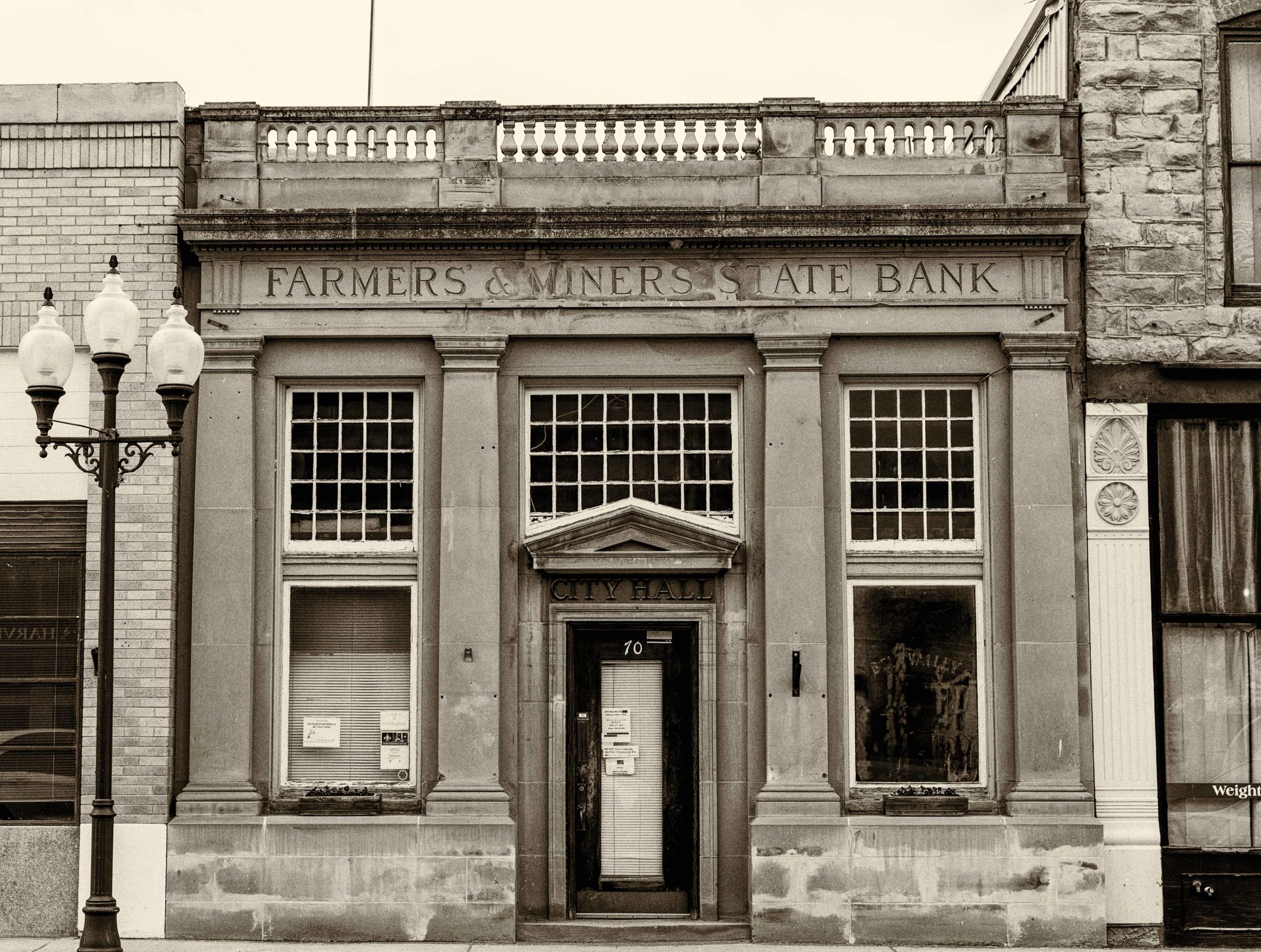
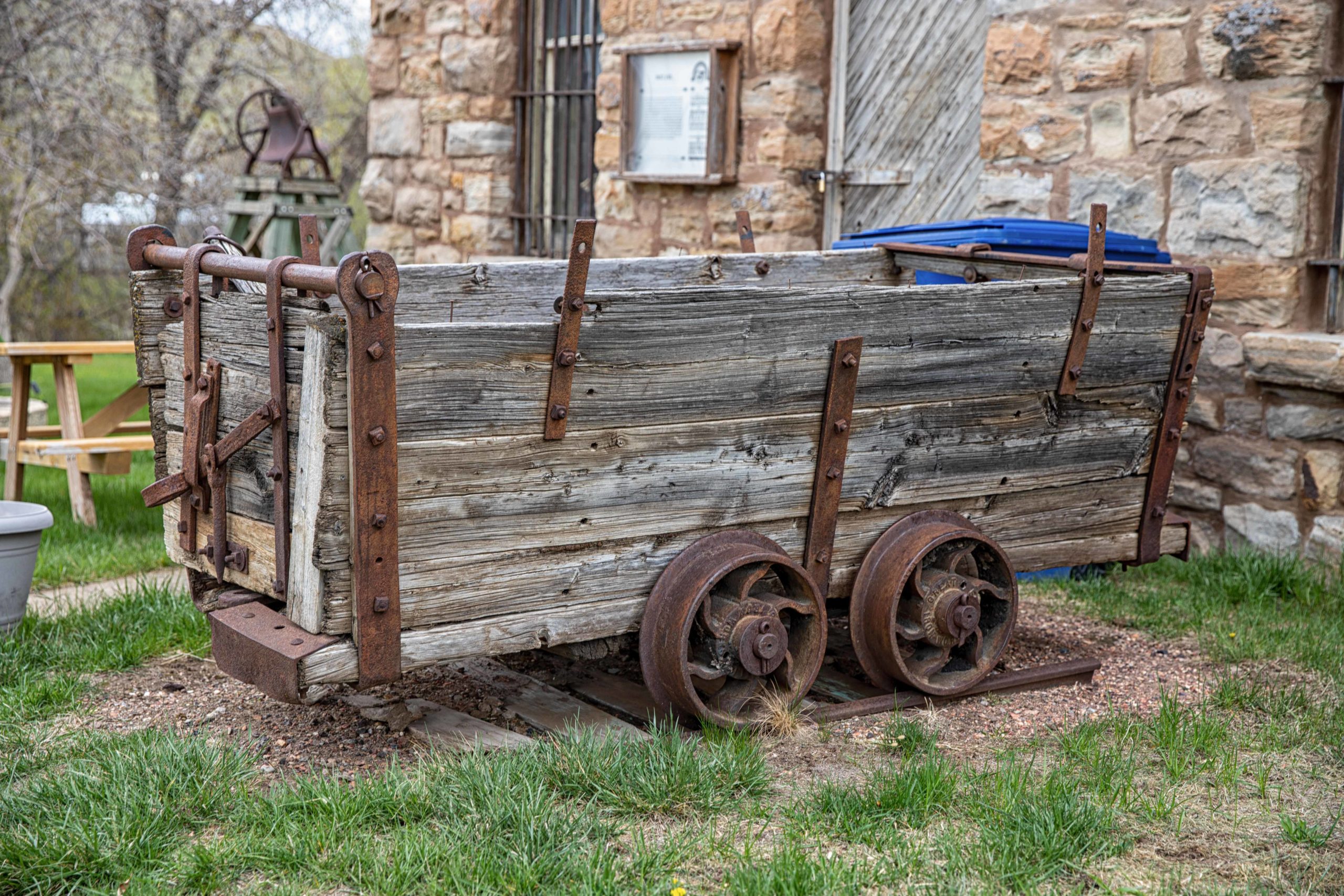
At one time, Belt was a coal mining town, the first in the state of Montana. They supplied fuel to Fort Benton, the smelter at Great Falls, powered locomotives of the Great Northern Railway, and heated homes throughout Central Montana. Just as quickly as the town grew, it came to an abrupt halt when other fuel sources became readily available. Yet, the small town never gave up. The people of Belt, as well as the town itself, have survived the years. From a population of 4000 in the 1890’s during its heyday to a population of 564 in 2020, the town has endured. They found other ways to secure their place in living history. Being in grain country and fed by some of the country’s finest water from the Madison Aquifer, it has become a prime brewing place for makers of craft beers. Belt jail was listed on the National Register of Historic Places in 1980, and the main section of town was listed in 2004. That continues to draw visitors into the quaint town – including us.
Farmers & Miners State Bank
in front of Belt jail
Belt Historic District
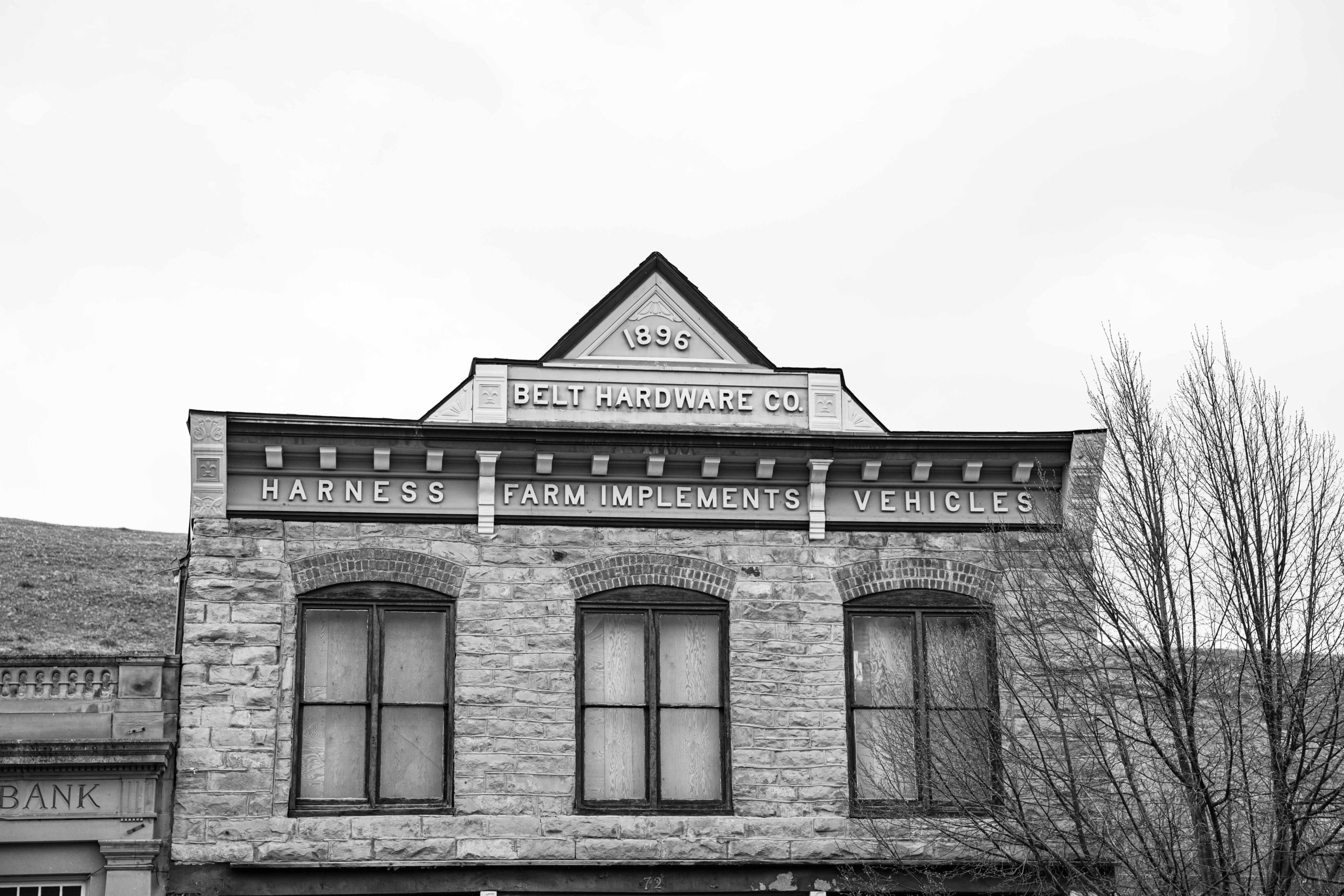
Belt Hardware Company, 1896
Belt Butte with its dark “belt” of sandstone around its middle, draws travelers’ attention as they pass that way. Not only is the town of Belt named for the butte, but also Belt Creek, and the Little Belt and Big Belt Mountains. Had we not taken the time to turn off the main road, we would certainly have missed another of Montana’s hidden treasure, the little town of Belt, Montana.
Though I was raised in the South, some Southern foods are not suitable to my palate. Grits and greens are not on my menu, and I don’t get excited about a pot of gumbo thickened with slimy okra. See, I heard about gumbo from my mom, and she had a different story about gumbo, and it had nothing to do with food.
Mama grew up on the prairies of Montana. That meant times of drought. When the rains came, the ground slurped up the moisture like a sponge, grass turned green, and flowers sprouted up. But the rain brought something else – gumbo – thick, heavy, sticky, gooey, slimy mud. Mama told stories about getting mired down in gumbo. She said if you got stuck in gumbo, you might be there a while. When it dried, the ruts were left in its place, and if you got stuck in a rut, you could be in it for a long time, too.
The other day, we took a drive down one of the dirt roads through the countryside – one of those that turns to gumbo at the mere mention of rain. As we drove down the country lane, we stirred up as many memories as the clouds of dust that rolled behind us. Parts of the road were not much more than a grass centered lane full of ruts and rocks. When it’s wet, it’s gumbo just like in the days of Mama’s youth, and can be almost impassable. Yet that rutty road took us to places that were dear to my mom’s heart.
When when Mama heard “gumbo”, memories of younger days came to mind, some of which she shared with us. Here are a couple of events from her youth.
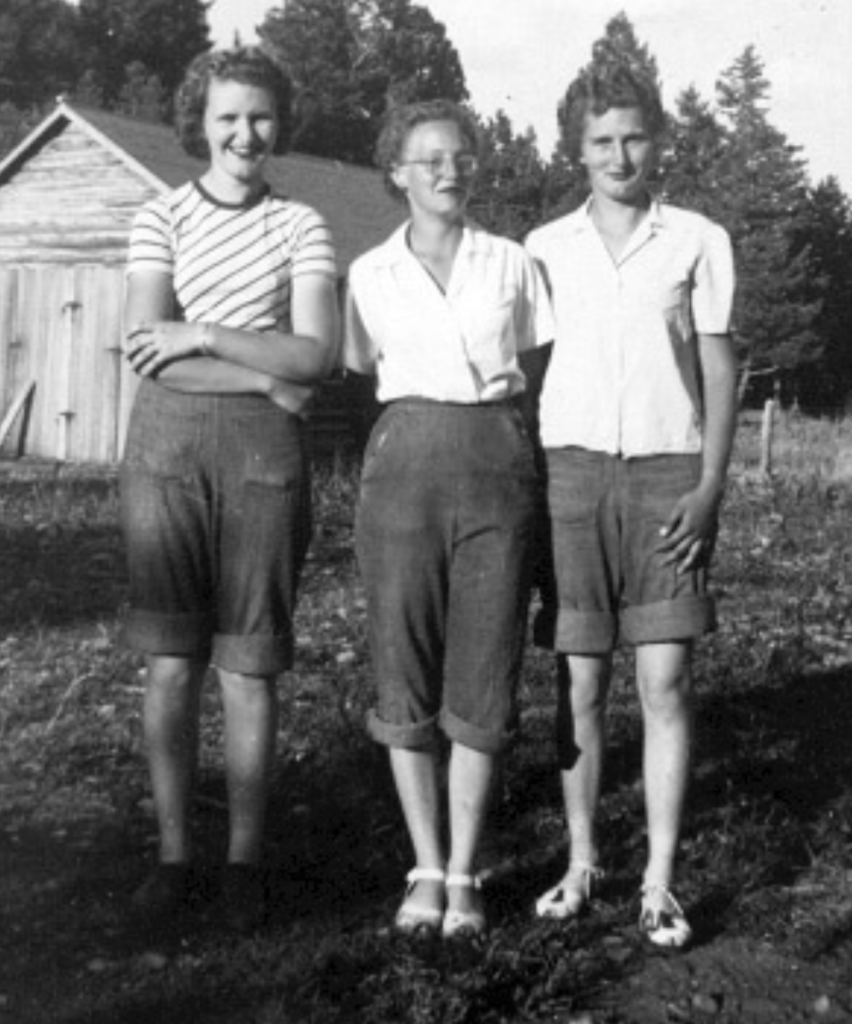
On the way to their Baccalaureate, my mom, her sister, and friend (who became her sister-in-law), headed to town. Most of the roads in the country were dirt except when it rained, then it was gumbo. This happened to be such a day. As the girls neared a hill, they saw one of the neighbor ladies stuck in the mud. The girls stripped off their dress clothes, waded in the sticky mud, and pushed the car up the hill. That’s what neighbors do. They had to go wash up and get dressed again before their Baccalaureate.
Another such incident might make your cheeks rosy. One day my dad’s sisters headed to Cavill School to pick up my mother where she taught in the one-room schoolhouse. As they headed to the mountains, the clouds opened up and poured out their wet wrath. The road immediately turned to gumbo. It wasn’t long before the car was stuck. One of the girls crawled out of the car and wallowed in the mud trying to get the chains on the tires. By the time she was done, she was as mired down and muddy as the tires. Her clothes were ruined. There was nothing else to do but strip off her clothes, and just put on her coat. The girls headed on as the day began to get dark. Up ahead, a neighbor waving a lantern stopped them and said the bridge was out. He invited the girls into his family’s house for the night. All the girls but one took their coat off, and I’ll bet you know which one. I guess they failed put an extra set of clothes in the car for such emergencies.
My dad claimed to grow three inches taller if he was lucky enough to cake the bottoms of his boots with gumbo. That was unless he got his boots sucked off his feet instead, then he lost an inch or two. So much for gumbo.
Gumbo, anyone? No thanks. I don’t care for any gumbo.
Some little kids learn about the “birds and the bees” from one of their brave parents who are reluctantly compelled to reveal the secrets of life. Not me! No! After all, who needs to hear the intricate details of “birds and bees” from parents when you have big brothers?
I am fortunate enough to have three big brothers who know all the facts of life – and beyond. They are so wise, they even decided to share their wealth of knowledge with their baby sister. Now I don’t remember why they voluntarily divulged such details unprompted, but they seemed to take great delight in it.
My sister just two years older than me had the same big brothers but they didn’t share the news with her. I guess it didn’t matter too much anyway because their story did seem a bit ridiculous. Well, she wanted to know where babies came from, too, so she ventured to ask Mama who, after all, did have six kids. My sister asked, “Mama, how do babies get here?” My wide-eyed mother responded, “The same way little pigs do.” So, there it is – the facts of life – the story of the birds and the bees.
Since my sister thought she was so smart to know the truth, she squealed like a pig and decided to share it with me. Believe me, I was surprised! How does a scrawny six-year-old tell her older sister that she has been duped – and by her own mother? It was up to me to set her straight. I gave her the facts as told by my brothers, but she didn’t believe me any more than I believed her pig’s tale.
If any of you need to approach the delicate subject of telling your kids of the “birds and the bees” just let me know. My big brothers are still available – for a small price.
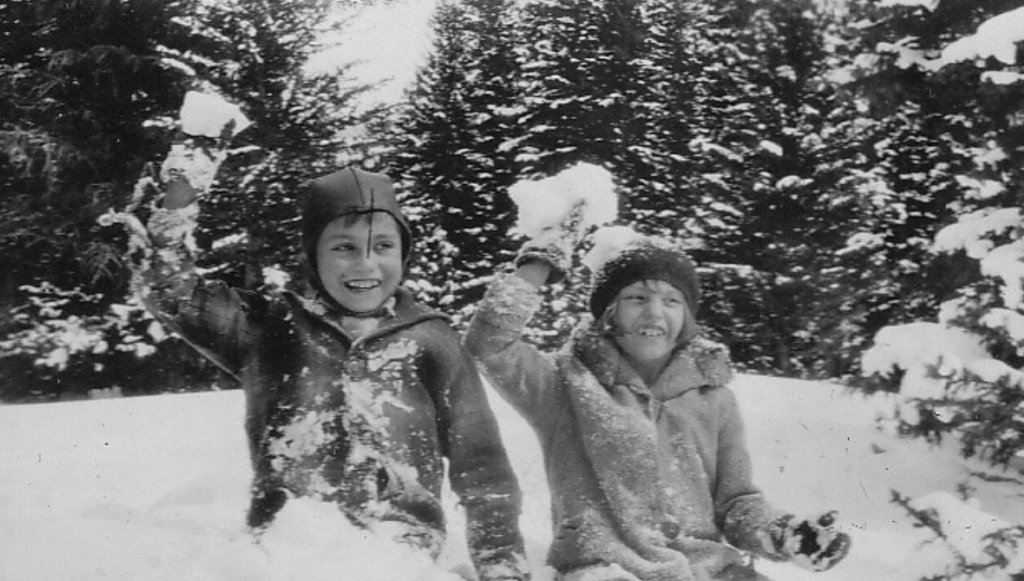
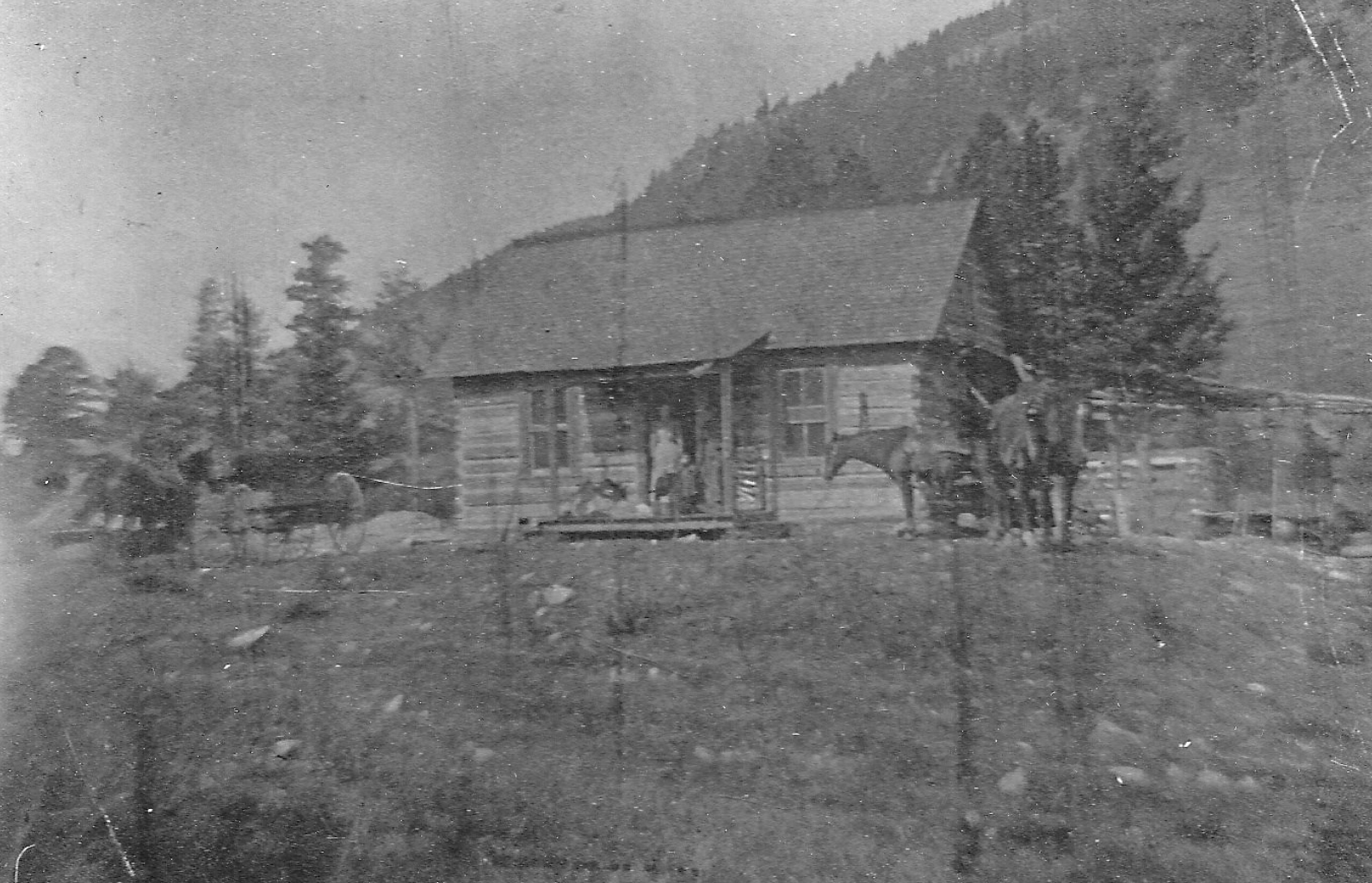
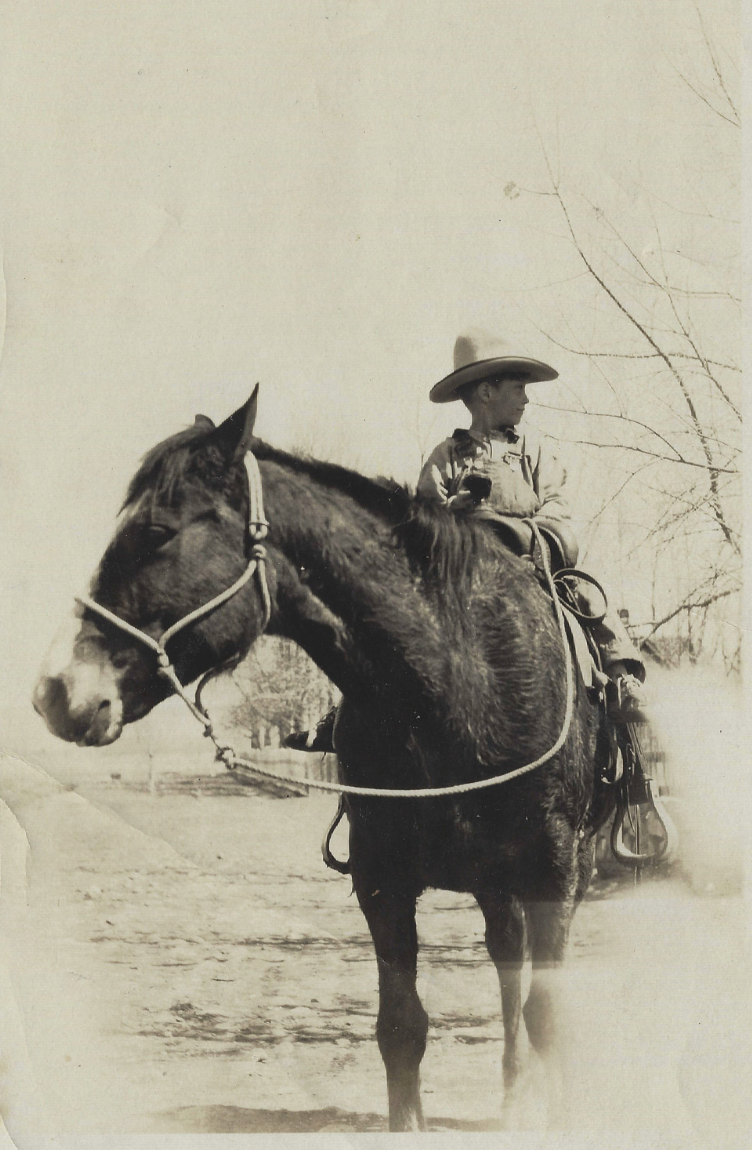
The little boy played in the winter snow as the day neared an end. Soft flakes that looked like silver glitter in the fading sun floated aimlessly to the ground. The call came, “Supper time!” It took no time at all for the kids to run to the house, wash up, and get ready for supper. The warmth of the fire and wood cookstove drove the chill from the squirmy little bodies and the sawmillers that sat around the long dining room table.
Excitement was in the air. It resonated throughout the log cabin in the heart of the mountains. Christmas was coming! A few decorations were hung, special treats were made and set aside, and whispers seeped through the walls to fill the kids with great anticipation of gifts that would be under their Christmas tree.
As the little boy got ready for bed, something caught his eye. The dark of night was interrupted by twinkling lights. He peered out the cabin window that looked out over the kitchen sink. The moon had made its appearance. Just beyond the chicken coop was a wondrous sight. The white boughs of an evergreen hung lazily under the weight of freshly fallen snow. The ultimate Christmas tree! It seemed as if every flake reflected the colors of the prism. The lights sparkled like miniature diamonds lighting up the world of a little boy on his path to manhood.
When the little boy grew into an old man, he reminisced of his growing up years in the Montana mountains. Even then his favorite Christmas tree was white with colored lights. You see, whenever he saw the colored lights sparkling against the white tree, he was transported to a time filled with warmth and unconditional love. Maybe that childhood tree was the greatest gift of all for it continued to bring light, love, and joy for a lifetime.
During a recent trip to visit our kids and grandkids, our youngest granddaughter came to the house where we were staying. I wanted to take her on a walk down a path through the woods that led to a little creek. As we started across the yard, something caught her eye.
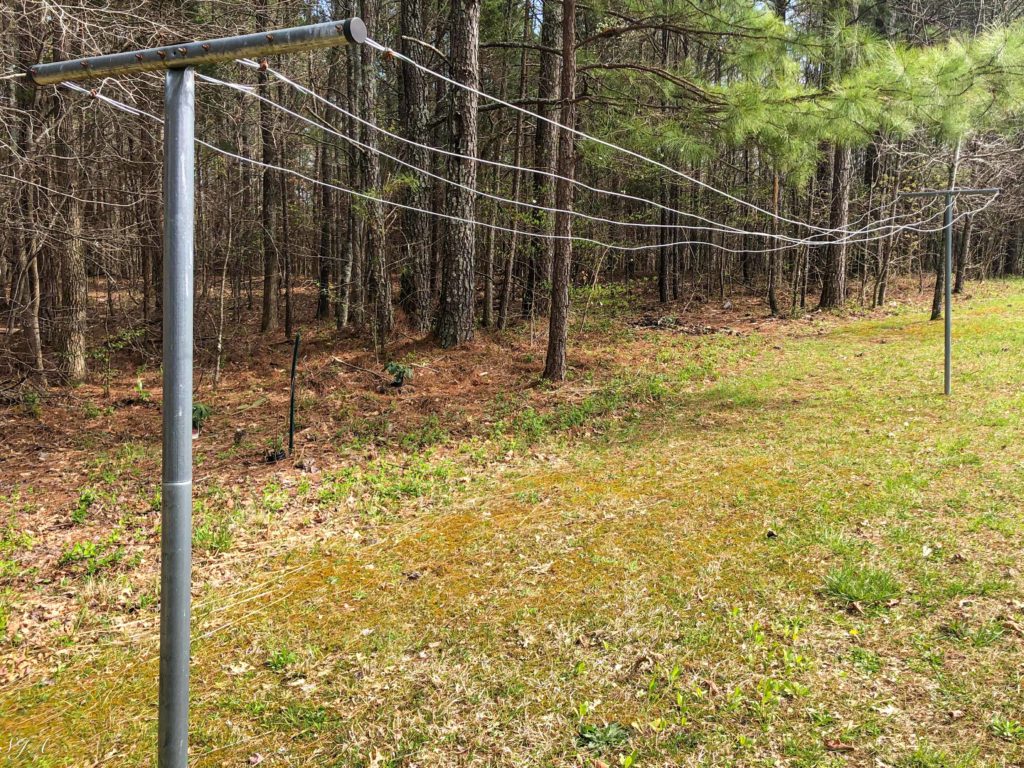
She asked, “What is that?” I said, “You’ve never seen one of those?” “No.” To her it looked like a strange contraption, and she couldn’t figure what its purpose was. There were two posts shaped like Ts about 20 feet apart with four wires stretched the full length. To someone who had never seen such a thing, I guess it did look a bit odd. I said, “It’s a clothesline.” She responded, “What do you do with it?” I proceeded to explain to her the use of a clothesline and told her about all the years I used one.
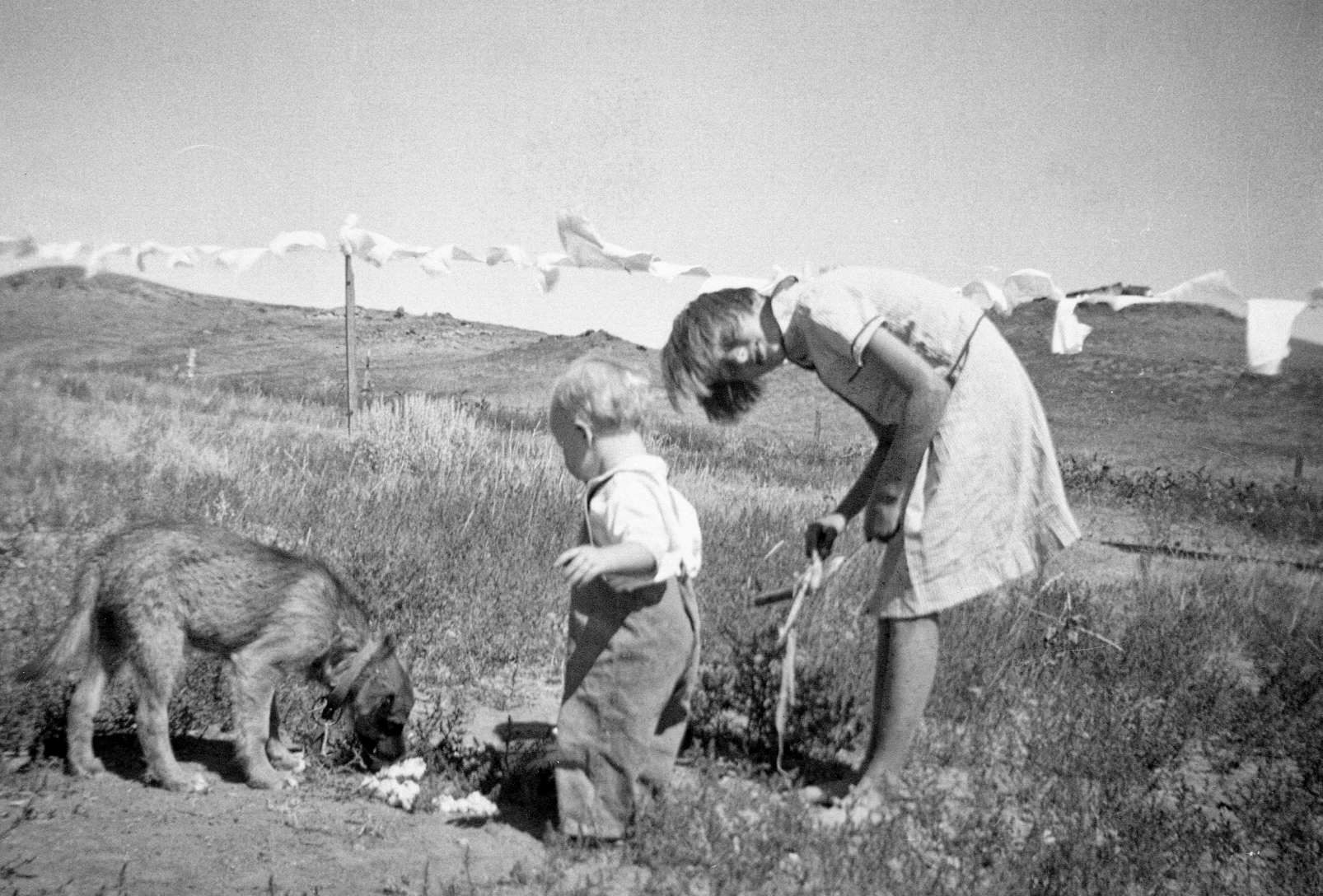
My granddaughter saw something strange she had never seen before, but I saw more than two posts and four wires. I was transported to another time where I saw a bag of clothes pins draped over the wire, and pins clipped to my shirt. I saw stiff frozen blue jeans that hung like wooden planks from the line on a cold winter’s day, the breeze struggling to move the heavy weight. I saw a little boy sucking his thumb and holding onto a scrappy silky pillowcase as he stood under the lines. I saw freshly laundered sheets flapping in the breeze. I saw rows of long rectangular diapers blowing in the wind. I saw my mom as she attached another garment to the line, her apron waving gently, pins stuffed in the pockets, as she reached for another wet shirt. I saw clothing hanging limp and heavy in the hot humid weather when it took all day to dry.
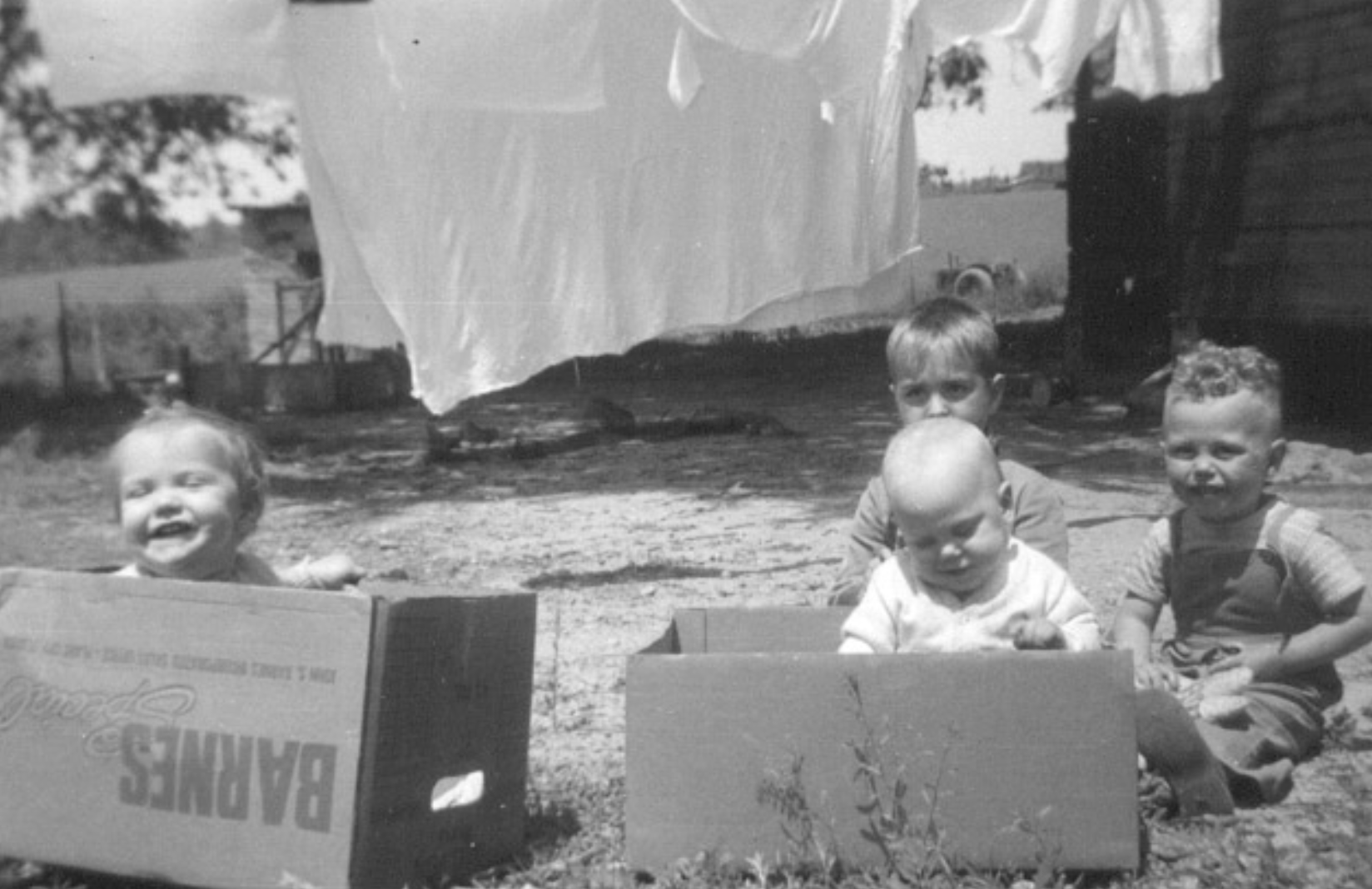
I saw a clothes basket under the clothesline in which a bald-headed baby boy sat playing with some toys. When the clothes were dry, we returned with two baskets, one for him and one for the dried clothes. I folded them as I took each item from the line. By the time we got back to the house, the laundry was done, and I had a happy passenger.
Even if I could describe life without a clothes dryer to a generation who knows nothing different, I would still have a hard time describing sleeping in a bed made up with fresh smelling sheets that have blown in the sunny breeze. Nor could I explain that bleach doesn’t necessarily come in a bottle but rather in a brisk breeze on a cold sunny day, the laundry bleached to perfection.
At one time, the clothesline was a necessity. It sure was nice when we got a dryer in the house especially on rainy cold days. I wasn’t too keen on taking frozen jeans off the line and standing them in a corner of the house to thaw.
Though dryers are nice to have, I sure would like to have a clothesline again, if only to hang clean sheets along with a few memories of another time.
My Guest Author, my dad, grew up where the magic lives
The sky was covered with storm clouds. The January day was short without the thick clouds blanketing the afternoon light. Snow had been falling for the last two hours. Now, the wind was whipping it across the long open flat. The horses faced into it. The family huddled in the wagon. The heavy robes, made from Angora goat hides, failed to keep out all the cold.
At times the wagon trail was wiped out. The Thompson hills had disappeared. The mountains behind them were blotted out. The team moved slowly ahead. They knew the way even when they could not see the ground ten feet ahead. They stopped at a gate in a barbwire fence which stretched from the hills on the left to the drop off in the canyon on the right.
One of the boys opened the gate and the team plodded through. They had three hours to go. The light was gone.
More than the light was gone. The woman fought against a quiet despair made worse by the howling blizzard. Her husband was gone.
The children were not gone – the wagon was full of her children. The older boys, now grown into men, took turns facing the wind while the others covered themselves the best they could.
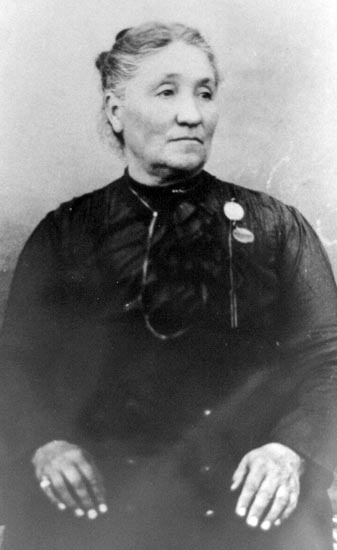
That was the way the day was ending. That was the way the week was ending. If she had any tears left Guadalupe Brannin did not share them at this time.
Her husband was dead. He was gone.
GuadalupeGuadalupe’s cabin
She had a foreboding of that when he left some weeks earlier to get to a town with some medical help. He had on his corduroy trousers. The crown of his hat was pushed down in Texas style. He rode old Bob. He’d been invincible, but now, the invincibility was claimed by a grave on the far side of town thirty miles back and across the river.
“Mama,” one of the boys said, “Mama, we’re in no shape to make it home tonight.”
The Grossfield cabin was just up ahead.
“We’d better stop.”
The team pulled off to the right where a log cabin huddled against the rolling hills. A dog barked a welcome from his nest in the barn. The door of the cabin opened. Abram Grossfield looked like an angel from heaven, and the family came in out of the storm.
They would remember that night. They would remember that there was a welcome after a storm, that there was hope after a graveyard.
The fire was warm. The children were fed. Condolences were given. There was talk of the mountains and the news from the settlement. And the house was warm.
The next morning the storm had eased up. The wagon was loaded. The team plodded up the draw and over the hill that broke down to the Sweet Grass. By then the sky had cleared. From the top of the ridge Guadalupe Brannin looked down into the mountain valley. She saw the log house on the far side of the valley, and the root cellar that the boys had dug into the hillside just in time to hold a wagon load of potatoes for the winters supply.
She’d been there only two years, but this was home, and home is where the magic lives.
The little man held the open canteen under the lips of the pipe that rested on the side of the horse trough. Well, actually, the trough was the belly of an old bathtub into which pure, fresh spring water flowed continually.
To him, it wasn’t just a drink of sparkling, clear, cold water from the spring of his youth, it was a lifeline to his past, to his childhood. Just a sip of water not only cooled his parched throat, but it warmed his soul all the way to his toes. He drowned himself in memories – those of his folks, of fun and mischievous times with his sisters, recollections of his grandmother, uncles, aunts, cousins, and neighbors. Thoughts of his brother crashed around him like the unstoppable rush of the tide’s waves releasing its salty spray. As I looked, I even thought I saw a few salty drops leak from his eyes as he was transported back to that day, when at almost six years old, he stood at his brother’s grave. As if to capture time, the little man tightened the lid when the container was full of a wellspring of memories of the many treasures and tragedies of life.
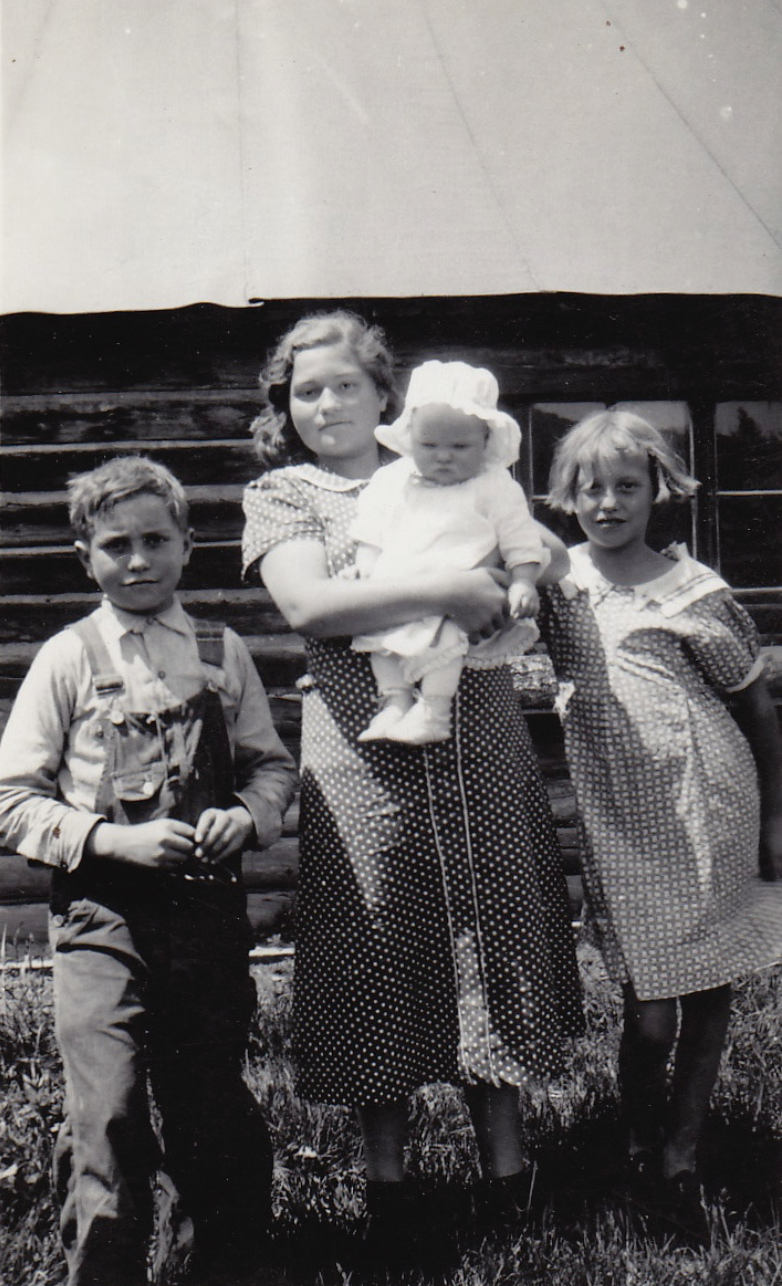
big brotherthe little man with his sisters
For many years, the number I do not know, he continued the ritual. Once he returned from each trip, the canteen took its place in the door of the refrigerator. Occasionally, he loosened the lid and took a sip, releasing time from the bottle of pure goodness along with a barrage of memories that echoed within his very being. With every trip back to his home place in the mountains, the canteen went along to be replenished and to fill the man of the mountains with all the memories that ran fresh and clear once again.
When the little man left us, memories in tow, he didn’t take the canteen. No, it sat alone in the door of the refrigerator as if lost in time. It is now in the possession of another who treasures the canteen for what it contains and for the memories of the one who religiously bottled it with love.
The green canteen, wrapped in its olive green canvas cover, still holds water from the little man’s last trip to the mountains and place of his birth. My daughter and I dared take a sip of remembrance after the canteen came into my possession. And, do you know what, the magic was still there. As I unscrewed the lid, an explosion of thoughts and reminiscences spewed out.
Soon, the canteen will be replenished and the memories of life – and death – will continue. After all, the little man no longer needs the canteen that holds time to stir his memories for the water of life flows freely.
My granddad always had a tale and a laugh, but when he pulled out his fiddle and tucked it near his armpit, something special happened. His fingers danced on the strings as he drew the bow and sent old tunes rising to the ceiling. Those same songs had moved the dancing feet of prairie farmers and ranchers years before.
In his “batchin’” days, my granddad roamed the northern prairies and worked the harvest from Montana to Canada. The harvest’s end meant a celebration. It didn’t take long for news to spread throughout the prairies. If there was going to be a dance, that meant they needed a fiddler. When my granddad got the word, it was nothing for my him to pack his fiddle on the back of his saddle and take a one or two day’s horseback ride to visit with neighbors and play for the dance. The house emptied of furniture became the dance floor. Well into the next morning, the dance continued. As neighhbors returned to their homes, the furniture was taken back in the house and it was business as usual.
My granddad slid into his saddle, bedroll and fiddle tied on the back, with memories stowed away and a few extra dollars tucked in his pocket. He rode off across the prairie with a smile. Another harvest awaited.
How I would have loved to have seen one of those harvest dances!