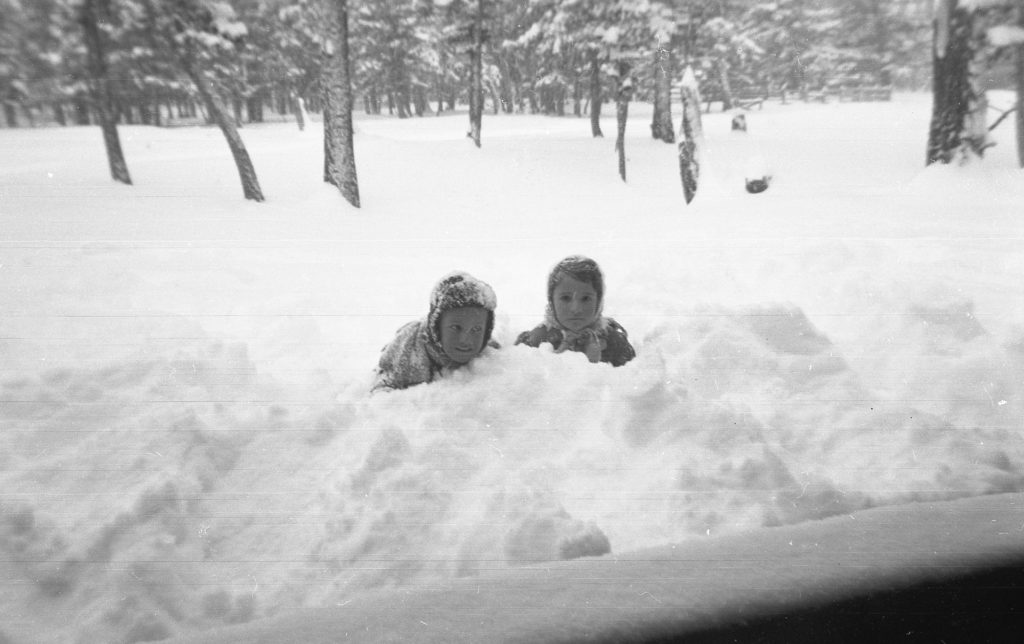
The Battle of Bunker Hill

by my guest author, my dad, with a story from the mountains

 Sister Ellen was born on the Fourth of July. This gave her an identity with American History. In her imagination she took part in such things as the Battle of Bunker Hill and the Boston Tea Party. Oft times she said, “Let’s play the Revolutionary War.” Being born on the Fourth of July also gave Sister an heritage of independence and revolution. Like the signers of the Declaration of Independence, she fought against the British, and a British person lived at our house.

The Britisher was Grandfather Ward. He carried a lot of fire in his youth, but they let him stay in Great Britain until he was nearly sixty years old.  When he was retired, but not burned out, he came to the States to reclaim them for the British Empire. He didn’t make a success of this which made him touchy. This touched off Sister Ellen.

Grandfather and Ellen had a communication problem. My seven-year-old sister didn’t know that “heather” was a bush.  When Grandfather said, “Sookie, do you see the birds flitting in the heather?”  Sister stared at him with her mouth open. Other words caused similar problems.  She thought that “fetch” was a dog’s name.  When Grandfather said, “Sookie, fetch me that magazine,” she looked at him and growled.  If they were on a collision course through the house, he declared right of way. “Mind the way, Sookie, mind the way.” ometimes he looked at her like she was jolly well daft and said, “Mind what you’re doing, Sookie.  Mind what you’re doing.” Sookie found it difficult to mind her mother, let alone to mind her way or mind her chores.

Grandfather had been a prize fighter back in the days when the art was called fisticuffs and the fighters used bare fists and poised for Currier and Ives pictures. Grandfather used to soak his hands in salt brine to make them tough for the art of fisticuffs. In his younger days boxing matches lasted many rounds and a round didn’t end until it had a knockdown. There was none of this nonsense of ringing a bell before someone was hearing bells.  Grandfather wanted to bare‑fist‑box even though he had reformed and moved to the States.  And then he fell down and broke his leg.  Now he was laid up in the bedroom under the attic.

One afternoon, before Mother left for the garden to pick peas, she gave some last minute instructions.  “Robert,” she told me, “I expect you to mind your sister.” Then she turned to my sister.  “Ellen,” she said, “don’t wake Barbara from her nap, and don’t you children bother your grandfather.” “Oh, we won’t,” Ellen promised. This meant that she wouldn’t bother Barbara because our younger sister acted like a cat with his tail caught in the door when she first woke up. Furthermore, Ellen would be cautious about Grandfather.  However, she had a Fourth of July Spirit that kept her looking for British soldiers to battle.
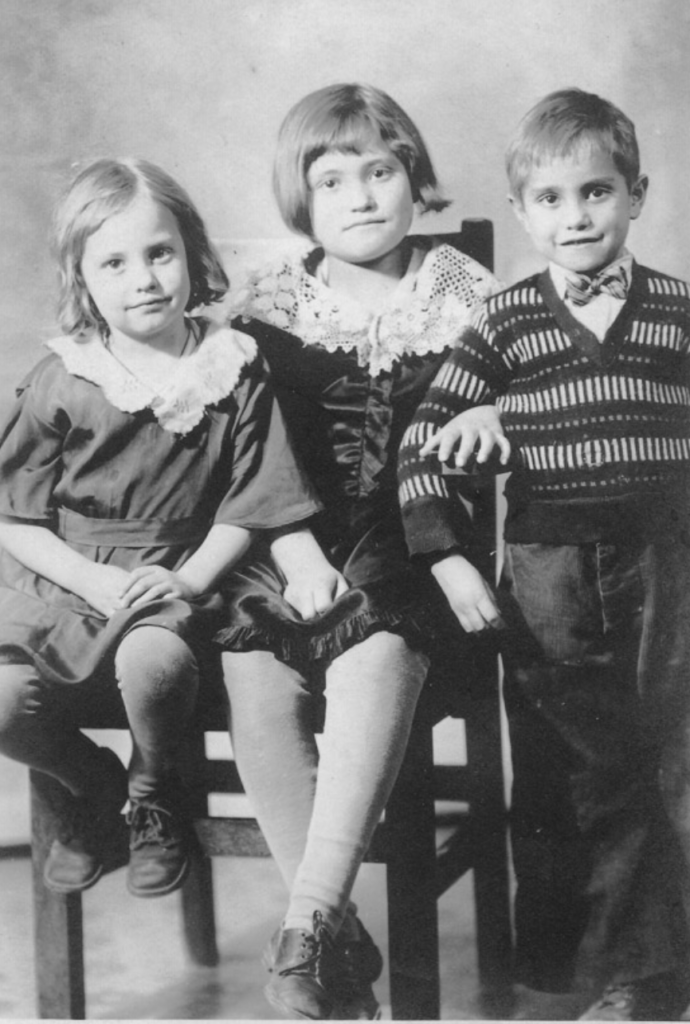
The attic was strategically located above Grandfather’s bedroom. The attic floor had large cracks in it. The largest ones were over the bed. There was a huge knothole in the floor straight above Grandfather’s snoring nose. The elder Ward complained. He complained because we ate hot bread (biscuits). He griped about children knocking dirt down through cracks in the ceiling over his bed ‑ especially when he was laid up with a broken leg. He complained that he didn’t get the respect an elder was due ‑ although he had a box of apples beside the bed because someone wanted him to recover.

When Mother was in the house we couldn’t play in the attic. She didn’t want us to knock dust down on Grandfather.  Mother didn’t like to hear Grandfather scold.  But now she was outside and Sister said, “Let’s go play like the attic is Bunker Hill.”

“We better not,” I suggested.  “We’ll knock dust on Grandfather.” “He’s asleep,” Ellen replied. “We’ll get caught.” “Mother is down in the garden picking peas and changing the water.  And besides, Mama said you were supposed to mind me.  Now climb the ladder into the attic.”

We walked across the attic floor. Suddenly a voice growled from the lower regions. “Hey, you tots, what are you doing up there?” “Nothing,” came Ellen’s sweet reply. “Nothing,” I added.  “Just playing.” “Your mother wont let you do that. You’re knocking trash down on my covers.” “Let’s have a parade,” Sister suggested. We paraded. “I say, you tykes, quit that bloody tramping.” “We’re marching.” “I’ll pitch you down the stairs.  Do you want me to throw you down?” Sister Ellen whispered. “He can’t get up here. He has a broken leg.” “Watch me jump,” I said.

Then we saw the knothole. We peeked through the knothole. A Britisher eyed the little eyes peering from the ceiling. Ellen remembered what the New Englanders did at Bunker Hill. She scooped up a handful of torn paper bits and dust and handed it to me. “Don’t fire until you see the whites of his eyes,” she said. I saw the whites of his eyes.

The Britisher’s eyes closed. He blew puffs of paper off the end of his nose. “Hey, you scamps!”  he threatened, “I’ll tell your mother, and she’ll bloody well smack your bottoms.” He sounded serious and his face was red ‑ a serious color with Grandfather. Ellen looked at me. Would a Britisher tell on someone who was born on the Fourth of July?  I nodded my head.  I thought he would tell. I looked at Ellen. Would our mother make an appropriate response? “That’s the kind of woman she is,” Sister sighed.

With an ally like that, a Britisher would surely win the Second Battle of Bunker Hill. We crawled out of the attic and made a peace treaty.  When Mother came home we were playing on the front porch.  Grandfather was laying in bed with a smile on his face.  He had fought another round and won the bout.
First Date

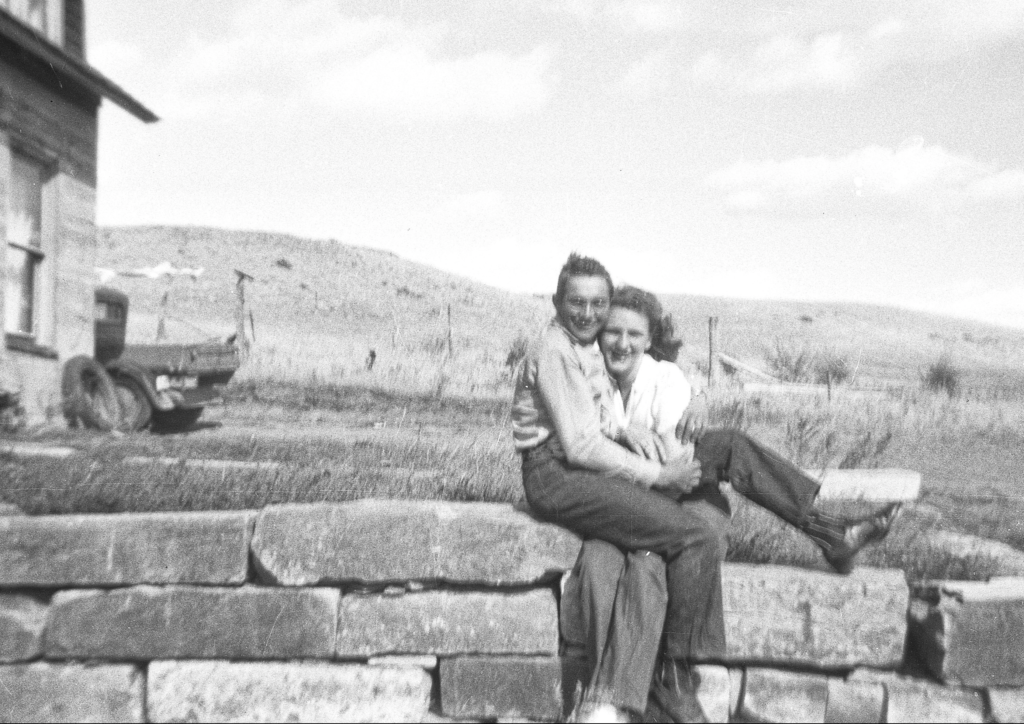
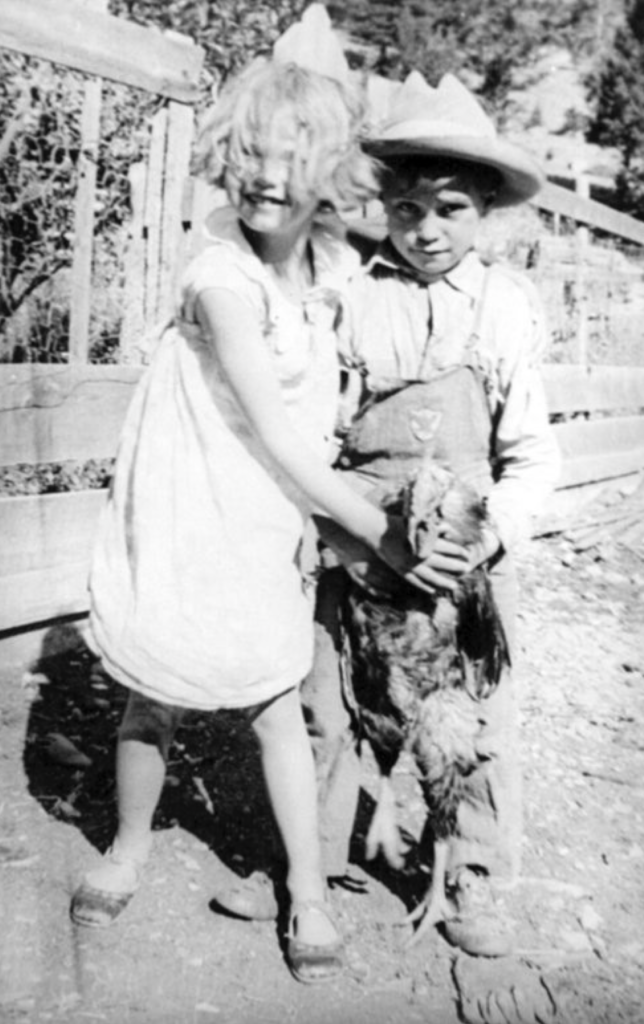
It was an exciting weekend. Buck drove his sister back to school from their home in the mountains. The trip to town meant that Buck would see Jeannie, the girl from the prairie who made his eyes light up and his heart flutter. He had been nervous about asking her out on a date. That was understandable considering that he had been warned the girl from the prairie would kick in his radio or knock in his slats if he misbehaved. He finally got the nerve to ask, and she agreed to go on a date with him, and this was the day!

The date with Jeannie promised to be better than the one he had with another of his sister’s friends. For that date, he saved money for a month just to take the girl to the picture show and afterwards a coke at Flasted’s Drug Store. In those days, they had to have escorts. Not only did Buck have to pay for his date, but also the chaperone, his sister. There were a couple more tag-a-long chaperones as well, the girl’s twin brothers. The twins sat with Buck, with his sister and date behind them. He even got to treat all of them for cokes or shakes at the drug store just down the street from the Grand Hotel.

Buck could hardly contain himself as he picked Jean up at Carnegie Library. They went to a movie. She didn’t have twin brothers, so the couple got to sit with each other. Afterwards, they shared a milkshake at Cole’s Drug. Buck was careful to behave. He sure didn’t want her to kick in the radio especially since he had borrowed Ernest’s car. 

The first date was successful, and by their fourth date, he managed to steal a kiss. He didn’t even get his slats knocked in.

Make a Wish

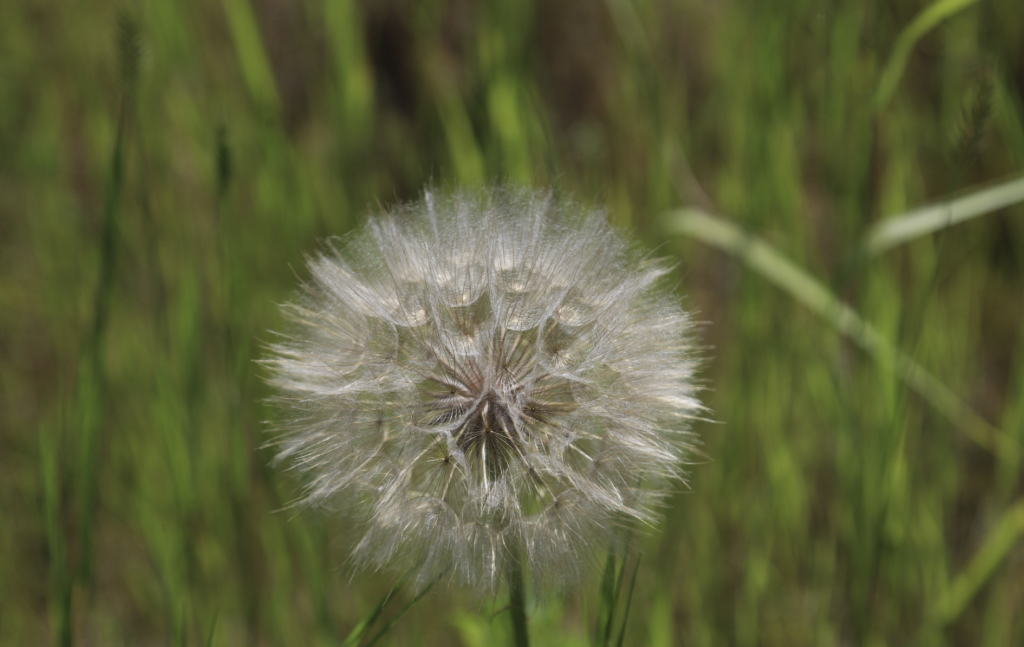
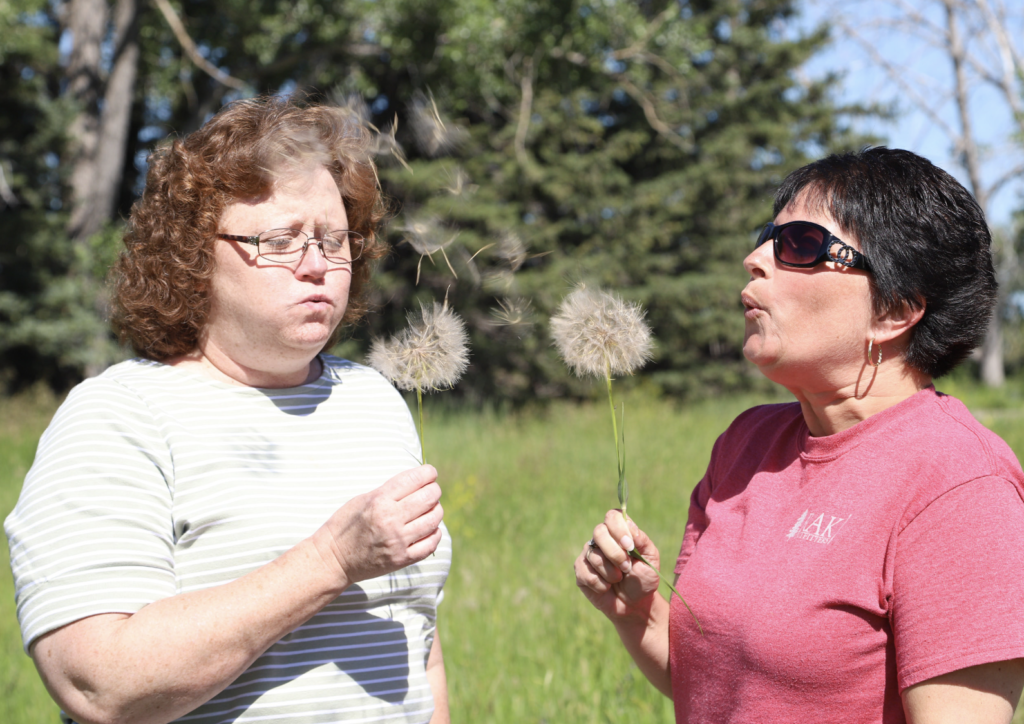
The innocent blonde haired blue eyed little boy held the dandelion puff in is hand. He closed his eyes, stood quiet for a moment, then blew as he whispered, “I wish I could be Spiderman.” Little parachutes of dandelion seeds launched and floated through the air. When the little boy opened his eyes, he saw there were some stubborn dandelion tufts still attached to the stalk. He giggled, crunched them with his fingers, closed his eyes, blew, and made the same wish. He wasn’t taking any chances on not getting his wish! Though he didn’t transform into the superhero, I have no doubt that in his dreams and imagination, he accomplished many great feats of heroism.

As children, we saw the world as a magical place where dreams and wishes could come true. Hopefully we will never outgrow the belief that anything is possible. We need that hope in our world today.

Did you make a wish every time you blew out your birthday candles? Did you make a wish as you threw a coin into a fountain or a wishing well? Did you make a wish when an eyelash rested on your cheek? Did you wish upon a falling star as it streaked across the night sky or when you saw the first star of night?

            Star light, star bright
            First star I see tonight,
            I wish I may, I wish I might
            Have this wish I wish tonight.

When we had chicken for supper, I would “call the wishbone.” It was the choicest piece of the chicken, but it was even more special because whoever got the wishbone got to make the wish. Of course, the sibling who got the other side of the bone to pull usually managed to get to make the wish instead of me.

I don’t know as if any of my childhood wishes ever came true, but that never stopped me from wishing then or now. Who knows, maybe a ladybug will land on me, or I’ll come across a white horse and get to make a wish. Better yet, I might catch even a leprechaun – then I’ll get a wish and a pot of gold.

Tagless is Priceless

Growing up, my clothes were missing one thing – tags. Some girls looked down their nose on those girls that were tagless. 

My mom made all my clothes. My grandmother supplemented with some summer shorts outfits and crocheted vests. By the time hand-me-downs got to me they were pretty much worn-me-outs that were mostly shirts from my brother. Now that’s something to be proud of! I thought I was in “high cotton” when I got my first pair of store-bought pants – straight legged blue jeans that I purchased with money from my first job when a junior in high school.

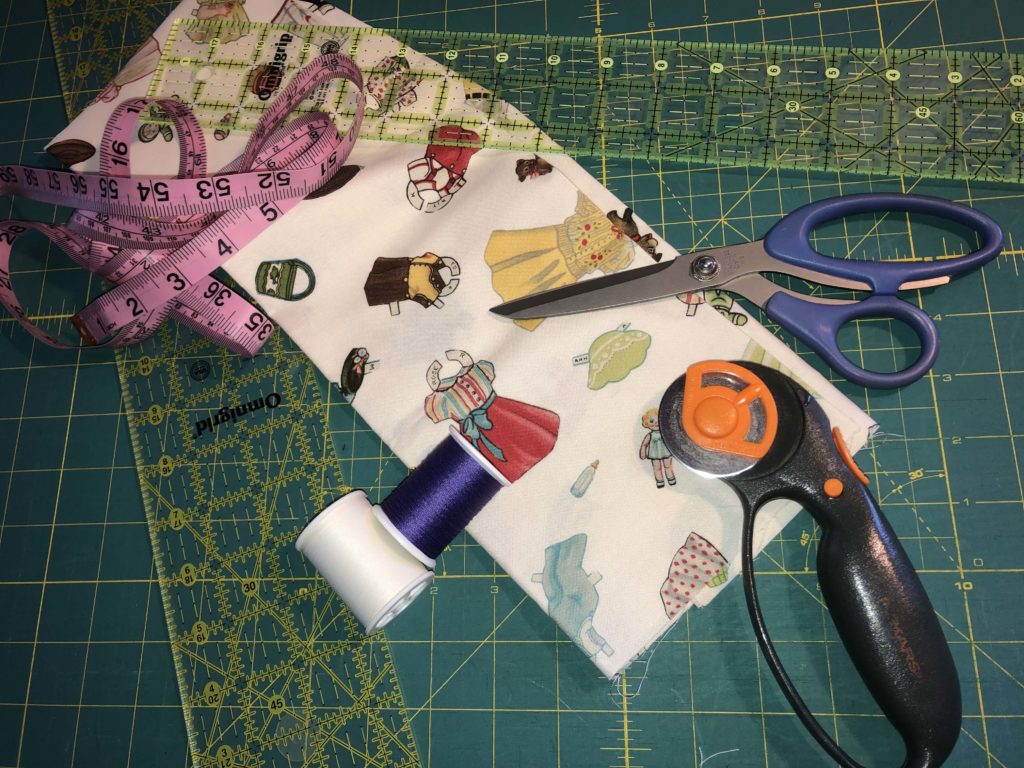
There were times I was a bit envious of schoolmates who had store bought clothes, though it was a bonus to have a mom who could make something by mixing patterns or by just looking at a picture. I didn’t really gain an appreciation of that until later when I was sewing tagless clothes for my kids. 

I remember some of my favorite pieces of clothing my mother made for me. One was a princess seam taffeta dress.  The fabric was bright blue with splashes of vibrant colors. After it was ironed, the skirt of the dress held its shaped and flowed like waves with every step I took. Even after it was washed, all it took was to be ironed again and it looked like new. When I walked, it made a crisp crinkly sound kind of like fall leaves blowing in the breeze.

Another of my favorite dresses was a long waisted yellowish colored dress with a brown print skirt and rounded collar to match. Mama even made me a black and white animal print bikini with a cut out heart trimmed in red. 

There was a time when most girls wore clothing that was handmade, and most were of better quality than that purchased in stores today.  No price can be placed on the time, sacrifice, and love that went into hours of cutting fabric, and sewing stitches and seams to make those garments.  Though being tagless for the most part is a memory of the past, it is also something else – priceless.

Solar Eclipse

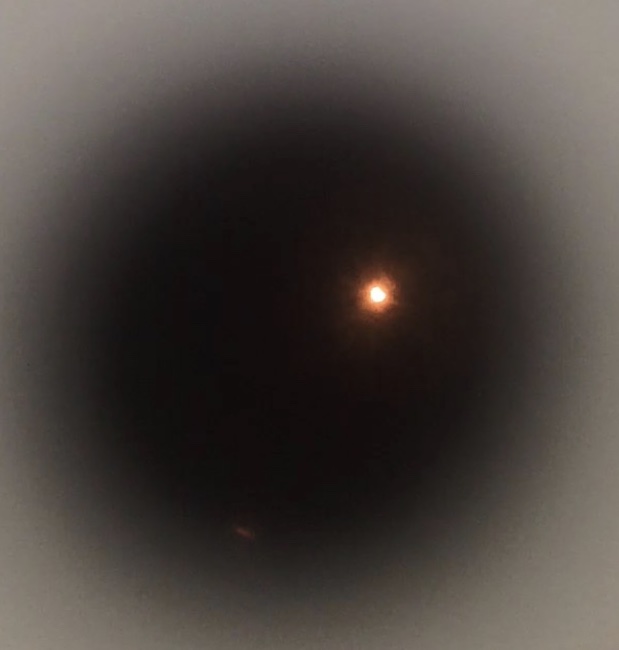
I put on my special glasses and went outside to join the others.  We looked like we had all shopped at the same place. The solar eclipse was certainly not a disappointment though we were just south of the path of totality. I was glad so many people stopped, even if just for a few minutes, to witness such an amazing event, and to most, a once in a lifetime opportunity. 

The total solar eclipse of August 21, 2017 was dubbed the “Great American Eclipse” because the totality was visible within a band that stretched across the contiguous United States from the Pacific to Atlantic coasts. No solar eclipse had been seen from coast to coast since 1918. In January of 1880, a total solar eclipse occurred exclusively over the continental US. 

To me, it was no ordinary happening. In the middle of it all, I had various thoughts to process. One was the brevity of life. Another was that we often let our priorities get overshadowed by things that really don’t matter. I also thought of those bumps in the road – those events that pop into our lives and darken our world for a time. We have all faced dark seasons of life, yet we go forward and once again step into the light. 

Though the eclipse prompted my thoughts that day, it was not the main reason I reflected on those darker times in life. There was another memory that stood foremost on that day. It was the anniversary of my mother’s death. It seemed unreal that she had been gone for 11 years. There were times, and still are, when I thought, “I’ll go ask Mama.” My memories of her were just a small tribute to the woman who sacrificed much to move across the country to a completely different climate and culture, divided her time with husband and 6 kids, managed a household, made our clothes, canned our food, baked our bread, dealt with church folks, took in sewing, opened her home to 30 foster babies in a 6 year time period (give or take a few), moved various times and the list goes on….  

Yes, there was a time of darkness at her death and yes, we moved back into the light – the light of thankfulness that is full of memories of who she was to all of us.

A Dose of Sympathy

I walked into the room and a little voice said, “Hi, Maga.” She got up from the chair, turned and looked at me. Immediately I noticed a red place on her cheek. “What happened? Did you fall?” She said, “Yes. Mama said you had something here for my face.”

When I questioned her about her little accident, her voice got quieter. She wrung her hands together and was quite distracted with the tv and the others in the room looking her way. Every square inch of her wiggled every which direction just like a can of worms as she tried to tell her story. I took her hand and we walked into another room. As I sat down to be on her level, I pulled her close and finally got the story of her misadventure.

She was trying to jump on a little chair that sits by the piano (which she knows not to do). When she fell, she bumped the arm of the chair with her face and then hit the piano bench just barely missing her eye. I think there will be a bruise left behind to go with the swelling and the squinty eye.

When she finished her story, I hugged her tight and said, “What did your mom say I had for your eye?” She couldn’t remember what her mom said, so I said, “Go ask her.” The little girl ran off and was soon back. “Well, what was it?”  “Mama said you would have some sympathy for my eye.” 

Well, her mom was right. I had no trouble giving her some sympathy for her eye even before I knew I had such a magic potion. A dose of sympathy sure goes a long way! 

After another big hug and a mug of hot chocolate with two big marshmallows, she was off again. 

Puzzle Pieces

Family history is not just a tree with tangled limbs of names, relationships, and dates. Though those facts are interesting and important, my favorite part is the stories, many of which are hard to come by. My granddad never disappointed when he spun his yarns. His stories sometimes seemed a bit farfetched, but they were true, and ripe with history of Western expansion and the rugged life of those early pioneers. Our family history does not belong solely to us but is laced with stories of other colorful characters who have their own tales to tell. In finding their stories, it somehow makes our family history even richer.

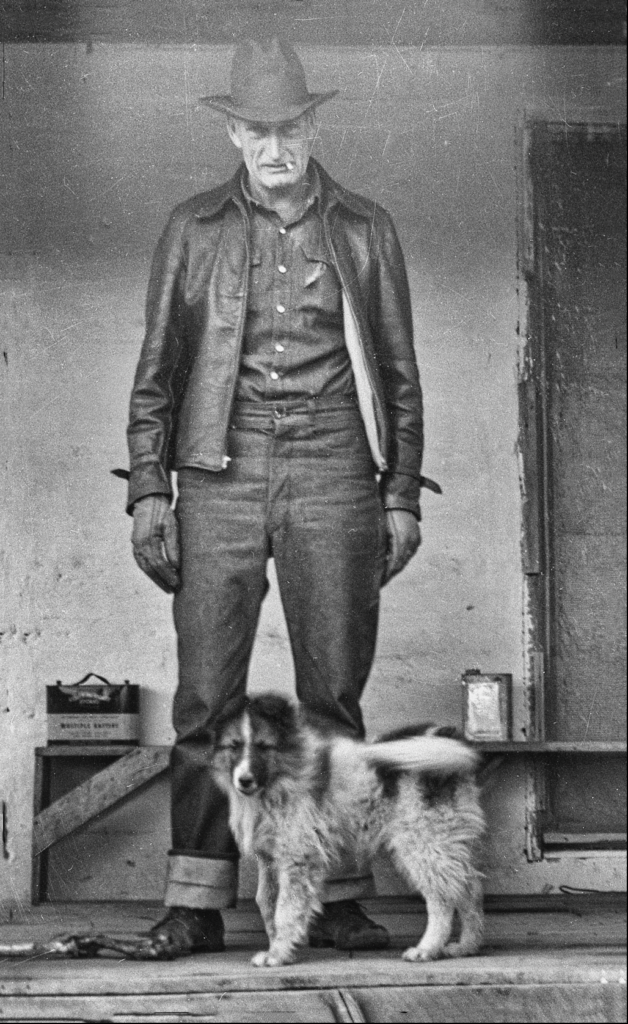
My granddad was a tall lean drink of water who wore a twinkle in his baby blues, laughter on his lips, and a square jaw, all topped off with a cowboy hat. His stories of life in the wilds of Montana were larger-than-life and many of the people included in his tales became legends. In those days, a neighbor could be within a hundred miles or more. Though neighbors weren’t necessarily close in distance, they would set aside their own work to help one another. As my granddad recalled those days, his memories reached into the recesses and gullies of the rugged Montana hills and found Joseph (Joe) Doney (Doaney), a neighbor we met in the previously story, “Doctor Bee.” Doney was in the cattle business at the mouth of Duvall Coulee, near the Missouri River.  

Joseph Doney was no ordinary man. He was wise in the ways of the western frontier. His father, by the same name, was Chippewa, and his mother was of French descent. A newspaper article published in 1936 after his death gives the account of just a small portion of his life.

The journalist recorded an interview given by Doney that reached back to his childhood that was spent in the vicinity of Totten, North Dakota, “except when on long treks to get buffalo and beaver,” which could be for 10 to 12 months at a time. The story continued and told of his time as a young man when he freighted and was employed as an Army Scout from 1863-1870 with a company of soldiers out of Totten. He rode Pony Express through hostile Indian country but in snowy months, he made his mail deliveries by dog team. When I read his tales about driving the dog team through deadly blizzards that blew across the Dakota Territory prairies, it sent chills to the bone. On one of his excursions several soldiers who traveled with him and his partner froze to death.

Here are a few excerpts from experiences within his ninety years:  The coming of the first steamboat in the spring was an interesting sight. The coming of any steamboat, for that matter, always sent a thrill through me. I became acquainted with many of the steamboat Captains and pilots. The tenderfeet coming from the east amused me as much as I, with my buckskin garb, did them.”  Doney told of standing on the banks of the Missouri River waving and calling out, “bon voyage,” when the boats headed north. In his mind, he imaged them loaded with merchandise as the boat made its way to Ft. Benton, just as they had done in the older days.

Joe Doney saw many changes in his years. The journalist who wrote his account sums it up pretty well,  “Whistling locomotives had taken the place of popping bull whips, cattle had replaced the buffalo. Towns sprang up, stores and merchandise were sold for cash instead of bartered for furs. It came so quickly he was made a foreigner in his own country. He was bewildered, he knew not how to make a living. He wanted to get away from it all, but there was no place to go. Yes, there was: The Missouri River, where many just like Joe had found seclusion to enjoy life as he had known it away from the whistling locomotives, the sound of saws and hammers with rushing foreign people in their race for gold. This is where he went, located in a wide blue joint bottom which he was engaged in the only occupation he was fitted for; the raising of cattle. Where he lived, seldom leaving the river.” 

Joseph Doney was a man whose story bridged the gap of history. A few tattered pieces of the unfinished puzzle of his story are laid out on the table of life. Most of the pieces have been lost, scattered across the windswept prairies, buried in the deep winter snows, or floating on the rivers and creeks that wind through the Dakotas and Montana wilderness. 

My grandfather always spoke of the Missouri River Breaks with respect and admiration. The wild country was hard but rewarding. I am so thankful that Joe Doney, a half-breed, and his wife were counted among the friends of my grandfather. Somehow, it makes my heart sing a song of respect for those western pioneers who braved the harsh country, lived off the land, and went above and beyond to help their neighbor. 

Sources:
Doctor Bee, as told by my grandfather
Census records : 1850, 1900, 1920, 1930
Military record as found at FOLD
Newspaper article: Great Falls Tribune, July 5, 1936, p 30, 31
Various family tree sites and entries
Family Search
Ancestry
BLM (Bureau of Land Management) Montana search of documents

Doctor Bee

My granddad was one of the greatest storytellers of all time. Here is one of his tales. I considered all of his life stories as truth – well, truth with a bit of embellishment. 

  Just before I left for the war the neighbors started calling me ‘Doc’.  This is how it came about.

    I was up there working for Gus Tank. There was a big canyon which came down out of the hills three or four hundred yards from old Gus’s corral.  There was a saddle horse trail there which was used in the summer.  It wasn’t a winter trail.

    About the last of March most of the snow was gone.  However, the canyon was still drifted with snow and wasn’t passable yet.  A little lady from up around the flatland had been riding across the hills.  She and her husband, Bud, would come down that way to pick up the mail that the stage left.  It was mail day.

    Gus Tank’s cabin was halfway place between Leedy and Content.  The stage driver would stop there, leave off the mail for the neighborhood, feed his horses, eat something and pick up any mail that was going to Leedy.  Four or five people had been by that day to eat dinner and pick up their mail.  Then here came the old lady down to get hers.  She lived three or four miles back up there on the hill.  And she was pretty well loaded with that old black and white that they used to get out of Canada.  She was used to alcohol and so was Bud.

    When she got to the canyon she rode right across the drift.  The melting water had ran under the drift, which had settled and caked over.  It was hollowed out underneath and would not hold a horse.  The horse fell through.  Well, he got out all right, but she got stuck and could not get any footing to get out.

    Well, I’d been out riding the bluff along Alkali Creek.  Three or four head of cows were down there and I’d pulled one out of the bog.  The day was getting a little late – close to sundown.  I rode up to the corral.  The horse kept looking toward the canyon trail.  Pretty soon old Jug stiffened up.  I was just ready to pull the saddle off him.  I looked up and saw the lady’s horse come up over the bank.  He was nasty and all wet.

    I had a thirty foot rope for pulling cows out of the bog.  I jumped on and rode to the mouth of the canyon and there was the old lady stuck in the snow.  I got that rope around her shoulders.  I couldn’t pull her out by hand, so I tied her on to the saddle horn and backed out of there.  That pulled her out, and I got her up to the barn.  I threw some feed and turned the horses in the corral.  Then I got her on my back and carried her up to the cabin.

    Old Gus had a bunk seven or eight feet wide.  He slept on one side and I slept on the other.  So I rolled her out there on my side and on my tarp and started the fire good.  I put on some coffee and warmed up a pot of soup which I’d put out there for the mail day crowd. 

    She was just about numb and coughing.  I rubbed her feet and I asked her, “Now can you get out of these wet clothes?”

    She shook her head.  No, she couldn’t get out of those clothes.

    “Well.”  I said, “You’ve got to get out of these wet clothes or you’re going to catch pneumonia and you’ll die right here.”

    She wouldn’t do anything.  So I said, “All right”, and rolled her over on her back and unbuttoned her clothes from top to bottom – sheepskin, a couple of shirts, long handles and everything else.  Then I turned her over on her stomach and got hold of her clothes and just stripped her, by gosh.  I had a big old wool blanket on my bed.  It was about a quarter of an inch thick.  I just rolled her up in that and told her, “Now you’re going to have to stay right in there because I’m going to go get Mrs. Doaney.”

    So I got her all fixed, stoked the fire good and got back on the Jug and went down to Doaney’s as quick as I could get there.

    They seen me coming and Mrs. Doaney said, “I knew that there was something the matter somehow and told Joe to get the horse ready.”

    I told her I had Mrs. Elkhart up there and she was about froze to death.  She’d jumped off her horse and sunk in the snowdrift.  Mrs. Doaney was right ready and had a little bag fixed up and piled on her horse and away we went.

    We got back up there.  She went over and felt of the old lady’s face.  She was still pretty blue.  I had rubbed her feet, lower legs and her hands and wrists and rolled her up in that blanket and left her.  Mrs. Doaney looked down in there and saw she didn’t have any clothes on and she says, “Did you do this?”

    And I said, “Yes, I had to.  she was freezing to death.”  I said, “I just unbuttoned her and pulled that thing up over her shoulders and rolled her over on her stomach, took a hold of the collar, turned everything wrong side out, skinned her alive and rolled her up in that blanket.  That’s all that saved her life, I guess.”

    So we got the old lady kind of comfortable.  She was sober by then.  And I took a couple of blankets and went down to the barn and went to bed.

    The next morning, well, Mrs. Doaney got breakfast and the old lady got up.  She didn’t even catch a cold.  She went home, and the next day or two she and Bud came down and asked me how much my doctor bill was.

   The neighbors heard about it.  When the first ones came by they’d say, “How are you Doc.”  Pretty soon everybody in the country was calling me Doc.  This lasted all summer.

   Come fall I quit and went up to Great Falls to sign up for the army.  I never came back or saw any of them again until the war was over.  Then I saw her and old Bud in town.  He was still grateful to me for saving her life out there on the snowbank. 

My Girl

My little granddaughter is full of life. She has her own back yard adventures. Not long ago, she learned to ride a bike, and she has mastered it. There are stickers all over the bike and clips of some sort on the wheels. The basket on the front of the Pepto Bismol pink bike holds treasures. Along with dolls and other trinkets, she has a new addition – a Motown magic karaoke microphone. If you see a flash of pink wearing boots, and hear the classic Motown tunes in the wind, it might just be my two-wheeling, hair-bobbing, Motown singing granddaughter. I imagine to this little girl (as well as her grandmother), she sounds like the real thing.

If dancers or gymnasts are performing on TV, it’s not long before a little girl is twirling and sliding across the floor, doing cartwheels, or attempting flips in front of us as she imagines herself gracefully performing on the grandest stage of the world. I feel a twinge inside of me wanting to join in her dance with no cares or inhibitions.

Just the other day I watched in awe as skaters at the Skating National Championships glided gracefully over the ice. They twirled and did flips, loops, and other jumps as they were judged on their skills and artistic interpretations. As I watched the skaters, I almost imagined myself moving effortlessly across the ice, every motion fluid and elegant. Little girls are not the only ones with dreams.

As I watch my granddaughter I wonder, does she see herself as the most graceful dancer, a mirror image of what she has seen performed? Does she hear herself as the best singer as she belts out the sounds of Diana Ross, The Temptations or Smokey Robinson? Does she feel the cool air from the surface of the ice rink as she glides on her skates like Michelle Kwan? Maybe so, and I hope she never stops dreaming.

I tell you, My Girl has Really Got a Hold on Me!

Cutting a Trail

Have you ever watched a child try to walk in the footprints of their father or mother? I was one of those kids. 

Whenever I went hiking or backpacking with my dad, I usually followed right behind him trying to place my foot exactly where he stepped. When climbing rocky mountain trails, he seemed to sense which stones would give the steadiest foothold. He even blazed trails through mountain streams, knowing which places in the streams to avoid. Following in his footsteps, I knew we were headed in the right direction and on the best path. Only later did I realize some of his many paths were actually longer and not necessarily the intended trail, but the rewards were well worth it. There were a few questionable moments as to his decisions, though they always brought valuable lessons.

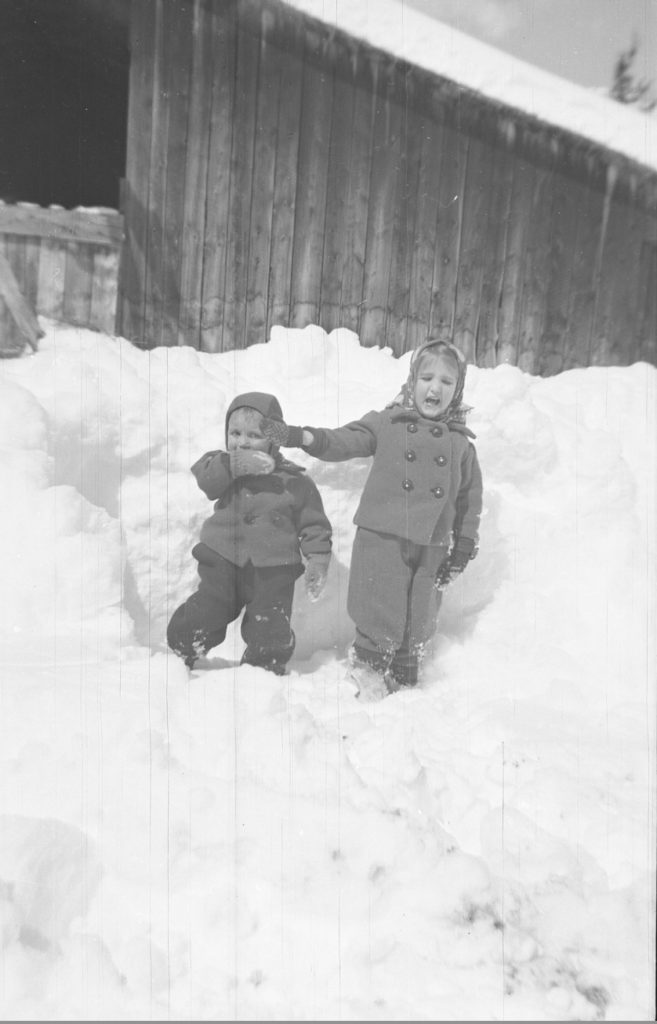
When my first four siblings lived in the heart of the mountains, they relied on the footsteps of my father, too. Many a snowy day, which were more days than less, he was the first one out the door to cut a path to the outhouse, barn, or the folks’ home beyond. After the trail was forged, then the kids emerged bundled up, so they walked like Frankenstein. With gloves, hats, and boots secured tightly, they walked in the footsteps prepared just for them. Wherever the boot prints were embedded in the snow, the kids followed, knowing their father was just ahead and would come to their rescue if they needed him. Of course, they attempted their own trails as well.

In my memory, I cannot recount all the times I walked behind my dad. The time came when I walked beside him, and then the time came when I could walk in front of him, sure of the path. If I came to a fork in the trail and questioned myself, all I had to do was pause until I could ask him. And then the time came when he relied solely on my footsteps. The roles reversed. 

That’s the way life is. We are followers. Then we are leaders. Then we are followers once again. One of the most profound lessons of this principle is found in nature. I’m sure you have seen a noisy flock of geese overhead. When I hear honking geese, immediately I look up in the sky searching for the geese. One goose leads while others follow in V formation. When the goose in front tires, another comes along side and takes the lead, the “leader” falling back into formation. 

Though we have followed the footprints laid before us, there comes a time when we take the lead for a season before passing it on to someone else. Even then, we find ourselves as leader occasionally, even if it’s just in the small things like a kind word of encouragement, a nugget of wisdom, or a truth from the archives of family history. 

Cut a trail, take your turn to lead, be willing to fall back so others learn the way, and continue to do your part to make the journey a success.