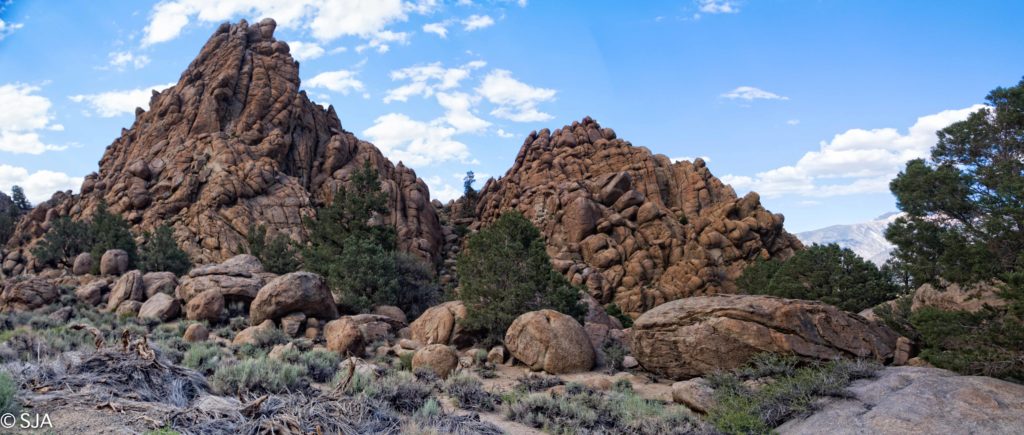
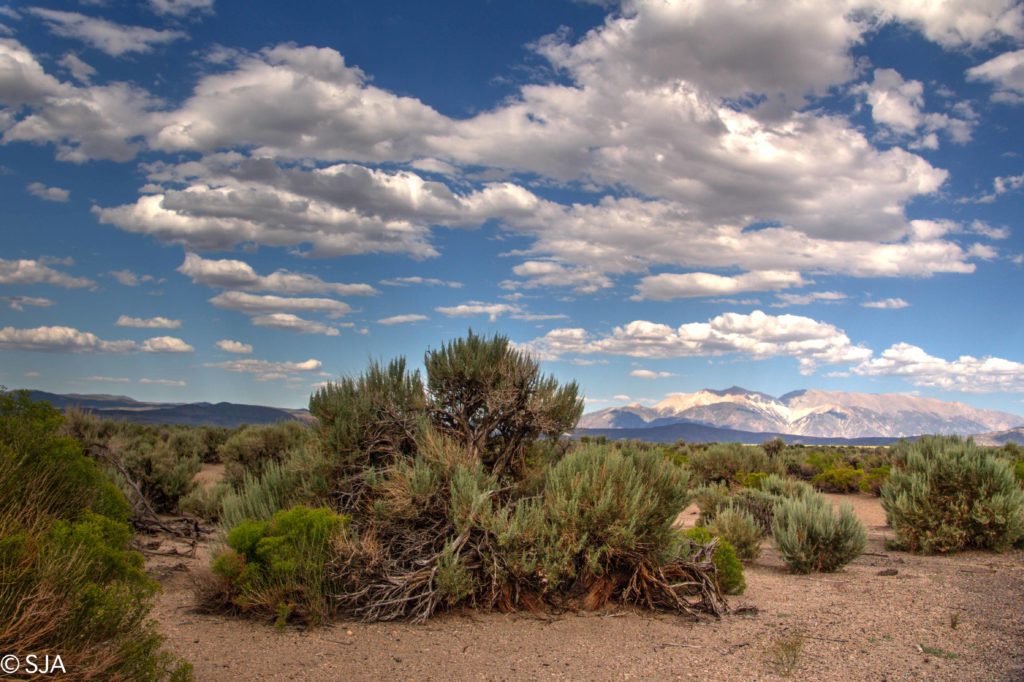
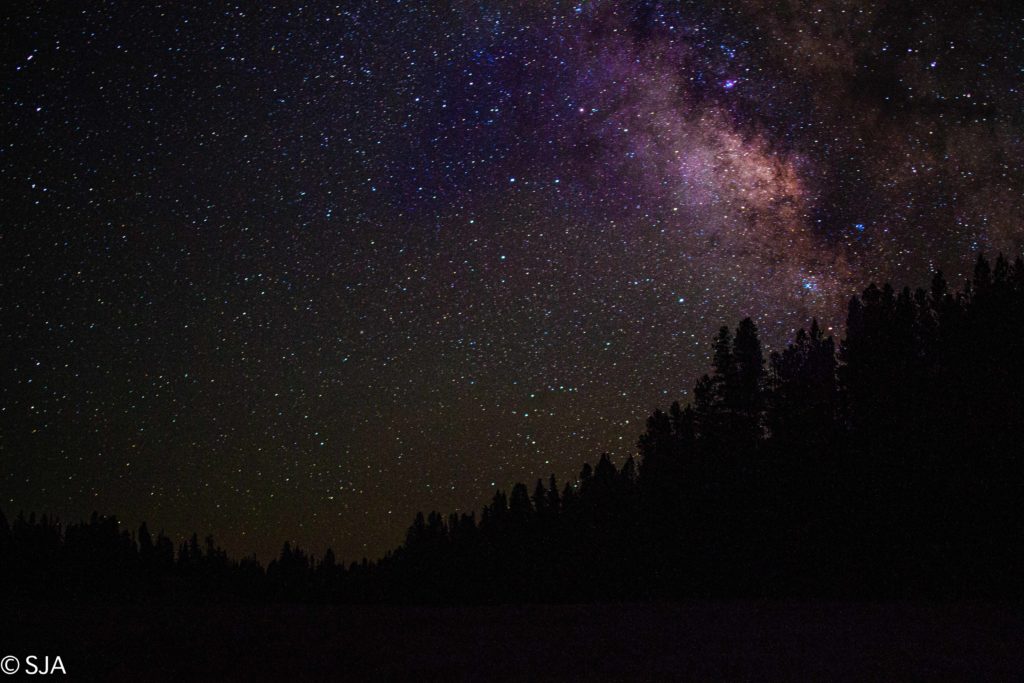
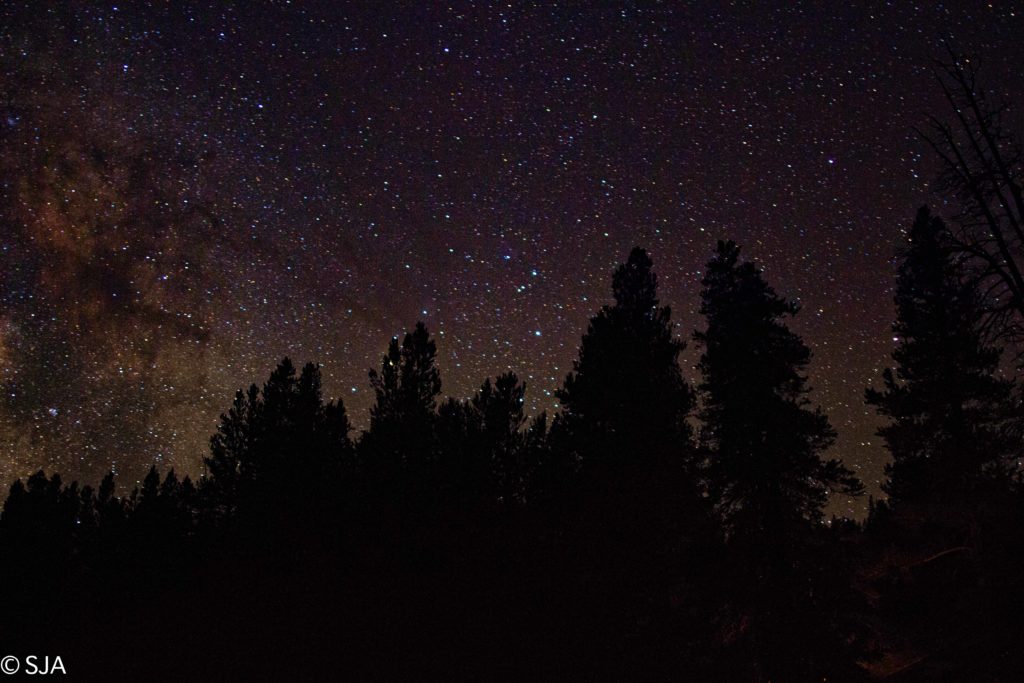
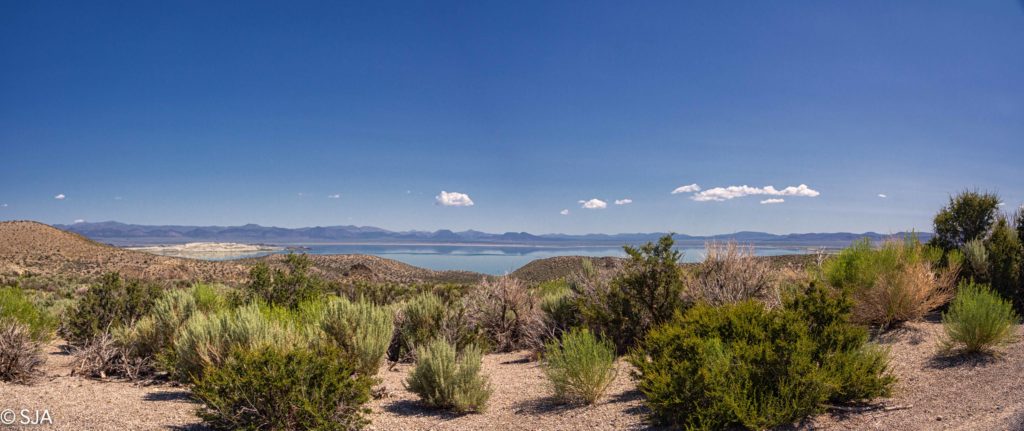
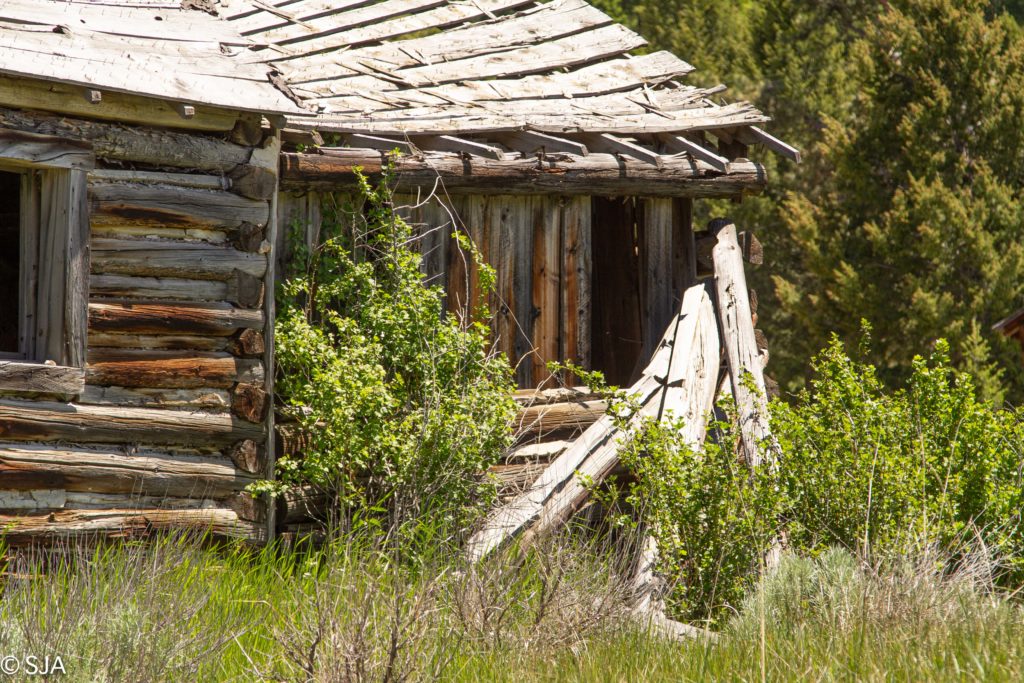
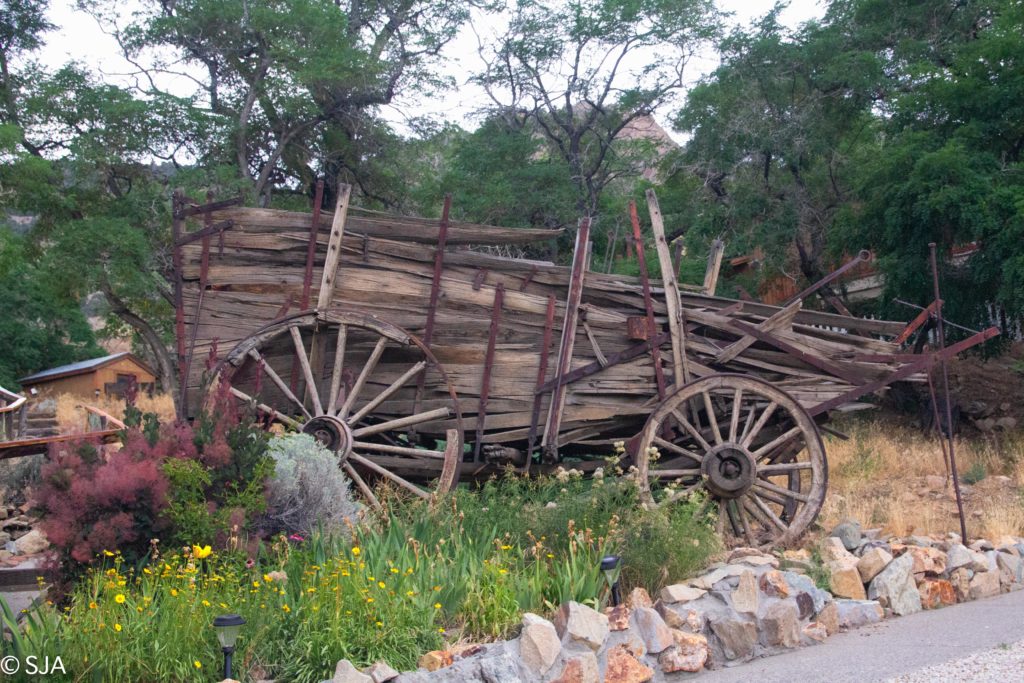
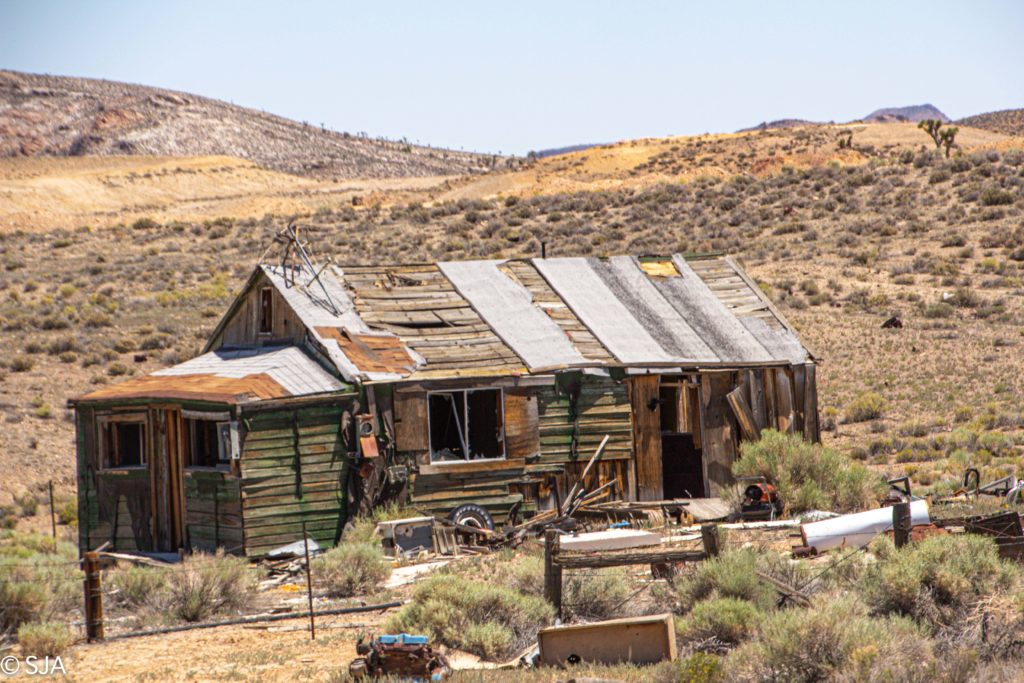
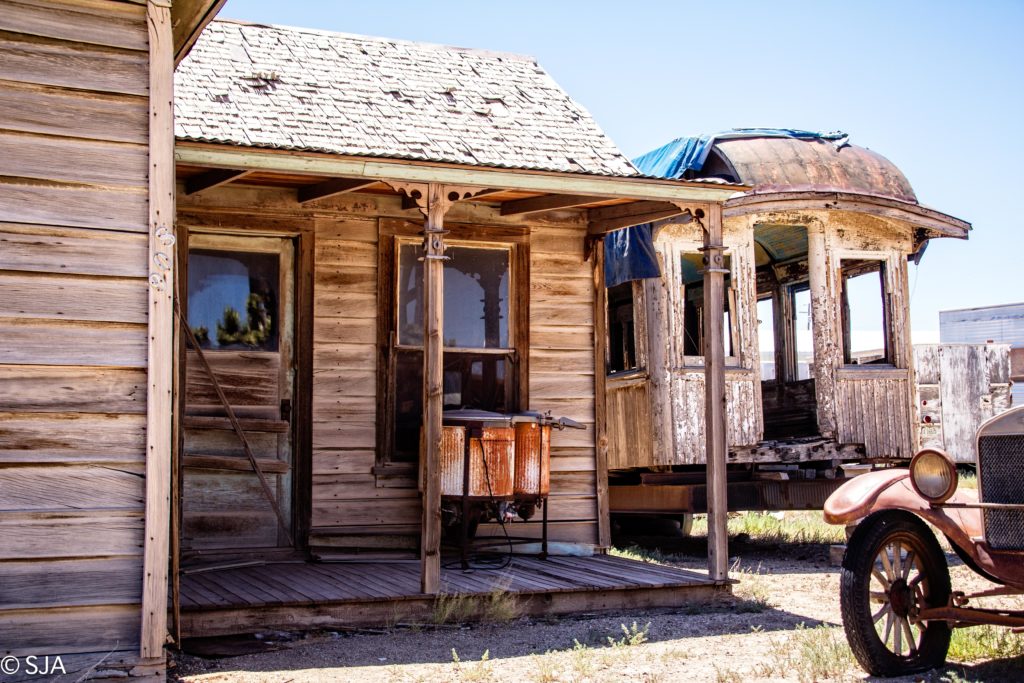
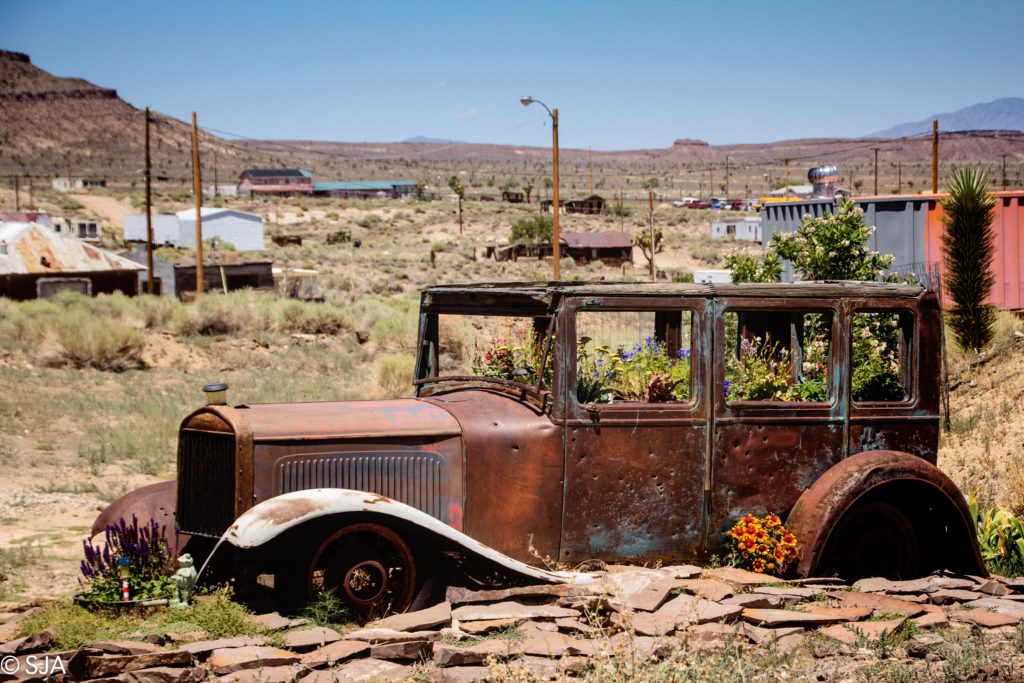
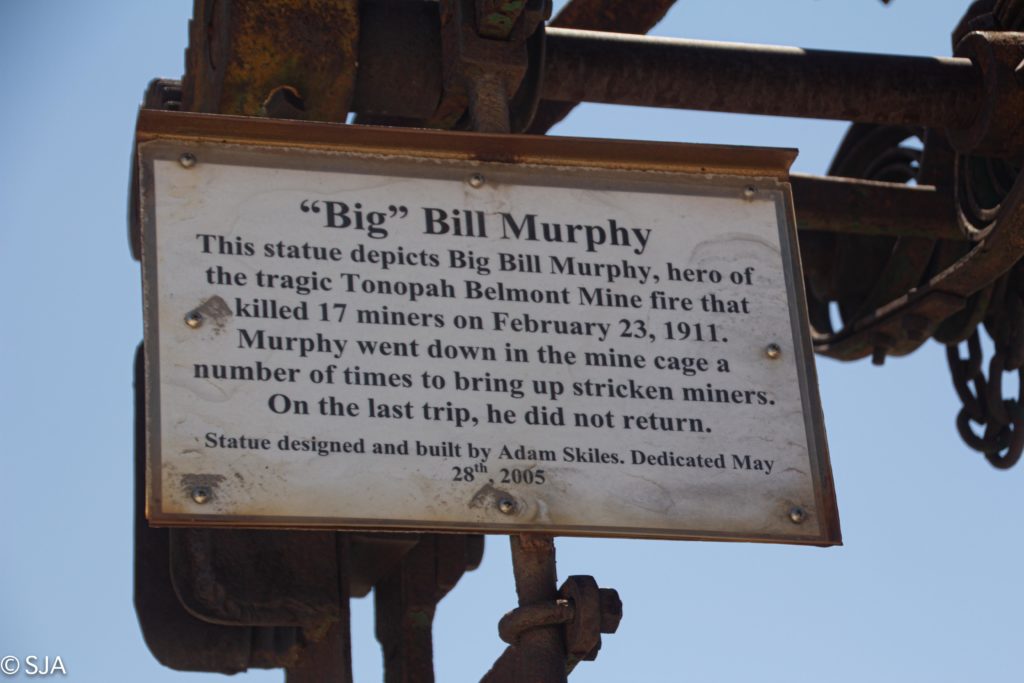
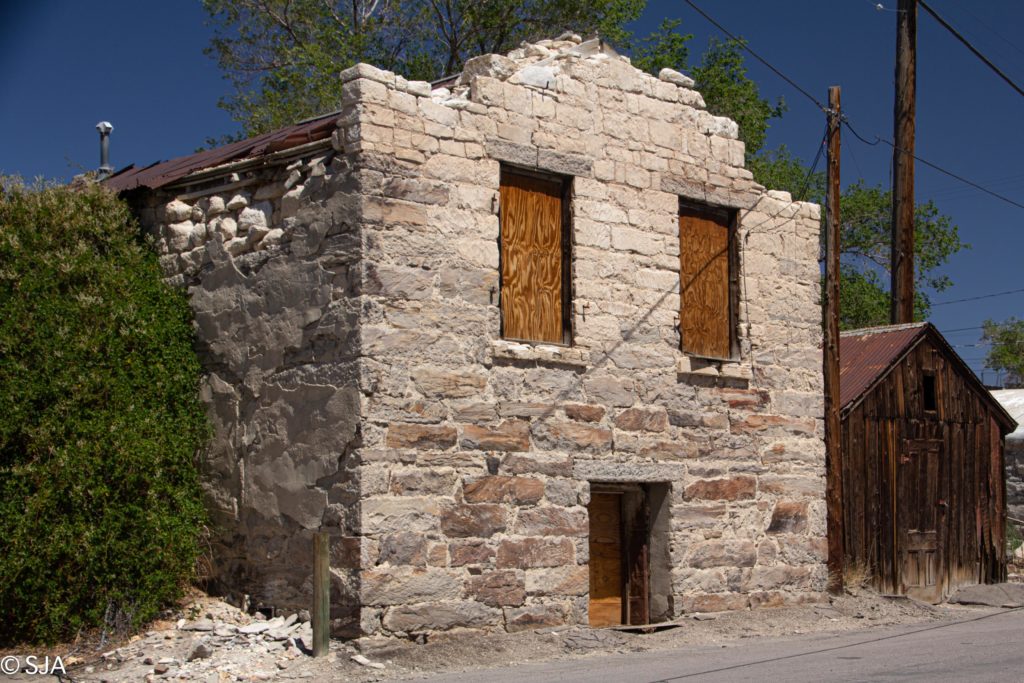
We left the lingering ghosts in the hot Nevada desert and headed toward Inyo National Forest in Northern California. The road climbed into the high desert wilderness. Sandstone formations looked like giant rock men ready to hurl huge boulders on any who dared enter their domain. Mountains appeared in the distance even though we were already at the top of the world. A dirt road leading deeper into the mountains and forests beckoned us to follow.
As the golden hour approached, we were anxious to find a camping spot. We turned down another road and a large alpine meadow dissected by a small lazy stream came into view. Bordering the meadow was a perfect campsite tucked among a stand of tall evergreens.
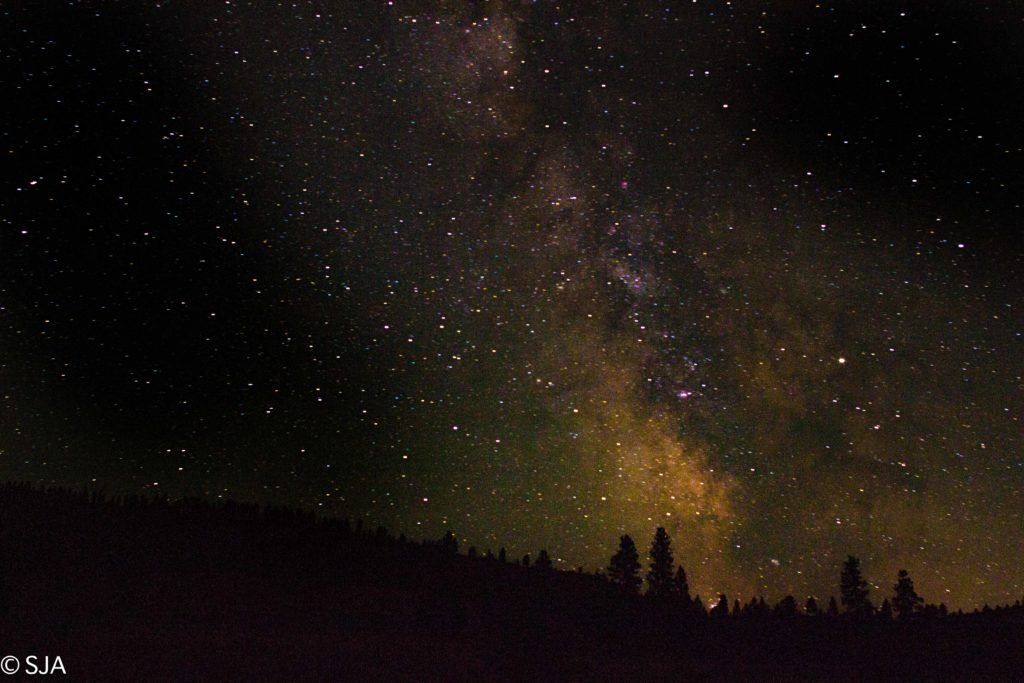
The air was pure, clean, cool and clear. At 9500 feet, we could touch the sky. Stars lit up the black expanse. It looked as if we could have walked across the Milky Way along the celestial road into another galaxy. The Inyo Forest was aptly named, meaning “dwelling place of the great spirit.”
Night turned to day. The cold was quickly burned off by the morning sun. I took a deep breath and let it fill my senses – the sight of this wondrous creation, the sound of the forest, the smell of the evergreens, the taste of the morning air, the touch of the warming sun.
We reluctantly left the high desert sanctuary. The descent into the desert displayed a beauty all its own as mountains cascaded into valleys. With the vow to return one day and walk across the Milky Way once again, the sun set on another day.
I sat at the feet of my Granddad with wide-eyed wonder and hung on every word. As he recounted his tale, the Montana prairies came to life. The northern winds blew snow and whistled through the stubbles of dry grass. I imagined every scene as he told his story.
By 1915, there were many homesteaders staking claims in Montana. By that time, the amount of land deeded had been increased to 320 acres per homesteader. The allotted time to “prove” their homestead was decreased to three years. A homesteader would file a claim, build a cabin and live there. Witnesses gave written documentation as to the validity of the homesteader’s claim.
One homesteader from the East staked his claim and built his house on the Montana prairie. He wasn’t too anxious to spend winter on the open prairie so left to go to the city or back East to spend the winter. This left his cabin empty all winter. Like other cabins in homesteading country, this one was left unlocked. According to the code of the west, one’s home, no matter how humble, was open to others. The drawstring was left on the outside of the door to welcome passing travelers. Whatever meager supplies were in the cabin could be used. A passerby could stay and leave whatever he could for others and replenish the woodpile.
A family with a little boy moved into the community. The boy was sick with “consumption” and the doctor thought the cool Montana air would help him. It did for a while, but when the flu made its rounds, the boy’s life was taken from him. It was a bitter cold winter and the ground was frozen solid. The undertaker sent his crew to the community cemetery on the hill. Without the cover of snow, the ground was frozen hard and deep. The grave diggers couldn’t even dig a posthole, much less a grave. On a frigid January day, they placed the boy’s casket in the empty homesteader’s cabin. Flu claimed the life of another and soon a second casket was added.
Winter continued to be bitter cold. Along in February as the evening shadows lengthened, a traveler turned into the homesteader’s cabin. It was a welcome sight as the day was ending and the cold wind whipped down his neck. He pulled the string and entered the cabin. He got a fire going, melted some snow for a pot of coffee, got a pan of beans on the stove and then lit a lamp and set it on the table. Upon a further survey of the contents of the cabin, he noticed a wooden box that looked suspiciously like a casket. There was another beside it. He found a hammer, pried off the lid and dropped it back down quickly. He left the drawstring hanging as the door hit his heels on the way out.
Unbeknown to him, postholes weren’t the only thing that couldn’t be dug that winter.
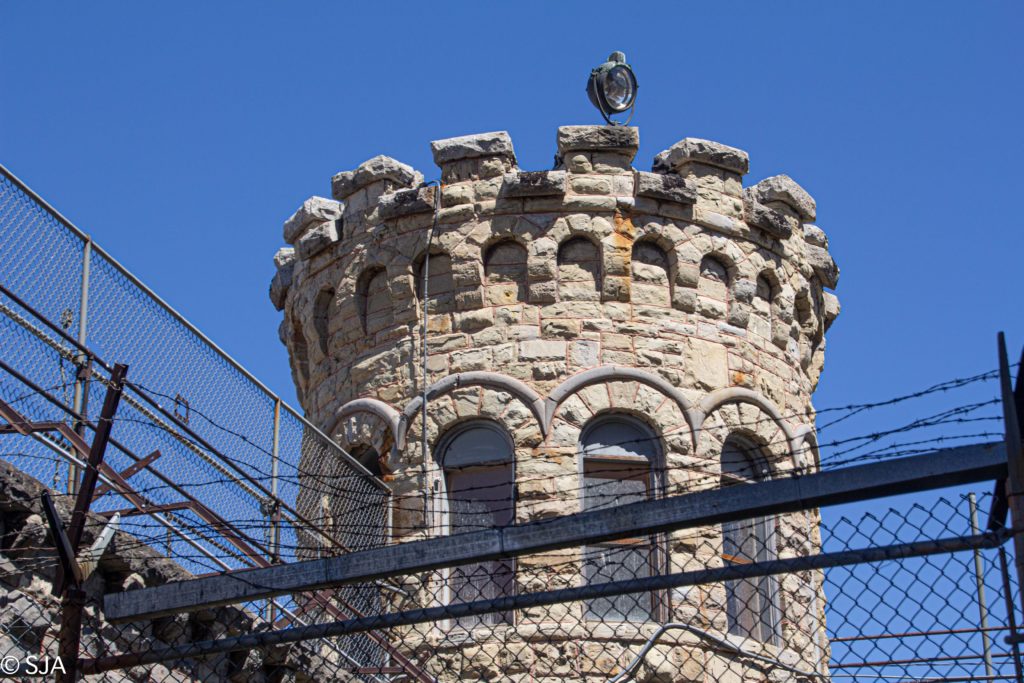
Old Montana Territorial Prison, Deer Lodge, Montana
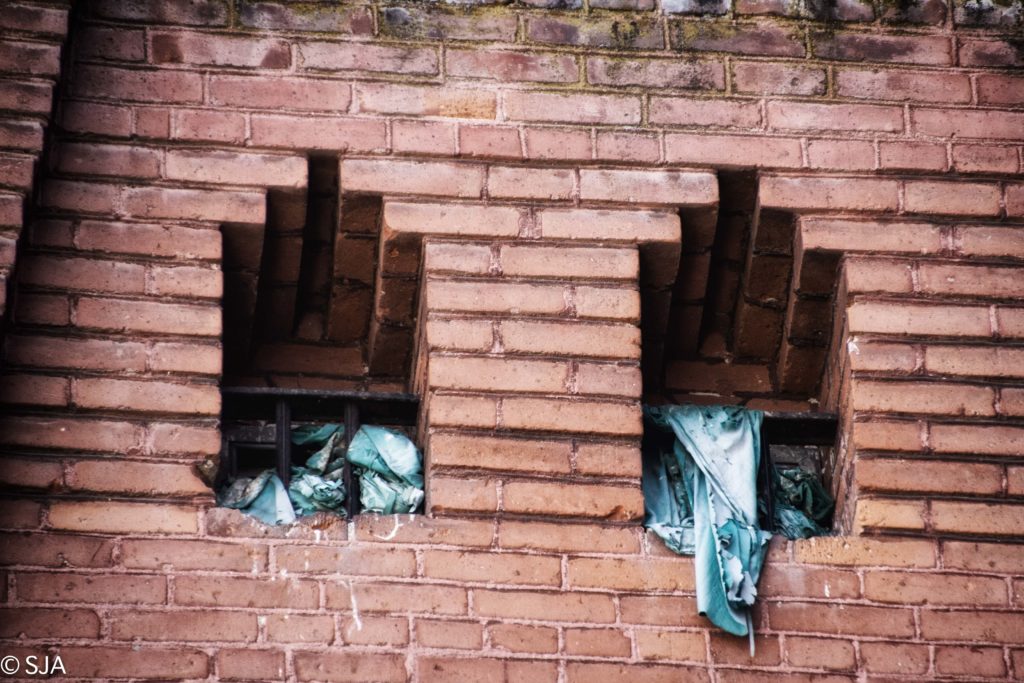
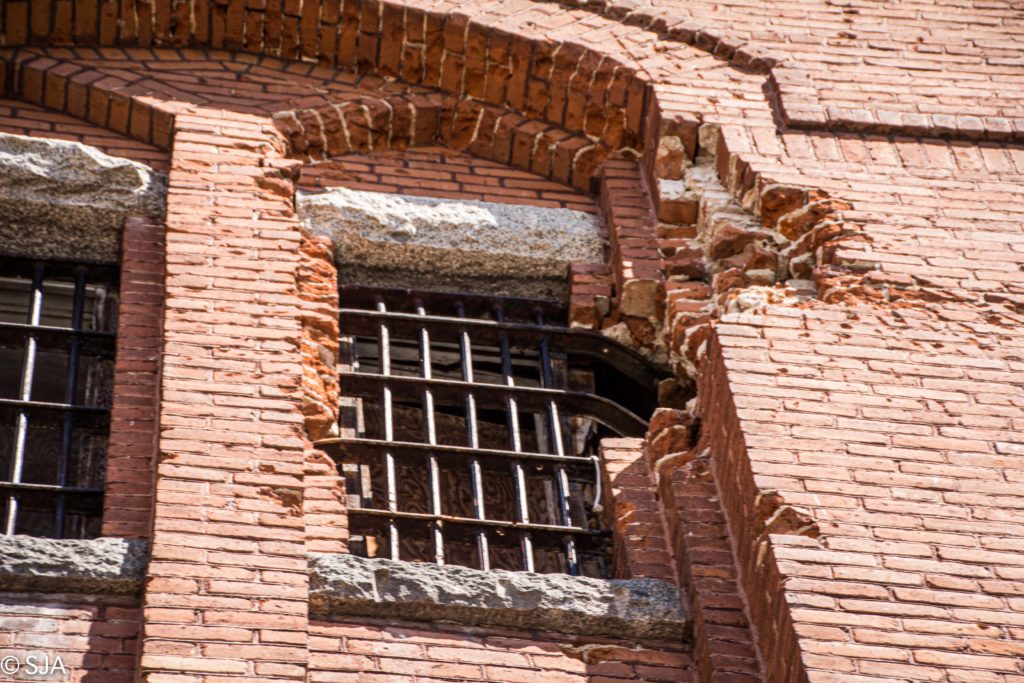
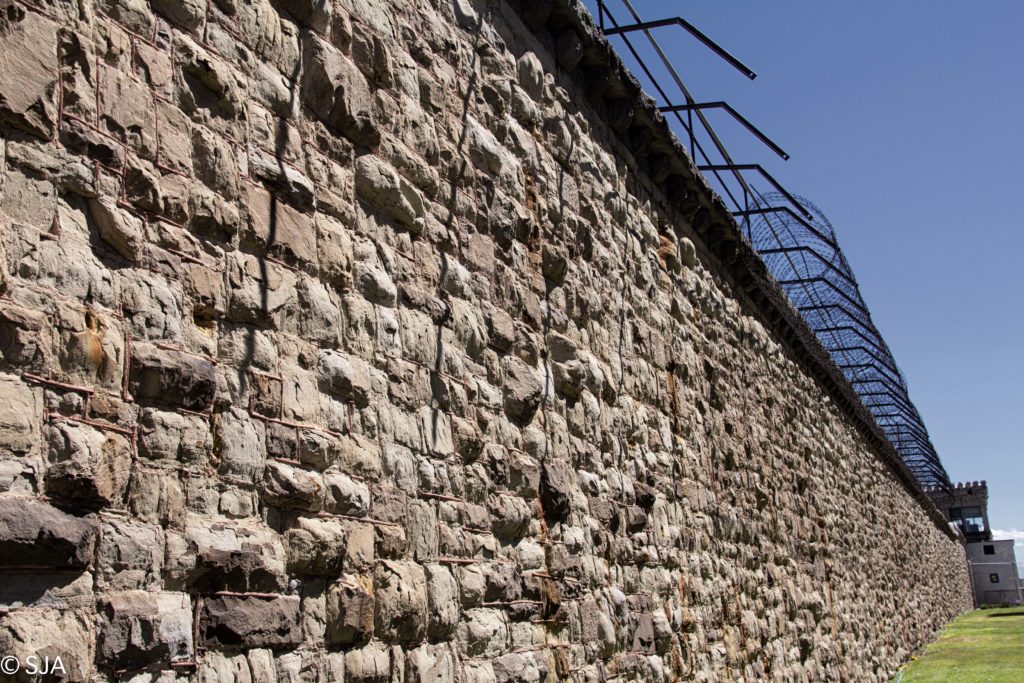
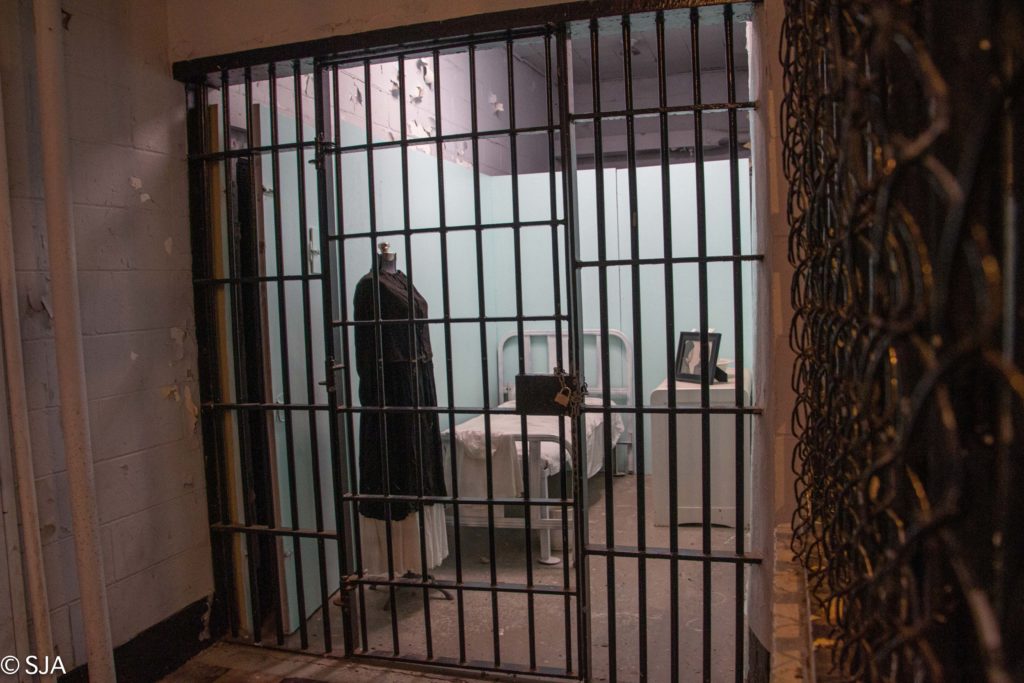
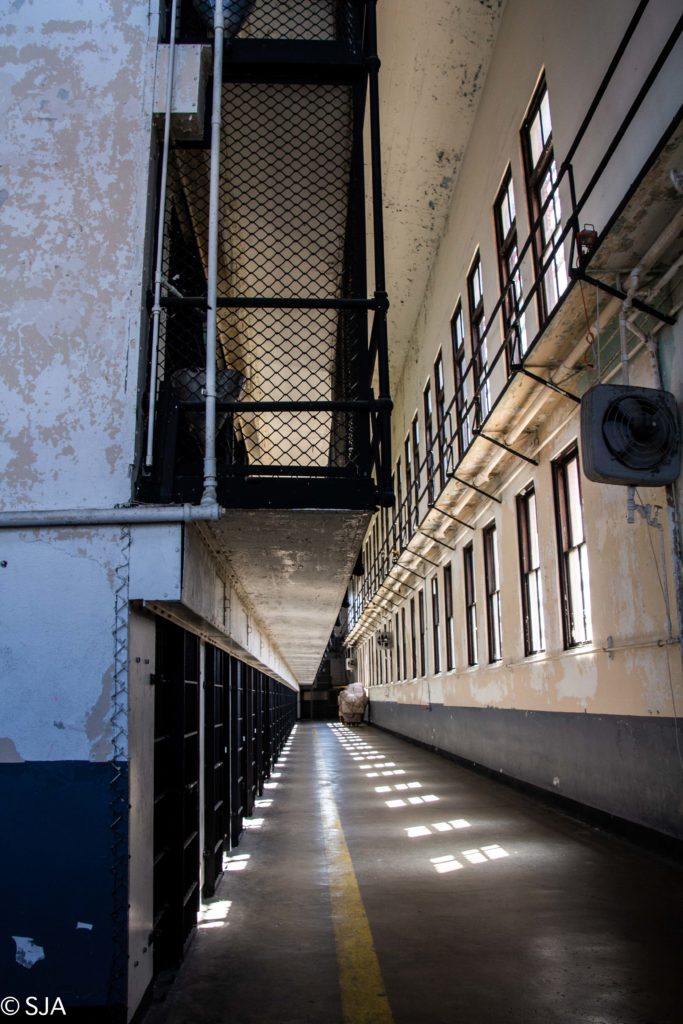
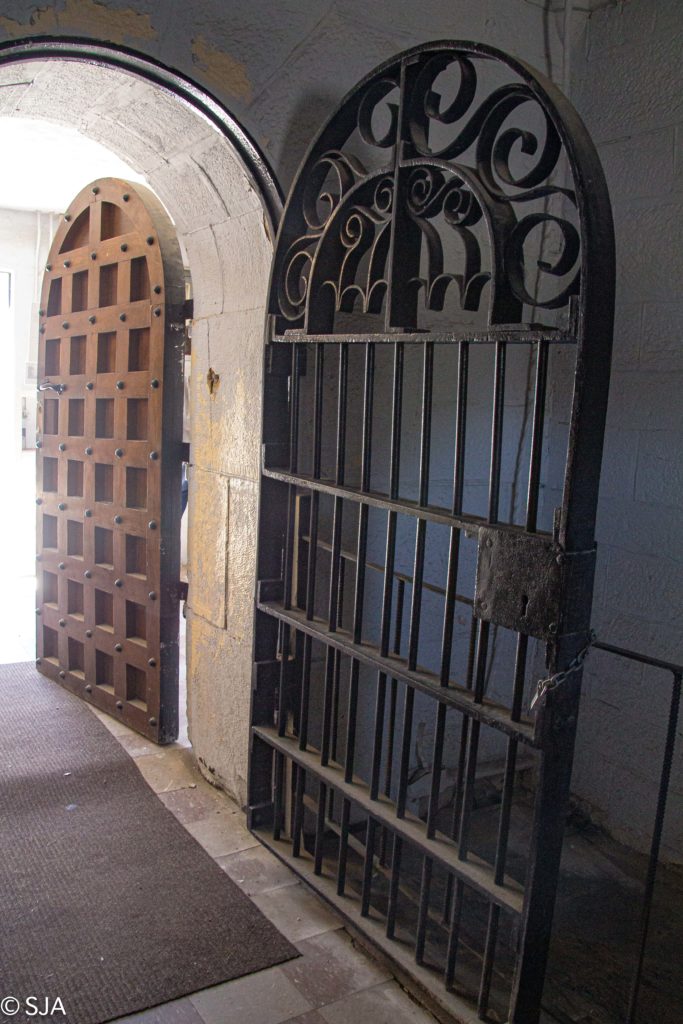
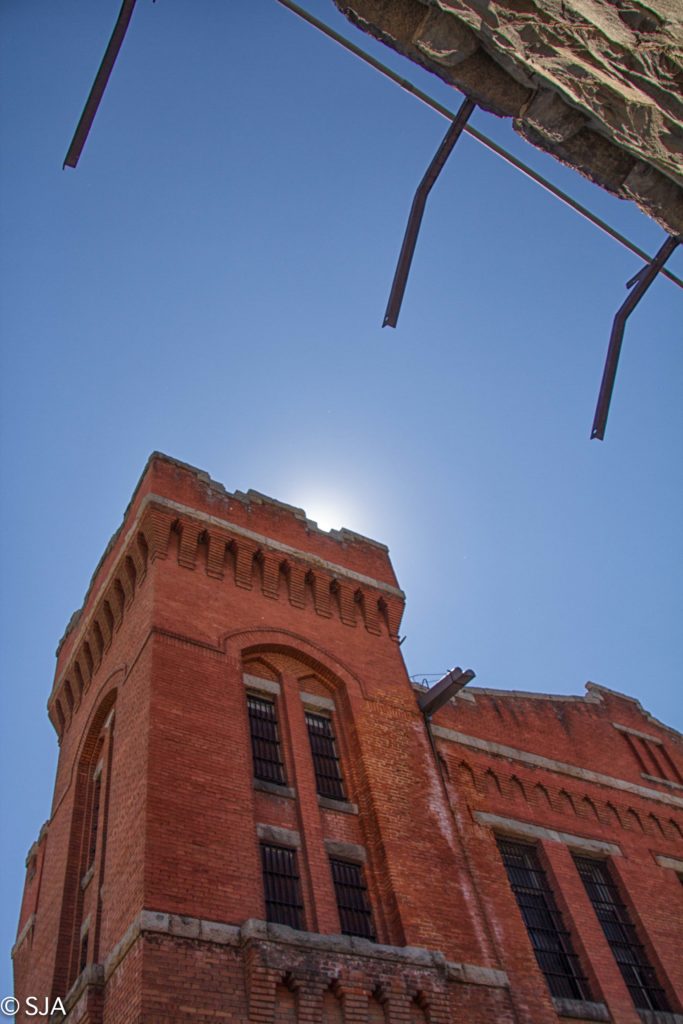
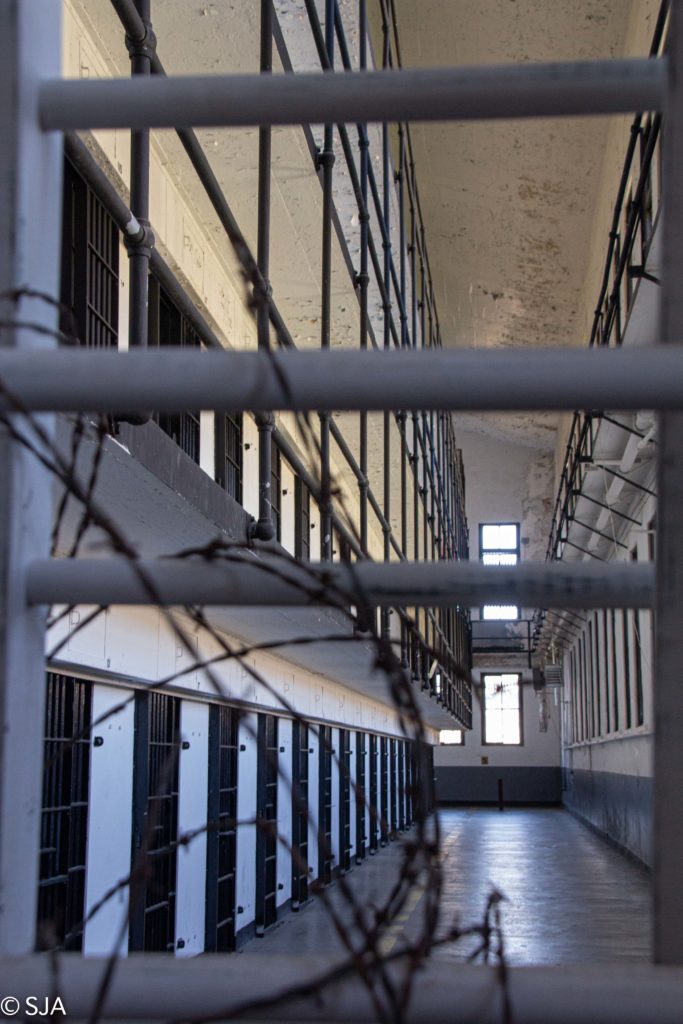
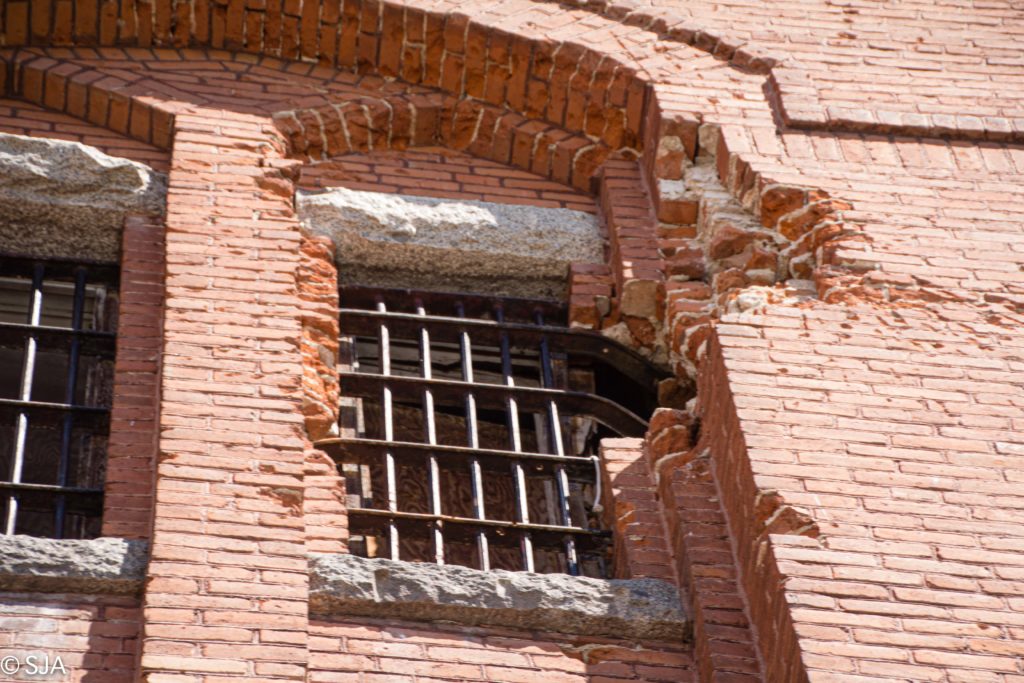
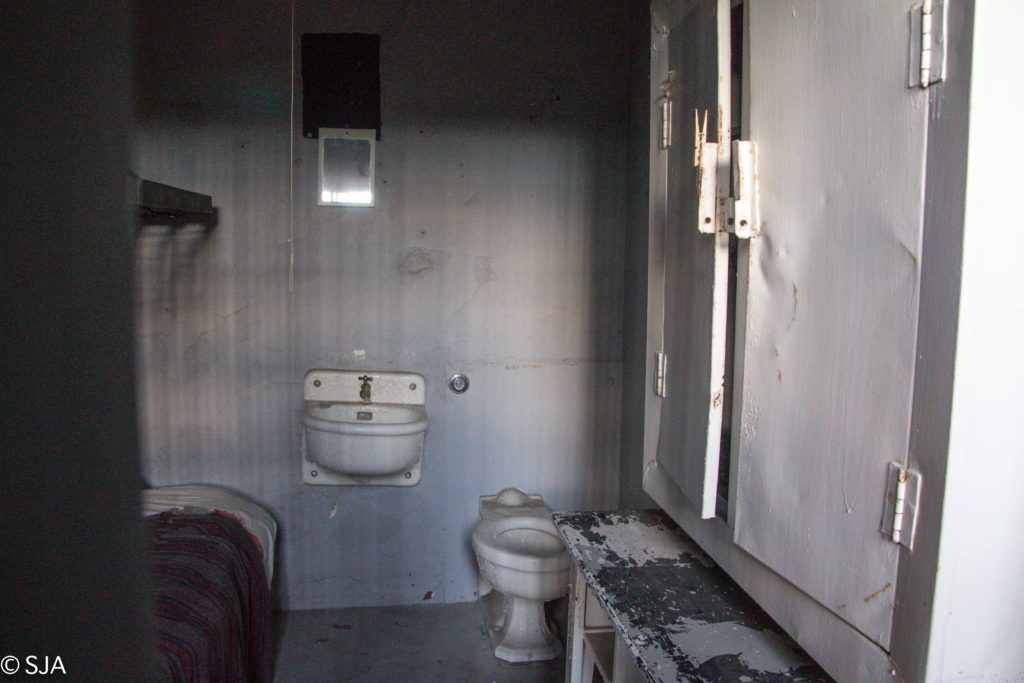
Unmanned stone turrets stood like silent sentries at each corner of the stone barrier that encircled the prison walls. Foreboding formidable buildings bore the battle scars of shattered bricks that threatened to fall to the ground. Remnants of the tails of sheets tied to prison bars hung from windows. Twisted wires with sharp barbs were wound around each other forming a tangled lethal web along the tops of fences and stone walls. An uneasiness crept from the dark recesses. Shadows’ bony fingers motioned for us as we walked inside. Just being behind thick doors and iron gates brought a sense of claustrophobia and uneasiness. Even though windows lined the outer walls of the large rooms, only a pinpoint of light seemed to penetrate the oppressive darkness. Every foot fall and whisper echoed from cold concrete floors and stony bare walls. Stepping into the women’s quarters sent a chill through my body. Relics inside the cells were reminders of those who once were locked within those stark walls. The unspeakable crimes of the women who resided there were rarely matched by any of the men who lived beyond in the other quarters.
inside the women’s quarters
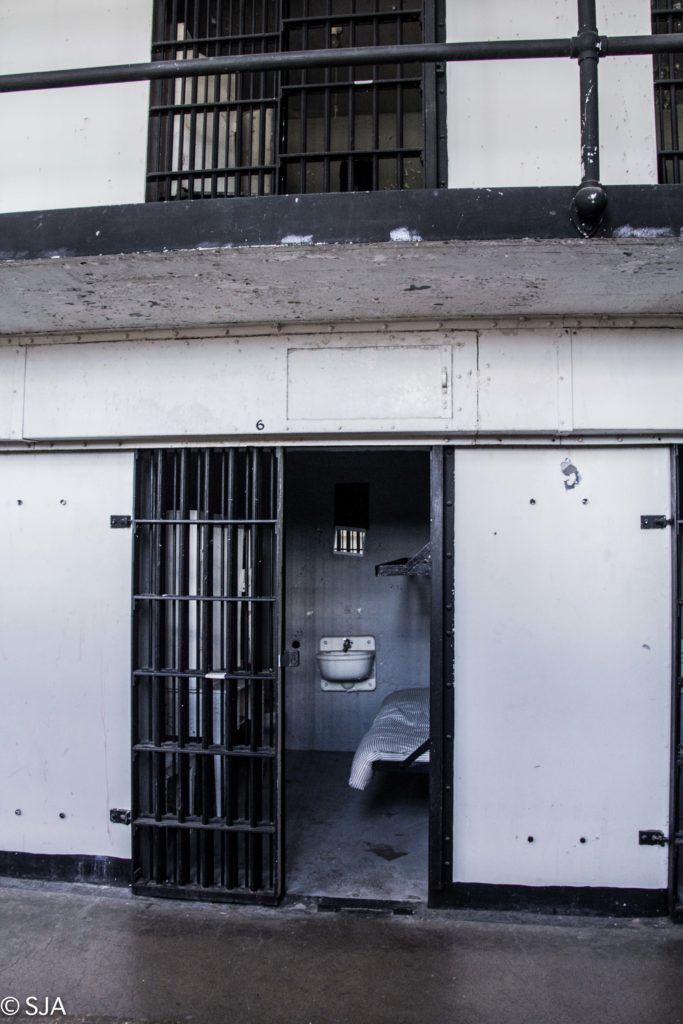
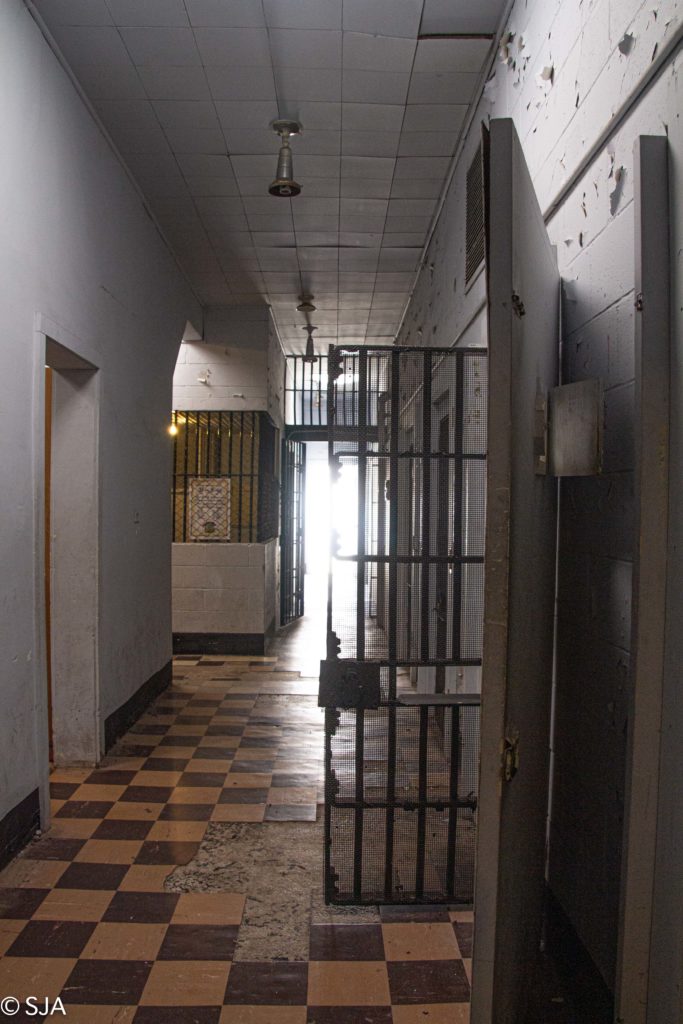
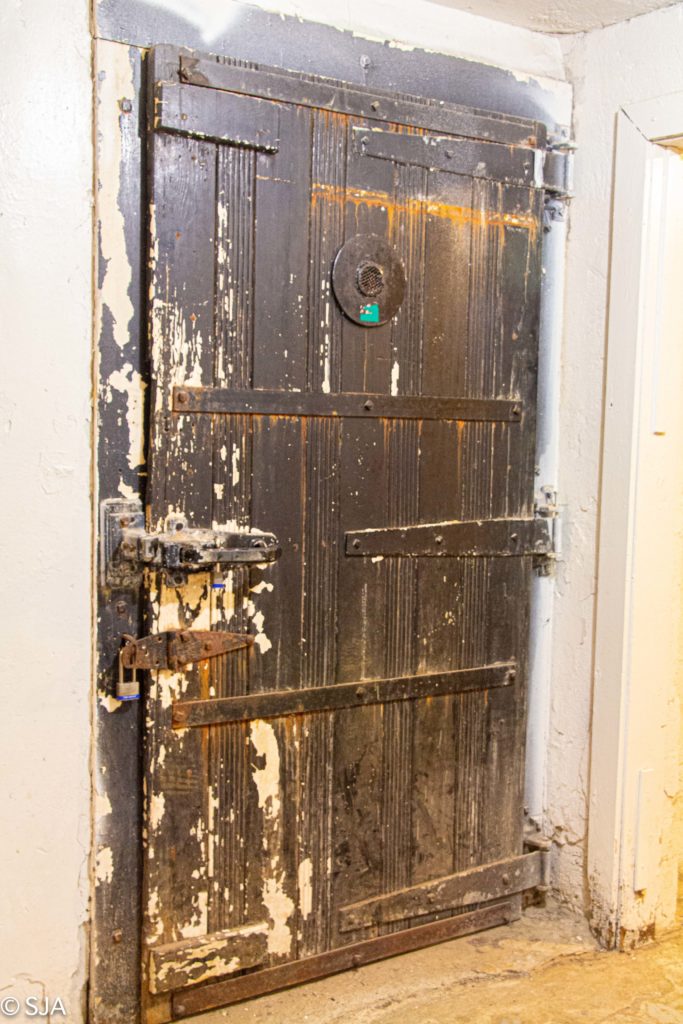
The walls began to close in around me. The hallways seemed to narrow and pulse as we went further into the heart of the prison. Nothing was able to penetrate the thick stagnant stifling air that got heavier by the minute. Open cell doors gave evidence of those who were once housed behind locked bars. There was a presence of restless invisible eyes of ghosts lingering, staring from dark corners or peering from under empty cots. Signs along the way recounted the horrific crimes of many of the inhabitants. It’s no wonder the restlessness of evil lurked there in the black retreats.
Mel Jowell lived here once, twice, three, four times. He killed Deputy Sheriff Joseph Brannin in 1911 on the dusty streets of Melville, Montana. Horse stealing, thievery, prison breaks, murder and evading capture were among other offenses. He skirted the law, managed to escape and lived the remainder of his days outside prison bars. I cannot say if he was tormented by ghosts of his past or if his soul found peace in life and in death.
Stepping into the prison yard, a rush of air filled my lungs. The day was bright with blue sky and fluffy white clouds. A soft breeze was interrupted with whispers that seemed to echo within the prison yard. Reminders of evil lurked in the shadows that moved along the ground. I turned and walked out the stone gate breaking free of the oppression that clung to me and tried to hold me captive. The breeze chased away the stagnant air. The light of day grew brighter as we drove away.
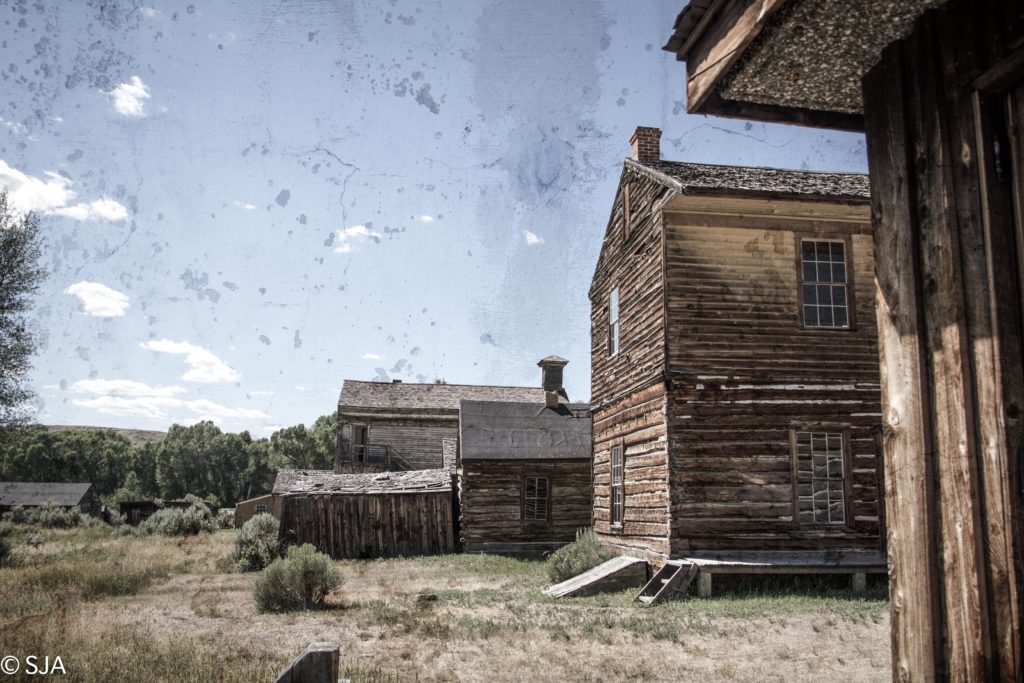
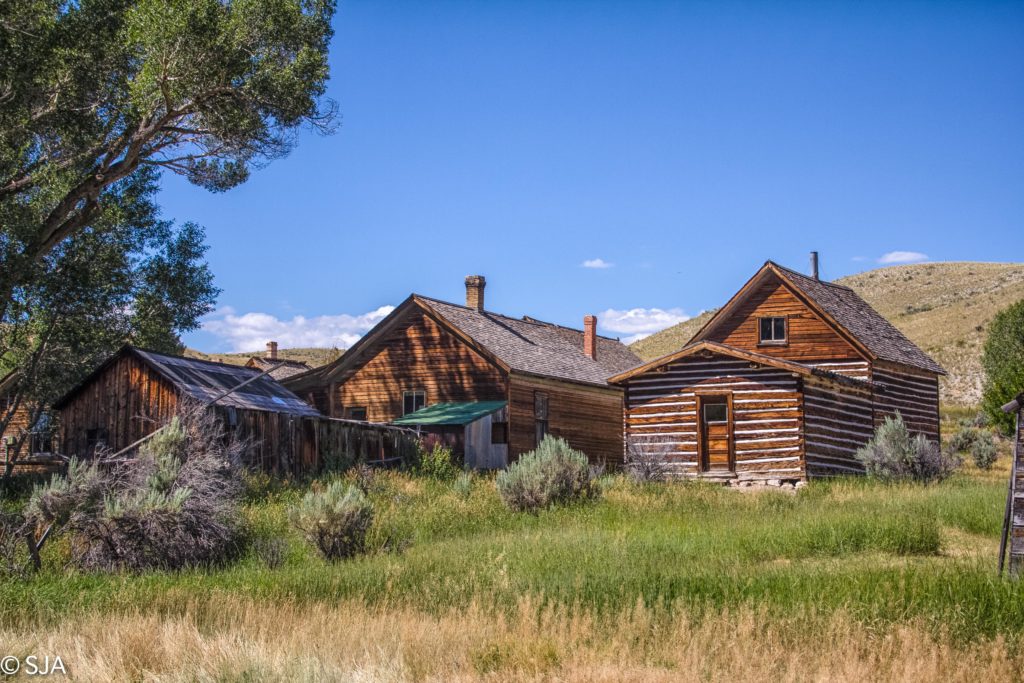
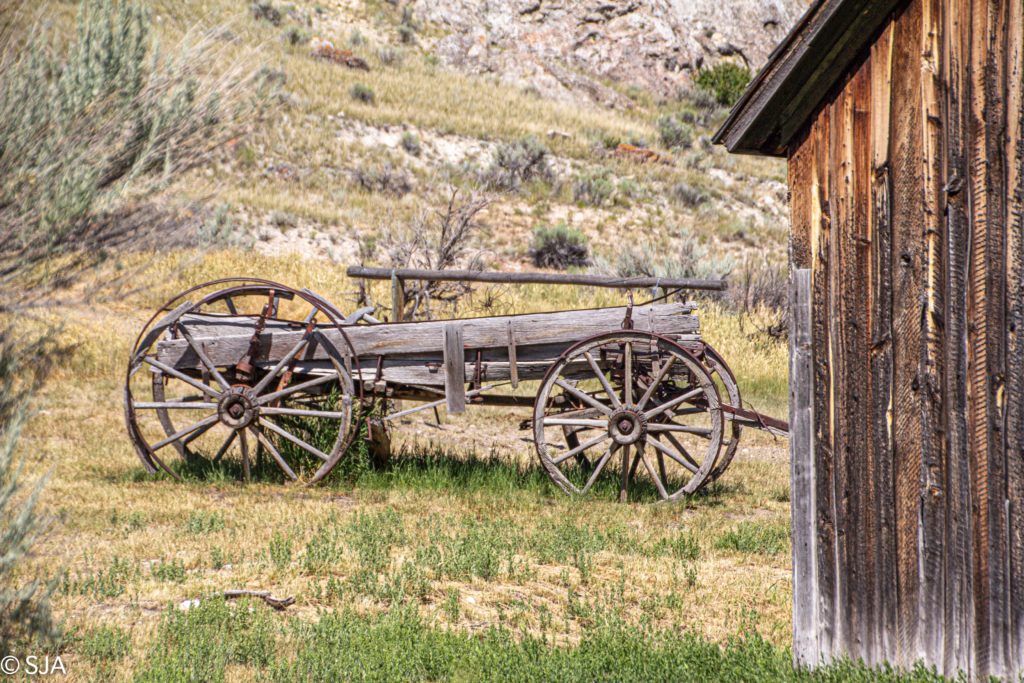
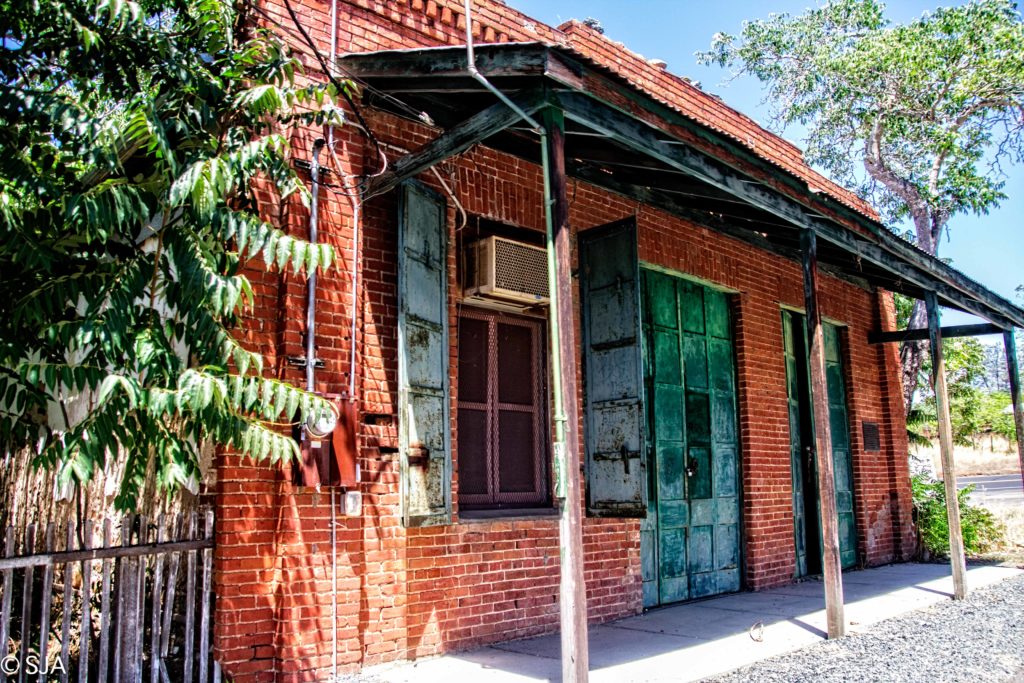
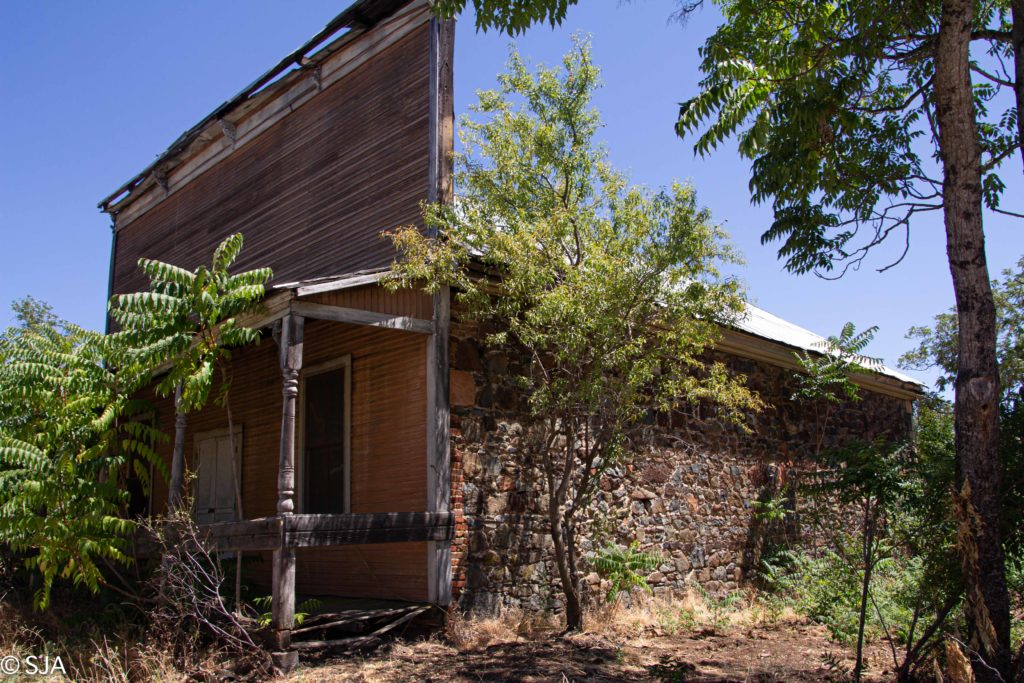
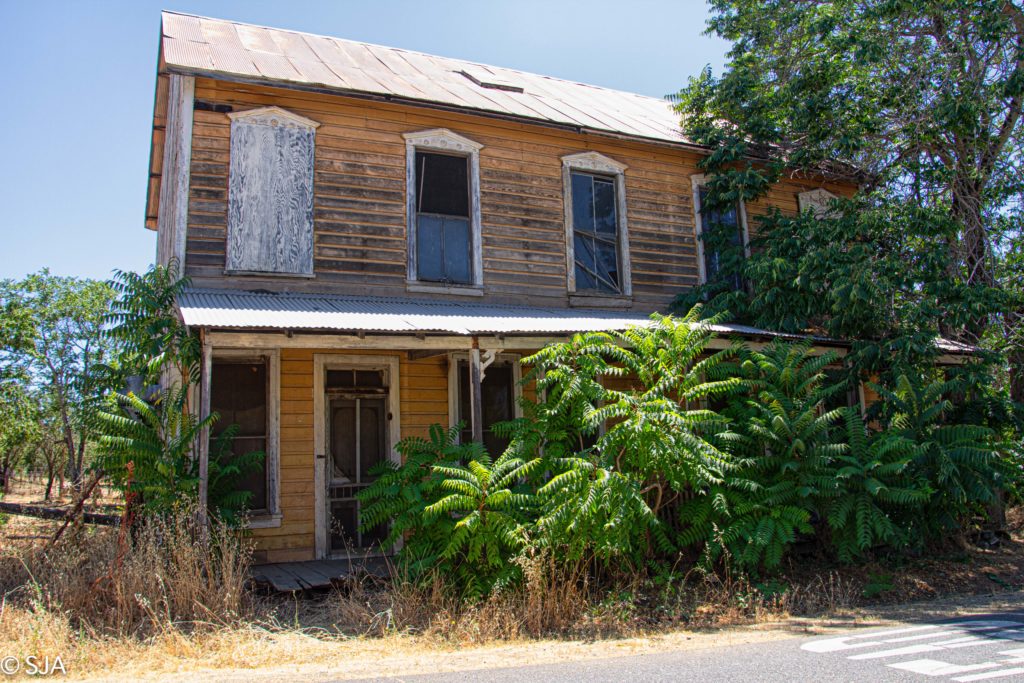
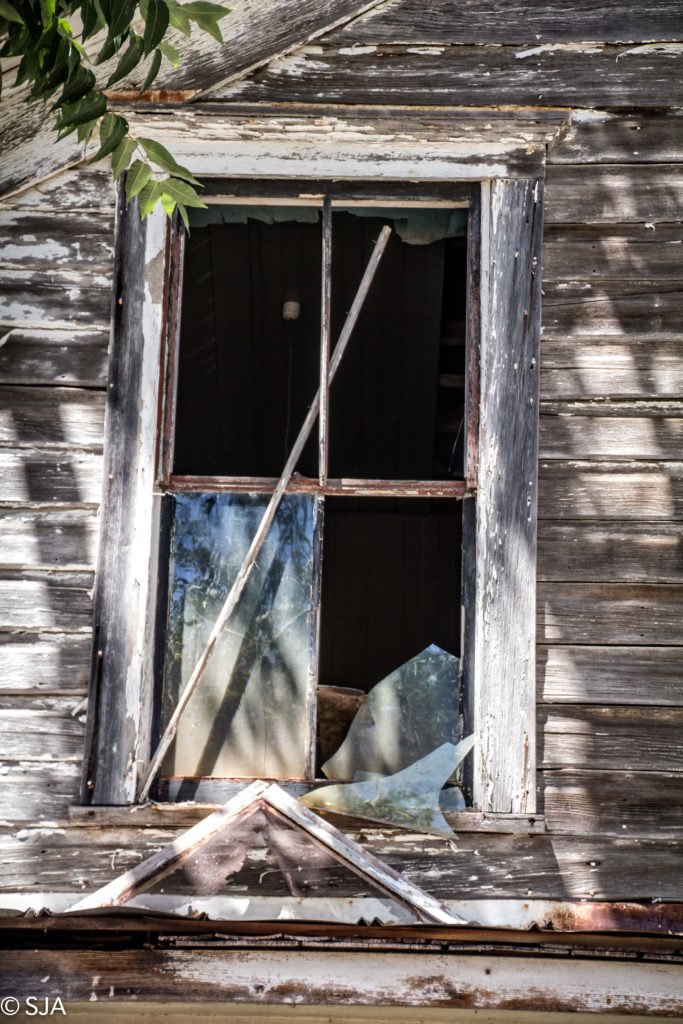
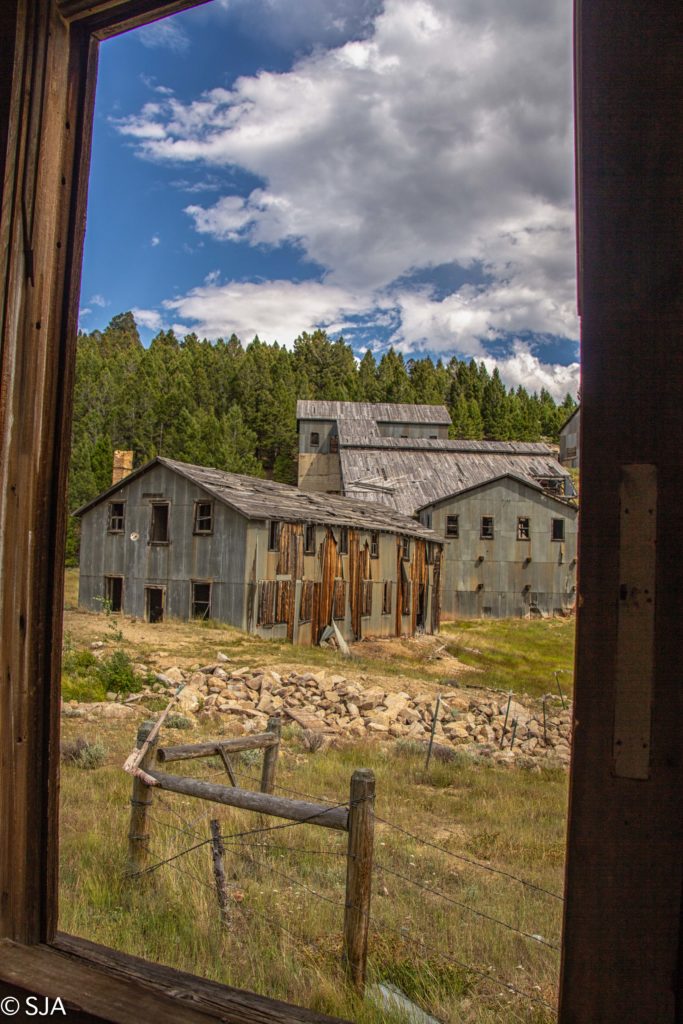
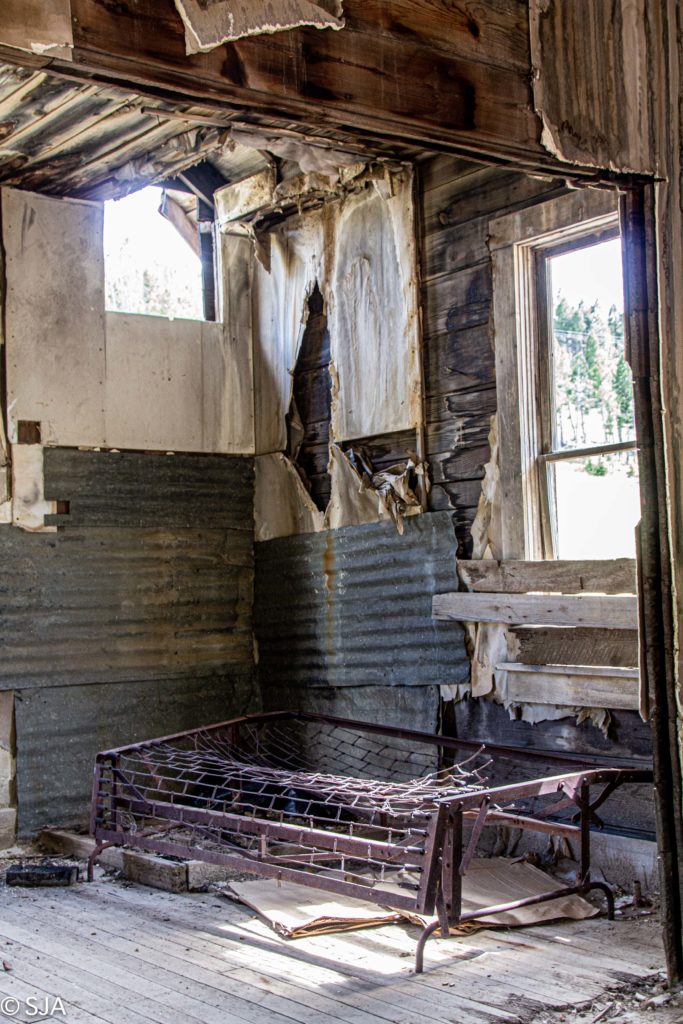
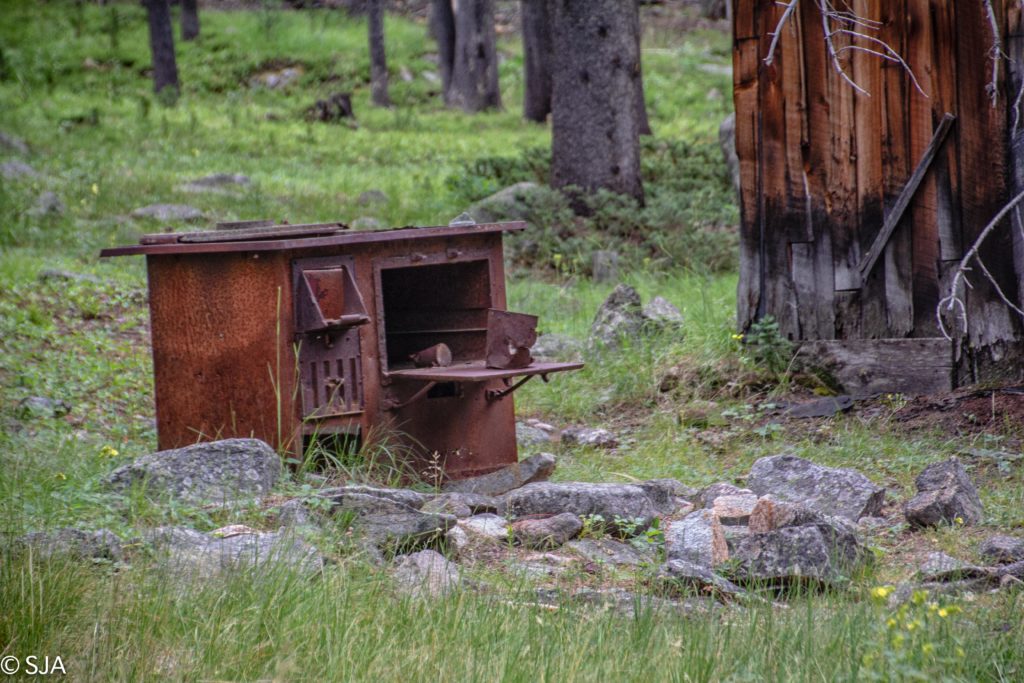
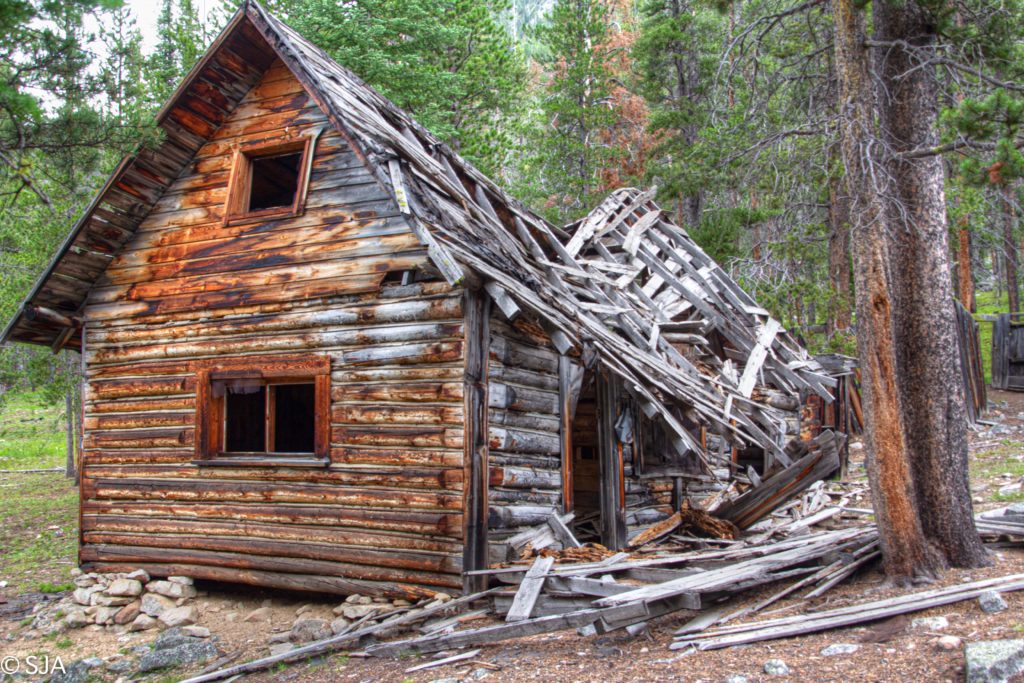
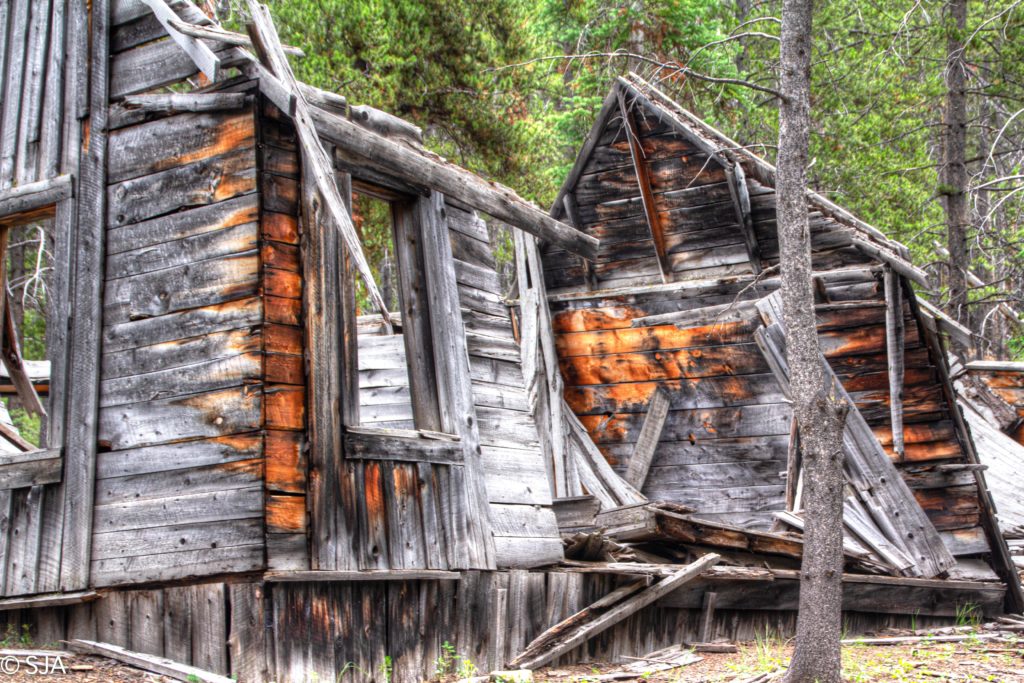
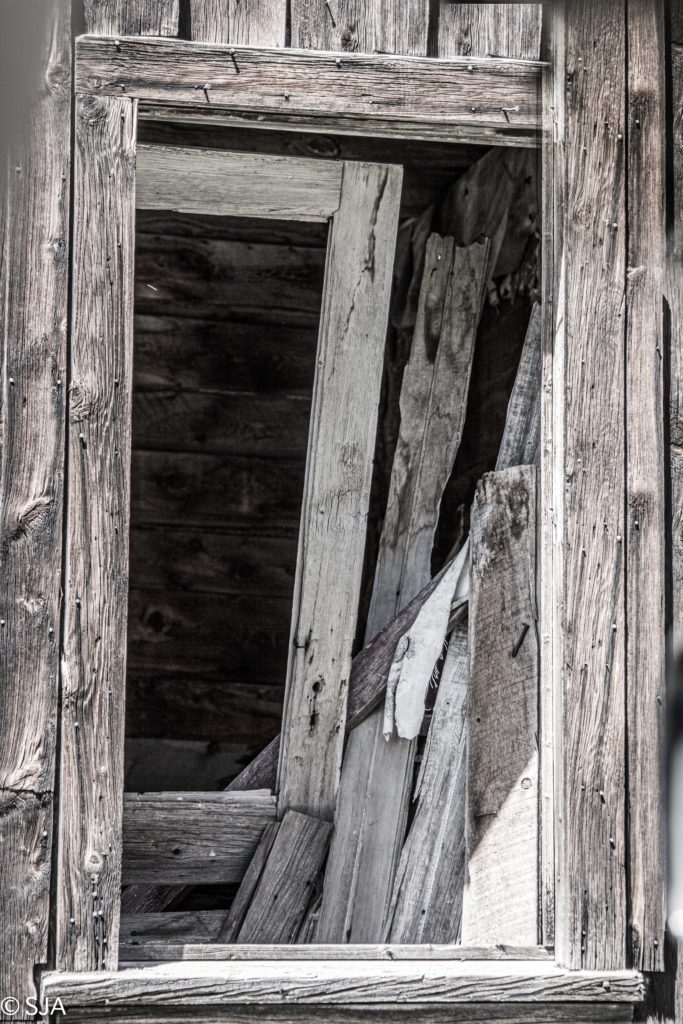
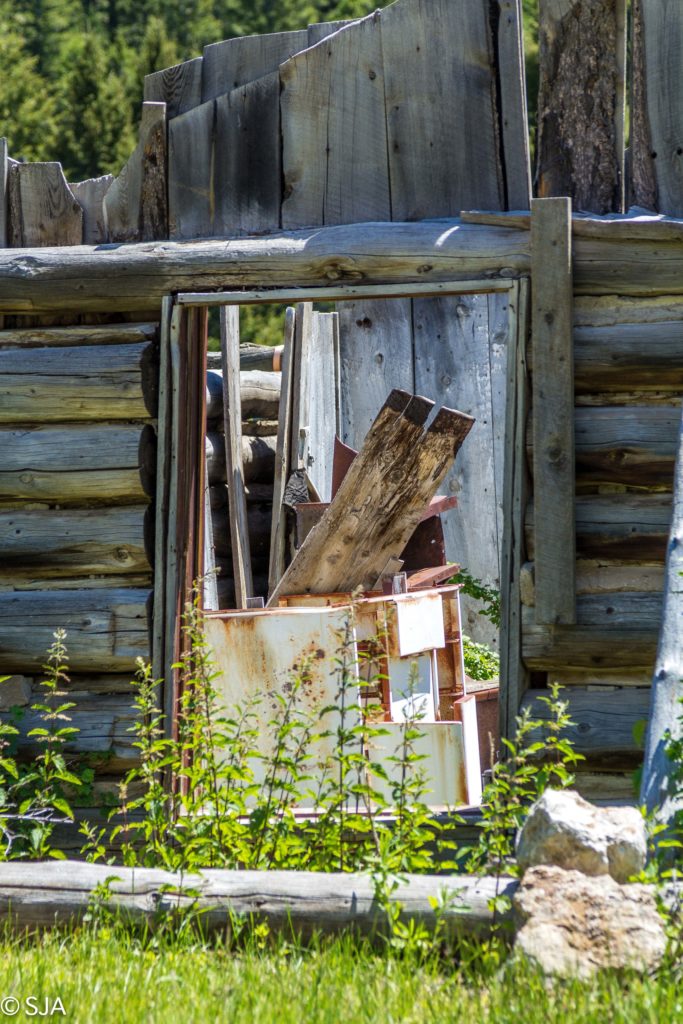
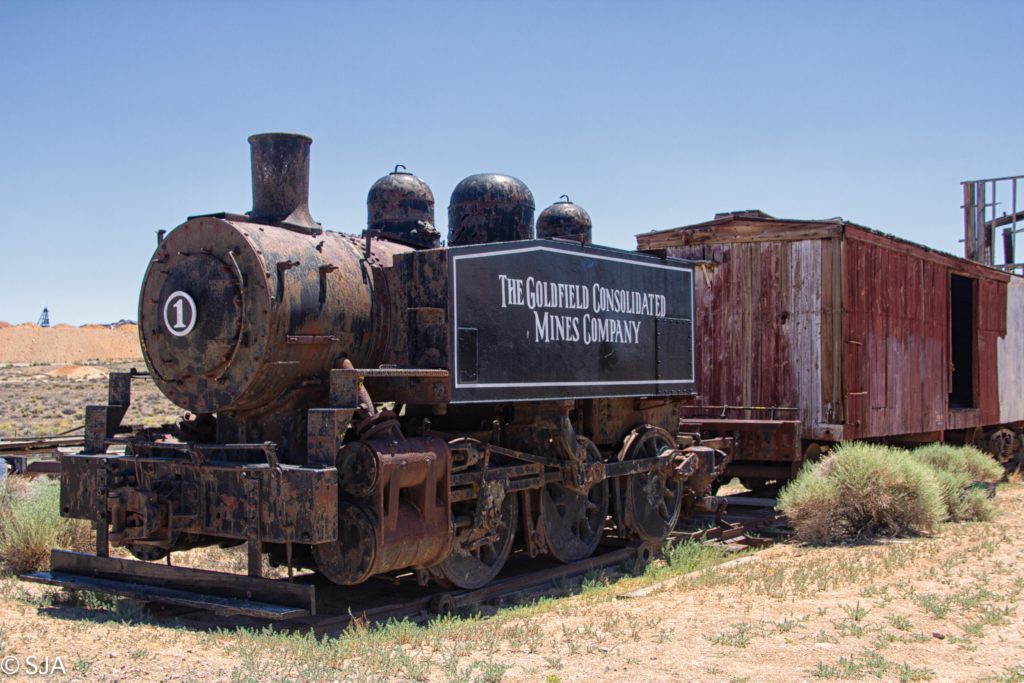
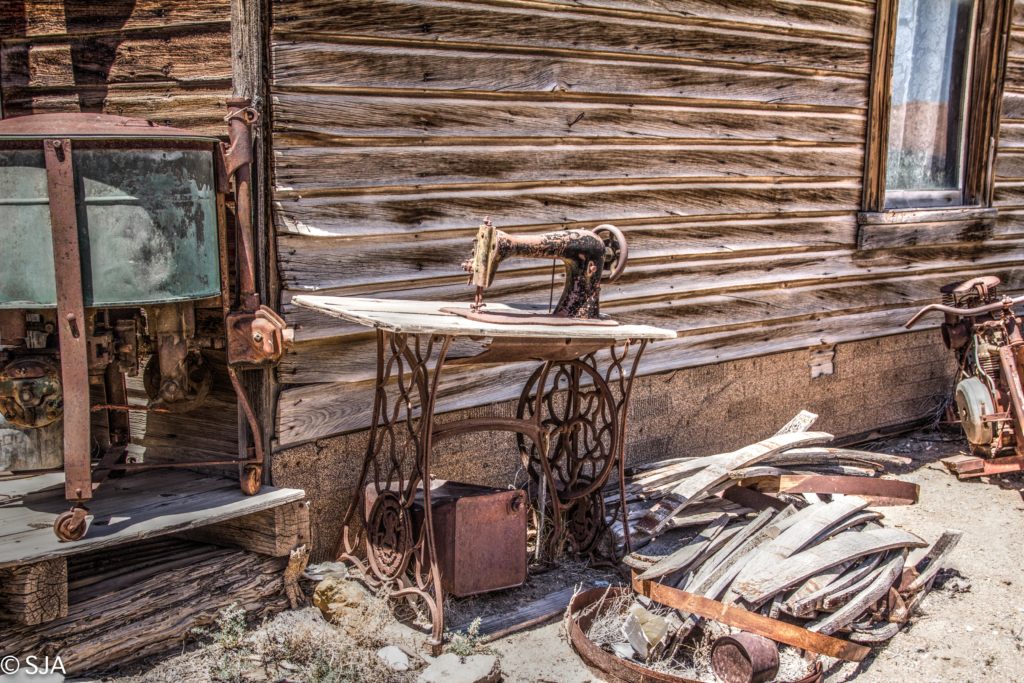
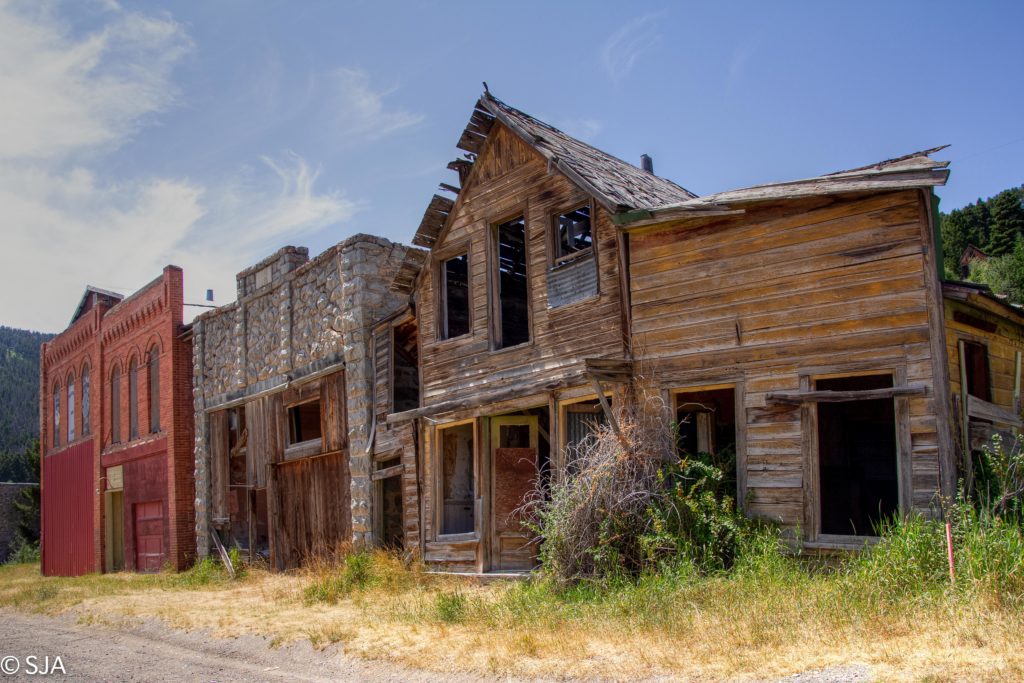
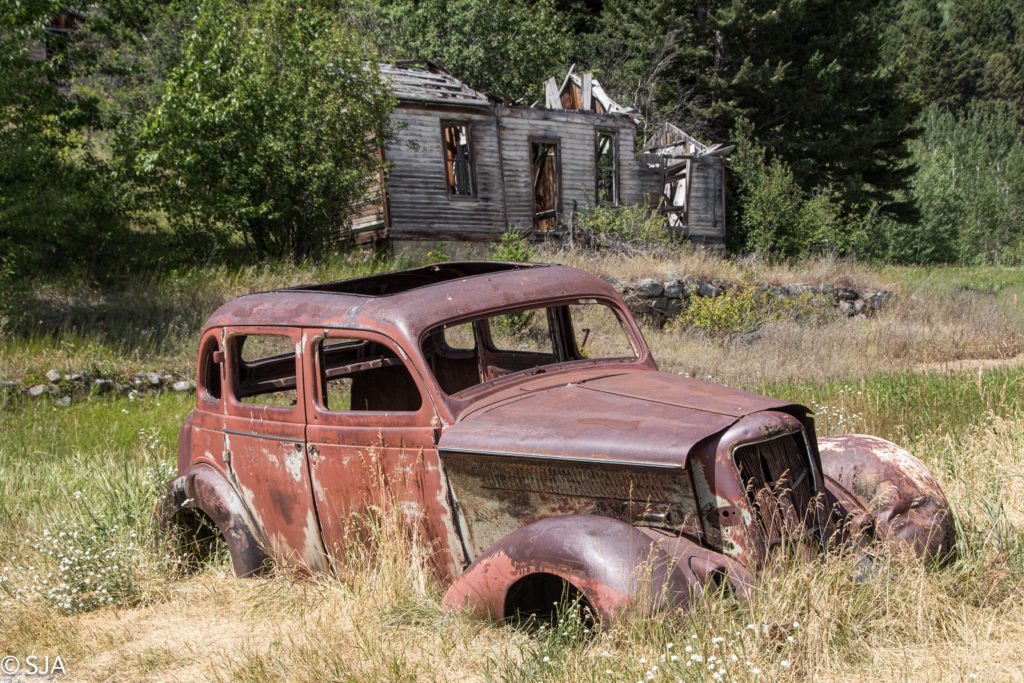
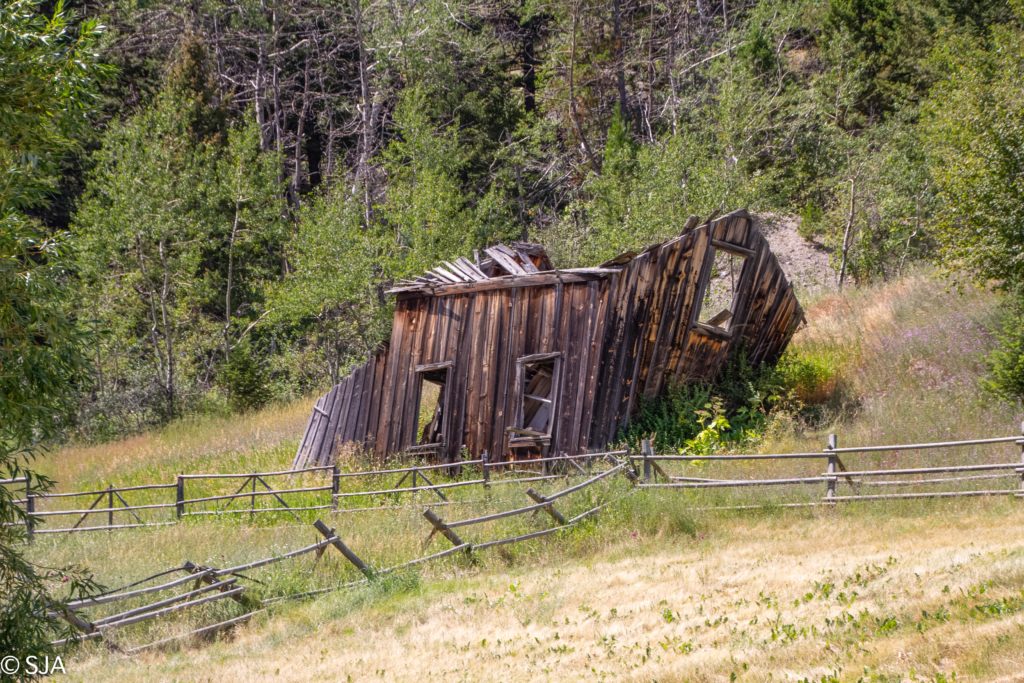
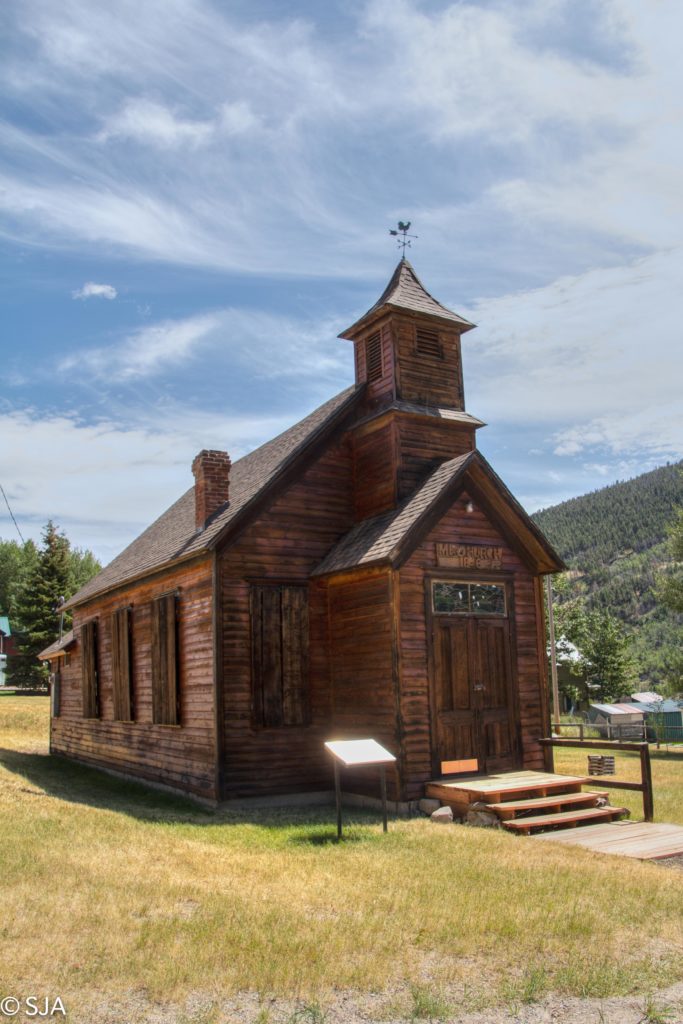
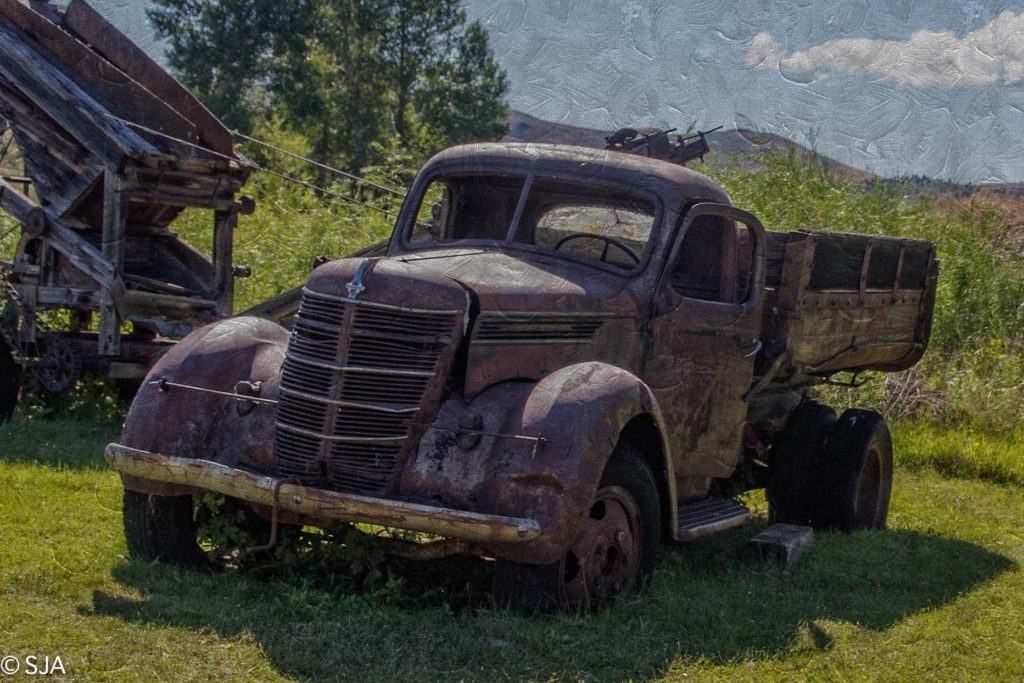
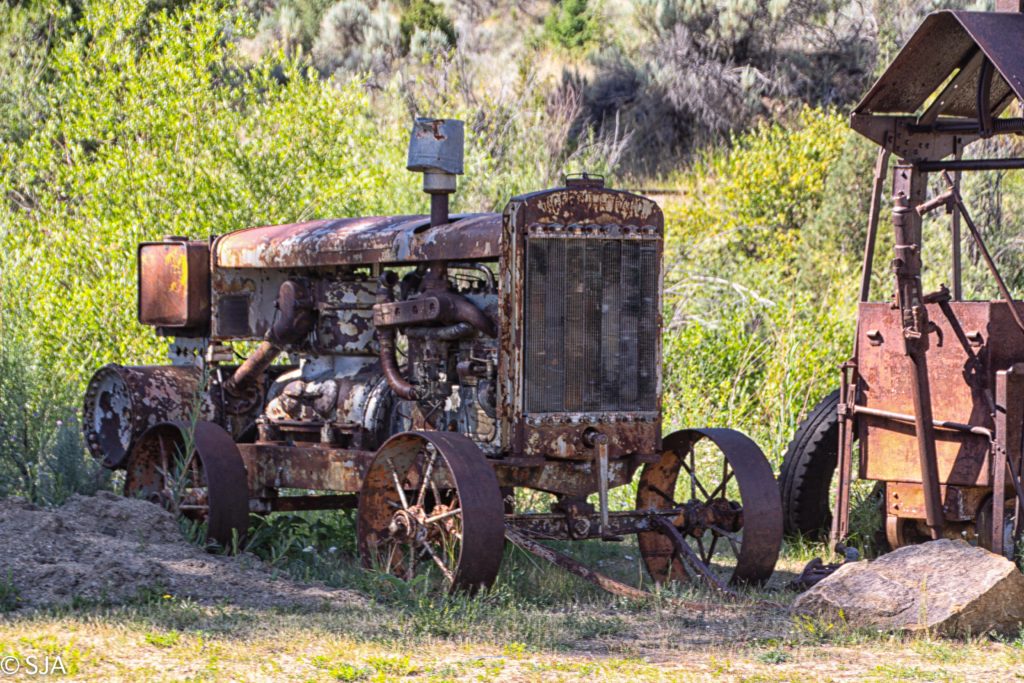
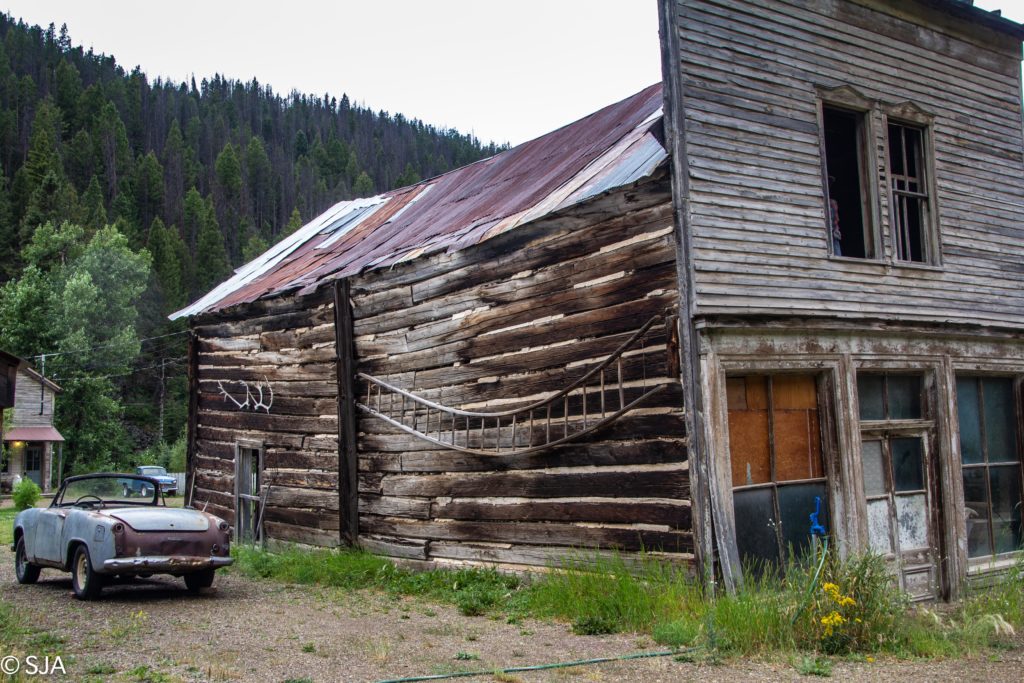
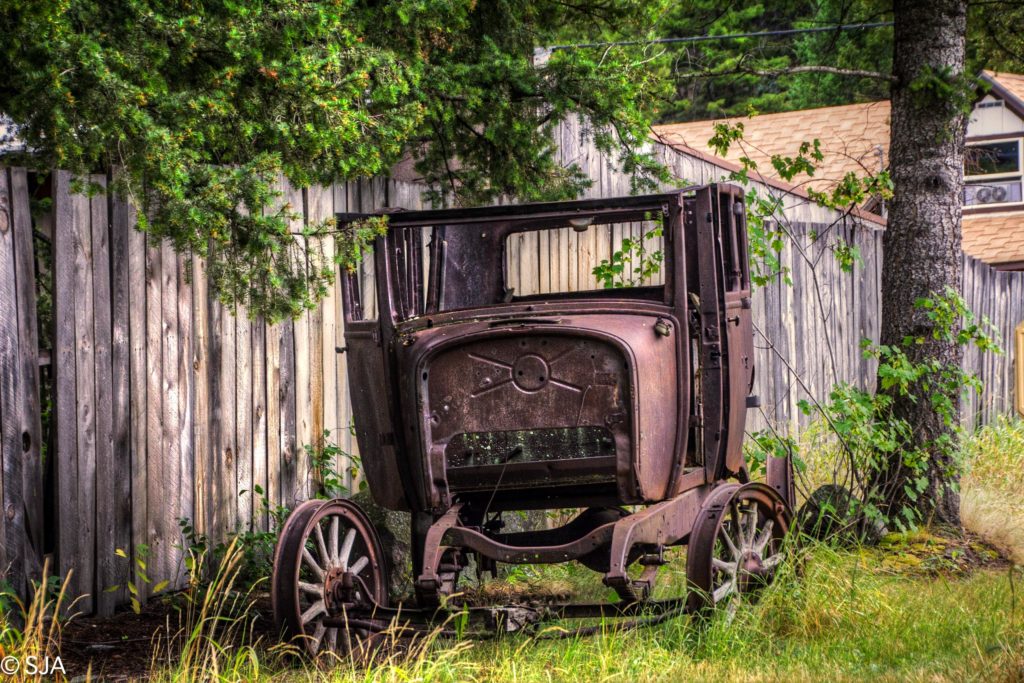
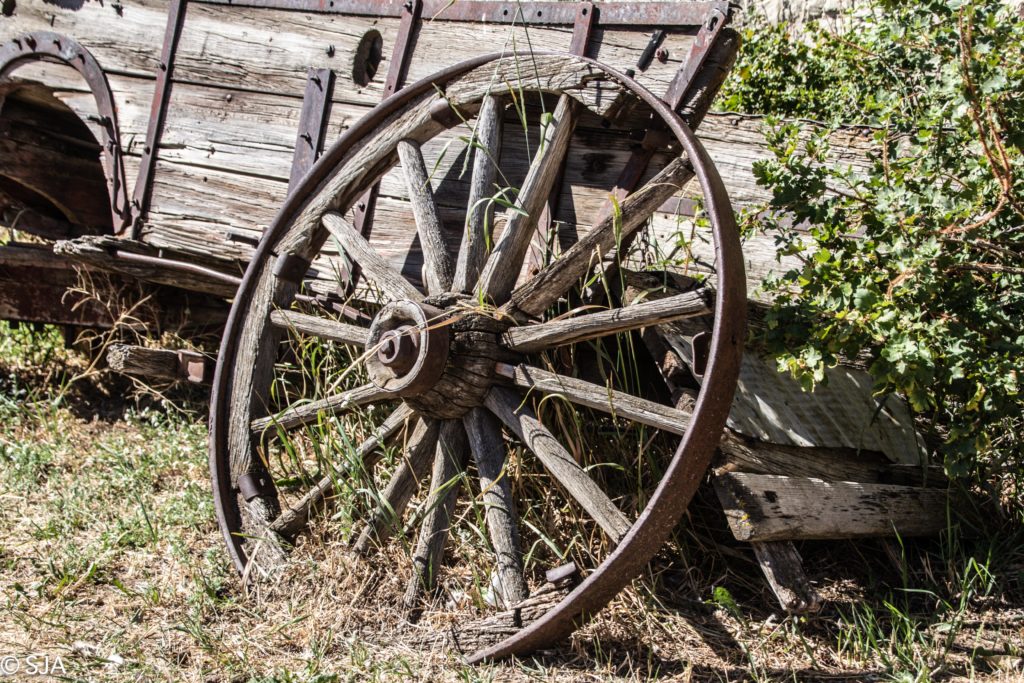
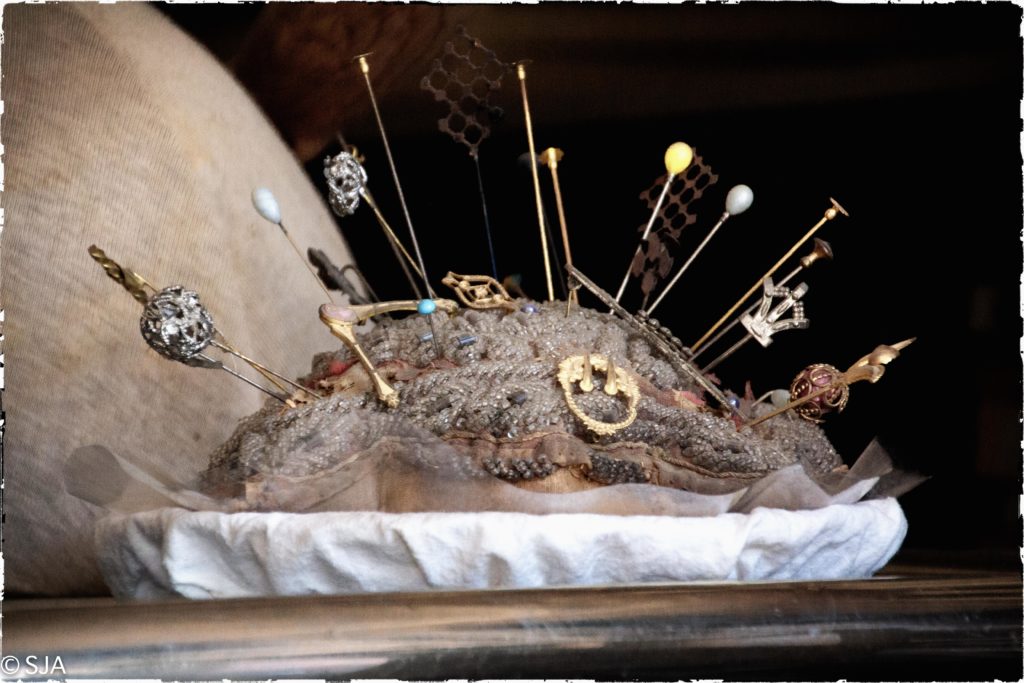
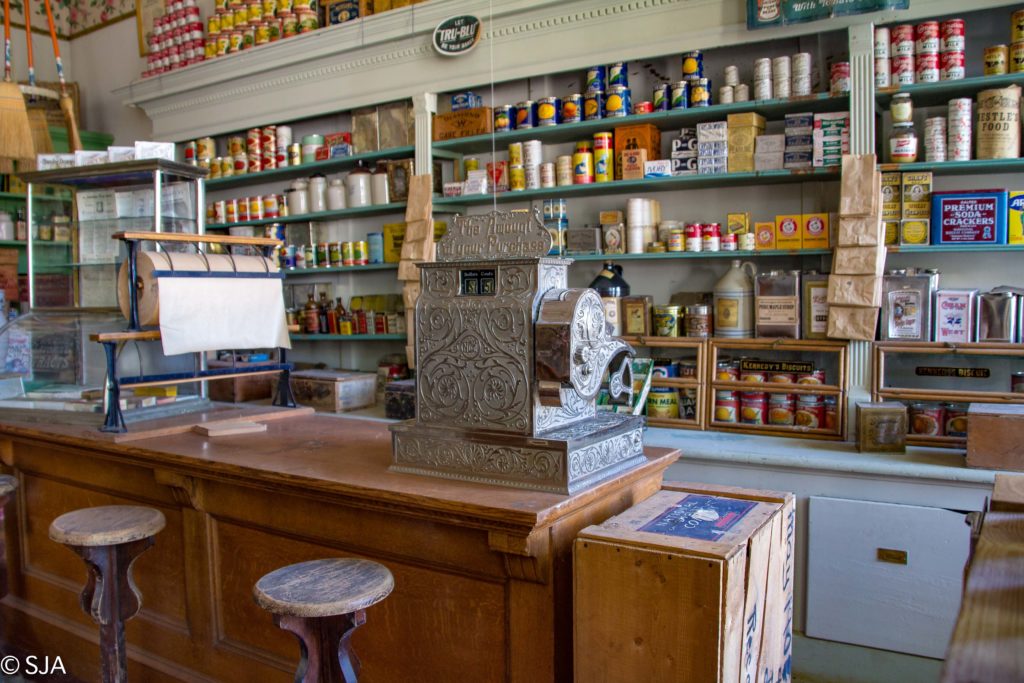
Ghost Towns and other abandoned places are fascinating pieces of our history. Little towns that sprang up overnight were often short lived due to economic pressures, disasters, mine closures, disuse of railroads or lawlessness. Towns were deserted as many inhabitants left with only what would fit in their wagons. The remains left behind have tales of their own.
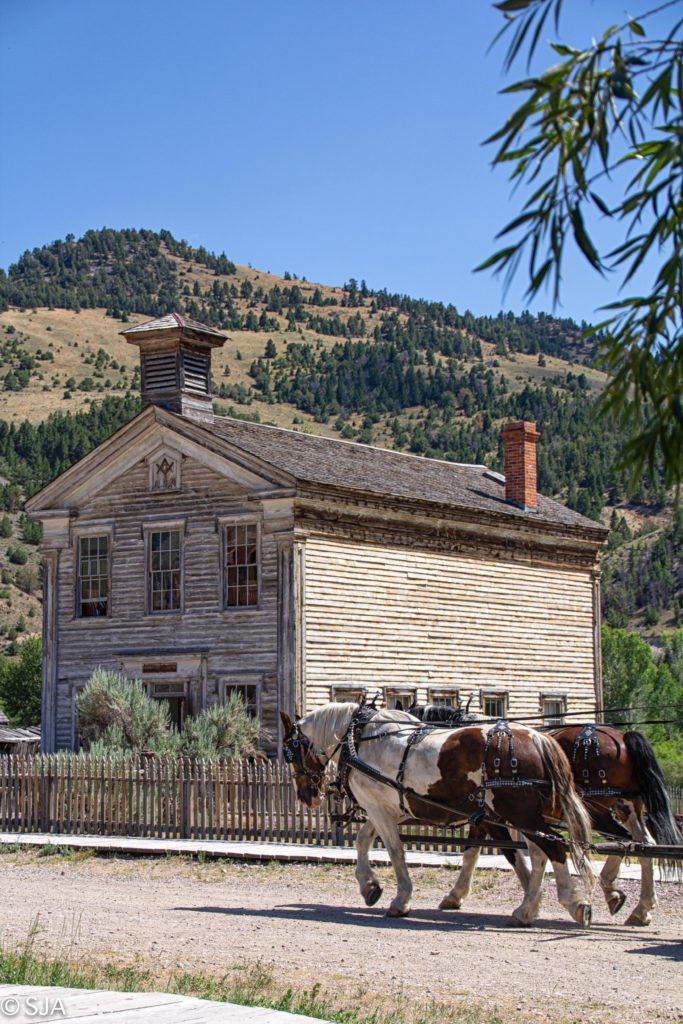
Bannack, Montana was donated to the state in 1954 with the stipulation that it remain a ghost town. Bannack was founded in 1862. The early town gained a reputation for lawlessness. In 1864, it was named the first Territorial Capital of Montana. Sixty historic structures remain standing in Bannack State Park.
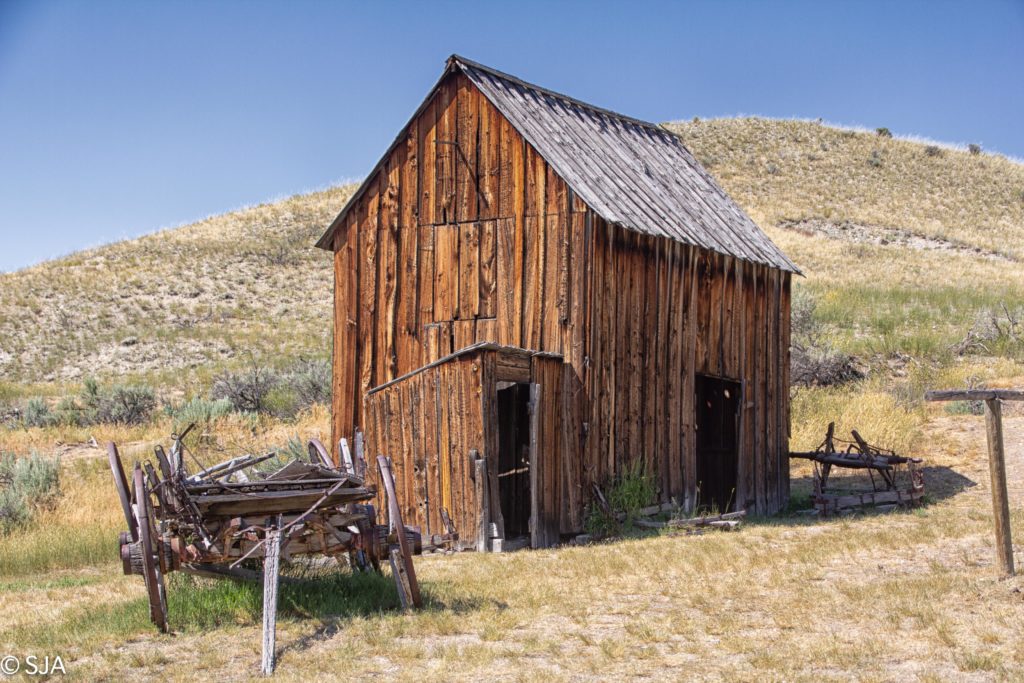
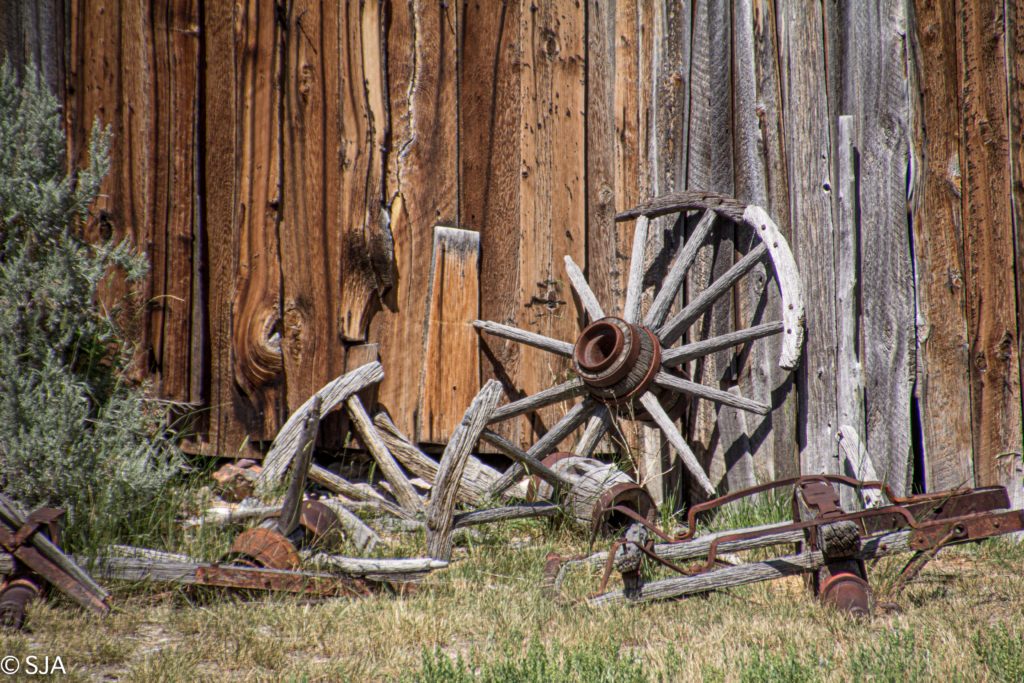
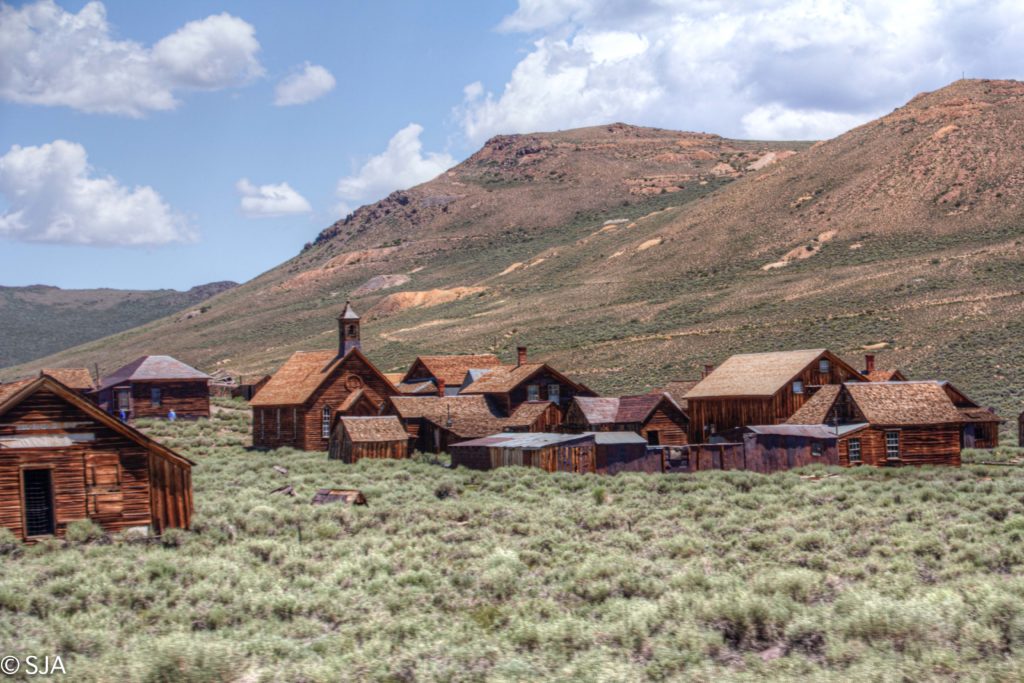
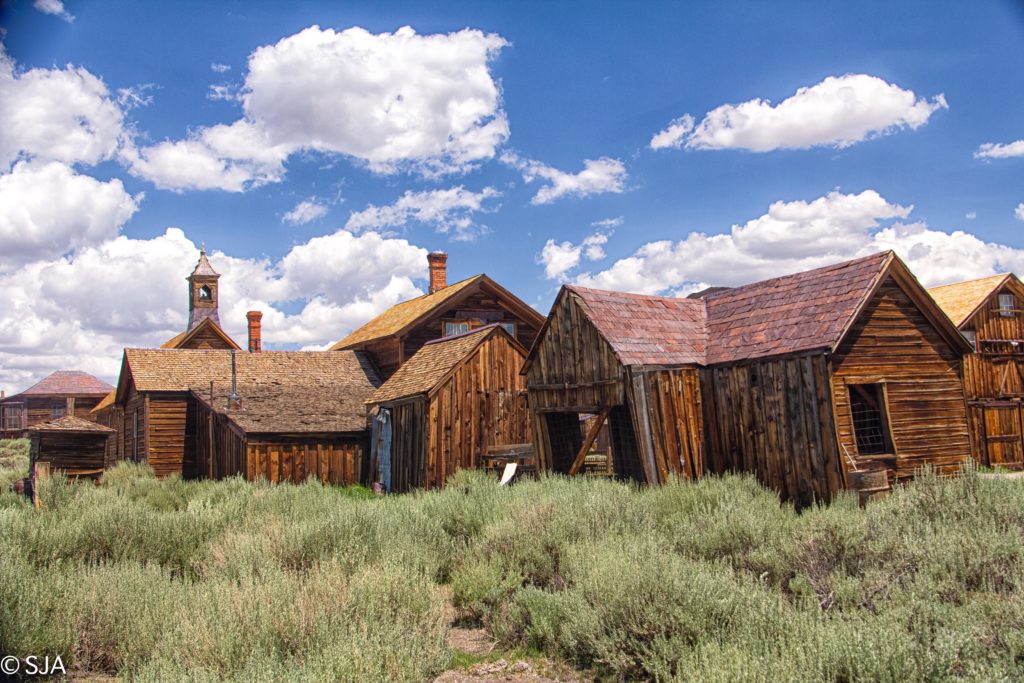
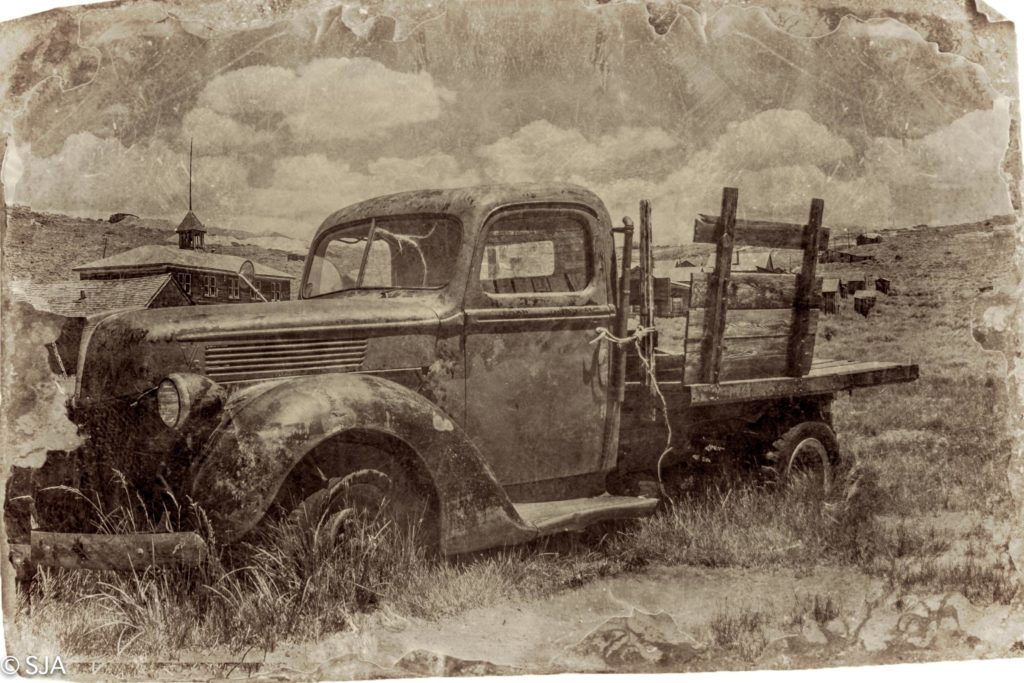
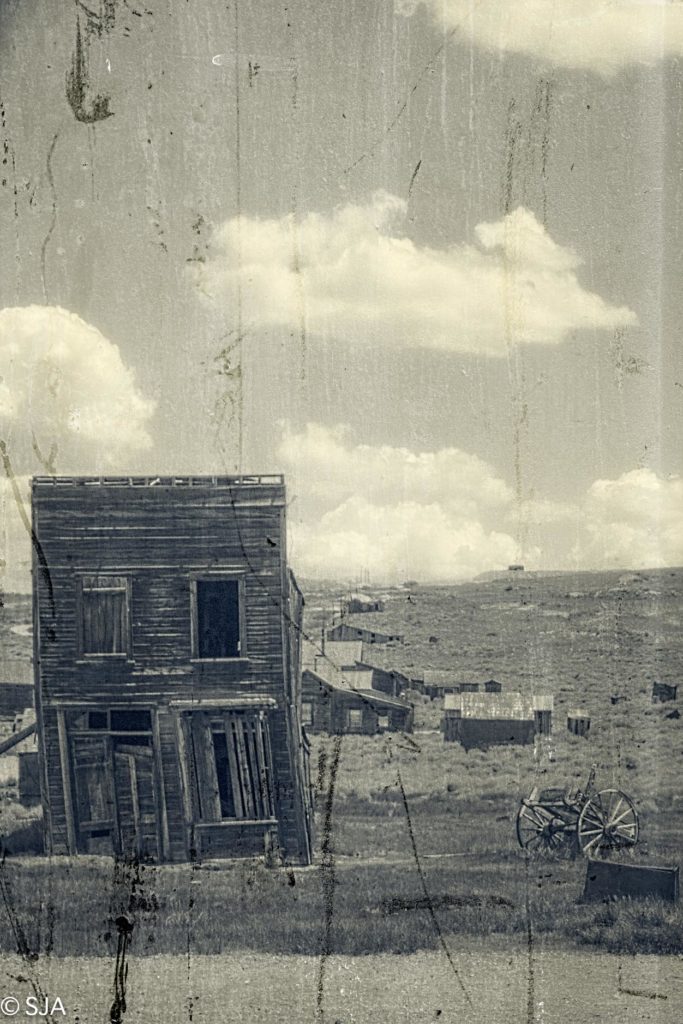
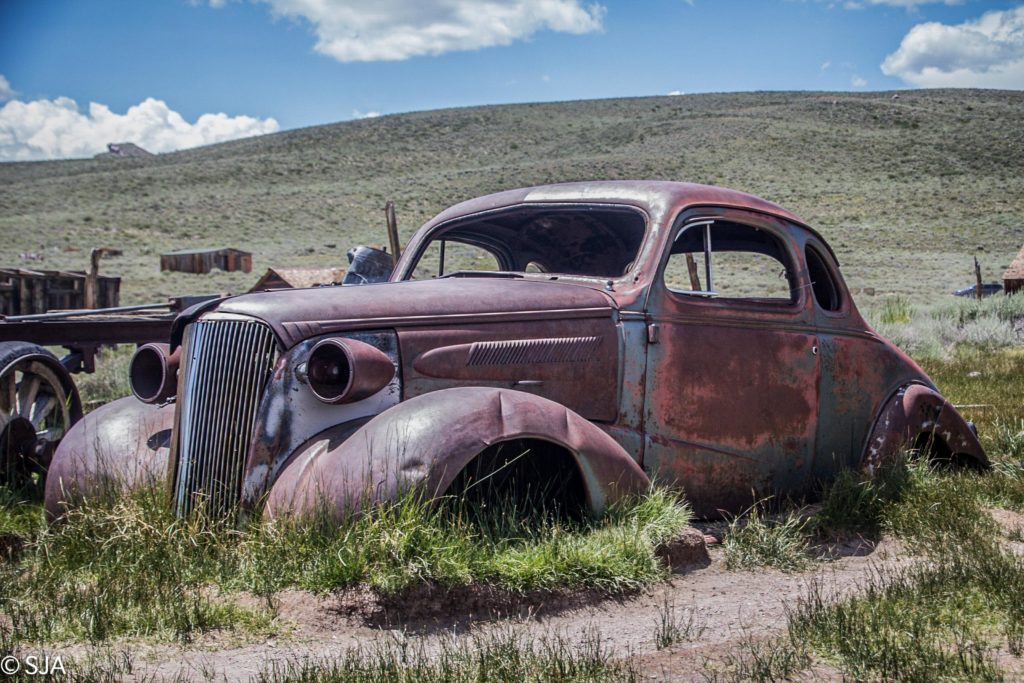
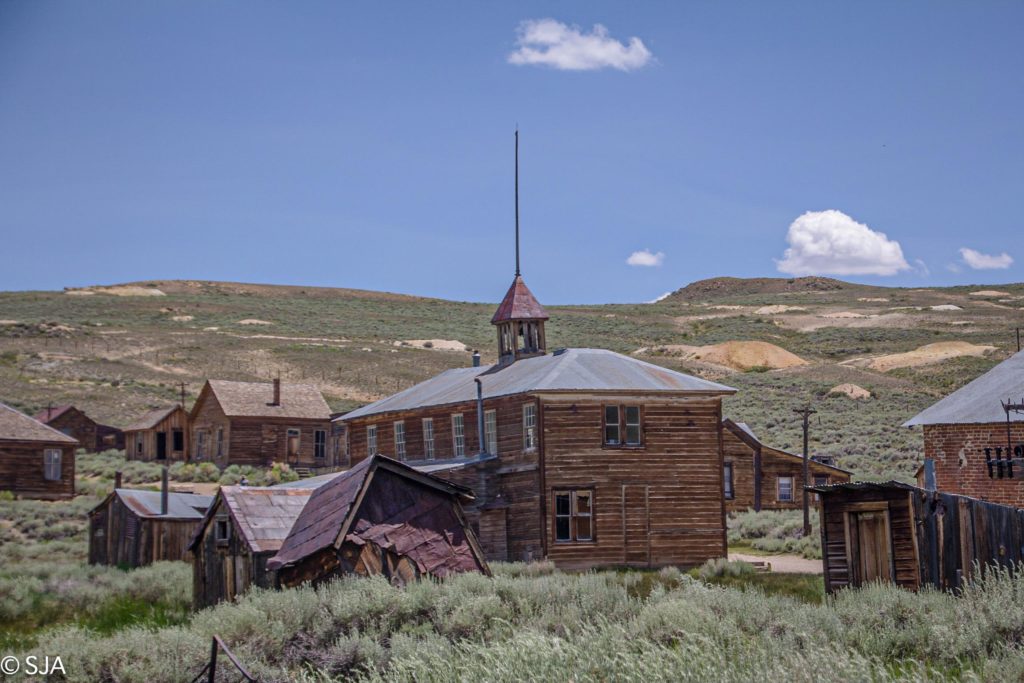
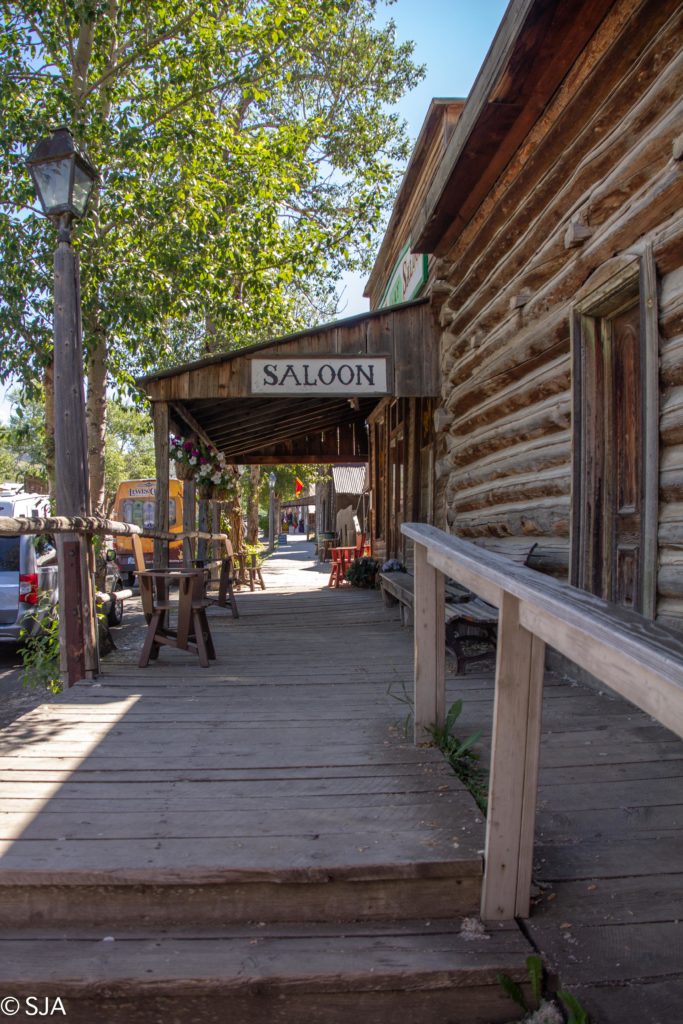
Bodie, California became a State Historic Park in 1962. The town is maintained just as it was found when the State took over the town. Gold was discovered in 1859 by William Bodey. After a mill was established in 1861, the town began to grow. At one time there were 65 saloons in town. Bodie was first on my list of ghost towns to visit.
Chinese Camp, California is mostly a ghost town. It is known for the Tong wars that pitted members of rival clans in 1856. The battles were fought with pitchforks, rakes and other mining and farming tools. Americans and Europeans also populated the area. This town is on the Mark Twain Bret Harte Trail.
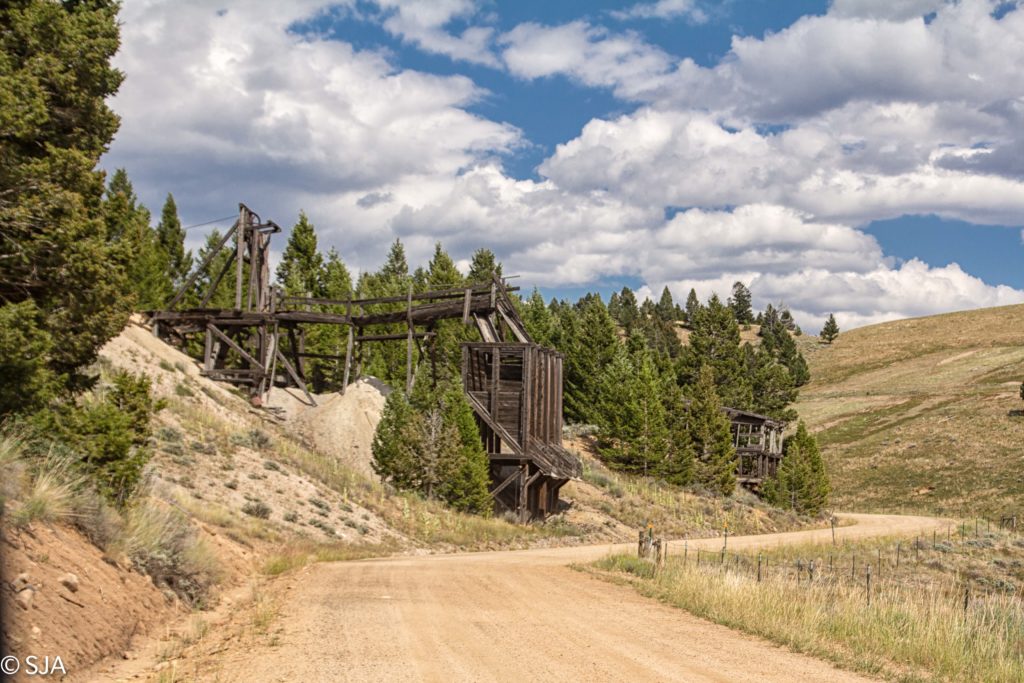
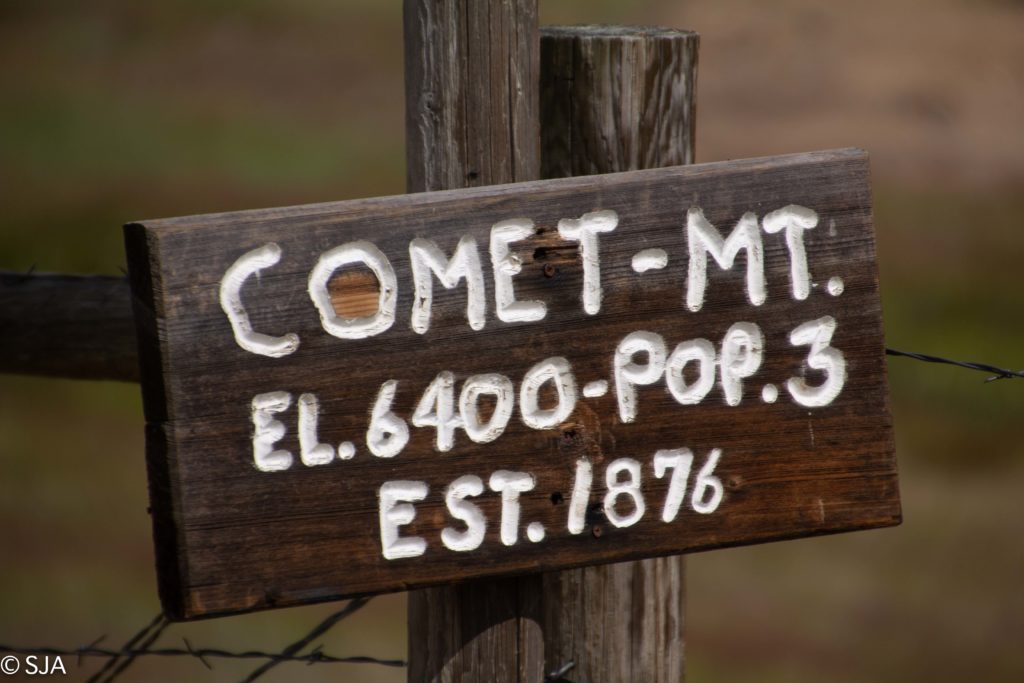
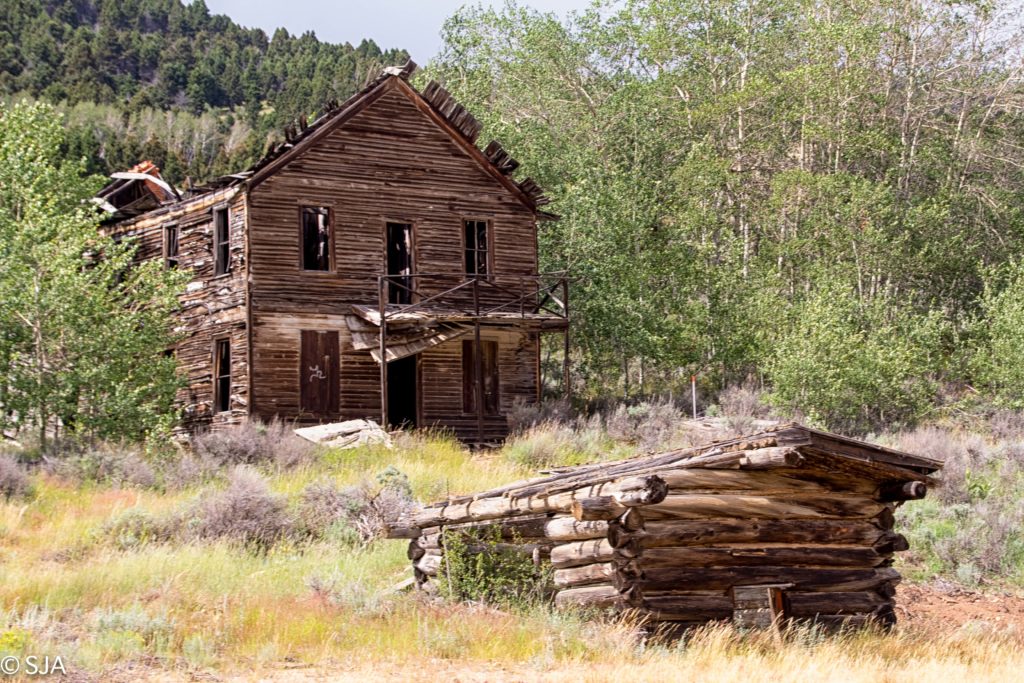
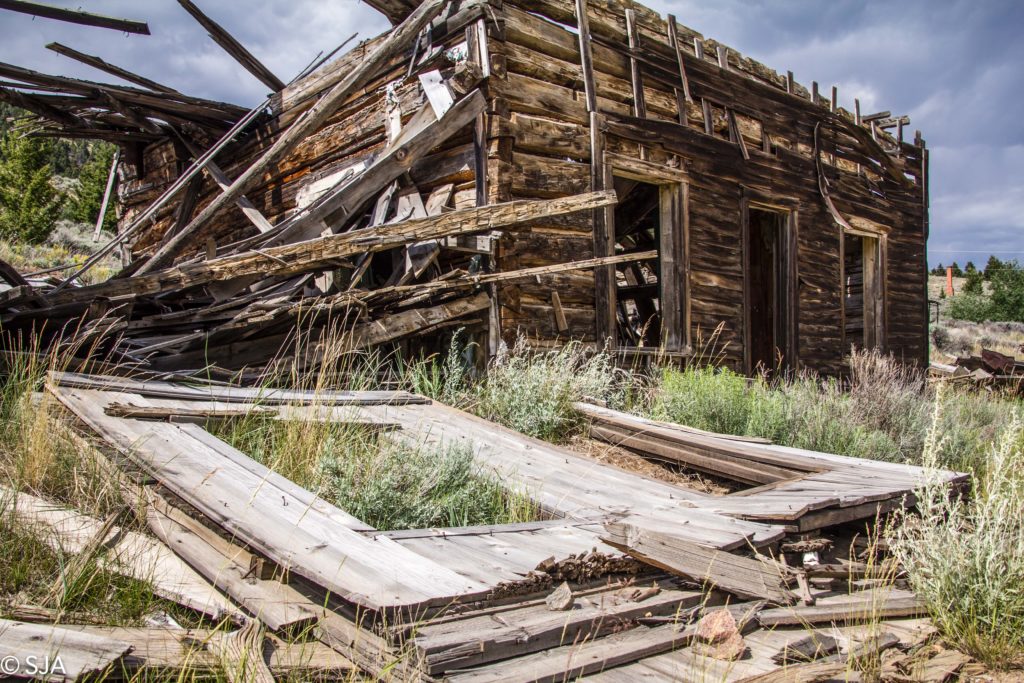
Comet, Montana is located about 20 miles southwest of Helena. The remains of the town cover about 35 acres. It is private property but is open to public access. The town is named for Comet Mine which was developed in 1883.
Coolidge, Montana is said to have been named after Calvin Coolidge. By 1919, the community was thriving. By 1922 the town had telephone service and electricity. Work was done on a mining tunnel, but by the time it was ready for operation, the economy had taken a downturn and silver prices plummeted.
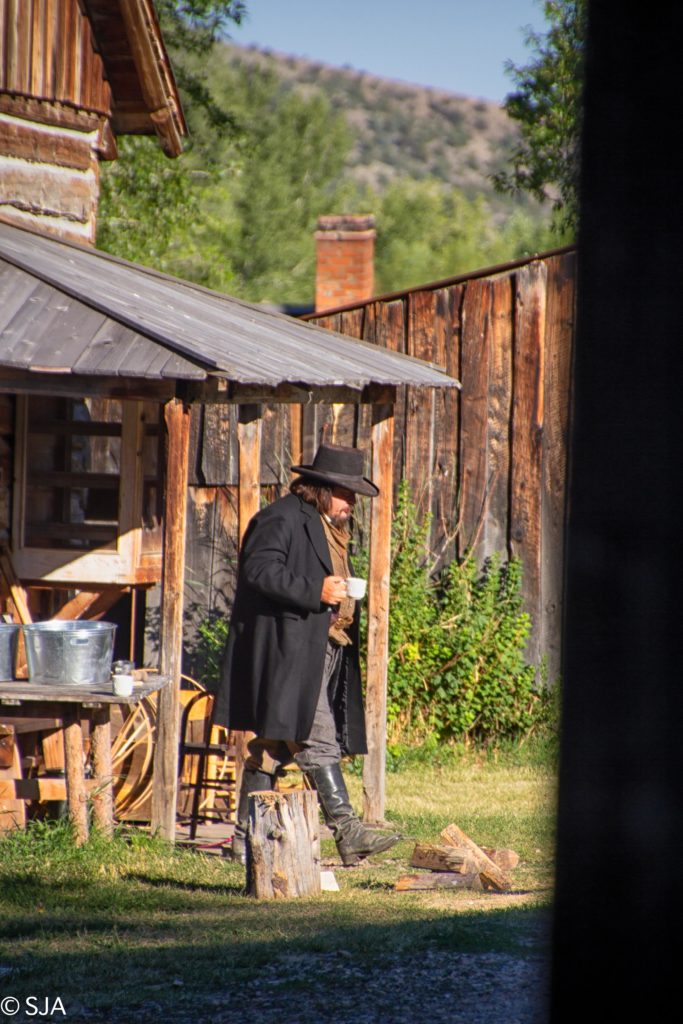
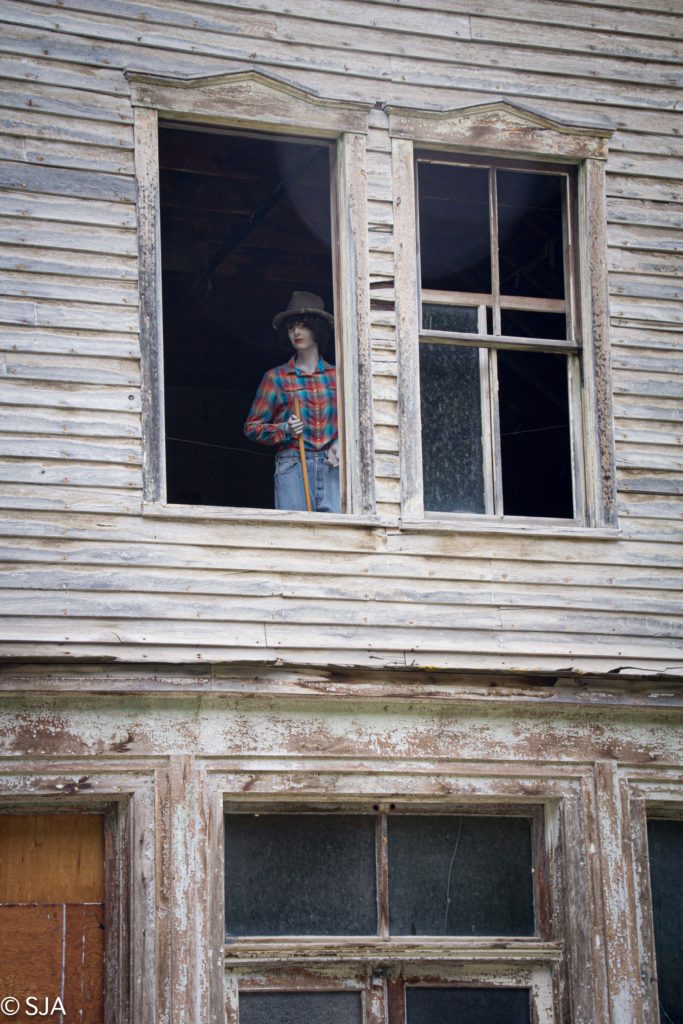
One of the inhabitants of Coolidge
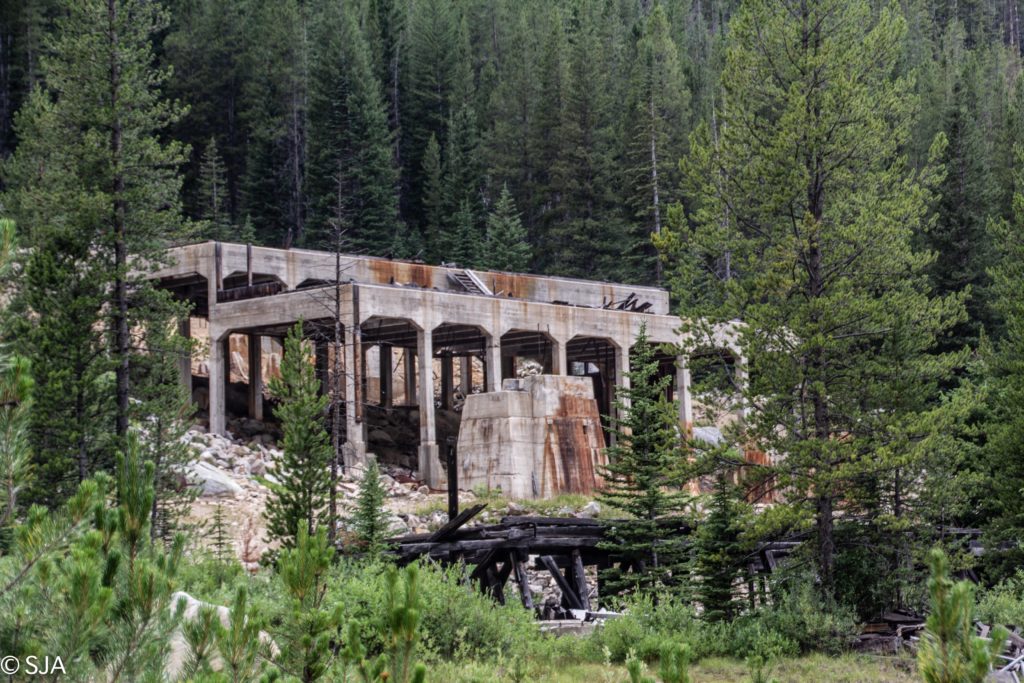
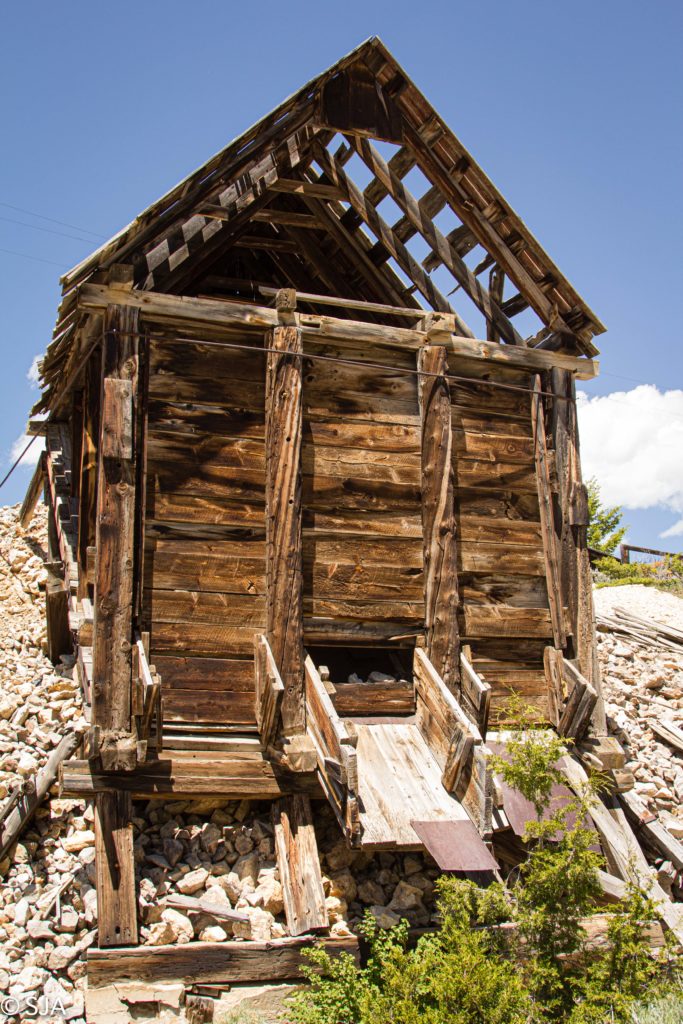
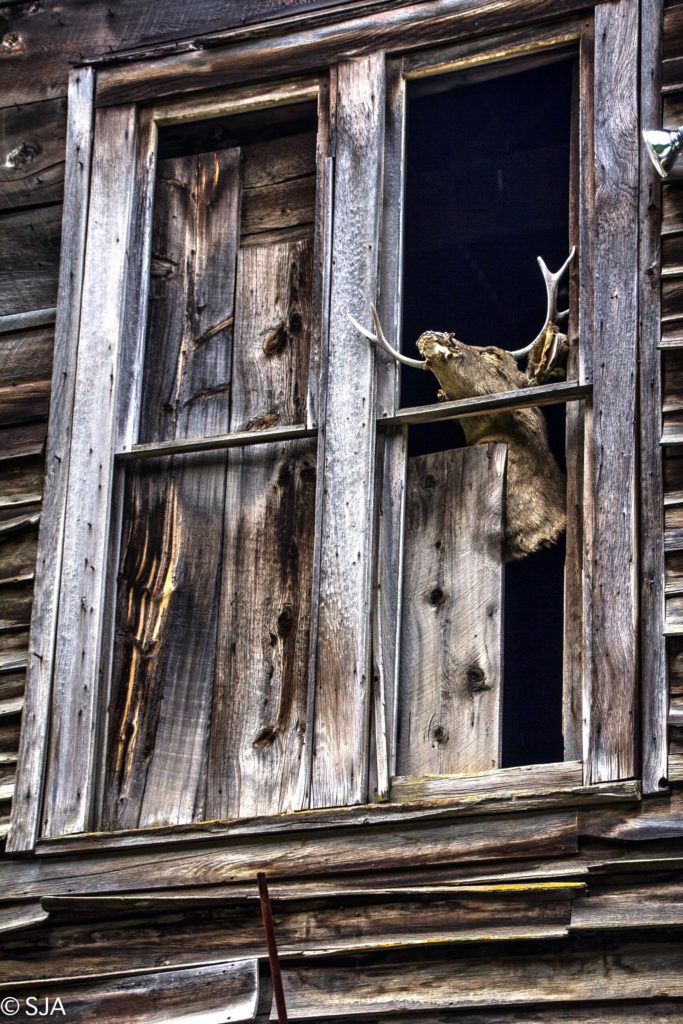
Elkhorn Mining District had rich veins of silver high in the Pioneer Mountains. It was called “Old Elkhorn” because a pair of elk horns were found near the discovery of the site. It was just a short distance from Coolidge. At one time this was the largest mill in Montana.
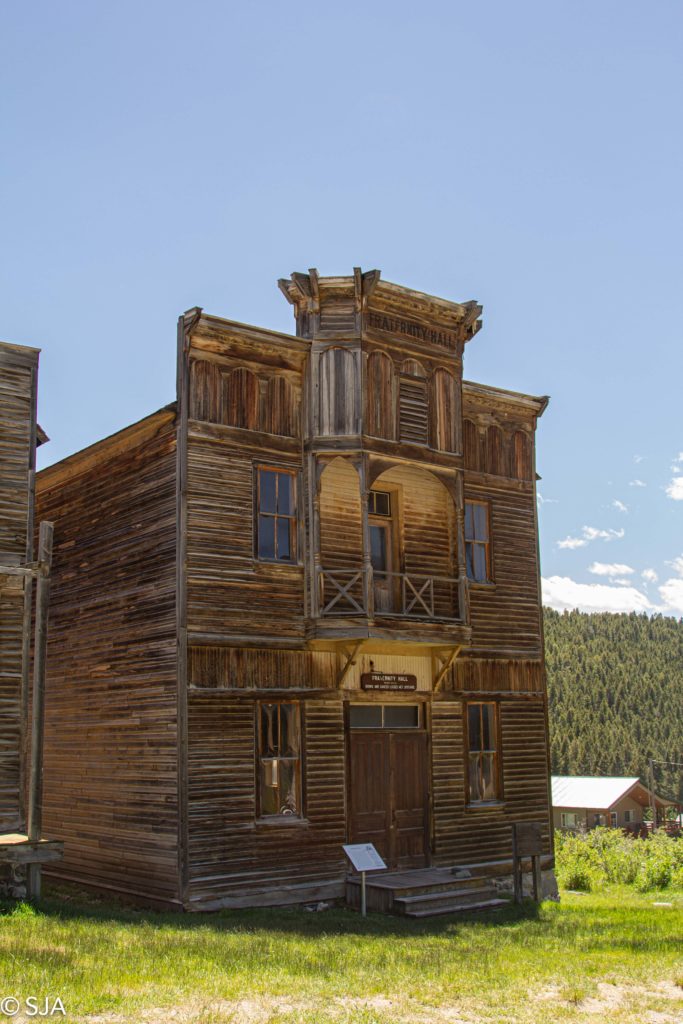
Elkhorn, Montana located in the Elkhorn Mountains, was founded in 1872. It was abandoned in the 1970’s. Two of its buildings, Fraternity Hall and Gillian Hall, are preserved as Elkhorn State Park within this historic silver mining ghost town. It is a gorgeous drive to Elkhorn.
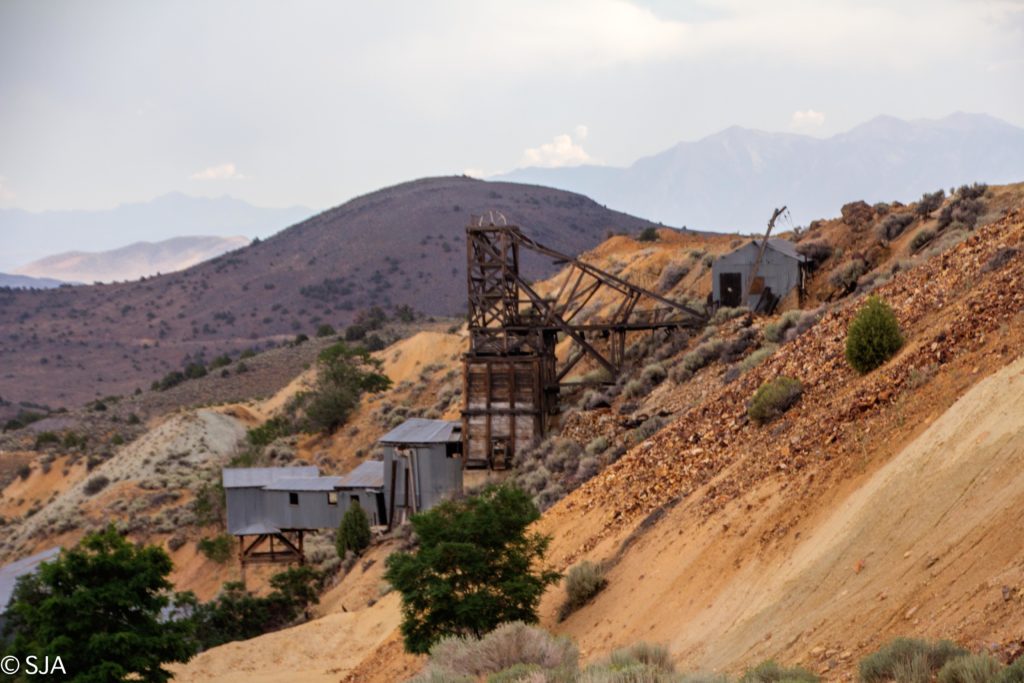
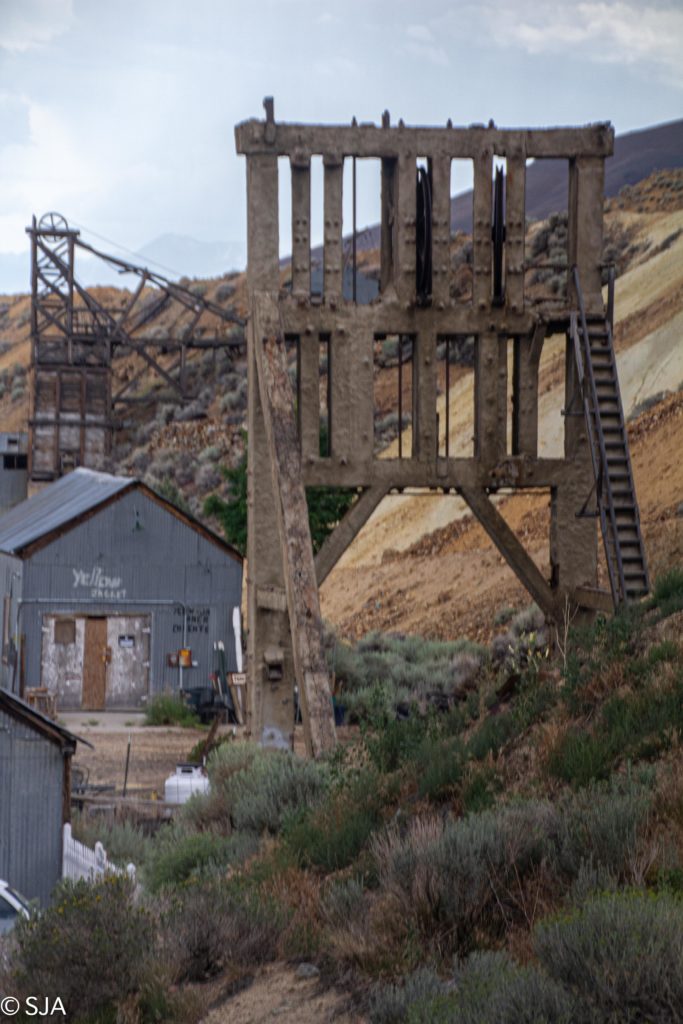
Gold Hill, Nevada was never a town or a settlement. It was a mining complex to process ore from several claims, including the Gold Hill mine. Only the mine hoist and foundations of the mill exist.
Goldfield, Nevada, so named because of the discovery of gold, was a booming mining town from 1905 through 1910. In fact, it was once the largest town in Nevada. Wyatt and Virgil Earp came to Goldfield in 1904. Virgil was hired as deputy sheriff in January 1905. Wyatt left shortly after. Much of the town was destroyed by fire in 1923. One of my great uncles mined here for a short time.
Marysville, Montana was once a thriving gold camp. Several of the buildings in Marysville are listed on the National Historic Register. Part of the town is considered a ghost town, but it is far from being deserted. Mining activity still goes on there. In the 1880’s and 1890’s, it was said to have been the leading gold producer. When my family moved to Montana from New Mexico, they lived in this community for a time.
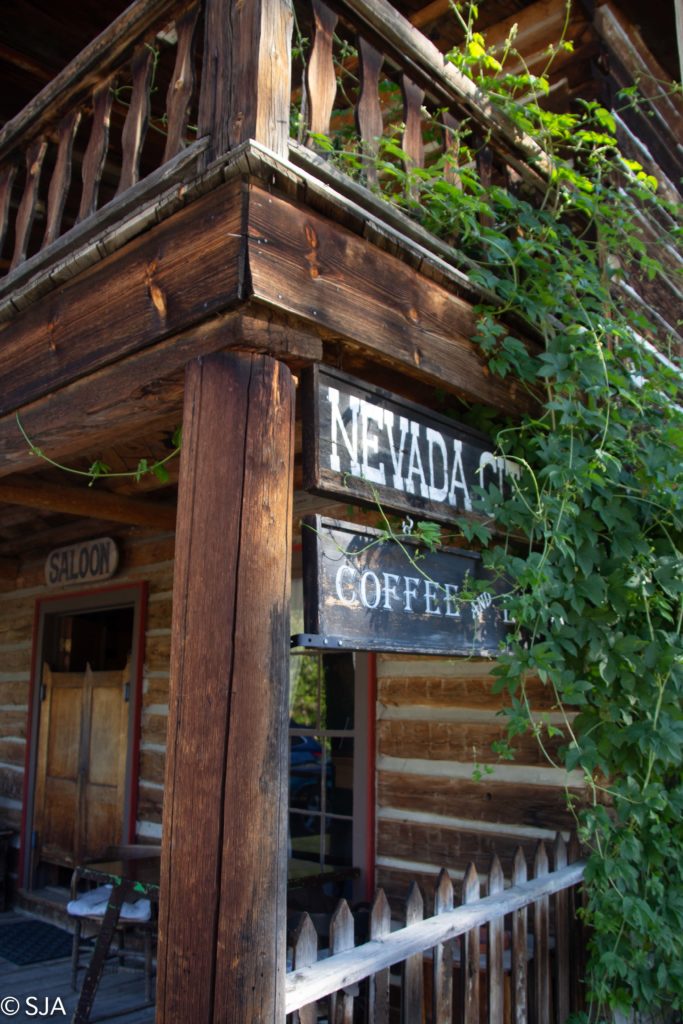
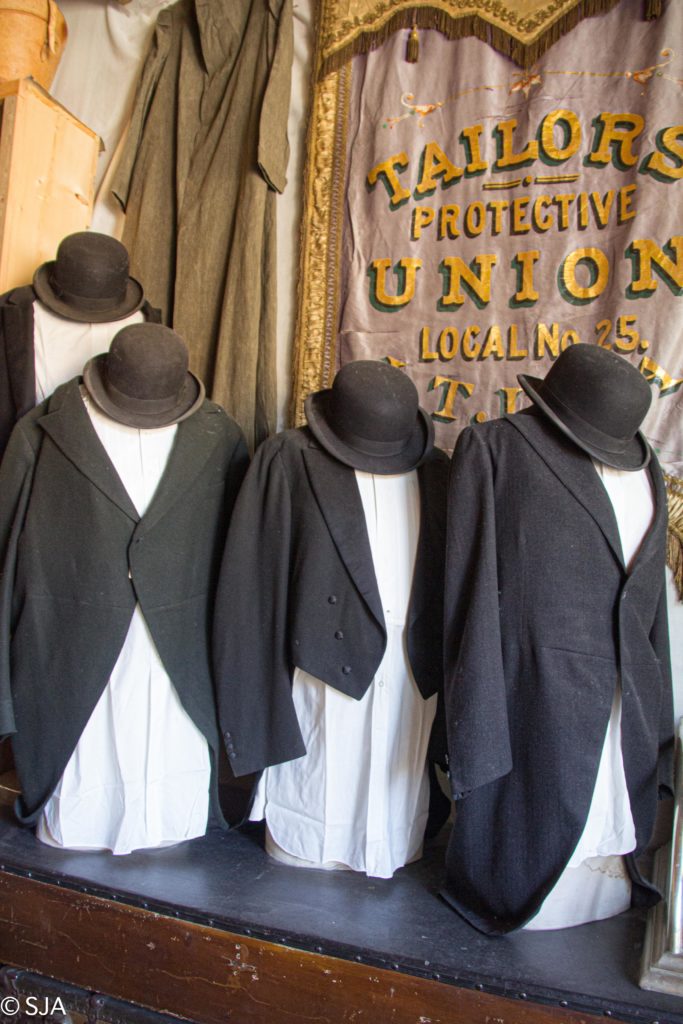
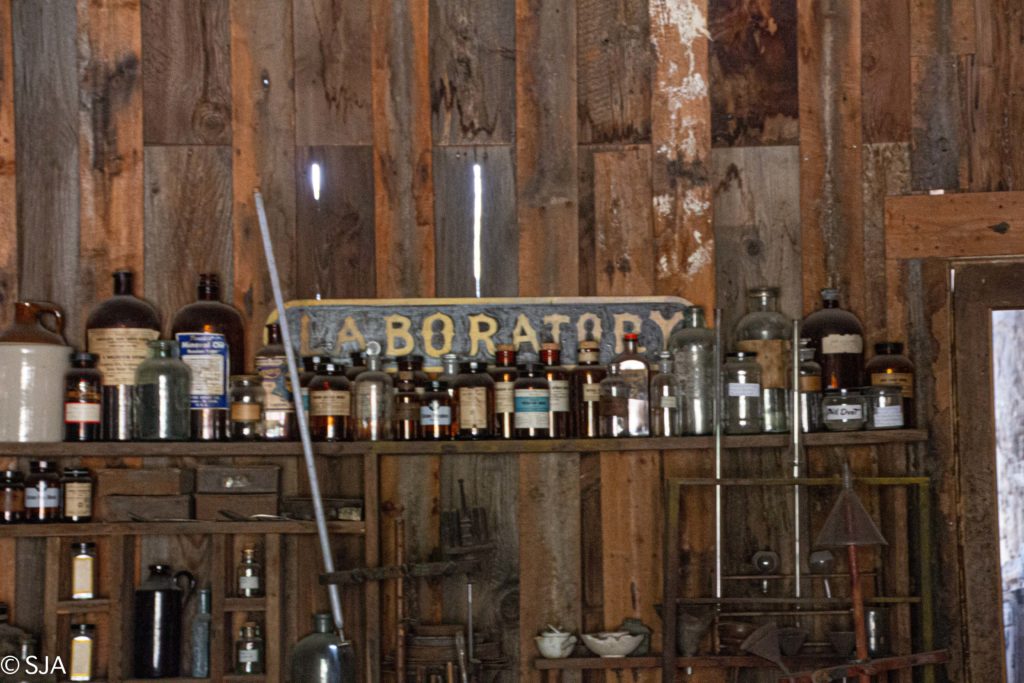
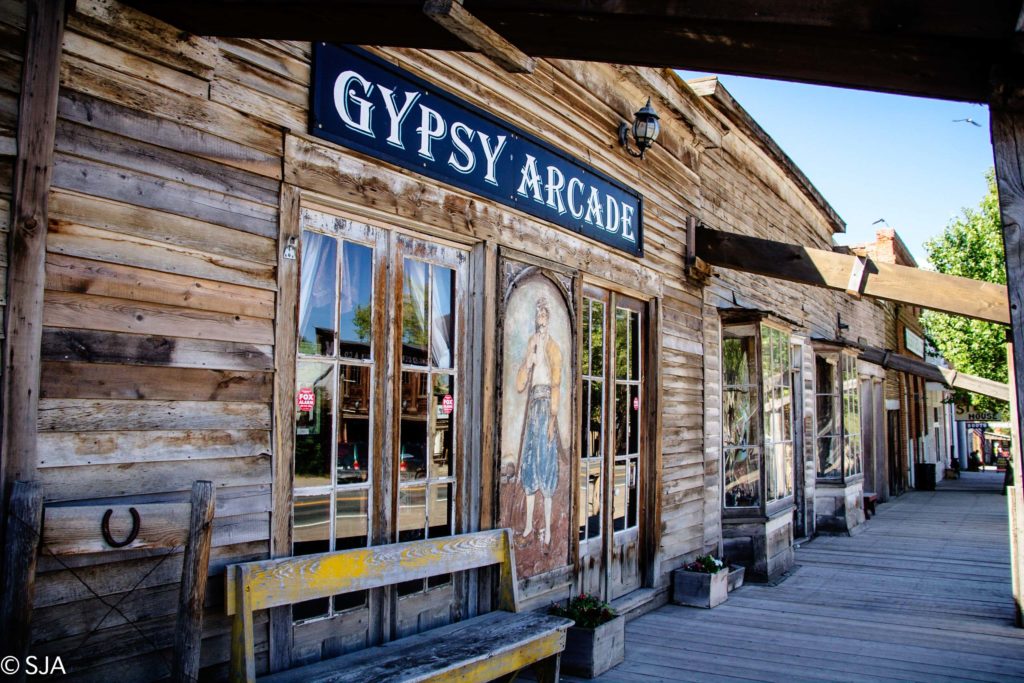
Nevada City, Montana is a mining ghost town that was restored between 1945 and 1978. The city, along with Virginia City, is a living historical museum. In the 1880’s it was known as the site of the richest placer gold strikes in the Rocky Mountains. Visitors can step back in time with a tour of the Old West mining town, a train ride, or a night in the Nevada City Hotel.
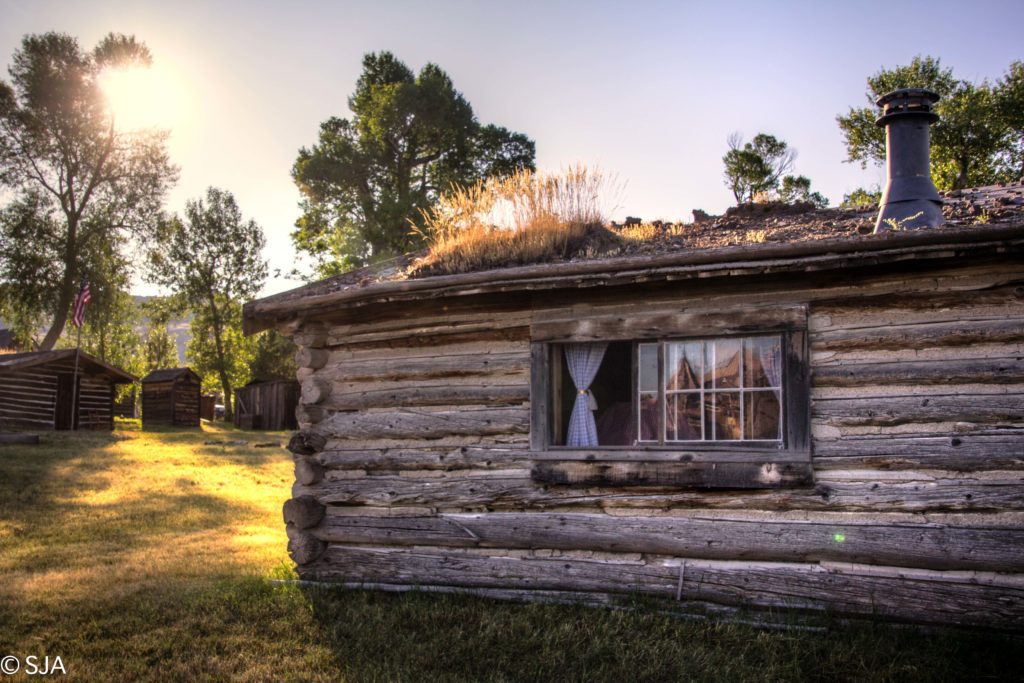
sod roof
Old Montana Prison, aka Deer Lodge Prison, was the first Territorial Prison in the western United States. It was built by convict labor in the late 1800’s. The Old Montana Prison Complex also houses five unique museums within the historic prison walls. Though it may not be on the list of Ghost Towns, it is the ghostliest place I have visited. Mel Jowell, who killed my great Uncle Joe in 1911 was housed here on more than one occasion.
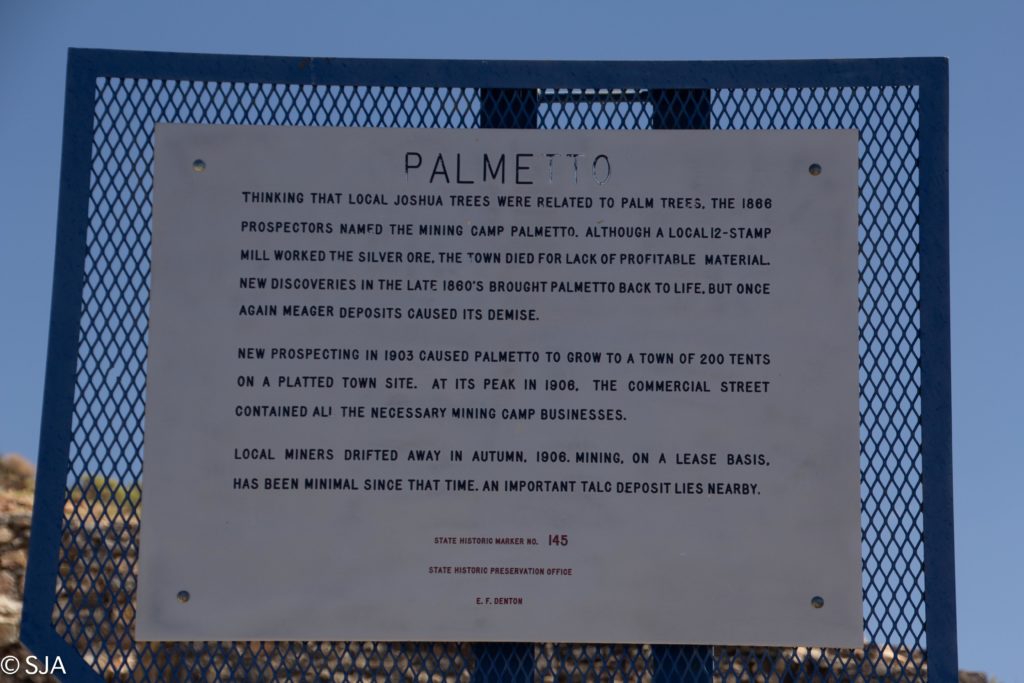
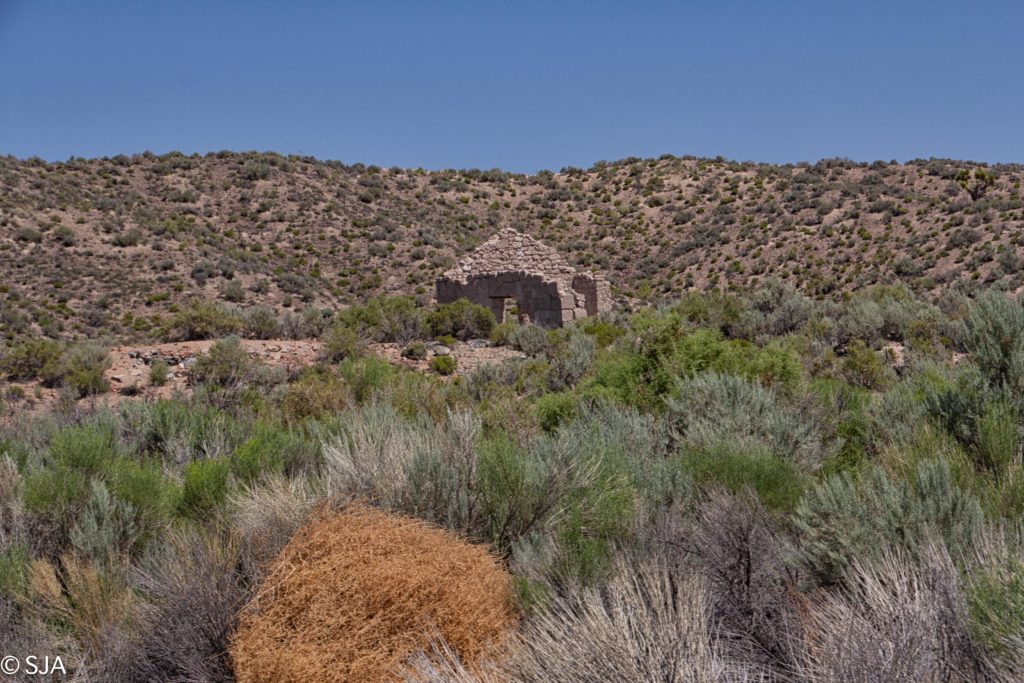
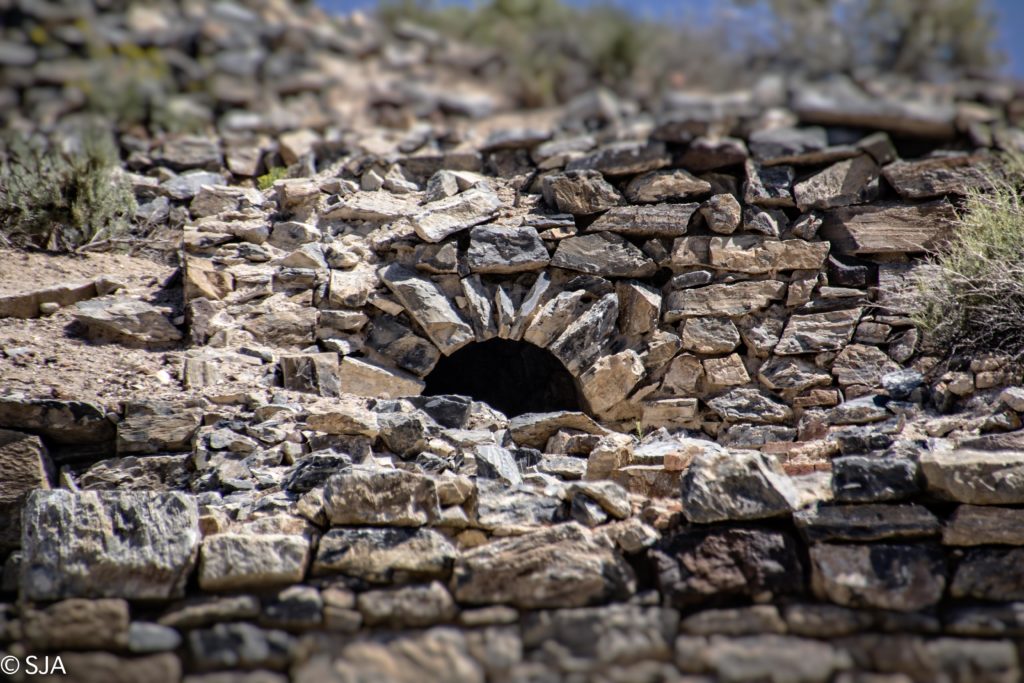
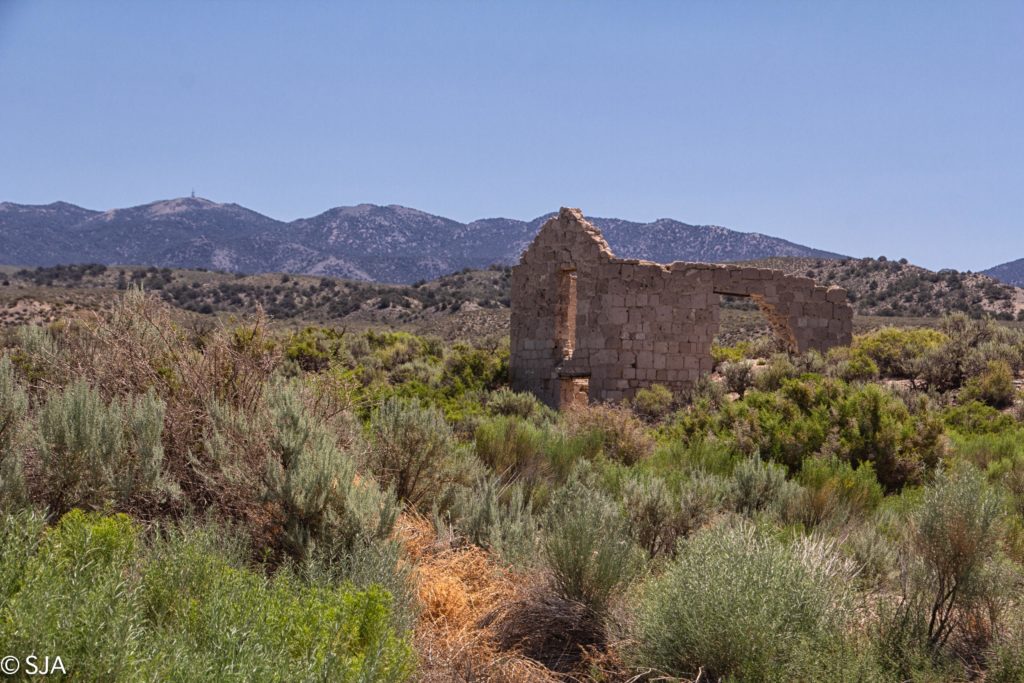
Palmetto, Nevada was founded in 1866 when prospectors discovered silver deposits. They named the camp Palmetto, thinking that the Joshua trees were a relative of the palmetto tree. When it was founded, a tent city sprang up. The town had restaurants, a bank, doctor’s office, post office, assorted stores and businesses. It is completely abandoned today.
Furnace
Rimini, Montana, 12 miles west of Helena, was once filled with mining activity. It is inhabited by a few full time residents. In the summer months, many make their homes in restored miner’s cabins. The town was named for Francesca da Rimini, a character in the opera Dante’s Inferno, which was popular in Helena at the time. There are a number of historic buildings still standing.
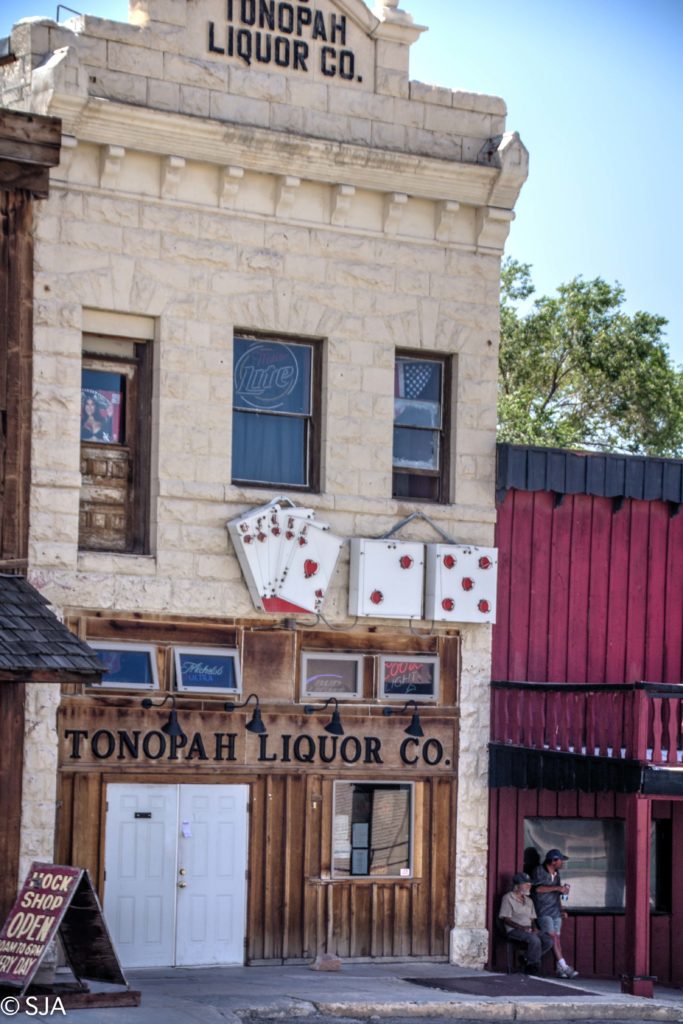
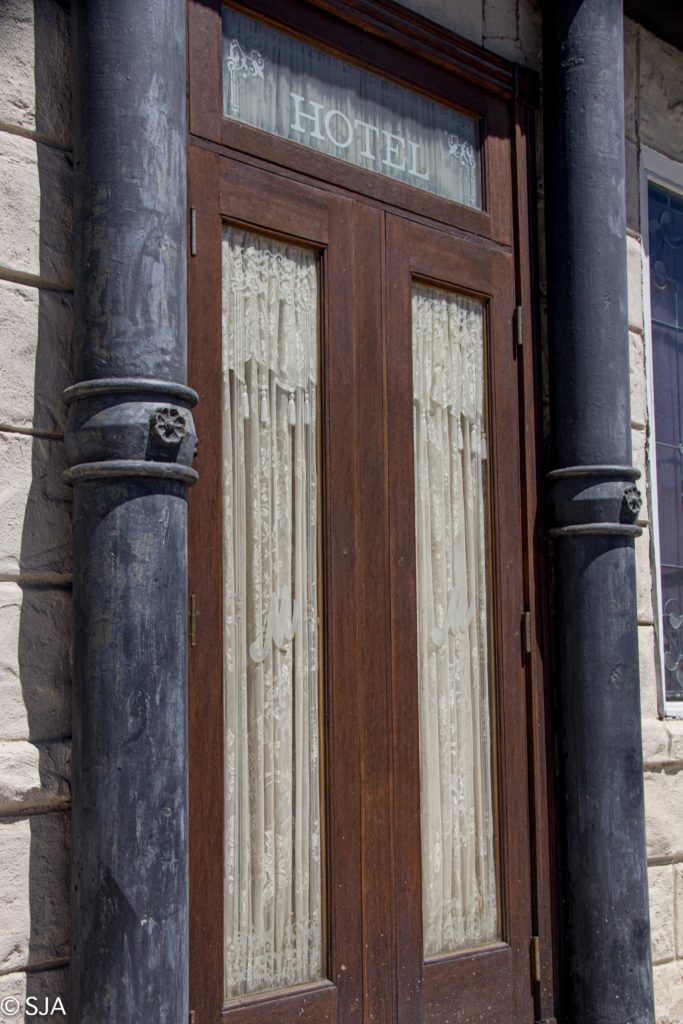
Tonopah, Nevada was at its peak in 1905 with the discovery of gold. The old section of the town is a ghost town while the rest of the town is vibrant. Tourism plays a large part in the local economy as it continues operation with hotels, clubs, stores and restaurants.
Virginia City, Montana is a living ghost town. It stands frozen in time. Nevada City and Virginia City lie along Alder Gulch about a mile apart. This is the site of the richest placer gold strike in the Rocky Mountains. Visitors can find historic lodging, take a train ride, pan for gold, attend a theater show, enjoy fine dining and shop. This is a well preserved Old West gold mining town along with Nevada City. My great aunts and uncles ran a boarding house here for a short period of time before moving to the Helena area.
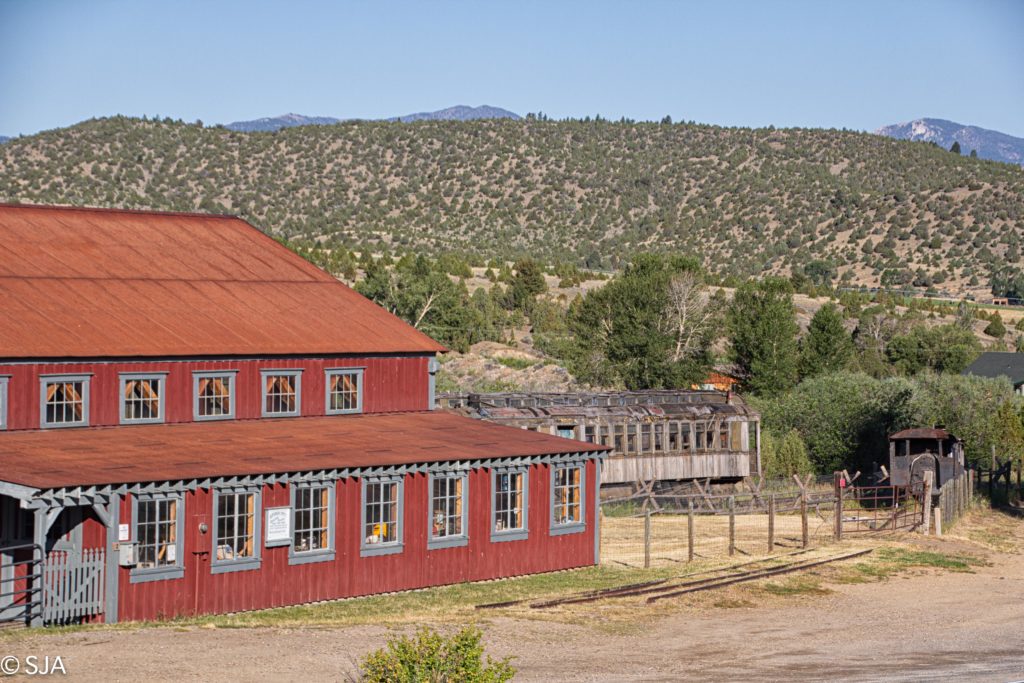
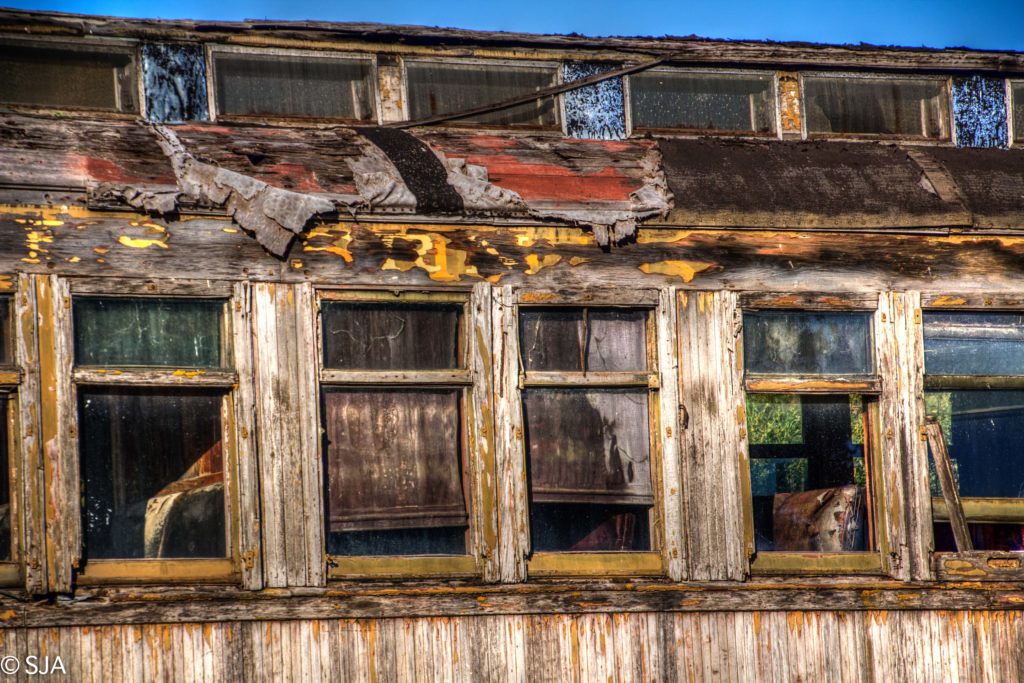
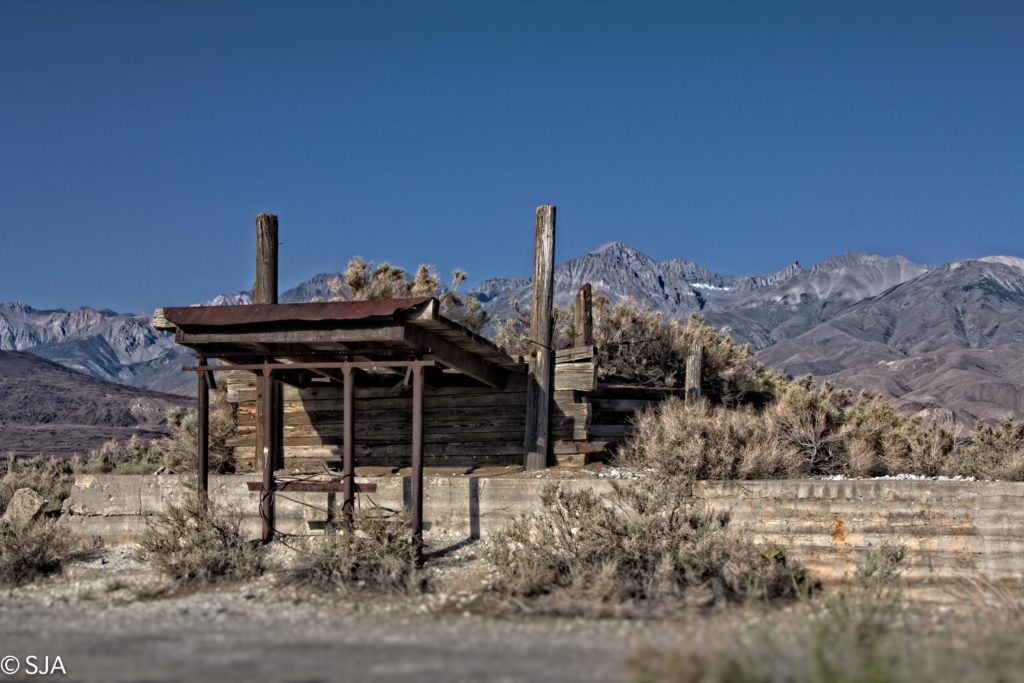
Zurich Station in Inyo County, California, was formerly known as Alvord. It was established as a freight and passenger station on the Carson & Colorado Railway in 1884. The name was changed to Zurich in 1923 because the eastern slope of the Sierra mountains reminded a local resident of her native homeland of Switzerland. The station fell into disuse in the 1940’s and ceased operation completely in 1960.
If I say, “Buffalo Jump,” you may not have a clue what I’m talking about or you may have a vision come to mind. This summer, Maud and I visited Madison Buffalo Jump State Park near Three Forks, Montana. The 638-acre park includes the limestone cliff that was used by Native Americans as a buffalo jump. Interpretive displays give detail descriptions of harvesting bison for food, clothing, and shelter. Visitors are given a glimpse of the culture of the Native Americans who used this jump site.
Madison Buffalo Jump State Park
My visits to Montana are not complete without passing another buffalo jump on the way to the mountain homeplace of my father. In his younger days, he explored along the edge of the river under the cliffs of the jump and found buffalo bones, arrowheads and other Indian artifacts. I was able to share that experience with my grandkids this summer. We had the privilege of exploring that very same area and even saw buffalo bones sticking out of the dirt and rocks on the other side of the river.
Cliffs at another buffalo jump
Cliffs along the edge of the butte
Rocky cliffs line the edge of the butte on two sides. Years ago, Indian braves wore buffalo or wolf skins to lure buffalo to the cliff. When in position, hunters came from behind and channeled the buffalo to the direction of the cliffs. Others waited to help with the harvest. In fear, the buffalo ran and plunged to their death. The river that followed the curvature of the butte ran red with blood. Not only were buffalo used for meat, but all parts of the animal were used. Skins were made into clothing and teepees. Sinews were used as bowstrings and thread. Tongue could be used as a hairbrush. Horns and hooves were made into cups and other utensils. Hair was used for rope and halters. A good harvest was vital to their survival. Located nearby was their village. Teepee rings are lingering evidence of those who lived there.
The stone circles are the remains of teepee locations aka teepee rings
Later after we visited the buffalo jump, we drove around the other side of the butte. My youngest granddaughter asked for a story. The story I told was of the buffalo hunt and the Crow Indians who lived on the prairie in view of the mountains. I asked, “Do you see the buffalo on the butte?” She looked and said, “Yes, I see them.” I put my hand to my ear, “Listen! Can you hear the stampede of buffalo and feel the ground shake?” She said, “Yes I can.” I pointed, “Can you see the teepees over there where we saw the teepee rings?” My desire was to paint a picture of teepees and fires burning within rings of rocks. Women were sewing garments out of skins with bone needles and sinew thread while others scraped hides, preparing them for tanning. Children ran and played with small bows and rattles made from horns. Young men fashioned knives and arrow heads out of bones and rocks from the riverbed.
As the little girl listened to my story, she formed pictures in her mind of the scene I described. Later when she asked me to tell the story again, I had her tell it to me instead as only a four-year-old can do. Hopefully the story will pass on to her children and grandchildren.
Note: Though we often use the terms interchangeably, the animals we know as buffalo in North America are bison
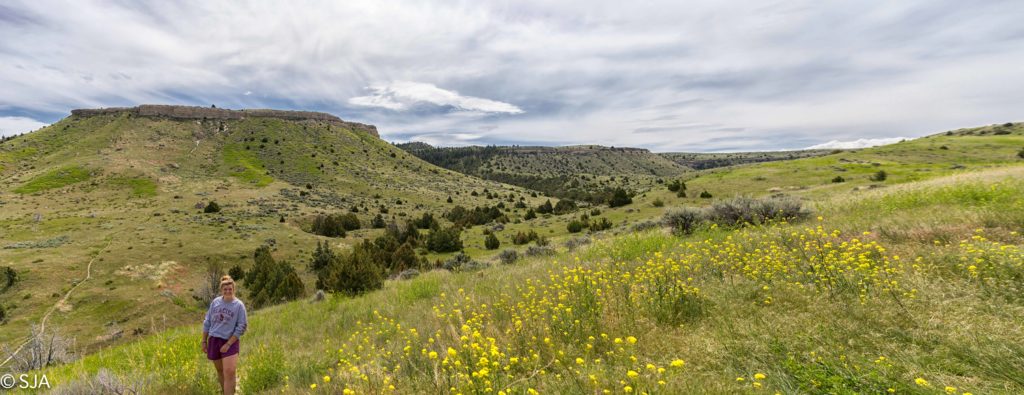
The rolling hills of Eastern Montana were laden with sage brush and prickly pear. The summer grasses were just as dry as the parched cracked ground in which it grew sporadically. Rocks sprouted up randomly in unlikely places. You could top a hill and have an unobstructed view for miles and miles. A clump of the trees marked where a spring bubbled out of the ground or the home place of a neighbor. A line of trees was indication of a creek or irrigation ditch. Fields in the distance looked like patchwork quilts. The sky was deep blue with occasional clouds casting long dark shadows on the barren hills below. A stand of weathered windblown willows stood close to a house barely protected by the wind on one side. A small wire fence separated the yard and house from the rest of the world. That is where Uncle Buster lived.
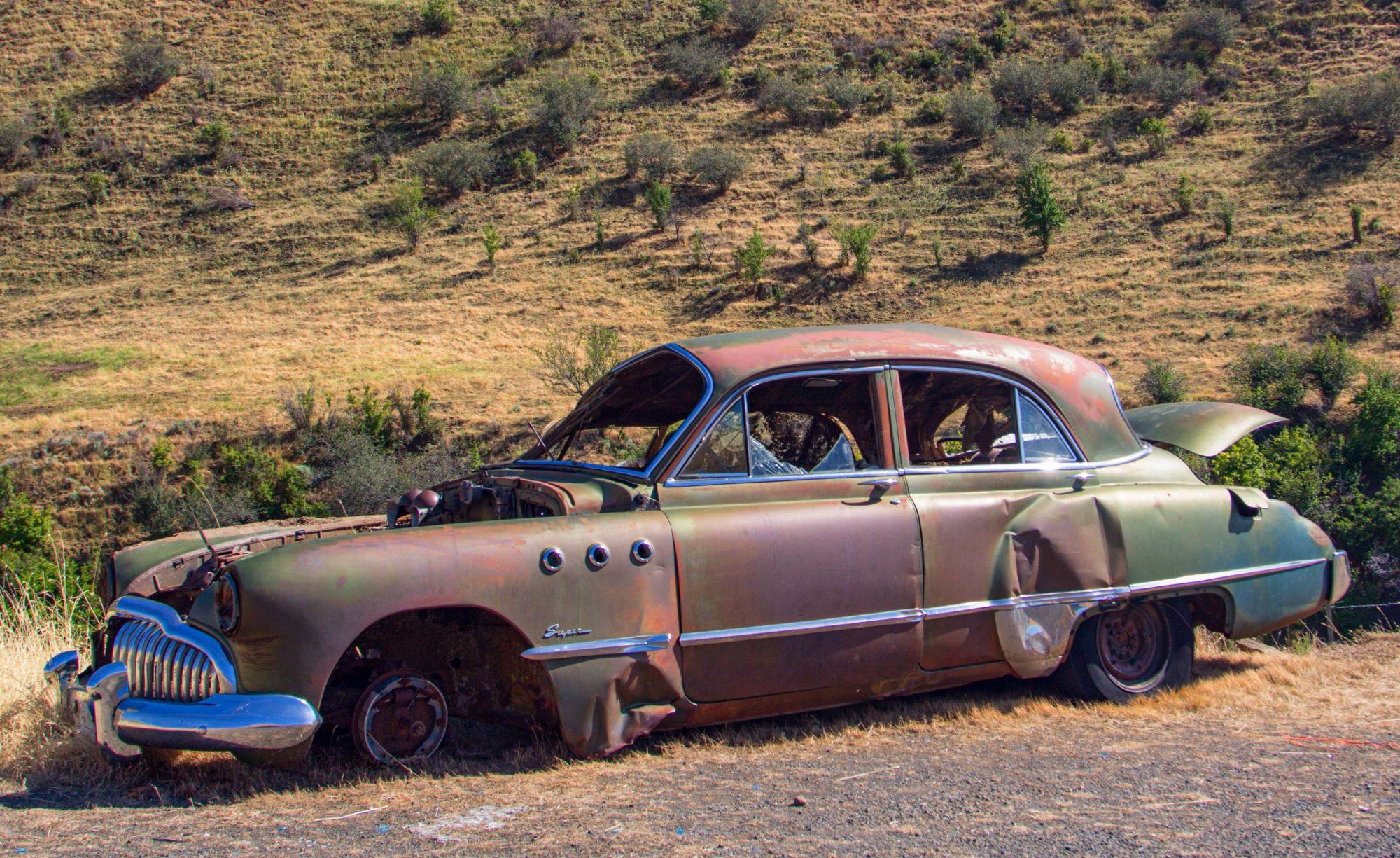
Uncle Buster said, “You girls want to go on a sheep drive?” My sister and I were ready and out the door in a flash. We headed to the barn to saddle up the horses. Uncle Buster followed us out and said, “We’re not taking the horses.” He grinned and pointed to the old beat up car, “We’re taking the car.” I couldn’t believe nor imagine driving sheep with a car, unless he was going to stuff them in the car with us. My imagination formed a picture of caricatures of sheep hanging out of the trunk, windows and hood of the car.
With Uncle Buster around, there was always an adventure. We jumped in the car, drove through the open gate and headed across the pasture. It was a scene from an animated cartoon. Uncle Buster was behind the wheel. There was no steering needed. He merely grabbed the wheel to keep it from jerking suddenly to the right or left when we hit a prairie dog hole or big rock. We girls hung out the windows whooping and hollering and slapping our knees just as if we were riding bucking broncs, sheep flying everywhere.
Uncle Buster had one speed – fast. We flew through the pasture leaving sage brush, dirt and rocks flying all around us. We’d hit a bump and were airborne until the car took a nosedive into the brush. It was obvious from the knocks, clanking and scraping sounds that the mud on the underside of the car was getting cleaned off. The sagebrush and prickly pear seemed to suffer no ill effects other than tire tracks. I knew then why that car was so dented and beaten up.
Sage brush hills
Prairie grass
At first, the sheep kept their heads to the ground pulling dry prairie grass with their teeth. They were oblivious to the approaching one car circus on wheels. The sheep scattered and ran toward safety. If some strayed during their flight from the flying maniacal car, Uncle Buster would move in that direction to get them back with the flock. I can’t say if they were in their right mind, but all the sheep made it to their destination unscathed.
When we finally skidded to a stop, a trail of dust still lingered in the air. Uncle Buster got out, straightened his hat and walked off dragging his bad leg behind him. We girls got out, adrenaline still rushing, and managed to stay upright after the drunkening ride. We walked away, bowed legs and all. What an adventure!
A lot of folks collect mementos of their trips and adventures. Some people take home t-shirts, magnets, stickers, shot glasses, post cards, seashells, spoons, and thimbles, among other things. I have even carried back a bag of dirt. When I was a kid, I always managed to stash a favorite rock or even a bag of rocks. I’ve expanded my horizons and now collect pottery made in the areas I visit.
Each piece is more than just a trinket. It is a memory. The platter and bowl I picked up in New Smyrna Beach, Florida during my sister trip are reminders of lighthouses, beaches, seafood, sunsets, kayaking, an island rookery, laughter, manatees, Spanish moss, lots of good food and fun. A bowl from the Art Walk in Sequim, Washington holds memories of cousins, rain forests, hikes, mountains, lakes, scenic photos, cliffs, sounds of ocean echoes in caves, and ferries. The bowl from North Carolina tells of a surprise trip with “the girls.” It brings to mind waterfalls, the Biltmore Estate, ghost hunting, cold rain, friends, little towns, Madison’s Restaurant, winding mountain roads, and a wintery Segway ride.
Unique bowls from Alaska remind me of the fulfillment of a childhood dream come true to visit there with my dad. My husband and I were able to take that trip with my dad, aunt and cousins on an Alaskan Cruise plus a four-day inland tour to Denali.
Two pieces from the Brad Walker Pottery Shop in Dahlonega, Georgia, brings the sound of laughter. “The girls” and I have passed through there many times on our “Destination Unknown” trips. We’ve hiked, explored, gone off road to climb mountains and stick our feet in mountain streams. We have eaten at many delicious places, stayed in lodges and cabins, zip-lined through the trees, shopped in quaint little towns, rode horses, slept in a tack room, visited fudge shops, and many other things.
While traveling through Montana, we have gone through little towns and followed roadside signs that say, “Pottery Shop.” We came across Basin Creek Pottery in Basin, Montana, one of those towns that can easily be missed if you blink twice. The artist gathers his own clay and makes his own paints with natural minerals found in the mountains. The pottery I got from there is a long, narrow and shallow dish that is perfect for crackers. It holds memories of Ghost Towns, a bumpy ride through the wilderness and chasing elusive outlaws. Firehole Pottery is another great little pottery shop off the beaten path between Belgrade and Bozeman. I have several pieces from there that all remind me of the mountains and visits with Maud and my grandson.
The bowl with the indented swirl in the middle is from Penn Cove Pottery shop in Coupeville, Washington on Whidbey Island. Various artists display their works of art, each unique. It was hard to make my choice. I ended up with two bowls. They remind me of island life, tall bridges over glacial waters, coastal towns, boats, seashores lined with rocks, green rivers and lakes, massive chains from sunken ships and other items washed up on the beach, squawks of sea birds and the deep sad tones of foghorns in the distance.
Another shop, Fat Elk Trading Company, in Packwood, WA, was small, but it had lots of pottery as well as other items. The pieces I selected were different than any I have seen elsewhere. They bring an old memory from a trip long ago to Mt. Rainier National Park as well as more recent memories of traveling in the shadow of Mt. Rainier and of sharing a meal of burgers at Cliff Topper just down the street.
Every piece of pottery I have collected holds a special place in my remembrances. Not only do I use them to serve up Sunday Dinner, but I also use them to serve up memories.
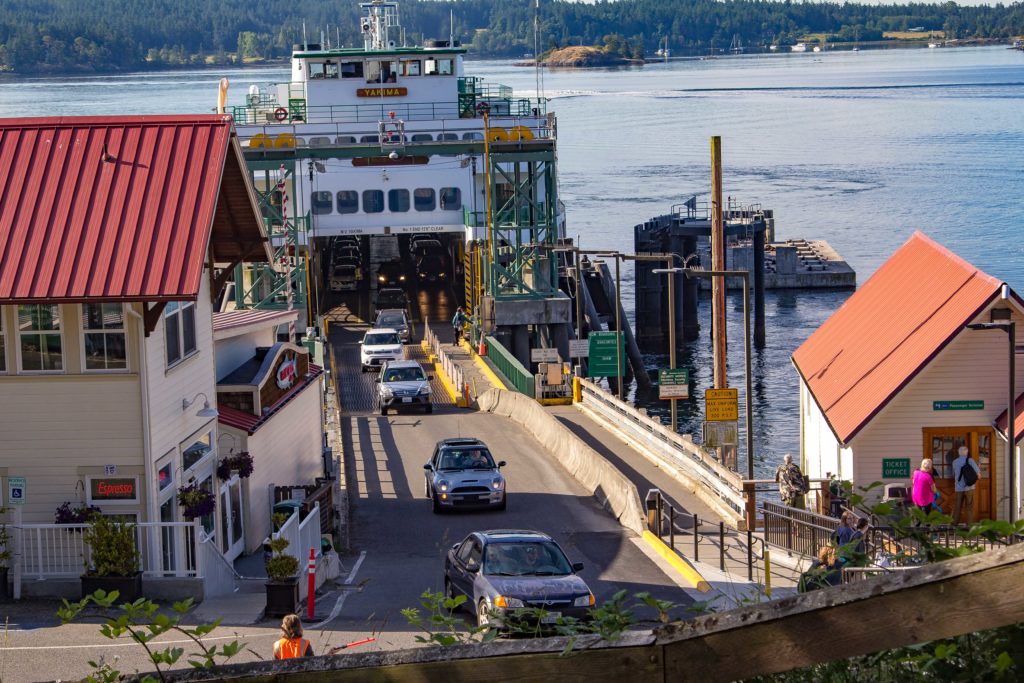
“Please return to your cars for boarding.” At that announcement, folks hurried back to their cars. A dad guided a little girl with one hand as he precariously juggled newly purchased items in his other hand. A mom followed with two little ones, guiding them through the maze of vehicles. Families, shoppers, and sightseers wove in and out of the string of cars. It wasn’t long before the line began to move except for the cars devoid of their passengers who would soon be rushing to make the 8:40 AM crossing. One by one, foot passengers, bicycles and motorized vehicles filled the bowels of the open-ended ferry. A lady ran down the ramp just as it was preparing to lift from the deck. “Can I get on?” A worker unlatched the gate for which the lady was grateful.
One of the smaller ferries in the area
Orcas Island
Car doors slammed like dominos, one after the other, sending a resounding hollow echo through the belly of the ferry. Many of the cars were abandoned again, and passengers made their way to the upper decks. I was no exception. Instead of sitting, I headed out on the open deck at one end of the ferry so I could see the fascinating scenes around me. Looking across the open water, I felt the wind and salty mist on my face. The strong smell of the ocean filled my nostrils. Sea birds ducked their heads under water in search of their next meal. Seagulls squawked and flew closer to the shore. The wake from the ferry rocked small boats as we passed. The mainland grew larger as the island we had left behind got smaller and smaller. I felt as if I had stepped into a different and timeless world. The hands of the clock stood still for just a few moments in time.
Island life is foreign to me. Some people make the commute to and from the mainland every day. If they make the trip twice daily, the short distance across the water can take three to four hours out of their day. As I considered their daily trek, I thought, “Hmmmm. Maybe that’s not so bad.” If they want to get to the other side, they have little choice but to take that daily reprieve just to be still or read or take a stroll as the rest of the world passes them by.
As the ferry neared the mainland, people scrambled to get back to their vehicles. Soon the sound of engines coming to life was heard. Passengers hurried off the ramp going about their business as that moment in time passed, and the clock started ticking once again.
The desert has a beauty all its own. Hidden beneath the parched earth with wind teasing the dry grasses are seeds of new life just waiting to burst forth. The Southwest desert regions are absolutely fascinating.
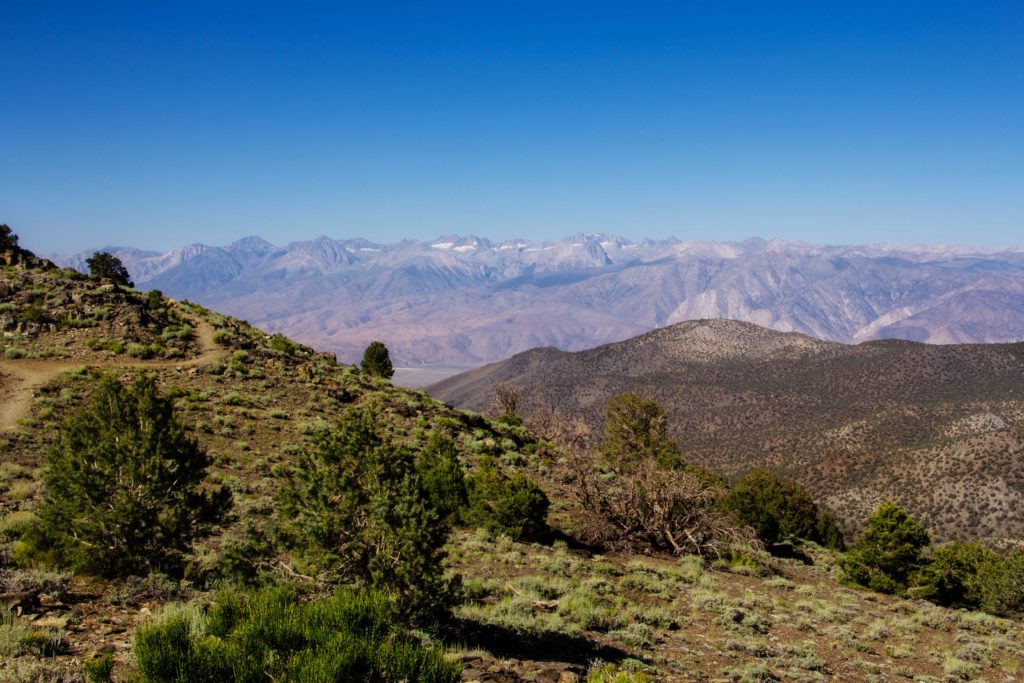
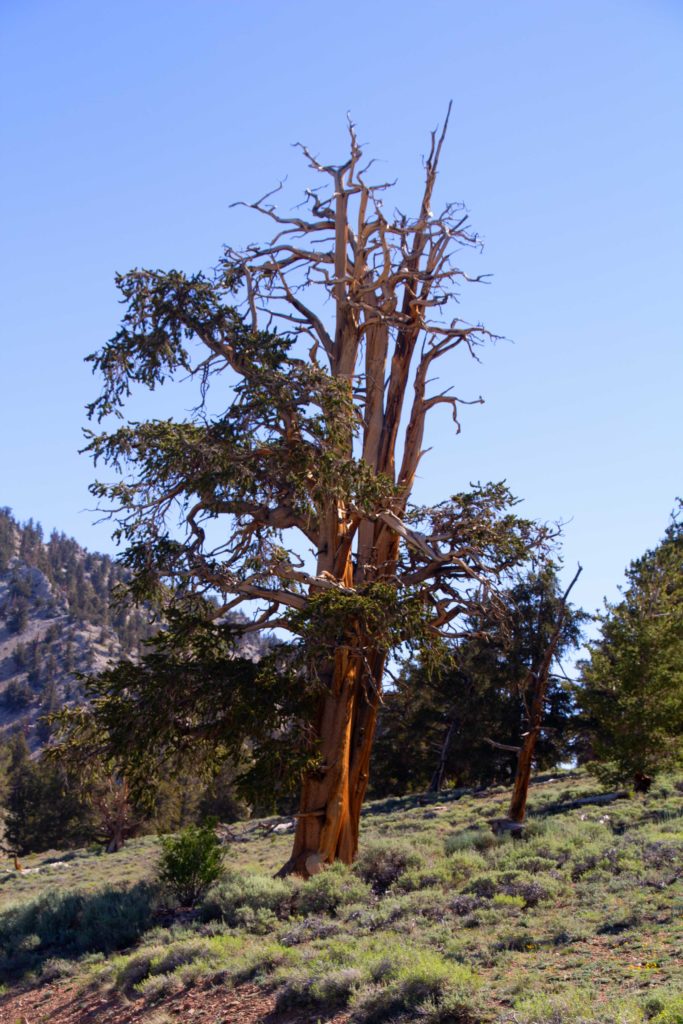
about 10,000 feet in the White Mountains
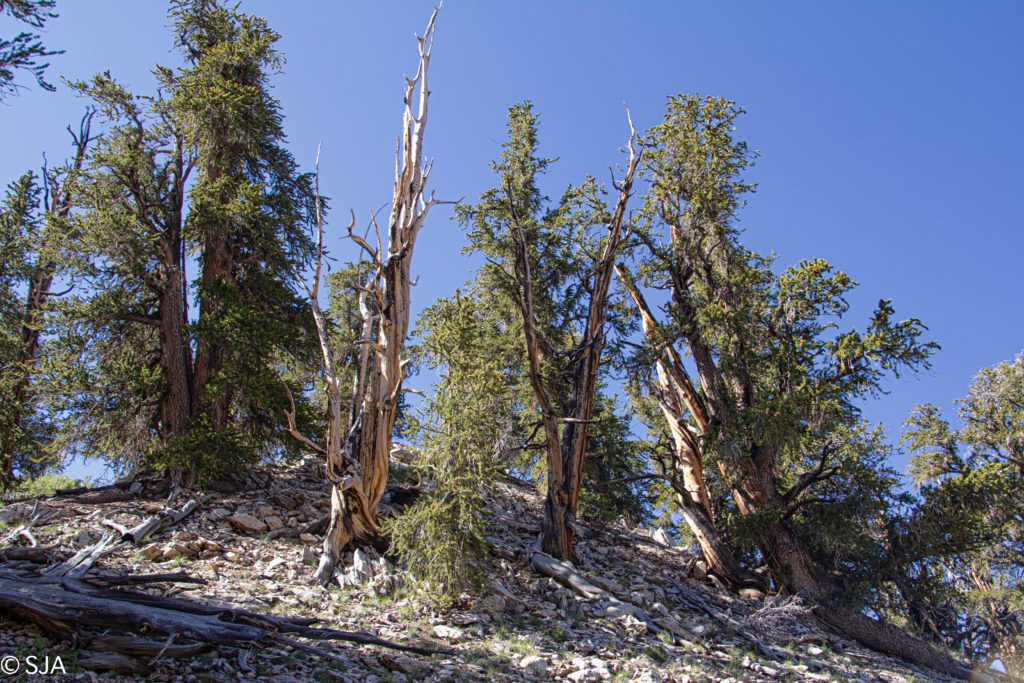
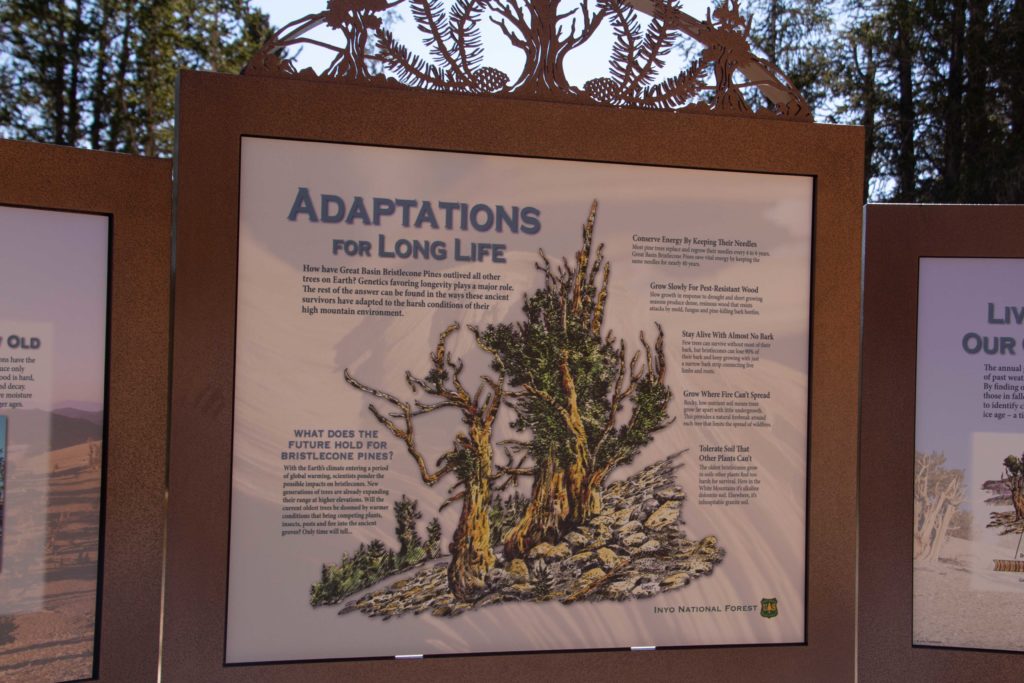
One of my favorite places I have visited is the White Mountains in eastern California. There is a jewel hidden in that high desert mountain range. The Ancient Bristlecone Pine Forest is a protected area high in the White Mountains in Inyo County. Having traveled through that area a few years ago, I can say if you’re planning a trip to that vicinity, it would be well worth a side trip to visit the ancient forest. The Ancient Bristlecone Scenic Byway winds through narrow canyons with gorgeous outcroppings of rocks. Climbing out of the valley, the reward is a view of rolling vistas and desert mountains dotted with gnarly trees that have survived the harsh conditions for years.
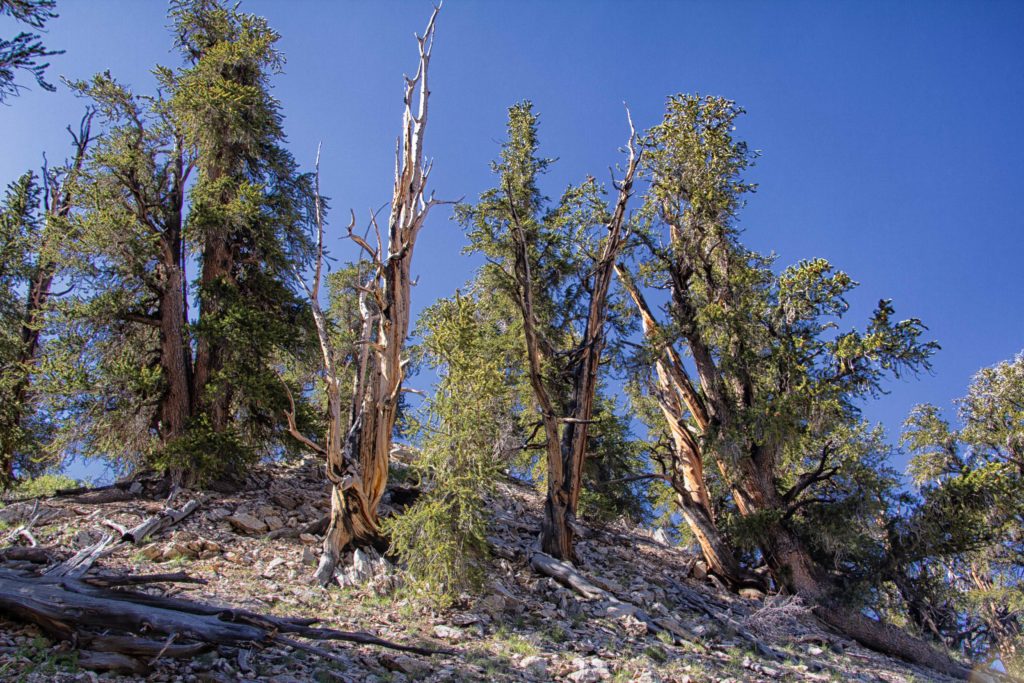
Ancient Bristlecone Pines
Many of the Bristlecone Pines are ancient trees. It is said the oldest known tree in the United States is a Bristlecone Pine. For years a tree named Methuselah, at about 4800 years old, was said to be the oldest but since then another tree in the same forest has been dated at over 5000 years old.
I sensed an air of sacred reverence there. Walking through the forest, it seemed that wisdom and history whispered from the trees. I was humbled just to stand there among those ancient sentries. Just think of all the changes that have occurred in their lifetime. They are survivors. How many people have sat at their roots? How many have wandered in those mountains among the pines? How many birds have nested in their branches? How many natives of this country have called it home? The Ancient Ones certainly deserve our protection and respect.